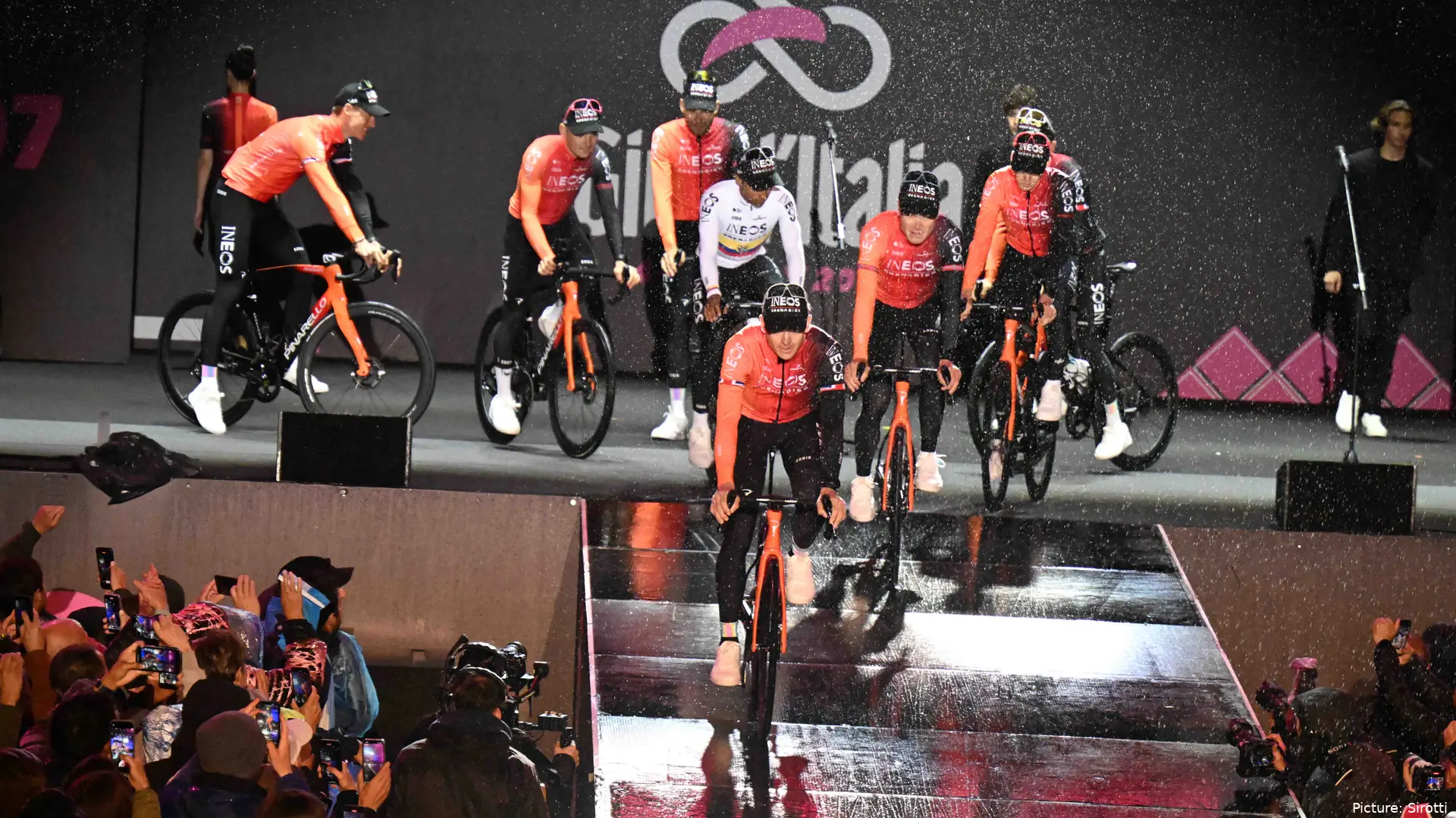
The INEOS Grenadiers were once the dominant force in
professional cycling, but they have endured one of their most challenging
seasons to date in 2024. A team that once dominated the Grand Tours with
legendary riders like Chris Froome, Geraint Thomas, and Bradley Wiggins, now
finds itself struggling to reclaim its place at the top of the sport.
The 2024 season, in particular, exposed the stark contrast
between their former glory and their current struggles, as the team failed to
make an impact in the biggest races of the year. Lets take a look at what went
wrong, for what was once cycling’s greatest team.
The worst Tour de France performance?
One of the most glaring low points of INEOS' 2024 season
came at the Tour de France. Historically, the Tour has been the crown jewel of
INEOS' success, with the team having won the race seven times in the 2010s.
However, their 2024 campaign was arguably their worst in recent memory. For the
first time in years, INEOS failed to win a single stage at the Tour, and their
general classification hopes crumbled early on.
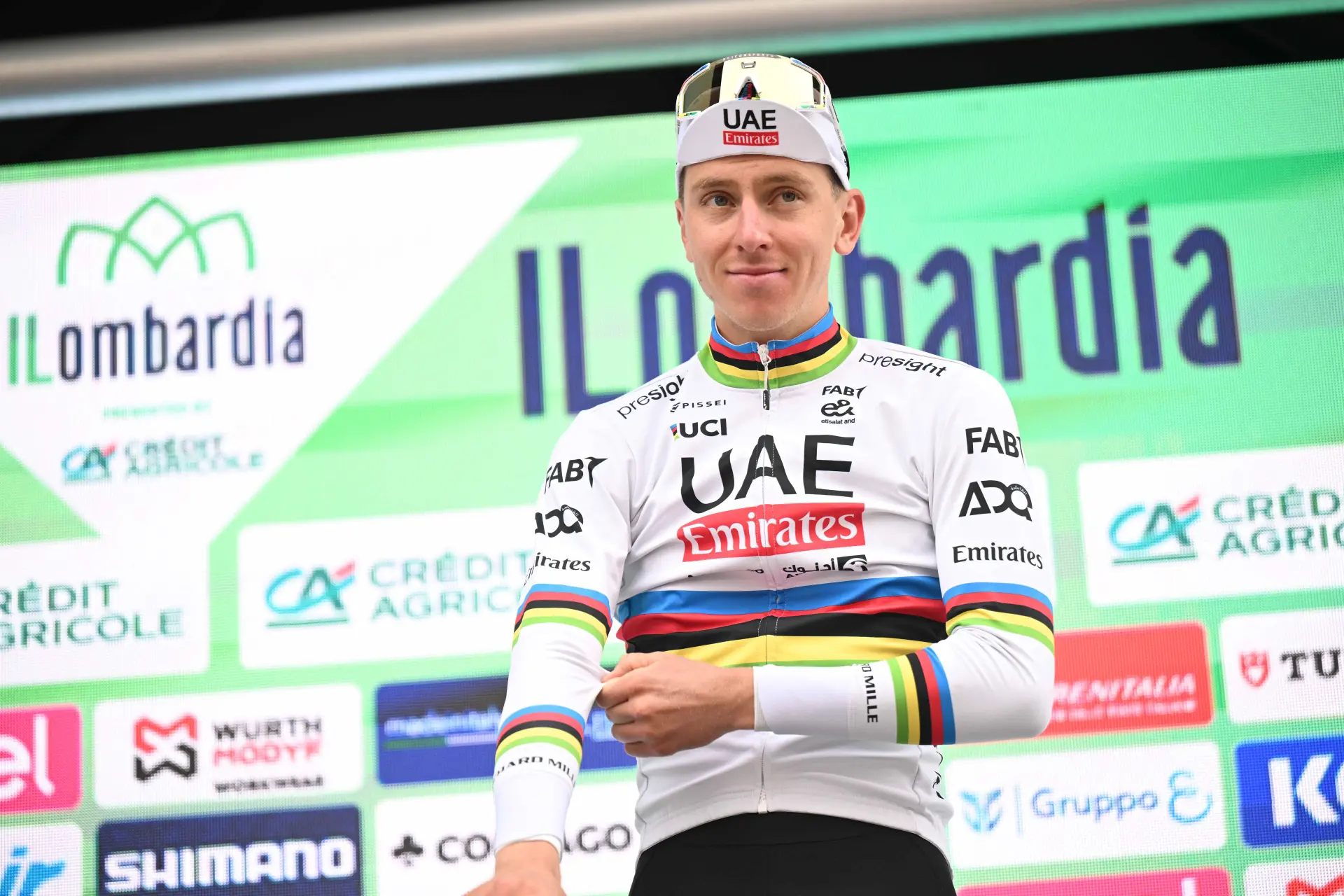
Carlos Rodriguez, the team’s brightest prospect, managed to
finish in seventh place overall, but his performance was overshadowed by the
dominance of Tadej Pogacar, who was in an entirely different race to the INEOS
riders. Rodriguez finished a staggering 25 minutes behind the Slovenian,
highlighting the growing gulf between INEOS and the current elite teams,
including UAE Team Emirates and Team Visma Lease a Bike.
For a team that once set the standard for performance and
domination at the Tour, this result was difficult to swallow. INEOS, once
feared for their ability to control mountain stages and dominate time trials,
were barely a presence in the key stages. Gone were the days when the team
would dictate the pace in the peloton, protecting their leader until the
decisive moments. Instead, they appeared weakened and unable to respond to the
aggressive tactics of their rivals.
The struggles of 2024 are a far cry from the team's
dominance during the 2010s. Back then, INEOS, then known as Team Sky, were the
gold standard in professional cycling. Their meticulous attention to detail,
cutting-edge technology, and disciplined tactics saw them dominate the Grand
Tours, winning the Tour de France seven times between 2012 and 2019.
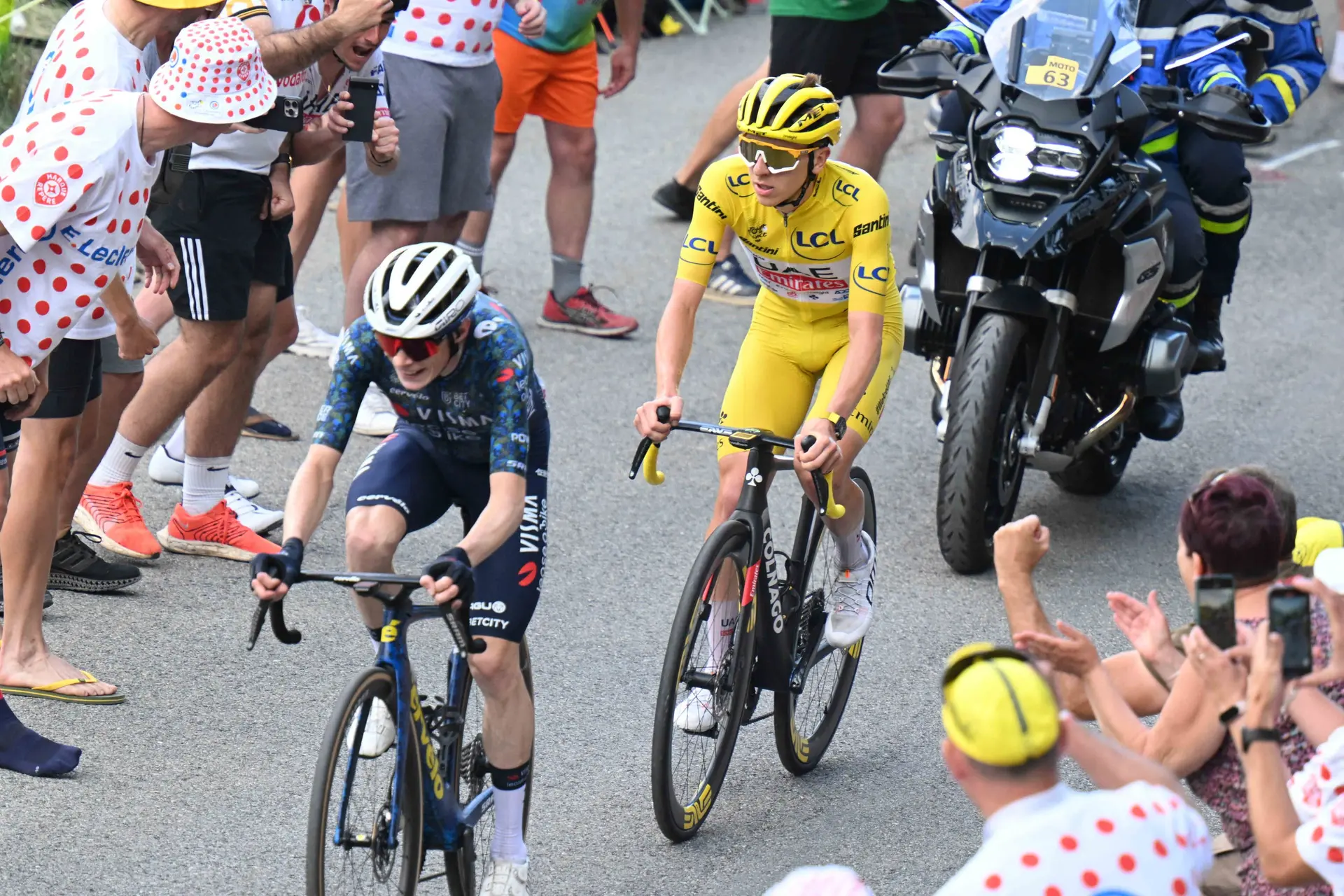
Chris Froome, Geraint Thomas, and Bradley Wiggins became
household names, each securing their place in cycling history. The team was
known for their "marginal gains" philosophy, focusing on every small
detail to gain an advantage over their competitors. Their success was not
limited to the Tour de France, as they also won the Giro d'Italia and Vuelta a
Espana multiple times, establishing themselves as the most formidable team in
the peloton.
However, the rise of riders like Tadej Pogacar and Jonas
Vingegaard has left INEOS trailing in their dust. These new stars, along with
their equally impressive teams, have exposed the vulnerabilities of a squad
that once seemed invincible. UAE Team Emirates and Visma have adopted the same
scientific approach to training and preparation, but with younger, more dynamic
rosters, they have outpaced INEOS in recent years. But is it that their riders
are simply quicker, stronger, better? Or is INEOS fall off linked with problems
further up in the chain of command?
Tension in the hierarchy
The problems for INEOS in 2024 extended beyond their on-road
struggles. There were already rumblings of unrest within the management team
before the Tour de France, and these issues only worsened as the season
progressed.
Steve Cummings, a key figure in the team's sports director
staff, was notably absent from the Tour de France this year. Cummings, himself
a former Tour stage winner, had been an important part of INEOS' strategy in
previous years, as seen in the Netflix series Tour de France: Unchained.
However, for reasons that remain unclear, he was left out of the 2024 Tour de
France, sparking rumours of disagreement within the team hierarchy.
In his place, Zak Dempster led the team as the sports
director for the Tour, having also overseen their efforts at the Giro d'Italia
earlier in the season. Cummings' absence did not go unnoticed, and it
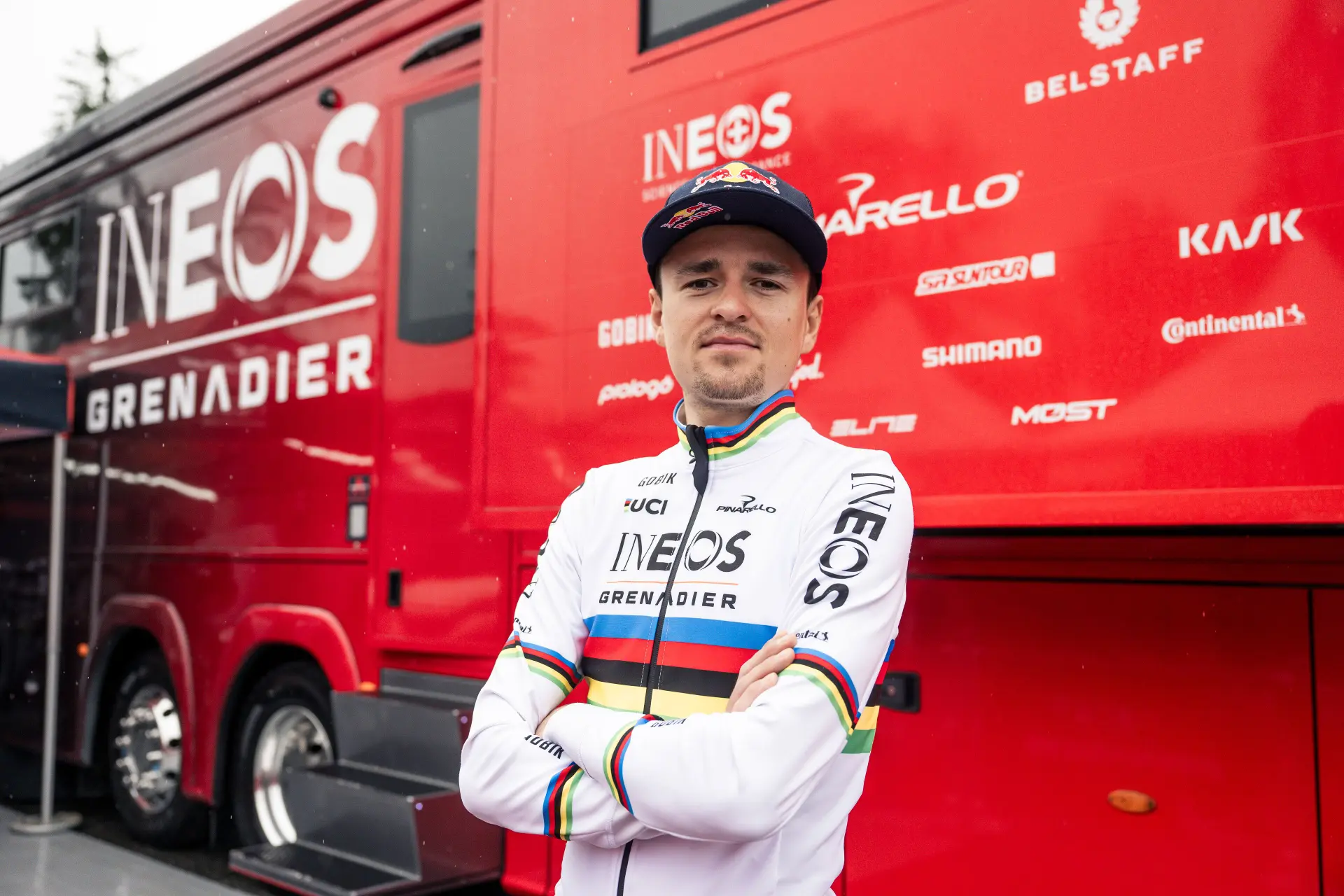
reportedly caused further tension within the team. Tom Pidcock, one of INEOS'
star riders, was quoted by Cycling Weekly as saying that things would be
"better" without Cummings present, suggesting deeper issues behind
the scenes.
Cummings was also left out of the team's Vuelta a Espana and
the Lidl Deutschland Tour, further fuelling speculation that all is not well
within the INEOS camp. For a team that prides itself on cohesion and meticulous
planning, these internal conflicts have undoubtedly contributed to their
underwhelming performance on the road. The well oiled machine, is certainly on
the ropes.
Further key departures
INEOS also suffered from high-profile departures in 2024,
with Dan Bigham, their Head of Engineering, leaving to join Red Bull
Bora-Hansgrohe. Bigham had been a crucial part of the team's time-trial
development, helping riders like Filippo Ganna and Joshua Tarling excel in this
discipline. His decision to leave INEOS was telling, as he cited disagreements
with the team’s approach to performance.
In an interview with The Telegraph, Bigham explained
his frustrations with the team's leadership: “It’s not particularly a me versus
Scott (Drawer) thing at all. It’s more just how I see performance. How I want
to do performance is not particularly aligned with how INEOS wanted to go about
it." He added, "I feel that a lot of performance we’re leaving on the
table and that frustrates me because it’s clear as day we should be doing
things a lot better.”
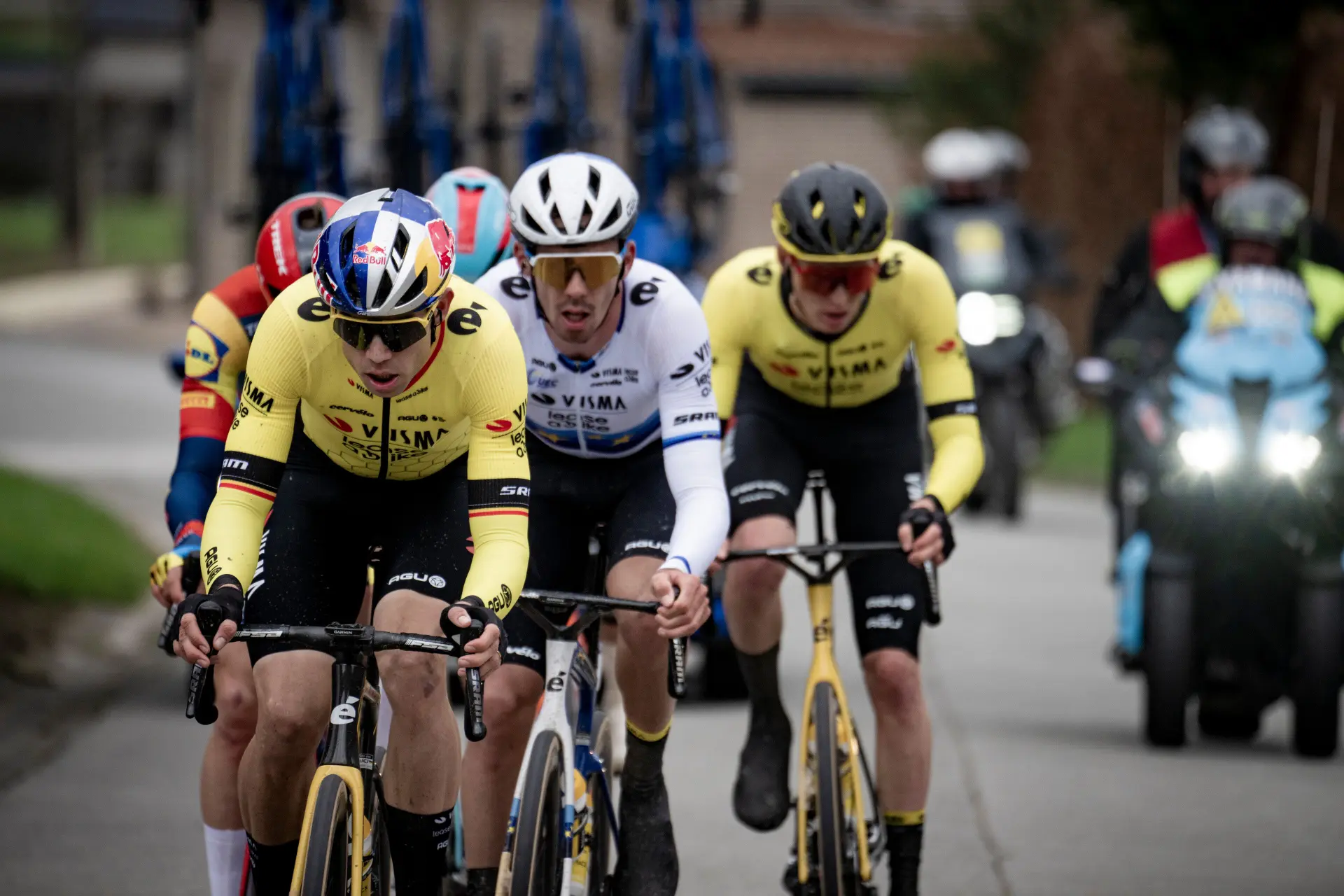
Bigham’s departure underscores the larger issues within
INEOS. Despite their enormous budget and access to top-tier resources, the team
is struggling to keep up with the likes of UAE Team Emirates and Visma Lease a
Bike. Bigham’s critique of the team's decision-making suggests that INEOS is no
longer the cutting-edge operation it once was, with other teams surpassing them
in terms of innovation and performance.
The Tom Pidcock drama
The future of one of INEOS’ most talented riders, Tom
Pidcock, is also uncertain. Pidcock, the reigning two time Olympic mountain
bike champion and winner of the 2024 Amstel Gold Race, has reportedly been
unhappy with his role within the team. After his stunning victory on Alpe
d'Huez in the 2022 Tour de France, Pidcock was expected to develop into a Grand
Tour contender. However, his progress has stalled, and he has been overshadowed
by the rise of Carlos Rodriguez within the team.
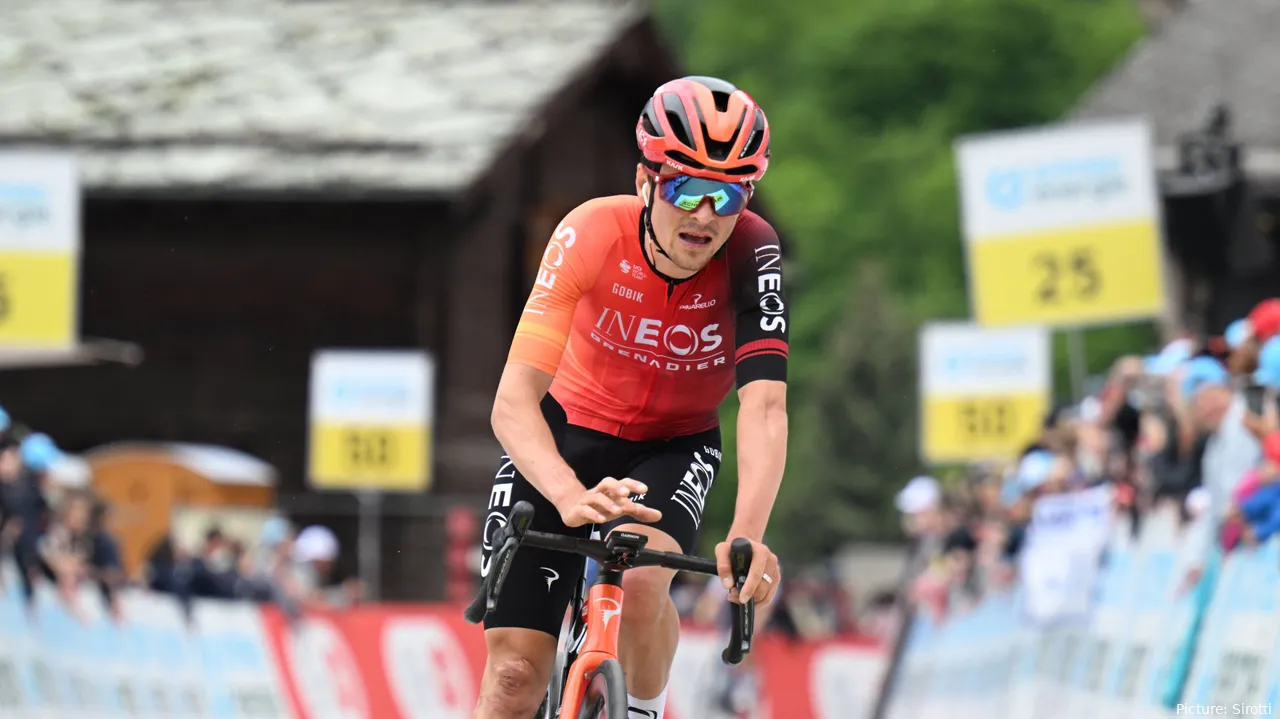
Tom Pidcock has failed to reach the heights of his 2022 Alpe d'Huez win
Pidcock’s relationship with the INEOS management team has
reportedly soured, leading to rumors that he could leave the team. Gazzetta
dello Sport recently reported significant interest from Q36.5 Pro Cycling Team,
a Swiss ProTeam that is backed by Red Bull, one of Pidcock’s personal sponsors.
The team’s owner, who recently acquired the Pinarello bike brand, is said to be
keen to sign Pidcock, further adding to the speculation about his future.
Can INEOS bounce back?
As the 2024 season draws to a close, INEOS faces an
uncertain future. The team that once ruled the Grand Tours now finds itself in
a state of decline, with internal conflicts, strategic missteps, and a lack of
results on the road. Their inability to adapt to the rise of Pogacar, Vingegaard,
and Remco Evenepoel, has left them playing catch-up, and their struggles this
year have raised serious questions about their ability to return to the top.
However, INEOS still has a talented roster and the financial
backing to rebuild. If they can resolve the internal issues that have plagued
them this season and make the right strategic decisions, there is no reason why
they can’t return to the top of the sport. But for now, 2024 will go down as a
year to forget for a team that once seemed untouchable.

Fin MajorCycling Journalist
Fin Major is a UK-based writer at CyclingUpToDate and has been part of the team since 2024. He is the site’s main writer for FAQs and evergreen explainers and has written around 2,000 pieces for the platform. Alongside this work, he focuses on in-depth analysis and covers the biggest races on the calendar, including the Tour de France, the Giro d’Italia, and La Vuelta a España, providing clear context around performance trends, tactics, and key storylines.
In his reporting, Fin uses reputable data sources such as ProCyclingStats for results, statistics, and historical context. He places strong emphasis on careful sourcing, editorial accuracy, and updating articles promptly when new, verified information becomes available. Outside of writing, Fin is an active cyclist, which supports his practical understanding of the sport and its demands.
claps 3visitors 3
Just in
Popular news
Latest comments
- While none of us know if they are doping, I prefer to believe they aren't until it comes out, if it ever does. I think it's a disservice to the top riders who constantly have to defend themselves.awp28-11-2026
- I'm surprised because he seemed pretty happy with things, at least a few years ago. He was saying the racing was believable and the teams were more open than ever.megasmacky28-11-2026
- When?
 Rafionain-Glas27-11-2026
- No need to apologize. You make excellent points!RidesHills27-11-2026
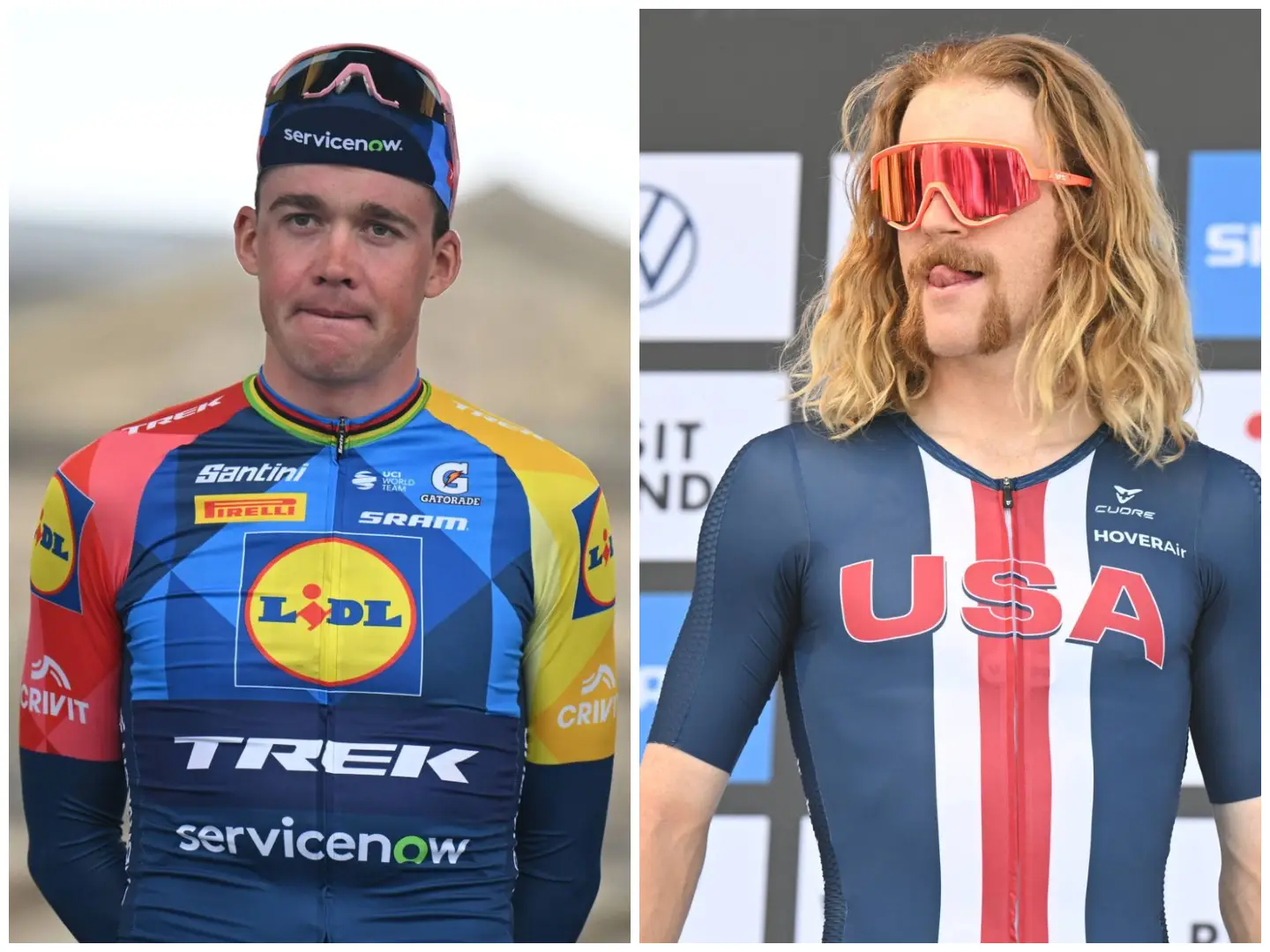
- The cycling world typically doesn't like ambition, and likes deference to team leadership deciding what to race and the team for one's win. It's uncouth, in a way, to be so blunt about desires. But I get it. He wants to win, and claims to be good enough to do so. Of course, there's that middle ground, why not become a second option for Mads? Why do I like this idea? To pick but one race each, one of them has attacked repeatedly in Lombardia, the other has attacked repeatedly in Flanders, and both are great to watch when they do it. One of them is a past world champion, and the other could have been had he not been reeled back in (while the next attack from the US squad wasn't reeled in, and there you go). Meaning: this could be fun, if it happens. Or it could be a disaster, two egos not making space. Who knows, until it happens.RidesHills27-11-2026
- Merckx raced against plumbers and pipefitters. There is no comparison, had Tadej and Jonas been racing in Merckxs' day he would have never won a grand tour.awp27-11-2026
- Is Paul writing another book? He must be..awp27-11-2026
- I don't know if they're doping, and I'm not sure I care. I almost stopped watching the sport in the early 2000's because I couldn't enjoy a race without wondering if the performances were real. So I decided I liked watching bike races more than I cared about the doping. There is, however, reason to believe that Pogacar is being honest. Besides the insane speeds today, I don't see any of the usual evidence of a heavily doped peloton that we saw in the 90's and 2000's. We're not seeing unknown riders suddenly winning big races. We're not seeing ridiculous sights like George Hincapie winning the queen stage at the 2005 Tour. We're not seeing largely Classics riders suddenly turning into the greatest GT rider of his generation(cough, Armstrong, cough). One of the problems with EPO especially was it levelled up the peloton. These days, top riders start attacking with 80kms or more left, because they know only the very best will be able to follow. If you attacked with 80 k's left in 2002, 150 riders would follow, and the DS would be screaming into your ear that you wasted energy. So we saw hard Monuments with intact pelotons 15 kms from the finish. I used to bitterly joke that LBL was a 240 km training ride with a 15 km race tacked onto the end. Roleurs were suddenly climbers, and on and on. Now the best riders win, either alone or in a small group of elite riders, just like it was before EPO. As far as the speeds go, even though we all scoff at the claims of tech and training improvements, that is true. Training programs even from half a decade ago are badly outdated. The riders are far, far lighter than they've ever been. The big thing though, and I don't see this spoken about at all, is the riders are arriving at races perfectly prepped and fresh. With the exception of the rare top rider going for the double, we're not seeing riders arriving at the Tour with the Giro and the Dauphine and the Tour de Suisse in their legs. Pogacar did the classics and Romandie, and then he buggered off for altitude training. Evenepoel spent over two months at altitude, arriving perfectly prepared and fresh. If you go back to pre-EPO days, look at LeMond in '86. He started racing in February, did all the classics including Roubaix, rode the Giro and finished 3rd, did the Dauphine and Tour de Suisse(I think), then won the Tour, did a bunch of crits, raced Worlds, and the old Coors Classic. All of those were raced hard and raced to win. There were no tune-ups, nothing, just hard racing for almost 9 months. Do you think he was ever fresh? Now they can all target and prep for individual races or race blocks. That has never happened in the history of the sport, and people are surprised the guys are crazy fast? I don't know if they're doping, maybe I'm just gullible or delusional. I doubt the sport is completely clean. If a midlevel rider micro doses a little EPO so he can do his job, and if small-scale doping isn't really affecting the race results, I'm fine with it. Sorry for the long comment.megasmacky27-11-2026
- let Quinn attack. it takes pressure off Mads. One of the other big players - MVDP, Tadej, WVA - will track him down. Or the team will. And Mads can profit off their work. the mano a mano thing isn't working out too well for Mads. He is winning huge races, but no monuments yet.mij27-11-2026
- I had kids later. To me, children are such a blessing, there is no wrong time to have children.mij27-11-2026
Loading
1 Comments