Has Tadej Pogacar’s kryptonite been found? Van Aert tactic “took the wind out of Tadej’s sails” in Roubaix, says American ex-pro
CyclingTuesday, 14 April 2026 at 11:30
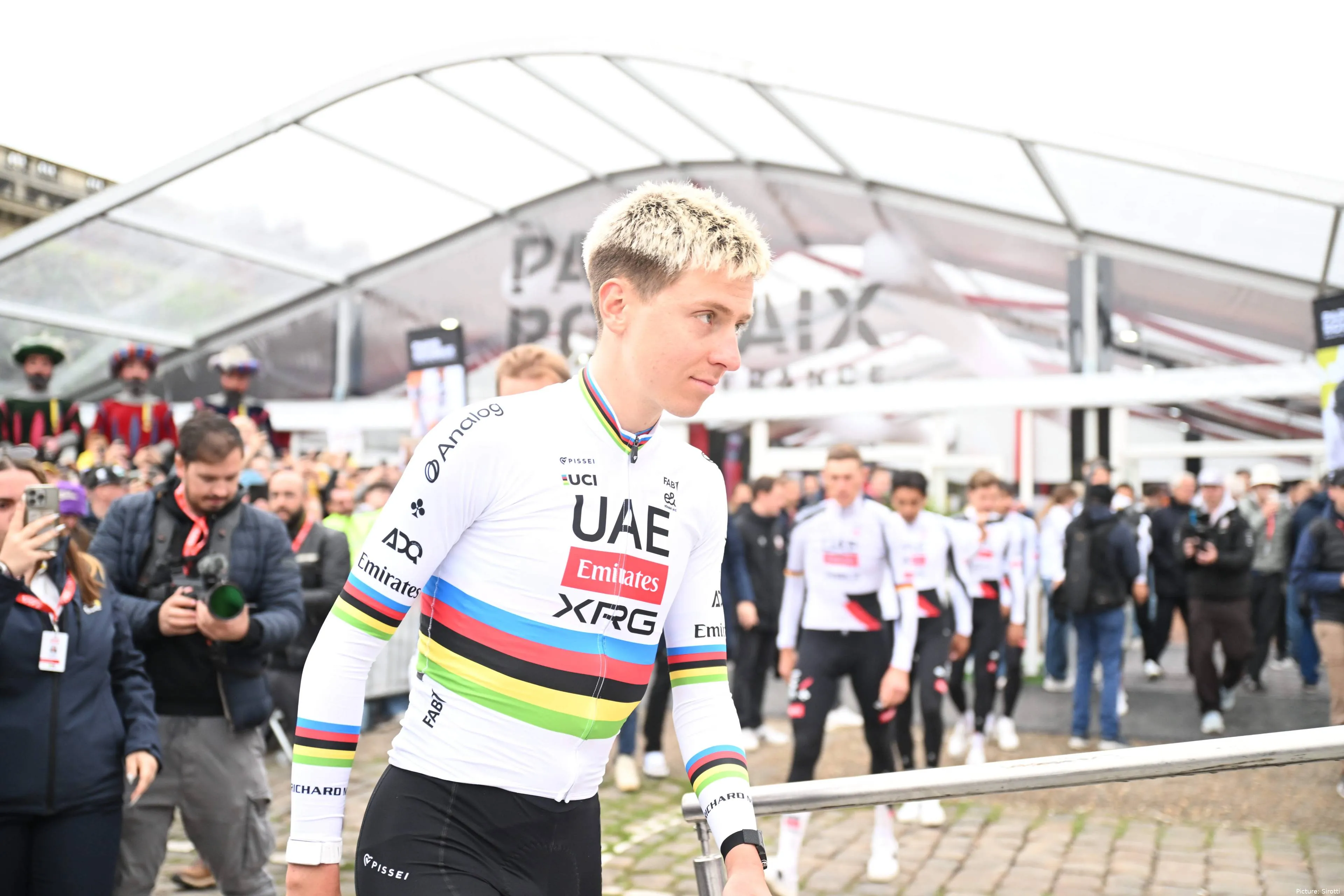
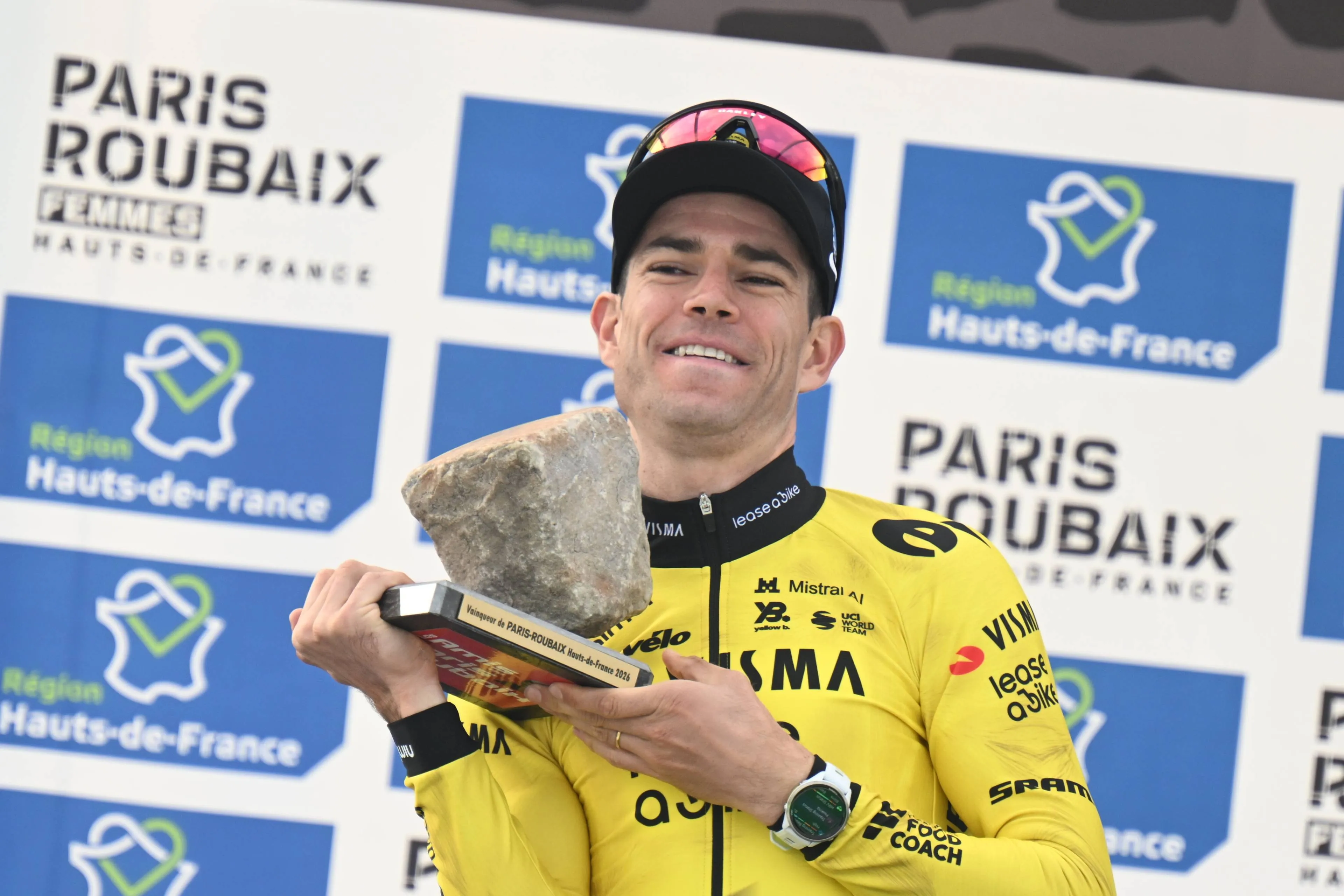
Wout van Aert’s Paris-Roubaix victory was shaped by chaos, resilience and a decisive sprint. But for former American professional Tom Danielson, the key to the race may have come much earlier, in the way the Belgian approached his battle with Tadej Pogacar.
Looking back on the race on X afterwards, Danielson pointed to a tactical shift that he believes disrupted the world champion’s usual rhythm. “WVA repeatedly took his own shots at Tadej,” he wrote, highlighting a willingness to go on the offensive rather than simply react.
That approach, he suggested, had a visible impact.
It “seemed to take the wind out of Tadej’s sails,” according to Danielson, offering a rare glimpse of vulnerability in a rider who so often dictates the terms of racing.
Taking the race away from Pogacar
For Danielson, the significance of those moves lies in how they altered the dynamic between the two riders. “One strategy that we have seen work in the past is to actually attack Tadej,” he explained, framing Van Aert’s approach as something deliberate rather than instinctive.
Instead of allowing Pogacar to control the tempo, Van Aert repeatedly forced the issue, choosing his moments to accelerate and then backing it up with further pressure. “WVA attacked in smart places,” Danielson noted, pointing to narrow cobbled sections and exposed terrain where positioning and bike handling become critical.
The effect was not just physical. “His counterattacks definitely added doubt in Tadej’s mind,” he added, describing a shift in confidence that played out over the course of the race.
A race built on experience
Beyond those headline moments, Danielson’s analysis also focused on how Van Aert managed the broader demands of Paris-Roubaix. “One of the benefits of trying and failing so many times is that you learn exactly how to win,” he said, linking the Belgian’s previous disappointments in the race to the composure he showed this time.
That composure was evident throughout the day. “All day, WVA was in the right place at the right time,” Danielson wrote, before pointing to his response to setbacks. “He came back from his flat tyres with the calmness of a veteran, preserving key energy for the final.”
In a race where small decisions can have outsized consequences, those details added up.
Managing effort, choosing moments
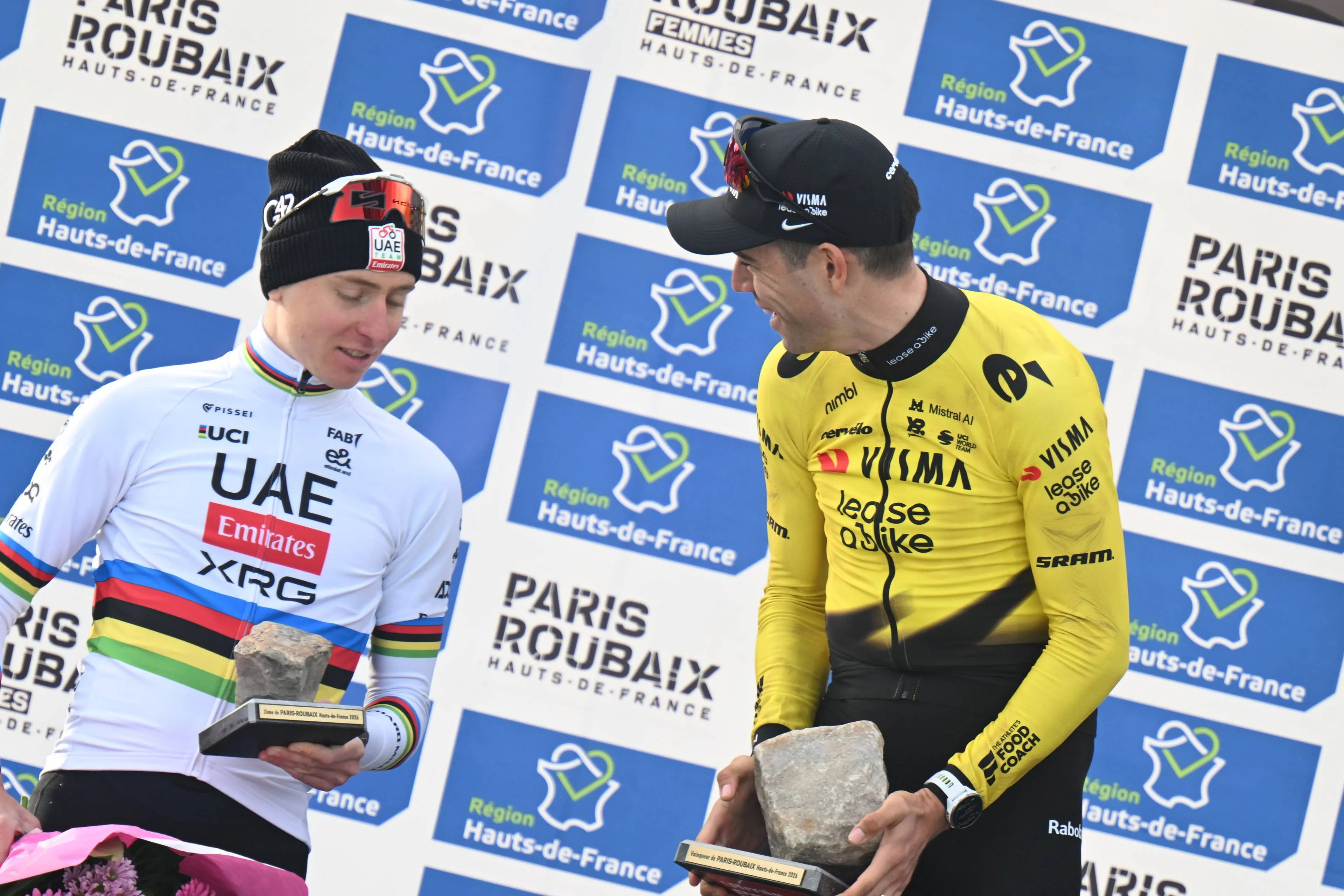
Danielson also highlighted the balance Van Aert struck between cooperation and resistance in his duel with Pogacar. “Cycling is so much mental, and I think WVA played the game well,” he said, describing how the Belgian adapted his effort depending on the situation. At times, he worked with Pogacar, at others, he refused, particularly after being put under pressure himself.
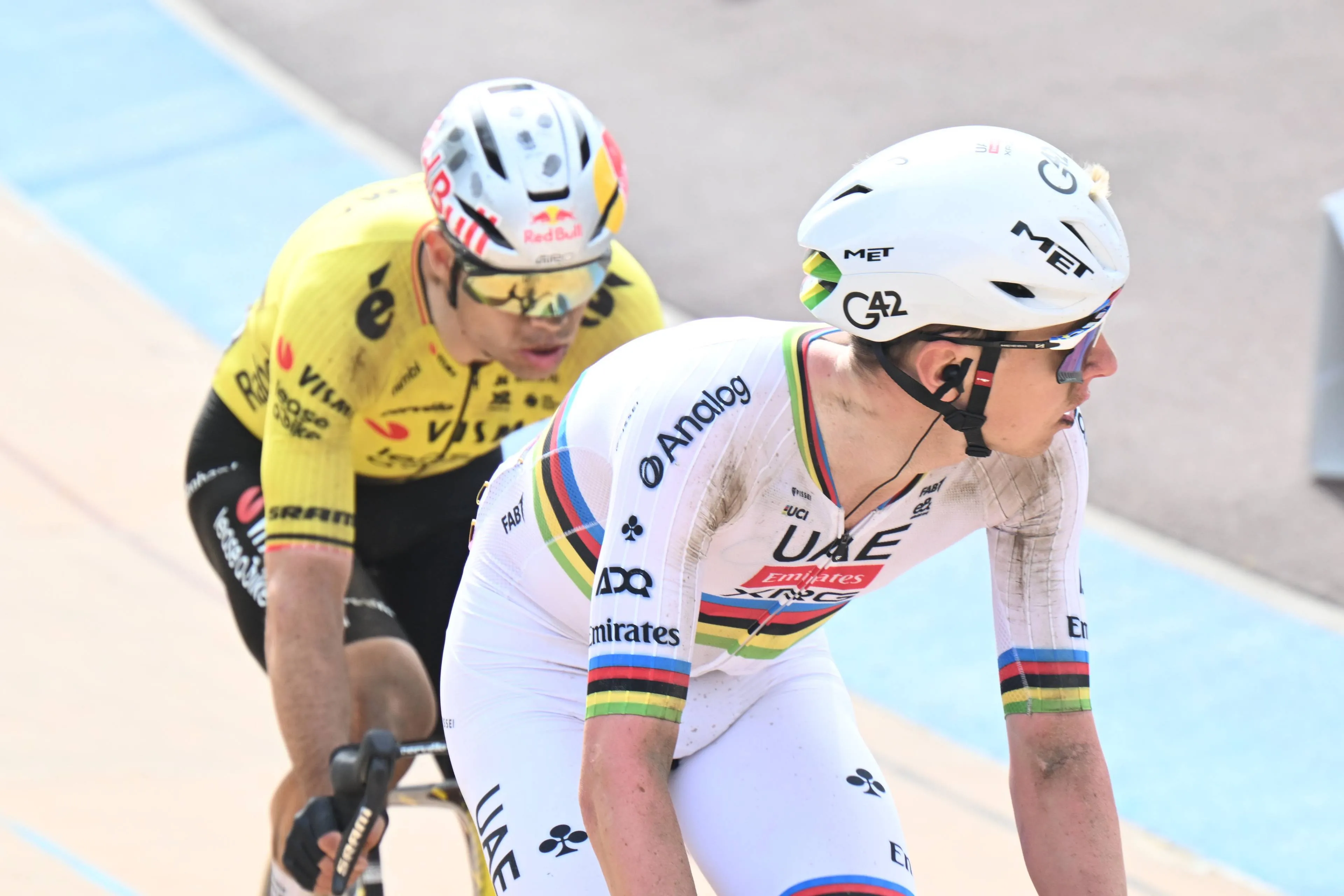
That selective approach helped shape the final outcome, ensuring Van Aert reached the velodrome with the reserves needed to finish the job. As Danielson also pointed out, those gains were built through small but deliberate choices. “He rode in his drops as often as he could to be more aero and save energy,” he noted, while also taking risks in the process. “He took risks riding extremely close to Tadej’s wheel to save key energy.”
“He clearly had fresher legs in the final,” Danielson concluded, pointing to the decisive advantage that showed in the sprint.

Tadej Pogacar and Wout Van Aert at the 2026 Paris-Roubaix
A victory built over time
While the tactics on the road proved decisive, Danielson also placed the win in a broader context. “Wout Van Aert winning Paris-Roubaix is a fantastic example of how you should never give up, never lose hope,” he said, framing the result as the culmination of years of effort rather than a one-off performance. “If you keep working, you will eventually get to where you want.”
That perspective speaks to why this victory carries more weight than most. It was not just about beating Pogacar on the day, but about finally aligning experience, strategy and execution in a race that rarely offers second chances.
And in doing so, Van Aert may also have offered a blueprint, however difficult to replicate, for how to challenge the sport’s most dominant rider.
3. Tadej’s kryptonite? Go On The Offense!
— tom danielson (@tomdanielson) April 12, 2026
Easy to say, harder to do, but one strategy that we have seen work in the past is to actually attack Tadej. WVA repeatedly took his own shots at Tadej, just as he saw MVDP do in 2025, which seemed to take the wind out of Tadej's sails. I…
claps 7visitors 5
Just in
Popular news

Latest comments
- All of Pogačar's teammates were significantly taller than him so a bike swap would be difficult. Morgado is the closest, and is 4 cm taller so Pogačar could ride his bike but it wouldn't be comfortable at all.
 Rafionain-Glas14-04-2026
 - it takes some good luck to win roubaix. mathieu has had that for the last few years. this year he got bitten. it happens. and when it does even being as strong as he was sunday usually isn’t enough.OCexile14-04-2026
- pulling out and winning all GTs and never going for Roubaix - why would he do that? He got 2nd 2 x. He is knocking at the door. As for injuries, it seems there are more on training rides than in Roubaix. anyone can get knocked out anytime for a season - or sadly, for life. so my point is guys like Tadej just like to race. go for it, fun for him, fun for us. injuries are a part of the sport, why live in fear.mij14-04-2026
- If he does the PR win then he is the greatest classics rider of all time.abstractengineer14-04-2026
- Ha, another revelation of your messed up thinking, being proud of something you have nothing to do with.Mistermaumau14-04-2026
- I don't remember so many equipment related mishaps in the 2025 Paris Roubaix race. This year's race had all top riders suffer multiple punctures and other failures. What changed?? It's sad that the equipment defines this race rather than the cyclists.PogiFan2Day14-04-2026
- No, Chris Horner and Tom Danielson live in their own little bubbles. Phil Gaimon seems to understand that without hills Tadej is toothless… for nowRadical-Ed14-04-2026
- The TNT experts are obviously in the "Anyone but Pogacar" camp. If Pogacar wins, cycling is boring. If Pogacar loses, it's the best race ever!PogiFan2Day14-04-2026
- we'll still love pogi. Even though you almost make me want to dislike himmobk14-04-2026
- No matter how annoying you become with you Pogi fanboymobk14-04-2026
Loading
13 Comments