“Tadej Pogacar must have felt the weight of the world on his shoulders” - British pundit dissects Wout van Aert’s "stone-cold assassin's" sprint to Roubaix glory
Cycling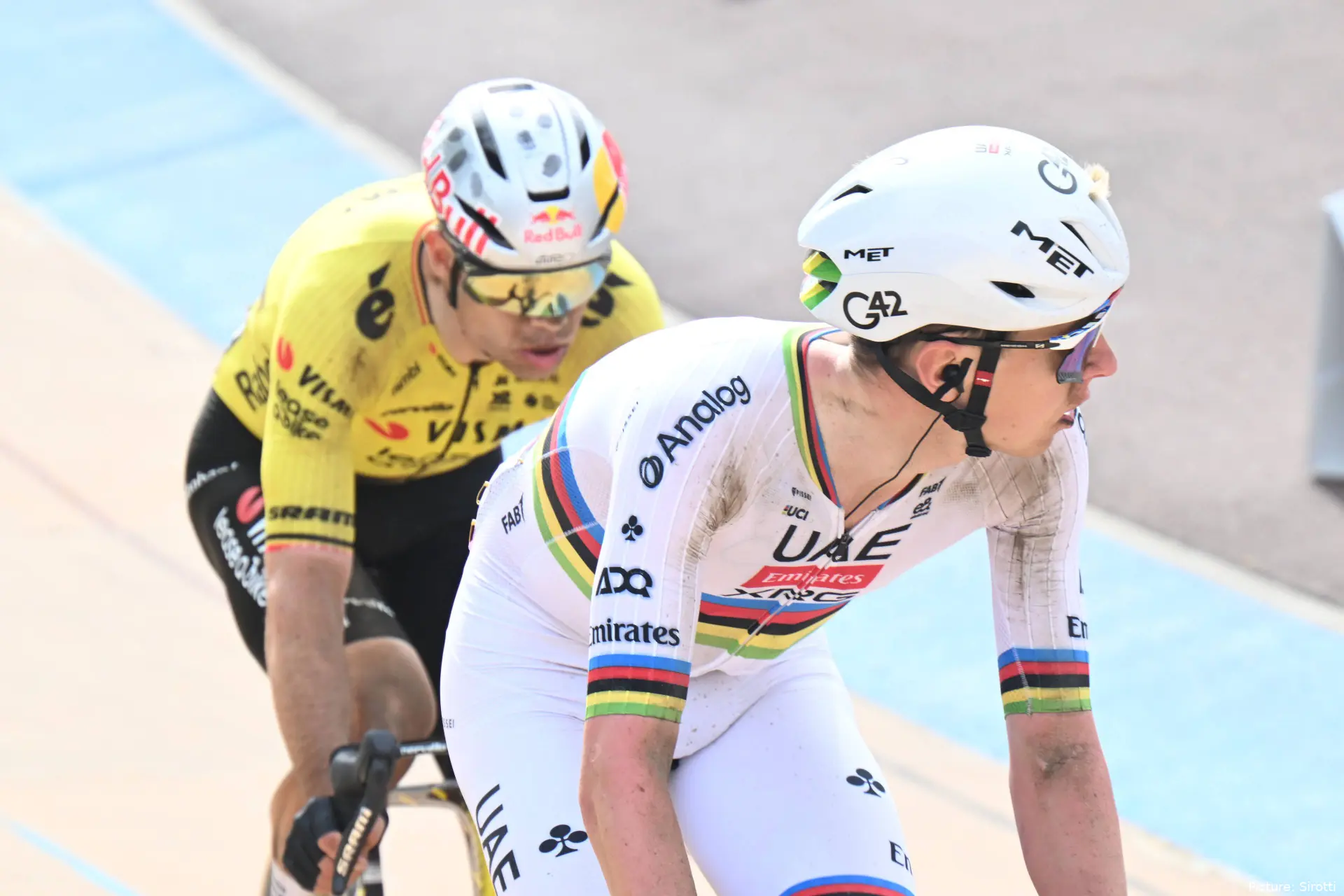
In the decisive moments inside the Roubaix velodrome, the balance of Paris-Roubaix 2026 shifted from strength to psychology. As Tadej Pogacar led out the sprint, the pressure of the moment was already building. Behind him, Wout van Aert waited.
For British pundit Matt Stephens, that tension defined everything that followed. “Tadej must have felt the weight of the world on his shoulders when he opened up that sprint,” Stephens said in his post-race analysis for TNT Sports, pointing to the unique pressure carried into the final metres of the Hell of the North.
A sprint decided before it began
From the outside, the sprint looked simple. Two riders, one velodrome, one Monument on the line. But Stephens’ reading suggested the outcome had already been shaped before the final acceleration. “That sprint was the sprint of an assassin. That was cold, calculated, and he 100% believed he could win it as soon as he went into that velodrome, the way he sat on Tadej’s wheel.”
Van Aert did not panic, did not rush, and did not overcommit. Instead, he waited, watched, and struck at exactly the right moment.
Why Pogacar was under pressure
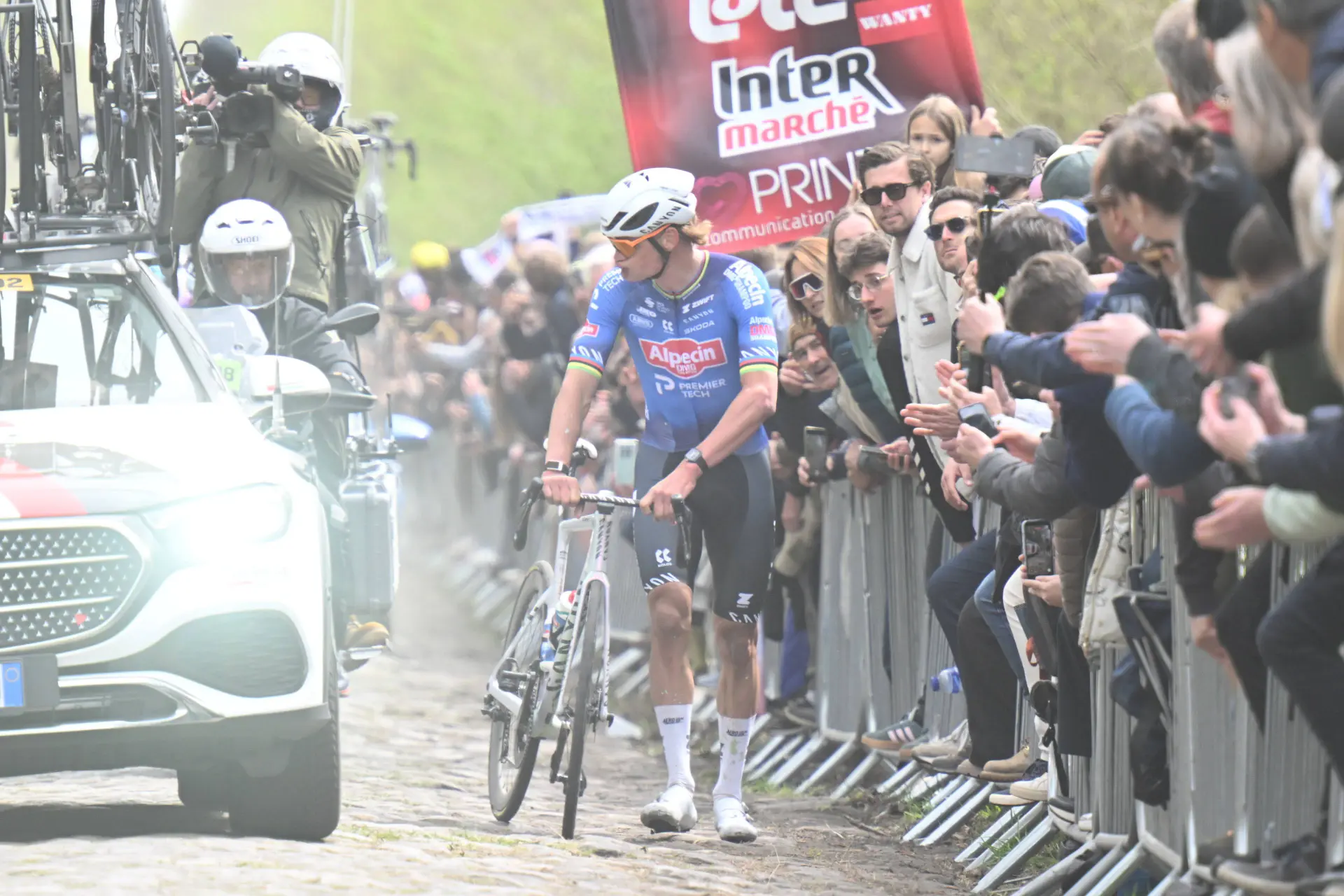
The context of the race only added to that sense of inevitability. Paris-Roubaix 2026 had been run at an unrelenting pace, with no early breakaway and chaos from the very start. Crashes, punctures and mechanicals disrupted every major contender, forcing repeated efforts just to stay in the race.
By the time the front group reached Roubaix, energy had already been spent in chasing and recovering. For Pogacar, that included a significant effort to return to the front after his own puncture earlier in the race.
Against that backdrop, Stephens’ comment on pressure becomes more than just a reaction to the sprint itself. It reflects the accumulated weight of the entire day.
The “stone-cold assassin” finish
What separated Van Aert in that moment, according to Stephens, was not just physical strength, but clarity.
“He’s just got that resilience, perseverance, all the important qualities it takes to be a good human being,” he said, before linking that character directly to the finish. “He’s been through so many ups and downs in his career, but he’s picked himself up, dusted himself down, and what he’s never lost is dignity.”
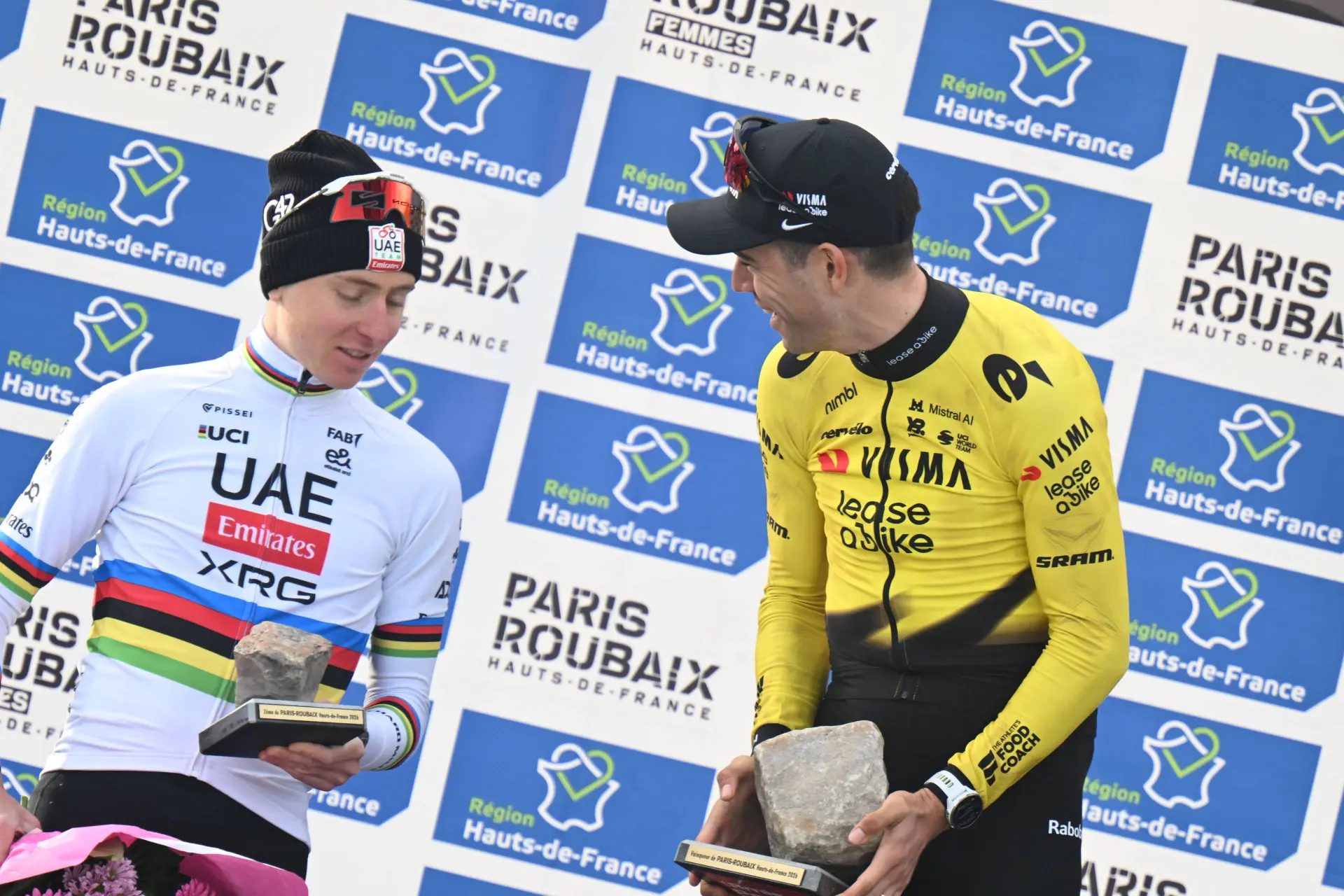
Those qualities translated into the velodrome. As Pogacar launched his sprint, Van Aert remained composed. “That was a stone-cold assassin’s finish, and he’s won the biggest bike race of his life,” Stephens concluded.

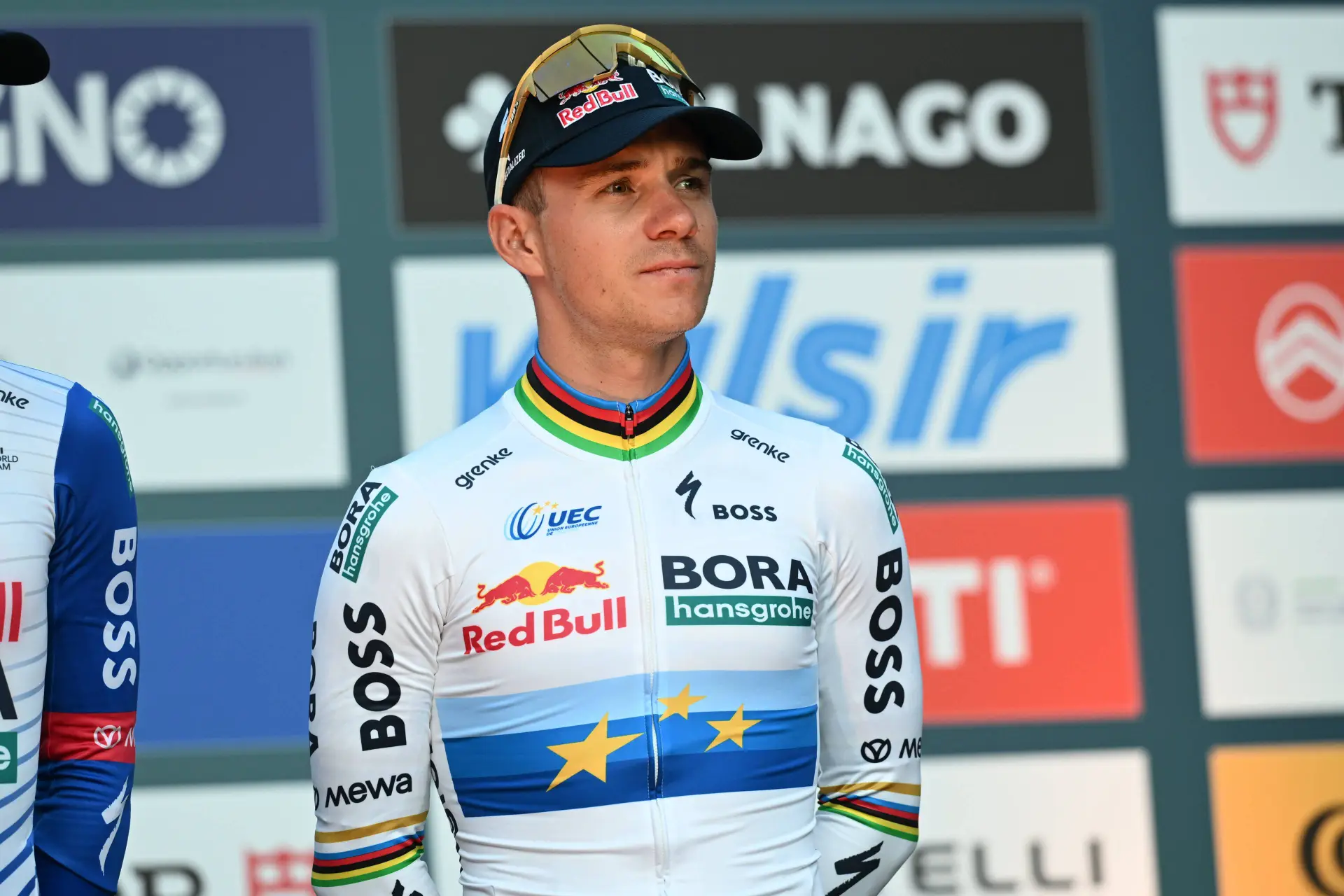
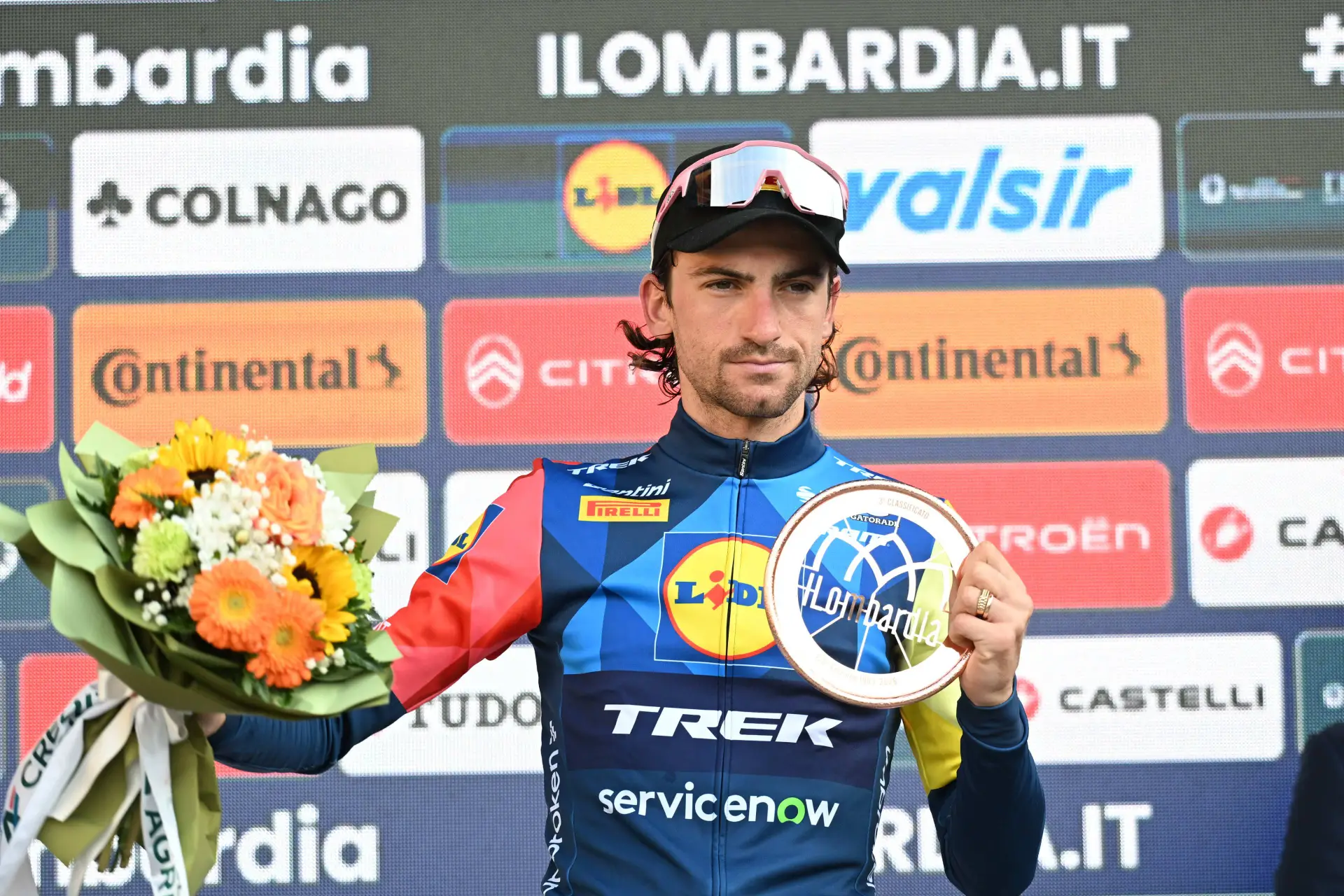
Wout Van Aert at the 2026 Paris-Roubaix
A victory defined in a moment
For all the brutality that came before it, Paris-Roubaix 2026 was decided in a handful of seconds on the track.
Pogacar committed first, carrying the expectation of the moment into the sprint. Van Aert did not need to guess, only to wait. In that split second between hesitation and certainty, the race tilted.
What followed was not just speed, but conviction. And in Roubaix, that is often the difference.

Kieran WoodDeputy Editor-in-Chief
Kieran Wood is a sports journalist based in Wales and has been active in journalism since 2022. He regularly contributes to DartsNews.com and CyclingUpToDate.com, where he covers professional cycling and darts. In cycling, his work includes liveblogs from major races, including the Tour de France, the Giro d’Italia, and La Vuelta a España, alongside race reports and analysis. He has also conducted interviews with professional riders.
His reporting spans the full racing calendar, from one-day classics to stage races, with a focus on accurate, real-time coverage and clear contextual analysis. For statistics, results, and historical context, he regularly uses resources such as ProCyclingStats. To support reporting on rider activity and training context where relevant, he also references Strava.
In his work, Kieran places strong emphasis on careful sourcing, editorial accuracy, and updating articles as new, verified information becomes available.
claps 3visitors 3
Just in

Popular news
Latest comments
- Yes, he won't ride away yet, but he will and that day will be notable
 leedorney13-10-2026
 - Expect the young French rider to slowly asphyxiate the Slovenian into retirement.
 Front24213-10-2026
 - My thinking is that Pog's experience and strength would have outweighed any fatigue in Il Lombardia. But the sad thing is, we'll never see peak Pog (call it Pog 2) go head to head with Seixas. However well he recovers from his crash, he'll return as Pog 3, with the shadow of severe concussion always there.Hills3313-10-2026
- Some speculation and opinion. Had Tadej not crashed out of the Vuelta he would have been less fresh and I'm not sure he would have beaten Seixas in this race. Maybe he would have been able to contest the race in a sprint and maybe not. Believe me when I say I keep up with many of Tadej's climbing feats and records and I understand how great he is but the Paul we just saw at Il Lombardia was not that far behind Tadej.awp13-10-2026
- Firstly, someone who says parenting is babysitting is delusional and shouldn't be taken seriously. Secondly, with pro athletes it is not the same as a normal worker. They are being rewarded for doing something for which they have a talent which doesn't actually help people (besides inspiration). It's quite a different dynamic
 Rafionain-Glas12-10-2026
 - only way for him to effectively learn to microdose is to go to uae. other than that there is no reason for him to go to uae.whkman12-10-2026
- that was a great win, and quite a surprise at the time. That was a loaded field, and he held of Valverde for the win. Still shocking that Valverde never won Lombardia. He seemed perfect for it. Mollema just went to work every day.mij12-10-2026
- I hope he races Volta a Majorca. We'll really be able to see if he can do one-day-races (but do they count?)Rafionain-Glas12-10-2026
- See, you can write a sensible comment without just slagging off everyone else! Well done!👏😆 🫣Lozza12-10-2026
- Seixas best chance is obviously UAE. They are the best team in history of the sport and they developed pogacar into the goat. They also developed Del Toro to be nr 2 in world. Seixas would become unstoppable at UAE. Lets see if Seixas stays at decathlon but if UAE comes knocking its impossible to say no. Barcelone and real madrid combined into one team, thats UAE in cycling it feels like..miguel12-10-2026
Loading
1 Comments