“One of the cardinal errors that cost Tadej Pogacar this Roubaix...” - Jens Voigt left ‘speechless’ by UAE, but denies defeat shows weakness from the world champion
CyclingTuesday, 14 April 2026 at 19:00
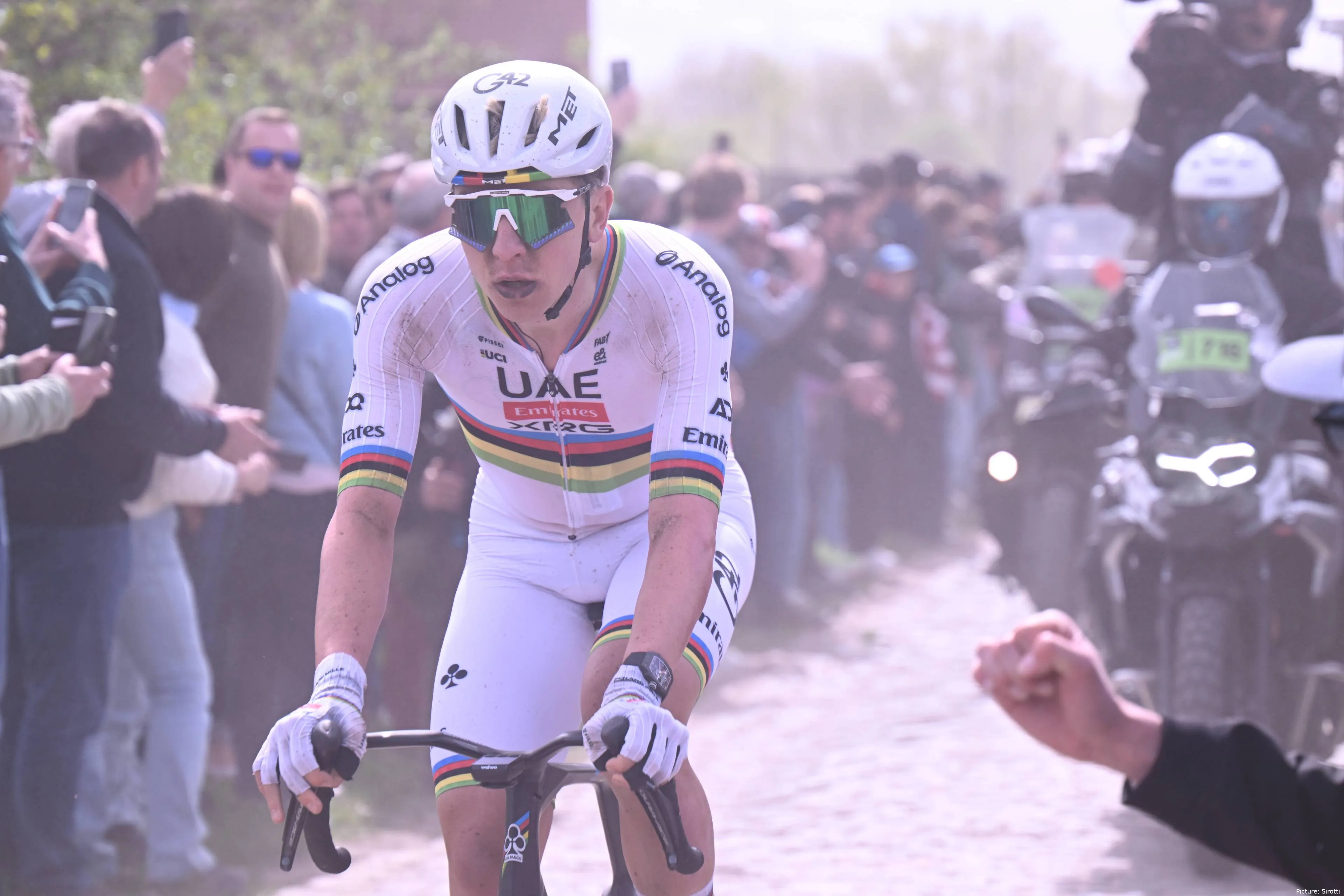
The fallout from Paris-Roubaix 2026 has centred heavily on Tadej Pogacar, but not all reactions have pointed in the same direction.
Former German professional Jens Voigt offered a more measured assessment in his analysis for Eurosport.de, defending the world champion’s performance while admitting he was left “speechless” by what unfolded around him. Rather than focusing on the final sprint, Voigt’s analysis instead turned to a decisive moment earlier in the race.
“One of the cardinal errors”
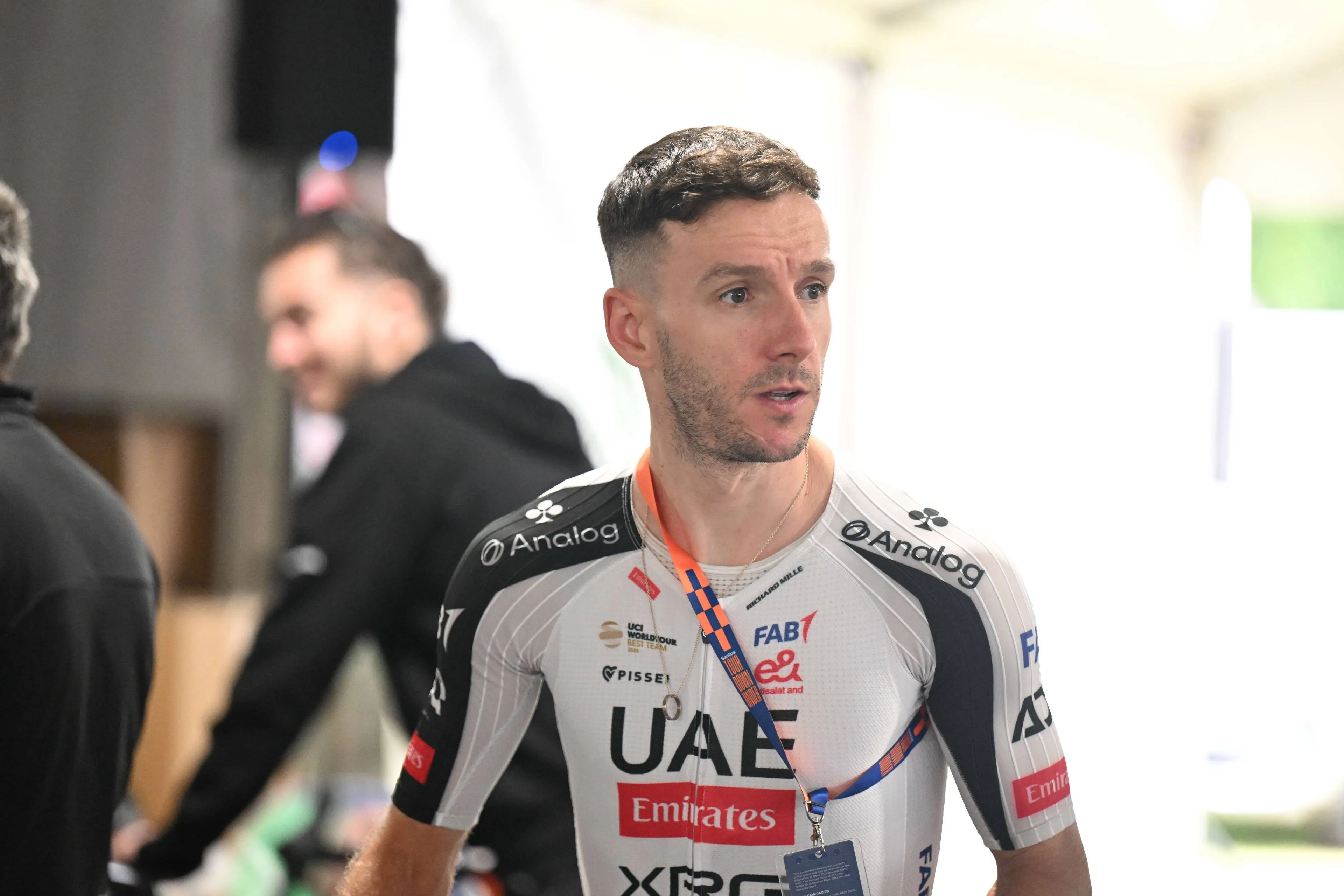
For Voigt, the key incident came during a chaotic sequence of mechanical issues that forced Pogacar off his own equipment. “I was initially speechless that none of his teammates had a suitable bike for him,” he said, describing the moment where the UAE Team Emirates - XRG leader was left without an immediate option from his own squad. “He is one of the heroes of modern cycling, a huge investment for his team and the clear leader.”
Pogacar was forced onto a neutral Shimano bike before switching again, losing valuable time at a critical point in the race. “That was one of the cardinal errors that cost Pogacar this Roubaix,” Voigt said. “With a quick bike change, he would have been straight back at the front.”
He also questioned the decision-making in the moment itself. “I would rather change the wheel than get on a completely different bike,” he explained, pointing to the risks of riding unfamiliar equipment in a race as demanding as Paris-Roubaix.
In a race decided by fine margins, that delay proved decisive. “For some riders, the race was already over when Pogacar had another problem,” Voigt noted, highlighting just how quickly the situation escalated.
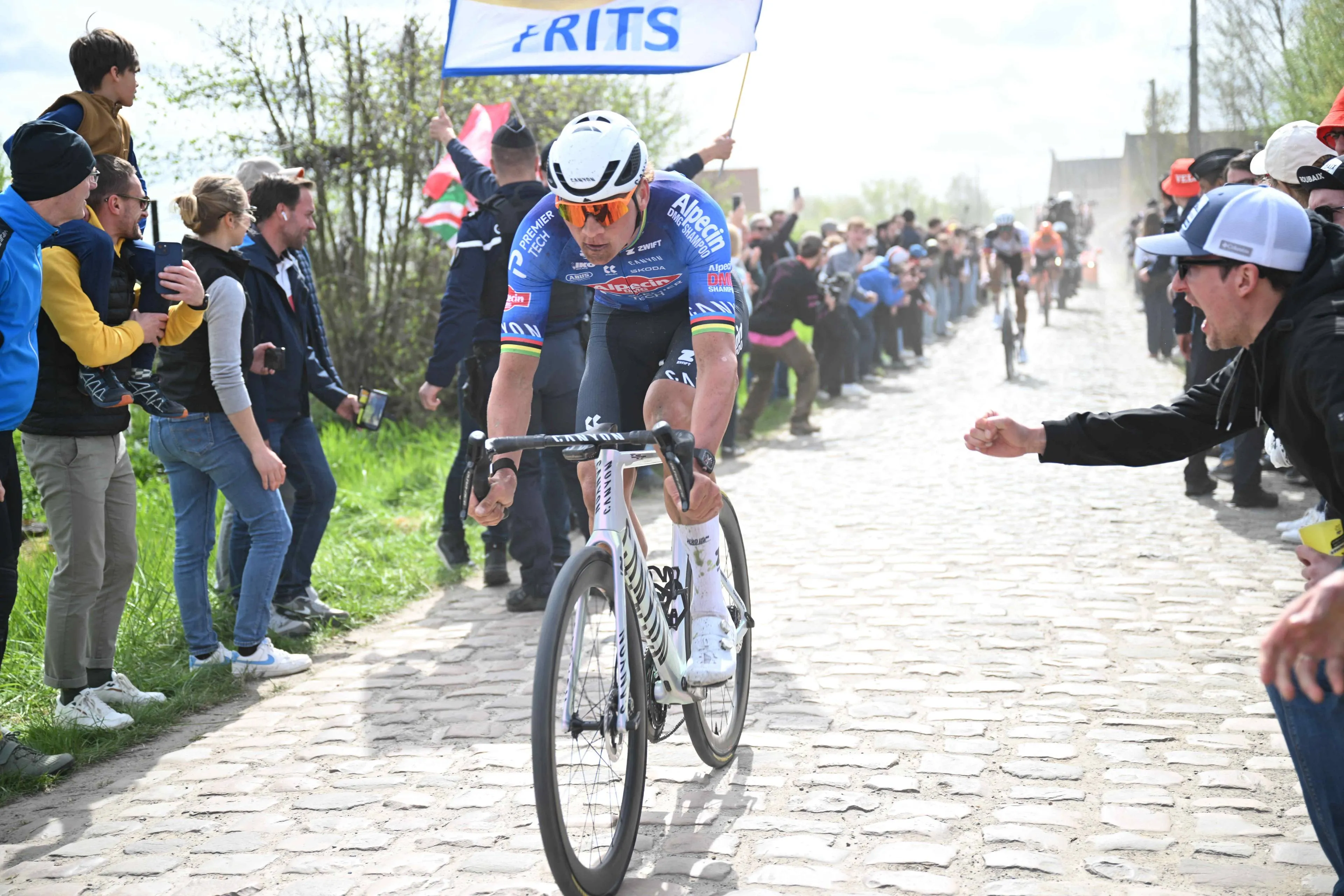
A narrative beginning to form
In the immediate aftermath, some analysis has begun to push a different conclusion. Former American pro Tom Danielson suggested that Wout van Aert’s aggressive racing offered a potential blueprint, arguing that repeated attacks “seemed to take the wind out of Tadej’s sails.”
That line of thinking points towards a broader question: whether forcing Pogacar onto the defensive can expose a weakness in a rider who so often controls races.

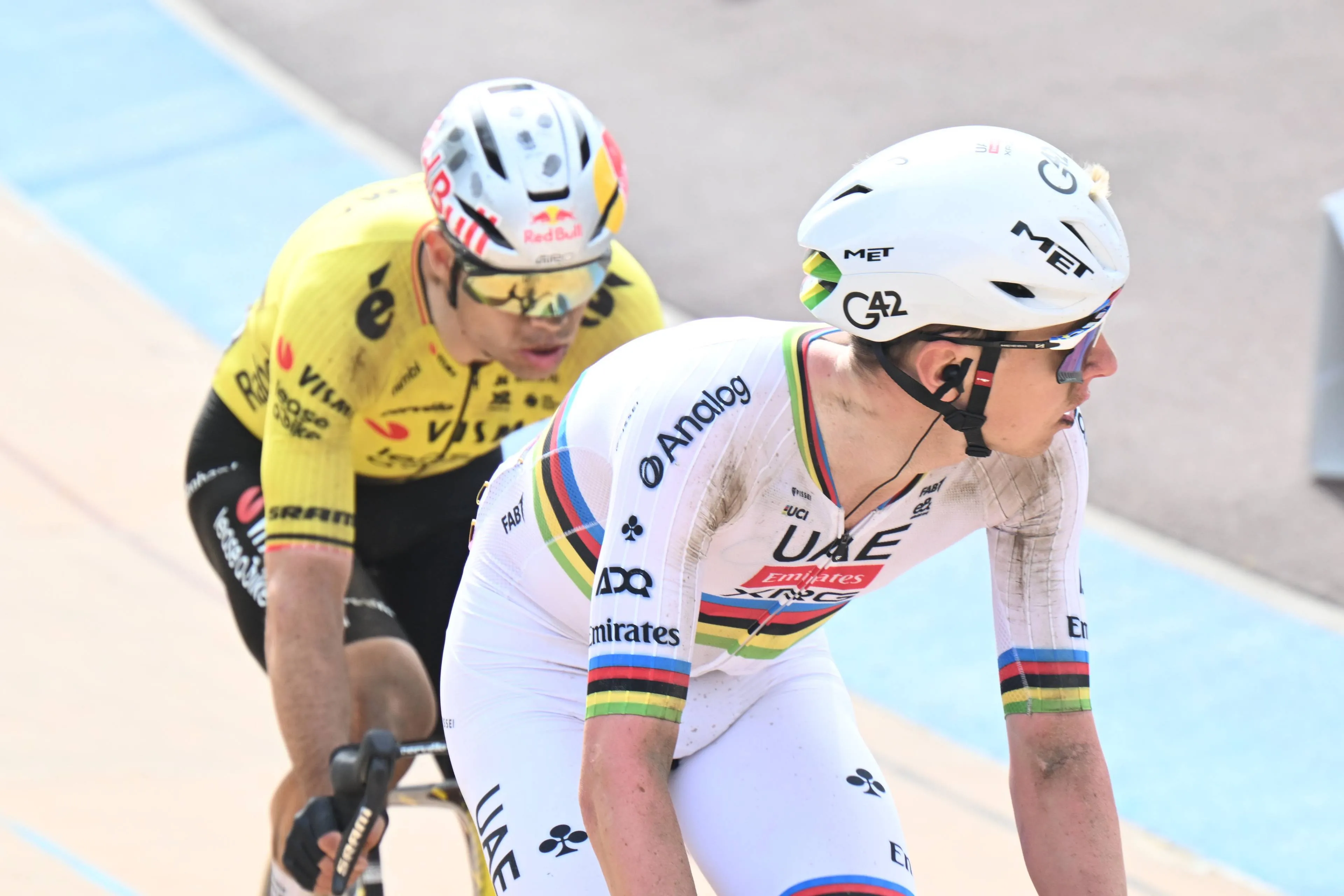
Wout Van Aert and Tadej Pogacar at the 2026 Paris-Roubaix
Voigt’s view: no weakness exposed
Voigt, however, does not share that interpretation. “No,” he said when asked whether the result offers encouragement to Pogacar’s rivals. “Pogacar remains Pogacar.”
Even after losing time through mechanical issues and a disrupted bike change, the Slovenian still fought his way back into contention and finished second, contesting the race deep into the finale. For Voigt, that is not evidence of vulnerability, but confirmation of Pogacar’s level.
A race decided before the velodrome
Paris-Roubaix rarely comes down to a single moment, but Voigt’s analysis is clear in where this edition turned. The defining incident was not the sprint in Roubaix, but the breakdown in support at a crucial point on the road.
In a race where chaos is inevitable, the few controllable details often carry the greatest weight. “Something like that will never happen again,” Voigt said, reflecting on the sequence of events that shaped the race.
For Pogacar, the difference was not a lack of strength, but a moment where execution fell short. And in Voigt’s view, that distinction changes the story entirely.
claps 3visitors 3
Just in
Popular news
Latest comments
- Again, straight out the orange mans’ playbookMistermaumau14-04-2026
- Training injuries are no way near as frequent per km or day, Deaths maybe WHY? Because between all 3 GTs in once year and all monuments over a career, it’s obvious what a player would prefer to achieve. He didn’t say never, he said maybe not next year, just after the race.Mistermaumau14-04-2026
- 3 letters: ICE
 Rafionain-Glas14-04-2026
 - Mou, I admire how you never let evidence interfere with your opinions. All we want to do is chat about cycling. Keep your ‘politics’ to other platforms, please. Much appreciated.anonymouscyclist14-04-2026
- It’s all your gunslinging that creates our migrant crises.Mistermaumau14-04-2026
- The whole thing was unbeleivable. Alpecin and UAE looked like idoits, people shoud be fired on both teams. you have the best rider(s) in the world for this race and the only 1 in bunch smart enough to change a wheel =Tibor. Its not rocket science, put freaking quick release thru axle skewers on every bike in the team, put dropper post on every bike in the team for riders taller than tadej and MVP, have a plan, instead of just reconning pave sectors, call some random stops at race pace and make every rider do some wheel swaps, get someone on the team with basic strategy and planning skills to mitigate risk -- you know ahead of time team car has a 25+ percent chance of not being able to help in a timely fashion.....idoitsjad2914-04-2026
- "The Americans are a very lucky people. They're bordered to the north and south by weak neighbors, and to the east and west by fish." - Otto von Bismarck But no, you Euros are absolutely insane. I'm watching how you deal with a migrant crisis (and how your governments react to your reaction) and I have to tell you, it reminds me why I'm an American, and will never be disarmed.acem8214-04-2026
- He’s either in deep mourning or he got lost in Pogi’s butt and can’t find his way out anymore.Ketterechts14-04-2026
- Mou, are you okay? You LITERALLY said 6 days ago ‘I would forbid by law that Seixas sign for UAE while Pogacar is under contract. if that happened they would turn the best 3-4 years in the history of cycling into the biggest mockery ever’ I mean, a change of heart is understandable, but this is going from one extreme to the other. You’re going to give yourself whiplash.anonymouscyclist14-04-2026
- All of Pogačar's teammates were significantly taller than him so a bike swap would be difficult. Morgado is the closest, and is 4 cm taller so Pogačar could ride his bike but it wouldn't be comfortable at all.Rafionain-Glas14-04-2026
Loading
1 Comments