“We’re saying goodbye to a truly outstanding rider” — Bjarne Riis hails retiring Jakob Fuglsang as one of Denmark’s greatest ever
Cycling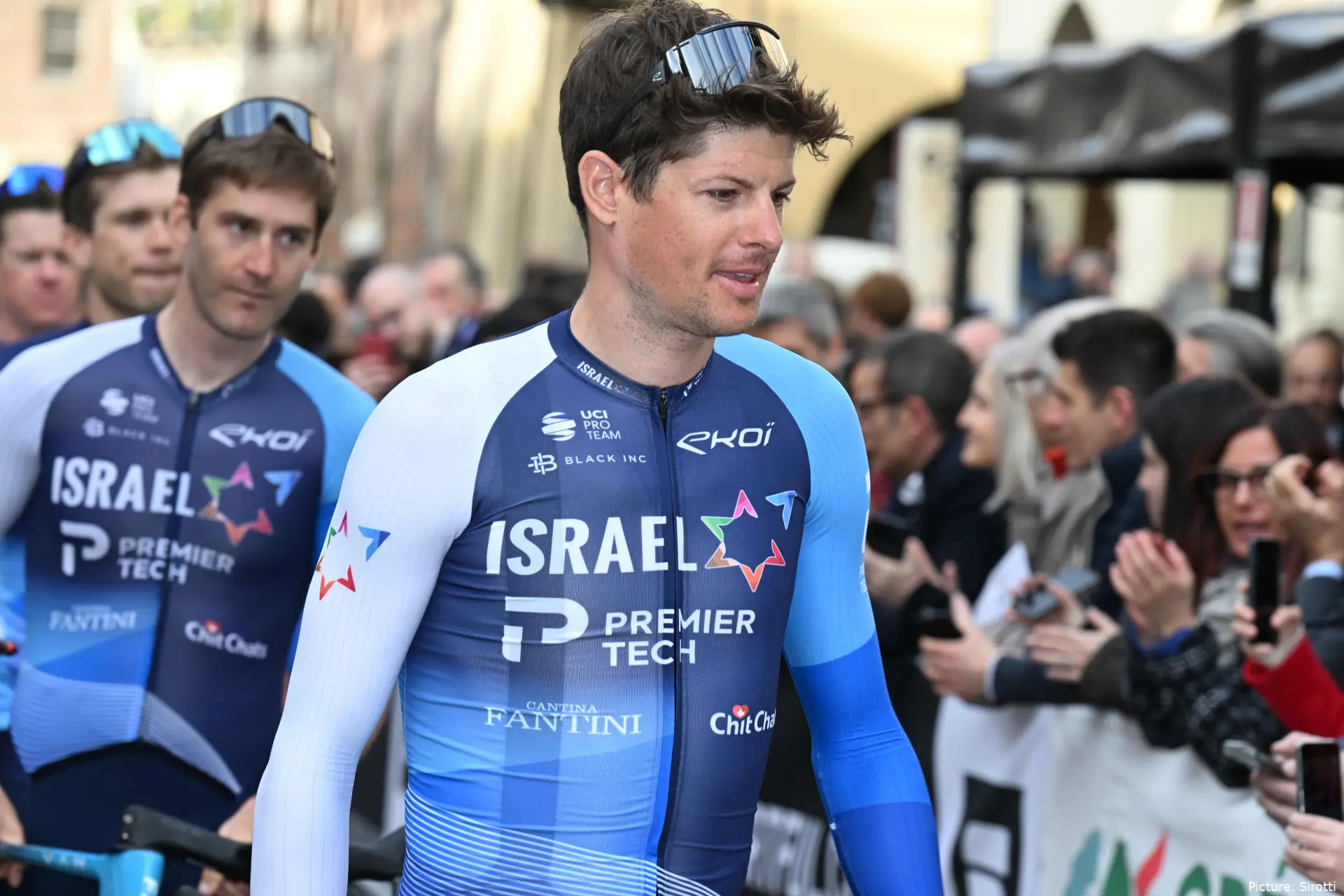
After nearly two decades at the highest level of professional cycling, Jakob Fuglsang has hung up his wheels for the final time following his appearance on Sunday at the Frederiksberg Criterium. As he bows out at the age of 40, tributes have poured in – none more heartfelt or weighty than that of fellow Dane and former Tour de France winner Bjarne Riis.
“Jakob is without a doubt very high on the list of Denmark’s greatest riders,” Riis told Ekstra Bladet. “We’re saying goodbye to a truly outstanding rider. He’s been consistent over many years and delivered some major results.”
The legacy of Fuglsang is one marked not by flamboyance or controversy, but by quiet resilience, versatility, and moments of genuine brilliance. From Grand Tour support roles to Monument victories and Olympic glory, his career reflects the rare evolution from super-domestique to team leader – and, at times, race-winner of the very highest calibre.
Riis, who directed a young Fuglsang during his early years at Team Saxo Bank between 2009 and 2011, recalls a rider of natural class – both on and off the bike. “I’ve always been a huge fan of him – he’s such a cool and elegant rider. And he’s a calm, down-to-earth guy with both feet firmly planted,” Riis said.
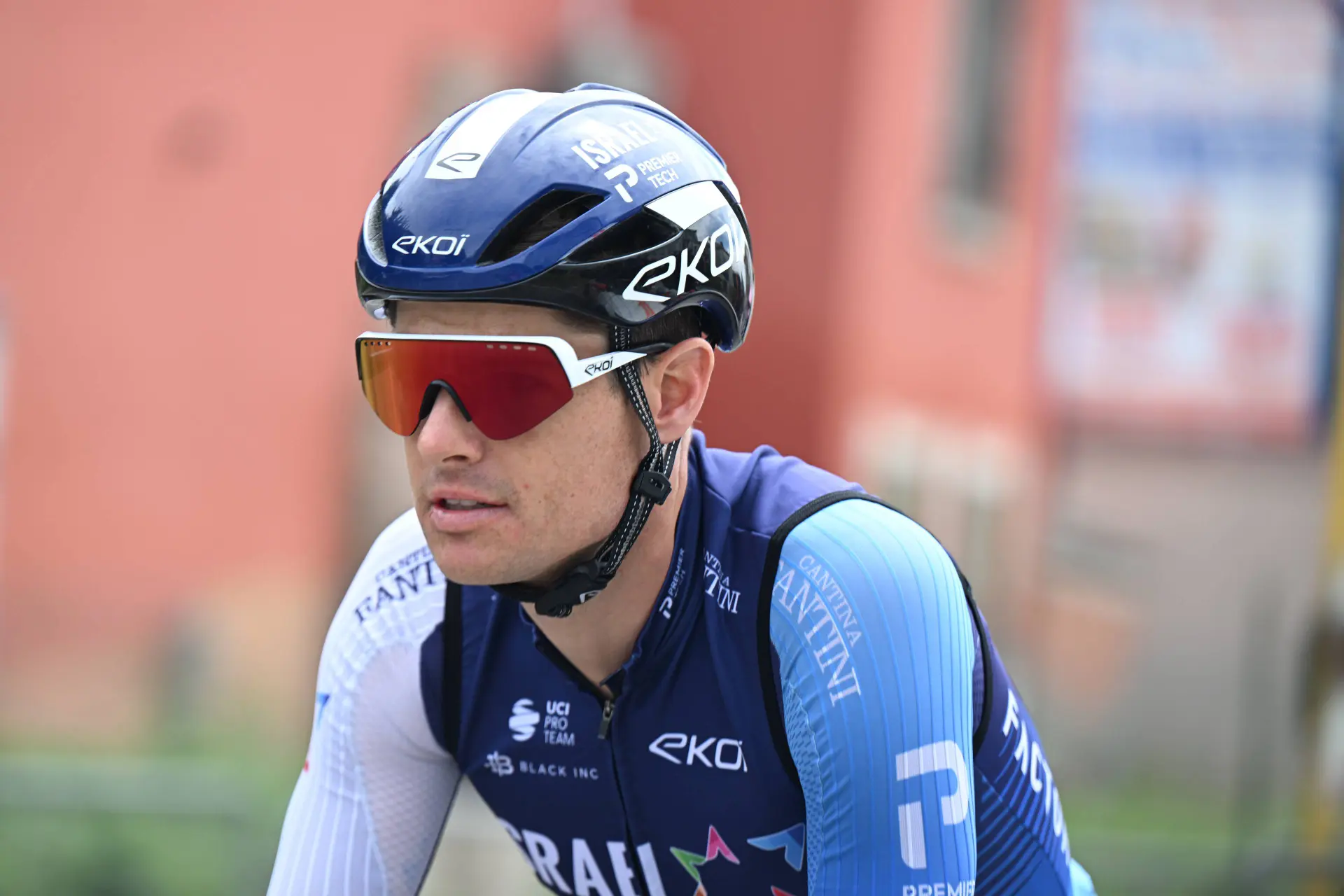
Though Fuglsang spent much of his early WorldTour career riding in service of others – notably the Schleck brothers during his Saxo Bank tenure – he gradually carved out his own space in the peloton. His career peak arguably came in the late 2010s, when he added some of the sport’s most prestigious races to his palmarès.
A palmarès worthy of respect
Among his most celebrated achievements are his victories in two of cycling’s five Monuments – Liège–Bastogne–Liège in 2019 and Il Lombardia in 2020. These wins weren’t the result of opportunism or fluke but earned through commanding, tactically astute performances against the strongest fields in the sport.
“Those two Monument wins really stand out,” said Riis. “He’s also won the Criterium du Dauphiné twice and earned an Olympic silver medal – those are huge moments that define a special career.”
Fuglsang’s 2016 Olympic road race silver in Rio, behind Greg Van Avermaet and ahead of Rafal Majka, remains one of Danish cycling’s most iconic podiums on the global stage.

Fuglsang's final pro race was the 2025 Tour of Denmark
The missing Tour de France result
Despite these career highlights, one gap in Fuglsang’s record still stands out – a breakthrough general classification ride at the Tour de France. For several seasons, particularly in the years prior to Jonas Vingegaard’s emergence, Fuglsang was Denmark’s primary GC hope in July, captaining Astana with quiet determination.
His best result came in 2013, when he finished seventh overall – a respectable achievement, but one that left Riis wondering what might have been. “I always hoped he’d get a top result at the Tour,” Riis admitted. “Seventh place is a big achievement, but I truly believe he had the potential to get close to the podium if things had fallen into place.”
“It’s a fantastic cyclist we’re bidding farewell to,” adds Riis. And for Danish cycling fans – and those who’ve followed his quiet brilliance across the European racing calendar – that farewell carries real weight.

Kieran WoodDeputy Editor-in-Chief
Kieran Wood is a sports journalist based in Wales and has been active in journalism since 2022. He regularly contributes to DartsNews.com and CyclingUpToDate.com, where he covers professional cycling and darts. In cycling, his work includes liveblogs from major races, including the Tour de France, the Giro d’Italia, and La Vuelta a España, alongside race reports and analysis. He has also conducted interviews with professional riders.
His reporting spans the full racing calendar, from one-day classics to stage races, with a focus on accurate, real-time coverage and clear contextual analysis. For statistics, results, and historical context, he regularly uses resources such as ProCyclingStats. To support reporting on rider activity and training context where relevant, he also references Strava.
In his work, Kieran places strong emphasis on careful sourcing, editorial accuracy, and updating articles as new, verified information becomes available.
claps 1visitors 1
Just in

Popular news
Latest comments
- Predictable, sure! But boring??? OMG! Was Mike Tyson predictable and boring in his prime? Air Jordan? Schumacher or Senna? OMG!!!MajorPayne19-10-2026
- how it is "We’ve taken another big step forward for next year" he just lost in lombardia to a 20 year old, and two 30+ year olds. and not even top 10 for WCRR.abstractengineer19-10-2026
- This is similar to Lebron. first he said i need to consult my family , my daughter, need respectable money blah blah blah and then dont care about family , dont care about money, only onion rings, am off to Philly, very very far from family. Off season should be with family more, no?abstractengineer19-10-2026
- I hope he comes back strong for a proper battle with Tadejmij19-10-2026
- congrats to a great career and good retirement.mij19-10-2026
- Any artificial product should be reported.Any team that doesn't should be stripped of wins and fined.I know that this level of transparency does not and will never exist.All anyone can do is continue to test riders on a regular and surprise basis.If the test comes back clean then all any of us can assume is the rider is clean.
 Brucegel19-10-2026
 - Also, it's supposed to be hard to gain an advantage from drafting off Remco because he is so aero.Hills3319-10-2026
- How would stats back it up? You realise tactics involved could mean Vine saved his legs for a faster finish? Some riders can choose to go all out and fade later in the ride, others can hold steady state the whole way, and others can have a reserved start and power up later in the ride. You can't judge just by the stats unless you have power data to be able to prove Vine is riding faster even though he is putting out the same or less power (suggesting drafting). I'm sure the stats prove that Vine didn't cheat because UCI would monitor the stats to make sure this exact scenario doesn't happen (and disqualify them for drafting if the stats proved it).Pogboom19-10-2026
- Only one person would say such a thing here. Sorry to burst your bubble but I’m afraid that window of opportunity has now closed. You can beat some of the people all of the time and all of the people some of the time but you can’t beat all of the people all of the time.Jumpyjohn19-10-2026
- Both prizes are actually pathetic, almost amateur like, not even covering the cost of participatingJumpyjohn19-10-2026
Loading
Write a comment