"They’re too professional... There’s a risk their careers will be shorter than expected" – Bauke Mollema sends warning to next generation as own career nears finale
Cycling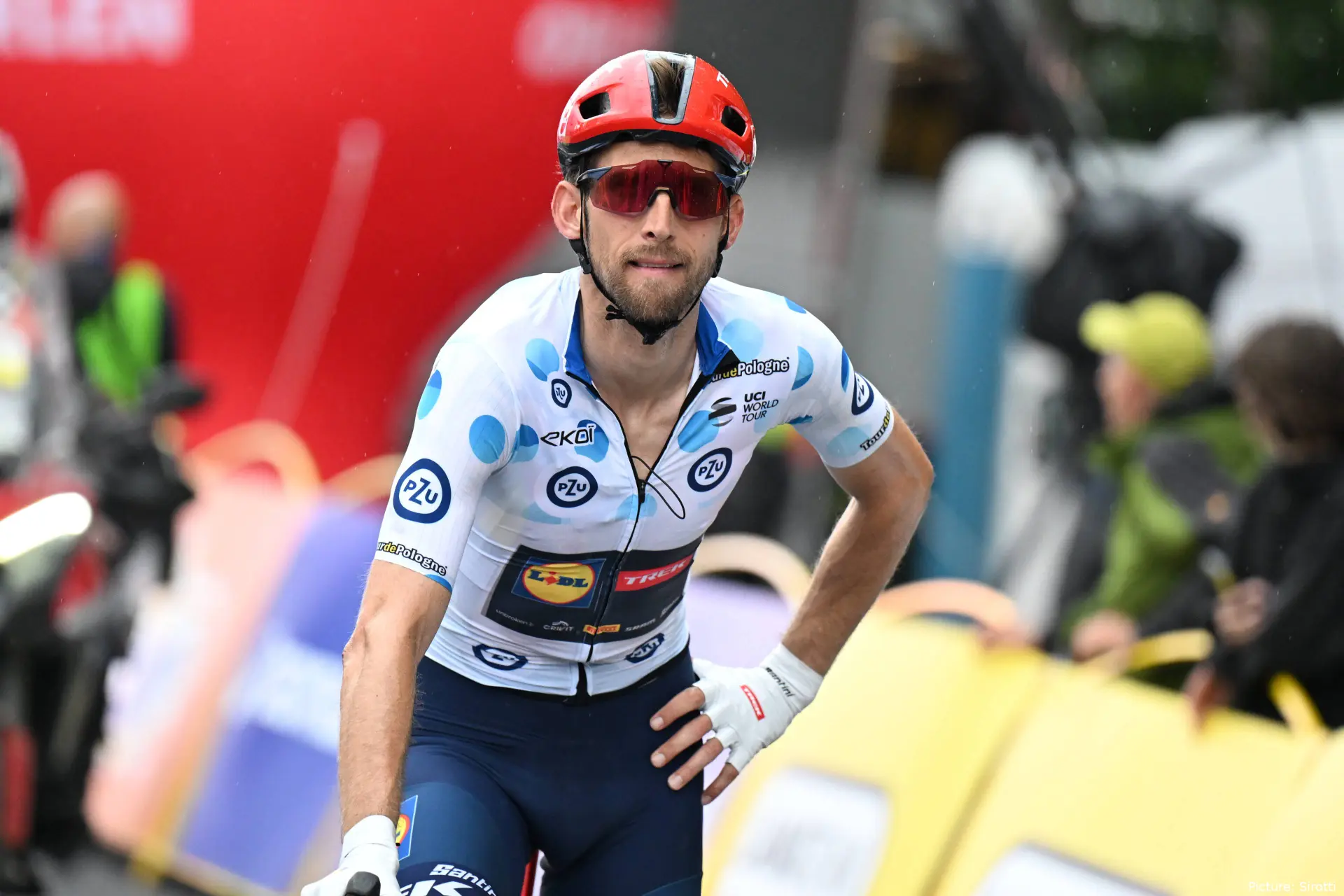
As Bauke Mollema approaches the final chapters of a long and respected career, the Dutchman has issued a note of caution to the sport’s rising stars: don’t lose yourself in the pursuit of perfection.
Speaking during the Tour de Pologne — where, remarkably, he wore the first climber’s jersey of his career — Mollema reflected not only on his own evolution as a rider but also on the increasingly intense culture surrounding young professionals in the modern peloton.
“There are so many talented young riders out there,” the Lidl-Trek star told Bici.Pro. “But I see many of them are too focused on every single race. They want to be perfect every time, and when it doesn’t go well, it becomes a problem for them. They’re very professional – with training, nutrition, everything – but maybe they’re too into it. It doesn’t leave space to enjoy the sport.”
Now 38, and turning 39 in November, Mollema has lived through multiple eras of the World Tour and ridden through the transformations brought on by data-driven training, marginal gains, and increasingly compressed development pathways. It’s precisely that fast-tracked professionalisation that, he believes, could pose a danger to longevity. “They need to take a step back and live cycling with more peace of mind,” he said. “There’s a risk that careers become shorter than expected if you don’t make room to enjoy life and the sport itself. I’ve seen riders throw tantrums or act irrationally because of the pressure. We do a beautiful job – but we can’t take it to extremes.”
Final lap: one more season, no regrets
Mollema’s contract with Lidl-Trek runs through 2026, but he’s made no secret of his likely timeline. “It’s not official, but it’s very probable that I’ll retire at the end of next season,” he said. “I still enjoy riding, but you need goals to keep going. I’ve missed those over the past two years. I’ve missed pushing myself in training to reach something. I think I’ll reflect on what comes next in the months ahead. But one thing is certain: I’ll keep racing without stress, the way I always have.”
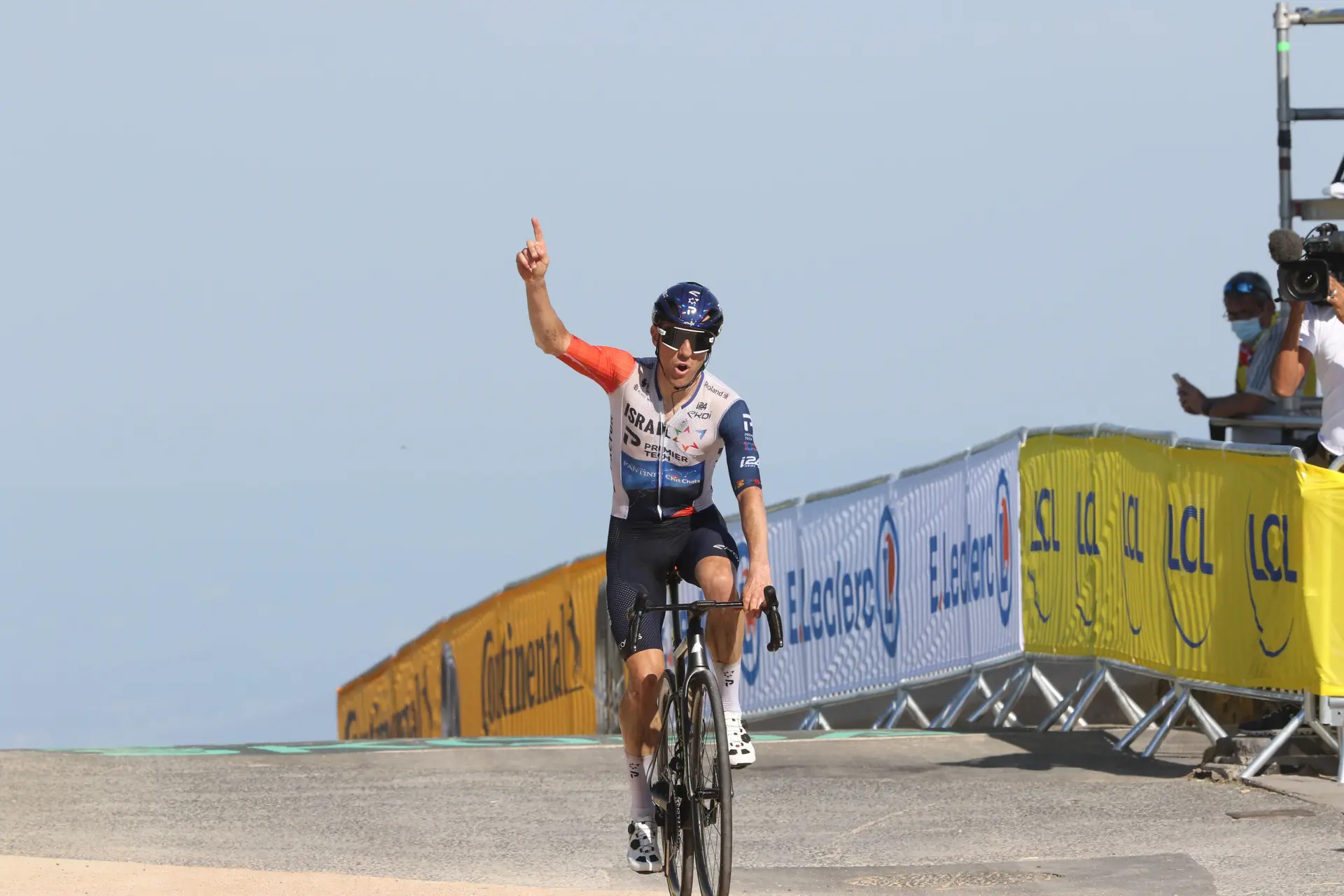
That sense of balance has defined Mollema’s career. Never the flashiest or most marketable name in the peloton, the Dutchman has earned widespread respect for his consistency, tactical intelligence, and rare ability to peak for moments that mattered — whether that meant his two Tour de France stages, Il Lombardia in 2019, or the Points Jersey from the 2011 Vuelta.
When asked what kind of rider he’s been, Mollema offered a candid self-assessment. “I started out chasing GC in stage races and focused on mountain stages. But as the years went on, I became more of a one-day or stage hunter. I followed what my body was telling me. I could feel that I was stronger on climbs of 10 to 15 minutes, rather than 30 or 40. You learn to listen to yourself. When you’re in good form, you can do everything — but over time I became more of a classics rider.”

Mollema is one of the most experienced riders in the entire peloton
After the bike? Time for family
While some riders naturally transition into team management or media roles, Mollema is in no rush to stay in the sport post-retirement. “I don’t see myself in the team car as a DS — and honestly, not in any other cycling role either,” he admitted. “When I stop, I want to be home with my family. I’ve not been able to spend proper time with them for years. Never say never, but I’m quite convinced about this.”
That honesty — paired with a reflective but grounded view of cycling’s evolution — paints a fitting portrait of Mollema in his twilight years as a pro. As he gears up for one last meaningful campaign, his voice carries weight — not just as a veteran, but as someone who has ridden through the sport’s many changes with his identity intact.
His message to the next generation is as simple as it is vital: don’t let professionalism eclipse passion.
Kieran WoodDeputy Editor-in-Chief
Kieran Wood is a sports journalist based in Wales and has been active in journalism since 2022. He regularly contributes to DartsNews.com and CyclingUpToDate.com, where he covers professional cycling and darts. In cycling, his work includes liveblogs from major races, including the Tour de France, the Giro d’Italia, and La Vuelta a España, alongside race reports and analysis. He has also conducted interviews with professional riders.
His reporting spans the full racing calendar, from one-day classics to stage races, with a focus on accurate, real-time coverage and clear contextual analysis. For statistics, results, and historical context, he regularly uses resources such as ProCyclingStats. To support reporting on rider activity and training context where relevant, he also references Strava.
In his work, Kieran places strong emphasis on careful sourcing, editorial accuracy, and updating articles as new, verified information becomes available.
claps 1visitors 1
Just in
Popular news
Latest comments
- He didn't even try to sprint all outvappaxbipmv18-10-2026
- Campenaerts looked like a rolling pumpkin with that all orange leaders skinsuit !frieders318-10-2026
- He can take his dumb a$$ politics somehwere else !frieders318-10-2026
- good to have her back. fingers crossed she‘ll be able to stay!Ketterechts17-10-2026
- A tenner and he wins the Tour next year, too 😂anonymouscyclist17-10-2026
- the answer is either stick to classics or GTs but not bothabstractengineer17-10-2026
- the exodus already stared with Ciccone. Already they were struggling with two sprinters, now there are three. Also Ganna will demand leadership. Gall is the most proven GC, Ayuso has the most potential. GC leadership for everybody will be impossible. Literally a UAE style mess without pogi.abstractengineer17-10-2026
- I raced as an amateur for 12 years, including six years on my country’s national road cycling team. I secured two national titles and competed in three World Championships plus more than 15 international stage races. At 23, we travelled to Italy for a training camp—or so I assumed. On a rest day, we watched a presentation about adopting a more “professional” training approach. It was crystal clear what “professional” meant. That moment first exposed me to this dilemma. After returning from Italy, I left cycling—at least at the competitive level I had known. Over the following two years, the whole team was caught doping. I hold that everyone is innocent until proven guilty. In my view, current stakeholders operate on a different scale, and the sums involved are vast. I am unsure whether any doping would ever be revealed. I try to stay positive and enjoy the show. My 2c.
 vannpelt17-10-2026
 - Fiver he wins 🤣
 leedorney17-10-2026
 - “…measures to reduce speeds.” Might as well shorten the race course to just 50km as well? ASO generates at minimum €300m a year and 30- 40% profit. Maybe stop being greedy and spend more of the profit to protect the riders instead.b3tlla17-10-2026
Loading
Write a comment