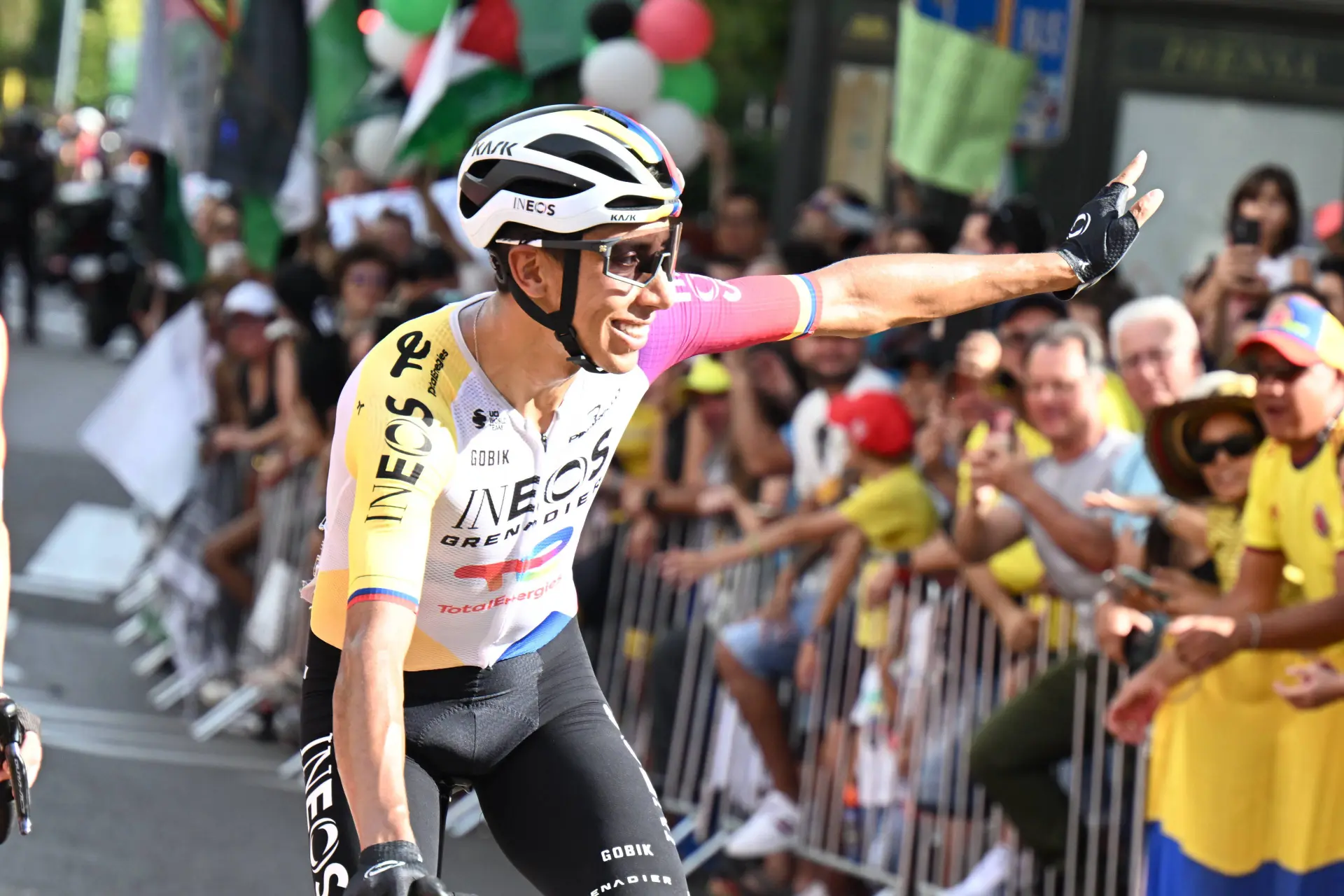
Stage 16 of the 2025 Vuelta a España should have ended with
a showdown on the climb to Castro de Herville. Instead, pro-Palestinian
protesters blocked the road in the final kilometres, forcing the organisers to
halt the race eight kilometres early. The decision handed Egan Bernal his first
Vuelta stage victory, but for Team Visma | Lease a Bike, the aftermath was
dominated by frustration over yet another disruption to the race. It was the
second time in less than a week that a stage had been curtailed because of
protests, and the Dutch squad made it clear that more needs to be done to
protect the riders.
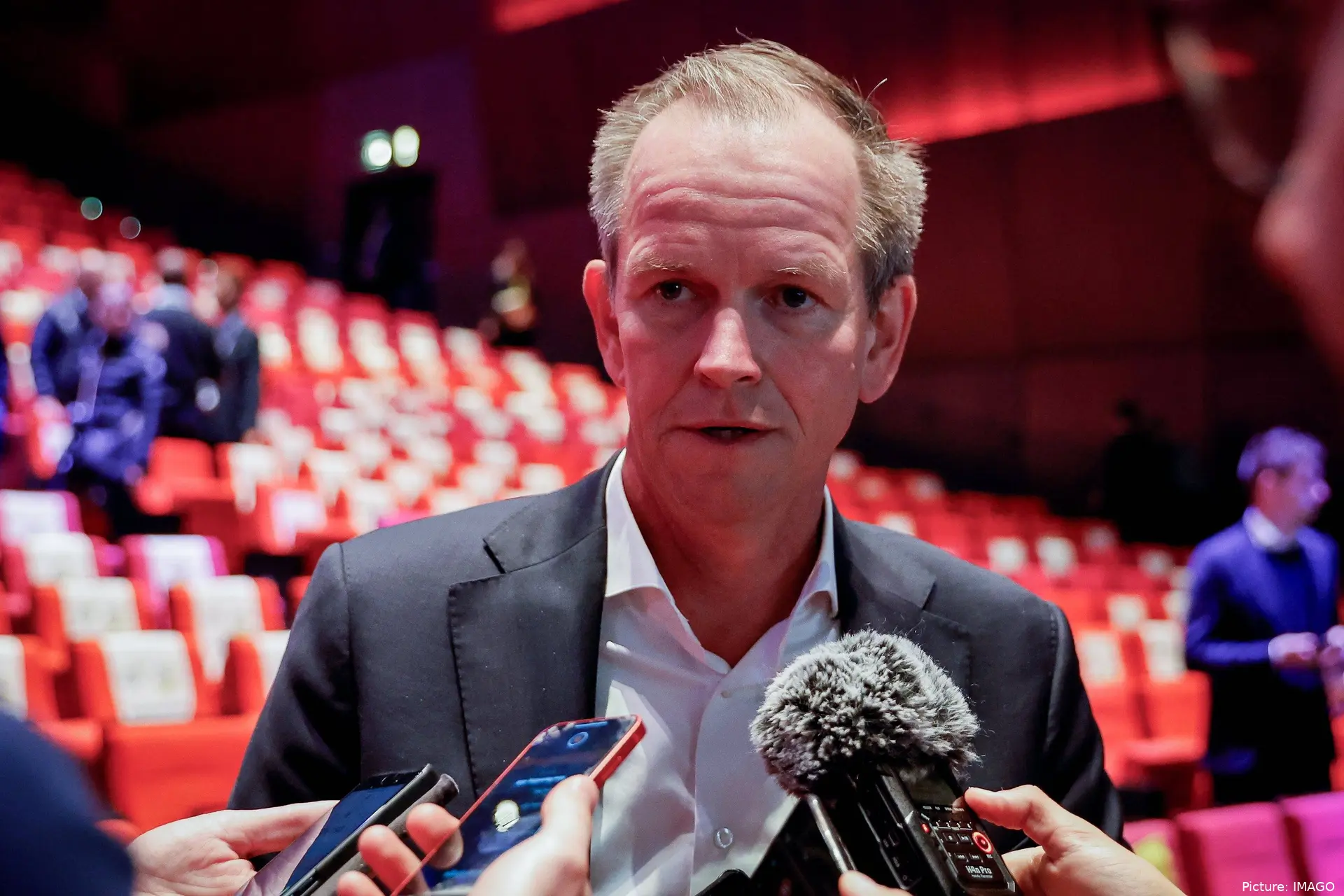
CEO Richard Plugge voiced the team’s position in a statement
immediately after the stage. “It is really unfortunate that this decision once
again had to be taken to guarantee the riders’ safety. As long as the race
organizers and the UCI allow the Vuelta to continue, I assume they can also
ensure it is done in complete safety.
“But this is already the second time they have had to
reconsider that during the race, and that has an impact on the outcome of the
race. I would like to once again call on the public not to interfere with our
riders and the race. At the same time I urge the organizers to do everything
possible to secure the event so that we can all enjoy an exciting battle in the
final week of the Vuelta.”
Plugge’s comments underlined the sense of unease inside the
peloton. Safety has become the priority, but teams are increasingly concerned
about the sporting integrity of the race. With general classification gaps
measured in seconds, the loss of a decisive climb can alter tactics and rob
both riders and spectators of the decisive moments they expect in a Grand Tour.
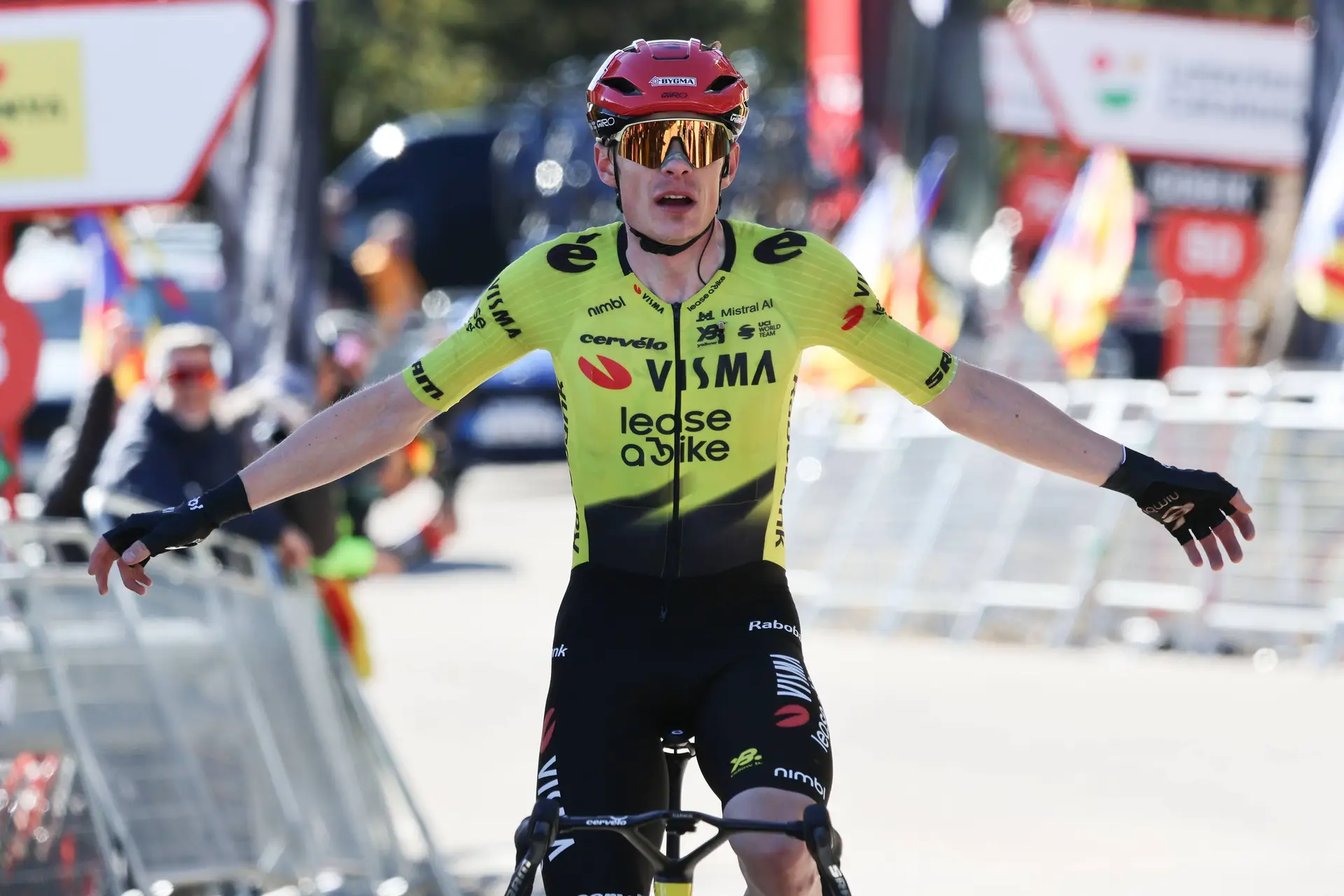
For a team like Visma, defending the red jersey with Jonas Vingegaard, each
kilometre counts.
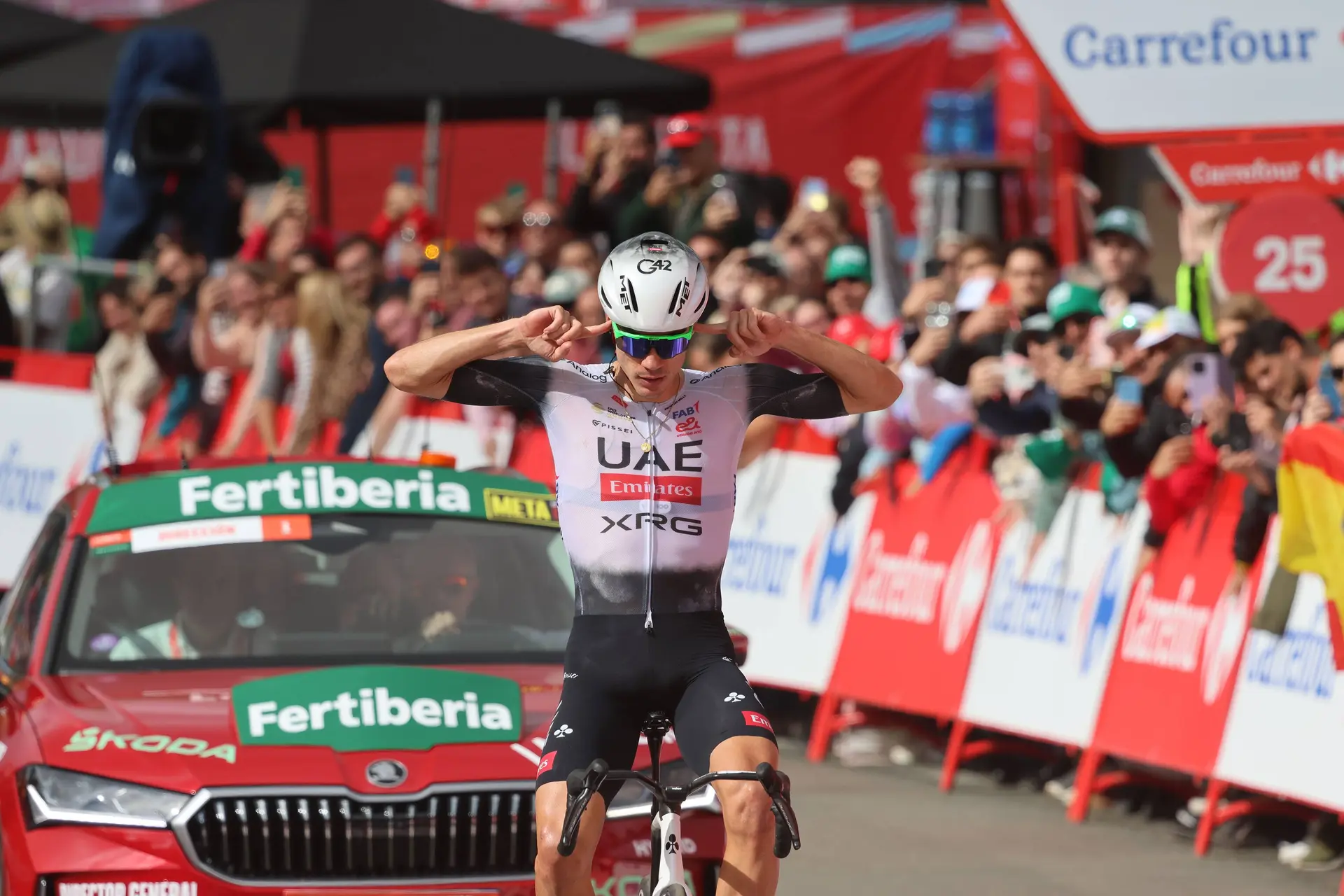
Vingegaard himself spoke with visible disappointment at the
finish. “It’s a shame that this has happened again,” he said, reflecting on how
the protests prevented the race from reaching its natural conclusion. “Everyone
has a right to protest, but it’s a shame that it has to happen here and, in
this way, and that we can’t finish the race. That should not happen. The team
worked well today, and I would have loved to honour their work in the final of
the race. It’s a shame that the Spanish cycling fans did not get to see an
exciting finale.”
The Dane’s words touched on the two major consequences: the
denial of a proper sporting contest and the disappointment of the fans who had
lined the roads. It is an incredibly sensitive topic, and there are certainly
more important things in the world than cycling. But a balance needs to be
found, and fast, so that the protesters can utilise their rights, without
endangering the riders.
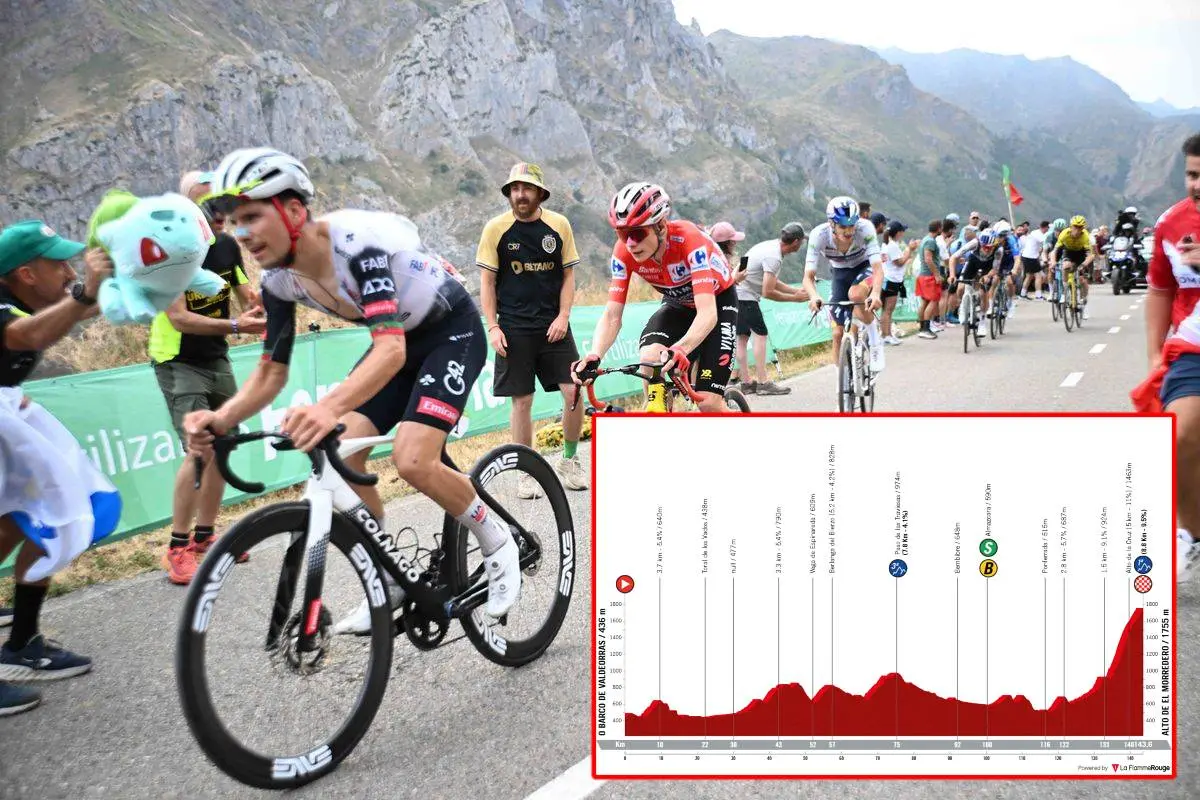
The protests have become a defining subplot of this Vuelta.
Stage 11 in Bilbao was neutralised with no winner after a similar incident, and
now Stage 16 has been cut short in Galicia. Even the stage on the Angliru saw disruption
on the climb. The race director has promised that the event will finish in
Madrid, but each interruption raises questions about how well the route can be
secured in the final week. Plugge’s call for stronger guarantees echoes a wider
sentiment across the peloton that riders cannot be left to face uncertainty day
after day.
Visma remain in control of the race with Vingegaard still in
red, yet their focus is shifting as much toward the off-road challenges as to
their rivals on the climbs. For the team, the hope is that the last days of the
Vuelta can be decided by legs and tactics rather than protests and diversions.

Fin MajorCycling Journalist
Fin Major is a UK-based writer at CyclingUpToDate and has been part of the team since 2024. He is the site’s main writer for FAQs and evergreen explainers and has written around 2,000 pieces for the platform. Alongside this work, he focuses on in-depth analysis and covers the biggest races on the calendar, including the Tour de France, the Giro d’Italia, and La Vuelta a España, providing clear context around performance trends, tactics, and key storylines.
In his reporting, Fin uses reputable data sources such as ProCyclingStats for results, statistics, and historical context. He places strong emphasis on careful sourcing, editorial accuracy, and updating articles promptly when new, verified information becomes available. Outside of writing, Fin is an active cyclist, which supports his practical understanding of the sport and its demands.
claps 2visitors 2
Just in

Popular news
Latest comments
- He is a great teammate.
 MarkFour21-10-2026
 - Given that the headline did not restrict the conversation to men’s cycling and only asked about cycling as a whole, perhaps mention of Lorene Wiebes would be appropriate? She had an astonishing season, 24 wins, though not all WT level like Pogačar. He has always won with a higher percentage of WT wins than almost anyone else.RidesHills21-10-2026
- POGI NEEDS NO TEAM! Entire UAE squad liquidated, Pog's salary jumps to 50m Euros. Will win every stage at all 3 GTs in 2027 and break the speed of sound at Worlds! ET ACTAAAAAAAwrsty21-10-2026
- Will be a big test for Trek with their GC riders barring Skelly who was their best this year closely followed by Cicco who has left. Jury out on why they signed Gee. Lots of changes in the Mens and Womens WT some good (Kasia) some puzzling and off the bike too.
 Davide21-10-2026
 - "And we’ll avoid rushing from race to race"...LOL he took all that time off between the end of the Tour and the Canadian one day races ! That got him one win and a failed worlds RR title ! Only thing he got a was TT titles and a Euro championship against a weak field !frieders321-10-2026
- Rasmussen hasn't been relevant for years and that's only because he was booted out of the tour wearing the yellow due to failed doping !frieders321-10-2026
- Yep Pogi can't win the Vuelta if he doesn't cross the finish line in stage 21! PogiFanStalker can't seem to understand that.frieders321-10-2026
- This PogiFanStalker can't seem to help himself with his constant nonsensical comments here.frieders321-10-2026
- Only thing boring here is reading your constant drooling comments about him!frieders321-10-2026
- So much clickbait hereDAS21-10-2026
Loading
Write a comment