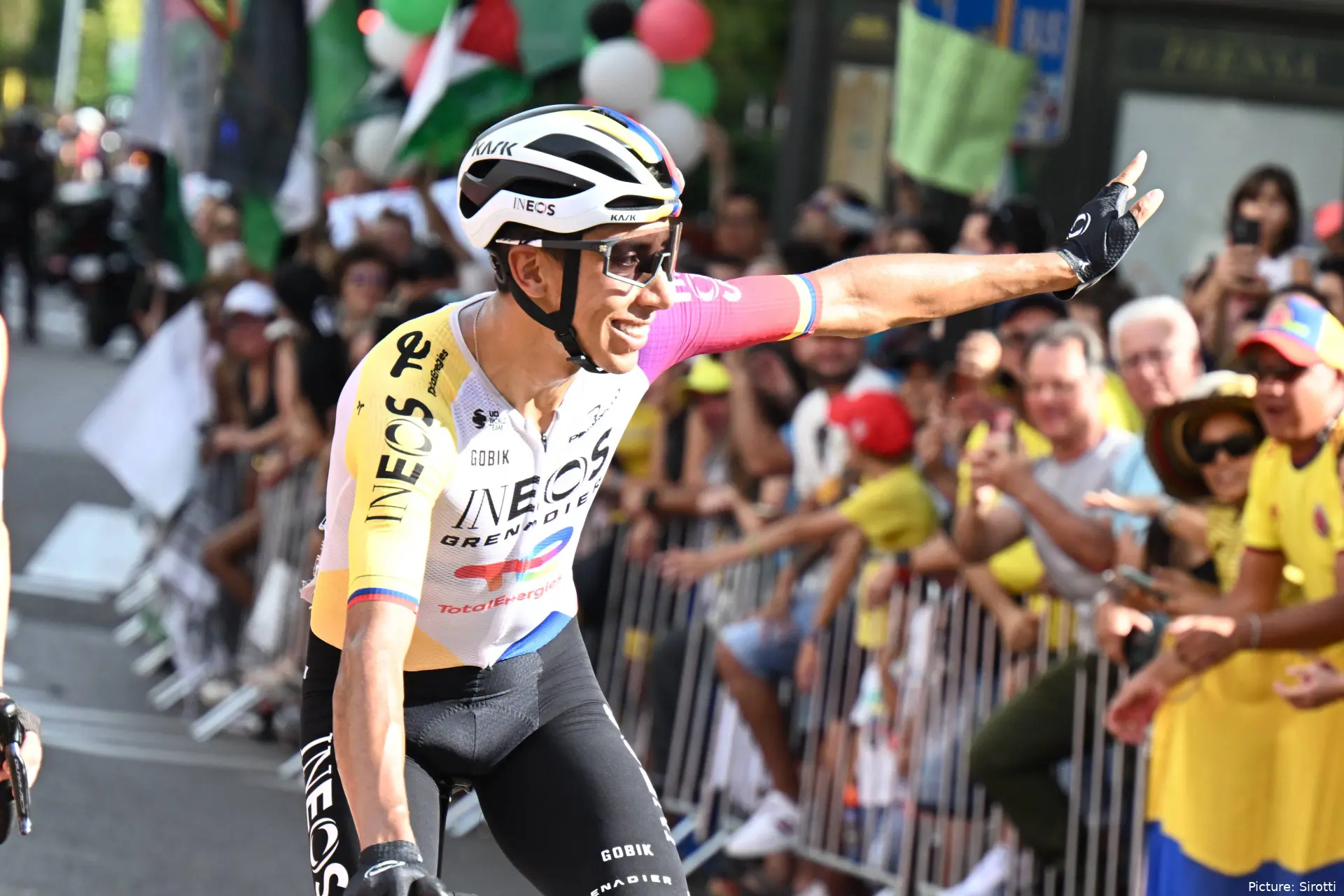
Egan Bernal’s victory on stage 16 of the 2025 Vuelta a
España could be remembered as a turning point in his career. Finally, the
Colombian is a winner again within a grand tour. For a man who has faced so
much during his career, his victory on stage 16 deserved more fans than the
quiet early finish to a protest-disrupted stage 16. But, there is an eery similarity
between this victory, and his last on the grand tour stage. His last WorldTour
stage win came on May 30, 2021, on stage 16 of the Giro d’Italia. On that day,
he dominated the snowy Passo Giau and soloed to Cortina d’Ampezzo. Fast forward
1,563 days and the Colombian finally crossed the line first again, this time in
Castro de Herville at the Vuelta. The symmetry is striking: both stage 16, both
shortened, both decisive for his career.
This victory carried another historical footnote. Bernal has
now tasted victory of sorts on shortened stages at all three Grand Tours. The
2019 Tour de France saw him take yellow after stage 19 was halted by landslides
and hail. Two years later, at the Giro, snow forced organisers to shorten stage
16, where Bernal triumphed in pink. And now, at the 2025 Vuelta,
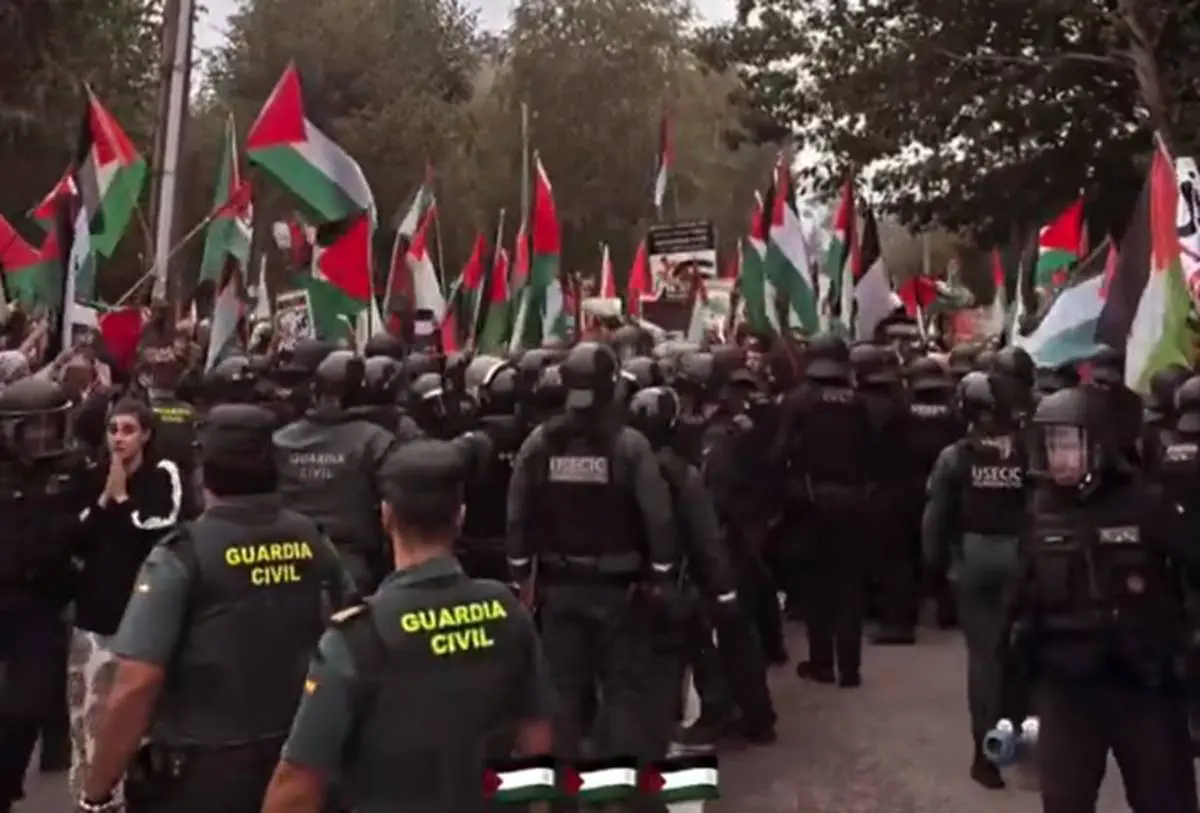
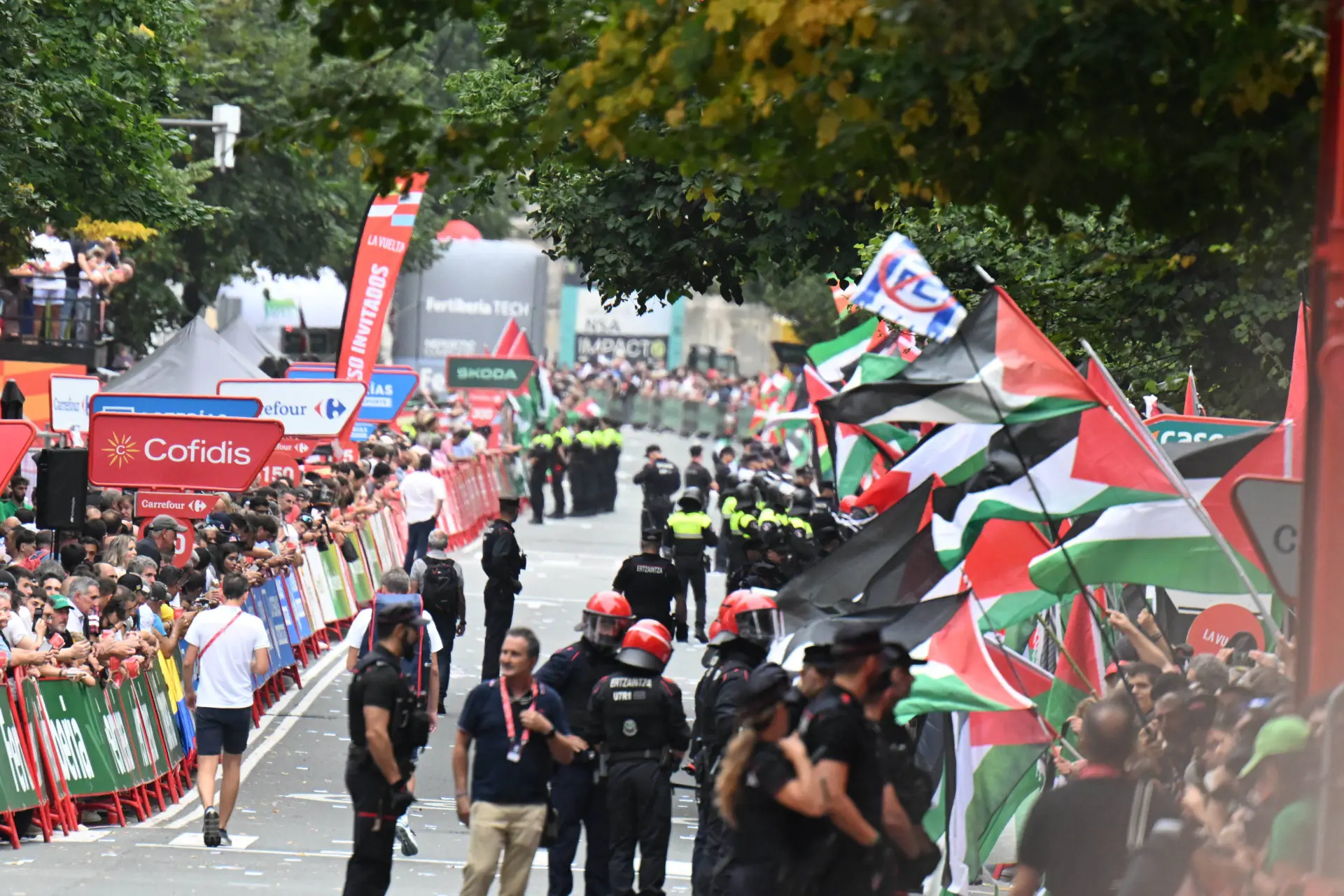
pro-Palestinian protests blocked the road, forcing an early finish eight
kilometers before the planned line, where Bernal won again.
It's an abnormal stat. But Bernal’s career has been anything
but normal, and it is brilliant to see him winning again at the upper
stratosphere of cycling.
A long road back
The length of the gap between his last win and this one
reveals the depth of Bernal’s struggle. At 22 he was the youngest Tour de
France champion in over a century. By 24 he had added the Giro d’Italia,
seemingly on course to dominate Grand Tours in the new decade. But his
trajectory was violently interrupted in January 2022, when a training crash in
Colombia left him with fractured vertebrae, a broken femur, and other life-threatening
injuries.
For most athletes, such an accident would have ended a
career outright. In fact, in reality his career should have been over there and
then, on the spot. The fact that Bernal returned to racing at all was
extraordinary. Yet his results were modest compared to his precocious early
success. The peloton had shifted during his recovery. Jonas Vingegaard and
Tadej Pogacar had established a new standard at the Tour, while Remco Evenepoel
emerged as their closest challenger. Bernal fought just to remain competitive,
often riding in service rather than as a leader.

Bernal is finally back on top
That is what makes the 1,563 day figure so powerful. Every
one of those days represents the uncertainty of his comeback, the gradual
rebuild of form, and the patience required to reach the front again.
Finally, he is back on top at the highest level.
The peculiar hat-trick
Having success on shortened stages at all three Grand Tours
is an achievement no rider would deliberately chase. It requires a mix of
circumstance, weather, protest, and luck. Yet Bernal has turned each chaotic
interruption into a platform for victory.
Whether its snow, landslides, or protests, when the
organisers are having a nightmare, Bernal is likely winning!
At the 2019 Tour, stage 19 was cut off mid-race because of
sudden hailstorms and landslides. Times were taken at the top of the Col de
l’Iseran, where Bernal had attacked. That moment gave him the yellow jersey and
sealed his Tour win, much to the despair of the French nation as Julian
Alaphilippe’s brave defence of yellow ended.
At the 2021 Giro, stage 16 was meant to be an epic day
through the Dolomites. Heavy snow forced the organisers to reroute and shorten
the stage. Bernal launched a devastating attack on the Passo Giau, riding alone
into Cortina d’Ampezzo. That performance, under brutal conditions, confirmed
his control of the race he would go on to win.
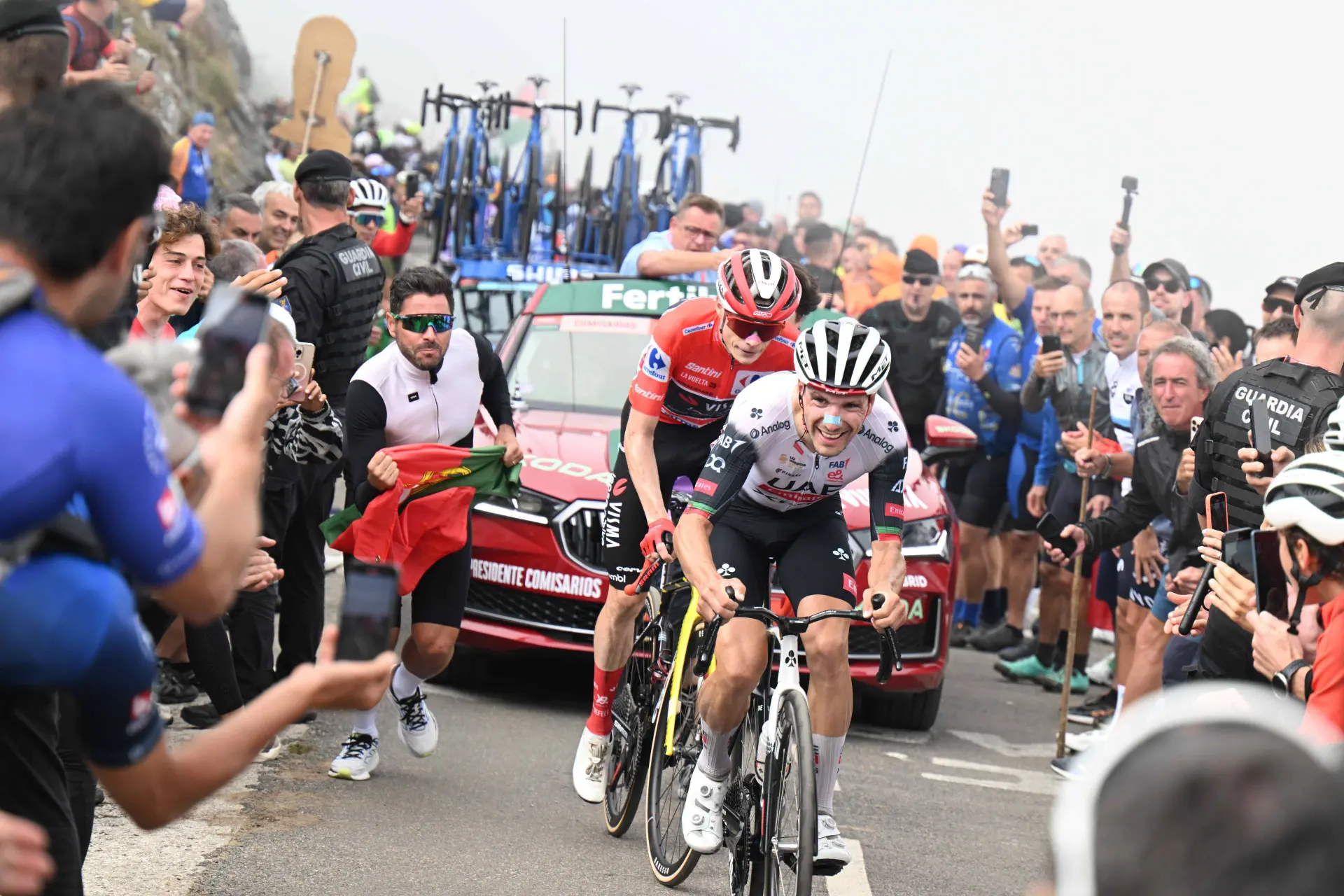
Now, at the 2025 Vuelta, the finish was neutralised eight
kilometers early due to protests on the road. Riders were informed barely ten
minutes before the improvised finish. Amid confusion, Bernal had the clarity to
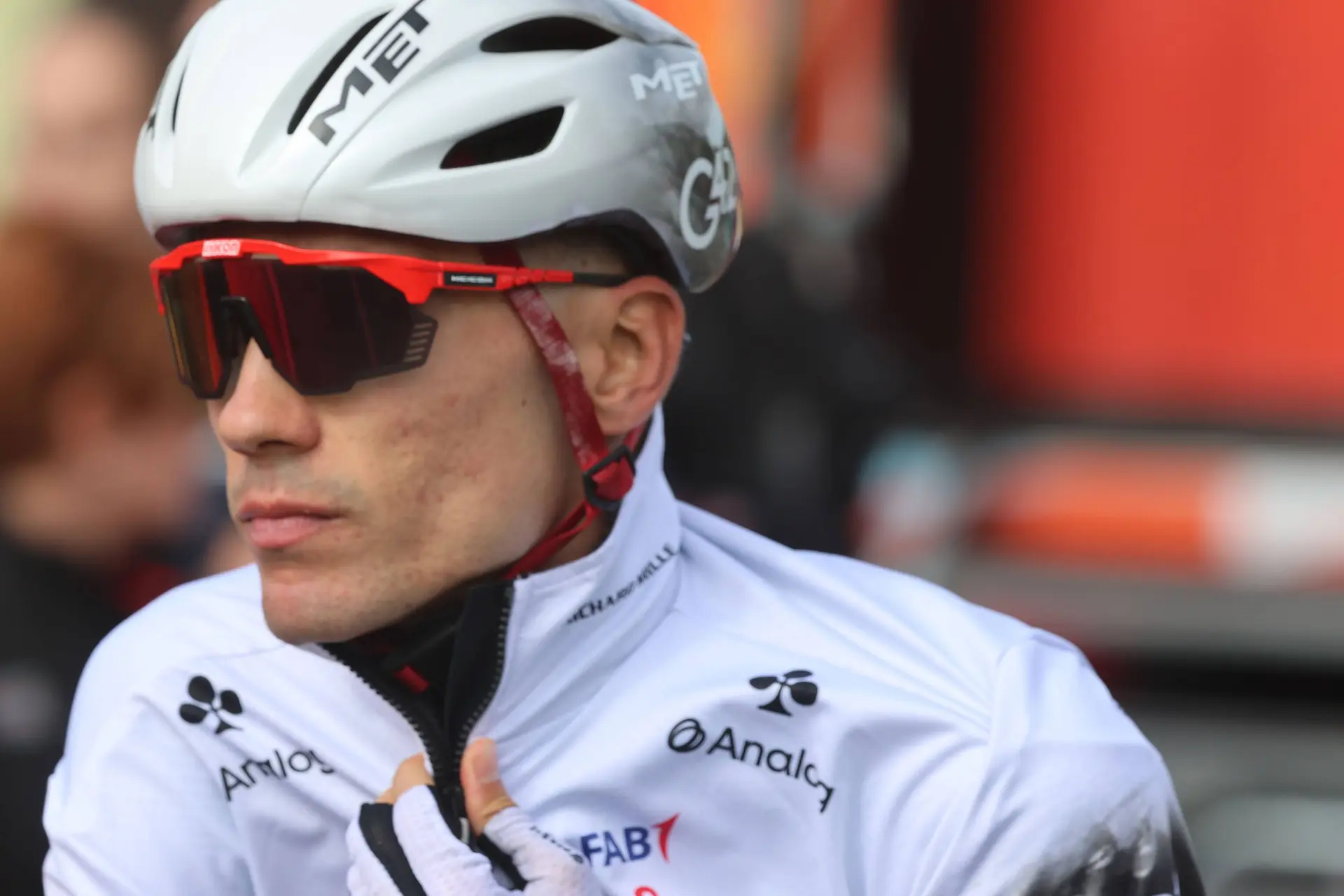
attack, out-kick Landa, and secure the stage.
It is an unusual thread to his palmarès: three shortened
stages, three different Grand Tours, all three saw Bernal come out on top!
There is also symbolic resonance in the fact that both his
last WorldTour stage win and this one came on stage 16. The Giro victory in
2021 was the defining climb of his second Grand Tour win, a ride that
demonstrated his Tour victory was by no means a fluke. The Vuelta victory in
2025 is entirely different in meaning, less about dominance and more about
survival, less about confirming superiority and more about proving that he is
well and truly back.
The number 1,563 is the statistical link between the two,
but the contrast between the rider then and the rider now is huge. In 2021,
Bernal was viewed as the next great Grand Tour champion. In 2025, he is the
comeback story, the rider who returned from the brink of retirement and claimed
a win years after being told he would never walk again.
What now?
So, Bernal is a winner again. It’s been a long time coming,
but what does it mean going forward?
Bernal’s win does not suddenly make him a favourite against
Pogacar or Vingegaard in a three-week race. But it changes how his career is
perceived. Instead of being remembered only for his rapid rise and the cruel
interruption of injury, he now has a new chapter, the chapter of return. The
signs were there at the Giro in May, but stage 16 of the Vuelta has confirmed
he can still compete at the highest level.
The Vuelta win will inevitably raise questions about
Bernal’s future targets. At 28, he has time to build toward another Grand Tour
podium in 2026 if his health and consistency continue to improve. Whether that
means a renewed push for the Giro or Tour remains to be seen.
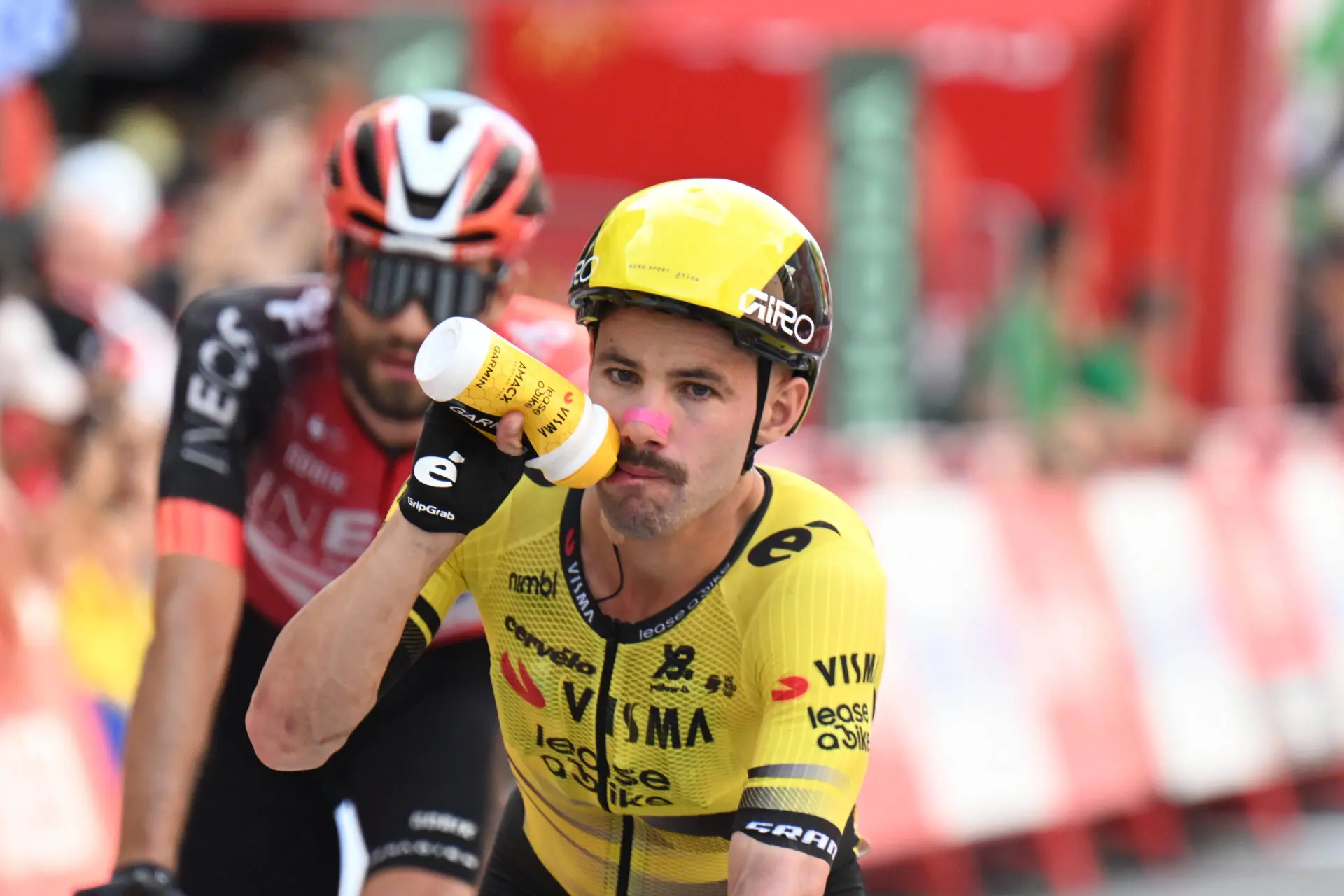
The only reason he was contesting the stage win on stage 16
was because he had dropped out of GC contention, so he is certainly not back to
his very best just yet. But, every year since his comeback we have seen
improvement. 2026 might just see the best version of Bernal yet.
For his team the INEOS Grenadiers, the victory validates
years of patience. They invested heavily in Bernal’s recovery, allowing him the
space to rebuild when results were scarce. His win justifies that loyalty and
gives the team a boost at a moment when younger riders are increasingly
defining the sport’s landscape.
For a team that has faced so much criticism in recent years,
INEOS certainly got the decision to back Bernal right.

Fin MajorCycling Journalist
Fin Major is a UK-based writer at CyclingUpToDate and has been part of the team since 2024. He is the site’s main writer for FAQs and evergreen explainers and has written around 2,000 pieces for the platform. Alongside this work, he focuses on in-depth analysis and covers the biggest races on the calendar, including the Tour de France, the Giro d’Italia, and La Vuelta a España, providing clear context around performance trends, tactics, and key storylines.
In his reporting, Fin uses reputable data sources such as ProCyclingStats for results, statistics, and historical context. He places strong emphasis on careful sourcing, editorial accuracy, and updating articles promptly when new, verified information becomes available. Outside of writing, Fin is an active cyclist, which supports his practical understanding of the sport and its demands.
claps 0visitors 0
Just in

Popular news
Latest comments
- Will be a big test for Trek with their GC riders barring Skelly who was their best this year closely followed by Cicco who has left. Jury out on why they signed Gee. Lots of changes in the Mens and Womens WT some good (Kasia) some puzzling and off the bike too.
 Davide21-10-2026
 - "And we’ll avoid rushing from race to race"...LOL he took all that time off between the end of the Tour and the Canadian one day races ! That got him one win and a failed worlds RR title ! Only thing he got a was TT titles and a Euro championship against a weak field !frieders321-10-2026
- Rasmussen hasn't been relevant for years and that's only because he was booted out of the tour wearing the yellow due to failed doping !frieders321-10-2026
- Yep Pogi can't win the Vuelta if he doesn't cross the finish line in stage 21! PogiFanStalker can't seem to understand that.frieders321-10-2026
- This PogiFanStalker can't seem to help himself with his constant nonsensical comments here.frieders321-10-2026
- Only thing boring here is reading your constant drooling comments about him!frieders321-10-2026
- So much clickbait hereDAS21-10-2026
- Yes, this site has truly become a joke... and about 3/4 of the commentators. For most of them UAE are dopers and Pogi is boring??? They're brainwashed and want Pogi out of cycling.... because he's boring. Yes, in their f***ed up brains, Pogi is the G.O.A.T. ... but he's boring???????PogiSloFans20-10-2026
- As long as the anti doping agencies are on the up and up and doing all they can I can live with the world we now live in without suspicion lurking in the back of my mind all the time.
 Brucegel20-10-2026
 - The message to honour the leaving Felix Gall's performances was more enthusiastic
 Rafionain-Glas20-10-2026
Loading
Write a comment