Only 6 sportsmen have ever medalled at both Winter & Summer Olympics… Could Quinn Simmons be the 7th? “I want to set my sights on the 2034 Winter Games in Utah”
Cycling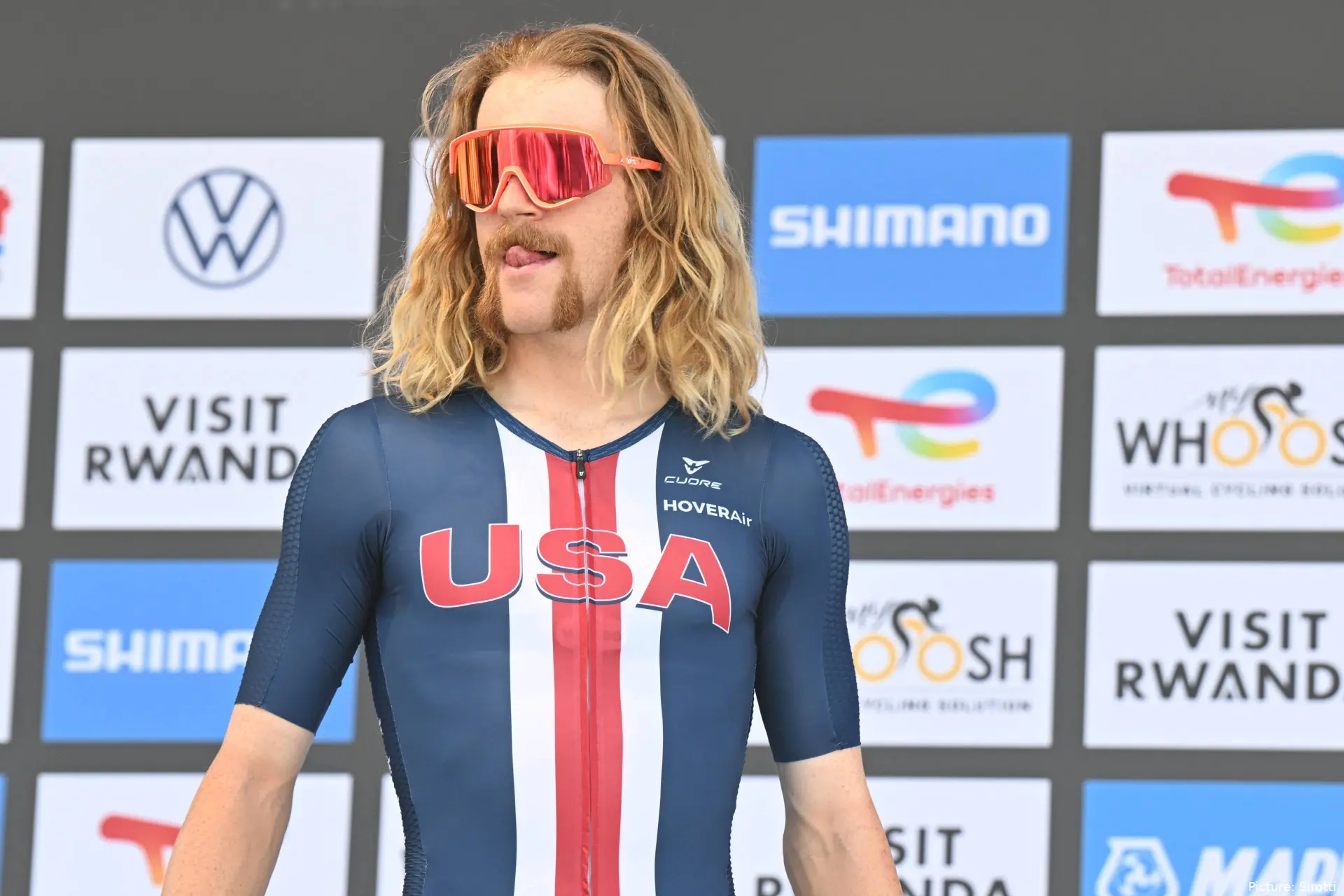
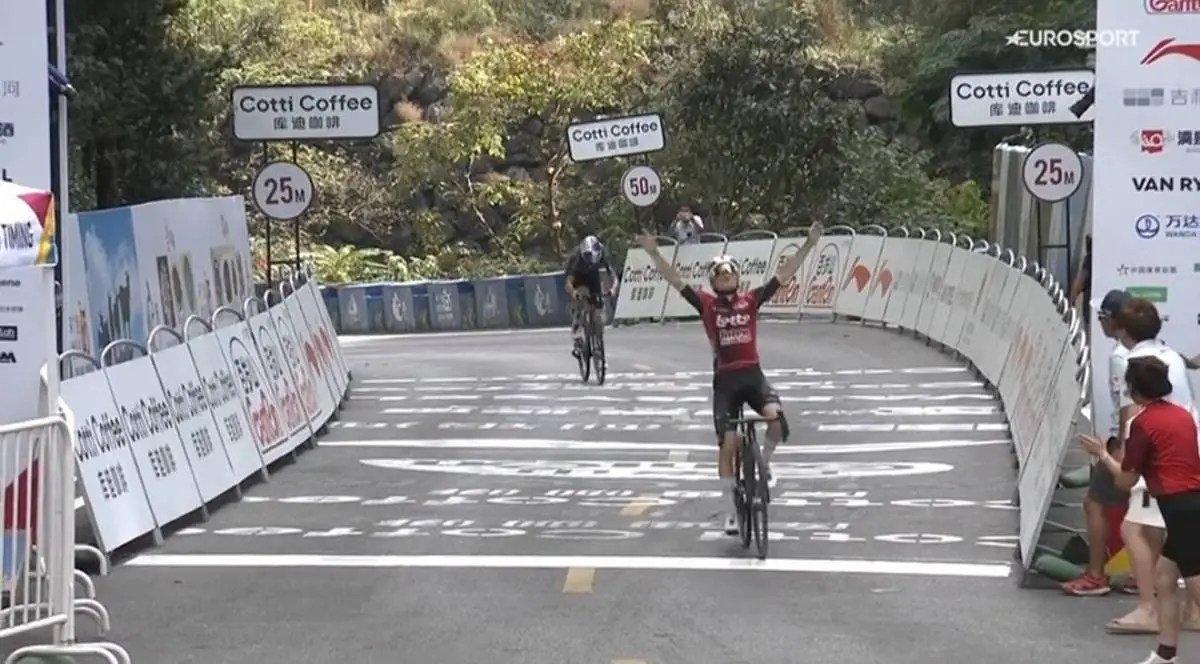
In a sport increasingly shaped by marginal gains and rigid career planning, Lidl-Trek's Quinn Simmons is openly entertaining an ambition that sits well outside the modern cycling playbook.
The American has made it clear that his Olympic horizon extends beyond the road. While Los Angeles 2028 represents a potential Summer Games target during the heart of his cycling career, Simmons is already looking further ahead to a far rarer goal.
“First I want to experience the Summer Games,” Simmons told Sporza, referring to Los Angeles. “After that, I want to set my sights on the 2034 Winter Games in Utah.”
It is a statement that immediately places Simmons in an almost empty historical space.
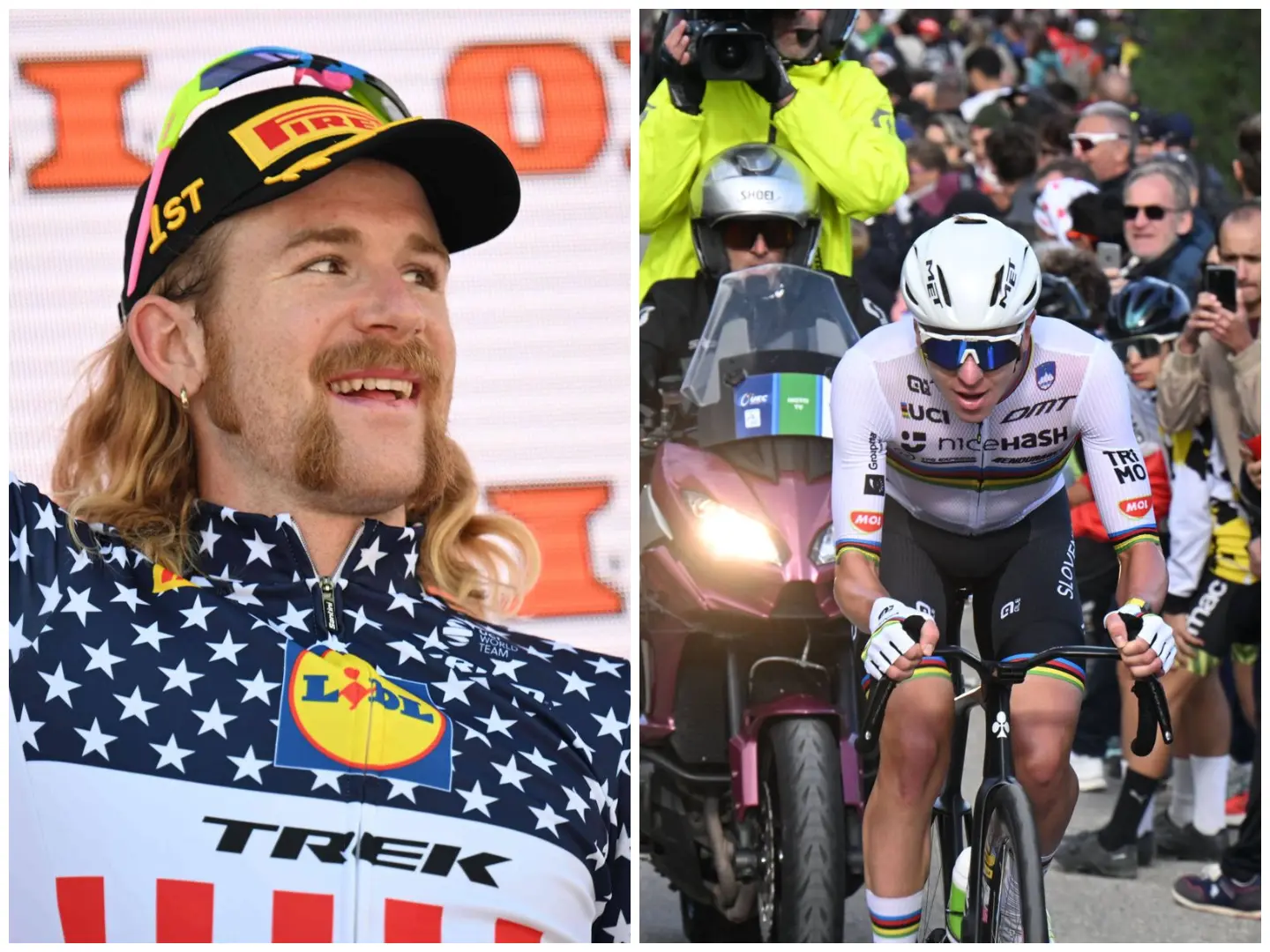
A club so exclusive it has only six members
Olympic history underlines just how extraordinary that ambition is. Only six athletes have ever won medals at both the Summer and Winter Olympic Games.
That list consists of Eddie Eagan, still the only person to win gold at both editions; Norwegian multi-sport athlete Jacob Tullin Thams; East German speed skater turned track cyclist Christa Luding-Rothenburger, who achieved the feat in the same year; Canadian endurance specialist Clara Hughes; American sprinter-turned-bobsledder Lauryn Williams; and Steven Holcomb, who crossed from athletics into bobsleigh.
None of them made the leap from road cycling into an alpine endurance discipline. That is the gap Simmons is proposing to bridge.

Simmons is one of the most easily identifiable riders in the whole World Tour
From alpine youth prospect to WorldTour professional
What gives Simmons’ words weight is that ski mountaineering is not a novelty or a marketing hook in his story. Before he ever raced professionally on the road, it was his first elite sport.
Growing up in Colorado, Simmons competed at youth world level in ski mountaineering, a discipline that combines sustained uphill climbing on skis with technically demanding descents. The physical profile required is brutal and highly specific, but it helped shape the aerobic engine and resilience that later defined his rapid rise in cycling.
After switching sports, Simmons wasted little time. A junior world title accelerated him straight into the professional ranks, bypassing the long development curve most riders follow. Yet despite committing fully to cycling, he has never fully cut ties with the sport he came from.

Why Utah 2034 is not idle talk
Crucially, Simmons is not framing his Olympic ambition as a short-term crossover. The sequencing matters. Los Angeles 2028 fits squarely within his prime years as a professional cyclist. Utah 2034, by contrast, sits at the far end of a long elite career, offering space for a late pivot rather than a mid-career gamble.
Ski mountaineering’s recent inclusion on the Olympic programme only sharpens that focus. By naming a specific Games and a specific discipline, Simmons has removed much of the ambiguity that often surrounds Olympic crossover talk.
Whether he ever reaches that start line remains uncertain. Olympic history suggests the odds are stacked heavily against him. But by stating the goal so plainly, Simmons has already placed himself in a conversation that almost no active cyclist can credibly enter.
If he ever does succeed, he would not just become the seventh member of an exclusive Olympic club. He would be the first to take an entirely new path into it.
Kieran WoodDeputy Editor-in-Chief
Kieran Wood is a sports journalist based in Wales and has been active in journalism since 2022. He regularly contributes to DartsNews.com and CyclingUpToDate.com, where he covers professional cycling and darts. In cycling, his work includes liveblogs from major races, including the Tour de France, the Giro d’Italia, and La Vuelta a España, alongside race reports and analysis. He has also conducted interviews with professional riders.
His reporting spans the full racing calendar, from one-day classics to stage races, with a focus on accurate, real-time coverage and clear contextual analysis. For statistics, results, and historical context, he regularly uses resources such as ProCyclingStats. To support reporting on rider activity and training context where relevant, he also references Strava.
In his work, Kieran places strong emphasis on careful sourcing, editorial accuracy, and updating articles as new, verified information becomes available.
claps 10visitors 9
Just in

Popular news
Latest comments
- Nothing. Against Pogi nothingabstractengineer18-10-2026
- He didn't even try to sprint all outvappaxbipmv18-10-2026
- Campenaerts looked like a rolling pumpkin with that all orange leaders skinsuit !frieders318-10-2026
- He can take his dumb a$$ politics somehwere else !frieders318-10-2026
- good to have her back. fingers crossed she‘ll be able to stay!Ketterechts17-10-2026
- A tenner and he wins the Tour next year, too 😂anonymouscyclist17-10-2026
- the answer is either stick to classics or GTs but not bothabstractengineer17-10-2026
- the exodus already stared with Ciccone. Already they were struggling with two sprinters, now there are three. Also Ganna will demand leadership. Gall is the most proven GC, Ayuso has the most potential. GC leadership for everybody will be impossible. Literally a UAE style mess without pogi.abstractengineer17-10-2026
- I raced as an amateur for 12 years, including six years on my country’s national road cycling team. I secured two national titles and competed in three World Championships plus more than 15 international stage races. At 23, we travelled to Italy for a training camp—or so I assumed. On a rest day, we watched a presentation about adopting a more “professional” training approach. It was crystal clear what “professional” meant. That moment first exposed me to this dilemma. After returning from Italy, I left cycling—at least at the competitive level I had known. Over the following two years, the whole team was caught doping. I hold that everyone is innocent until proven guilty. In my view, current stakeholders operate on a different scale, and the sums involved are vast. I am unsure whether any doping would ever be revealed. I try to stay positive and enjoy the show. My 2c.
 vannpelt17-10-2026
 - Fiver he wins 🤣
 leedorney17-10-2026
Loading
6 Comments