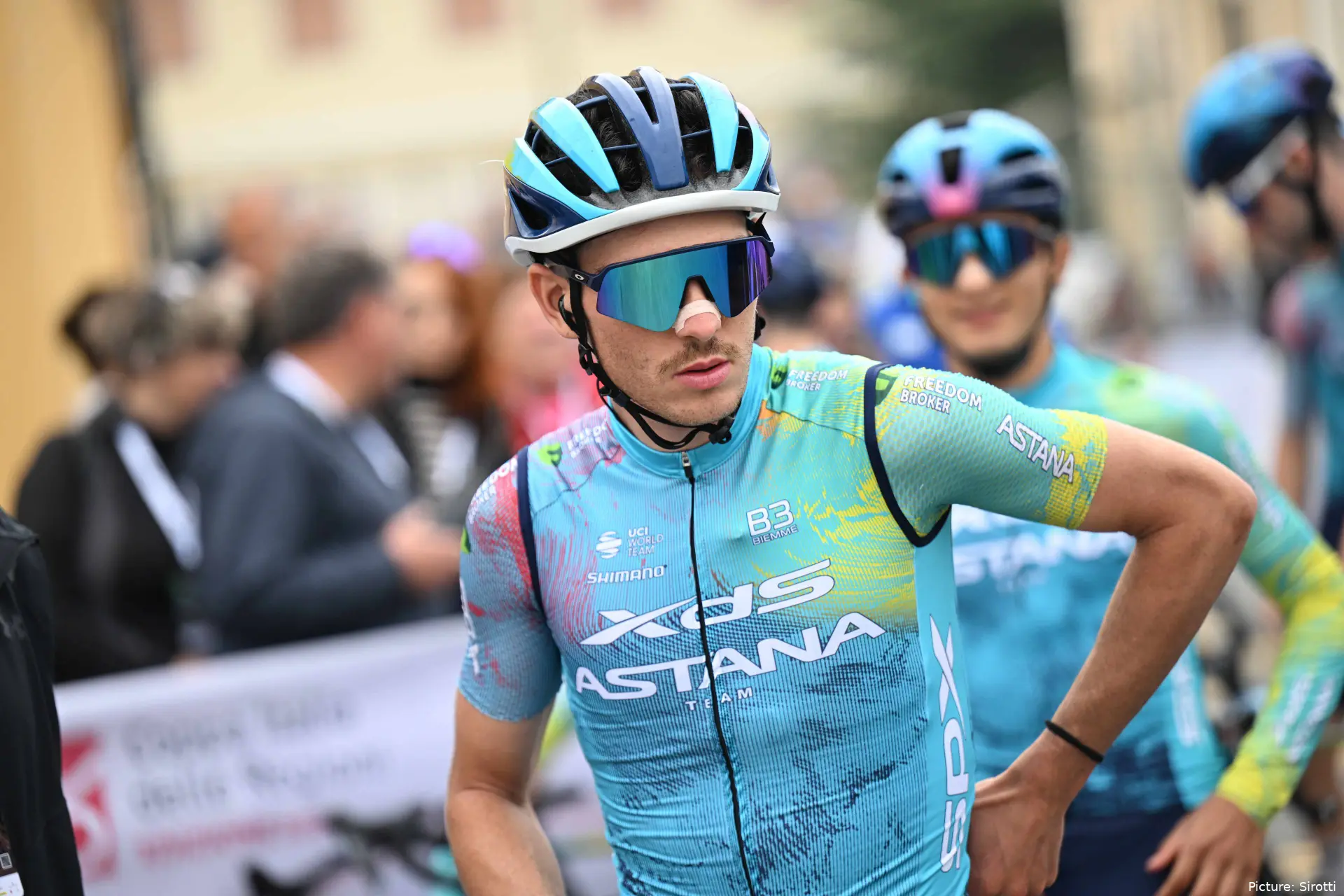
XDS Astana Team’s 2025 season marked a clear
and badly needed reset after a year spent looking over their shoulder. Entering
the campaign, the Kazakhstan-registered WorldTour team faced a genuine fight
for survival at the top level, having slipped dangerously close to relegation
in 2024. Under the long-standing leadership of Alexander Vinokourov, and in the
first year since the retirement of Mark Cavendish, the objective was
straightforward but unforgiving: score points, win races where possible, and
secure their WorldTour licence. By the end of the year, they had done
considerably more than that.
What followed was a season built on a
willingness to hunt victories wherever they could realistically be found. No, XDS
Astana Team did not suddenly transform into a Grand Tour-dominating superteam,
nor did they conquer the Monuments. Instead, they assembled a consistent,
productive year across smaller stage races, one-day events, and targeted Grand
Tour opportunities. The result was a decisive rebound that lifted them to 15th
in the final WorldTour rankings and restored a sense of direction to a team
that had looked adrift twelve months earlier.
The 2025 roster reflected Astana’s reality.
This was not a team stacked with generational stars, but one built around
experience and riders capable of winning across a wide range of race profiles.
Veterans like Wout Poels and Diego Ulissi brought depth and leadership, while
Sergio Higuita and Harold Tejada offered credible options for week-long races
and Grand Tours. On the flatter terrain, Davide Ballerini, Max Kanter, and
Simone Velasco gave the team sprint and punch, while cobbled specialists such
as Alberto Bettiol and Mike Teunissen added durability for the northern races.
The biggest returns, however, came from riders
who stepped up beyond expectations. Christian Scaroni and Harold Martín López
emerged as the team’s most prolific winners, each finishing the season with
four victories. López, in particular, became a reliable source of general
classification success at smaller stage races, while Scaroni’s aggressive style
and consistency across Italian races made him the standout figure of Astana’s
year. Alongside them, national pride remained important, with Yevgeniy Fedorov securing
Kazakhstan’s road race and time trial titles.
Read also
This blend of seasoned professionals and
upwardly mobile riders defined Astana’s approach throughout the season. They
rarely waited for races to come to them, instead choosing to infiltrate
breakaways, and target stages and classifications that were realistically
within reach.
And in short, it worked.
Measured purely by numbers, the turnaround was
striking. XDS Astana Team finished the 2025 season with 32 professional
victories, including a Grand Tour stage win and multiple overall wins at
smaller stage races. Those results translated into 15th place in the WorldTour
team standings. Just one year earlier, they had finished 21st and were staring
at the relegation trapdoor.
Their final position placed them narrowly
behind Movistar and comfortably ahead of Jayco AlUla and Picnic PostNL, a
margin that mattered enormously given the licensing pressure. More importantly,
it reflected a team that had found a sustainable way to compete: not by chasing
unrealistic targets, but by extracting maximum value from a packed racing
calendar.
Spring campaign
Astana’s spring began with promise. Christian
Scaroni set the tone early by winning Classic Var in February, followed
immediately by overall victory at the Tour des Alpes-Maritimes. Those
back-to-back successes signalled that the team had arrived in form and with
intent, particularly in the French and Italian one-day scene.
When the calendar turned to the Monuments,
however, the limits of the squad became clear. Milan–San Remo, the Tour of
Flanders, and Paris–Roubaix all delivered respectable but unspectacular
results. Mike Teunissen’s 11th place at San Remo and Davide Ballerini’s 10th at
Flanders showed that Astana could compete for top-10s, while Teunissen’s 16th
at Roubaix underlined their resilience on the cobbles. But they were never
genuine contenders for victory.
The Ardennes brought mixed fortunes. Scaroni
failed to make an impact at Amstel Gold Race and La Flèche Wallonne, but
Liège–Bastogne–Liège offered a moment to remember. Simone Velasco sprinted to
fourth place, narrowly missing the podium and delivering Astana’s strongest
Monument result of the season. While it fell short of a headline win, it was a
reminder that the team could still influence the biggest races on the calendar.
Beyond the Monuments, Astana continued to pick
off smaller successes. Max Kanter’s victory at the Famenne Ardenne Classic
added to the tally, reinforcing the team’s strategy of targeting achievable
wins rather than burning resources in unwinnable situations. Overall, the
spring highlighted Astana’s depth and competitiveness, even if true Classic
stardom remained elusive.
Grand Tour season
The Giro d’Italia represented the emotional
and competitive high point of Astana’s year. Diego Ulissi briefly wearing the
maglia rosa was a symbolic moment, especially for a rider who has spent much of
his career in Italian races. But the defining moment came on Stage 16, deep in
the mountains.
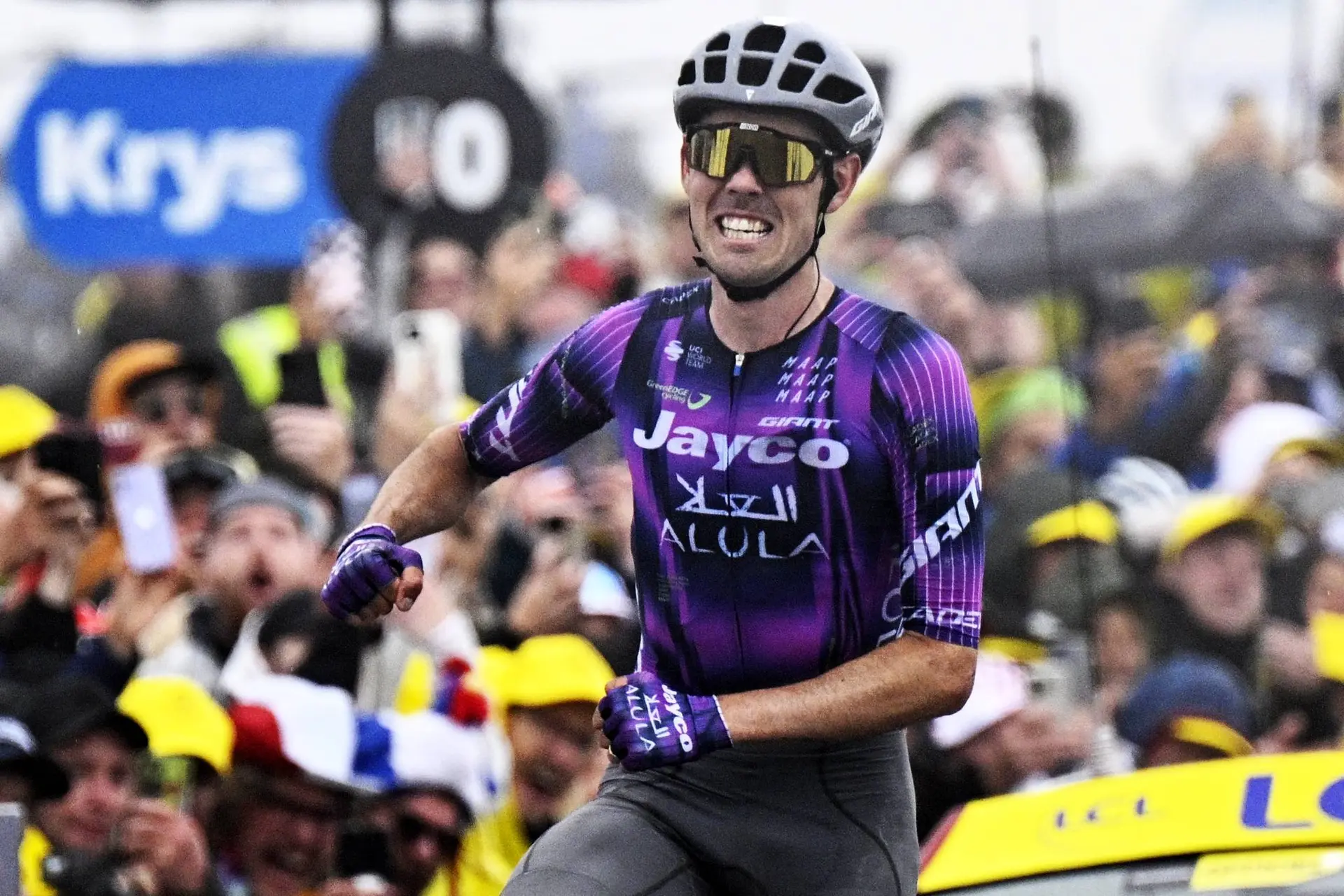
Christian Scaroni and Lorenzo Fortunato
executed a perfectly timed move to finish first and second on the stage, with
Scaroni taking his first Grand Tour victory. The image of the pair crossing the
line together encapsulated everything Astana needed from the Giro: unity and
reward.
Beyond that stage, Astana rode actively
throughout the race, consistently placing riders in breakaways and animating
difficult stages. Ulissi remained present until the final week and finished
21st overall, while the team’s cohesion and morale visibly improved as the race
progressed. In many ways, the Giro felt like the moment Astana’s season truly
turned from survival to success.
The Tour de France was always likely to be
more subdued. Sergio Higuita was entrusted with GC leadership, and his task was
clear: deliver a respectable overall result. He did exactly that, finishing
14th in Paris after three steady weeks of racing.
Astana did not win a stage at the Tour, nor
did they contest the classification jerseys, but the absence of spectacular
results did not equate to failure. In the context of their season, Higuita’s
consistency provided valuable points and demonstrated that the team could still
operate effectively at cycling’s biggest event. The sprint and breakaway
options did not convert into victories, but they also did not derail the
broader objective of consolidation.
The Vuelta a España followed a similar
pattern. Harold Tejada led the team and produced a composed, reliable ride to
finish 12th overall. Again, there were no stage wins, but Tejada frequently
placed inside the top ten on mountain stages and steadily climbed the general
classification. Astana’s approach at the Vuelta was conservative, prioritising
GC points over opportunistic stage hunting. While that limited their chances of
standout moments, it paid off in terms of overall return. For a team whose
licence security still depended on margins, this restraint made sense.
Across the three Grand Tours, Astana’s record
read as follows: one stage win at the Giro, no wins at the Tour or Vuelta, but
solid GC finishes at all three. It was not spectacular, but it was effective.
And it was exactly what they needed.

Transfers
Looking ahead, Astana have opted for
continuity rather than overhaul. Incoming riders include Arjen Livyns, Cristian
Rodríguez Martín, Marco Schrettl, and Guillermo Thomas Silva, alongside
promotions from the development team. These signings are clearly aimed at
reinforcing depth rather than redefining leadership. Departures include Cees
Bol, and the most notable exit is Wout Poels, who will ride his likely final
season at Unibet Tietema Rockets.
Final verdict: 8/10
XDS Astana’s 2025 season deserves to be judged
on its own terms. After flirting with relegation, they stabilised, climbed the
rankings, and delivered 32 victories across a wide range of races. The Giro
stage win, the maglia rosa moment, and their success at smaller stage races
defined a year that far exceeded expectations.
They did not conquer the Monuments or
challenge for Grand Tour podiums, but that was never the benchmark. Instead,
they rebuilt credibility, restored confidence, and laid a foundation for the
future. On balance, this was an impressive comeback campaign and comfortably
rates an 8/10, a season that secured their place in the WorldTour and proved
that Astana remain a relevant, competitive force in professional cycling.
Read also

Fin MajorCycling Journalist
Fin Major is a UK-based writer at CyclingUpToDate and has been part of the team since 2024. He is the site’s main writer for FAQs and evergreen explainers and has written around 2,000 pieces for the platform. Alongside this work, he focuses on in-depth analysis and covers the biggest races on the calendar, including the Tour de France, the Giro d’Italia, and La Vuelta a España, providing clear context around performance trends, tactics, and key storylines.
In his reporting, Fin uses reputable data sources such as ProCyclingStats for results, statistics, and historical context. He places strong emphasis on careful sourcing, editorial accuracy, and updating articles promptly when new, verified information becomes available. Outside of writing, Fin is an active cyclist, which supports his practical understanding of the sport and its demands.
claps 0visitors 0
Just in
Popular news
Latest comments
- > Sven Nys believes van der Poel-Van Aert factor is damaging cyclocross calendar Stop whining and just be better than him bro...averagecyclist14-10-2026
- “at some point those guys will turn their backs on OUR sport”? after dedicating so much of their lives to cyclocross and in mathieu’s case winning more world championships than anyone, it would seem to me like they’ve earned the right for it to be always be THEIR sport, too, even after they retire from it.OCexile14-10-2026
- It takes two to tango. Riders also have a say. Maybe they didn't see any opportunities on a stacked team such as Visma's? Who knows, but could be a multitude of reasons why deals fall through.Pogboom14-10-2026
- Eventually Pogi will get older and slower. Father Time will favor the young. The question is whether he can beat Pogi before Pogi decides to retire. You never know... Pogi may retire after winning paris-roubaix :)b3tlla14-10-2026
- i think he can continue to race for maybe another 2 years till he drops out of podium contention. With his TT and his follow the leader in the Mountains,he should not need too many teammates too.abstractengineer14-10-2026
- Aren't they still shopping around for a main sponsor for next year?wrsty14-10-2026
- How broke is visma now? wtf they cant even fight moviestar and decathlon for riders and lose both their mid targets based on their budget and they cant even get those? Crazy...:/miguel13-10-2026
- TT But he won by a minute so he could have cut down on some of it
 Rafionain-Glas13-10-2026
 - weight is measurable. power is measurable. So why didn't he prepare that way from the TDF if he wanted to beat Pogi and after Pogi wasn't going to be there, to win.abstractengineer13-10-2026
- I hope Thibau and Tibor don't do the sameRafionain-Glas13-10-2026
Loading
Write a comment