2025 season review | Team Picnic PostNL: Did Oscar Onley's Tour de France save the team in an extremely hard year?
Cycling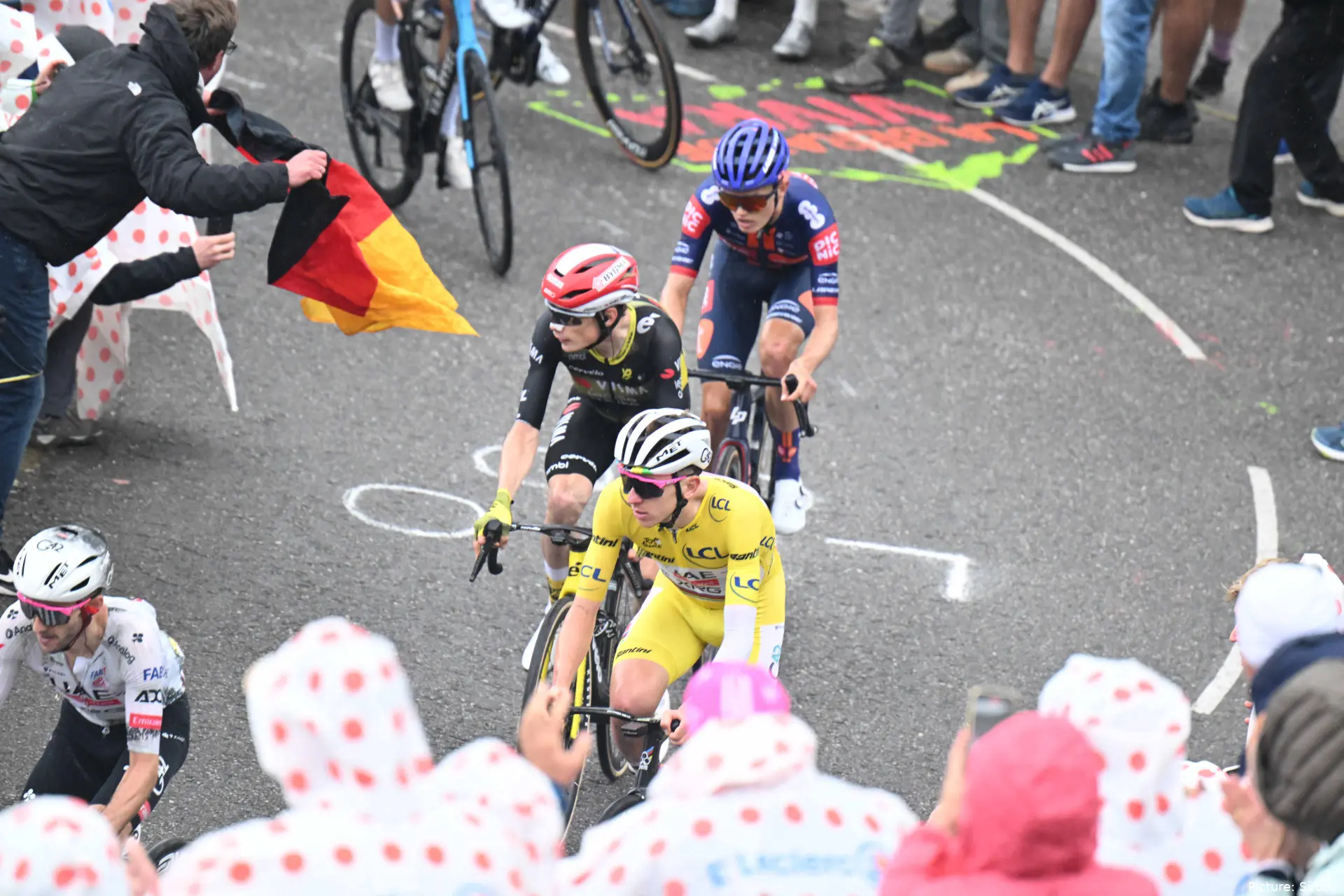
The 2025 season marked a genuine turning point
for Team Picnic PostNL, the rebranded successor to Team DSM Firmenich and,
before that, the long-running development-driven structure founded in 2008 as
Skil–Shimano. With Dutch newcomers Picnic and PostNL stepping in as title
sponsors, the men’s WorldTour squad entered the year with a renewed identity
but the same underlying philosophy: invest in youth, develop riders
methodically, and trust the system even when the results arrive slowly. That
philosophy defined every major storyline of their campaign.
It was a
season shaped by transition, injury setbacks, breakthrough rides, and a Tour de
France that reframed expectations for the team’s future. Across the board, the
defining theme of 2025 was that a youthful lineup, anchored by veteran Romain
Bardet in his final season, found ways to keep the team competitive at
WorldTour level while laying the groundwork for the next era.
Team Picnic
PostNL entered the year with a roster split between battle-hardened pros and a
new wave of climbers and sprinters. Bardet’s final professional season gave the
group a clear emotional centre, while experienced figures like Degenkolb helped
steady a classics unit still finding its feet. At the same time, riders such as
Oscar Onley and Max Poole, both barely in their early twenties, represented the
long-term direction. Australian sprinters Patrick Eddy and Matthew Dinham,
Dutch sprinters Nils Eekhoff and Bjorn Koerdt, and a Tour de France lineup
comprised almost entirely of homegrown riders demonstrated how deeply the
organisation’s development system was woven into its results.
The team
ultimately recorded four victories in 2025, but the significance of each win
went beyond the tally. Tobias Lund Andresen’s triumph at the Surf Coast Classic
opened the year with a confident marker. Nils Eekhoff’s win at Nokere Koerse,
delivered through a precise leadout, gave the spring classics a badly needed
result. Casper van Uden’s Giro d’Italia stage win, arrived through a perfectly
executed plan. And Oscar Onley’s stage victory at the Tour de Suisse confirmed
his rising status among elite climbers.
In the
WorldTour team rankings, TeamPicnic PostNL accumulated roughly the same haul as
the previous season and finished 17th overall, just removed from relegation
concerns. But, that does not tell the full picture.

Spring season
The
spring campaign, however, repeatedly tested the team’s depth. Bardet and Poole
were ruled out of Paris–Nice and Tirreno–Adriatico before they even began, and
Fabio Jakobsen’s season-ending iliac artery issue removed the squad’s most
established sprinter.
Milano-Sanremo
came and went without a meaningful result. At the Tour of Flanders, a late
crash eliminated Degenkolb, Tim Naberman and Alex Edmondson, effectively ending
the team’s classics ambition for April. Paris–Roubaix produced little more
fortune.
The one
exception was Nokere Koerse, where a disciplined and experienced group
delivered Eekhoff to the line in perfect position for his win. Beyond that, the
spring was thin: the Ardennes Classics yielded no serious contention, and most
races required the team to improvise rather than execute structured plans. It
was the most uneven stretch of their year, and it highlighted how much the
squad relies on having at least one healthy climber or sprinter to anchor
tactics.
Grand Tour season
Things
shifted dramatically once the Grand Tours began. Bardet’s Giro d’Italia
farewell offered the team purpose and clarity. Stage 4’s victory, where van
Uden finished off a precise late leadout, was a breakthrough. Bardet’s own ride
on Stage 17, where he attacked repeatedly on the Mortirolo and finished four
seconds behind winner Isaac del Toro, was a reminder of the style that defined
his career.
Bardet’s
runner-up finish on that stage and other top-ten appearances helped stabilise
the team’s performance. Poole, meanwhile, rode an intelligent and controlled
first Grand Tour, finishing 11th overall. The squad’s director, Matt Winston,
emphasised Poole’s progress, noting that he “moved up to 11th, continuing his
steady rise”. By the end of the Giro, Bardet had animated key mountain days,
Poole had announced himself as a future GC figure, and the team had its maiden
Grand Tour stage victory. It was one of their most coherent and well-executed
three-week campaigns, until a few weeks later in July…
The Tour
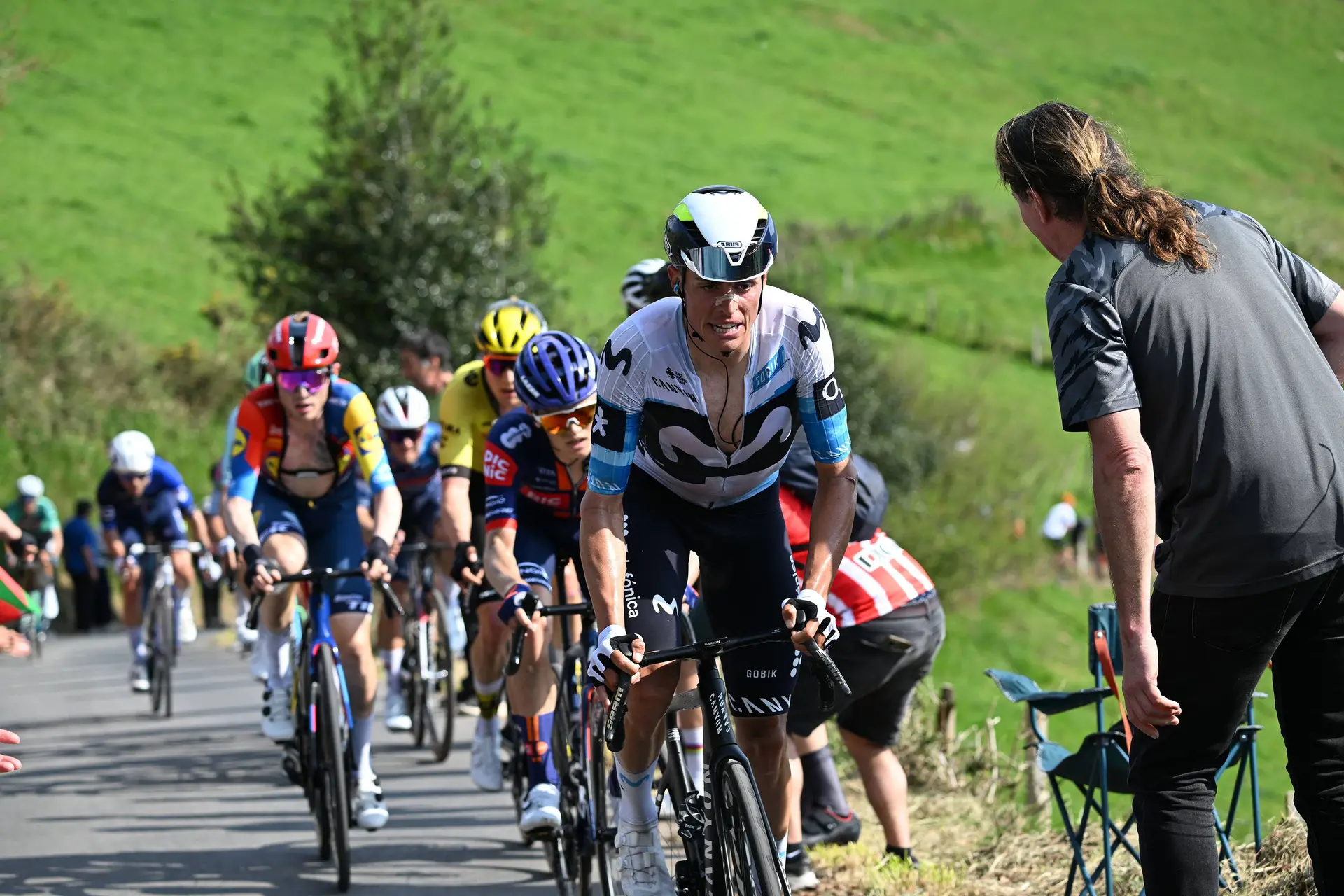
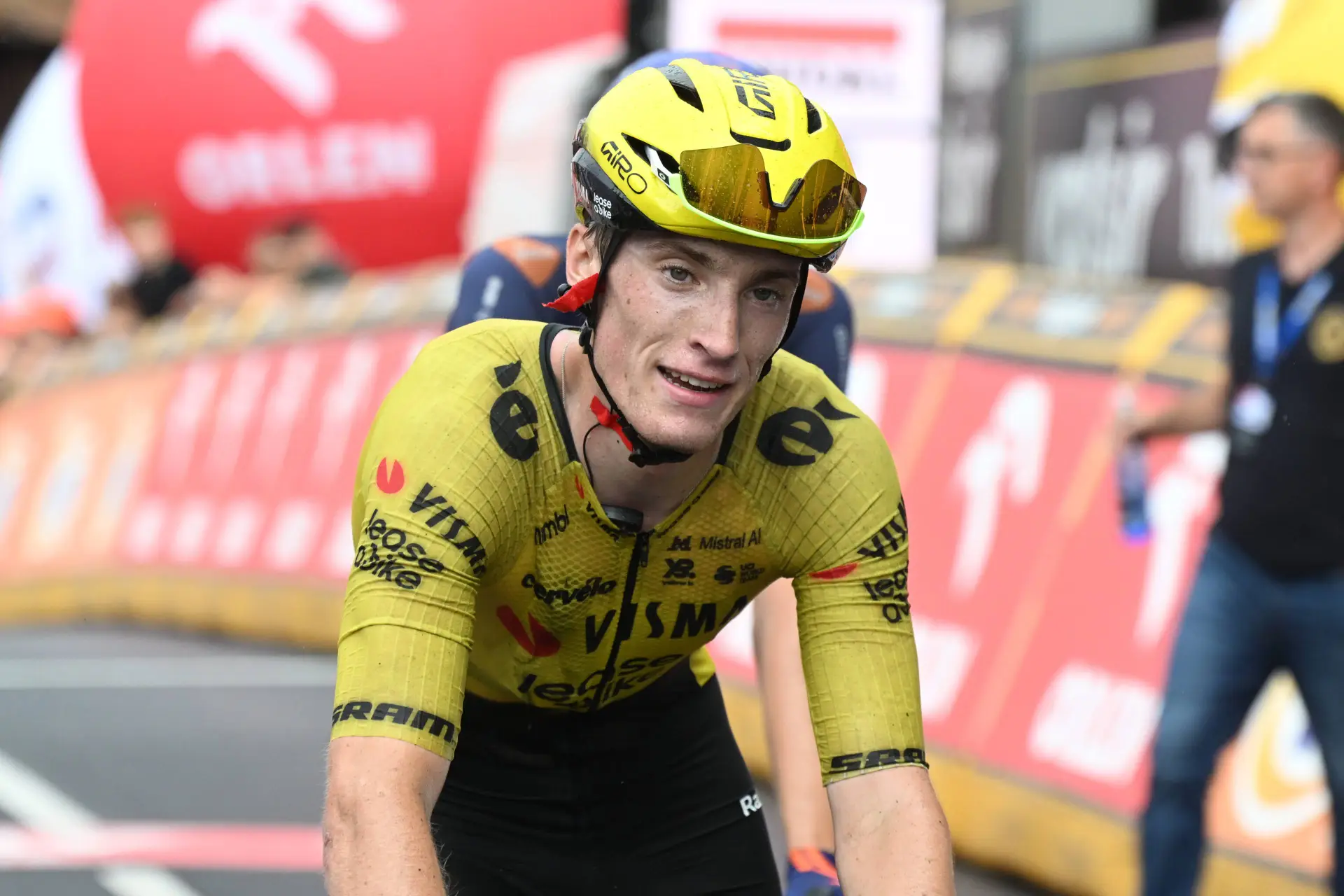
de France eclipsed that. Why? Because Oscar Onley, without pre-race GC
pressure, transformed into one of the revelations of the race. His consistency
across the Pyrenees and Alps kept him within striking distance of the highest
places on GC, and he was locked in a battle with Florian Lipowitz for the
podium and white jersey after Remco Evenepoel abandoned the race.
Across
the final week, he held his nerve. In the decisive mountain stages he remained
glued to the favourites, and on the Col de la Loze he produced what The
Guardian called “the ride of his young life”. By Paris he had finished fourth
overall, the strongest GC result the team had ever achieved. Although the squad
missed out on a Tour stage win, the depth of their performances was remarkable,
and Onley announced himself as the next British GC talent. It was a
demonstration of what a development-driven roster can accomplish when its
talent matures simultaneously.
The
Vuelta a España returned the team to its youth-focused approach. Without a GC
leader, they raced aggressively in breakaways. Kevin Vermaerke and Bjorn Koerdt
delivered top-ten stage finishes, but overall it was a quiet race for the team. There
were no wins, but the race served the the team intended: to expose
younger riders to Grand Tour intensity and encourage opportunistic racing.
Still, it certainly did not live up to the hype of the Giro and the Tour.
Transfers
The
off-season transfers underlined the team’s trajectory. Riders arriving for 2026,
Frits Biesterbos, Dillon Corkery, Timo de Jong, Alexy Faure-Prost, Mattia
Gaffuri, James Knox, Oliver Peace and Henri-François Renard-Haquin, fit the
team’s profile of long-term potential.
Departing
riders included Tobias Lund Andresen, Enzo Leijnse, Kevin Vermaerke, and Romain
Bardet, whose retirement marked the end of an era for once of France’s most
beloved riders. The team will miss Bardet’s influence and Edmondson’s
reliability, while the sprint train will require rebuilding. Yet the
organization has opted for continuity: develop its own riders, promote from
within, and piece together its next generation of leaders from the foundation
laid in 2025.
Final verdict: 6.5/10
Viewed
as a single campaign, Picnic–PostNL’s year cannot be defined purely by its win
column. The successes were selective but meaningful: a Grand Tour stage win, a
landmark Tour de France GC performance, WorldTour survival, and the emergence
of multiple young riders ready to shape the team’s next phase. Across the year,
the squad found ways to adapt, recalibrate expectations, and extract strong
performances from a roster that skewed young and was stretched thin at times.
Across
all measures available to them, the team delivered what they needed to.
Finishing 17th in the rankings, gathering four wins, avoiding relegation
pressure, and watching Onley and Poole rise into genuine contenders was a
meaningful step forward. Their 2025 campaign sits at around a 6.5 out of 10. No,
the team cannot afford just 4 wins next year, but given their performances at
the Tour and Giro, I cannot rank them any lower than a 6.5.
Discussion
Fin Major (CyclingUpToDate)
As a British fan, I couldn’t help feeling a jolt of
excitement watching Oscar Onley and Max Poole turn 2025 into something far
bigger than anyone expected. Onley’s Tour de France run was one of my
highlights of the year, and it feels like British fans have found a new GC star.
Poole’s steady rise at the Giro gave the season a second storyline to cling to.
Following both of them across the year felt like watching the start of a new
era, and it left me more optimistic about the future of British GC racing than
I’ve been in years.
Rúben Silva (CyclingUpToDate)
I can't share Fin's excitement regarding Picnic PostNL's season honestly, and wouldn't rate it above a 4. And that is largely owed to Oscar Onley, who was the only rider who kept this team at a similar level to that of the high-tier ProTeam squads. It's a team of youngsters and a few veterans that don't often perform, there is no middle point in this team virtually, which is very odd. The team's financial troubles seem to be true and it explains a lot... Not a criticism, but I simply don't believe that the team has a budget to be very active amongst the World Tour teams, that's the feeling I get. The transfers into 2026 are simply not good enough for a team of a top level, without any meaningful rider; and it's lost Andresen, Bardet and Vermaerke as men who did bring in results. As I write this, Oscar Onley is still on paper with the team, but he too will certainly leave to INEOS Grenadiers.
What does that leave Picnic PostNL with? As long as there is money they continue to remain in the World Tour until 2028 sot they're relatively safe, but there just isn't a World Tour level in the team anymore. Max Poole is a very promising climber, but he needs to take the step. And in the sprinter field, Pavel Bittner and Casper van Uden are quality riders, but they will also have big responsibilities on their shoulders. Everyone else is either chasing breakaways or minor wins in smaller races. Like 2025, I don't expect many UCI points, which will eventually matter if the team continues to exist over the coming years.
2025 was just lackluster. The obvious exception is Onley, third at the Tour de Suisse and fourth at the Tour de France. A brilliant development, and an excellent rider. A shame the team is losing him as well, another of their leaders who leave the team once they reach success. But the dire truth is that, no-one else has stood out this year. Casper van Uden took a nice stage at the Giro d'Italia, but these two riders took two of the four victories of the team. Four wins in an entire year, like Intermarché it is simply inexcusable. If the team doesn't have the level, have the riders compete in a more modest calendar, and gather success even with a different amount of spotlight.
Fabio Jakobsen was nowhere to be seen, Romain Bardet gathered a few minor results but no wins and retired in June, few of the youngsters really stood out and out of the veterans Bardet is the only one who was on screen. There isn't really much else to say. And the team is looking to be in more and more trouble as the years pass by.


Fin MajorCycling Journalist
Fin Major is a UK-based writer at CyclingUpToDate and has been part of the team since 2024. He is the site’s main writer for FAQs and evergreen explainers and has written around 2,000 pieces for the platform. Alongside this work, he focuses on in-depth analysis and covers the biggest races on the calendar, including the Tour de France, the Giro d’Italia, and La Vuelta a España, providing clear context around performance trends, tactics, and key storylines.
In his reporting, Fin uses reputable data sources such as ProCyclingStats for results, statistics, and historical context. He places strong emphasis on careful sourcing, editorial accuracy, and updating articles promptly when new, verified information becomes available. Outside of writing, Fin is an active cyclist, which supports his practical understanding of the sport and its demands.
claps 1visitors 1
Just in
Popular news
Latest comments
- FYI. Pogi made his World Tour debut at the TDU in 2019. I remember it well because someone said watch out for Pogi as he did a good time up Corkscrew during training. Who would have thought he'd end up as the GOAT.Santiago25-10-2026
- FYI. Pogi's first World Tour race was at the TDU in 2019. I remember it well because someone said watch out for Pogi as he did a good time up Corkscrew during training. Who would have thought he end up as the GOAT.Santiago25-10-2026
- 50 million isnt low. But if you hire super domestiques for a million and 3rd rung leaders for 3-5 million, natural you dont have money left not the results expected. Most monuments and TDF are out of reach due to Pogi. But there were a promising 2nd rung leaders on the market and they went for broke to get Onley and Kevin. I put their entire troubles due to mismanagementabstractengineer25-10-2026
- I think it’s becoming clear that cycling got way ahead of itself for a few reasons and is now coming to the realisation that some rider salaries just exploded without justification and it snowballed until sponsors started pulling money out because THEY did not see any return on increased costs. Cycling is still a dying sport (that never moved out of the niche family) and will remain so if it doesn’t embrace and promote new ventures or manage to attract new markets. Even within cycling, fans are basically compartimentalised, (almost nobody here follows track for example), and the multiplication of possibilities hasn’t grown the sport, it has just split it into a larger number of smaller branches. If it weren’t for nation state sponsors (far too numerous already) other teams would never have (had to resort to) raised bigger budgets that are now leading to sponsor abandonment. That’s the difference between long-term steady growth and financial doping, the latter can also just blow up in your face. I will venture to wager that apart from one or two exceptional cases, rider salaries will no longer go up and are quite likely to actually drop over the next decade.Jumpyjohn25-10-2026
- You know you can post all this on idlprocycling too with your account(s) don’t you? There’s a whole bunch more articles and people there to inform.Jumpyjohn25-10-2026
- That’s the kind of word my foreign grandma would have rendered fashionable again, like flabbergasted (at her time) ;-) Perhaps he should get a pro to fill out his papers and pack his bag too, customs have become keen on controlling anyone from the balkans.Jumpyjohn25-10-2026
- Alternatively, just call Rod StewardJumpyjohn25-10-2026
- I will be in Adelaide in a shot if Pogi comes to the Tour Down Under. Fingers and toes crossed that this will eventuate, he has just got to remember to stay aware of kangaroo’s, as Jay Vine can attest to. Though can’t be any worse than some of the passionate fans in EuropeSearider25-10-2026
- "The Spaniard also highlighted Florian Lipowitz, third in the recent World Championship time trial, as a rider to watch as he continues to gain experience." Please stop the AI slop
 Rafionain-Glas24-10-2026
 - I think it's great! Now there's a real reason forcing the people-who-don't-fix-the-potholes to fix the potholes... or notRafionain-Glas24-10-2026
Loading
Write a comment