2025 season review | Soudal - Quick-Step: Merlier and Magnier thrive in the sprints; Whilst Remco Evenepoel seals final year with roller-coaster season
Cycling
The 2025 season unfolded as a turbulent but defining chapter
for Soudal – Quick-Step, closing the book on the Remco Evenepoel era while
proving the team could still deliver wins at a level few squads could match.
The Belgian outfit, long branded by its Wolfpack identity, entered the year without
Patrick Lefevere for the first time. What followed was a storyline full of success,
misfortune at the worst moments, and glimpses of where the team was headed once
its golden boy moved on. Across the classics, Grand Tours, and the final months
of racing, their year felt like a cycle of early frustrations followed by
mid-season resurgence, punctuated by reminders that their traditional strengths
were shifting.
For decades, Soudal – Quick-Step carved out its reputation
through a deep roster geared mainly for the classics in the spring. Since 2019,
and the emergence of Belgian superstar, that has changed.
Evenepoel, at 25, remained the focal point of their
ambitions in stage races, particularly off of the back of double gold, a rainbow
jersey, and a Tour de France podium in 2024. Supporting him in 2025 were
veterans including the likes of Mikel Landa, Yves Lampaert (who added
experience in the northern classics), and Casper Pedersen offered reliability
on tough one-day terrain.
The sprint unit was reinforced through the arrival of Ethan
Hayter, joining Tim Merlier to form a powerful fast-finishing duo. Younger
riders like Ilan Van Wilder and Mauri Vansevenant continued to fill out the
climbing and punchy roles. This blend of seasoned riders and developing talent
arrived after an offseason that saw Julian Alaphilippe and Kasper Asgreen
depart, leaving Quick-Step to recalibrate its identity in the punchy races.
The main goal? Repeat Evenepoel’s success from 2024. But,
given the Belgian missed the first 4 months of the year due to his crash late
last year, that would be easier said than done.
In terms of pure wins, Quick-Step enjoyed one of its most
productive years in recent memory. The team finished 2025 with 54 victories,
jumping up dramatically from 34 the season prior. Only UAE Team Emirates
accumulated more wins, underscoring how frequently Quick-Step still crossed the
line first.
Yet the broader metrics painted a more complicated picture.
Despite the win tally, the team slid to 5th in the UCI WorldTour rankings after
finishing 3rd in 2024. The numbers reflected a paradox: a team that could
dominate the everyday calendar yet lacked prominence in some of the most
important races of the year…
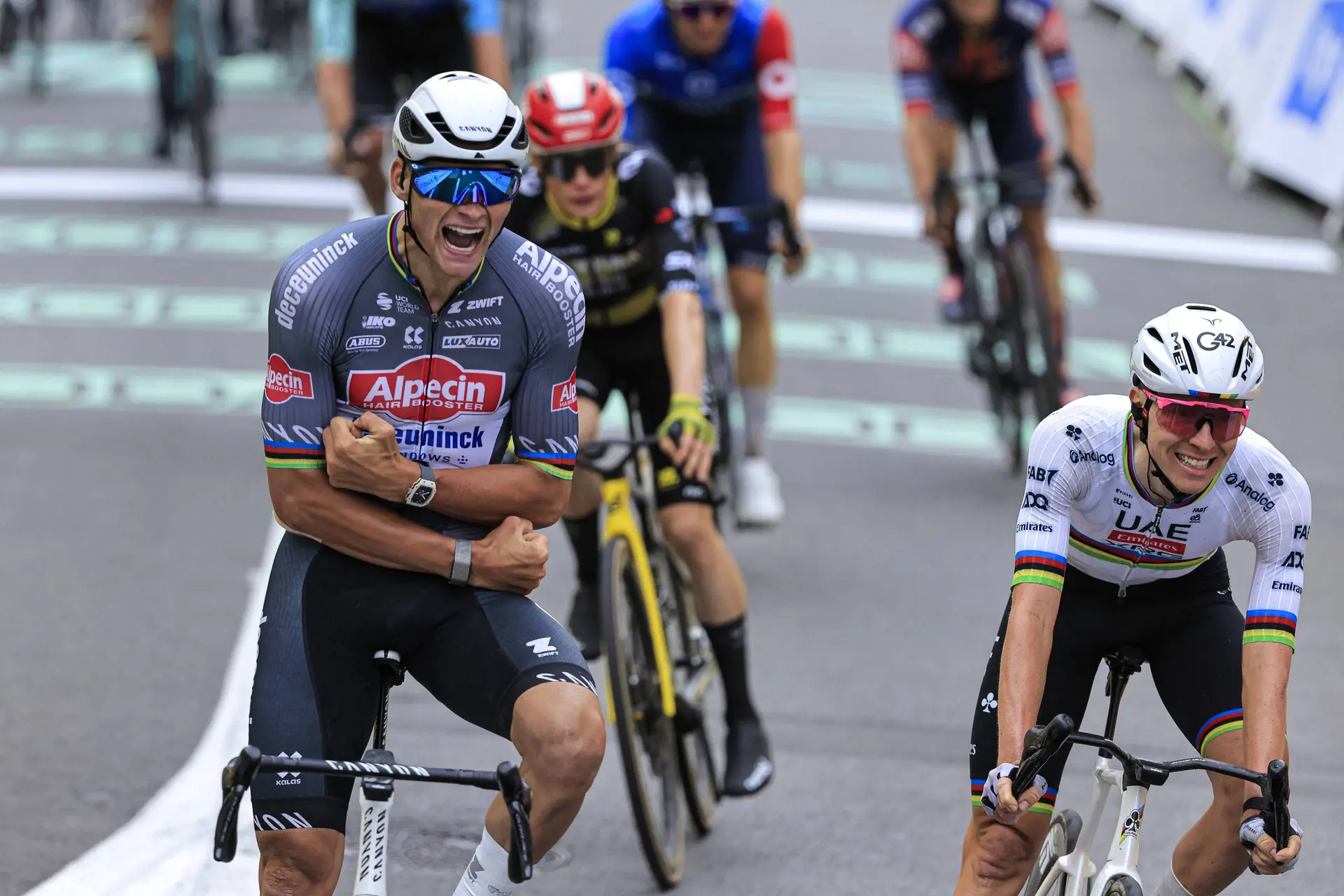
Spring review
The spring months were a difficult stretch for a team long
associated with classics excellence. Milano-Sanremo offered an early signal
that something was off, with Casper Pedersen finishing 26th on a day when the
front group was out of reach. The cobbled classics followed a similar script.
In races where Quick-Step once dictated the tone, they instead found themselves
on the margins. Yves Lampaert’s 38th at the Tour of Flanders and 28th at
Paris–Roubaix marked the best placings the team could muster.
Long gone were the
days of multiple riders in every decisive split. Instead, they were spectators
to the battles between Alpecin–Deceuninck, Lidl-Trek and UAE. Races like E3 and
Gent–Wevelgem kept them equally distant from contention, with the widely
expected power of the Wolfpack nowhere to be found.
The Ardennes provided a chance for redemption, particularly
with Evenepoel making his delayed season debut in April. He returned in
emphatic fashion at Brabantse Pijl, beating Wout van Aert in a sprint, and
narrowly lost to Pogacar and Skjelmose at Amstel Gold Race. But otherwise, the return didn’t produce the spark the team
hoped for. Liège–Bastogne–Liège ended with Mauri Vansevenant as their best
finisher in 35th, a far cry from Evenepoel’s Monument-winning heights of 2022
and 2023.

Remco Evenepoel started his season at De Brabantse Pijl and immediately won. @Sirotti
Without Julian Alaphilippe to animate the steep finales and
with Evenepoel short of top fitness, Quick-Step lacked an explosive presence in
the final climbs of Liege and La Flèche Wallonne. The spring became an
accumulation of respectable efforts rather than breakthrough performances.
Still, the period wasn’t devoid of success. Tim Merlier
added a valuable home victory at Scheldeprijs, giving the team a marquee sprint
result. Younger riders such as Paul Magnier scored semi-classics that hinted at
long-term renewal. But the major takeaway remained the same: Quick-Step’s grip
on the big spring races had vanished, and their once-unshakable classics
identity is no longer guaranteed. This reality shaped their approach moving
into the Grand Tours.

Grand Tour season
The Giro d’Italia began with legitimate optimism around
Mikel Landa’s leadership, and he represented a stable GC option. But that hope
vanished abruptly on Stage 1 when Landa crashed heavily on a descent and was
forced to abandon with a fractured vertebra. Losing the team’s leader on the
opening day left Quick-Step with no clear path forward. Ethan Hayter delivered
a solid ninth in the Stage 2 time trial, but stage victories proved elusive,
and the race ended without a single win for the team. James Knox’s 19th overall
provided a respectable effort but fell far short of podium ambitions. The Giro
became a month of damage limitation rather than competition.
July offered a chance to reset through Evenepoel’s marquee
goal. But was he truly ready in time to repeat the success of 12 months
earlier?
The team centered its Tour lineup ‘mostly’ around him, with
Tim Merlier included despite the potential tension between GC support and
sprint ambitions. Early on, their approach seemed justified. Merlier stormed to
a Stage 3 win into Dunkerque, extending the team’s long streak of Tour success.
Evenepoel followed days later with a dominant time trial victory on Stage 5,
placing himself firmly among the early favorites. Merlier doubled his tally
with another win on Stage 9, with Evenepoel contributing to the lead-out. By
the first rest day, Quick-Step had three stage wins, Evenepoel sat high on GC
within striking distance of the yellow jersey, and the team appeared to be
managing both goals at once.

Tim Merlier winning at the Tour de France. @Sirotti
It was all looking oh so promising.
But the Tour’s second week exposed the limits of their
structure. A bruising series of Alpine stages cracked Evenepoel’s GC hopes, as
his months of inactivity in the winter undid him cruelly. Unable to match the
accelerations of Jonas Vingegaard and Tadej Pogacar, he slid down the standings
and eventually abandoned in the second week on the slopes of the Tourmalet.
It was a painful echo of the questions that had lingered
around Quick-Step’s climbing depth for years. Rather than implode, the team
adapted, and Stage 16 produced one of their finest moments of the year.
Valentin Paret-Peintre surged from the breakaway to win atop Mont Ventoux,
giving France a celebrated home victory and adding a fourth deep-Tour win to
Quick-Step’s haul. But, in terms of GC, the team failed in their podium goals,
and Merlier missed out on the green jersey behind Jonathan Milan.
With Evenepoel absent and Landa not yet ready to lead again,
the Vuelta a Espana turned into a proving ground for emerging talent. Junior
Lecerf, at just 22, took on leadership duties and excelled beyond expectations.
Consistent climbing kept him hovering near the top 10, ultimately finishing 11th
one of the standout young-GC performances of the year. But, the team did not
manage to win a stage, and the absence of a defining leader and the dominance
of rival squads limited their ceiling, although Lecerf’s rise offered a rare
long-term positive.
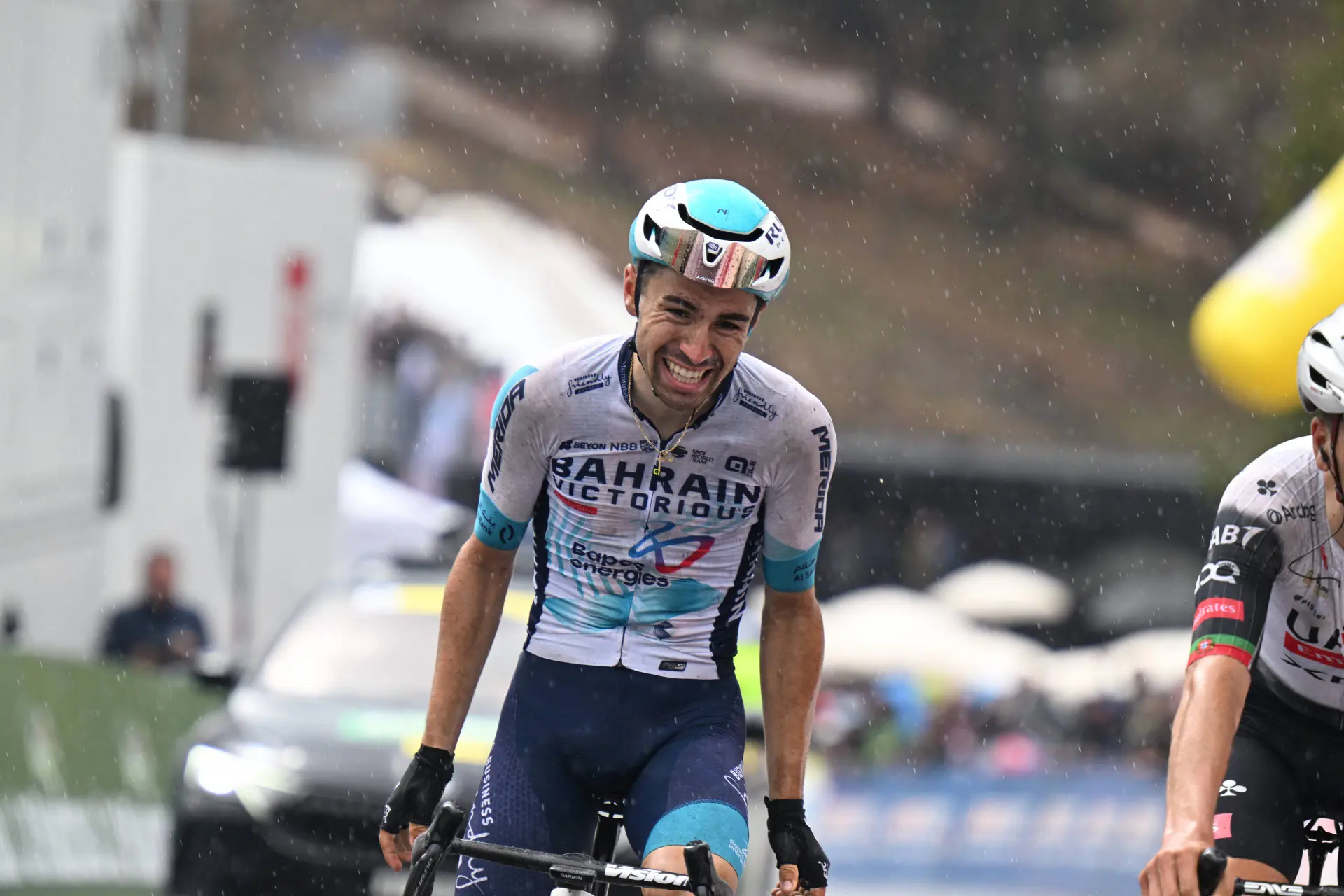
Transfers
The offseason confirmed the scale of the transformation
ahead. The big news, albeit not so surprising news, was the confirmation that
Remco Evenepoel would leave to join Red Bull – BORA – hangrohe for 2026, in
search of more climbing resources to support him.#
Evenepoel’s departure to Red Bull – BORA – hansgrohe removed
the centerpiece of the team’s stage-racing ambitions. Long-serving domestiques
Mattia Cattaneo, James Knox, and Pieter Serry moved on, ending an era of
climbing support around Remco.
Quick-Step responded with targeted reinforcements. Jasper
Stuyven and Dylan van Baarle arrived to restore classics depth, both bringing
years of cobbled expertise. Alberto Dainese added versatility to the sprint
train, complementing Merlier’s power.
2026 will be the start of the post Remco era, and judging by
the transfers, the team wants to return to their classics core.

Final Verdict: 8/10
By the numbers, Soudal–Quick-Step produced one of the most
successful calendars of 2025. Fifty-four wins, a powerful sprint program, and
four Tour de France victories underlined their enduring competitiveness.
Tim Merlier’s speed and Paul Magnier’s breakout form
demonstrated their continued ability to develop and refine winning riders. Yet
the absence of meaningful results in the Monuments and the collapse of
Evenepoel’s Tour GC bid highlighted the limitations of their structure during
this transitional period. The season was ultimately defined by volume and
flashes of excellence rather than dominance in the sport’s headline events.
An 8/10 feels an accurate reflection, a campaign full of
achievement, tinged by the knowledge that their biggest ambitions slipped just
out of reach. As Quick-Step steps into its first year without Evenepoel, the
season leaves them with a clear sense of what must come next: a strengthened classics
core, and a sprint train built around Tim Merlier.
Discussion
Fin Major (CyclingUpToDate)
For all the bigger storylines, I can’t escape the feeling
that Tim Merlier is the fastest man in the world right now. Every time he’s in
the right position, the result feels inevitable, and his Tour de France stages
only reinforced that. On the other side, Remco’s Tour campaign never looked
truly secure to me. The moment he crashed in December 2024, his whole
preparation shifted from building toward victory to trying to recover in time,
and that kind of setback always leaves a mark by July. But even with a compromised
leader, injuries, Quick-Step still finished with a mountain of wins. That’s the
part I always respect about them.
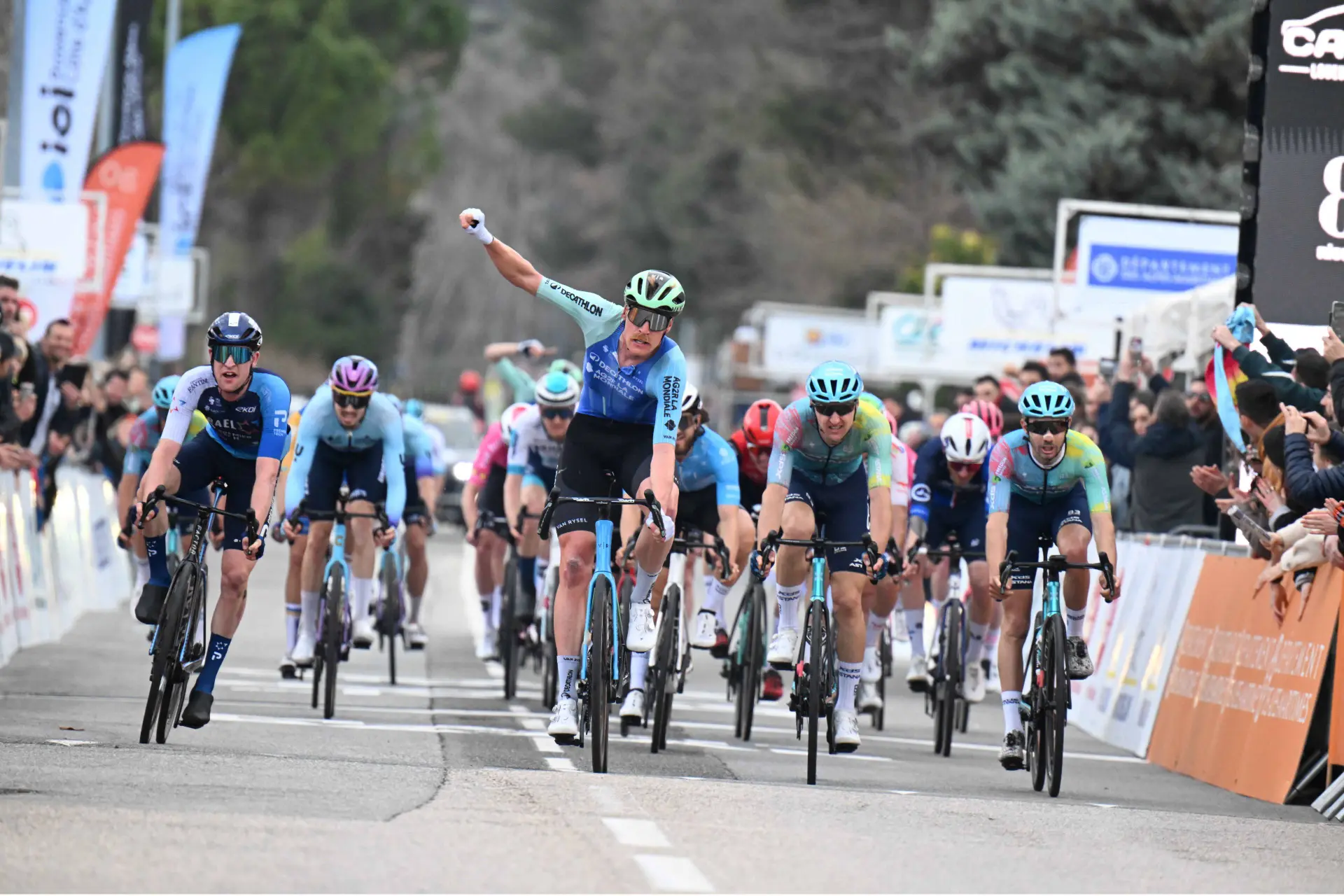
Rúben Silva (CyclingUpToDate)
I can't really put any issue on Quick-Step you know? It feels like they've performed almost anywhere, and where they didn't it was because of bad luck, not because they couldn't. There is an obvious exception, which is the cobbled monuments. But let's be real starting the season the team didn't really have many hopes of performing there, and neither should we, they no longer have a leader or someone who can finish up high in there. Next year they will in Dylan van Baarle, Jasper Stuyven (who looked great this year) and a potentially stronger Paul Magnier, which may see a much better performance.
Quick-Step is a team that's turning to sprints and classics next year, but they've actually taken 54 wins this year, the second most winning team of the year. Tim Merlier was just spotless, winning virtually everywhere he went, incuding two stages at the Tour de France, Schedleprijs and multiple World Tour stages throughout the year. Paul Magnier was tested in the World Tour, raced well, and late in the year was placed in a 'farmer's calendar' which saw him net over a dozen wins in just a couple months. Sure not against the strongest competition, but winning a lot is what sprinters are for right? And it builds immense confidence and experience with his own personal leadout, which can pay off even further in 2026. The team adds Alberto Dainese as a third sprinter to capture stages throughout the year for 2026.
Ethan Hayter was turned into a time trial specialist and actually won very well int the second half of the year, even beating in a very underrated performance at the Baloise Belgium Tour. Mikel Landa was strong in March but his season was wrecked by the Giro crash. Honestly I thought his season was over there, he didn't win late in the year but his performances still added something to the team. Valentin Paret-Peintre didn't end up being the super domestique the team planned him out to be, but he won on Mont Ventoux and became a hero to the French, adding to the team's Tour de France success too...
Ilan van Wilder had another consistent season, but his third place at the time trial Worlds was genuinely a huge surprise and a pay off for the confidence put in him over the years. William Lecerf Junior also rode well, winning the Czech Tour, highlighting Vuelta breakaways with his Top10 pursuit, making him another good rider to capture attention and promise for the future (Top10's at UAE and Romandie too).
Then of course, Remco Evenepoel. Disaster struck in December, but he won De Brabantse Pijl right in his first day of racing in April, followed by a podium in an iconic Amstel Gold Race. Stage win in Romandie, and at the Dauphiné he was in the right place, winning the time trial and finishing high in GC. He also won the ITT at the Tour de France. His departure was sour for the team, but his end of the year run was stupendous.
If it wasn't for Tadej Pogacar, potentially historic and record-breaking. He won the time trial World Championships and Europeans which in itself is very good and impressive, with the overtake of Pogacar in Rwanda making for memorable scenes... But then he showed his very best level and finished second to the generation's best at the Worlds, Europeans and Il Lombardia. Not, they aren't wins, but they were Quick-Step showing its very best colours with a rider who remained committed despite knowing he'd leave the team at the end of the year.
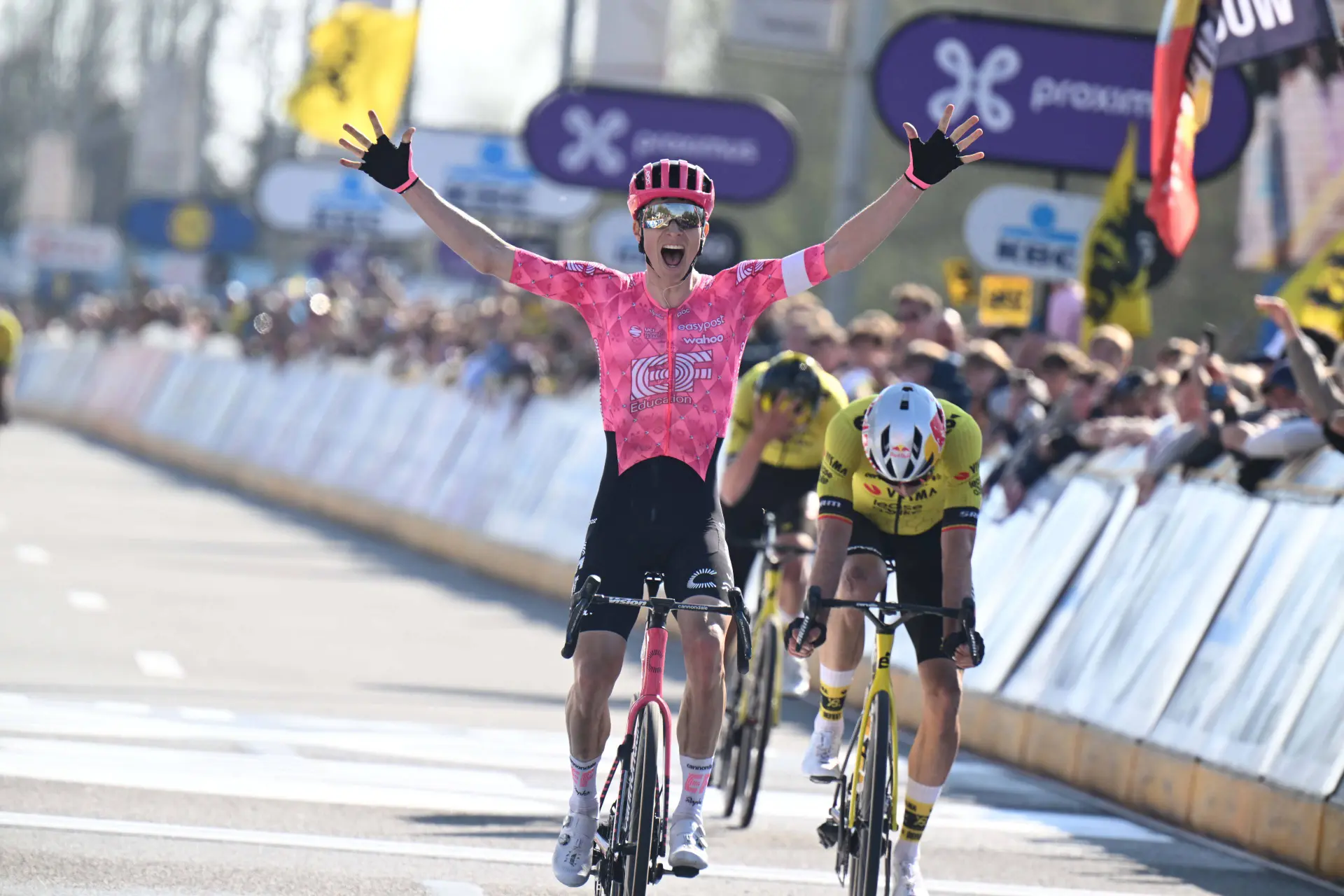

Fin MajorCycling Journalist
Fin Major is a UK-based writer at CyclingUpToDate and has been part of the team since 2024. He is the site’s main writer for FAQs and evergreen explainers and has written around 2,000 pieces for the platform. Alongside this work, he focuses on in-depth analysis and covers the biggest races on the calendar, including the Tour de France, the Giro d’Italia, and La Vuelta a España, providing clear context around performance trends, tactics, and key storylines.
In his reporting, Fin uses reputable data sources such as ProCyclingStats for results, statistics, and historical context. He places strong emphasis on careful sourcing, editorial accuracy, and updating articles promptly when new, verified information becomes available. Outside of writing, Fin is an active cyclist, which supports his practical understanding of the sport and its demands.
claps 1visitors 1
Just in
Popular news
Latest comments
- A shame to see him retire, I really liked him as a rider. His dignified tribute along with Matej Mohorovic to Gino Mader after his death was class and will always live in my memory. Enjoy your retirement.GregT11-10-2026
- A shame to see him retire, I really liked him as a rider. His dignified tribute along with Matej Mohorovic to Gino Mader after his death was class and will always live in my memory. Enjoy your retirement.GregT11-10-2026
- I thought Seixas had hit the end of the road from a fatigue standpoint, after the WC meltdown - and he still finished ok. This was impressive and an amazing return.mij11-10-2026
- totally, eating crow for breakfast this morning. after the world championships I thought we were looking at a late season fade from fatigue. way to go Paul!mij11-10-2026
- Well if UAE the best team in history comes knocking their the only team in the world who can get Seixas. Seixas will become unbeatable and incredible there. Lets see if he stays at decathlon or goes to UAE.miguel11-10-2026
- Pogi would have won the Vuelta at around 10 min. But it would have been boring for fools like you. Capish?PogiSloFans11-10-2026
- Rather than me describing the technology at length on here, If you google. Line-scan cameras. They are also sometimes called Slit-Scan cameras. Either search will fill you in. You can read all about how they. work. Enjoy! Just to be clear the cyclist is saying he wants to see exactly where the digital finish line is in relation to the actual physical finish. At this point we only have the word of the authority that the digital line corresponds to the exact starting edge of the physical finish line. That seems like a reasonable request to me.Prorodsandstuff11-10-2026
- 100% @Jumpyjohn, good point well raised.anonymouscyclist11-10-2026
- The media keep stirring the soup.. or spitting in it
 leedorney11-10-2026
 - Yes, he has won many races... second class races. He isn't the real deal... Seixas is the real deal. Capish?PogiSloFans11-10-2026
Loading
Write a comment