“If Jonas told the guy that it bothered him and the guy carried on…” – Rival backs Jonas Vingegaard as fan culture debate grows after Calpe training crash
Cycling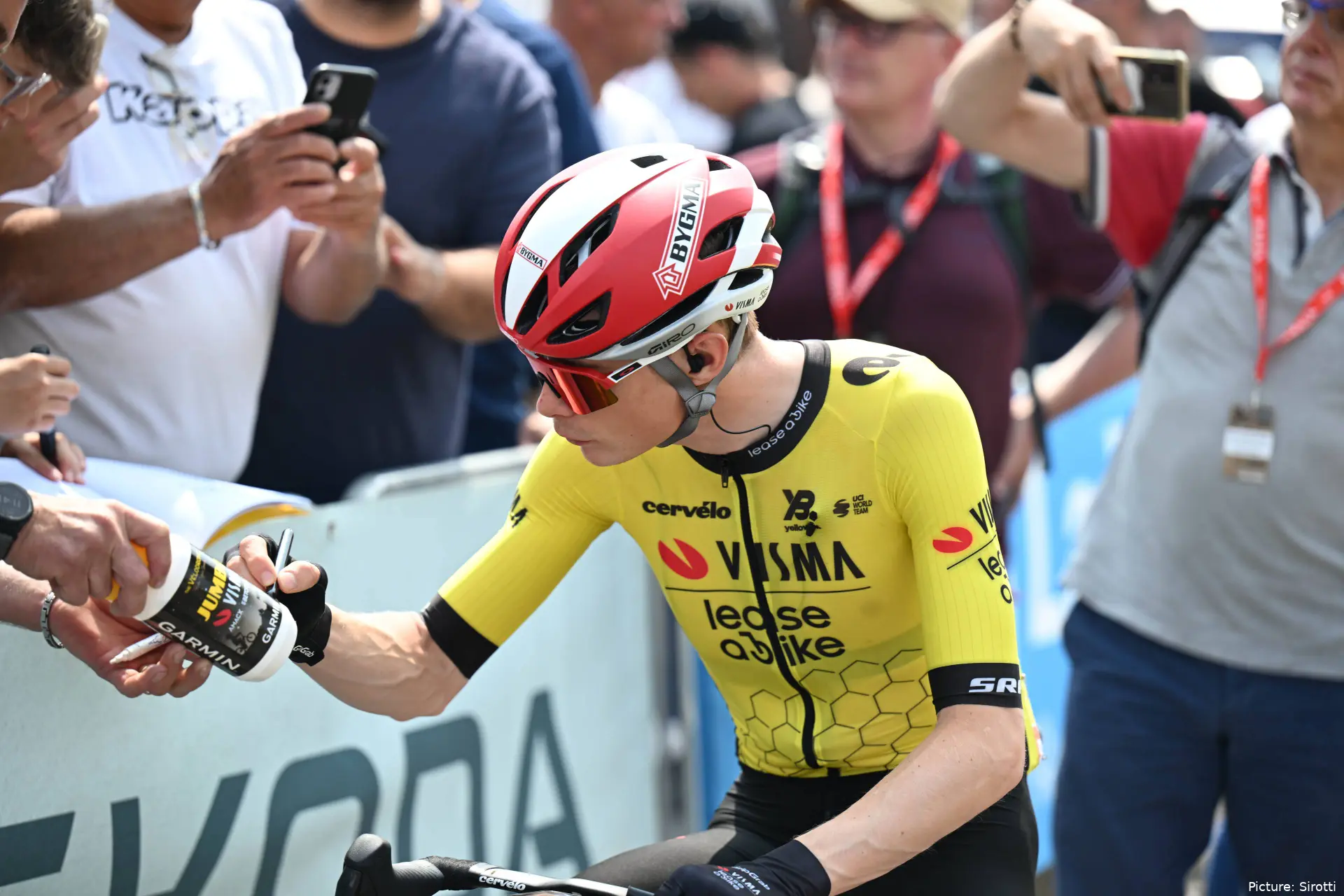
Jonas Vingegaard’s training crash in Spain has reignited an uncomfortable conversation inside professional cycling, one that goes beyond the fall itself and into how elite riders are increasingly approached while preparing on open roads. While Team Visma | Lease a Bike confirmed the Dane escaped without serious injury, the circumstances of the incident have sharpened scrutiny on fan behaviour in popular winter training hubs such as Calpe.
The crash occurred during a training ride in southern Spain, where Vingegaard was reportedly followed closely by an amateur rider. Visma later issued a public call for cyclists to give professionals space while training, warning that well-intentioned behaviour can quickly become dangerous when riders are pushing limits at speed.
That message has been echoed from within the peloton. Speaking to RMC Sport, Groupama - FDJ United rider Paul Penhoet said he fully understood Vingegaard’s frustration if boundaries were ignored. “If Jonas told the guy that it bothered him and the guy carried on, that can be really irritating,” Penhoet said.
Penhoet’s comments reflect a broader reality faced by many professionals during winter camps in Spain, where the sheer number of riders on the road has changed how training is experienced and how easily situations can escalate.
“The road belongs to everyone, but we are working”
Penhoet explained that encounters with amateurs are inevitable, particularly when riders are training in groups where the pace is high. “When we’re in a group, it goes faster, so there tend to be fewer people,” he said. “But for those who come here on individual training camps, there are more people who try to stay with them, especially when it’s big names.”
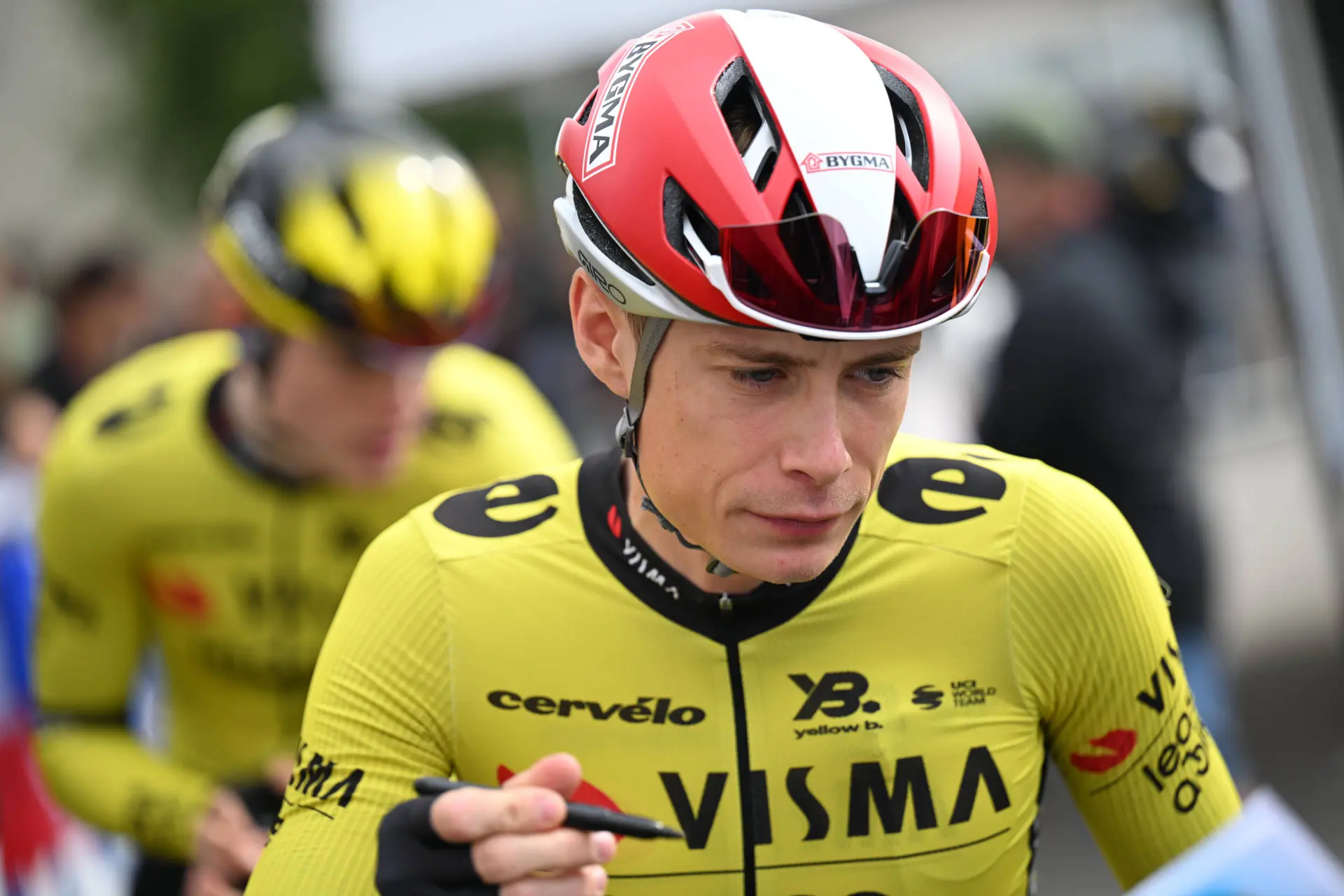
While stressing that most amateurs behave respectfully, Penhoet underlined the importance of recognising that professional riders are working. “The road belongs to everyone, but it’s important that people understand we are training and that this also needs to be respected,” he said, adding that there is no issue as long as riders are not put in danger.
He also suggested that simple communication can often prevent problems. “Why not ask us if it bothers us or not if they stay with us?” Penhoet said.
Training alone and the need for space
When riding solo, Penhoet said the dynamic changes but remains largely respectful. “Some try to stay behind me, others sometimes come and talk to me, but where I train it’s very respectful,” he said. “From that point, there’s no problem.”
However, he acknowledged that structured training requires focus. “When we start doing efforts, we still like to be a bit in our bubble and alone,” he said, noting that situations depend heavily on individual behaviour rather than intent.
That distinction sits at the heart of the Vingegaard incident, where frustration reportedly arose after a request for space was not respected.
Cycling motorways and social media pressure
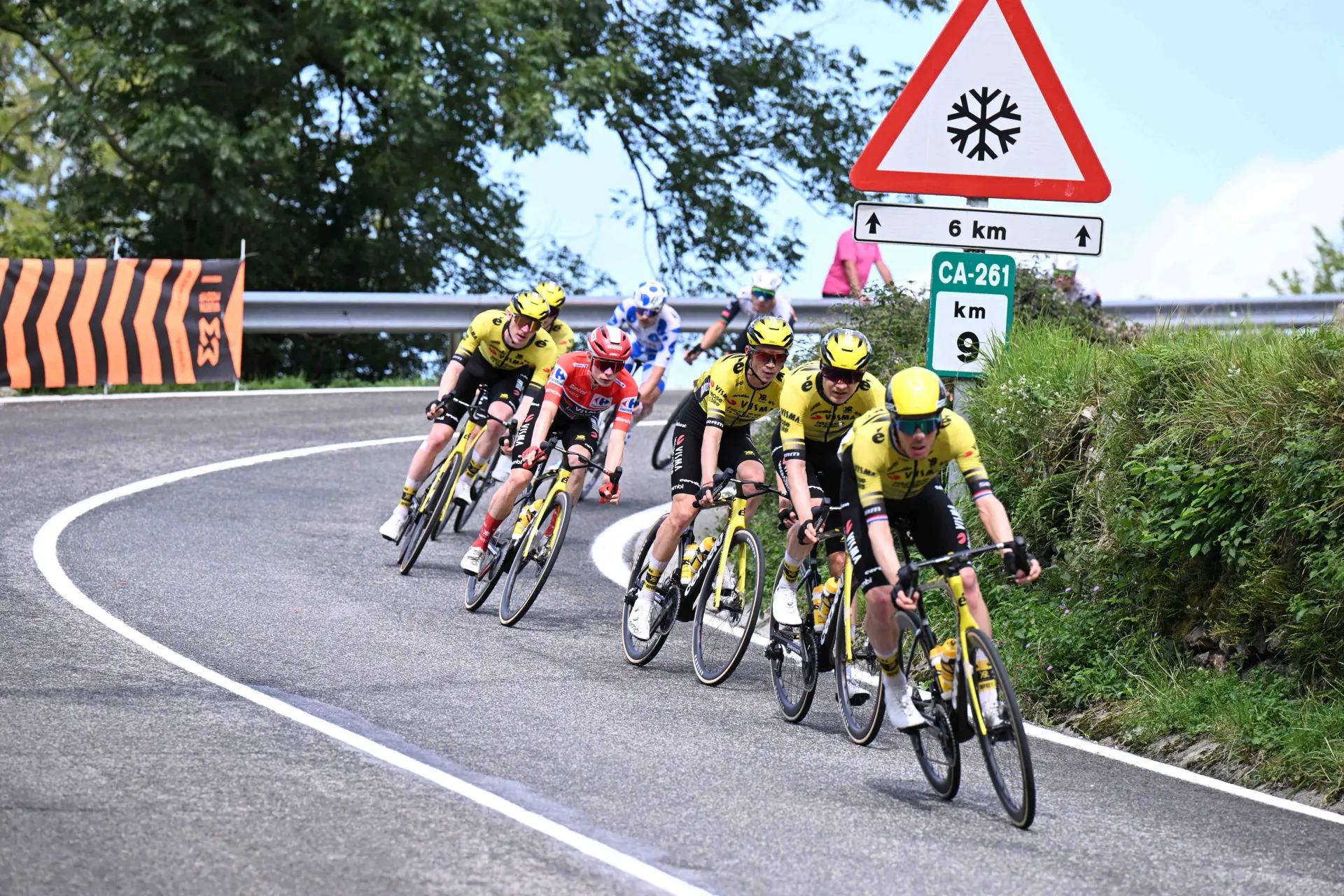
Describing the roads of southern Spain at this time of year, Penhoet painted a picture of near constant congestion. “You rarely go five minutes without crossing another bike,” he said, pointing to the mix of professionals, amateur groups, and organised training camps that now dominate the region.
Routes around Calpe in particular have become what Penhoet described as “cycling motorways,” especially at weekends. Groupama–FDJ United have based themselves further north near Denia in search of quieter roads, though even there, the density of riders is rising.
Penhoet also pointed to social media platforms such as Strava as a factor in changing behaviour. “Strava has become a social network in its own right, with photos and descriptions,” he said. While he acknowledged that amateurs are often proud to have ridden with professionals, he noted that the sport’s biggest names are far more likely to feel the pressure of constant attention.
In that context, Vingegaard’s crash has become emblematic of a wider issue rather than an isolated mishap, one where respect, communication, and restraint increasingly determine whether shared roads remain safe for everyone.
Kieran WoodDeputy Editor-in-Chief
Kieran Wood is a sports journalist based in Wales and has been active in journalism since 2022. He regularly contributes to DartsNews.com and CyclingUpToDate.com, where he covers professional cycling and darts. In cycling, his work includes liveblogs from major races, including the Tour de France, the Giro d’Italia, and La Vuelta a España, alongside race reports and analysis. He has also conducted interviews with professional riders.
His reporting spans the full racing calendar, from one-day classics to stage races, with a focus on accurate, real-time coverage and clear contextual analysis. For statistics, results, and historical context, he regularly uses resources such as ProCyclingStats. To support reporting on rider activity and training context where relevant, he also references Strava.
In his work, Kieran places strong emphasis on careful sourcing, editorial accuracy, and updating articles as new, verified information becomes available.
claps 24visitors 14
Just in
Popular news
Latest comments
- Campenaerts looked like a rolling pumpkin with that all orange leaders skinsuit !frieders318-10-2026
- He can take his dumb a$$ politics somehwere else !frieders318-10-2026
- good to have her back. fingers crossed she‘ll be able to stay!Ketterechts17-10-2026
- A tenner and he wins the Tour next year, too 😂anonymouscyclist17-10-2026
- the answer is either stick to classics or GTs but not bothabstractengineer17-10-2026
- the exodus already stared with Ciccone. Already they were struggling with two sprinters, now there are three. Also Ganna will demand leadership. Gall is the most proven GC, Ayuso has the most potential. GC leadership for everybody will be impossible. Literally a UAE style mess without pogi.abstractengineer17-10-2026
- I raced as an amateur for 12 years, including six years on my country’s national road cycling team. I secured two national titles and competed in three World Championships plus more than 15 international stage races. At 23, we travelled to Italy for a training camp—or so I assumed. On a rest day, we watched a presentation about adopting a more “professional” training approach. It was crystal clear what “professional” meant. That moment first exposed me to this dilemma. After returning from Italy, I left cycling—at least at the competitive level I had known. Over the following two years, the whole team was caught doping. I hold that everyone is innocent until proven guilty. In my view, current stakeholders operate on a different scale, and the sums involved are vast. I am unsure whether any doping would ever be revealed. I try to stay positive and enjoy the show. My 2c.
 vannpelt17-10-2026
 - Fiver he wins 🤣
 leedorney17-10-2026
 - “…measures to reduce speeds.” Might as well shorten the race course to just 50km as well? ASO generates at minimum €300m a year and 30- 40% profit. Maybe stop being greedy and spend more of the profit to protect the riders instead.b3tlla17-10-2026
- he also had quite the life off the bike during his pro years. he used his celebrity status to full affect.mij17-10-2026
Loading
10 Comments