“You can win races by being smarter” – Mathieu van der Poel on why power numbers do not decide the Spring Classics, even in the Pogacar era
Cycling
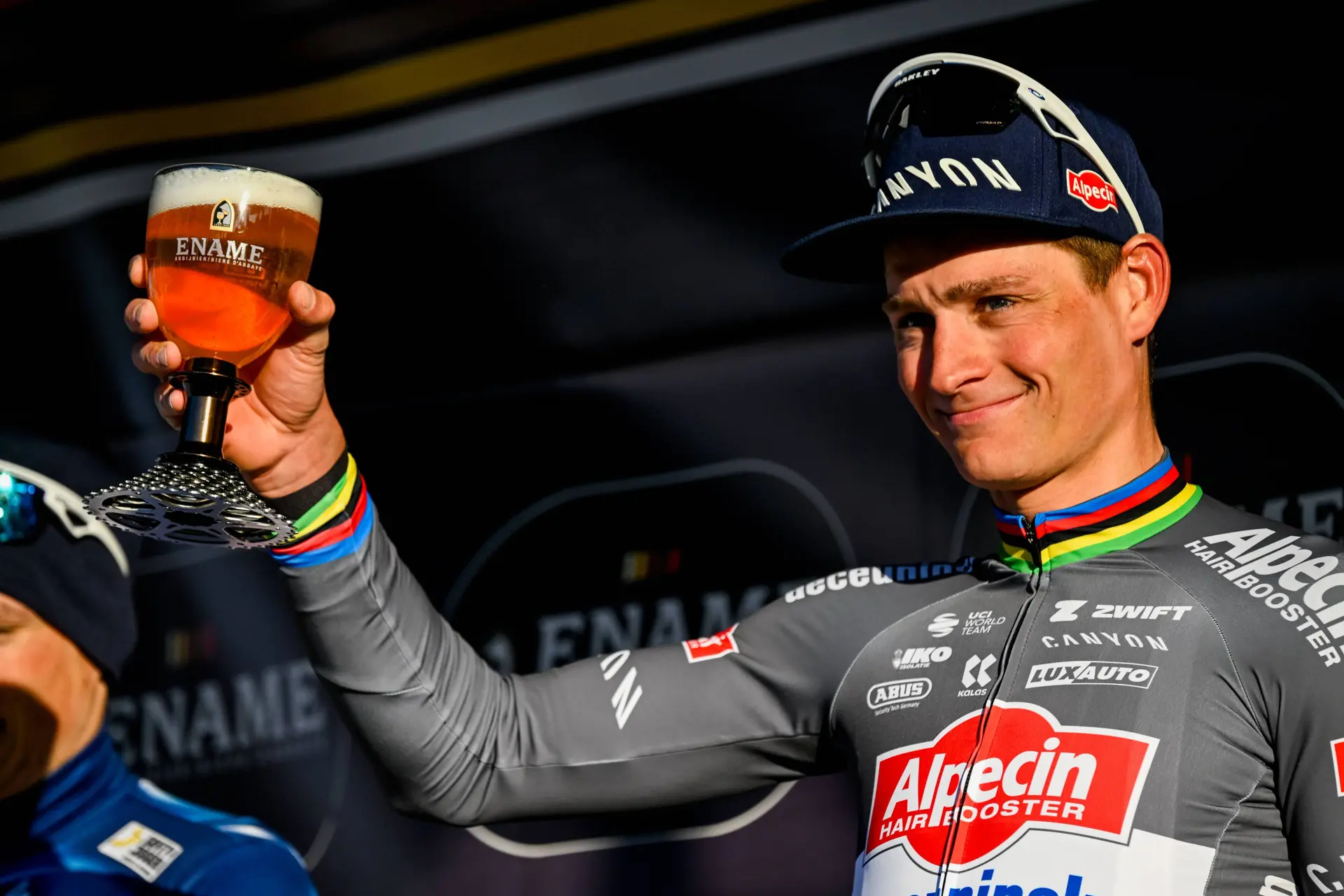
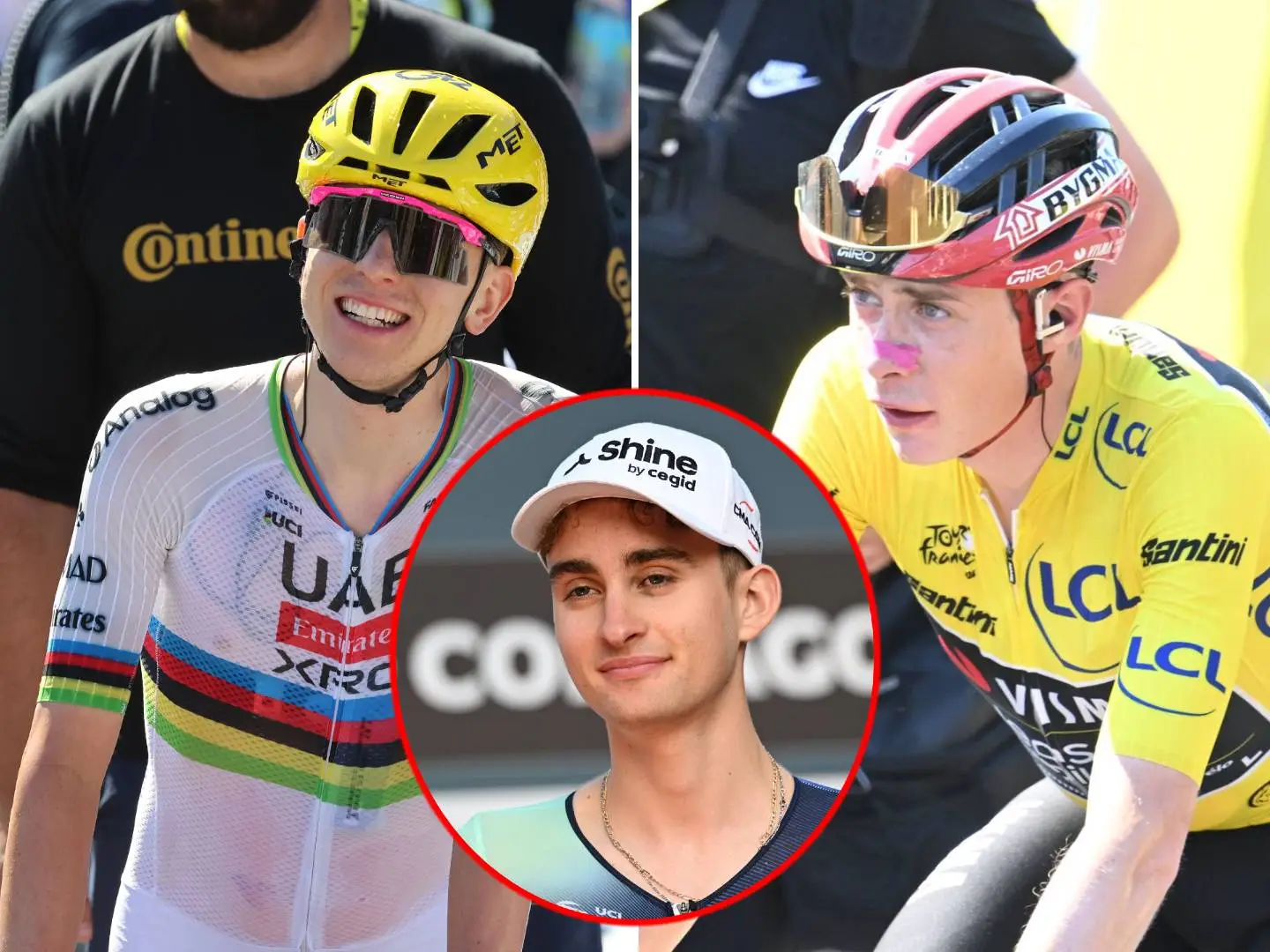
In the modern peloton, few riders carry the same aura of inevitability as Tadej Pogacar. His accelerations are measured, his dominance often explained through numbers, and his presence alone can force races into submission. Yet as the Spring Classics approach once again, Mathieu van der Poel is offering a reminder that the most chaotic races on the calendar are not won by watts alone.
“You can also win races by being smarter, or by doing the right things at the right moment,” Van der Poel said on the Whoop podcast, outlining a philosophy forged not in training files, but in the pressure points of one-day racing.
Where numbers stop mattering
Van der Poel’s explanation of the Spring Classics begins not with power, but with panic. Narrowing roads. Bottlenecks. Moments where the race explodes, not because someone attacks, but because space disappears.
“Positioning is super important,” he said. “We have key points. We go from big roads to a smaller climb, and you have to be in the first twenty riders. Because if there is a move and you are too far back, it is impossible. Even with the best numbers, it is impossible to be in the front group.”
It is a reality Pogacar knows as well as anyone. Their recent clashes across Milano-Sanremo, the Tour of Flanders and Paris-Roubaix have shown how often races between them are decided before the decisive attack is even launched. Being strong is essential. Being present is non-negotiable. “You need the numbers,” Van der Poel acknowledged. “But you can also win races by being smarter.”
Why the Classics are different
Van der Poel draws a clear line between stage racing logic and the one-day chaos of the Classics.
“On the climbs, the power numbers speak for themselves. Most of the time, the strongest guy wins,” he said, describing the Tour de France and similar races. In contrast, the Spring Classics compress decisions into moments, not minutes.
“In classic races, you have a lot of different race situations, a lot of tactics. That is what makes it exciting.”
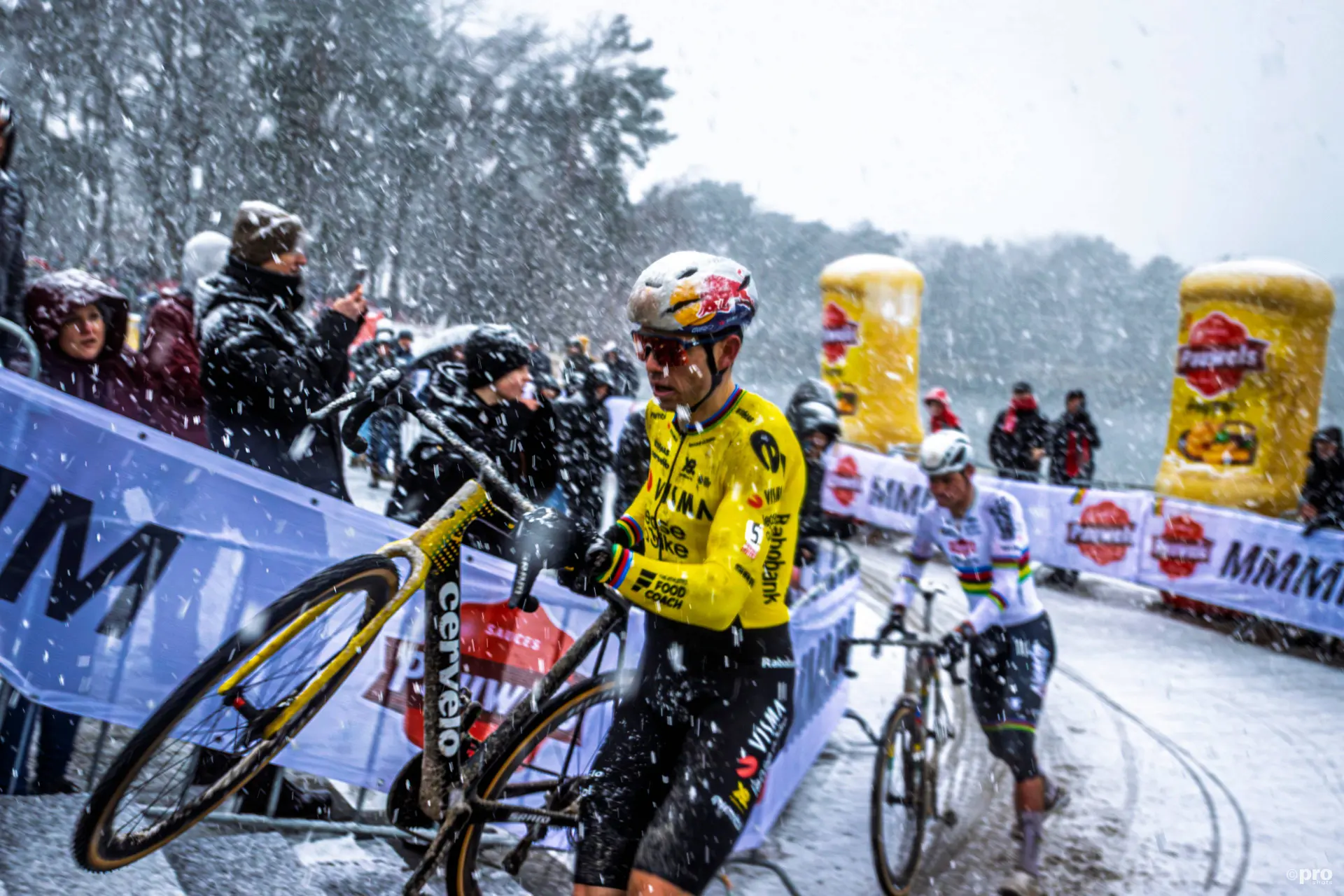
It is also what has defined his rivalry with Pogacar. When the Slovenian rider applies sustained pressure, Van der Poel’s advantage often lies in surviving the storm and exploiting what comes next. Timing, positioning, and instinct become as decisive as any threshold value.
Experience as a weapon
That tactical edge is not accidental. Van der Poel credits experience and team structure as the only way to survive the constant fight for position that defines the Classics.
“We are 180 guys, and they all know where to be,” he said. “So it is always a big battle to be in front. You need a good team, good teammates, and you need experience to know how to get there.”
It is a subtle insight into why recent Classics have so often become two-man affairs between him and Pogacar. Both arrive not just strong, but prepared. Both understand where races are won long before the finish line comes into view.
A rivalry shaped by more than power
As another Spring unfolds, the narrative will again focus on whether anyone can match Pogacar’s engine. Van der Poel’s answer is not to deny it, but to reframe the contest.
The Spring Classics, he suggests, are not a laboratory. They are a battlefield. Numbers matter, but only if you are in the fight when it begins.
And in those moments, being the strongest rider on paper is no guarantee of winning at all.


Kieran WoodDeputy Editor-in-Chief
Kieran Wood is a sports journalist based in Wales and has been active in journalism since 2022. He regularly contributes to DartsNews.com and CyclingUpToDate.com, where he covers professional cycling and darts. In cycling, his work includes liveblogs from major races, including the Tour de France, the Giro d’Italia, and La Vuelta a España, alongside race reports and analysis. He has also conducted interviews with professional riders.
His reporting spans the full racing calendar, from one-day classics to stage races, with a focus on accurate, real-time coverage and clear contextual analysis. For statistics, results, and historical context, he regularly uses resources such as ProCyclingStats. To support reporting on rider activity and training context where relevant, he also references Strava.
In his work, Kieran places strong emphasis on careful sourcing, editorial accuracy, and updating articles as new, verified information becomes available.
claps 4visitors 4
Just in
Popular news
Latest comments
- i think he can continue to race for maybe another 2 years till he drops out of podium contention. With his TT and his follow the leader in the Mountains,he should not need too many teammates too.abstractengineer14-10-2026
- Aren't they still shopping around for a main sponsor for next year?wrsty14-10-2026
- How broke is visma now? wtf they cant even fight moviestar and decathlon for riders and lose both their mid targets based on their budget and they cant even get those? Crazy...:/miguel13-10-2026
- TT But he won by a minute so he could have cut down on some of it
 Rafionain-Glas13-10-2026
 - weight is measurable. power is measurable. So why didn't he prepare that way from the TDF if he wanted to beat Pogi and after Pogi wasn't going to be there, to win.abstractengineer13-10-2026
- I hope Thibau and Tibor don't do the sameRafionain-Glas13-10-2026
- Seixas is exactly what I would like Pogi to be mentally and in his statements. Both come across as shy and who don't talk much but with Seixas, you can see that he enjoys success, that it boosts his ego, unlike Pogačar who seems to feel increasingly uncomfortable the more he wins. He's won so many times, people are saying he's boring. The french media hate him for winning so much, the french cycling fans are booing him... etc. etc. But remember one thing, Seixas will never physically reach Pogi's level. He's excellent, but he isn't at that level nor will ever be. His talking to the media, his relationship with people is already at a high level.PogiSloFans13-10-2026
- Paul Seixas is now the second-best rider in the world.megasmacky13-10-2026
- When will they start dropping Pogi? Oh yeah, when Pogi reaches 40+ years, that's when young cyclists will start dropping him. But until then... eat your hearts out and cry. Pogi will remain the G.O.A.T. for years to come. Capish?PogiSloFans13-10-2026
- I figure he would have found out how to outsprint Paul and take the win, maybe. He's 28 now but I would say he's right at the peak of his powers. It was great race though, Paul showed me something different about himself.awp13-10-2026
Loading
1 Comments