"Those old cycling laws do not apply" - Paul Seixas' teammate argues Tour de France debut is not premature
CyclingTuesday, 05 May 2026 at 12:20
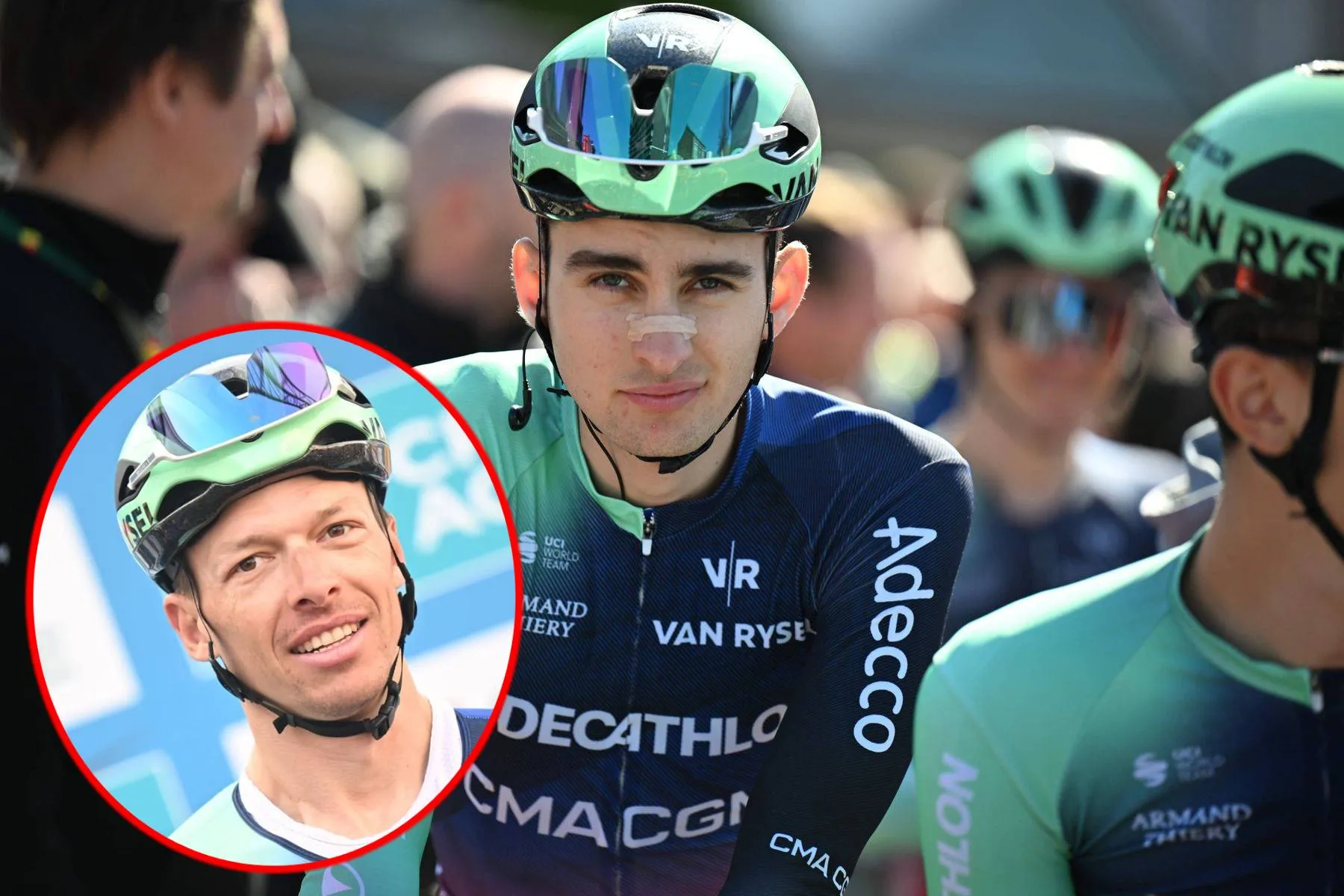
Paul Seixas is about to be the youngest rider in almost a century to be at the start of the Tour de France, and he will have very high ambitions of finishing well up the overall classification. The Frenchman is backed up by Decathlon CMA CGM Team, from which there is little doubt that this is the right time to make his debut.
“I didn't know and discovered it together with you," teammate Oliver Naesen shared with Sporza. The decision was only made after the Ardennes classics, together with Seixas and the people who surround him. The Frenchman has had an absolute breakthrough spring and now carries France's hopes of success again at the Tour.
Naesen shared that this won't be the first time Seixas undergoes the preparation block ahead of the Tour. "Last year I did the altitude training camp for the Tour with him, and he had already ridden the Dauphiné back then. So he already had Tour preparation behind him, albeit without the Tour. But it remained to be seen how he would perform against other top 5 contenders. And also how he would handle that succession.”
Naesen is now 35 and is set to start the Giro d'Italia this Friday; but he understands that within the new generations, riders develop at a much different rhythm then when he turned pro, and he refuses the idea that Decathlon risk burning him out with a debut this early into his career.
“There is no downside to taking him along. The story of burning out is not relevant to him. Those old cycling laws do not apply to that type of rider," the Belgian argues. "Now he can go to the Tour without pure performance pressure.”
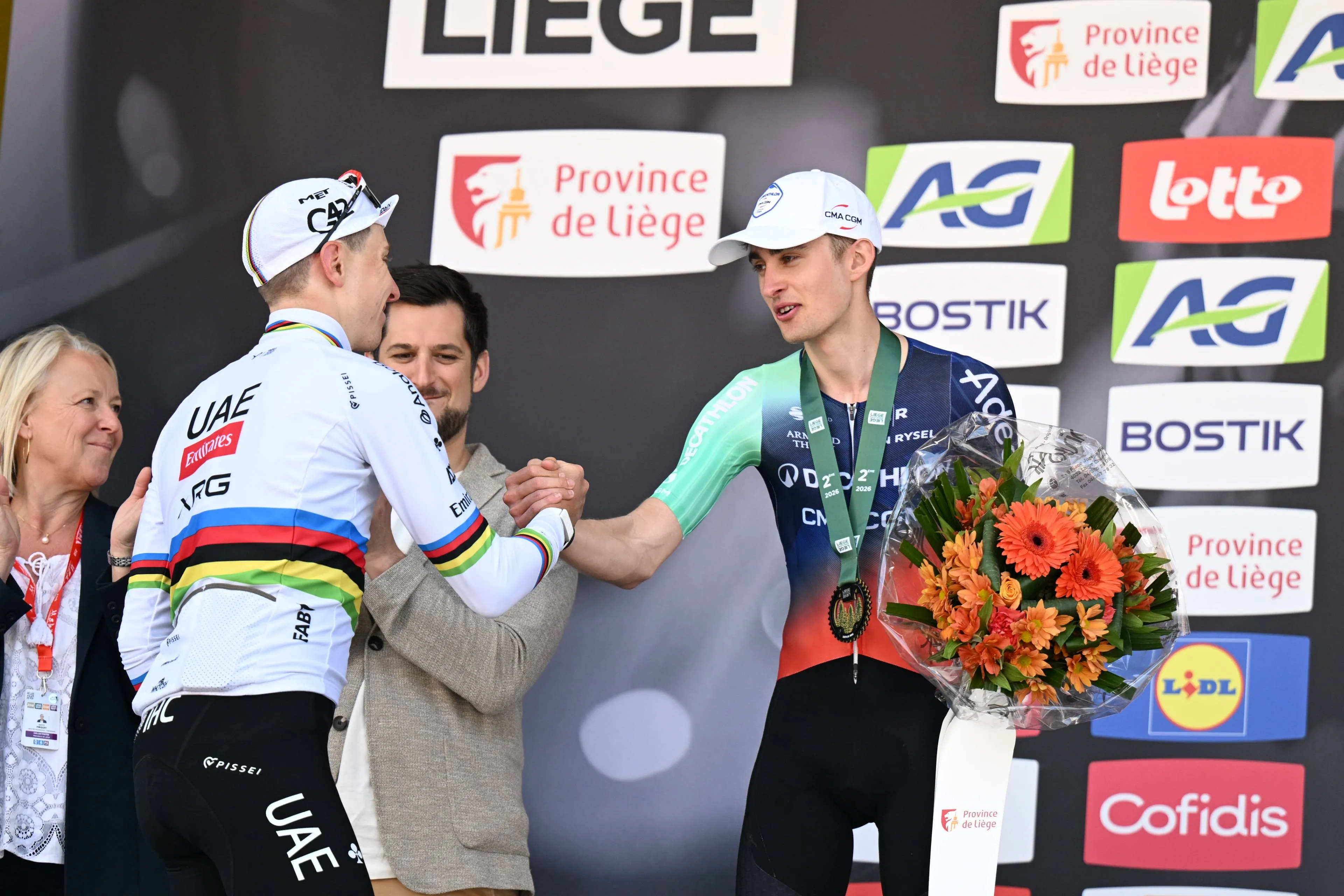
Paul Seixas has to learn the ways of the Tour de France
And above all, even if Seixas does not fulfill the potential he has been showing across, it does not make it a failed goal - as it is important for him to gain the experience of racing a three-week race, and to learn the unique specificities of the Tour de France.
“If he were to ride the Vuelta and finish fourth, he would never be able to go to the Tour without that typical question about the podium. If he finishes twentieth now and wins a stage, that is also a great success," Naesen argues. "That will only be possible this year. He does have to learn that the Tour is different from other races”.
But can Seixas actually fight for a podium at the end of the three weeks? “I expect him to be in contention for the top 5. He is young, though, and a bit impetuous. He expends energy at moments when other general classification contenders don't. So he has to learn that the Tour is different from other races," he answers, realistically.
"Danger lurks around every corner. You don't encounter that anywhere else. Those are risks and small dangers that he still has to discover.” Experience and recovery throughout three weeks are aspects that can't be fully replicated in training or one-week races when it comes to tackling a Grand Tour; but Seixas is surrounded by an experienced team and management who has battled for Tour de France victory before.
The pressure is expected and inevitable, but part of being a rider at the top of the sport. “It is not unhealthy, because what he expects of it himself is at least as high as what people hope for from the outside. In my best years, I hoped for a podium or a top 5 finish in the Tour of Flanders and was asked if a top 10 would be achievable. I found that comfortable, because I was certain it would work out. It is the same for him, only at a dizzyingly much higher level," he conlcuded.
claps 0visitors 0
Just in


Popular news
Latest comments
- other wise agreed (after using the translator ... )Ketterechts05-05-2026
- i always thought that the meaning of posting in forums is communicating with other afficinados and exchanging opinions. this becomes somewhat more difficult if someone writes in a language that is not tangible to everyone ... ever heard of AI translators?Ketterechts05-05-2026
- Je ne vois pas comment Pogacar aurait pu féliciter Lipowitz au même titre que les autres quand on voit comment il a refusé tous les relais. C'était sa tactique et pourquoi pas, s'émouvoir ensuite que Pogacar ne le cite pas parmi ceux ayant collaboré est totalement logique. Ensuite la guéguerre entre Visma et UAE remonte à l'époque où Visma, bien qu'ayant gagné le TdF roulait encore sur Pogacar dès qu'il essayait de sortir un peu, comme sur les Champs Elysées en 2023. C'est un prêté pour un rendu dans cette guéguerre entre ces 2 équipes qui dure depuis 2022.Pat178905-05-2026
- Giulio Pellizzari is the only rider who has a chance of being the Vingegaard-slayer. Everyone else is aiming for the podium
 Rafionain-Glas05-05-2026
 - No need to say Decathlon teammate. As we know, the term 'Decathlon teammate' is synonymous with Oliver NaesenRafionain-Glas05-05-2026
- i would rather say that there is exactly 1 BIG rival for jonas at the giro, and that is a crash. the others are small rivals who can figure out the other two podium spots.Ketterechts05-05-2026
- Yeah true, they'll have to throw the kitchen sink at that lad to get him. Mind you, I'd like to think that Seixas might pick the best team for his race opportunities, not just the biggest paycheck.antipodeanpedalfan05-05-2026
- At the time there was even more talk about Kuss surely looking for a new team after that Vuelta than there was about Roglic finally realising that Visma didn't need him anymore.Hills3305-05-2026
- Paul is still developing, he could be ready to win a gt in a year or two. I almost think it's a mistake for him to race at this years Tour but only he knows what his capabilities are and maybe it's a good move for him. Visma does need to find another leader or co leader with Jonas, he'll be thirty in December so he only has a few years left at the top of the sport before he starts slipping. It happens to us all, even phenoms like Jonas. If Paul moves to Visma the timing could be perfect for him if they give him the year or two he needs to develop, remember, he has never raced a gt yet. We'll have to see if it happens.awp05-05-2026
- Vingegaard attacked several times that year. The only critical day they actually rode for Kuss was the last big mountain stage.acem8205-05-2026
Loading
1 Comments