“This is a huge moment for the sport” – Lizzie Deignan sees Tour de France Femmes British debut as a turning point for the next generation
Cycling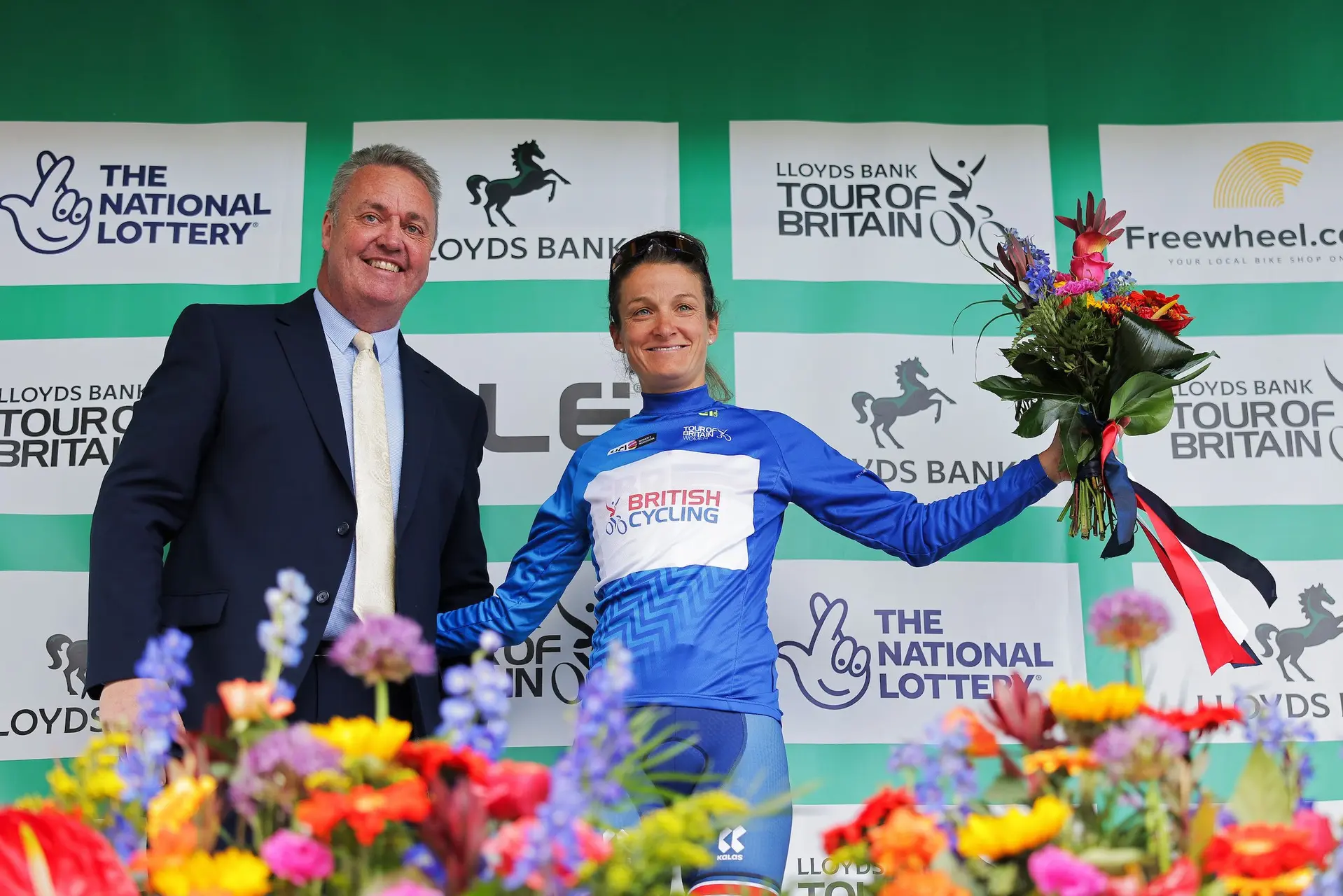
When the women’s Tour de France comes to Britain in 2027, it will not just be another foreign start. It will land in the middle of a country that has already lived through Tour fever, but this time with the women’s race sharing the same sense of occasion.
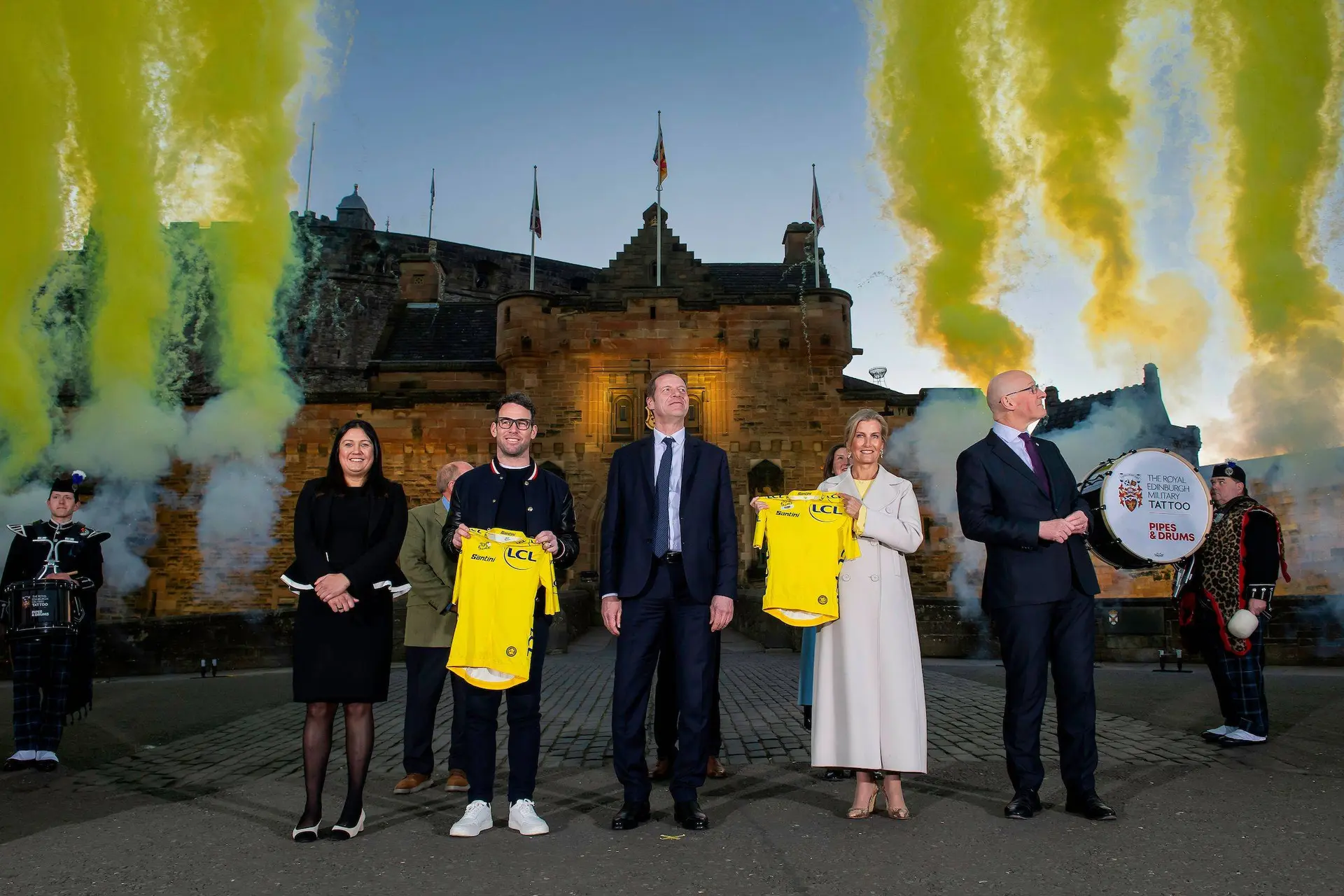
The Tour de France Femmes avec Zwift will begin in Leeds on Friday 30 July 2027, crossing the Pennines to Manchester, then riding through the Peak District to Sheffield before a final stage in London. It is the first time the women’s race has ever started in the United Kingdom, and it comes in the same summer as the men’s Grand Depart on British soil.
For Lizzie Deignan, that matters far beyond route maps and finish lines. She sees it as a moment that could change who cycling belongs to in the years ahead.
Speaking as part of the route announcement, Deignan said: “Racing the Tour de France Femmes avec Zwift has been one of the highlights of my career, and seeing the women’s edition go from strength to strength has been genuinely inspiring.” Looking ahead to 2027, she added: “To know that both the men’s and women’s races will start here in 2027, and especially that the women will come to my home roads of Yorkshire, is truly special.” For Deignan, the real weight of it comes in what follows next, calling it “a huge moment for the sport and an opportunity that will inspire countless women and girls to get on their bikes.”
This is not just about hosting a bike race. It is about visibility. For years, the women’s Tour existed in the shadow of the men’s race. Now, starting in Britain in the same summer as the men, it gets the kind of stage that makes it hard to ignore.

A race that wants to grow
From the organisers’ side, the British start is being framed as a statement of intent about where the women’s race is heading.
Marion Rousse, Director of the Tour de France Femmes avec Zwift, said: “The United Kingdom has played an important role in the history of women’s cycling, with champions such as Lizzie Armitstead-Deignan.” She described Leeds as “a strong choice, closely linked to this heritage and to the enthusiasm of a public that knows and loves the Tour.” For Rousse, the route is not just scenic. She said the stages “clearly reflect the race’s ambition: to continue growing women’s cycling and to inspire future generations.”
That ambition is visible in the shape of the three days. Crossing the Pennines on stage one, riding through the Peak District on stage two and finishing with a showpiece day in London gives the women’s Tour a blend of toughness, scenery and city spotlight. It is built to look like a major race, not a sideshow.

Pauline Ferrand-Prevot won the Tour de France Femmes in 2025 ahead of Demi Vollering and Katarzyna Niewiadoma
Politics, pride and participation
The British government is also leaning heavily into the idea that hosting the women’s Tour is about who gets to see themselves in sport.
Minister for Sport Stephanie Peacock said the routes will “reach places few other events can and give people another reason to be proud of where they live.” She spoke about people seeing riders pass through “their towns, down their high streets and maybe even right past their front doors.” For Peacock, events like the Tour de France “bring communities together, boost local economies and inspire more people to discover the benefits of sport.”
But inspiration is only meaningful if it reaches people who do not already feel that cycling is for them. That is why Deignan’s words carry so much weight. She is not talking about television audiences or tourism numbers. She is talking about girls who might see the race and decide that cycling is something they can belong to.
In 2014, Britain saw what the men’s Tour could do to crowds and atmosphere. In 2027, the women’s Tour gets its own moment in that same spotlight. For Deignan, that is why this is not just another Grand Depart. It is a chance to change what the future of the sport looks like.

Kieran WoodDeputy Editor-in-Chief
Kieran Wood is a sports journalist based in Wales and has been active in journalism since 2022. He regularly contributes to DartsNews.com and CyclingUpToDate.com, where he covers professional cycling and darts. In cycling, his work includes liveblogs from major races, including the Tour de France, the Giro d’Italia, and La Vuelta a España, alongside race reports and analysis. He has also conducted interviews with professional riders.
His reporting spans the full racing calendar, from one-day classics to stage races, with a focus on accurate, real-time coverage and clear contextual analysis. For statistics, results, and historical context, he regularly uses resources such as ProCyclingStats. To support reporting on rider activity and training context where relevant, he also references Strava.
In his work, Kieran places strong emphasis on careful sourcing, editorial accuracy, and updating articles as new, verified information becomes available.
claps 1visitors 1
Just in
Popular news
Latest comments
- Yes, question is, why is Ineos so easy to convince ?Mistermaumau09-10-2026
- Or maybe they’ll just abandon the sport and focus on RE, unless they can revive MU. Maybe it’s all just about budget adjustments in preparation for takeover by the new sponsor who might have no use for some people in their idea of a projectMistermaumau09-10-2026
- Sounds like management did their job pretty well then ;-)Mistermaumau09-10-2026
- Tour down under awaits... and nothing beyond that
 Rafionain-Glas09-10-2026
 - God, what a crowd gathers in these comments. You post a quote from a true champion—a quote that has nothing to do with his tragic accident (on the contrary, with his very passion)—and people interpret it however suits them.MajorPayne09-10-2026
- What needs to be understood? That you're linking a single statement to his death? Could it get any more stupid?MajorPayne09-10-2026
- Are you saying that statement led him somewhere related to religion? Could it get any more stupid?MajorPayne09-10-2026
- A broken contract by mutual agreement is perfectly fine. The problem is if one side does it without the other agreeing which isn't the case in this situationvappaxbipmv09-10-2026
- Maybe Ineos are planning to concentrate on GC after recent statements about getting back to winning the Tour?Lozza09-10-2026
- lol maybe a better questionmij09-10-2026
Loading
Write a comment