“If he truly believed he could beat Tadej Pogacar…” – Danish expert calls Jonas Vingegaard’s Giro-Tour plan a ‘sign of resignation’
Cycling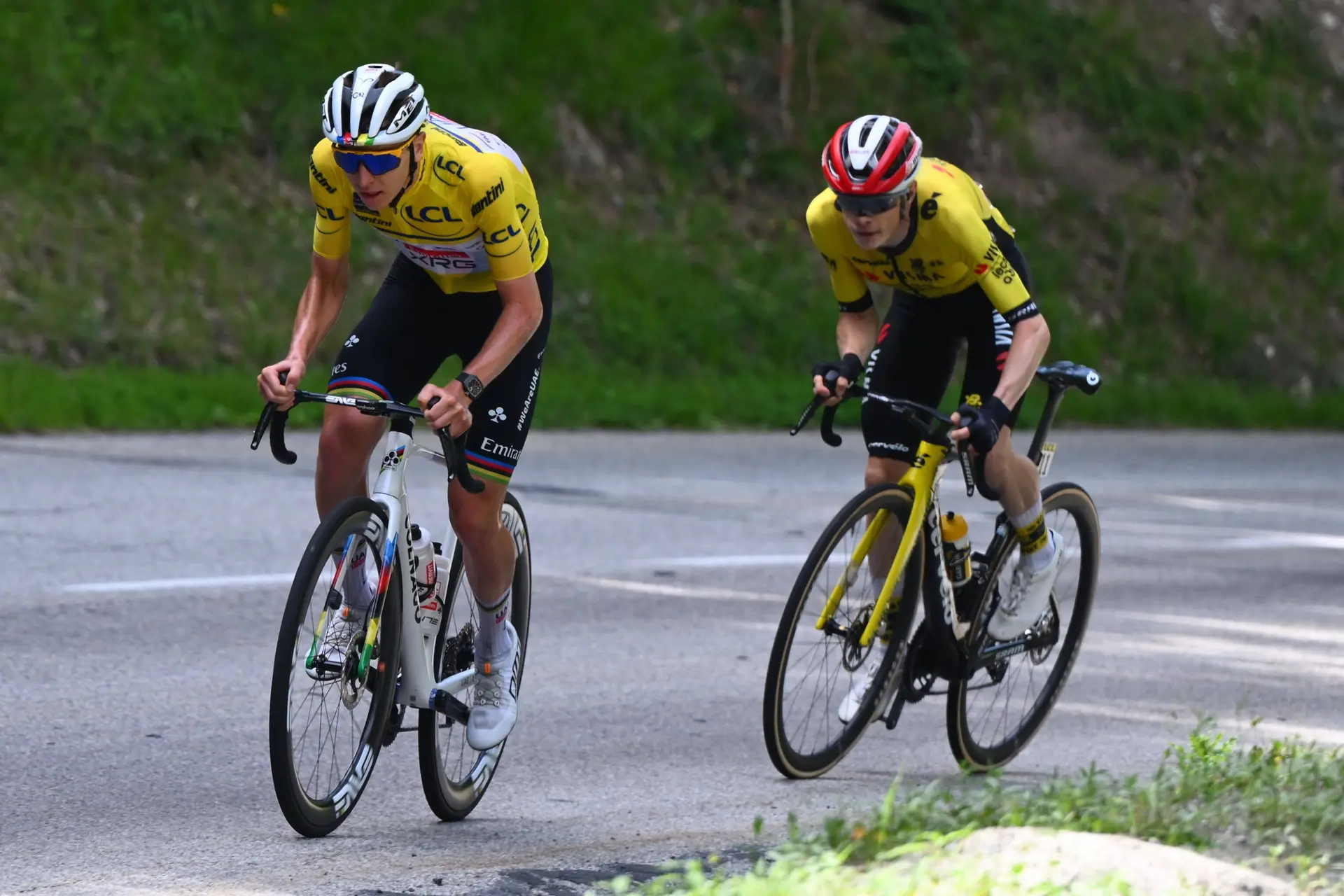
Is Jonas Vingegaard changing course because he believes it gives him a better chance of beating Tadej Pogacar – or because he no longer fully believes he can?
That is the uncomfortable question raised by Danish TV2 cycling expert Emil Axelgaard, who has cast doubt on the logic behind Vingegaard’s decision to ride the Giro d’Italia before the Tour de France in 2026.
“A small sign of resignation”
Axelgaard does not frame Vingegaard’s Giro debut as bold or adventurous. He frames it as worrying. “It is hard not to see it as a small sign of resignation too,” he said in comments published by TV2. “If he truly felt 100 per cent convinced that he could beat Pogacar this summer, he would probably prioritise revenge in the world’s biggest bike race more highly.”
Instead, Axelgaard argues, Vingegaard is choosing to prioritise something else, even though it is likely to weaken his Tour chances. In his view, the only possible justification would be if Visma and Vingegaard have data from the Vuelta suggesting that riding a Grand Tour beforehand will not significantly harm his level for July.
That reading cuts straight across the official message from Visma.
Read also
Vingegaard’s own reasoning
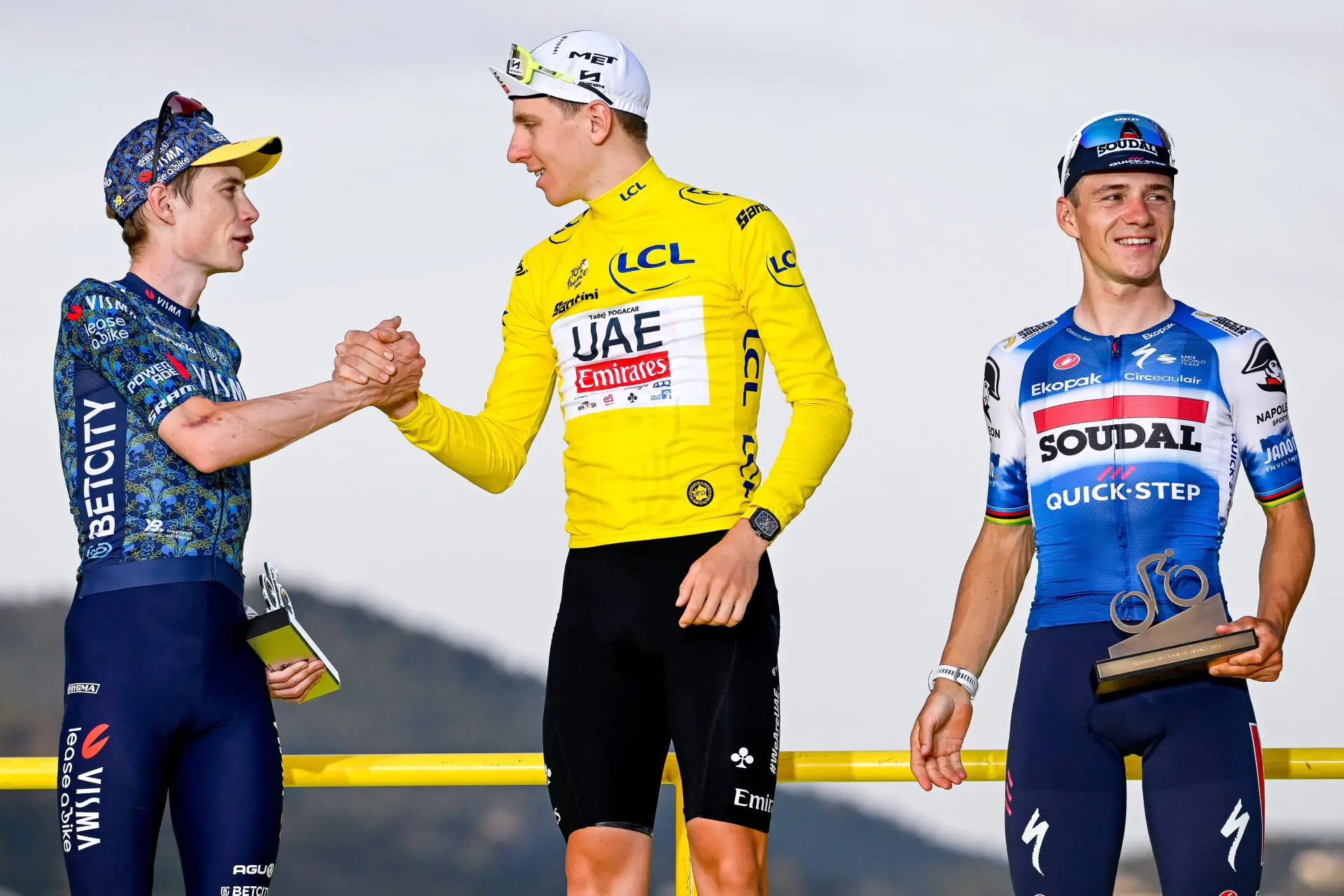
When Team Visma | Lease a Bike confirmed Vingegaard’s Giro debut, the rider himself framed it as ambition, not retreat. “Of course that played a role in my decision,” he said in the team’s press release. “I have already won in France and Spain. Now I want to do the same in Italy.”
He also spoke about the change as a deliberate attempt to refresh a Tour build-up that has followed the same pattern for years. “Over the past five years, my build-up to the Tour has been largely the same. This time we have chosen something new.”
From Vingegaard’s perspective, the Giro is not an escape from Pogacar. It is a different road towards him.
But Axelgaard is not convinced that changing the road means getting closer to the destination.
The shadow of Pogacar
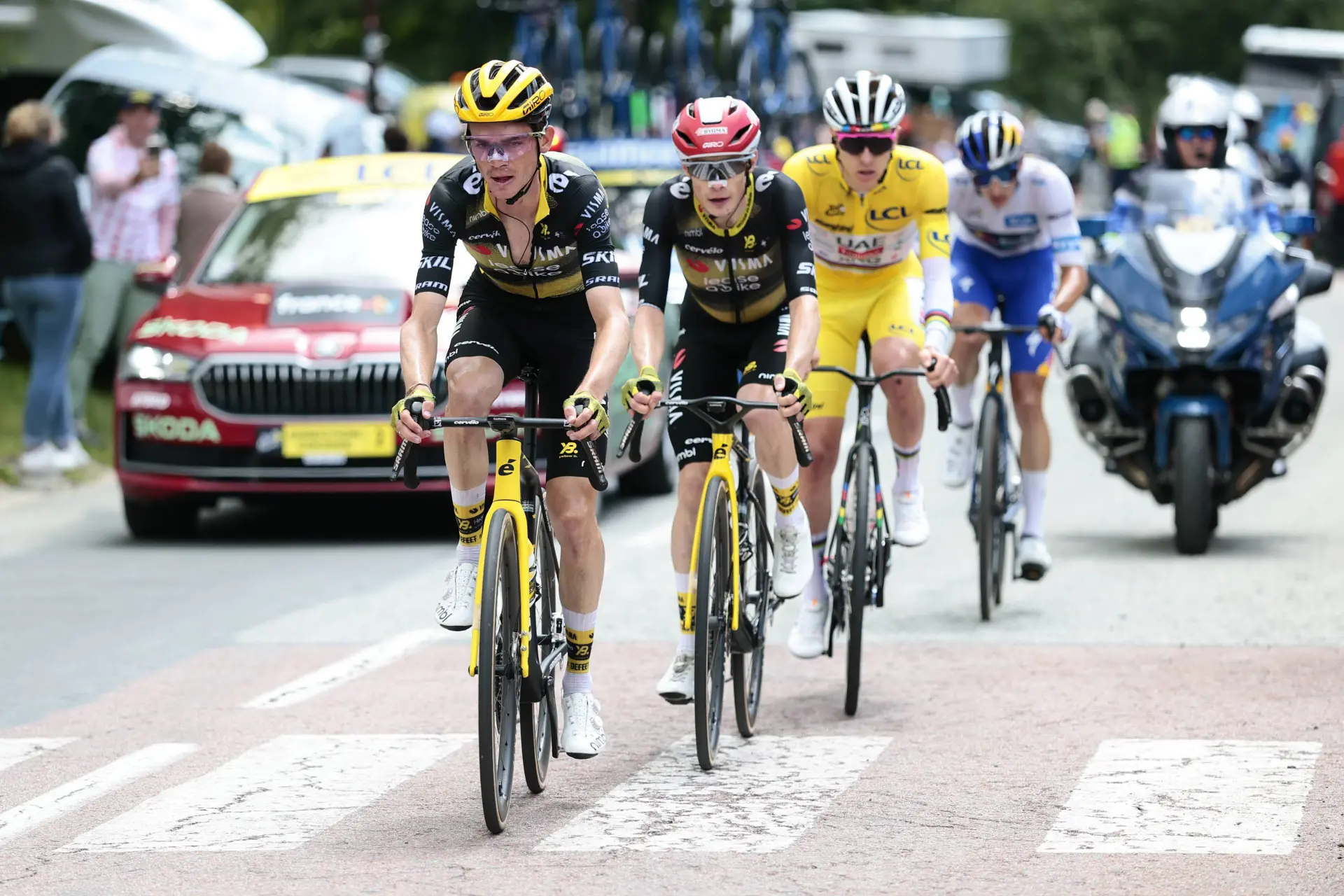
The context matters. Over the past two seasons, Pogacar has not just beaten Vingegaard at the Tour. He has done so with growing authority. That is why every change Visma makes is read through the lens of one question: does this help Jonas beat Pogacar?
Some experts, including former Danish national coach Anders Lund, have argued that riding the Giro could sharpen Vingegaard physically and mentally for the Tour. Axelgaard takes the opposite view. He sees risk, not opportunity.
To him, the logic is simple. If Vingegaard felt totally convinced he could beat Pogacar in a straight rematch at the Tour, that would be his clear priority. Choosing a path that likely weakens his July condition suggests doubt, not confidence.
Between ambition and insecurity
The tension in this debate is that both readings can exist at once.
Vingegaard can genuinely want to complete the Grand Tour set, as he has openly said. He can also genuinely believe that a different build-up might help him. At the same time, it is impossible to separate those choices from the reality that Pogacar has raised the bar.
Axelgaard’s words land so sharply because they challenge the narrative that every change is purely strategic. He introduces the idea that emotion, doubt and psychological wear might also be in play.
If he is right, then the Giro is not just a sporting decision. It is a signal about where Vingegaard stands in his rivalry with Pogacar.
What 2026 will really test
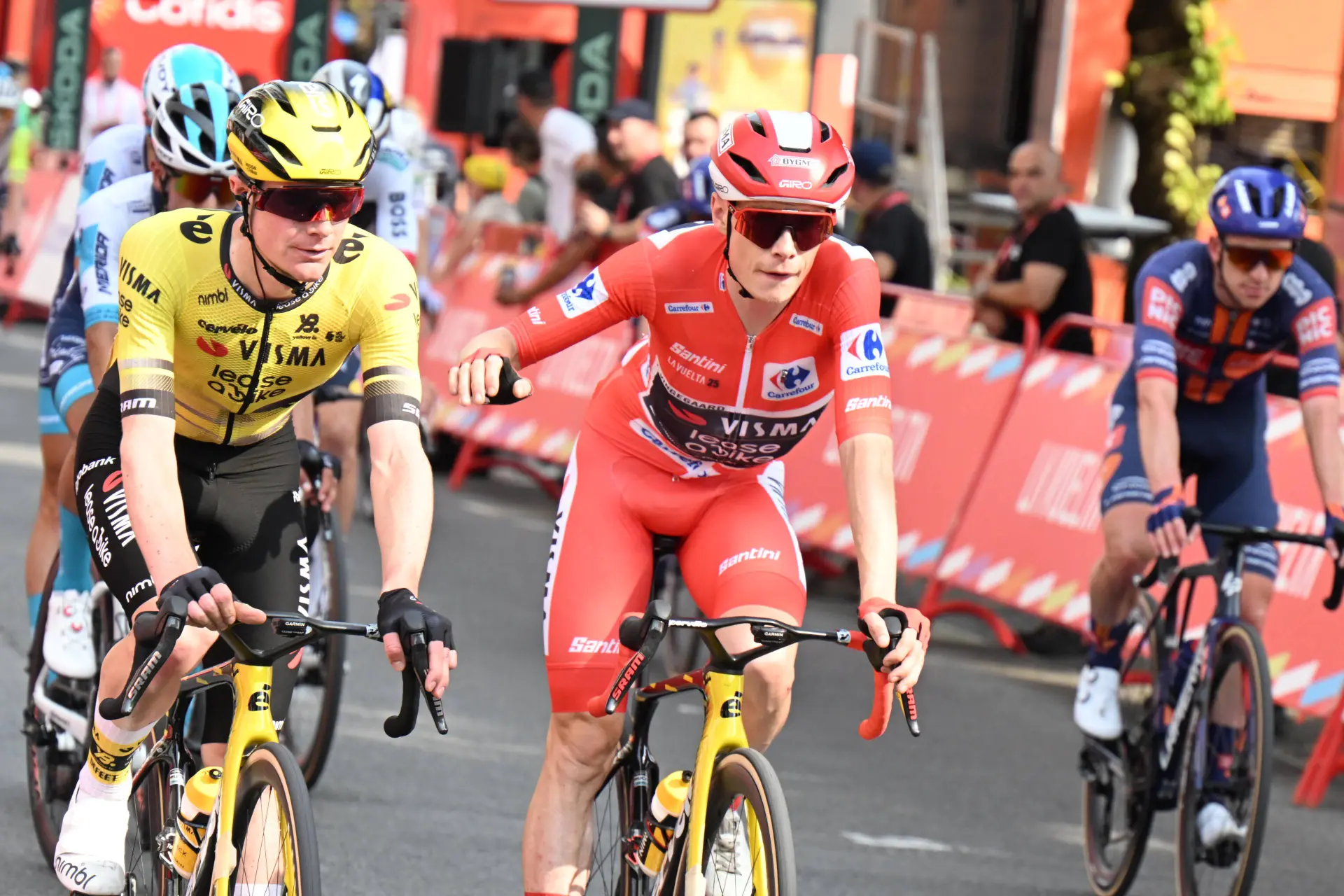
Vingegaard will start 2026 convinced, at least publicly, that his new path can still lead him back to yellow. Axelgaard believes that conviction is already cracking.
The Giro will tell part of the story. The Tour will tell the rest.
By the time Vingegaard reaches July, the debate will no longer be theoretical. Either the new path will have brought him closer to Pogacar, or Axelgaard’s warning will start to look less like a provocation and more like a diagnosis.

Kieran WoodDeputy Editor-in-Chief
Kieran Wood is a sports journalist based in Wales and has been active in journalism since 2022. He regularly contributes to DartsNews.com and CyclingUpToDate.com, where he covers professional cycling and darts. In cycling, his work includes liveblogs from major races, including the Tour de France, the Giro d’Italia, and La Vuelta a España, alongside race reports and analysis. He has also conducted interviews with professional riders.
His reporting spans the full racing calendar, from one-day classics to stage races, with a focus on accurate, real-time coverage and clear contextual analysis. For statistics, results, and historical context, he regularly uses resources such as ProCyclingStats. To support reporting on rider activity and training context where relevant, he also references Strava.
In his work, Kieran places strong emphasis on careful sourcing, editorial accuracy, and updating articles as new, verified information becomes available.
claps 1visitors 1
Just in
Popular news

Latest comments
- oh boy, you're gargling with french balls now?? pogi going to be jealous.whkman11-10-2026
- Well if UAE the best team in history comes knocking their the only team in the world who can get Seixas. Seixas will become incredible there. Lets see if he stays at decathlon or goes to UAE.miguel11-10-2026
- Ahem, stage 16 of the 2025 Giro
 Rafionain-Glas11-10-2026
 - Can we get a comment from the UCI on this. The silence from Aigle is deafening! Come on cycling journalists , start annoying them to get a comment please.Paul53111-10-2026
- A shame to see him retire, I really liked him as a rider. His dignified tribute along with Matej Mohorovic to Gino Mader after his death was class and will always live in my memory. Enjoy your retirement.GregT11-10-2026
- A shame to see him retire, I really liked him as a rider. His dignified tribute along with Matej Mohorovic to Gino Mader after his death was class and will always live in my memory. Enjoy your retirement.GregT11-10-2026
- I thought Seixas had hit the end of the road from a fatigue standpoint, after the WC meltdown - and he still finished ok. This was impressive and an amazing return.mij11-10-2026
- totally, eating crow for breakfast this morning. after the world championships I thought we were looking at a late season fade from fatigue. way to go Paul!mij11-10-2026
- Pogi would have won the Vuelta at around 10 min. But it would have been boring for fools like you. Capish?PogiSloFans11-10-2026
- Rather than me describing the technology at length on here, If you google. Line-scan cameras. They are also sometimes called Slit-Scan cameras. Either search will fill you in. You can read all about how they. work. Enjoy! Just to be clear the cyclist is saying he wants to see exactly where the digital finish line is in relation to the actual physical finish. At this point we only have the word of the authority that the digital line corresponds to the exact starting edge of the physical finish line. That seems like a reasonable request to me.Prorodsandstuff11-10-2026
Loading
Write a comment