MPCC warns the UCI over the growing medicalization of cycling and demands measures against the 'grey zone'
Cycling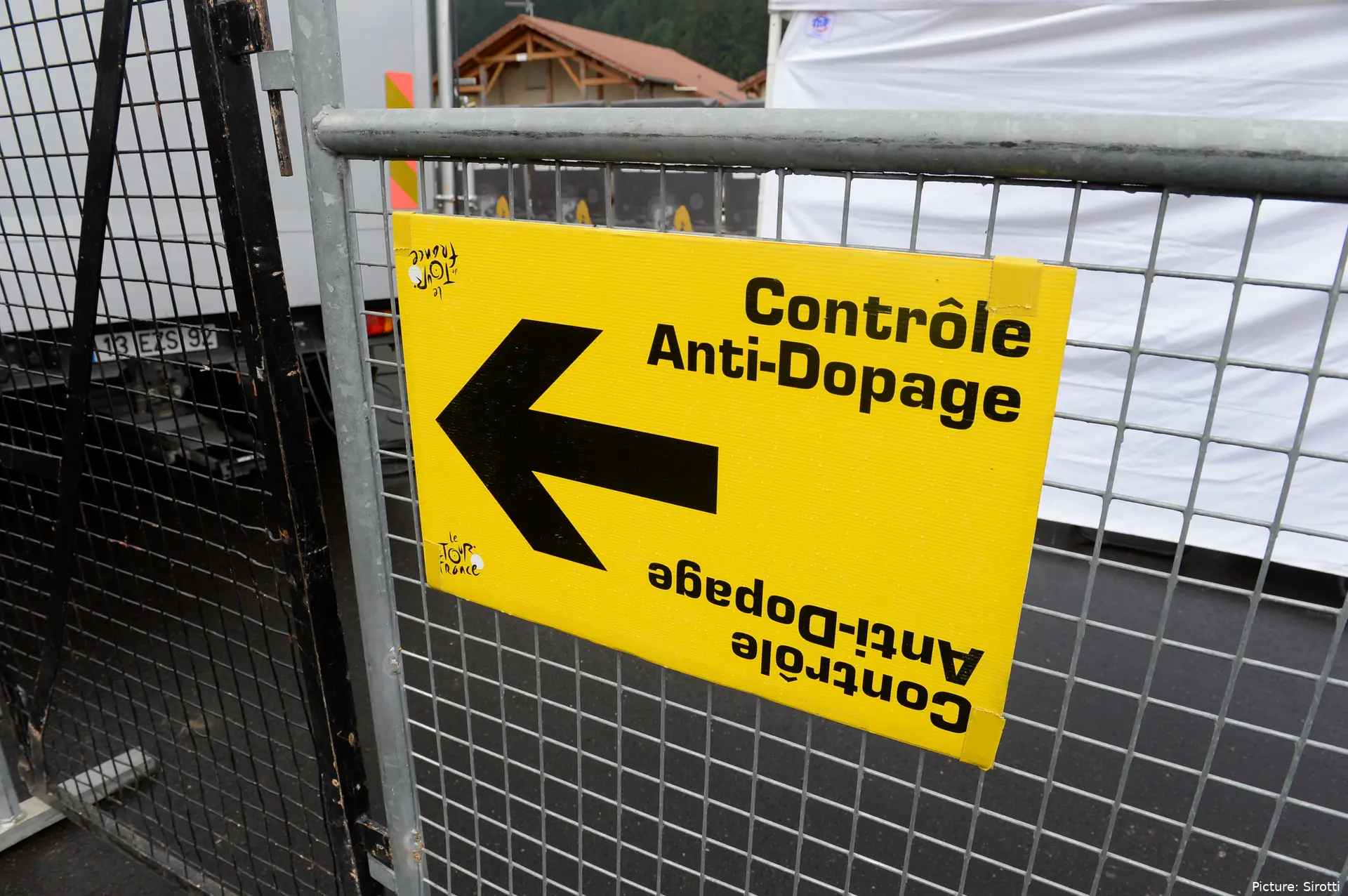
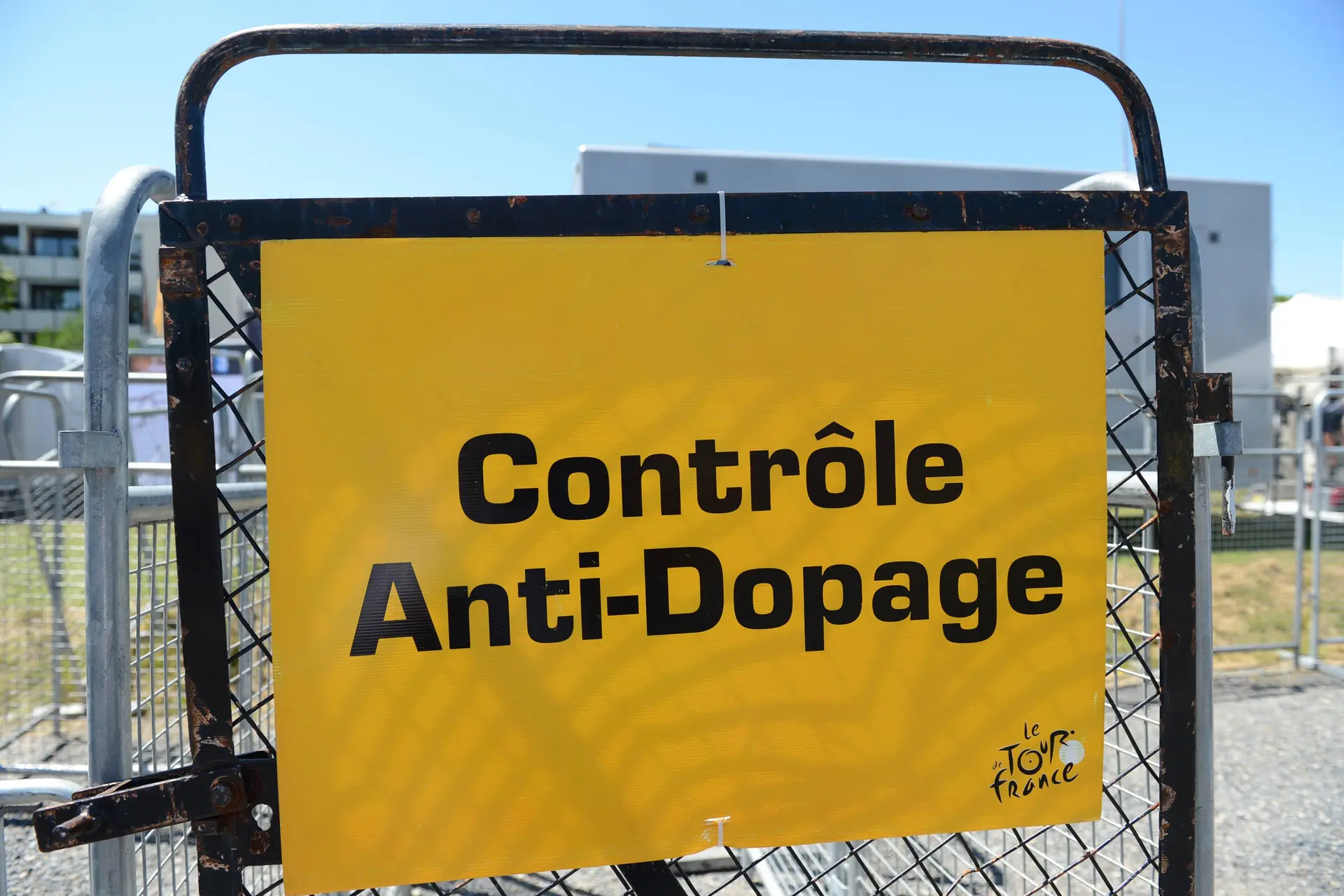
On the 22nd of December, the MPCC (Movement for Credible Cycling) relayed to the UCI its growing concern over what it sees as excessive medicalization in professional cycling. In its statement, the organization warns of rising use of medicines and treatments that are not banned by WADA but raise serious ethical questions when applied to healthy athletes rather than the patients they were designed for.
According to the MPCC, an association that essentially brings together a number of professional cycling teams to fight doping, this situation endangers both the sport’s credibility and the peloton’s health.
A central point is criticism of the slow pace of anti-doping and regulatory processes. The MPCC believes lengthy investigations, without clear provisional measures, allow new substances to be debated each year while riders keep using them despite lingering questions about performance impact or health risks. The organization asks whether it would be wiser to temporarily ban a product during investigation and allow it only once proven safe.
The statement uses ketones as the clearest example of this “grey area.” Since 2017, when the first scientific studies appeared, the debate has been present in cycling. The MPCC recalls that its members took an early stance against their use, while the UCI took almost two years to issue a non-use recommendation that many teams and riders ignored, even signing commercial deals with ketone suppliers.
The MPCC also flags other potential abuses, such as rumours around the so-called “finishing bottle,” or the use of powerful medicines like tapentadol, stronger than tramadol. Although the UCI has some of these substances under monitoring, the movement argues it cannot wait indefinitely while riders’ health is at stake. It therefore urges the UCI to take a clear, regulated stance on products in the grey zone and reiterates its willingness to work proactively to safeguard cycling’s future.
MPCC statement
“The MPCC is increasingly concerned by the excessive use of medicines in sport and calls on its governing body to act against the expansion of the so-called grey area. This grey area includes substances and medical treatments that are not yet prohibited by WADA but raise serious ethical issues when used in healthy athletes instead of the sick patients they were developed for. Cycling needs the UCI to act swiftly and decisively to protect both the sport’s credibility and the health of the peloton, so that no athlete feels compelled to take questionable products just to keep up.”
“The long timelines of anti-doping processes, without rapid and concrete action, leave room for various substances to be debated each year, allowing athletes to continue using them despite unanswered questions about their health effects or performance impact. Wouldn’t it be safer to prohibit a product during its investigation and, once proven safe, allow its use?”
“The most recent example is ketones, a topic that has been part of the credibility debate in cycling since 2017, when the first scientific research was published. The MPCC took a clear stance, stating that its members would not use this product and, almost two years later, the UCI issued a ‘non-recommendation notice’ until further analyses were completed. Many teams and riders ignored this recommendation, and some even entered into partnerships with ketone suppliers.”

The UCI continues its fight against doping
On 25.10.2025, the UCI published a statement reaffirming its non-recommendation stance on ketones. This remains a recommendation and not the introduction of a formal medical rule or an anti-doping regulation that bans or permits this specific product, which, unfortunately, does not close the debate.
Rumours about the so-called “finishing bottle” have resurfaced in the peloton, with multiple borderline substances allegedly mixed and handed out to prime riders for race finales. Alongside this, there is the risk of other abuses with medicines such as tapentadol, up to ten times more potent than tramadol, which was banned in competition by WADA after 12 years of MPCC pressure. The UCI now has this substance under watch, but must we await another lengthy review while riders’ health is at risk and crashes are becoming more frequent?
"Authorities have shown they can act quickly, as happened with non-diagnostic use of carbon monoxide, which, after coming to light during the 2024 Tour de France, will be included by WADA as a prohibited method from 2026.

What is clear is that as long as this grey area exists, cycling’s credibility will remain affected and riders’ health will be in danger. The MPCC’s position has not changed: the constant medicalization of riders is a serious problem and requires action. The MPCC urges the UCI to set a clear, regulated position on a range of grey-zone medical products or specific products such as ketones. The MPCC is ready to work closely with the UCI and support progress in this crucial area for the future of our sport.
Regarding ketones, the stance of MPCC members, shared by the majority at its Annual General Assembly held in Paris on 22.10.2025, is that the debate on this product should be closed. MPCC members will back the UCI’s recommendation not to use ketones and will not accept sponsorships in this area.”
Read also


Rúben SilvaEditor-in-Chief
A founding contributor to CyclingUpToDate since its launch in January 2022, Ruben Silva has played a central role in shaping the site’s editorial direction and long-term growth. Before joining the project, he built his experience through independent blogging at Echelons Hub and by producing race previews for Ciclismo Internacional, developing a strong analytical voice rooted in daily engagement with professional cycling.
Beyond editorial work, he has been closely involved in the expansion and coordination of CyclingUpToDate’s wider network, helping establish and support sister platforms across multiple languages. This includes ongoing collaboration with CiclismoAlDia (Spanish), CiclismoAtual (Portuguese), WielrennenUpToDate (Dutch), and RadsportAktuell (German), contributing to a shared editorial vision and consistent international coverage.
He also helps oversee editorial governance across the network, setting standards for accuracy and consistency and coordinating updates or corrections when needed.
Originally from the Porto metropolitan area in Portugal, he holds a bachelor’s degree in Geography. His path into cycling journalism was shaped not through formal media training, but through independent reporting, community engagement, and sustained on-the-ground involvement in the sport.
Over the course of his career, he has conducted approximately 100 interviews across road cycling and cyclocross, ranging from one-to-one conversations and online formats to press conferences and on-site pre- and post-race coverage. His interviews include leading riders, team managers, and prominent figures within cycling media: Tadej Pogacar, Jonas Vingegaard, Mathieu van der Poel, Primoz Roglic, Wout van Aert, Joao Almeida and Tom Pidcock; managers like Patrick Lefevere and Joxean Matxin; and YouTube personality Bryan Kennedy (BKXC)...
Within 18 months of launch, he helped grow CyclingUpToDate’s English-language platform into one of the most-read cycling news websites, built entirely from the ground up. As both a professional journalist and lifelong cycling enthusiast, his focus remains on delivering accurate, timely, and well-contextualized coverage.
claps 0visitors 0
Just in




Popular news

Latest comments
- Well if UAE the best team in history comes knocking their the only team in the world who can get Seixas. Seixas will become incredible there. Lets see if he stays at decathlon or goes to UAE.miguel11-10-2026
- Ahem, stage 16 of the 2025 Giro
 Rafionain-Glas11-10-2026
 - Can we get a comment from the UCI on this. The silence from Aigle is deafening! Come on cycling journalists , start annoying them to get a comment please.Paul53111-10-2026
- A shame to see him retire, I really liked him as a rider. His dignified tribute along with Matej Mohorovic to Gino Mader after his death was class and will always live in my memory. Enjoy your retirement.GregT11-10-2026
- A shame to see him retire, I really liked him as a rider. His dignified tribute along with Matej Mohorovic to Gino Mader after his death was class and will always live in my memory. Enjoy your retirement.GregT11-10-2026
- I thought Seixas had hit the end of the road from a fatigue standpoint, after the WC meltdown - and he still finished ok. This was impressive and an amazing return.mij11-10-2026
- totally, eating crow for breakfast this morning. after the world championships I thought we were looking at a late season fade from fatigue. way to go Paul!mij11-10-2026
- Pogi would have won the Vuelta at around 10 min. But it would have been boring for fools like you. Capish?PogiSloFans11-10-2026
- Rather than me describing the technology at length on here, If you google. Line-scan cameras. They are also sometimes called Slit-Scan cameras. Either search will fill you in. You can read all about how they. work. Enjoy! Just to be clear the cyclist is saying he wants to see exactly where the digital finish line is in relation to the actual physical finish. At this point we only have the word of the authority that the digital line corresponds to the exact starting edge of the physical finish line. That seems like a reasonable request to me.Prorodsandstuff11-10-2026
- 100% @Jumpyjohn, good point well raised.anonymouscyclist11-10-2026
Loading

🚨 𝗣𝗿𝗲𝘀𝘀 𝗥𝗲𝗹𝗲𝗮𝘀𝗲 : The MPCC appeals to the UCI to establish firm rules to stop the escalating medicalisation of the sport 📢 🇬🇧 mpcc.fr/en/the-mpcc-ap… 🇫🇷 mpcc.fr/le-mpcc-appell…

Write a comment