“It was a job and I was paid to win, so that’s what I did” – Lance Armstrong claims he was a victim of cancel culture after going from hero to zero overnight
CyclingSaturday, 25 April 2026 at 13:30
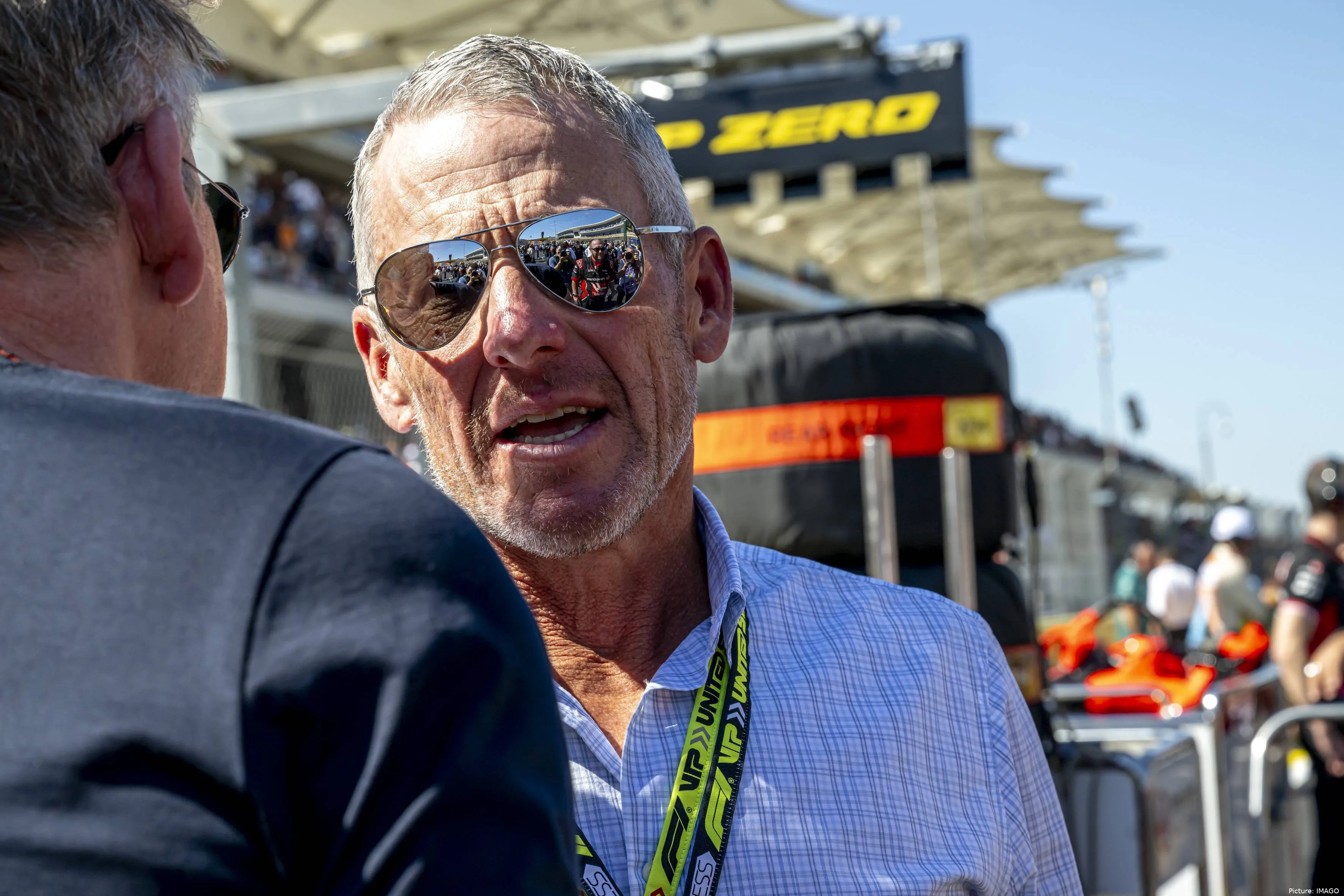
More than a decade on from the collapse of his career, Lance Armstrong has offered a candid reflection on how he processed the fallout, framing his experience as one of the earliest examples of what is now described as cancel culture.
Speaking on the Frodeno Going Mental podcast hosted by Jan Frodeno, Armstrong revisited the period surrounding his 2013 admission to doping, when his long-standing denials finally gave way in a televised interview that reshaped how he was viewed worldwide.
From dominance to downfall
Armstrong’s sporting peak remains one of the most defining periods in modern cycling. Between 1999 and 2005, he won seven consecutive Tours de France with the US Postal Service team, imposing a level of control that reshaped how Grand Tours were raced.
That era ended decisively in 2012, when the United States Anti-Doping Agency concluded its investigation and stripped him of his titles, issuing a lifetime ban from sport. The following year, Armstrong publicly admitted to using performance-enhancing drugs, bringing an abrupt end to one of the most carefully constructed careers the sport had seen.
Looking back, Armstrong described the immediate shift in perception as stark. “The day after I told the world, I realised how it worked: yesterday you were a hero, and today you’re a zero.”
‘I had to find a way to survive’
The podcast appearance, titled Built to Survive, centred on how Armstrong navigated that period. He spoke about his upbringing with a single mother, who had him at seventeen, and his earlier battle with testicular cancer, before turning to the years after his career unravelled.
“That’s when I really had to find a way to survive,” he said. “I had to tell myself: look, I am done, finished. Time will tell if that’s true, but I feel like I got caught up in the cancel culture that America has gone through. I was probably one of the first to experience that.”
Armstrong said the immediate priority was stability rather than rehabilitation. “The only thing I promised myself was that I would stay healthy and not become addicted to anything,” he explained, while acknowledging he later struggled with alcohol. He added that withdrawing completely was never an option. “I also knew I couldn’t just sit in a corner and cry. I had to keep going. Life’s messy and you just have to move on and sort things out.”
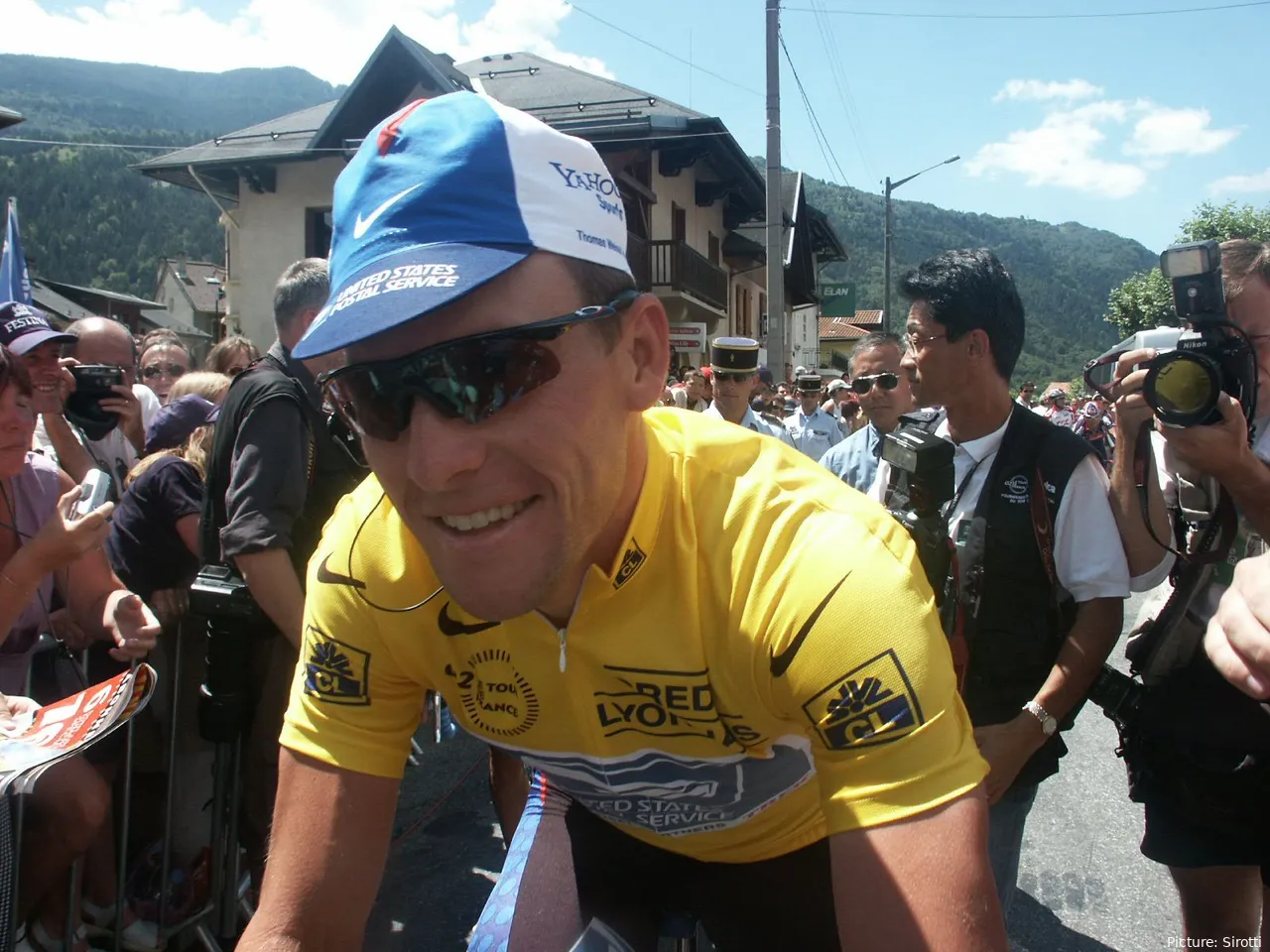
Lance Armstrong in the Tour de France Maillot Jaune for US Postal
Reflecting on his approach at the top
Armstrong also addressed long-standing criticism of his behaviour within the peloton, where he was often portrayed as an uncompromising and dominant figure. “But I think there were very few nice guys at the top of the sport at that time,” he said. “Looking back, maybe I should have enjoyed it more and taken time to appreciate what I achieved. In some ways, I pushed things to the extreme.”
That mindset, he suggested, was inseparable from the demands of elite sport. “It was a job and I was paid to win, so that’s what I did,” he said. “But I may have taken that too far, and in the end I paid the price for it. On the bike it worked, but off the bike it didn’t anymore.”
Armstrong’s comments arrive as interest in his story grows again beyond cycling, with a major Hollywood biopic currently in development. Whether that renewed attention alters how his career is remembered remains uncertain, but his latest remarks underline how he continues to interpret a period that reshaped both his life and the sport.
claps 10visitors 4
Just in
Popular news
Latest comments
- agreed. he probably could have navigated the EPO fallout and kept his titles had he not been such a jerk.mij25-04-2026
- The anti-Armstrong throngs are just as unhinged as his fawning fanboys were. They are so similarly wrapped up in their feels and virtue-signaling that I suspect they are the same people. He was torching top professional triathletes when he was 15 or 16, and riding off the front of elite fields on the domestic scene shortly thereafter. He won the world championship at 21. To say he came out of nowhere or had no talent is just silly. While commenters who have never turned a crank in anger can have their opinion, the most meaningful belong to his competitors. Not one has ever claimed he was cheated out of a victory by Armstrong. To the extent that they comment publicly, most agree he would have won on a non-EPO playing field. To those who claim he had the best dope, the genius of Ferrari seems to be that he got top results with less. Armstrong seems pretty healthy now, unlike Indurain, Fignon, and Lemond of the preceding generation--or even Rumsas, Beloki, and Gonzalez of his own era. And all the careers he supposedly ruined ... these were all people who willingly participated in the same big lie, and jumped ship when the tides turned or bigger money beckoned. All rich people lie, all rich people defend their empire. This is how it has always worked. I don't understand his decision to put 7 consecutive Tour victories at risk to chase an 8th. I can only speculate that his desire to win or seek attention had become a full-on mental illness at that point. That said, the whole era and its tawdry unraveling make me grateful for the current generation of cycling stars, who seem to love racing their bikes, race positively, and share kind words and heartfelt congratulations after. I hope they are healthier and in a position to lead full, active, and long lives after cycling.
 MarkFour25-04-2026
 - Should be a good racecaptmike25-04-2026
- Who cares? It's an investment and real estate has minimal downside if you don't buy at the top of the market. At least they're not pitching NFTs to gullible rubes.mrvco25-04-2026
- “The peoples whose lives he damaged have been paid” Huh???Bynum25-04-2026
- Seixas himself has said he doesn't have the form to beat Tadej @ LBL. That said, Paul is very modest and may like his chances, though privately. This young man is something special and could be the heir apparent to Tadej in a few more years.awp25-04-2026
- He was doping before cancer and won a few one day races, no big talent and certainly zero talent for 3 week races. His only "talent" was doping big time and being a great responder to dope. His new excuse: I was paid to win. He cheated and got to keep his $millions while he destroyed the careers of others. Hey Lance, what happened to the 2 checks made out to you from an Austrailian and a Norwegian cancer charity rides fund raising? Did you keep the money????Cyclingnut25-04-2026
- I wouldn't call Lance a victim, but he was paid to win and he did what the other leaders in the peloton did during that time. The peoples whose lives he damaged have been paid and at the the end of the day everyone who is asking deserves forgiveness. They voided his career so other than a little money he didn't gain much.awp25-04-2026
- I was disappointed that he used PED's to win, but I could have lived with that since it was common during that time. What I cannot forgive or forget is how he aggressively went after anyone who spoke out about or testified against him. He damaged reputations and destroyed lives.TomH25-04-2026
- Serious mental issuesMistermaumau25-04-2026
Loading
6 Comments