“Remco loves the Classics, but he still has to aim for the Tour de France” - Patrick Evenepoel insists his son hasn't given up on Maillot Jaune dream
Cycling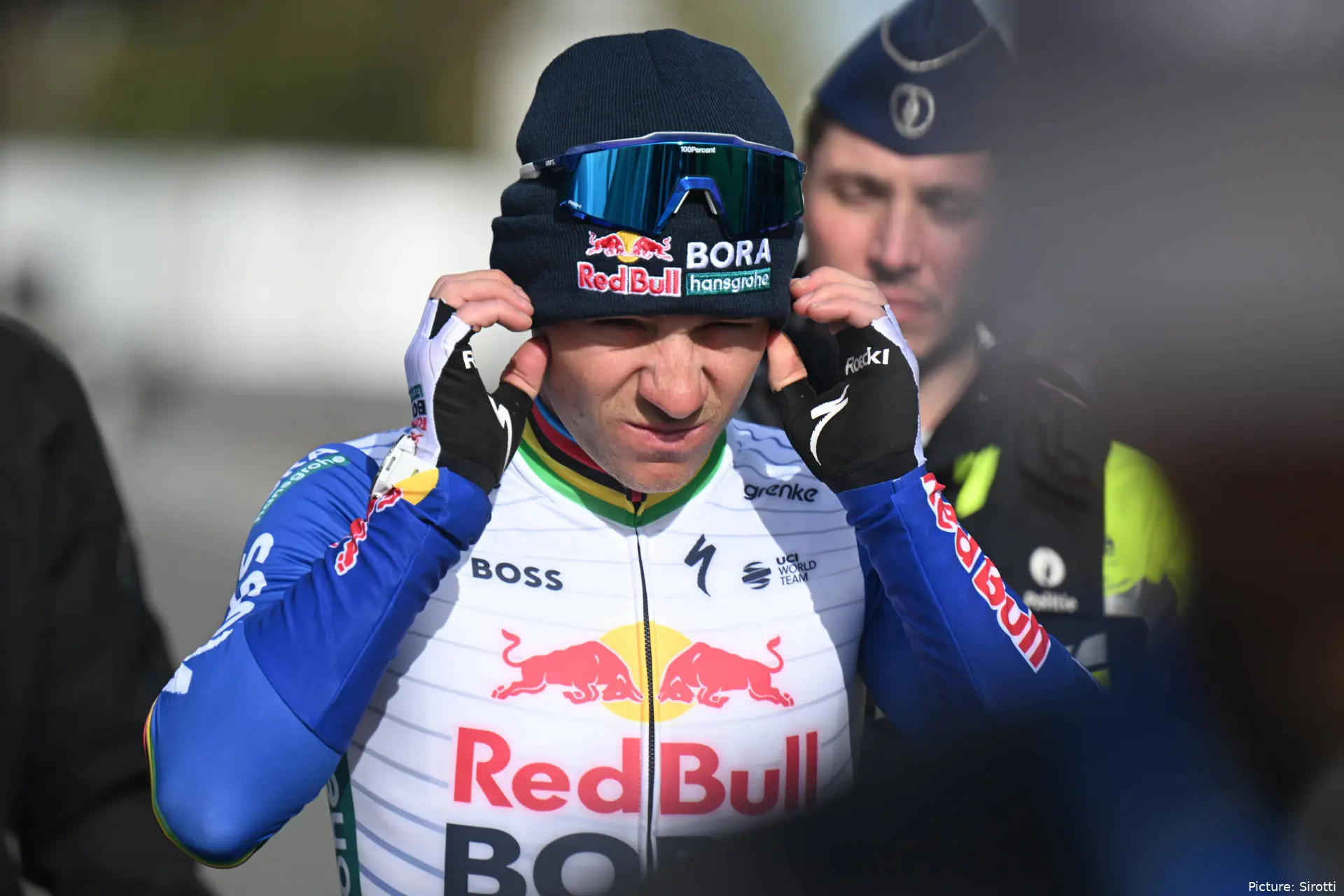
The question has followed Remco Evenepoel throughout the 2026 season: is he better suited to dominating one-day races, or should his focus remain fixed on the Tour de France?
For his father Patrick, the answer is not a choice between the two. Speaking to HLN, he pushed back against growing suggestions that his son should abandon Grand Tour ambitions and concentrate fully on one-day racing.
A debate shaped by results
The discussion is not without foundation. Evenepoel’s 2026 campaign has once again highlighted just how effective he is in one-day racing. Victory at Amstel Gold Race, combined with a strong debut at the Tour of Flanders, has reinforced his standing as one of the most complete Classics riders in the world.
His palmarès already backs that up. Multiple wins at Clásica San Sebastián, two victories at Liège-Bastogne-Liège, a world title and Olympic gold underline a rider capable of deciding the biggest one-day races. At the same time, those performances have only sharpened the contrast with his Grand Tour ambitions.
The Tour question remains
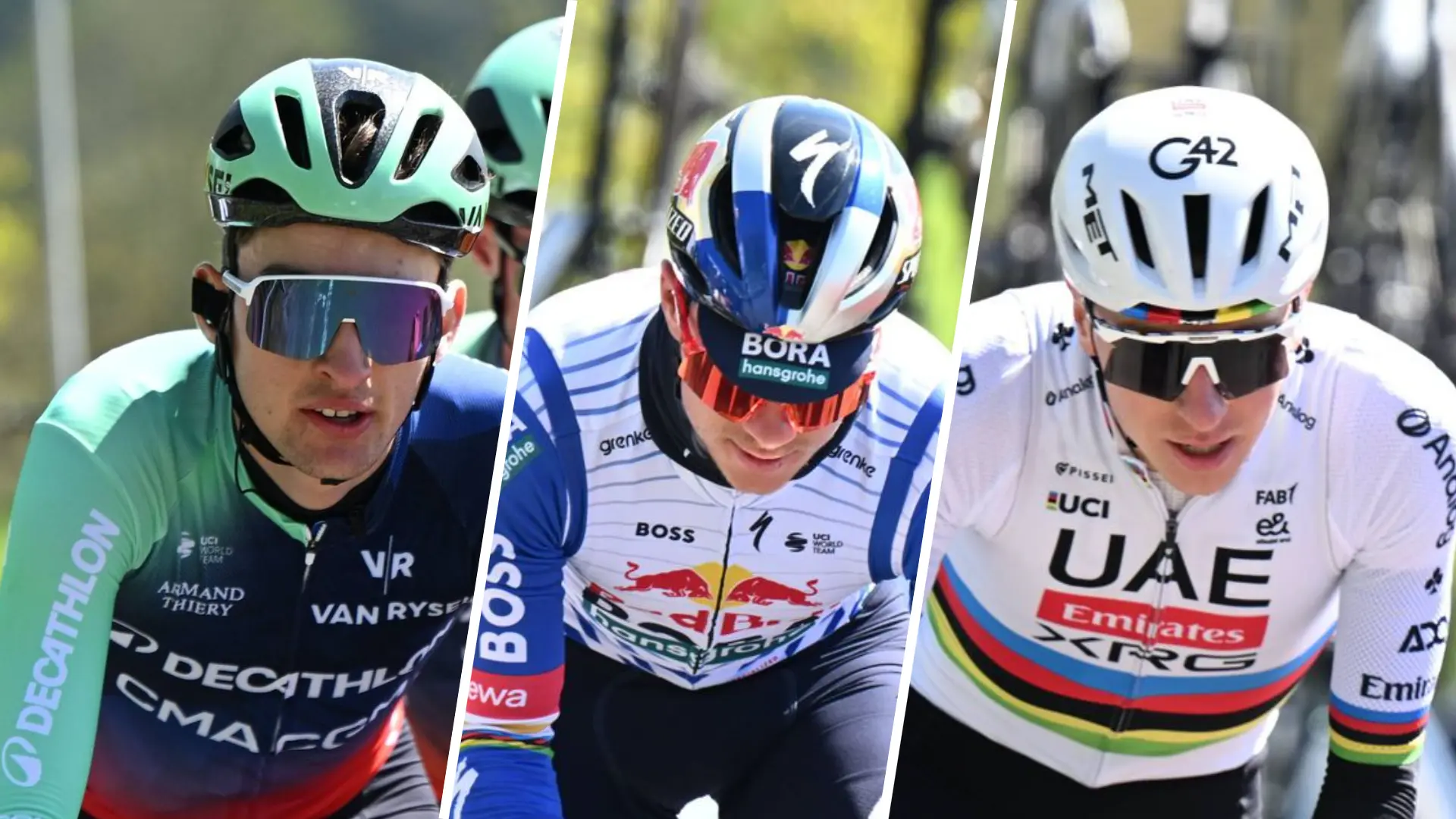
Evenepoel is not an outsider in three-week racing. He has already finished on the podium at the Tour de France and claimed overall victory at the Vuelta a España in 2022, proving he has the engine and consistency required for general classification racing.
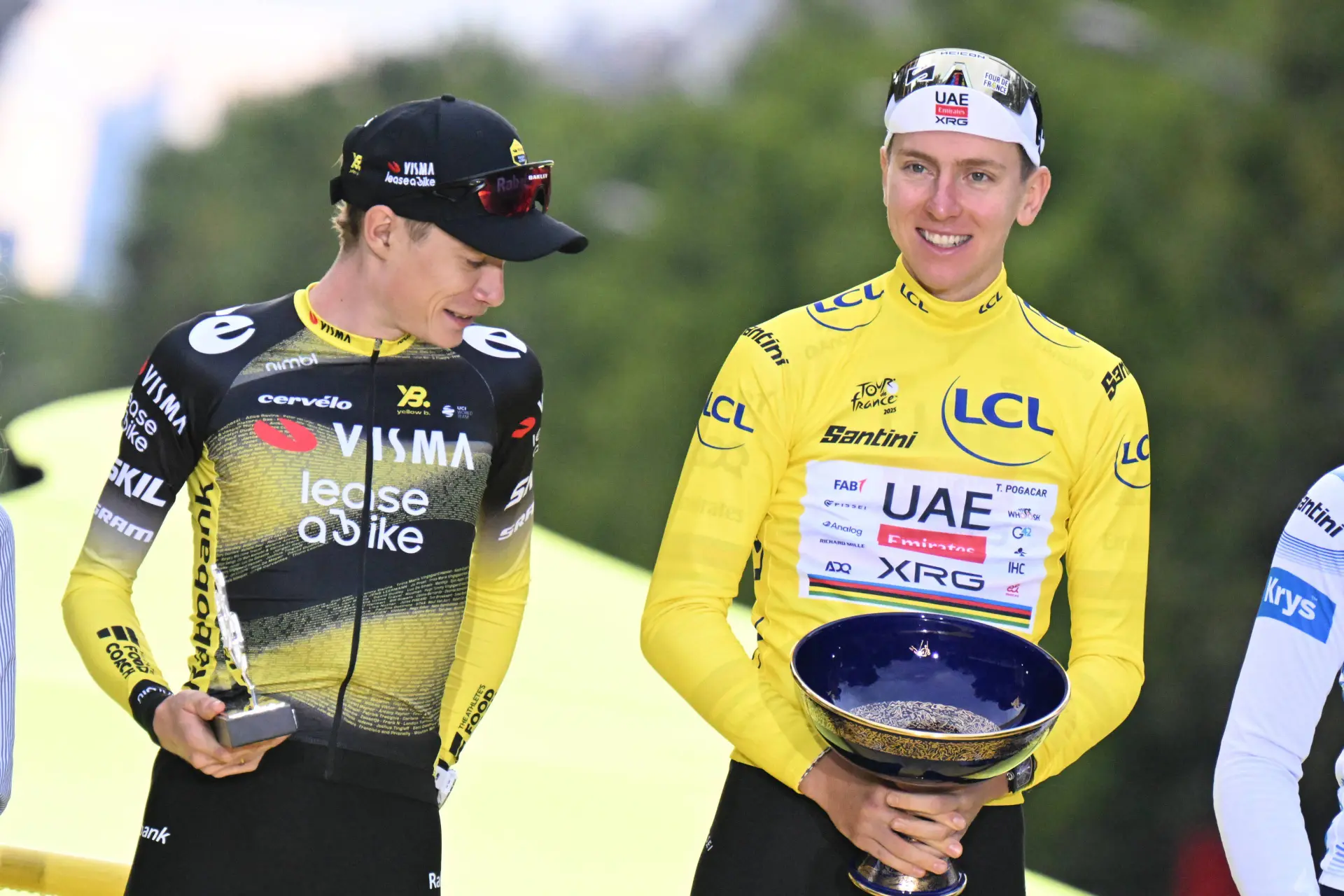
But the landscape has shifted. Against riders like Tadej Pogacar and Jonas Vingegaard, the margins are defined in the high mountains, and that is where doubts have emerged.
Recent races have raised questions about whether Evenepoel can consistently match that level over the most demanding climbs, particularly across the three weeks of the Tour.

Evenepoel struggled to match Vingegaard on the climbs at the Volta a Catalunya
“He still has to believe”
That is exactly why Patrick Evenepoel is urging patience rather than a change in direction. “Everyone is talking about it now. Remco has always loved the Classics, but he still has to aim for the Tour de France. For another year or two, I think. If you can finish third in the Tour and win the Vuelta, you have to keep believing in that,” he said in conversation with HLN.
It is a clear stance. The results are already there, and in his view, they justify continued belief rather than a shift in focus.
Between two worlds
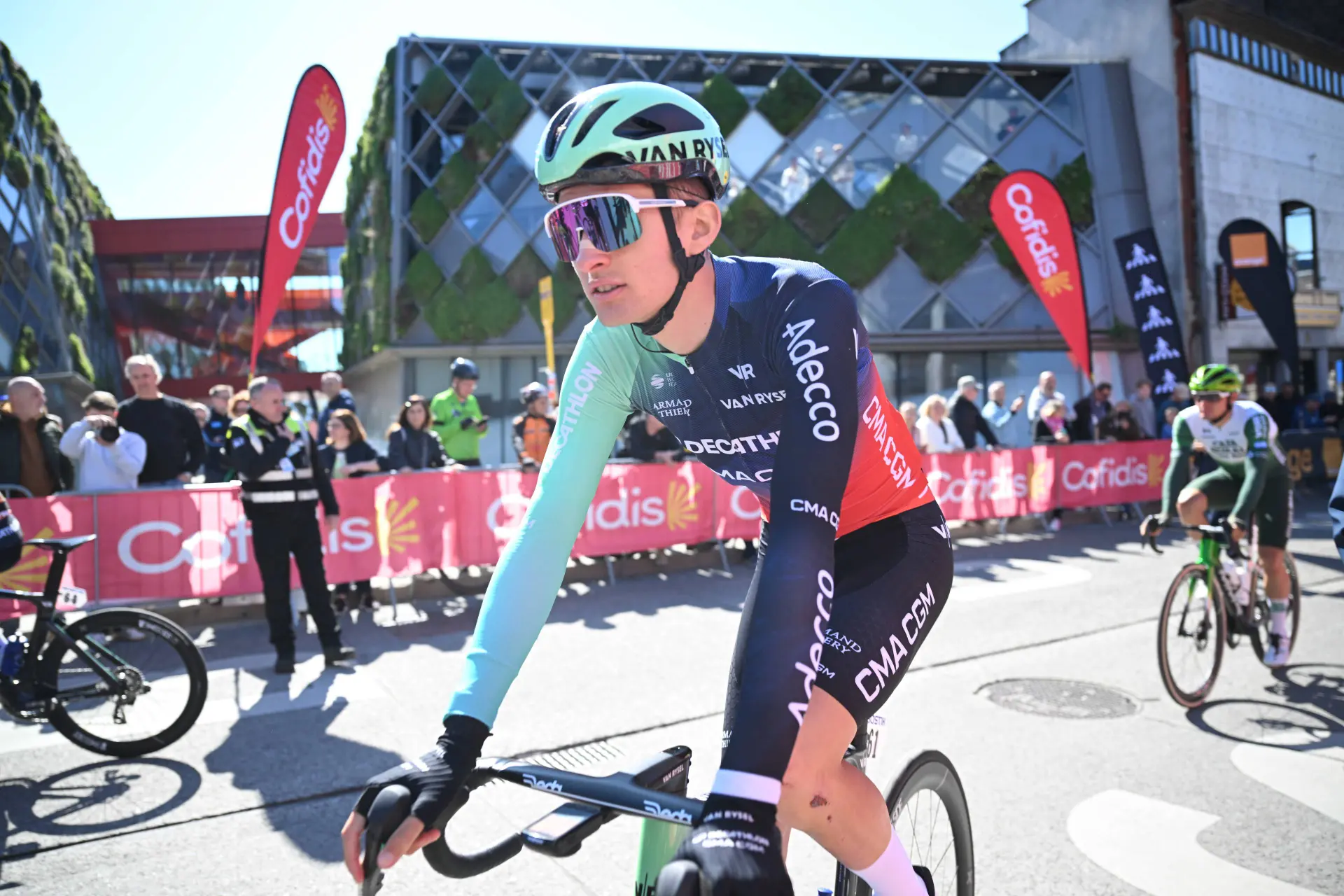
The dilemma is not about ability, but about optimisation. In one-day races, Evenepoel can impose himself with explosive efforts and aggressive racing, often putting him among the very best in the world.
In Grand Tours, the equation is different. The reduced importance of time trials in modern routes and the increasing emphasis on sustained climbing place him in direct competition with riders who currently define the very highest level in the mountains. That does not remove him from contention, but it changes the balance.
A decision that may define his career
For now, the message from his inner circle is clear. The Tour de France remains a central objective. “When Remco is back home with us in Belgium, we rarely talk about cycling,” Patrick added. “We talk about everyday things, which is very important for him, for Oumi and for us. But actually, he doesn’t come home very often. If he comes home often, it means something is wrong. So the less I see Remco, the better things are going for him.”
The long-term direction of Evenepoel’s career is still open to interpretation. But for the next two years at least, there will be no shift away from the biggest race in the world.
That makes Sunday’s Liège-Bastogne-Liège another important reference point. Up against riders like Tadej Pogacar and Paul Seixas, both expected to feature prominently in the Tour de France conversation, Evenepoel is once again placed in direct comparison with the level he ultimately has to match.
The Maillot Jaune remains the goal.
Kieran WoodDeputy Editor-in-Chief
Kieran Wood is a sports journalist based in Wales and has been active in journalism since 2022. He regularly contributes to DartsNews.com and CyclingUpToDate.com, where he covers professional cycling and darts. In cycling, his work includes liveblogs from major races, including the Tour de France, the Giro d’Italia, and La Vuelta a España, alongside race reports and analysis. He has also conducted interviews with professional riders.
His reporting spans the full racing calendar, from one-day classics to stage races, with a focus on accurate, real-time coverage and clear contextual analysis. For statistics, results, and historical context, he regularly uses resources such as ProCyclingStats. To support reporting on rider activity and training context where relevant, he also references Strava.
In his work, Kieran places strong emphasis on careful sourcing, editorial accuracy, and updating articles as new, verified information becomes available.
claps 3visitors 3
Just in
Popular news
Latest comments
- Agreed, but nobody thinks ahead that much, especially so-called fans, they are the first to demand their rights to joy and entertainment, regardless of the price their hero pays. You only have to look at boxing/rugby research on past athletes’ problems in retirement to see how little their OWN fans really care.Jumpyjohn26-10-2026
- He might very well accept lower salary voluntarily (whilst others might get pressured into that anyway over the coming years) in exchange for non financial benefits such a move would bring. Wouldn’t be the first rider to get positive results from a change of team and wouldn’t be the first star rider to do well in a smaller outfit. MVDP has never suffered from not being in a leading team, MP did extremely well before his team started expanding (maybe too) fast, PS certainly didn’t underdevelop until now. Everyone fits in best in a unique situation that won’t work for anyone else, we should all be striving for finding that.Jumpyjohn26-10-2026
- Always best to focus on “a good beginning is half the work” philosophy Which also makes mathematical sense. If you look at the probabilities of things happening in a chain, each event has less than one. For two to happen you multiply, the result will thus always be even less. The earlier in the chain you affect probability, the more often that is multiplied each time you add a subsequent link in the chain. Or oppositely, it’s extremely inefficient to focus on the last event in the chain because the chances of that happening AFTER all the other events have also happened is far too small to consider. And realistically, it is also obvious that if you allow uncertainty into event 1 or 2, not only do you enormously increase the chances of a last event, you also increase the chances of other non-considered events. In non-mathematical terms, one day a car might drive into a whole peleton. Oups, what did I suggest, oh no, we actually already saw this almost happening on video, it was only the drivers’ unexpected fast reaction to reverse that averted the possible cancellation of cycling for an extended period as the sport would have been forced to question itself way more than it has ever had to.Jumpyjohn26-10-2026
- This is Trump level like distortion of information, shame on you CUTD!!!! I will boycott for a week from tonight on and unlike all the Moulike characters here, I keep my promises.Jumpyjohn26-10-2026
- sounds positive news for Lidl-Trek...still dirty on them for not resigning Lucinda Brand and why they arent all in with sponsorship of the Baloise team in 'cross.
 Davide26-10-2026
 - yeah your point about accidents happening in a chain of events, not a single event, is key. no police or barriers at a crossing. a car gets on the road. a trailing cyclist doesn't have an escort. no radio and GPS is being used to track stragglers. and tragedy. break one thing in the chain and it could be accident avertedmij26-10-2026
- The doctors called the concussion severe, even at the scene of the accident, because that is the term for it. The concussion protocol is the best they can do right now, with further research being done. It makes sense for Tadej's concussion to be severe because the freak circumstances lead to twisting of his head (and body) as he fell at high speed. Look at reports on the Toronto research published in early 2025 for starters, with images of the brain showing the effects that persist after symptoms clear up. Btw if Tadej had ridden the EC and fallen, he could have suffered more serious injury to the spine as the vertebra would not have been fully healed. Also serious consequences if he had hit his head. Don't know why you are so keen to downplay the impacts.Hills3326-10-2026
- Complete bullshit headline. The best thing this website can do is commit suicide.Renz26-10-2026
- If he wants to retire, he can spend a couple of non intensive low key seasons at UNO-X for lower salary as well.abstractengineer26-10-2026
- we need facts about these accidents and see the stats about these facts to find what can be done and what cannot be done. That is the job of the UCI. This has been done in many industries, Airlines, and Spacecrafts. Once teh UCI sets the rules, then the organizers can decide upfront whether or not they want to hold the race or not. UCI also needs to make the rules applicable to all stakeholders including riders and staff about what to do and not do, for safety. Parachutes are the safest to exit a jet fighter/bomber but none are provided on a passenger aircraft. most safety mechanisms are not viable on a spacecraft. in industries most accidents are the result of a chain of events, a single link not happening will not cause that accident. all these things are thoroughly investigated. inspite of all the safeguards, accidents happen and will happen, because humans remain inherently flawed but following rules/procedures minimize the risk and stats, not an individual accidentabstractengineer26-10-2026
Loading
Write a comment