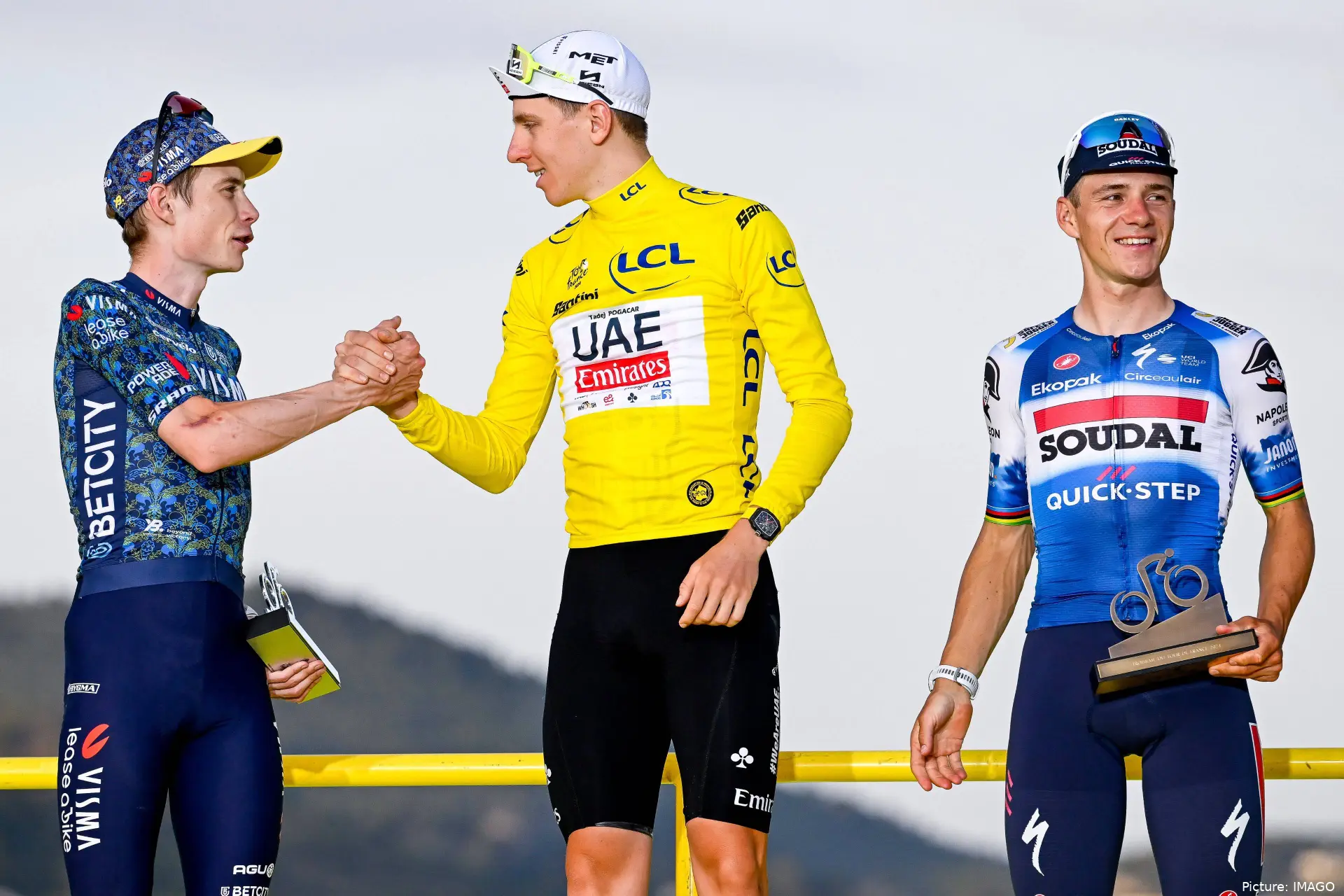
Professional cycling has one of the widest pay gaps in
modern sport, stretching from global stars earning millions to riders surviving
on little more than hope and stipends. In 2026, salaries at the top of the
men’s World Tour have reached historic highs, driven by rising team budgets and
powerful sponsors. At the same time, many riders lower in the hierarchy remain
on minimum wages or below, especially outside the top tier. Understanding how
much professional cyclists make today requires looking not just at headline
contracts, but at the full structure of the sport, from World Tour stars to
Continental riders, and from salaries to sponsorships.
FAQ:
1: How cycling's pay scale works in 2026
2. Cycling's richest compared to other sports
3. Average World Tour salaries
4. Team budgets and inequality within the World Tour
5. Minimum salaries and neo-pro contracts
6. Life outside the World Tour
7. Where a cyclist's income actually comes from
8. How cyclists' pay has changed over time
9. Gender pay and women's cycling
1: How cycling's pay scale works in 2026
2. Cycling's richest compared to other sports
3. Average World Tour salaries
4. Team budgets and inequality within the World Tour
5. Minimum salaries and neo-pro contracts
6. Life outside the World Tour
7. Where a cyclist's income actually comes from
8. How cyclists' pay has changed over time
9. Gender pay and women's cycling
1. How cycling’s pay scale works in 2026
Professional cycling does not operate on a centralised
salary system. Riders are employed directly by teams, which negotiate
individual contracts based on results, reputation, role, and market demand. The
UCI sets minimum salaries for World Tour and Women’s World Tour riders, but
beyond that, pay varies enormously.
At one end of the scale are a small number of riders whose
contracts would have been unthinkable a decade ago. At the other are hundreds
of professionals racing full calendars while earning less than a typical office
salary, or in some cases nothing at all. The result is a steep pyramid, with
wealth concentrated at the top and thinning rapidly as you move down the
peloton.
At the very top of the men’s WorldTour, cycling now pays its
biggest names at a level that reflects their global value, even if it still
falls short of football, F1 or basketball. According to Cyclingnews last year, in 2025, an estimated 65 male riders
earned €1 million or more per year. That figure alone shows how much the market
has changed, as only a handful of riders crossed that threshold in the early
2010s.
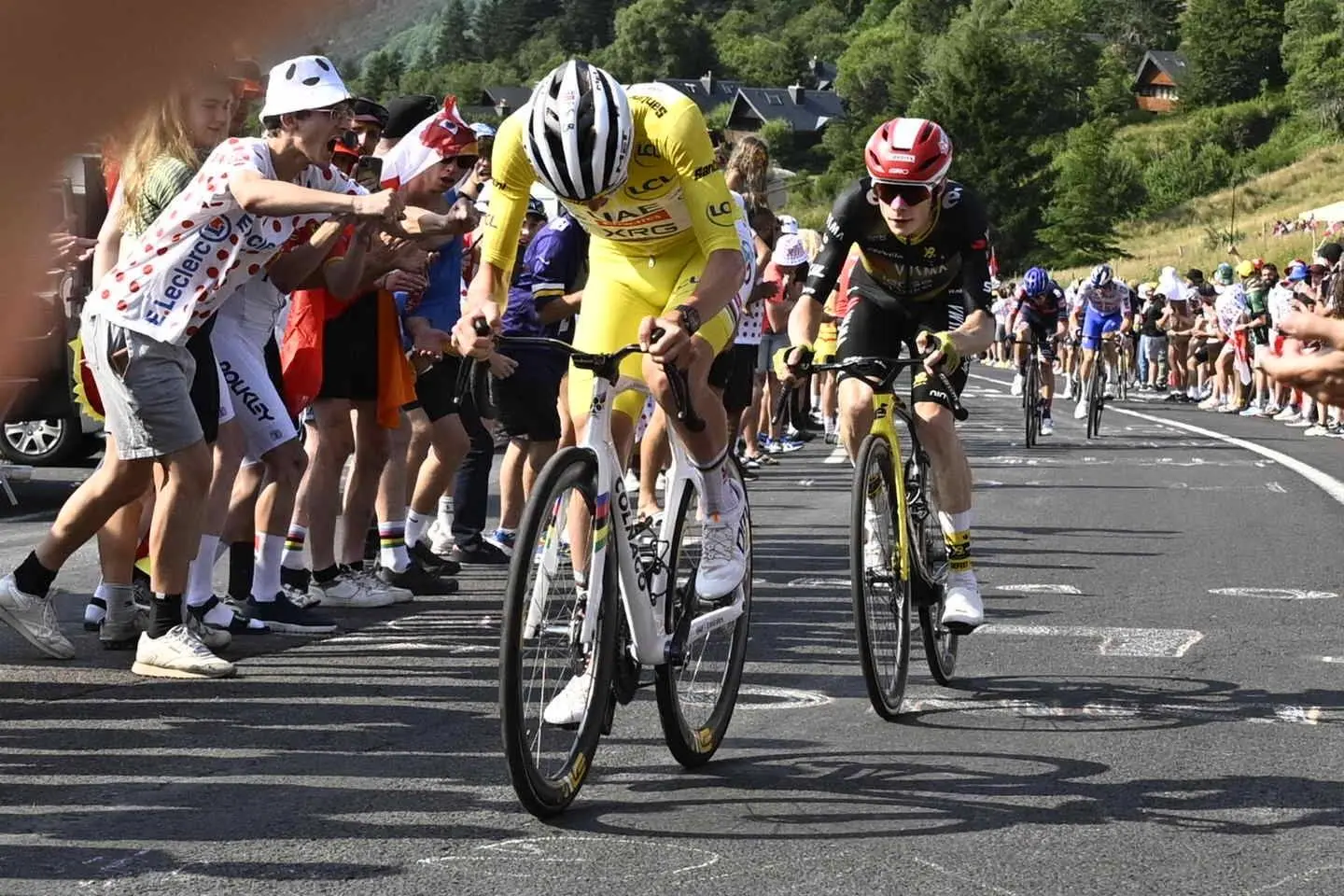
The highest-paid rider in the sport is widely reported to be
Tadej Pogacar, and the four time Tour de France winner has a base salary sitting
around €7–8 million per season. He has also signed a long-term extension
reportedly worth around €8.2 million per year through 2030. Jonas Vingegaard
follows closely, earning roughly €6–6.5 million annually, while Remco Evenepoel
is believed to be on €5–5.5 million.
Below them, but still firmly in the elite bracket, are
riders such as Primoz Roglic at around €4.5 million, Mathieu van der Poel and
Wout van Aert at roughly €4 million, and Tom Pidcock at approximately €3.5
million. These salaries represent the new ceiling of the sport. Over a decade ago,
Alberto Contador earning about €5 million in 2011 was considered extraordinary,
with most other stars far below that level.

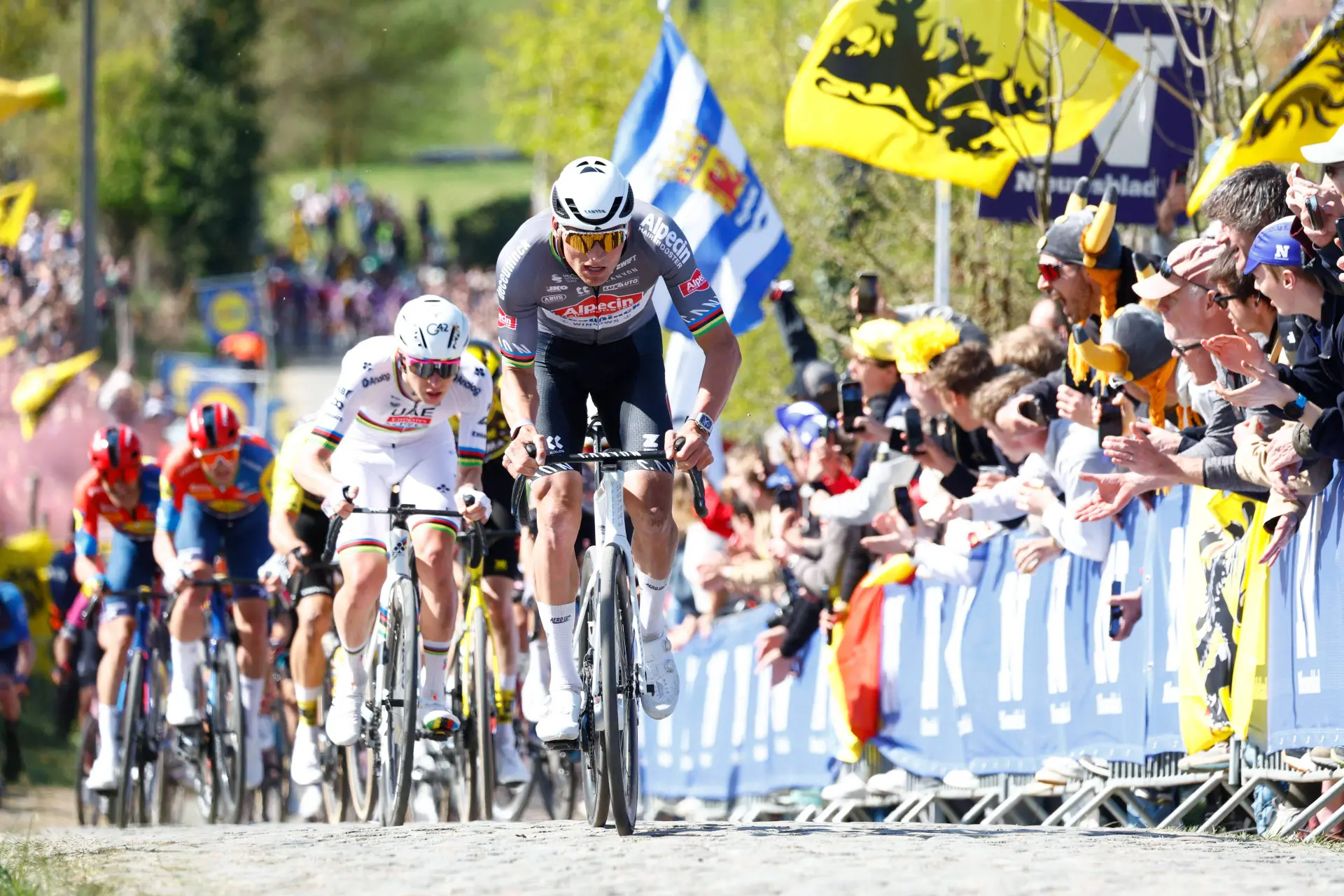
Two of cycling's highest paid riders, Tadej Pogacar and Mathieu van der Poel, race at Paris-Roubaix 2025. @Imago
2. Cycling’s richest riders compared to other sports
Even with these eye-catching numbers, cycling’s biggest
salaries remain modest compared to global team sports. Team budgets have risen
sharply, with the median men’s WorldTour budget climbing from around €18
million in 2019 to roughly €25–28 million by 2024. This growth allows teams to
pay star riders more, but it does not change cycling’s position in the wider
sporting economy.
As Tejay van Garderen observed, “If you look at the NBA, $8
million a year would get you someone to come off the bench. The highest-paid
guy, Steph Curry, gets $45 million a year… it’s hard to compare, but still”. In
football, players such as Kevin De Bruyne or Erling Haaland earn more than €25
million per year in salary alone, while 4 time Formula 1 world champion Max
Verstappen reportedly makes over €50 million per season.
Against that backdrop, “Pogacar’s €8 million [salary] looks
like loose change,” van Garderen added. Cycling’s top earners are finally
wealthy by any normal standard, but they remain lightweights compared to stars
in football, basketball, tennis, or Formula 1.
Compared with football, basketball, tennis, or Formula 1,
cycling remains a small player financially. Its top earners make a fraction of
what elite athletes in those sports earn. However, cycling compares favourably
with many Olympic and endurance sports, where only a handful of athletes earn a
full-time living.
As Tao Geoghegan Hart noted, “I have friends in many
different endurance sports, and there’s not 1,000 people making a very good
living (from those sports), but in cycling there are. And it’s easy to forget
that.”
So, overall, professional cycling in 2026 is richer than it
has ever been, but also more unequal. A small group of stars earn life-changing
money, while many teammates earn modest wages, and riders outside the WorldTour
often struggle to survive financially. Salaries have risen, minimum wages are
improving, and women’s cycling is moving in the right direction, but the sport
remains far behind global heavyweights.
For those who reach the top, there has never been a better
time to make a living from cycling. For everyone else, the dream remains
expensive.
3. Average World Tour salaries
Moving away from the superstars, the financial picture
changes quickly. The average male World Tour salary in 2026 is estimated at
around €500,000. That figure represents a significant increase from roughly
€450,000 in 2024 and about €218,000 in 2011.
However, averages hide more than they reveal. A small number
of contracts worth several million euros inflate the mean, while the majority
of riders earn far less. Most World Tour rosters include 25 to 30 riders, and
only a handful are leaders or protected stars.
A strong domestique or experienced support rider on a top
team might earn between €100,000 and €300,000. Others, particularly younger
riders or those on smaller teams, may earn closer to €50,000–€80,000. Riders
earning between €60,000 and €150,000 make up what has traditionally been
considered the peloton’s middle class, but that group is shrinking. Teams
increasingly concentrate resources on a few leaders while filling out the rest
of the roster with riders on relatively low wages.
4. Team budgets and inequality within the World Tour
This concentration of wealth is closely tied to team
budgets. According to Cofidis manager Cedric Vasseur, competing seriously for
the Tour de France requires a budget of €50–60 million. Anything less, he said to Velo,
means “there is no chance” of signing riders like Pogacar or Vingegaard, along
with the support staff and domestiques they require.
Teams such as UAE Team Emirates - XRG, Team Visma | Lease a
Bike, and Red Bull - Bora - hansgrohe can afford multiple million-euro contracts. Smaller
World Tour teams operate on far tighter budgets, often paying most of their
riders near the minimum salary and struggling to retain talent.
As a result, a rider’s earning potential can depend heavily
on which team they ride for. A capable climber might earn a comfortable wage as
a domestique on a wealthy team, while taking on leadership responsibilities at
a smaller outfit for less money overall.

Tadej Pogacar and Isaac del Toro race for UAE Team Emirates - XRG, one of cycling's richest teams.
5. Minimum salaries and neo-pro contracts
At the bottom of the World Tour pay scale are riders on the
UCI-mandated minimum salary. In 2026, a veteran male World Tour rider must be
paid at least €44,150 if employed directly by the team. Neo-pros, defined as
riders in their first two seasons, have a lower minimum of €35,721.
For riders classified as self-employed contractors rather
than employees, the nominal minimums are higher, around €72,000 for veterans
and €58,000 for neo-pros, to account for insurance and benefits. In practice,
most World Tour riders now earn at least a living wage. Compared to earlier
eras, this represents genuine progress. But the World Tour is only the top layer
of professional cycling.
Velora has reported that the men’s WorldTour minimum salary will remain unchanged for the 2026 season, staying at 2025 levels after negotiations between teams and the riders’ union failed to produce a new agreement in time. CPA president Adam Hansen confirmed there will be no automatic increase next year, ending a planned run of two consecutive 5% annual rises. As a result, the existing minimums carry over to 2026.
According to Hansen, the freeze reflects a strategic focus on broader structural reforms within the Joint Agreement rather than salary alone, with hopes of revisiting pay increases in 2027.
6. Life outside the World Tour
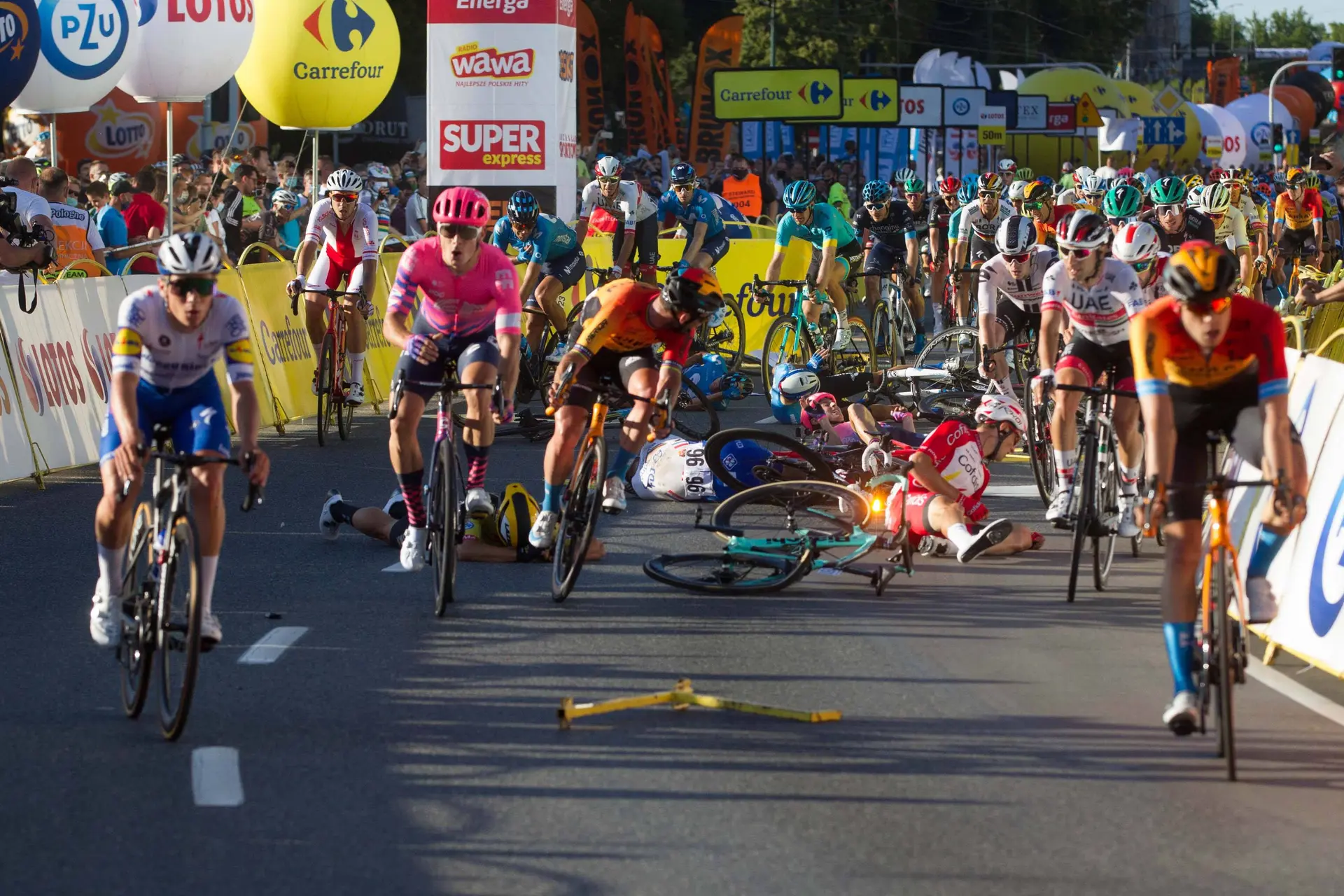
Below the World Tour, salaries drop sharply. ProTeam riders
are not bound by the same minimums, and many earn under €100,000 per year. Some
earn less than €40,000. At the Continental level, pay often disappears
altogether.
There are 178 men’s Continental teams worldwide, with more
than 90 based in Europe. These squads are filled with young riders chasing
WorldTour contracts and older riders extending careers for personal reasons. At
this level, many of them essentially pay to compete.
Development riders often receive stipends of €10,000–€15,000
per year, if anything at all. Research into Continental teams found that most
European riders earn between €11,000 and €22,000 annually, with an average
closer to €14,000–€15,000. National regulations vary, with minimums around
€25,000 in France, €24,700 in Belgium, and as low as €3,600 in Italy.
As Mihkel Räim explained to Cyclingnews, “In our team we
have many youngsters who don’t receive a salary. There is no rule we have to
pay them… they get a bike, a place to live if they need it, food and prize
money. This is the deal for most young riders on European teams.”
The financial strain at this level is significant. “I often
feel like riders are exploited for the love of the sport and sold a dream that
isn’t reality. It’s really unfair,” said one Continental rider.
British rider Harrison Wood described earning around €12,000
per year after dropping from the World Tour to a Portuguese Continental team.
“We lost a main sponsor at the start of the year, so we haven’t got the budget
we anticipated,” he said. “Without the sponsors I got for the Tour of Britain,
we wouldn’t have been able to make it to the start line.”
These stories underline how fragile professional cycling
careers can be once riders fall outside the World Tour structure.
7. Where a cyclist’s income actually comes from
Unlike sports built around prize money or individual
contracts, cycling is primarily salary-driven. A rider’s income typically comes
from several sources.
Team salary forms the foundation. To recap, WorldTour
contracts in 2026 range from the €44,150 minimum to €6–8 million for the biggest stars.
Most riders sit somewhere between €200,000 and €1 million, depending on their
role and results.
Prize money exists, but it is relatively small and usually
shared among the team. The Tour de France winner receives €500,000 from a total
prize pool of about €2.3 million, but that money is divided among teammates and
staff. Stage wins and one-day races add bonuses, but prize money is rarely a
primary income source.
Sponsorship and endorsements benefit only a small group of
riders. A globally marketable star can earn significant sums, with one estimate
suggesting Pogacar’s total income including endorsements could reach €10–12
million. Peter Sagan reportedly continues to earn around €2 million per year
from sponsorships and for being an ambassador. For most riders, personal sponsorship income is
minimal.
Additional income can come from appearance fees, post-Tour
criteriums, speaking engagements, media work, and increasingly social media.
These streams can supplement salaries, particularly for high-profile riders,
but they are secondary for most of the peloton.
Read also
8. How cyclists' pay has changed over time
Cycling salaries have risen sharply over the past decade. In
the early 2010s, few riders earned more than €1 million. In 2026, dozens do.
The average World Tour salary has more than doubled since 2011, while minimum
salaries have climbed from around €30,000 to over €44,000.
This growth has been driven by increased sponsorship, new
investors, and a rapid rise in team budgets. The total men’s World Tour budget
pool rose from around €430 million in 2022 to approximately €570 million in
2026. As one observer put it, “big budgets buy the best riders and staff.”
Despite this growth, cyclists still receive no direct share
of television rights or race revenues, which belong to organisers. At one
point, the combined salary bill of all top teams was lower than that of a
single mid-tier European football club.
9. Gender pay and women’s cycling
One of the most significant changes in recent years has been
the introduction and rapid growth of minimum salaries in women’s cycling. In
2026, the Women’s World Tour minimum salary stands at €38,000 for veterans and
€31,768 for neo-pros. These figures are rising faster than the men’s minimums
as part of an effort to close the gap.
At the top end, women’s salaries remain far lower. The
highest-paid female riders are believed to earn in the low-to-mid six figures,
with reports that Demi Vollering was offered a contract approaching €1 million.
Average Women’s World Tour salaries are around €85,000 and increasing.
Below that level, the picture remains difficult. Surveys
found that many women outside the World Tour earn under €20,000 per year, and a
significant proportion receive no salary at all. The financial trajectory is
improving, but parity remains distant.

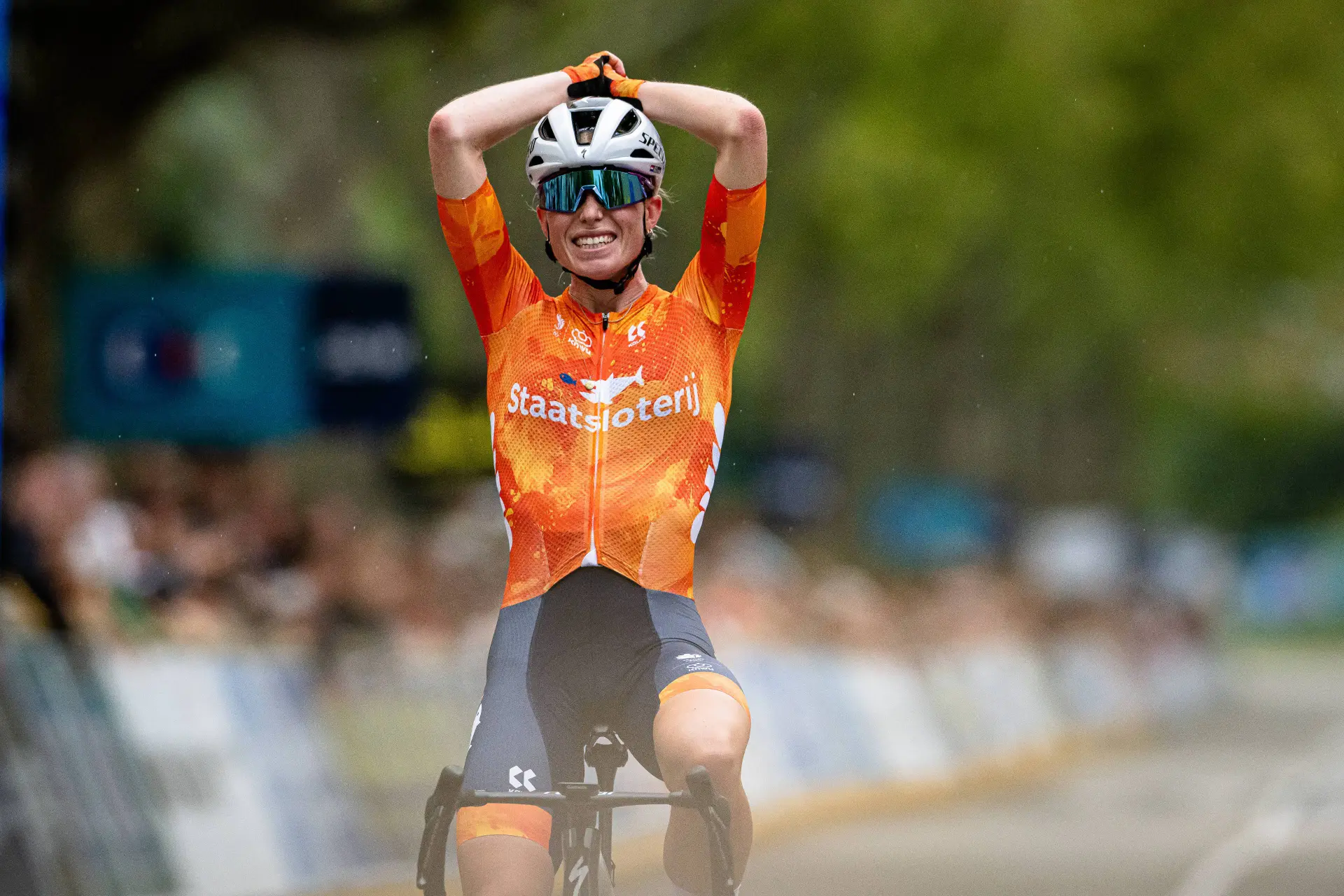
Demi Vollering races for FDJ - Suez, where she recieves the hgihest salary in the women's peloton. @Imago
Frequently Asked Questions:
How much does a professional cyclist make in 2026?
In 2026, World Tour professional cyclists earn anywhere from the UCI minimum of
around €44,000 per year to more than €7 million for the very top stars. Most
riders in the peloton earn well below the average, with salaries clustered
closer to the minimum than the top end.
Who is the highest-paid professional cyclist?
Tadej Pogacar is widely reported to be the highest-paid professional cyclist,
with a base salary estimated between €7 and €8 million per year as of 2026. His
total earnings increase further through personal sponsorships and bonuses.
What is the minimum salary for a World Tour cyclist?
The UCI minimum salary for a male World Tour rider in 2026 is approximately
€44,150, with a lower minimum for neo-professionals. Women’s World Tour riders
have a minimum salary of around €38,000.
Do professional cyclists earn money from prize money?
Prize money exists but is usually shared among the entire team, meaning
individual riders keep only a fraction. For most cyclists, prize money is a
bonus rather than a major source of income.
How do cyclists make money outside their team salary?
Top riders earn additional income through personal sponsorships, endorsements,
appearance fees, and media work. Lower-tier riders usually have limited or no
access to these opportunities.
How much do women professional cyclists earn compared to
men?
Women’s salaries are significantly lower than men’s, with top female riders
earning in the high six figures at most. The gap is narrowing as minimum
salaries rise and investment in women’s racing increases.
Do all professional cyclists earn a living wage?
Most World Tour riders earn a living wage, but many Continental and development
riders earn very little or nothing at all. Some riders at lower levels rely on
family support, sponsors, or second jobs.
How do cycling salaries compare to other sports?
Cyclists earn far less than athletes in football,
basketball, or tennis, even at the top level. However, cycling pays better on
average than many Olympic and endurance sports.
Is professional cycling financially stable for riders?
Cycling offers financial stability mainly for World Tour riders with secure
contracts. Outside the top level, careers are often short and financially
uncertain.
Are cycling salaries increasing over time?
Yes, both average and top salaries have increased
significantly over the past decade due to larger team budgets and stronger
sponsorship. The growth has been uneven, with most of the increase concentrated
among top riders.
Is professional cycling financially stable for riders?
Cycling offers financial stability mainly for WorldTour riders with secure
contracts. Outside the top level, careers are often short and financially
uncertain.
| Rider Level | Typical Salary Range |
| Top WorldTour Stars | €4 million – €8 million |
| Upper Mid-Tier WorldTour | €500,000 – €1.5 million |
| Core Domestiques (WorldTour) | €100,000 – €400,000 |
| WorldTour Minimum (veteran) | €44,150 |
| WorldTour Minimum (neo-pro) | €35,721 |
| ProTeam (2nd tier) Riders | €30,000 – €150,000 |
| Continental Team Riders | €0 – €25,000 |
| Women’s WorldTour Top Stars | €150,000 – €500,000 |
| Women’s WorldTour Minimum | €38,000 (veteran) |
| Development/Feeder Teams | €10,000 – €15,000 |

Fin MajorCycling Journalist
Fin Major is a UK-based writer at CyclingUpToDate and has been part of the team since 2024. He is the site’s main writer for FAQs and evergreen explainers and has written around 2,000 pieces for the platform. Alongside this work, he focuses on in-depth analysis and covers the biggest races on the calendar, including the Tour de France, the Giro d’Italia, and La Vuelta a España, providing clear context around performance trends, tactics, and key storylines.
In his reporting, Fin uses reputable data sources such as ProCyclingStats for results, statistics, and historical context. He places strong emphasis on careful sourcing, editorial accuracy, and updating articles promptly when new, verified information becomes available. Outside of writing, Fin is an active cyclist, which supports his practical understanding of the sport and its demands.
claps 14visitors 14
Just in

Popular news
Latest comments
- Such a soft spot for Vine. To watch him come from the Zwift Academy to the levels he is at, now, is incredible. Always rooting for a Vine win.anonymouscyclist27-10-2026
- glad you're still making it happen!mij27-10-2026
- With the exception of Axel Laurence, the rest are in their 30's. My opinion is I think, perhaps, we're beginning to see the effects of younger riders coming into the pro ranks. I believe we're going to see those effects in the coming years. All teams are looking for the next Pogi, Jonas & Seixas. Of course, Seixas hasn't proved himself yet. He's just a kid. I believe he will though. Remco is a strange case. I believe if he can overcome being erratic, he should wn a few Tours, What do you guys think?Paggss27-10-2026
- And, at 2% he'll still destroy the competition...Paggss27-10-2026
- I agree.Paggss27-10-2026
- I hear you, I'm 73 with C5 & C6 fused. Also, I'm two aortic valve replacements and three pacemakers down. Yea, Father time is catching up. I'm just glad I can ride at a good level. Uphills are not my favorite however, I love those downhills! I guess I give us 'old guys' some inspiration. :~ )Paggss27-10-2026
- Prove otherwise... I'm sure there's thousands of Glaswegians will be happy to tell you their version of it!slappers6627-10-2026
- they should allow teams to add to the roster limit if they are adding riders in other disciplines. for example, you can have 30 road riders, 3 gravel, 3 mountain bike, 3 cyclocross. that way a team isn't penalized by losing road riders by expanding into other disciplines. of course it needs to be policed as does a team classify Pidcock, MVDP or WVA as cross, mountain, or what? But that is workable.mij27-10-2026
- great guy and a winner if he can stay healthy.mij27-10-2026
- Utter rubbish
 Rafionain-Glas27-10-2026
Loading
13 Comments