“If that’s why he stopped, I understand it very well” – Pro rider backs Simon Yates’ surprise retirement
Cycling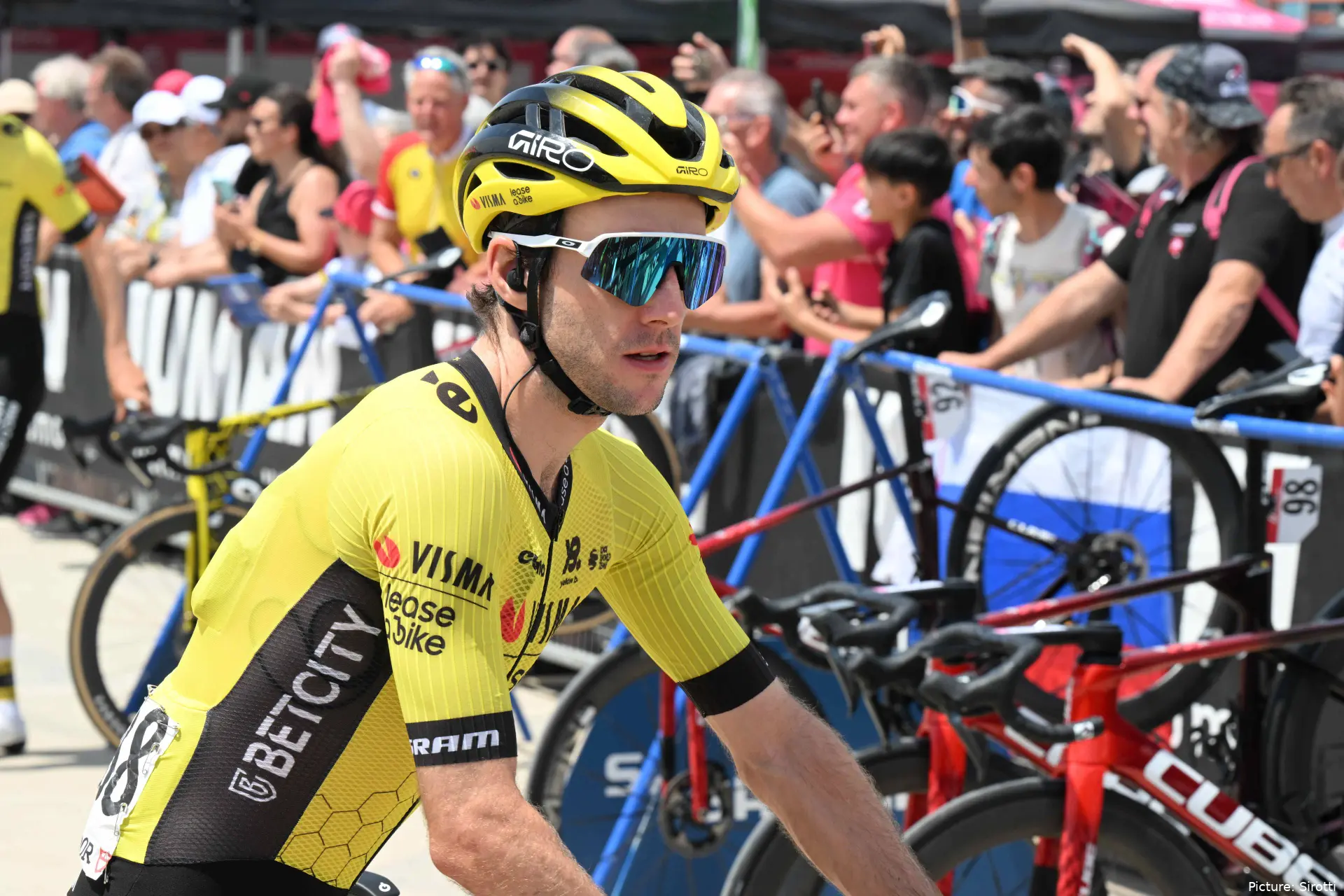
Simon Yates’ decision to walk away at the peak of his powers has split opinion. Some see a rider leaving too early. Others see someone who chose the right moment.
One of the clearest defences of Yates’ choice has come from inside the peloton. Speaking to In de Leiderstrui, Sjoerd Bax argued that if Yates stopped because of the sheer demands of modern cycling, then the decision makes complete sense.
“If that is the reason he is stopping, as people think, then I understand that very well,” Bax said. “He will probably be set for money and want to spend more time at home. Then I get that. If you are a cyclist now and you have children, there is very little time left for that.”
Yates has never publicly pointed to one single reason. In his own statement he said he had been thinking about stopping “for a long time”. But Bax’s words give shape to one explanation that has kept resurfacing since the retirement was announced.
What riders are really being asked to do
For Bax, the question is not whether riders are well paid or successful. It is what the lifestyle actually looks like. “More and more is being expected of us,” he said. “You have to weigh your food all year round, you have to do heat training, and even if you don’t have races for a while, you have to go to altitude or into an altitude tent…”
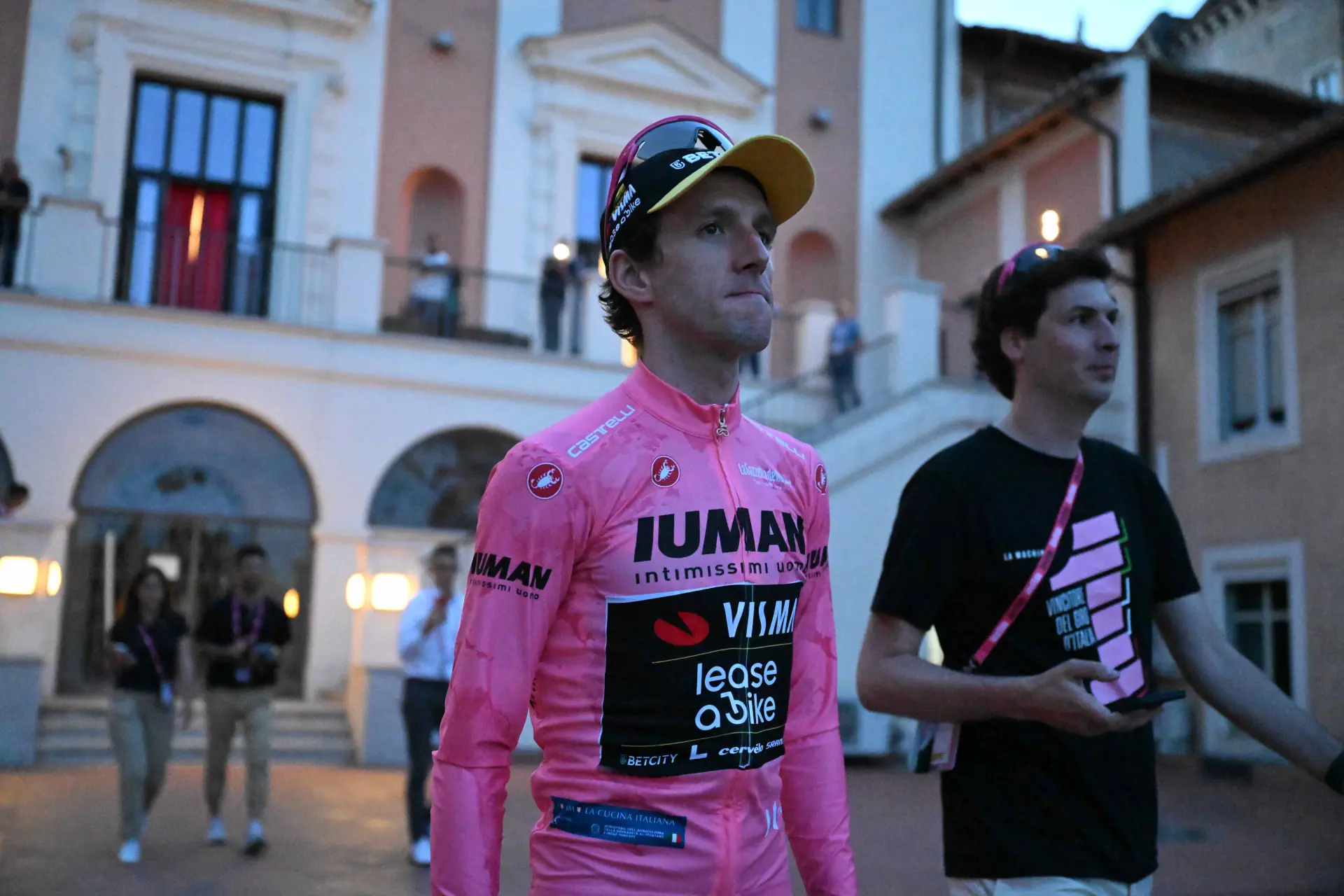
That description fits closely with what has been said around Yates’ final season. He won the Giro d'Italia, then went straight into Tour de France preparation and still managed to take a stage. By the end of the year he had barely slowed down, even though he later said the idea of stopping had been in his head for a long time.
The public saw a rider still winning. What they did not see was how heavy the daily routine had become.
Why older riders feel it differently
Bax also drew a line between generations in the peloton. “From the juniors they know nothing different. It is kind of normal to just do all of it,” he said. “I also come from a generation that maybe first went on altitude camp when we were 23. Then it is very strange to suddenly be doing it constantly. As an older rider you have to reshape yourself. That can be difficult in some ways.”
Yates is not a young rider breaking into the sport. He is someone who has lived through its transformation. From track racing at the Manchester velodrome to winning Grand Tours in an era of heat chambers, altitude tents and constant monitoring, his career has spanned two very different versions of cycling.
That is why Bax’s words land so sharply. They are not about one bad season or one bad team. They are about a sport that now demands total commitment, all the time.
Ending at the top
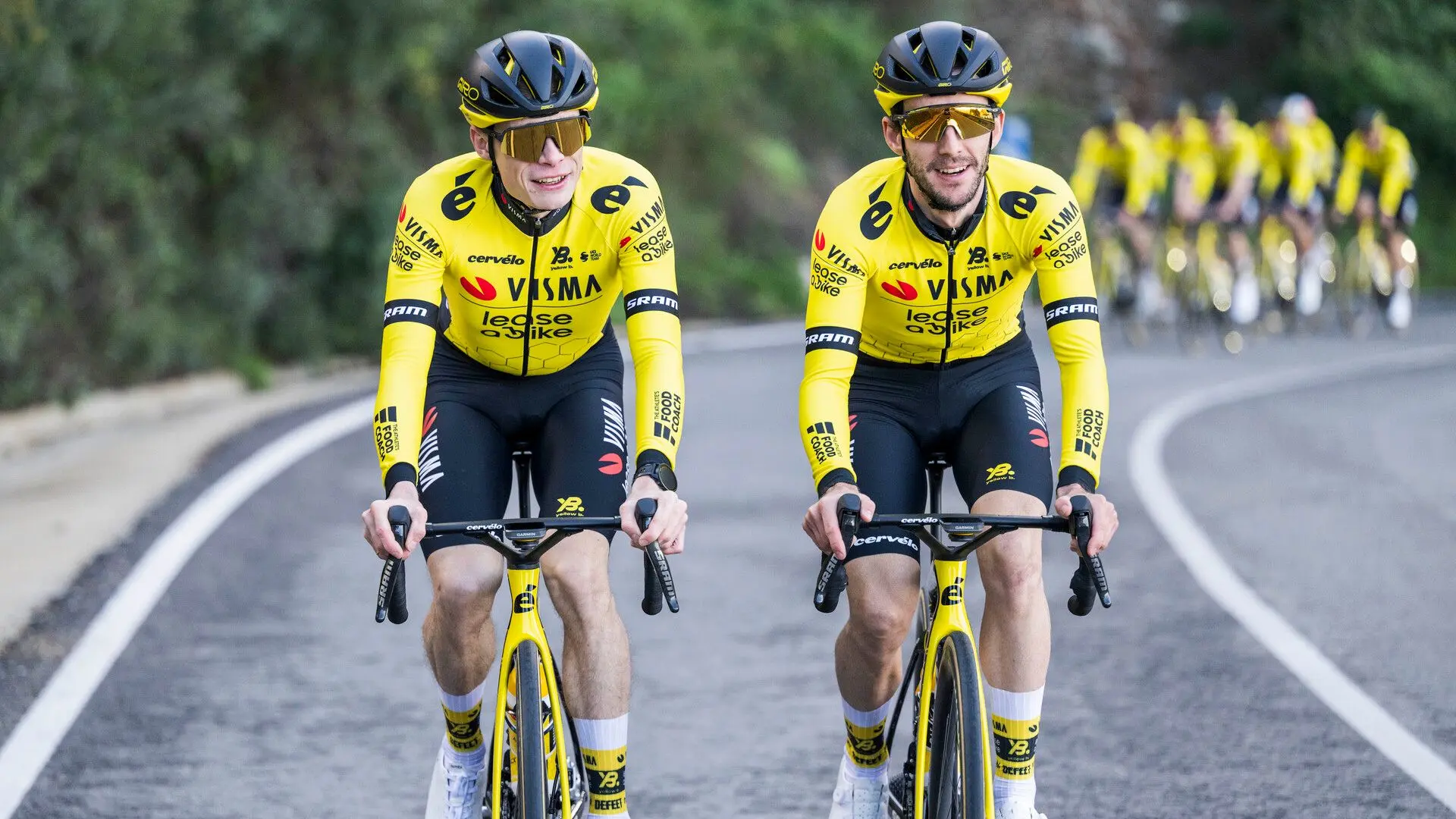
Yates did not leave because he could no longer compete. He left after winning the Giro and then a Tour stage in the same season. Team Visma | Lease a Bike themselves described his final year as one of their major successes.
Other riders, including Jonas Vingegaard and Wout van Aert, have spoken about how close they have come to burnout. Emil Axelgaard has argued that Visma had “reason to be unhappy” with how late Yates made his decision. The timing has clearly created problems for the team.
Bax looks at it from the rider’s side. It is not a romantic explanation. It is a practical one. A life of constant control, constant sacrifice and constant expectation eventually forces a question: how long do you want to keep living like this?
For Simon Yates, that question appears to have had an answer long before the public ever saw it.

Kieran WoodDeputy Editor-in-Chief
Kieran Wood is a sports journalist based in Wales and has been active in journalism since 2022. He regularly contributes to DartsNews.com and CyclingUpToDate.com, where he covers professional cycling and darts. In cycling, his work includes liveblogs from major races, including the Tour de France, the Giro d’Italia, and La Vuelta a España, alongside race reports and analysis. He has also conducted interviews with professional riders.
His reporting spans the full racing calendar, from one-day classics to stage races, with a focus on accurate, real-time coverage and clear contextual analysis. For statistics, results, and historical context, he regularly uses resources such as ProCyclingStats. To support reporting on rider activity and training context where relevant, he also references Strava.
In his work, Kieran places strong emphasis on careful sourcing, editorial accuracy, and updating articles as new, verified information becomes available.
claps 4visitors 3
Just in
Popular news
Latest comments
- This aged badly…anonymouscyclist10-10-2026
- Come on Seixas! This will be transforming for the young Frenchman’s career if he wins this…anonymouscyclist10-10-2026
- I know, news flash - a Dad isn’t a baby sitter. he is a parent. I can only assume something was lost in translation.mij10-10-2026
- Primoz is so chill, his attitude is amazingmij10-10-2026
- Primoz is so chill, his attitude is amazingmij10-10-2026
- I hope they work for him and the team gives him a chance.mij10-10-2026
- I hope he gets MSR next yearmij10-10-2026
- Not for me now ;-) Because now that you have after all gone into some detail I have new questions (though maybe not ones you can answer) What is considered the official finish seeing as the drawn finish line is not infinitely thin. Is it the front, middle or back (I suppose the front seeing as that is the easiest to use for distinguishment)? I can imagine there is more imprecision in the straightness of the drawn line than the line of view for the apparatus, a couple of mm of tolerance accross the width of a road seems almost impossible to stick to with physical colour on typical surfaces so are riders not enlightened that it isn’t the actual paint that counts but the photo finish, that they should only consider tve line as an aiming target? Are moving and static objects treated separately or are they automatically created together?Mistermaumau10-10-2026
- congrats to him - that win did come from nowheremij10-10-2026
- congrats to him - that win did come from nowheremij10-10-2026
Loading
Write a comment