"I didn't hesitate for a second" - Campenaerts returns to action world championships mixed relay
Cycling
This Wednesday at the World Cycling Championships in Kigali, the mixed relay will take center stage. The format, often viewed with a hint of skepticism compared to the sport’s more established disciplines, has nonetheless drawn committed riders who believe in its potential. Among them are Belgium’s Victor Campenaerts and Julie Van de Velde, both eager to take on the challenge and to highlight the teamwork required in such a demanding event.
The race covers 41.8 kilometers, split between three men and three women. First, the male riders line up, before handing the effort over to the female trio. Every changeover must be timed with absolute precision, and the profile of the course, rolling terrain and the inevitable cobbled climbs, adds layers of complexity. More than a simple race against the clock, it is an exercise in coordination and strategy.
For Belgium, the men’s contingent is led by Victor Campenaerts, joined by Florian Vermeersch and Jonathan Vervenne. On the women’s side, Marieke Meert, Tess Moerman, and Julie Van de Velde will carry the flag. It is not a lineup considered among the outright favorites, with countries like Australia and Italy expected to set the pace, but the Belgian riders are clear that the value of this race goes beyond medals alone.
"I didn't hesitate for a second"
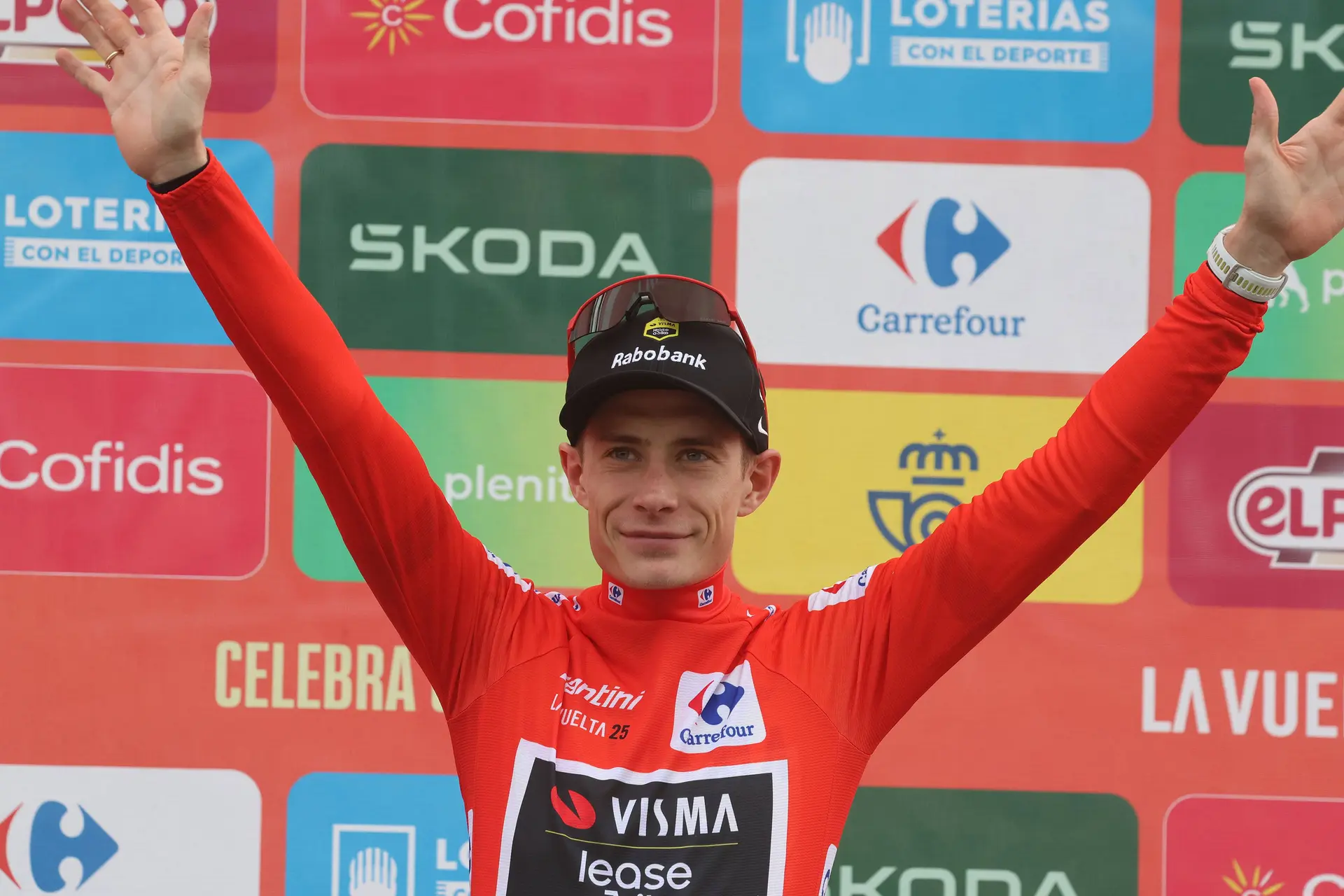
Campenaerts has long defended the mixed relay, speaking openly about his belief that it belongs on the world stage. “When the coach called me, I didn't hesitate for a second. I told him I was willing to participate,” he said. Despite acknowledging the toughness of the Kigali circuit, the Belgian remains confident: “We know it will be difficult, but we'll give our best.”
While he is regarded as the strongest individual time trialist in the Belgian men’s team, Campenaerts is quick to share responsibility. The course finishes with a steep, cobbled ascent, a feature he believes may better suit Vermeersch. “The key will be to carry out the relays efficiently, which is fundamental in this race,” he explained. That efficiency is made harder by the fact the team has not been able to train together. “We haven't been able to do a real preparation, but we'll try to perform at our best,” Campenaerts admitted.
Though Belgium is not widely tipped for a podium, he sees the bigger picture. “It's an interesting discipline. I think it has a lot of potential, although it still needs time to gain in popularity.”
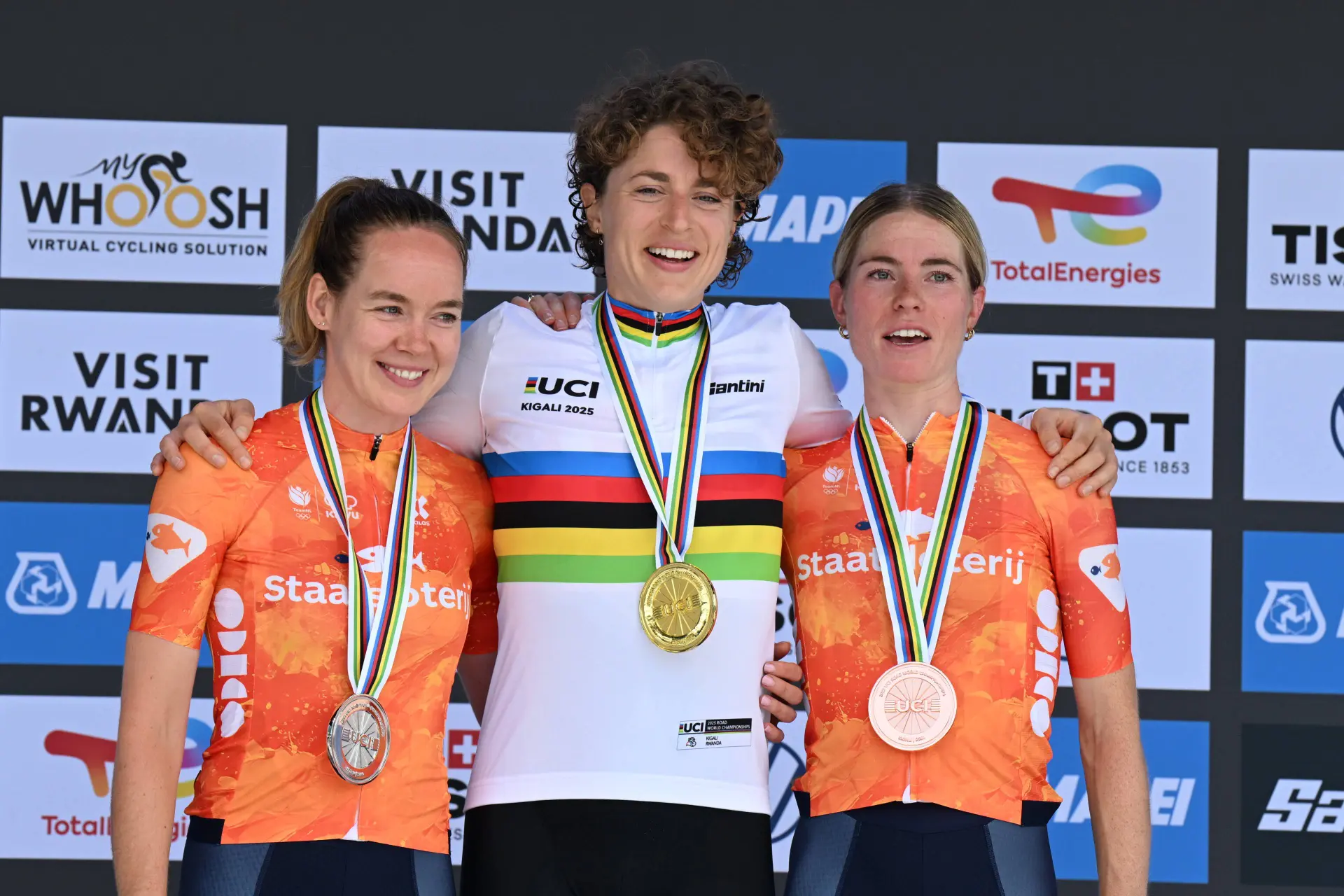
If Campenaerts represents the team’s experience and advocacy for the format, Julie Van de Velde brings fresh enthusiasm. This will be her second appearance in the mixed relay, having first raced it in 2019. That outing was anything but easy. “It was difficult, but I understand that it is part of the challenge. This year I'm really looking forward to it, it's special to be in a World Cup, and even more so in Africa,” she said.
Van de Velde also emphasized the need for trust and communication within the team. While Marthe Goossens, a likely partner, will not be competing, the focus remains on how the group works together. “The key will be communication. We must be able to tell each other if someone is going too fast or if we need to adjust the pace. Everything must be done without resentment, with the sole objective of getting the best out of each other,” she explained.
The Belgian squad arrives in Kigali realistic about their chances but motivated by the opportunity. Campenaerts and Van de Velde echo the same belief: that the mixed relay deserves its place in the cycling calendar, even if it is still winning over its critics. Whether they stand on the podium or not, the effort on Wednesday will test their coordination, endurance, and, most of all, their ability to race as a true team.
Read also

Fin MajorCycling Journalist
Fin Major is a UK-based writer at CyclingUpToDate and has been part of the team since 2024. He is the site’s main writer for FAQs and evergreen explainers and has written around 2,000 pieces for the platform. Alongside this work, he focuses on in-depth analysis and covers the biggest races on the calendar, including the Tour de France, the Giro d’Italia, and La Vuelta a España, providing clear context around performance trends, tactics, and key storylines.
In his reporting, Fin uses reputable data sources such as ProCyclingStats for results, statistics, and historical context. He places strong emphasis on careful sourcing, editorial accuracy, and updating articles promptly when new, verified information becomes available. Outside of writing, Fin is an active cyclist, which supports his practical understanding of the sport and its demands.
claps 1visitors 1
Just in

Popular news
Latest comments
- You could also look at it another way. How many riders have had better or more consistent results since the Tour?Jumpyjohn19-10-2026
- Whilst I love Tadej (and Remco, who deserves to be mentioned here, too), @JumpyJohn makes a valid point, and he isn’t wrong @MajorPayne. It is a fact that today’s official broadcasters of cycling struggle to keep our attention once the likes of Tadej (or Remco) attacks at ~80km or so. In the 142nd issue of Rouleur, Ned Boulting reflects on the often stressful paradox of commentating on a race that is effectively over before the broadcast window even hits its stride. In this edition, he centres on Remco’s 1hr solo at the Challenge Mallorca this year, and captures the panic and dread shared by the commentators when a dominant rider kills off the racing tension early. I recommend you read it, it’s a fascinating insight into the world of commentary, and the true viewing figures of today’s cycling. I must add here, I love Tadej and Remco, but I would be lying if my heart rate wasn’t higher when watching the World Championships this year. And I’m sure Rob Hatch would say something akin regarding his commentary!anonymouscyclist19-10-2026
- The shattered women’s marathon record was clean and highly surprising and then a few months later the athlete was very positive in another test for something not taken by mistake when recording far less impressive results. Sounds to me like the problem is still the age old one, detection is often way behind. Just like with crime, it’s not because you can’t catch the criminals that you aren’t aware of the crime.Jumpyjohn19-10-2026
- Listen, you have a point but on the other hand in cycling, once some of the riders go solo and build a minute’s gap, there’s hardly any action left to watch. Cycling is definitely not for today’s generations of accelerated viewing. Other people find skydiving or chess exciting but you can’t force everyone to feel the same.Jumpyjohn19-10-2026
- That’s a funny one. Yeah obviously he’s more aero than some but most of the aero effect at elite level is the bike. Now you have me starting to feel sorry for the guy behind him when he pulls a groupetto.Jumpyjohn19-10-2026
- Knew a World Tour promotion was coming for Ben this season. Thrilled for him, and can't wait to see what he can do at this level. Another one to watch at the TTs.anonymouscyclist19-10-2026
- It honestly breaks my heart to see this. I had a feeling this might happen over the last few years, but I kept praying it wouldn't, and that Joey would find his niche, especially back racing alongside his brother. After growing up racing alongside PH-MAS, the Pidcock brothers have always felt like one of our own, as we’ve watched them grow from Club level all the way up to PC and WT. I wish Joey nothing but the best of luck in whatever he does next, but selfishly… I do wish for him to move into the role of Q36.5 team staff.anonymouscyclist19-10-2026
- Predictable, sure! But boring??? OMG! Was Mike Tyson predictable and boring in his prime? Air Jordan? Schumacher or Senna? OMG!!!MajorPayne19-10-2026
- how it is "We’ve taken another big step forward for next year" he just lost in lombardia to a 20 year old, and two 30+ year olds. and not even top 10 for WCRR.abstractengineer19-10-2026
- This is similar to Lebron. first he said i need to consult my family , my daughter, need respectable money blah blah blah and then dont care about family , dont care about money, only onion rings, am off to Philly, very very far from family. Off season should be with family more, no?abstractengineer19-10-2026
Loading
1 Comments