“When you’re dealing with pollution, that’s a whole other problem” - Chris Horner on why favourites often falter at the World Championships
Cycling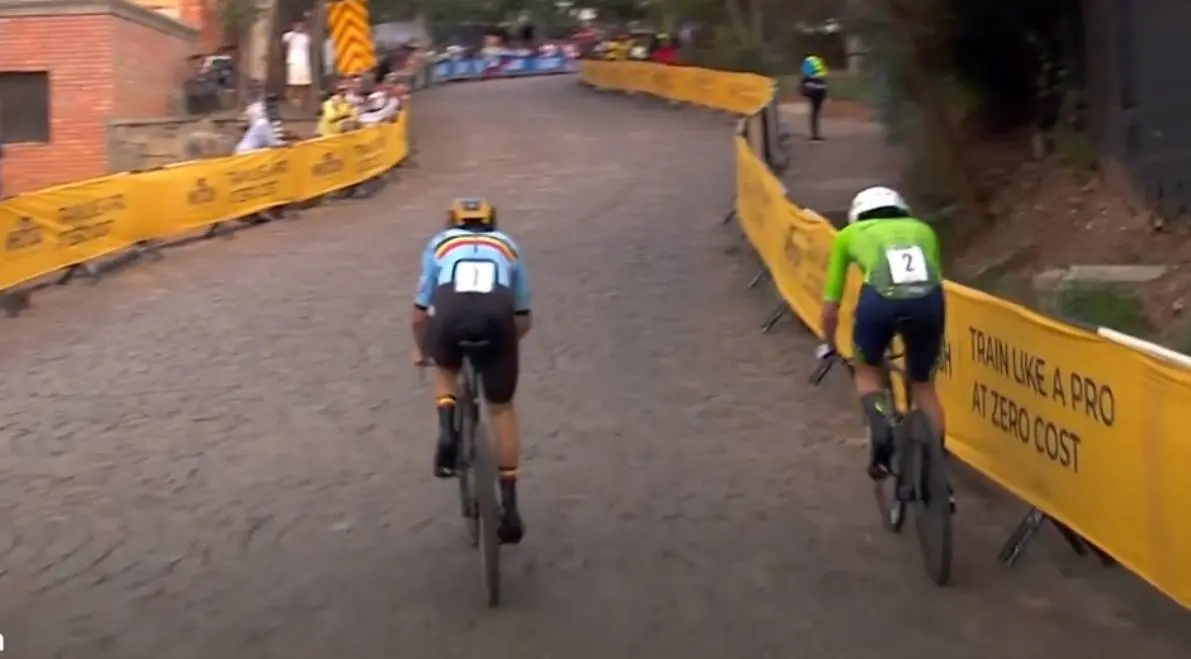
The World Championships are rarely predictable. History has
shown that the riders who dominate in grand tours and classics often find
themselves vulnerable on the one-day global stage. This year in Rwanda, the
men’s and women’s time trials reinforced that pattern once more. Marlen Reusser
crushed the women’s field to finally claim her long-awaited gold, while Remco
Evenepoel added a third consecutive rainbow jersey in the men’s event. Yet some
of the pre-race favourites, Tadej Pogacar and Demi Vollering among them, were
unable to produce their very best despite strong results on paper.
Former Vuelta champion Chris Horner believes the answer lies
not in form or talent but in the unique challenges that the World Championships
present. On his “Beyond the Coverage” podcast, Horner argued that everything
from air quality to national-team logistics can derail even the strongest
riders. “When you’re watching these Road World Championships, you’ve got to
understand that it’s quite a bit different from anything we would experience
with our normal trade teams throughout the season,” he said.
Air quality and the body’s reaction
The Kigali course was demanding enough on its own, but
Horner pointed out that riders were facing a less visible opponent. “We know
that there are some air quality issues here in Rwanda. We’re racing in Africa.
And we know that the air quality is always above about 100 or hovering just
above or just under the 100 air quality status.”
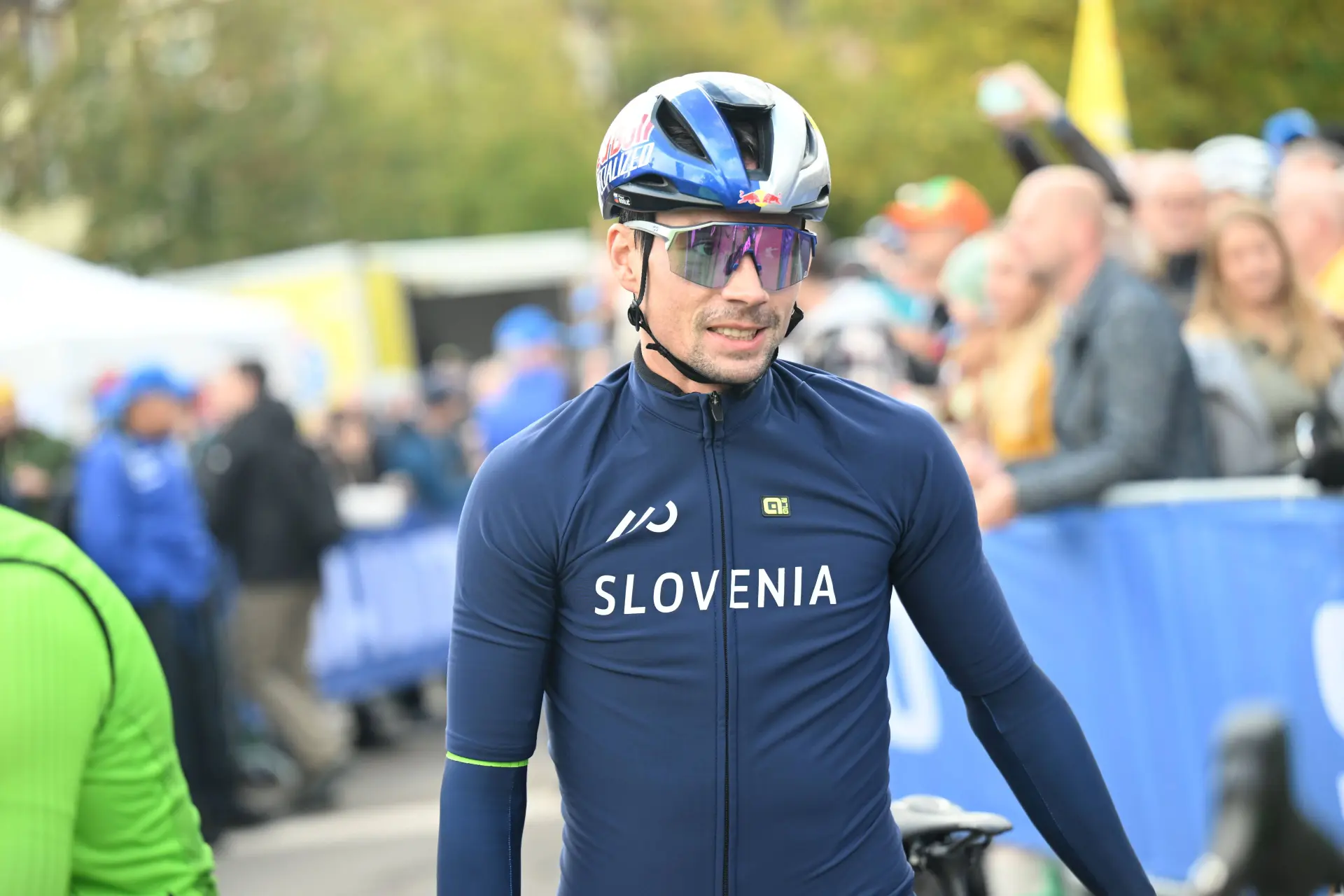
Several riders admitted the smog and dust had affected them.
“Urska Zigart, the fiancée of Tadej Pogacar, brought up air quality and how
much they were coughing afterwards,” Horner said. Vollering too acknowledged
that it was an unusually hard day, saying after her time trial “the air quality
is different here of course, but I didn’t struggle too much with the heat
itself. My heart rate was just really high today, and I need to sit down,
review everything and see what it was. But I think everybody struggled. If I
can be third with these legs, then it shows how hard it was for everyone.”
Horner stressed that the nature of time trial racing made
this issue even more acute. “In the individual time trial, when you’re going to
a foreign place with air quality issues, and once you’re going 100%, you don’t
have the ability, like in a team time trial, to back that throttle off and get
the body back under control, because you’re going to end up losing too much
time.”
Pogacar caught out
The men’s race produced one of the most dramatic images of
the week: Evenepoel catching Pogacar on the final climb. For Horner, the
explanation was simple. “When you see Remco Evenepoel catching Tadej Pogacar in
an individual time trial, it just means that he was really bad from the start
and couldn’t find the legs, the ability to back the throttle off to get good
again without losing too much time.”
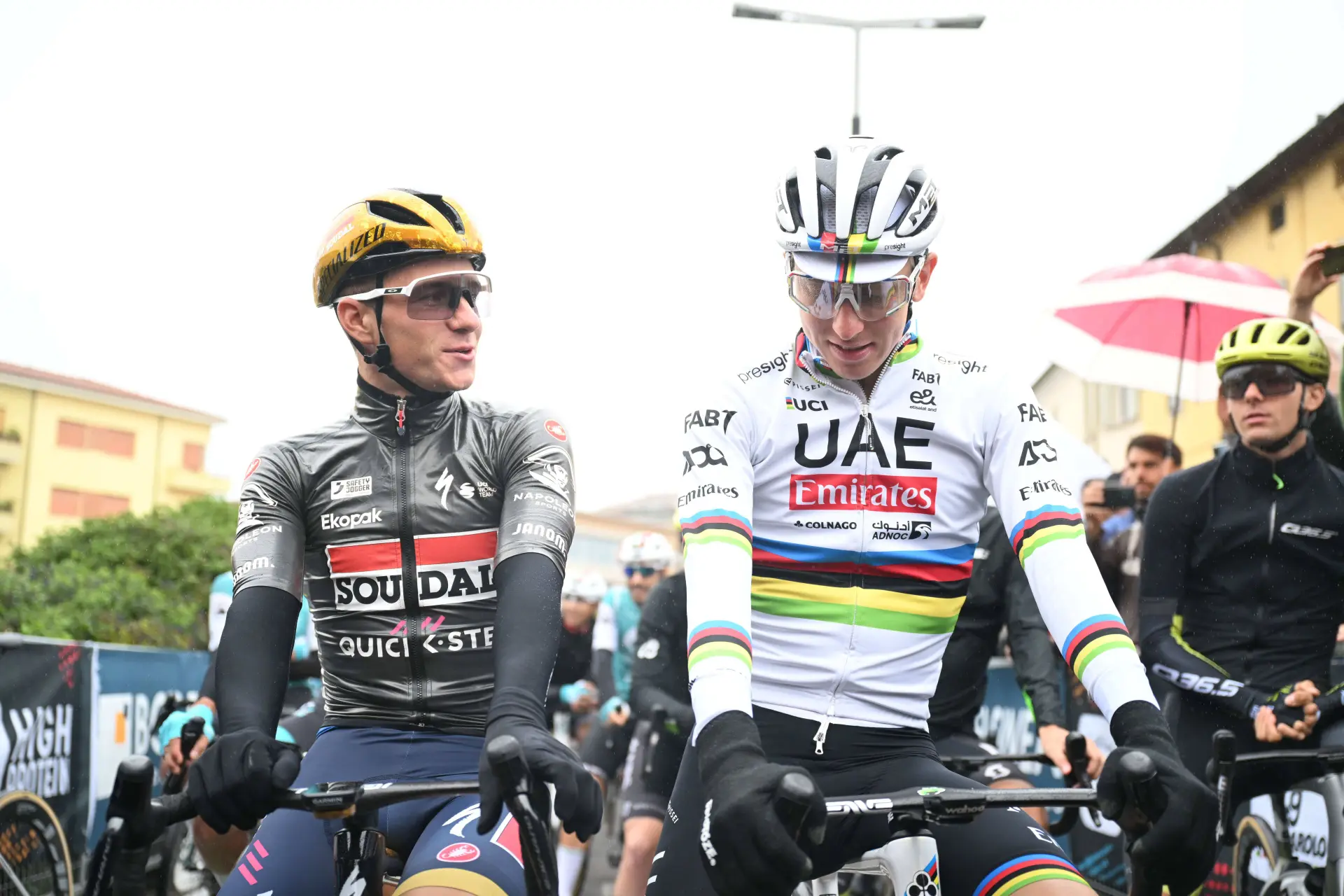
Pogacar himself admitted the disappointment. “It’s a hard
one to swallow, for sure,” he said afterwards. “But it’s Remco – he’s just so
good in this discipline. Hopefully he gave 100% today and will only be 99%
ready for us next Sunday.”
Belgium’s team doctor Kris van der Mieren offered another
possible explanation, “Maybe the jet lag is still in his body. If that clears
in a week, it could be in his favour. But if not, then I think he’ll struggle
on Sunday against a super Remco Evenepoel.”
For Horner, the physiological issues go hand in hand with
the disruption of routine. Riders spend nearly their entire season with trade
teams that know their habits inside out. At Worlds, everything changes. “Every
staff member is not used to working with you personally. For me, most of the
time when I was racing domestically and certainly over in Europe, I liked a
certain training regimen that always had to be the same.”
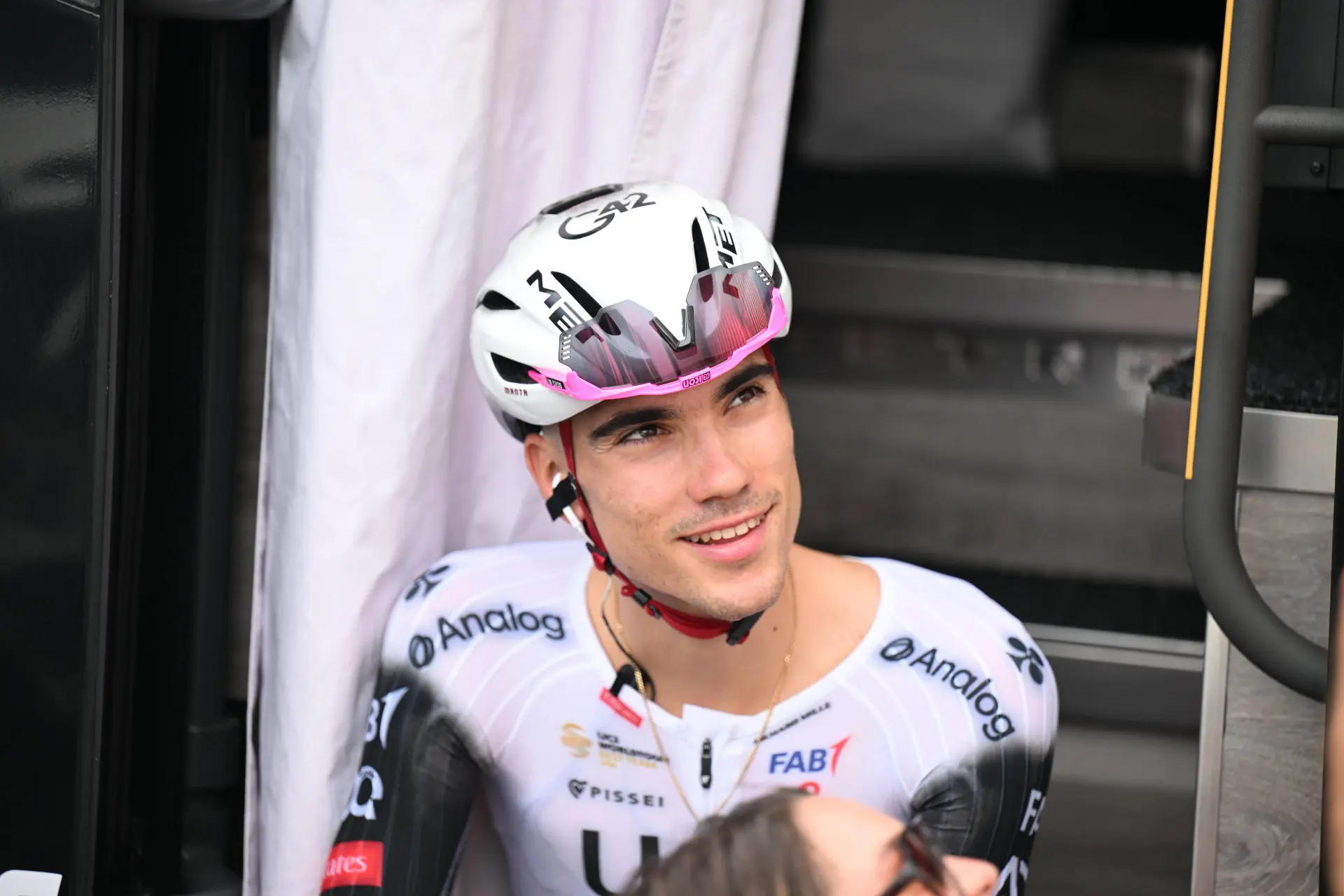
The struggle to train properly
The podcast repeatedly returned to the question of
preparation. Riders like Vollering and Pogacar arrived in Rwanda only a few
days before their races, and training on unfamiliar roads quickly became a
challenge. “When we’re talking about Urska’s interview, she said that they need
to find some calm roads to train on. That is another problem when you’re
leaving your trade team and leaving the European cycling areas where you’re
used to racing.”
Australian Jay Vine voiced similar concerns. Horner
connected the dots: “When we start looking at all these interviews and bringing
them together, the men’s and the women’s, you look at the interview from Jay
Vine, and he’s talking about how they need to be able to find the roads to
train on too. If Jay Vine’s talking about finding quiet roads, that means that
before the individual time trial championships, most likely nobody got the
training in that was 100% ideal to what they’re used to doing.”
The result was that even top contenders felt off balance
from the very start. “An experienced rider like Anna van der Breggen, when we
look at her interview, we know that she had to back the throttle off, stay
steady, and she was still able to get the silver medal. But that’s done on
experience. If you come in younger, you could start to misread the changes and
everything that’s happening around you, and all of a sudden you can’t find
those quiet roads. You can’t get the training in, and your training can disappear
in four days’ time.”
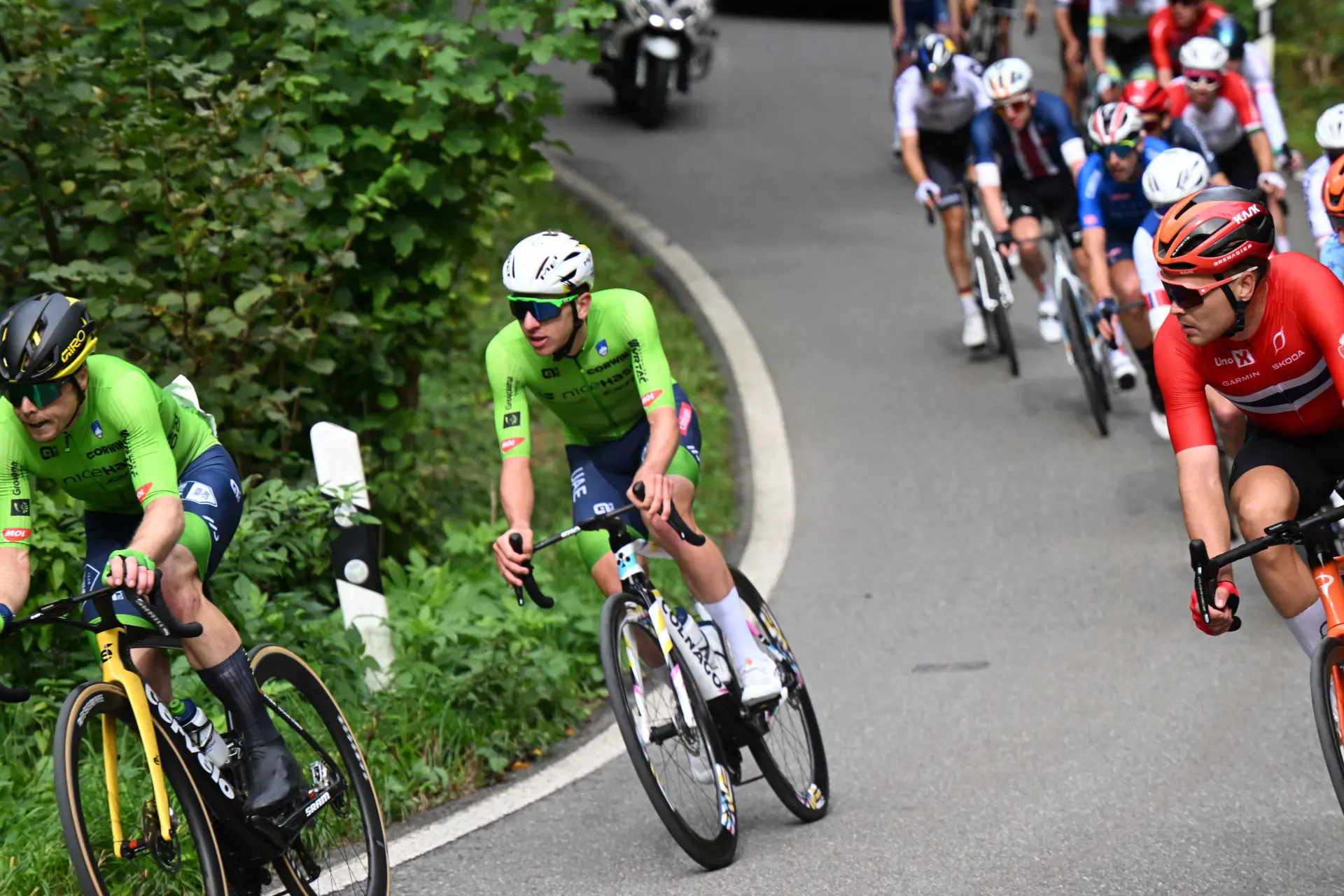
Horner emphasised that environmental conditions are only one
piece of the puzzle. At Worlds, riders are pulled from their familiar trade
teams and placed in national squads that may lack the same cohesion. “If you’re
arriving early and you’re coming in three or four days before the individual
time trial, staying the whole week until the road race finishes the next
weekend, that means you have to be able to find some kind of normality in your
routine, in your daily routine and in your training routine. And it’s very
complicated.”
He illustrated the problem with a personal anecdote. “Every
staff member is not used to working with you personally… I can remember when I
won the Vuelta a España in 2013, I showed up for the World Road Championships
just two weeks later. And in the race, directly in the race, I’m having one of
my teammates go back and grab me a Coke and a Snickers from the car and nobody
thought to bring any Snickers.”
For Horner, such lapses highlight how different Worlds can
feel compared to the rhythm of a normal season. Even small disruptions in food,
training, or equipment can snowball into major performance gaps.
Read also
This is why Horner sees experience as decisive in coping
with Worlds. Riders like van der Breggen, who has lived through numerous peaks
and troughs in her career, are able to recognise danger signs early and adjust
pacing. Younger riders, however, can easily misread their form or push too hard
too soon. “An experienced rider like Anna van der Breggen… had to back the
throttle off, stay steady, and she was still able to get the silver medal. But
that’s done on experience.”
What it means for the road races
The unpredictability of the time trials has only heightened
intrigue ahead of the road races. Horner warned that the dynamics of the Worlds
peloton will look very different from a grand tour or a monument. “Aside from
everything else I’ve already told you, there are going to be fewer bigger teams
able to control the road races. And whether or not those teams will work
together is something else we’ve got to figure out altogether, too.”

Fin MajorCycling Journalist
Fin Major is a UK-based writer at CyclingUpToDate and has been part of the team since 2024. He is the site’s main writer for FAQs and evergreen explainers and has written around 2,000 pieces for the platform. Alongside this work, he focuses on in-depth analysis and covers the biggest races on the calendar, including the Tour de France, the Giro d’Italia, and La Vuelta a España, providing clear context around performance trends, tactics, and key storylines.
In his reporting, Fin uses reputable data sources such as ProCyclingStats for results, statistics, and historical context. He places strong emphasis on careful sourcing, editorial accuracy, and updating articles promptly when new, verified information becomes available. Outside of writing, Fin is an active cyclist, which supports his practical understanding of the sport and its demands.
claps 0visitors 0
Just in
Popular news
Latest comments
- Campenaerts looked like a rolling pumpkin with that all orange leaders skinsuit !frieders318-10-2026
- He can take his dumb a$$ politics somehwere else !frieders318-10-2026
- good to have her back. fingers crossed she‘ll be able to stay!Ketterechts17-10-2026
- A tenner and he wins the Tour next year, too 😂anonymouscyclist17-10-2026
- the answer is either stick to classics or GTs but not bothabstractengineer17-10-2026
- the exodus already stared with Ciccone. Already they were struggling with two sprinters, now there are three. Also Ganna will demand leadership. Gall is the most proven GC, Ayuso has the most potential. GC leadership for everybody will be impossible. Literally a UAE style mess without pogi.abstractengineer17-10-2026
- I raced as an amateur for 12 years, including six years on my country’s national road cycling team. I secured two national titles and competed in three World Championships plus more than 15 international stage races. At 23, we travelled to Italy for a training camp—or so I assumed. On a rest day, we watched a presentation about adopting a more “professional” training approach. It was crystal clear what “professional” meant. That moment first exposed me to this dilemma. After returning from Italy, I left cycling—at least at the competitive level I had known. Over the following two years, the whole team was caught doping. I hold that everyone is innocent until proven guilty. In my view, current stakeholders operate on a different scale, and the sums involved are vast. I am unsure whether any doping would ever be revealed. I try to stay positive and enjoy the show. My 2c.
 vannpelt17-10-2026
 - Fiver he wins 🤣
 leedorney17-10-2026
 - “…measures to reduce speeds.” Might as well shorten the race course to just 50km as well? ASO generates at minimum €300m a year and 30- 40% profit. Maybe stop being greedy and spend more of the profit to protect the riders instead.b3tlla17-10-2026
- he also had quite the life off the bike during his pro years. he used his celebrity status to full affect.mij17-10-2026
Loading
1 Comments