DISCUSSION | Catalunya stage 3 & Tour of Bruges - Echelons, chaos, crashes, Evenepoel & Vingegaard
Cycling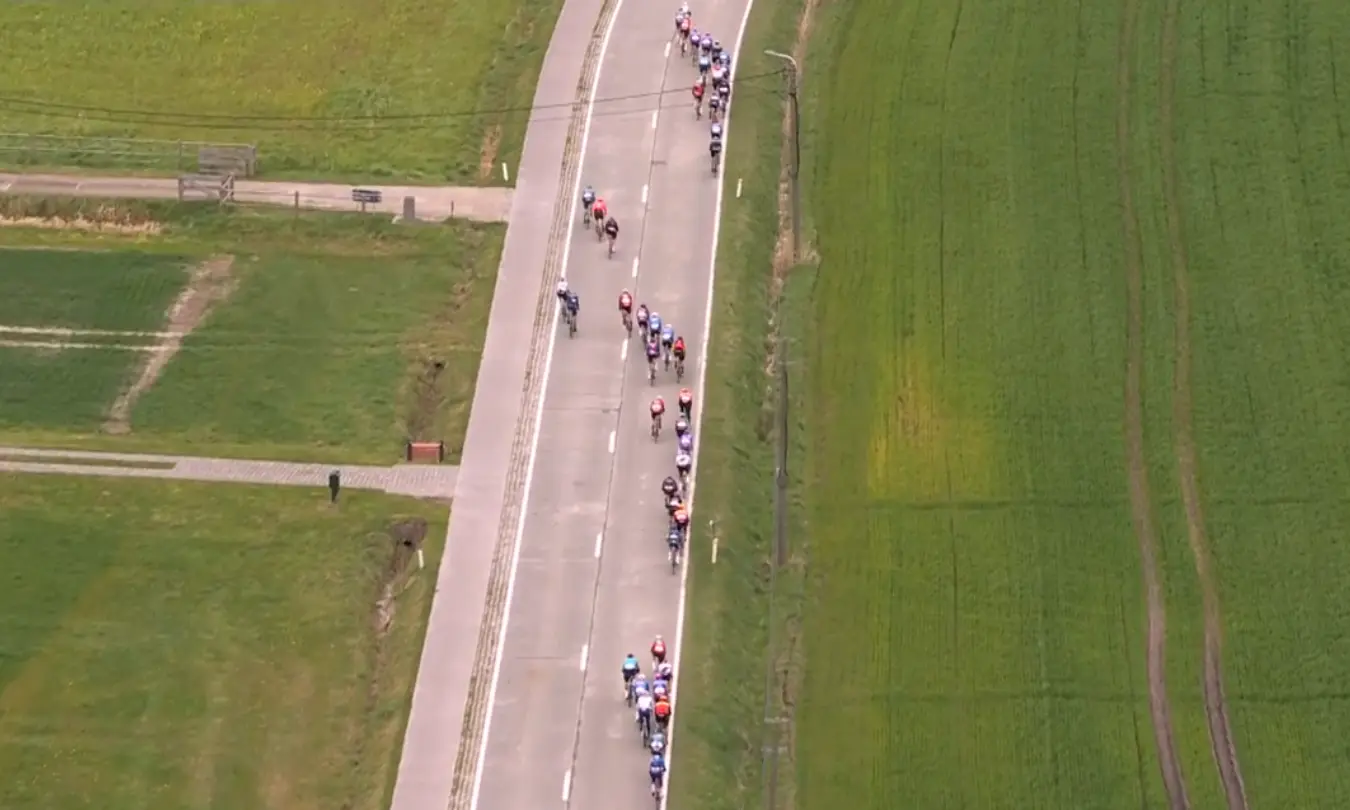
Stage 3 of the Volta a Catalunya featured the toughest route of the race so far, with three classified climbs and over 2,000 metres of elevation before a flat run-in to Vila-Seca that suggested another sprint finish, although the strong wind later turned the stage into something far more chaotic.
A six-man breakaway went clear shortly after the start, including Baptiste Veistroffer, Diego Uriarte, Reuben Thompson, Yago Aguirre, Josh Burnett and Mark Stewart. Veistroffer once again dominated the mountain points, extending his lead in the classification by taking maximum points on the Alt de la Mussara, Coll de Capafons and later the Coll Roig.
The break never gained more than four minutes, with Ineos Grenadiers controlling the pace behind, later joined by Red Bull-Bora-Hansgrohe and Visma-Lease a Bike. The gap steadily came down, and the escape was caught with around 30 kilometres remaining.
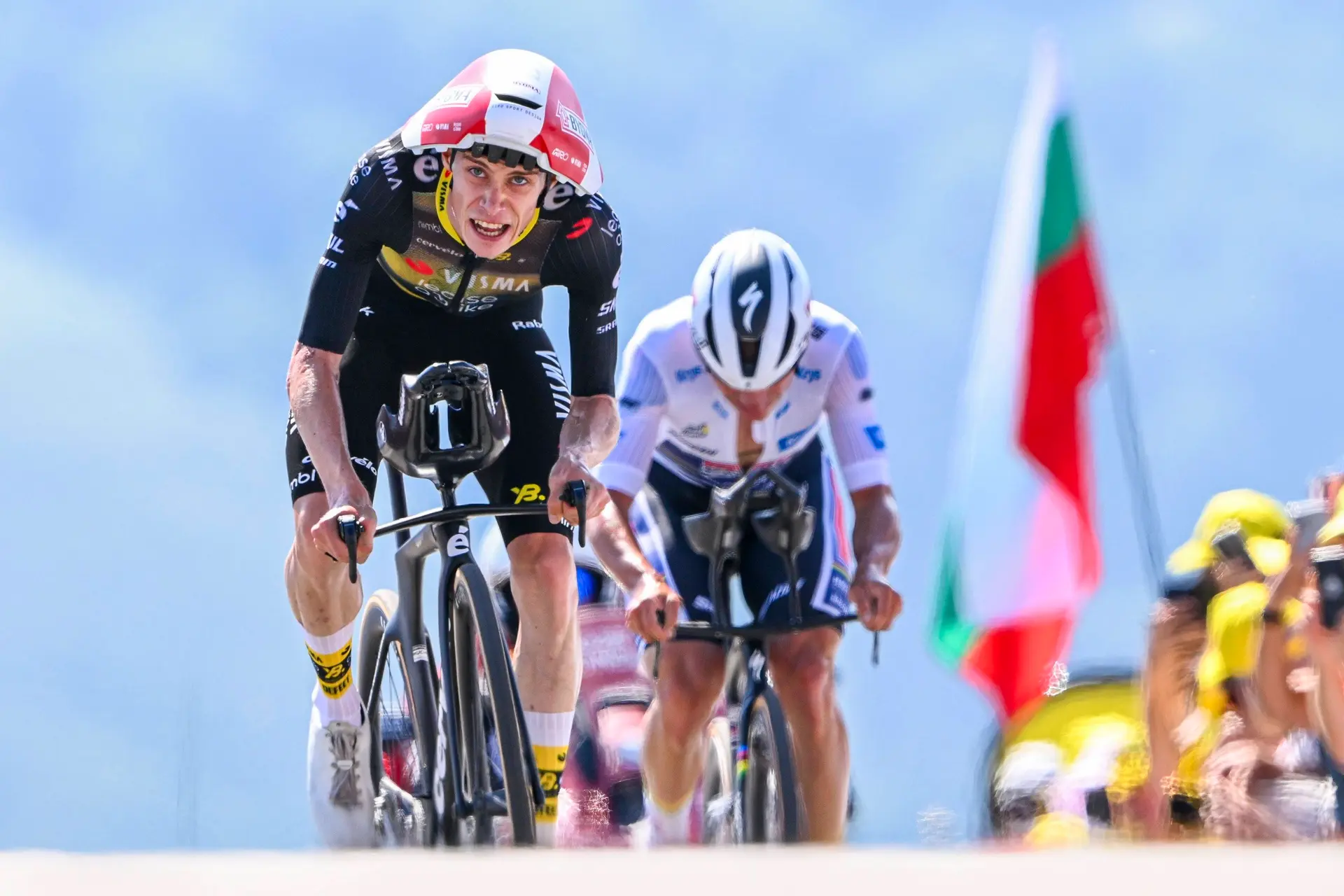
Shortly after the catch, crosswinds split the peloton. Red Bull - Bora - Hansgrohe and Team Visma | Lease a Bike forced the pace and Remco Evenepoel launched a surprising move, quickly followed by Jonas Vingegaard. Several riders, including João Almeida, were briefly caught behind before the groups came back together in the chase.
Evenepoel and Vingegaard continued to push on the front, building a small but dangerous advantage and even taking bonus seconds at the intermediate sprint in Reus. Behind them, multiple teams organised the chase but struggled to fully close the gap.
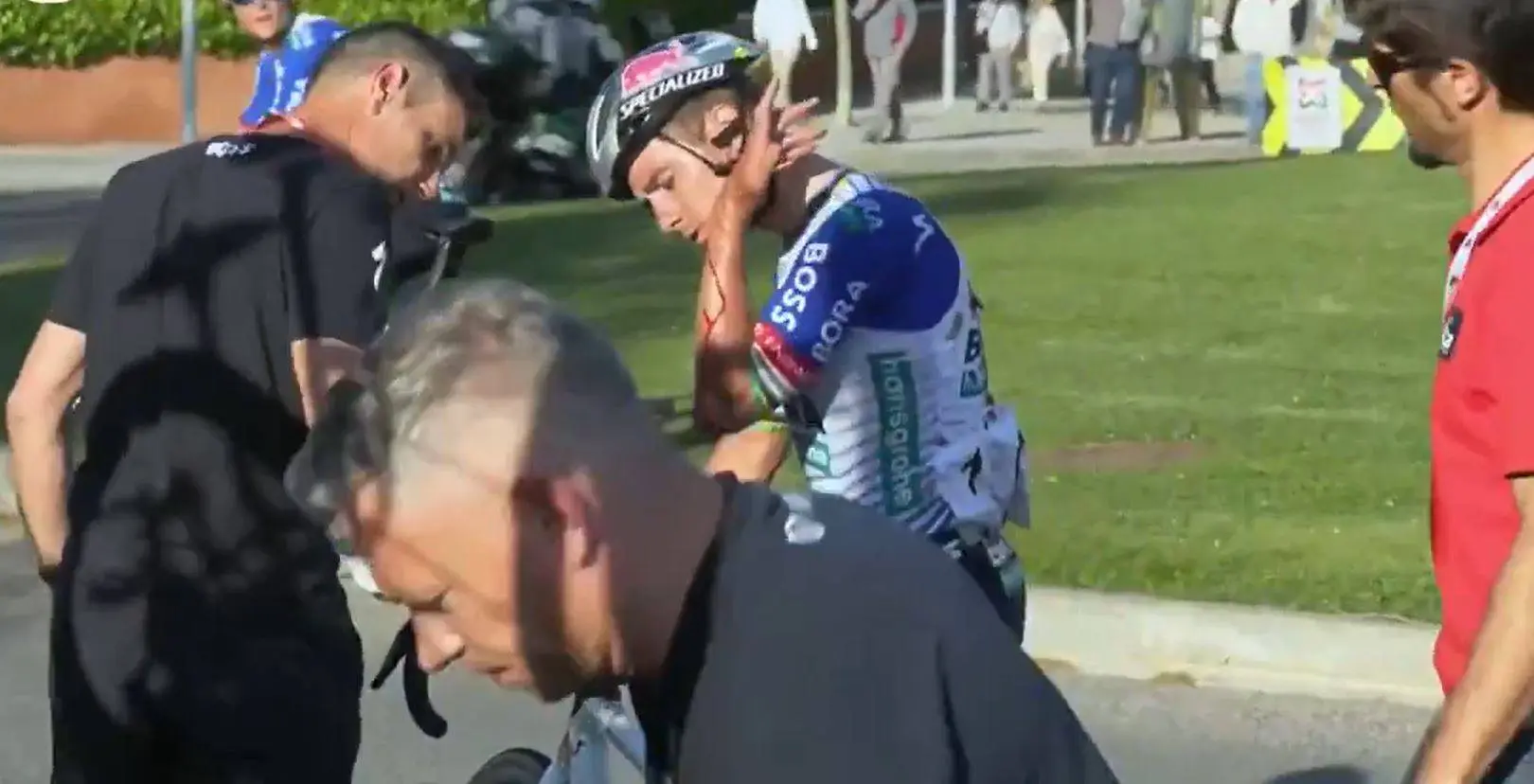
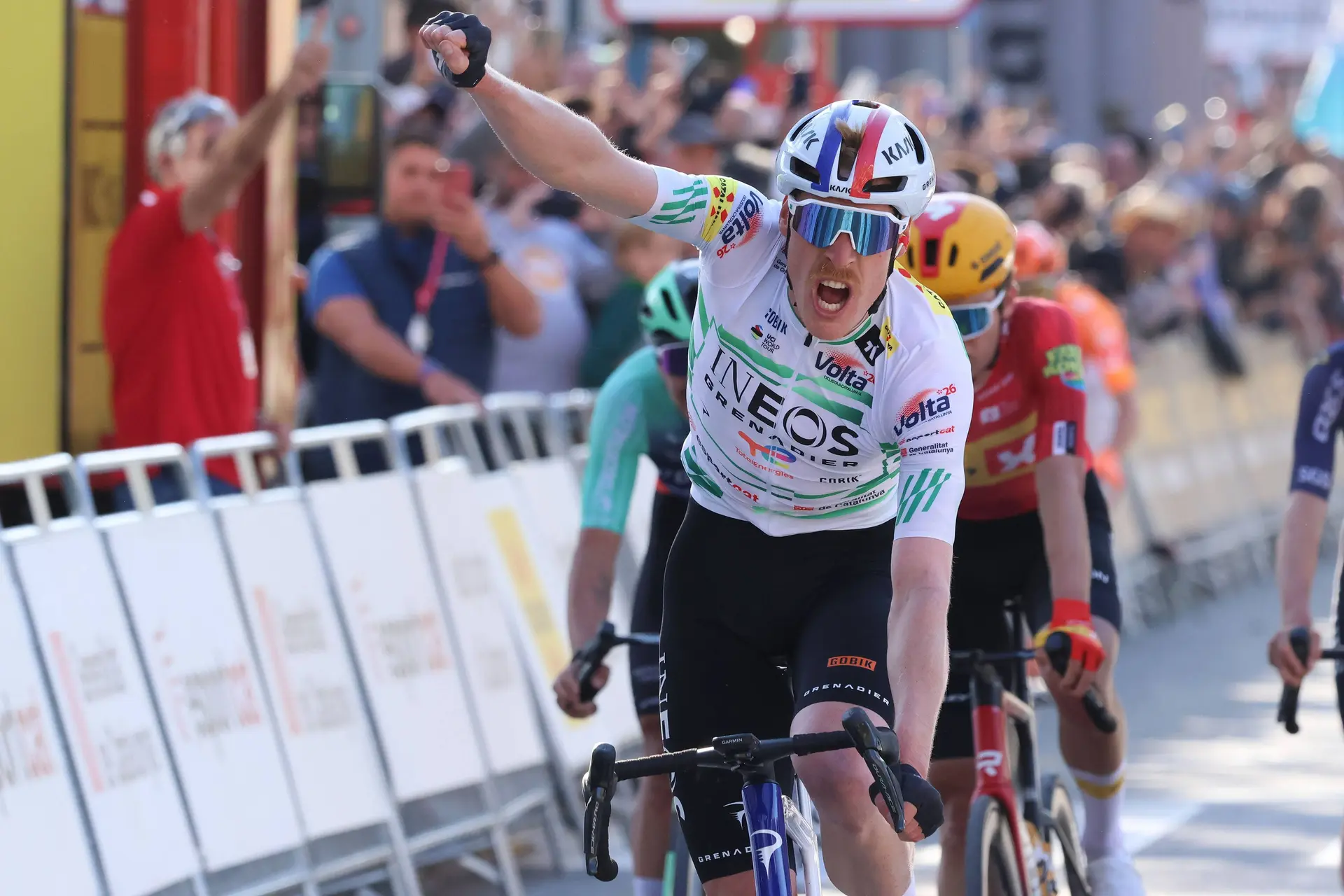
The pair entered the final kilometres still ahead, but the stage ended in dramatic fashion. With around 500 metres to go, Evenepoel crashed on the approach to a roundabout, ending his chances of winning the stage. Vingegaard slowed after the incident and was quickly caught by the peloton, allowing Dorian Godon to sprint to victory once again.
After the stage, Dorian Godon kept the race lead, while Remco Evenepoel and Jonas Vingegaard remained close in the general classification after a day heavily influenced by wind and late drama.
Tour of Bruges
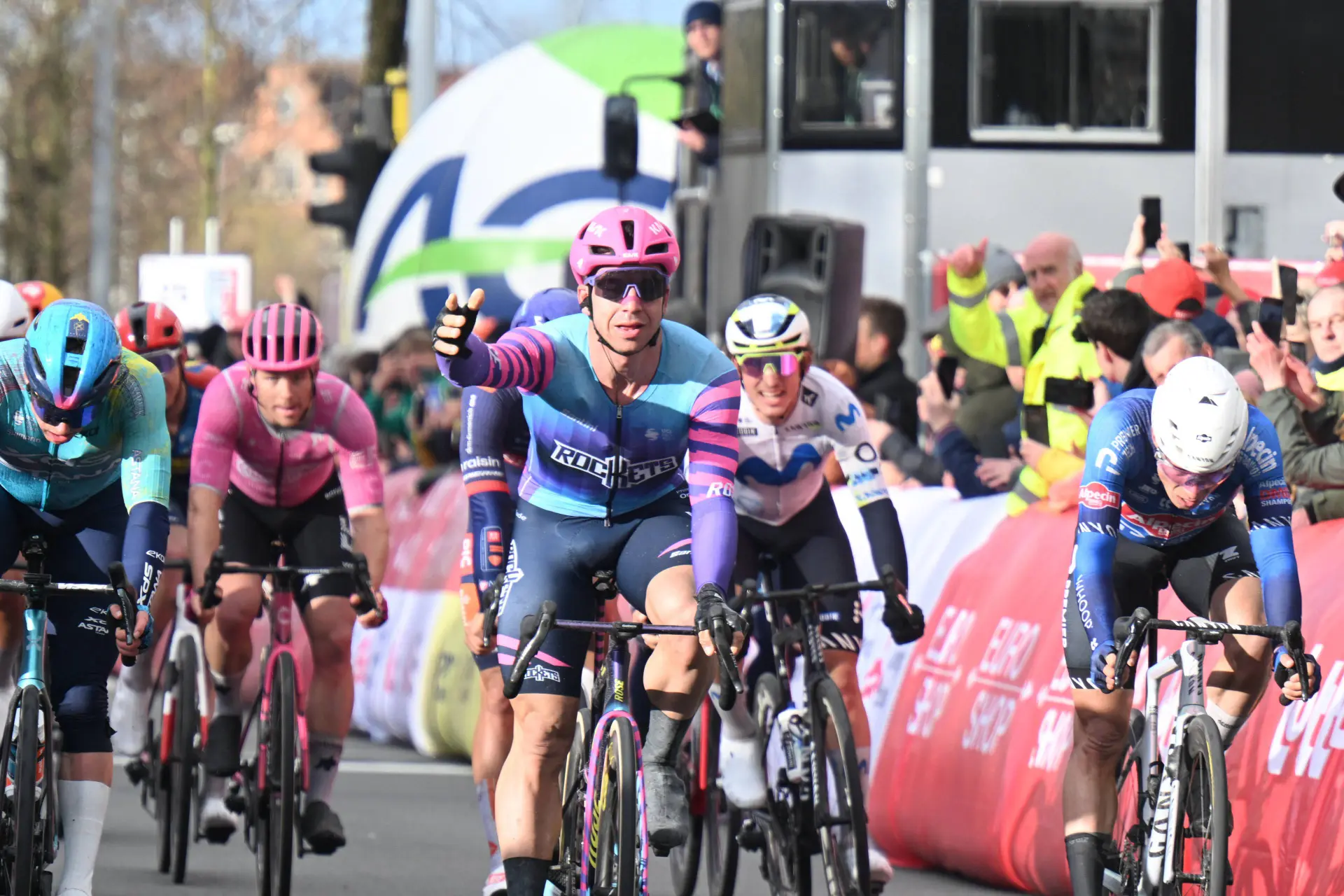
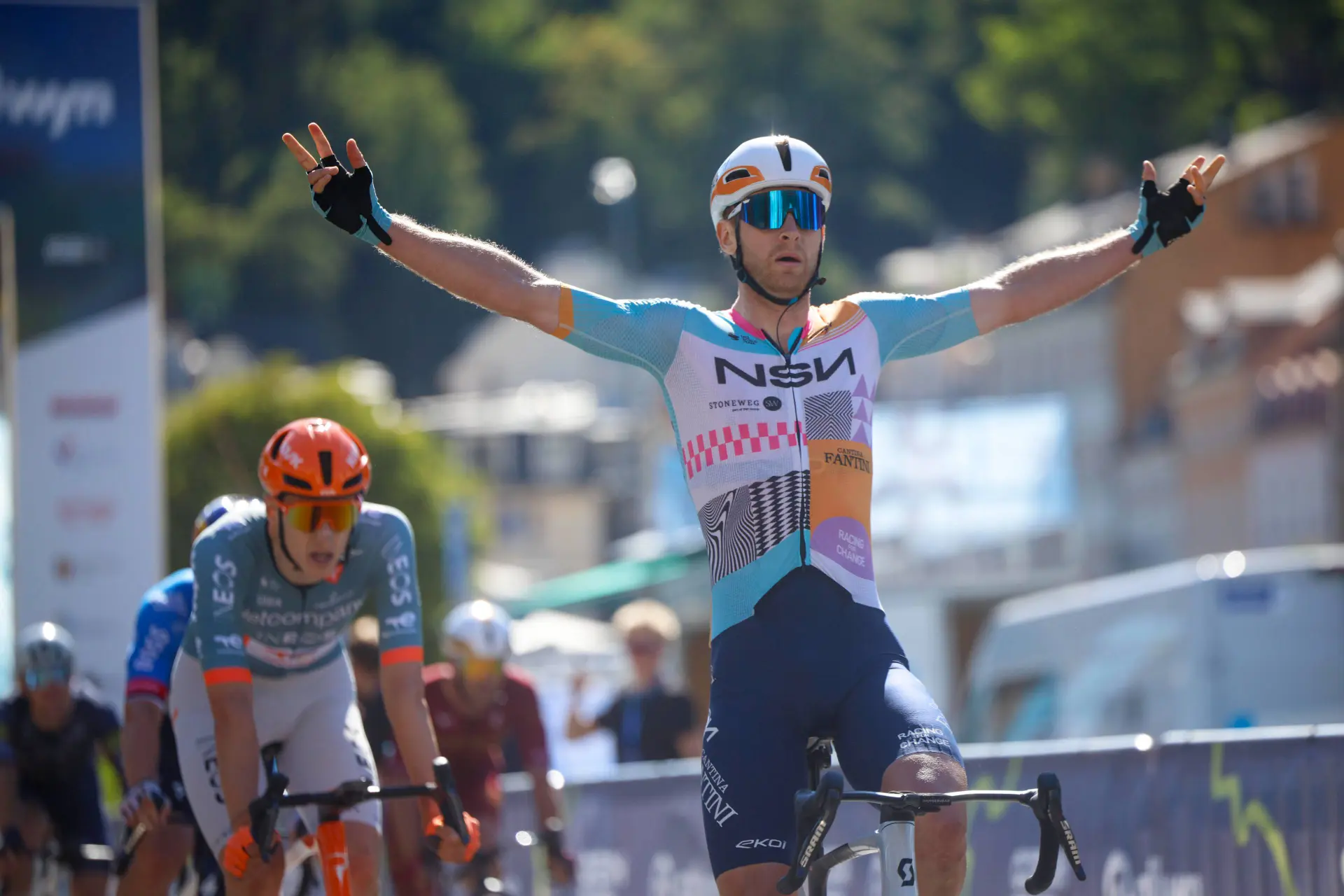
The Ronde van Brugge - Tour of Bruges was once again defined by strong crosswinds and high speed from start to finish, with the race eventually ending in the expected bunch sprint on the streets of Bruges, where Dylan Groenewegen delivered a major victory for Unibet Rose Rockets.
The wind made the race nervous throughout the day, constantly threatening to split the peloton. Instead of a traditional breakaway, the race saw several short-lived attacks and small groups forming, especially in exposed sections where the crosswinds caused repeated echelons.
Crashes also played a role, with several riders hitting the ground in the tense fight for position. With no climbs on the route and the sprinters’ teams fully committed to controlling the race, the pace stayed extremely high all day, keeping the peloton under pressure.
Despite the wind, a relatively large group reached the final kilometres together in Bruges. Late attacks from Davide Ballerini and Max Walscheid tried to surprise the sprinters, but the bunch quickly brought them back.
In the final sprint, Alpecin Premier - Tech delivered Jasper Philipsen in a perfect position, but Dylan Groenewegen timed his effort better and powered past in the last metres to take the win.
It marked the biggest victory in the history of Unibet Rose Rockets and confirmed that Groenewegen is returning to top form, following his recent success at GP Jean Pierre Monseré, while Jasper Philipsen had to settle for second after a very tight sprint.
Carlos Silva (CiclismoAtual)
Watching Stage 3 of the Volta a Catalunya and the Tour of Bruges on the same day felt like seeing two completely different versions of modern cycling, yet both races were decided by the same element: wind.
In my opinion, these two races perfectly showed how unpredictable today’s racing has become, but also how small details, positioning and decisions can completely change the outcome.
In Catalunya, the stage looked hard on paper, with over 2,000 metres of climbing and three classified ascents, but the flat finish suggested that the GC riders would stay quiet and the sprinters would have their chance.
That is exactly the kind of stage that often ends up being more dangerous than a mountain finish, because everyone thinks it will be controlled, until something unexpected happens. And this time, the wind changed everything.
The real race started after the break was caught, when the crosswinds split the peloton. In my opinion, this is the kind of moment that separates good riders from great riders.
Positioning becomes more important than power, and the riders who are alert can gain seconds without even attacking. Seeing Remco Evenepoel move together with Jonas Vingegaard was one of those moments that reminds you how aggressive the top riders are today.
At the same time, the fact that João Almeida was briefly caught behind shows how cruel these situations can be. One second of hesitation, one rider in the wrong place, and you are chasing instead of attacking. That is modern cycling, and in my opinion it makes the sport more exciting, but also more stressful for the riders.
The crash of Evenepoel in the final kilometre was the perfect example of how chaotic these stages can become. I respect the fact that Vingegaard slowed after the crash, because it shows sportsmanship, but at the same time it also shows how fragile a winning situation can be. One roundabout, one mistake, and everything changes.
If Catalunya showed the chaotic side of modern racing, the Tour of Bruges showed the other side: pure speed, constant tension and the importance of positioning from the first kilometre to the last.
On paper it was a simple race with no climbs, but with strong wind in Belgium there is never such a thing as an easy race.
What I found interesting in Bruges was that there was no traditional breakaway controlling the early part of the race. Instead, the wind itself controlled everything.
The peloton was nervous all day, with small splits, attacks and crashes, but never a moment of calm. These are the races that look simple in the results sheet, because they end in a sprint, but in reality they are some of the hardest days for the riders.
The sprinters’ teams kept the pace extremely high, and that meant nobody could really go clear. In these conditions, the strongest teams usually decide the race, and that is exactly what happened.
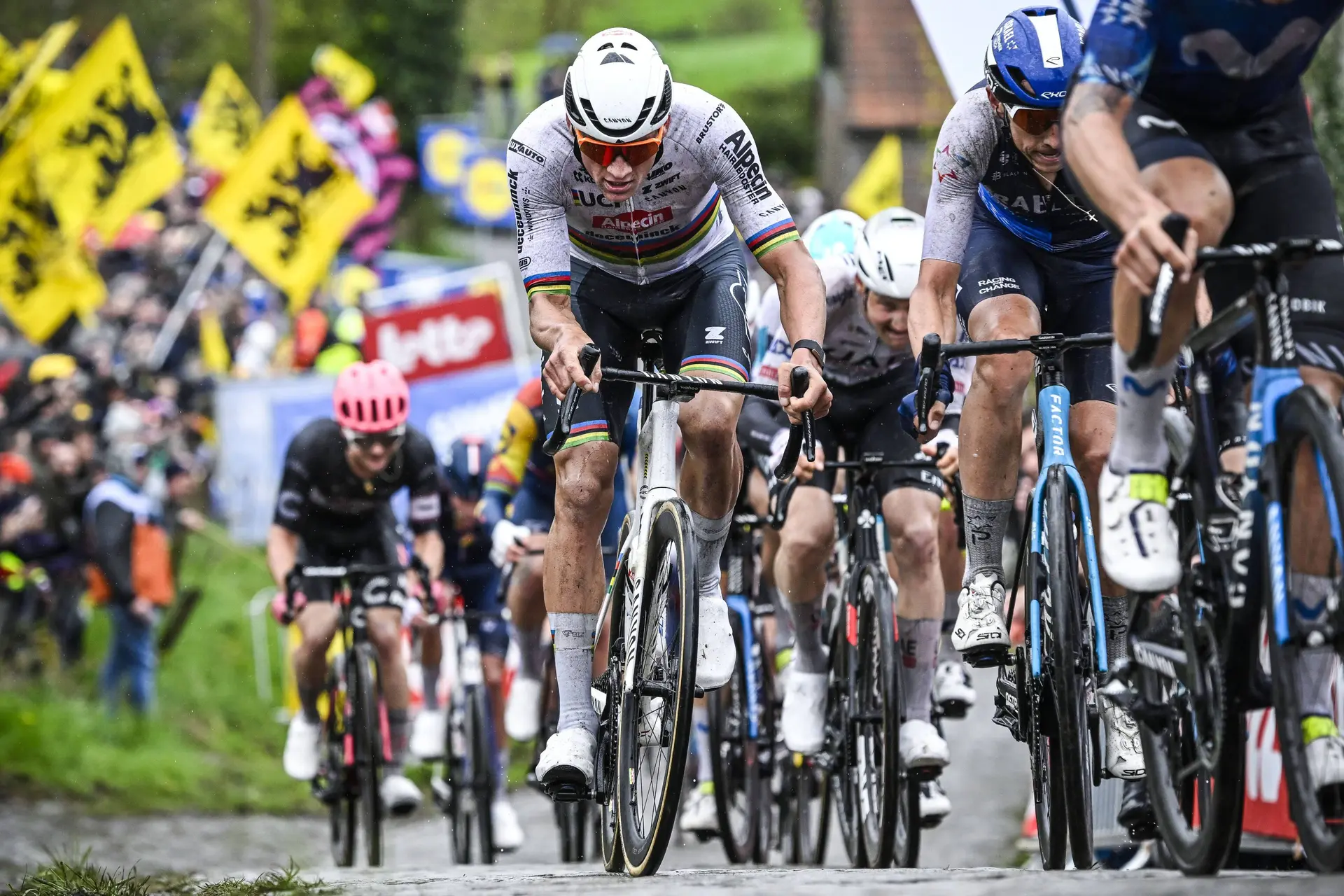
Alpecin-Premier Tech did almost everything right for Jasper Philipsen, and in most races that lead-out would have been enough to win.
But Dylan Groenewegen showed why timing is everything, and he judged the final metres perfectly. He did not panic, he did not go too early, and when he launched his sprint he had just enough speed to come past Philipsen at the line. For Unibet Rose Rockets, this was a huge victory, and for Groenewegen it feels like a confirmation that he is getting back to his best level.
What these two races showed to me is that modern cycling is less predictable than ever. You can have a mountain stage decided by wind, and a flat race that feels harder than a mountain day.
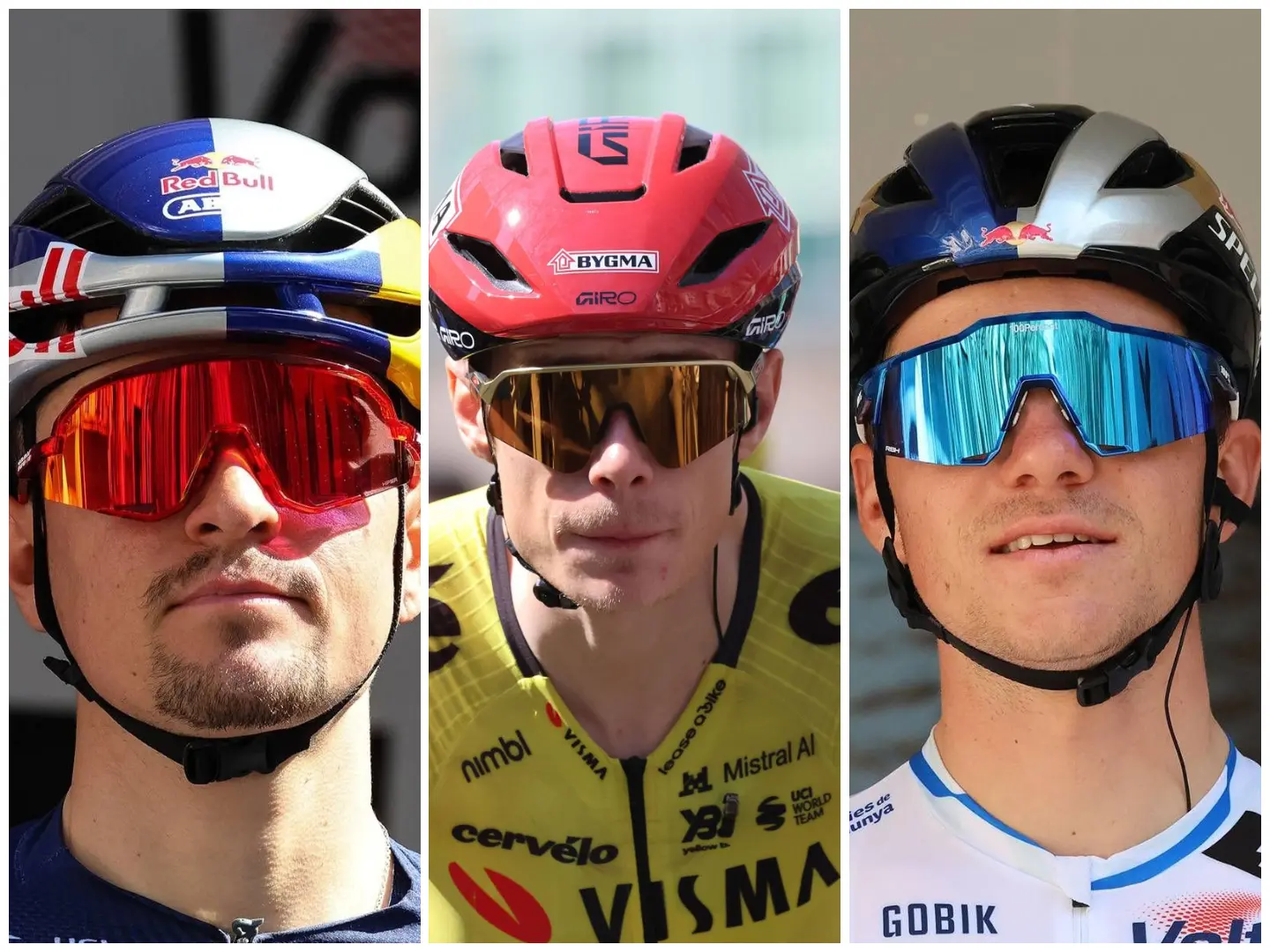
Riders cannot rely only on climbing or sprinting anymore, they need positioning, awareness and the ability to react instantly to what happens in the race.
Personally, I enjoy this kind of racing much more than the old style where everyone waited for the final climb. When Evenepoel and Vingegaard attack in crosswinds, when the peloton splits in Belgium, when a sprint is decided by centimetres, that is when cycling feels alive.
Ruben Silva (CyclingUpTodate)
In De Panne (sorry, Tour of Bruges...) we got the type of racing that the region always delivers. No climbing, all-out racing on flat roads but with the wind always making its presence felt. It's fast, it's thrilling, it's dangerous... It's not a race for the faint-hearted, and amidst the chaos there's some that have the luck and some that do not make it to the finale.
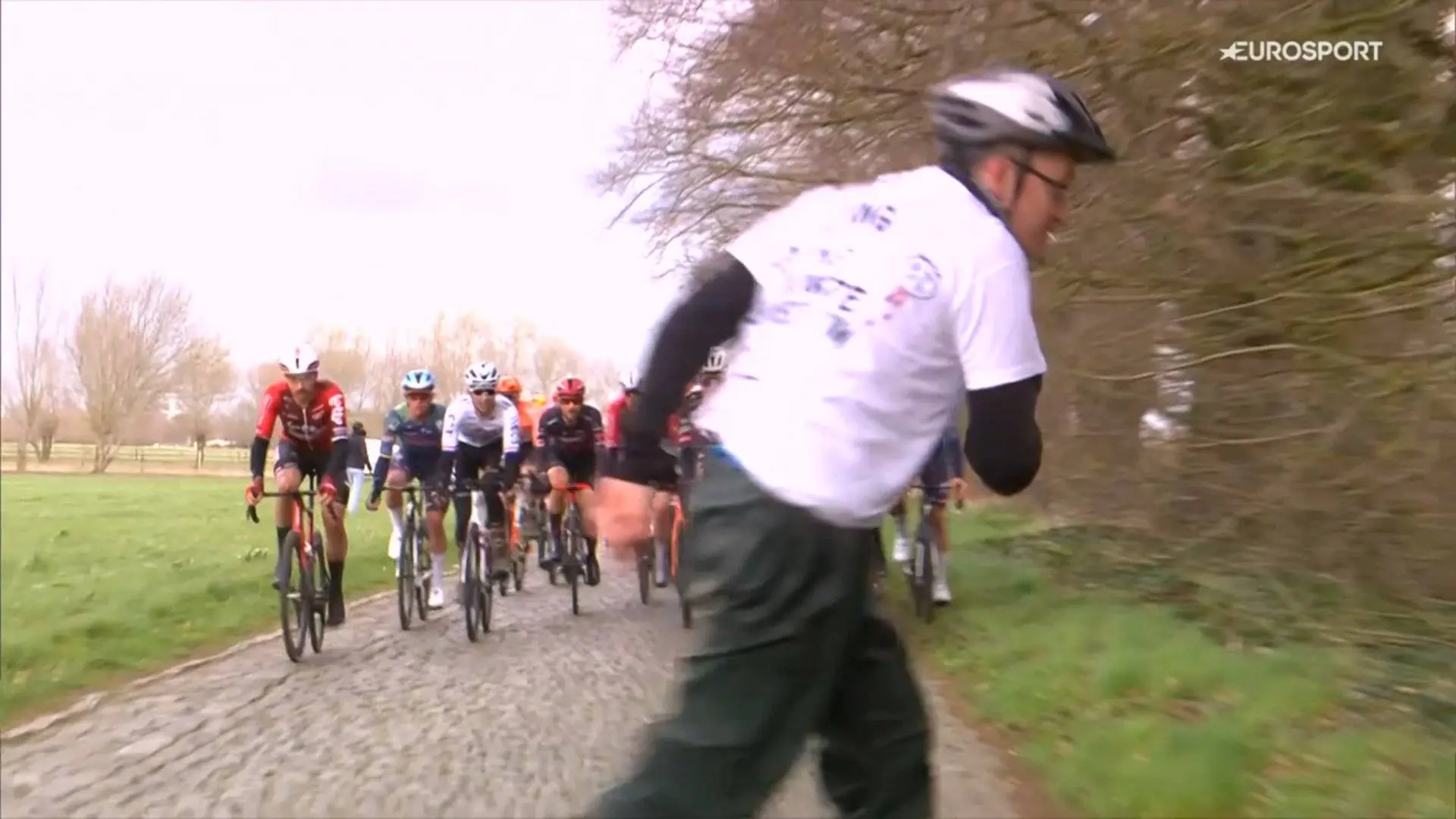
Protestors are not usually the reason why some riders don't make it, but the 2026 campaign has begun, with Juan Sebastian Molano - last year's winner - being taken out due to an incident caused by one.
Not great, I should say...Dylan Groenewegen was the winner and dare I say, a deserved one. A rider who is a pure sprinter and whom I'd rather lost hope over the past few years, as the field has evolved and he didn't look too good. But look at him go!
Read also
The Unibet version of Groenewegen looks to be just as strong as his very best level several years back, fruit of the belief and full support he's gotten. He's won some important races in recent months but Bruges is non-ironically one of the most important sprinter races of the year.
To win here, directly ahead of a well-launched Jasper Philipsen, is a huge win. I still strongly argue that Unibet should've been selected to the Tour de France and this win comes as perhaps the most convincing backing argument.
With Marcel Kittel in the car and Elmar Reinders guiding him as his trusted but underated leadout man, Groenewegen has found his very best legs once again and has returned to the top charts of the sprinting world.
In Catalunya I was rather disappointed not to see action early on in a stage that has, 4 years ago, delivered some of the most thrilling and chaotic GC action of the decade (when João Almeida lost the race lead, unexpectedly, to Sergio Higuita who raided the race with Richard Carapaz).
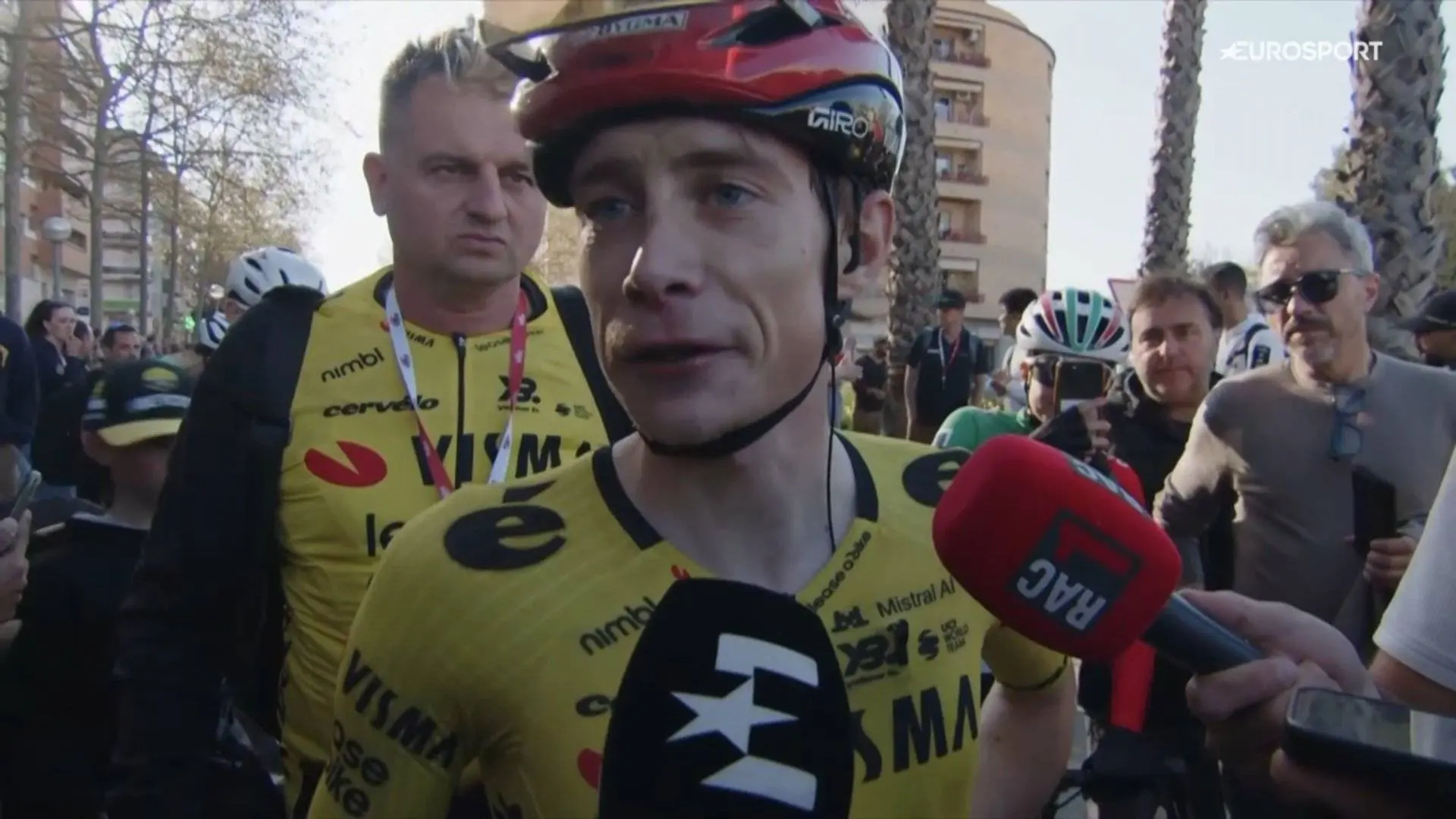
Everyone waited for the finale, but the finale delivered perhaps more drama than anyone could've expected...Between flashes and tweets, I barely saw what happened in the finale and was perhaps just as confused as anyone.
Remco Evenepoel looked so strong with the attack on the flat, stronger than Vingegaard, but the duo were set to take time on the competition and fight for the stage win, in the same way Chris Froome and Peter Sagan did at the Tour de France 10 years back.
Evenepoel crashed out of nowhere, and his injuries, albeit not race-ending, will always cast doubt on the following days.If he is great, we will wonder if he could've been even better. If he is not good we will wonder if its his legs or the injuries.
Either ways there is a very high chance that he will suffer in the upcoming mountains for both reasons, and the questions he looked to answer this week may turn into more persistent and worrying doubts.
Jorge Borreguero (CiclismoAldia)
Both races left a shared impression: modern cycling is increasingly defying the script. In Stage 3 of the Volta a Catalunya, the most striking aspect was not just Dorian Godon’s victory, but how it was achieved.
Remco Evenepoel’s early attack alongside Jonas Vingegaard is proof that the big favourites no longer wait for the final climb: they are looking to win even on terrain that is theoretically ‘transitional’.
They were on the verge of defying the logic of the stage, and only misfortune — that crash 500 metres from the finish - prevented a historic finale.
In the end, Godon benefited from the chaos and confirmed something important: on these kinds of unpredictable days, positioning and a cool head are just as valuable as strength.Meanwhile, the Ronde van Brugge epitomised the classic chaos of the north: wind, echelons and constant elimination.
Dylan Groenewegen’s victory was not ‘just’ a sprint, but the reward for surviving a genuine tactical battle. In this type of race, reaching the sprint is a victory in itself, and Groenewegen demonstrated experience and power in an extremely demanding context.
Read also
And you? What’s your opinion on Volta a Catalunya stage 3 and Ronde Van Brugge - Tour of Bruges 2026? Tell us what you think and join the discussion.
Carlos Silva is a writer for CyclingUpToDate.com, where he contributes race reports, interviews, analysis pieces, and live coverage of the international cycling calendar. Holding a degree in Sports from the Jean Piaget Institute, he combines academic knowledge of performance, training, and competition with hands-on journalism experience in professional cycling.
Throughout his career, Carlos has conducted interviews with leading figures in the sport, including Alberto Contador, Joaquim Rodríguez, Óscar Pereiro, João Almeida, Isaac del Toro, Derek Gee, John Degenkolb and Geraint Thomas. These conversations reflect direct engagement with Grand Tour winners, Classics specialists, and emerging talents.
He has provided on-site coverage at major events ranging from the Vuelta a España to the Tour de France, alongside stage races such as Vuelta a Andalucía, Volta ao Algarve, Volta a Portugal and O Gran Camiño. Covering the mythical climbs of the Giro d'Italia remains one of his professional ambitions.
Carlos is responsible for liveblog coverage of all major WorldTour races and beyond, including the Tour de France, Giro d'Italia and Vuelta a España. His reporting integrates verified data from ProCyclingStats to ensure statistical accuracy, contextual depth, and analytical precision.
A lifelong cycling enthusiast, he approaches storytelling across written, photographic, and video formats with a focus on credibility, tactical insight, and informed race interpretation.
claps 0visitors 0
Just in
Popular news
Latest comments
- Dumb?! Only you!MajorPayne16-10-2026
- Let’s hope it stays in!Lozza16-10-2026
- The words... “Remco, on certain days, will just destroy everyone”... don't hold water. Not EVERYONE, most of them, it all depends on the quality of the riders.PogiSloFans16-10-2026
- "The Tour remains at the centre of Simmons' plans". as long as this is the plan, it is unlikely he will succeed. First his team is stacked with leaders for all terrains so opportunity is less. 2nd the TDF is stacked with other top leaders who have more freedom. 3rd the battle between UAE, Visma, Red Bull is so intense that their leaders will win most of the stages with heir team pulling back most breaks.abstractengineer16-10-2026
- Quinn Simmons: “Maybe I’ll never reach the top level.” I also hope he doesn't. I don't care what he looks like, his religion or sexual preference... but when he's a rascist against black people, a Maga Trump voter, that's where I pull the line. The whole world hates Trump, we all know why, but he keeps voting for him. A person that thinks like Trump is ...????. Make your own decision. PS: Trek-Segafredo (today Lidl Trek) suspended him following the controversy over his pro-Trump comments and his use of a dark-skinned waving-hand emoji. The team said the suspension concerned his racist conduct online, not his political views themselves.PogiSloFans16-10-2026
- Denmarks coach reveals 2027 Rainbow Jersey has been targeted by Jonas for years !?!?!? PS: What??? No one believes this meaningless babbling. It's like saying: "The 2027 Monument - Il Lombardia has been targeted by Jonas for years."PogiSloFans16-10-2026
- I made a mistake and already fixed it. Hey twat, thanks.PogiSloFans16-10-2026
- Davide Piganzoli said: "Pogacar looked less brilliant at TDF than usual." We all see how stupid this comment is. What is happening to his brain cells? ... Hey Piganzoli, Tadej Pogačar’s record breaking ascent of Alpe d’Huez was one of the standout performances in the history of the Tour de France. Pantani's 1995 ascent stood for 31 years. Pogi went more than a minute faster. He accelerated near the foot of the climb, despite the leading breakaway being around three and a half minutes ahead. But in your delusional brain Pogi looked less brilliant???? .... Why don't you go find a corner and bang your head against a wall for about 10 minutes. Everyone is making fun of you.PogiSloFans16-10-2026
- MTB WC ? If he doesnt compete maybe allows MvDP to have a crack
 Davide16-10-2026
 - Jonas is declining now. A podium next year would be a good result for him.Renz16-10-2026
Loading
Write a comment