"The influence of motorcycles is actually quite significant" - Zonneveld on the Giro d'Italia's most controversial stage to date
CyclingMonday, 25 May 2026 at 12:45
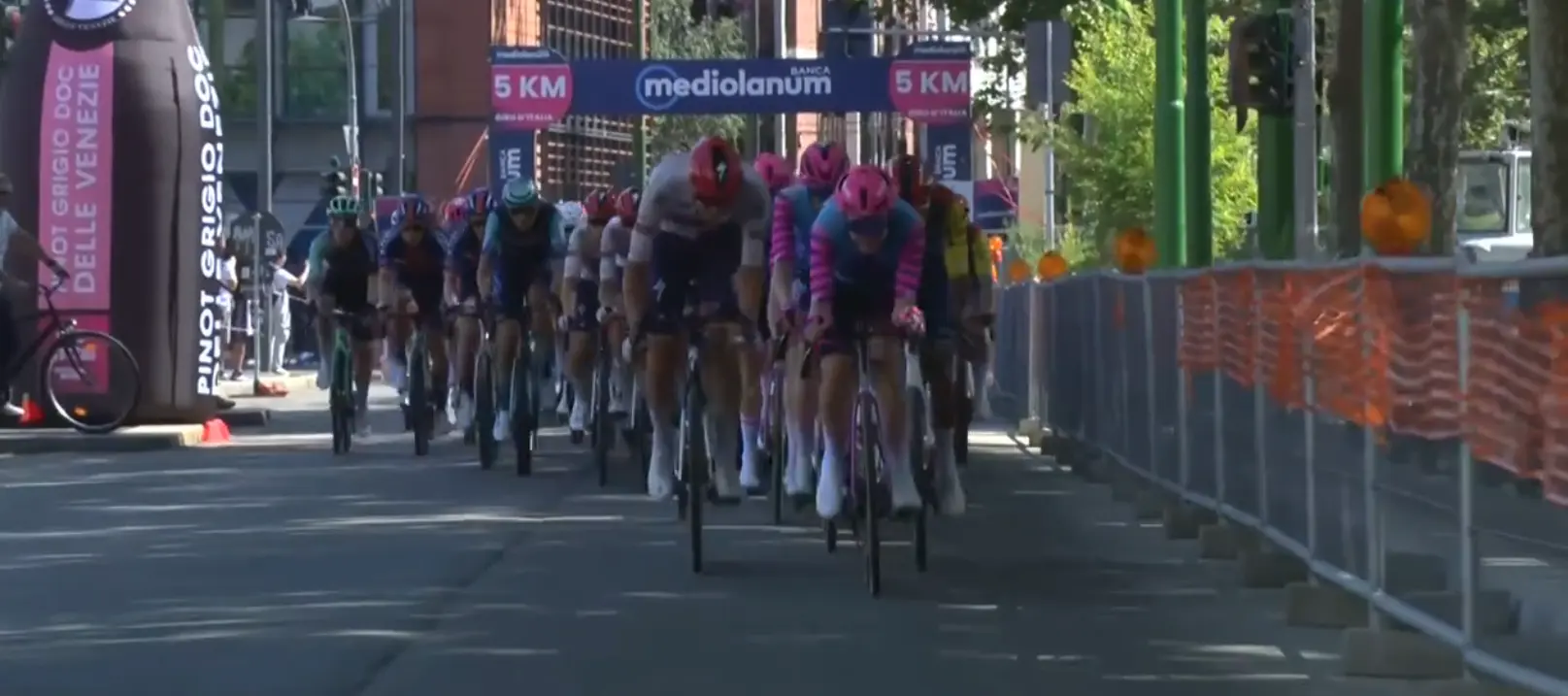
Stage 15 was the penultimate sprint opportunity for the fast men at this Giro d'Italia with an iconic finale in the center of Milano. However, the day ended up being marked by criticism over motorbikes, a shocking breakaway win and a GC neutralization due to the dangerous urban circuit. A lot to tackle on a day where very little action was expected.
"It’s not that the peloton miscalculated. They gave a maximum of two minutes and rode with many teams behind. If you give a good group five minutes and you don't close the gap, while you get closer very quickly at the end but don't make it... then you've really messed it up as a peloton," Zonneveld argued on the In de Waaier podcast.
The breakaway's survival out front was the main topic of the day, with the main three sprinter teams fully devoting to a chase but failing to catch the four-rider breakaway which marked the day. With a speed of over 51Km/h all day long, it was a hard day even for the men that were able to sit in the peloton throughout the entire stage.
This is the result of many variables but notably, the quality and coordination of the men up front. "That hardly happens anymore. The lesser riders have become much better in this era. They really rode very, very hard at the front. That is because they are simply special guys. Someone like [Mirco] Maestri is just very good at this. He is really very strong, just a beast on the bike. The same goes for [Fredrik] Dversnes".
Urban circuit, technical corners and motorbikes
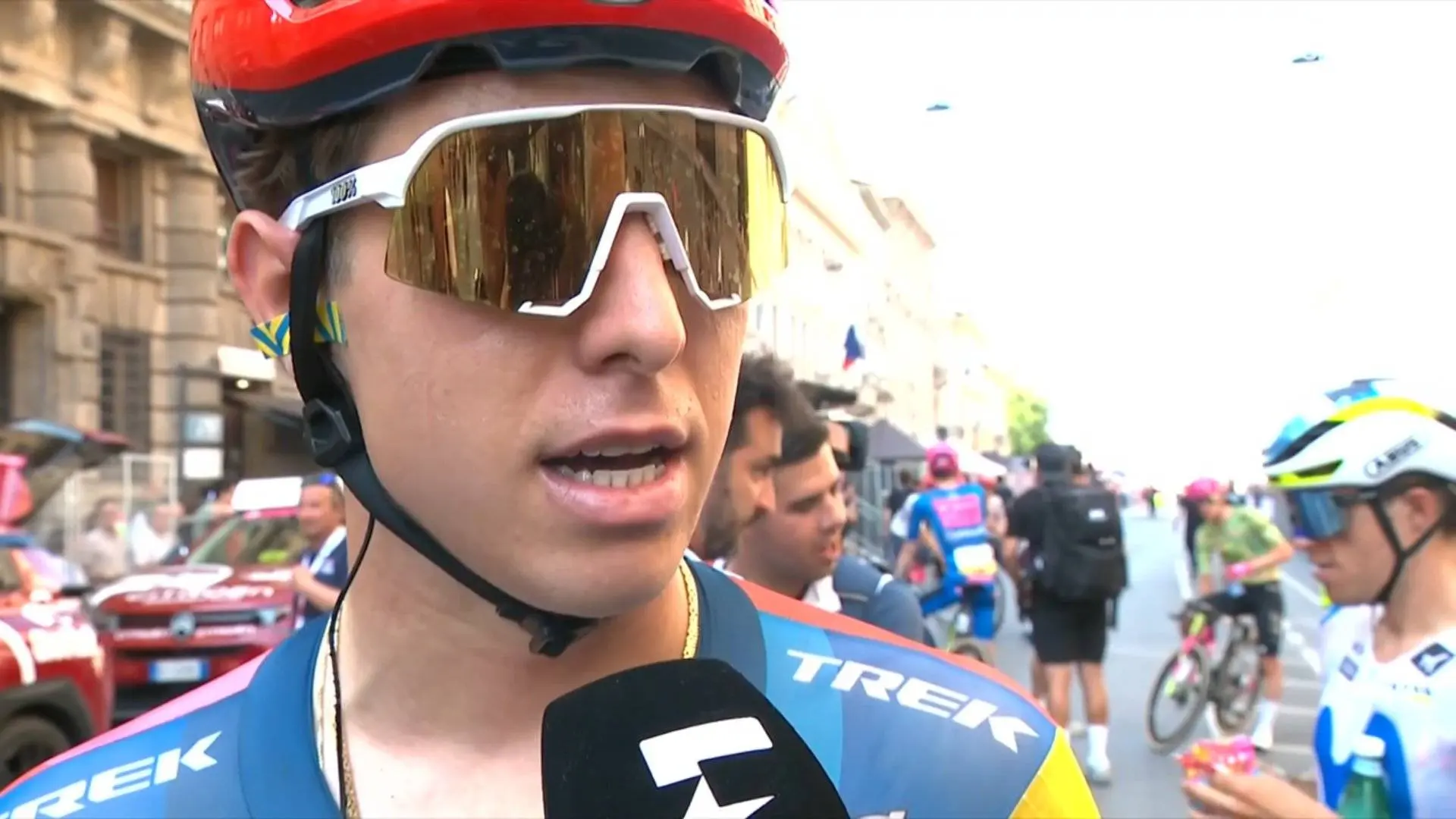
However no matter how impressive it was, the stage finished with sharp remarks. To Eurosport, several riders in post-race interviews alluded to the influence of motorbikes assisting the front riders with slipstreaming.
When analyzing the peloton's focused pursuit, it is difficult to understand how the group managed to survive in the head of the race all the way to the line. "I think it was sensible that they only gave them two minutes. It wasn't a mistake on the part of the peloton. How is it possible that four guys stay ahead of a peloton where, as Elmar Reinders said, 30 men are being eaten up?"
"The explanation is something that has been starting to sting more and more lately: motorcycles and cars in front of the leading group, or in front of the peloton," Zonneveld argues. "You also see today that men from Uno-X tried to send motorcycles away from the peloton. You could see, certainly in an earlier phase, that the motorcycles were really very close to the leading group".
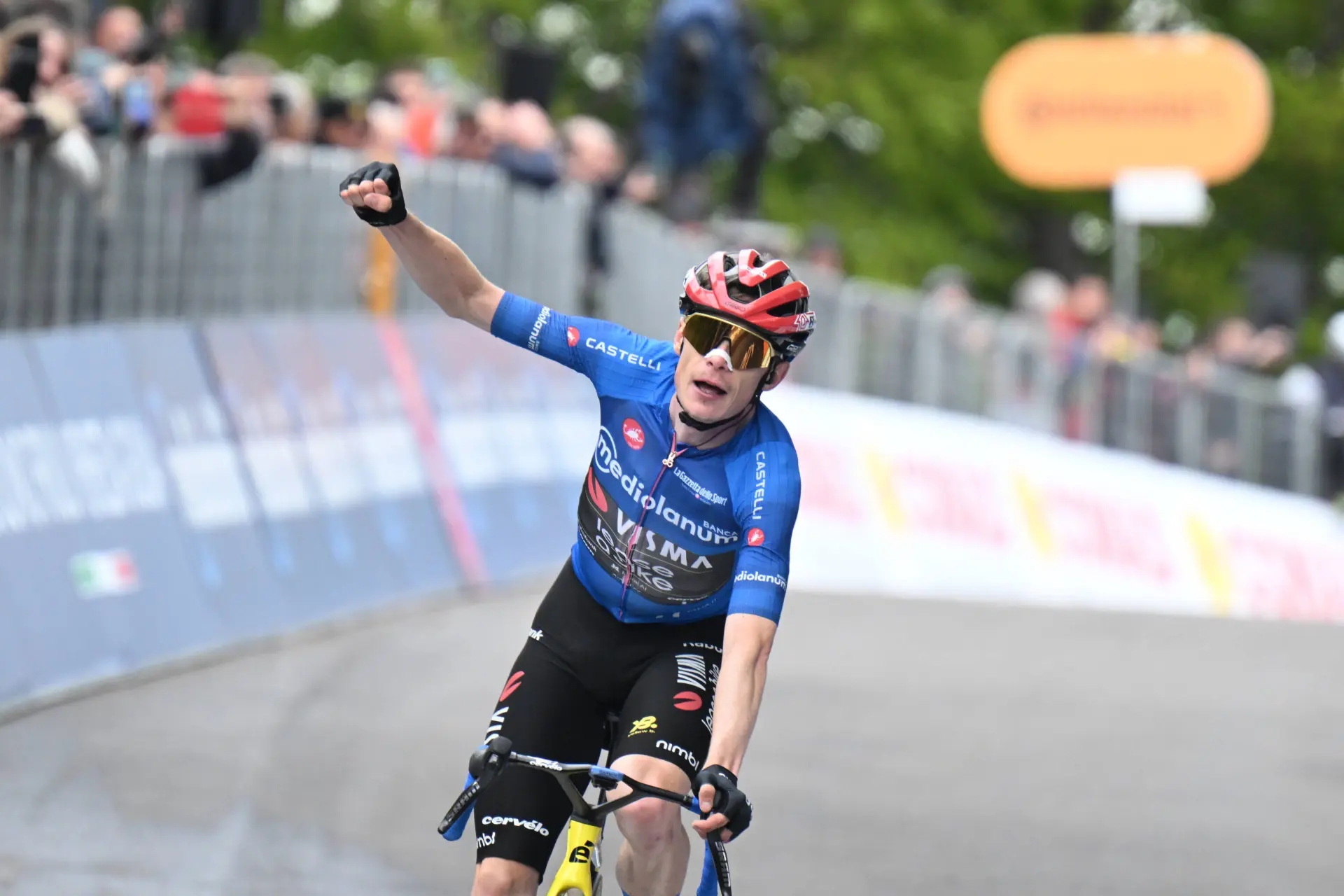
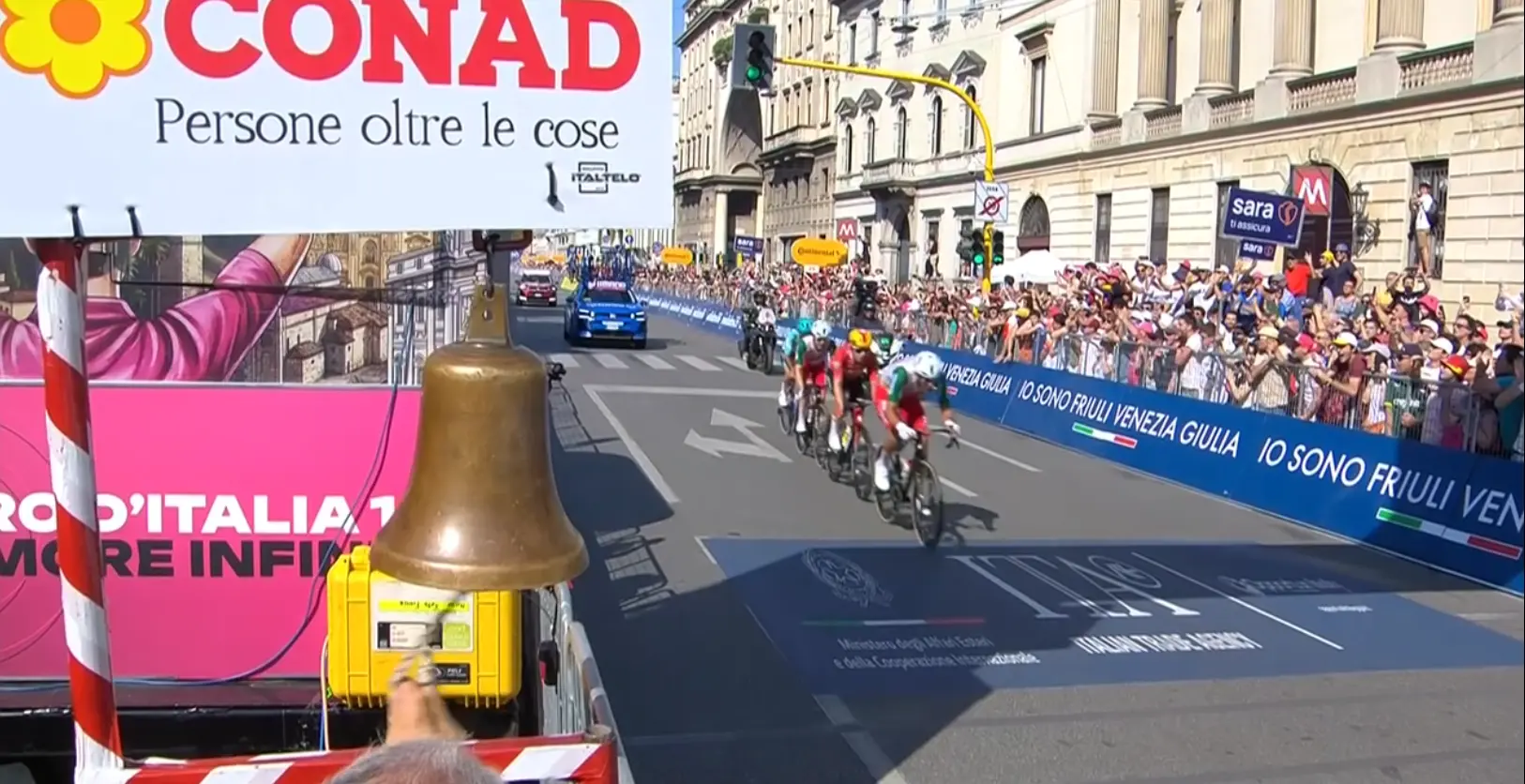
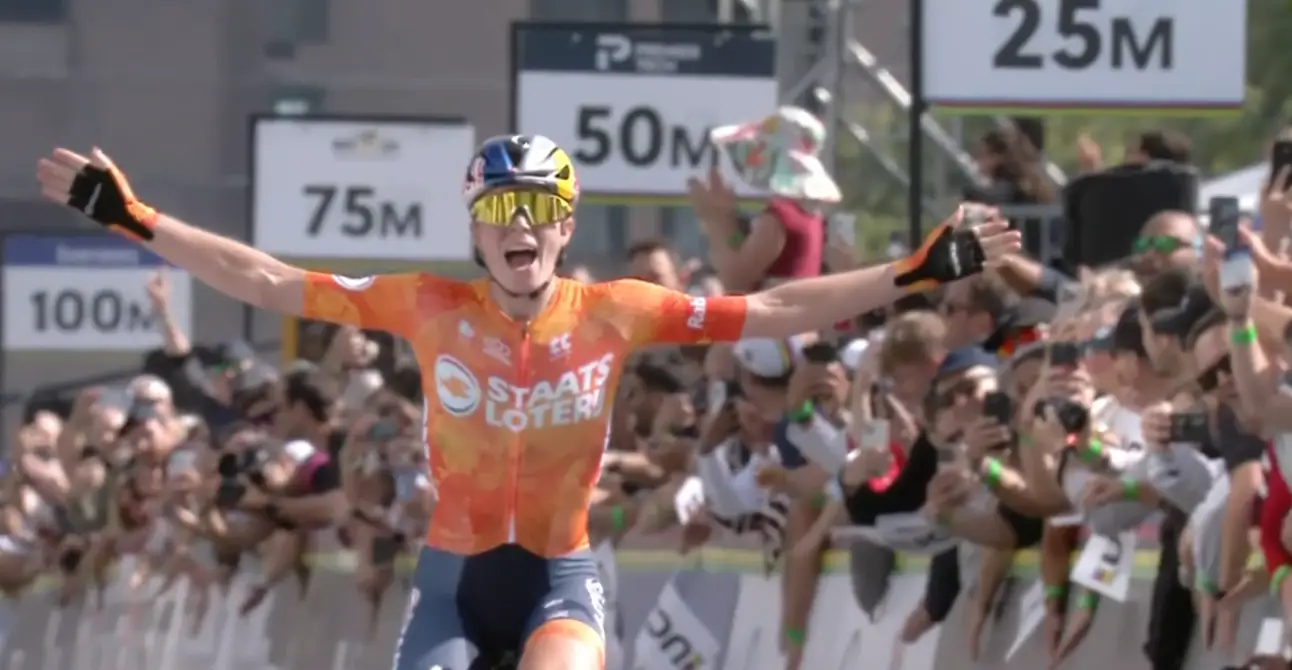
The Dutch pundit believes that this could've also been the deciding factor in the stage, with the front riders only holding out a few seconds over the peloton by the time Fredrik Dversnes sprinted to victory, the biggest of his career.
The amount of vehicles present in the race and a circuit with plenty urban obstacles proved to be a nightmare for the chasing peloton. "With a local circuit like that, it's perhaps even more of an issue, because motorcycles want more footage. If you're riding on a circuit with a lot of corners, you have to ride closer".
Read also
Ultra-fast peloton could not make the catch
"I grabbed Strava for a moment to see how fast [Alec] Segaert and the peloton were riding. Last 20 kilometers, the difference was 1:10 minutes then, I believe an average of 55.7Km/h. You simply can't say that they were standing still. That is really ridiculous".
Lidl-Trek, Soudal - Quick-Step and Unibet Rose Rockets deployed all of their domestiques and leadout men to try and close the gap, but it was still not possible. Above a miscalculation, it was the absence of power to hold an incredibly high speed for such a large amount of time in the peloton.
"You saw that occasionally in the peloton when the speed was displayed, that they were riding at 60 the whole time. That you're in a four-man breakaway there... then you'd expect to have three Gannas and Dversnes at the front. It was just going really fast in the peloton."
For Zonneveld, it is impossible to deny that motorbikes had influence in the outcome. "The influence of motorcycles is actually quite significant. I get messages from people who aren't very far from the peloton. They say this is what you get when a big team starts complaining in a Grand Tour," he explains.
"Then in the Giro, they just put two extra motorcycles in front of the breakaway. There are many people who think this, but of course, you can't prove it. There are very few rules, especially for motorcycles."
Rúben SilvaEditor-in-Chief
A founding contributor to CyclingUpToDate since its launch in January 2022, Ruben Silva has played a central role in shaping the site’s editorial direction and long-term growth. Before joining the project, he built his experience through independent blogging at Echelons Hub and by producing race previews for Ciclismo Internacional, developing a strong analytical voice rooted in daily engagement with professional cycling.
Beyond editorial work, he has been closely involved in the expansion and coordination of CyclingUpToDate’s wider network, helping establish and support sister platforms across multiple languages. This includes ongoing collaboration with CiclismoAlDia (Spanish), CiclismoAtual (Portuguese), WielrennenUpToDate (Dutch), and RadsportAktuell (German), contributing to a shared editorial vision and consistent international coverage.
He also helps oversee editorial governance across the network, setting standards for accuracy and consistency and coordinating updates or corrections when needed.
Originally from the Porto metropolitan area in Portugal, he holds a bachelor’s degree in Geography. His path into cycling journalism was shaped not through formal media training, but through independent reporting, community engagement, and sustained on-the-ground involvement in the sport.
Over the course of his career, he has conducted approximately 100 interviews across road cycling and cyclocross, ranging from one-to-one conversations and online formats to press conferences and on-site pre- and post-race coverage. His interviews include leading riders, team managers, and prominent figures within cycling media: Tadej Pogacar, Jonas Vingegaard, Mathieu van der Poel, Primoz Roglic, Wout van Aert, Joao Almeida and Tom Pidcock; managers like Patrick Lefevere and Joxean Matxin; and YouTube personality Bryan Kennedy (BKXC)...
Within 18 months of launch, he helped grow CyclingUpToDate’s English-language platform into one of the most-read cycling news websites, built entirely from the ground up. As both a professional journalist and lifelong cycling enthusiast, his focus remains on delivering accurate, timely, and well-contextualized coverage.
claps 1visitors 1
Just in
Popular news
Latest comments
- That would be funny, except in this age you’ve now probably given some AI scammer an idea how to get fans to click on fake links in the hope of discovering insider info before info media. It’s far easier to keep riders sticking to rules out of fining fear for the UCI if they stay vague. Riders have the right to protest if they feel unfairly treated, in the meantime, I think the constant moaning from fans for trying to apply rules (far more than fined riders themselves) has taught them not to publish too much, unlike Trump.Mistermaumau27-09-2026
- It says, the jury report doesn’t specify.Mistermaumau27-09-2026
- No specific moment in the race, or clarification over what the illegal position was, is detailed in the race communique???? These f**** are doing anything they want... just like Trump. UCI=Trump.PogiSloFans27-09-2026
- You can get the full report by contacting [email protected]
 vannpelt27-09-2026
 - lol seems that way. wondering why the site didn't diverge it.mij27-09-2026
- Sssh... it's a secret (uci moneymaking made useless by small fines)
 Rafionain-Glas27-09-2026
 - what was the position?mij27-09-2026
- Del Toro is one of my favourites, but when he won in Montreal he was supported by his trade team-mates, who had to calm his self-doubt. Don't know how he'll fare on his own.Hills3327-09-2026
- Lowkey this would actually be really cool @Rafionain-Glasanonymouscyclist27-09-2026
- So you put Remco in the last place...I think he should be higher up the scale. His daddy is already saying: "Remco will win. Pogačar should almost be happy he's injured, because Remco would win in any case."PogiSloFans27-09-2026
Loading
1 Comments