“The teams are abusing these athletes; it’s abuse” – British cycling veteran unsurprised by Simon Yates retirement amid claims of ‘unhealthy’ sport
CyclingSaturday, 31 January 2026 at 20:30
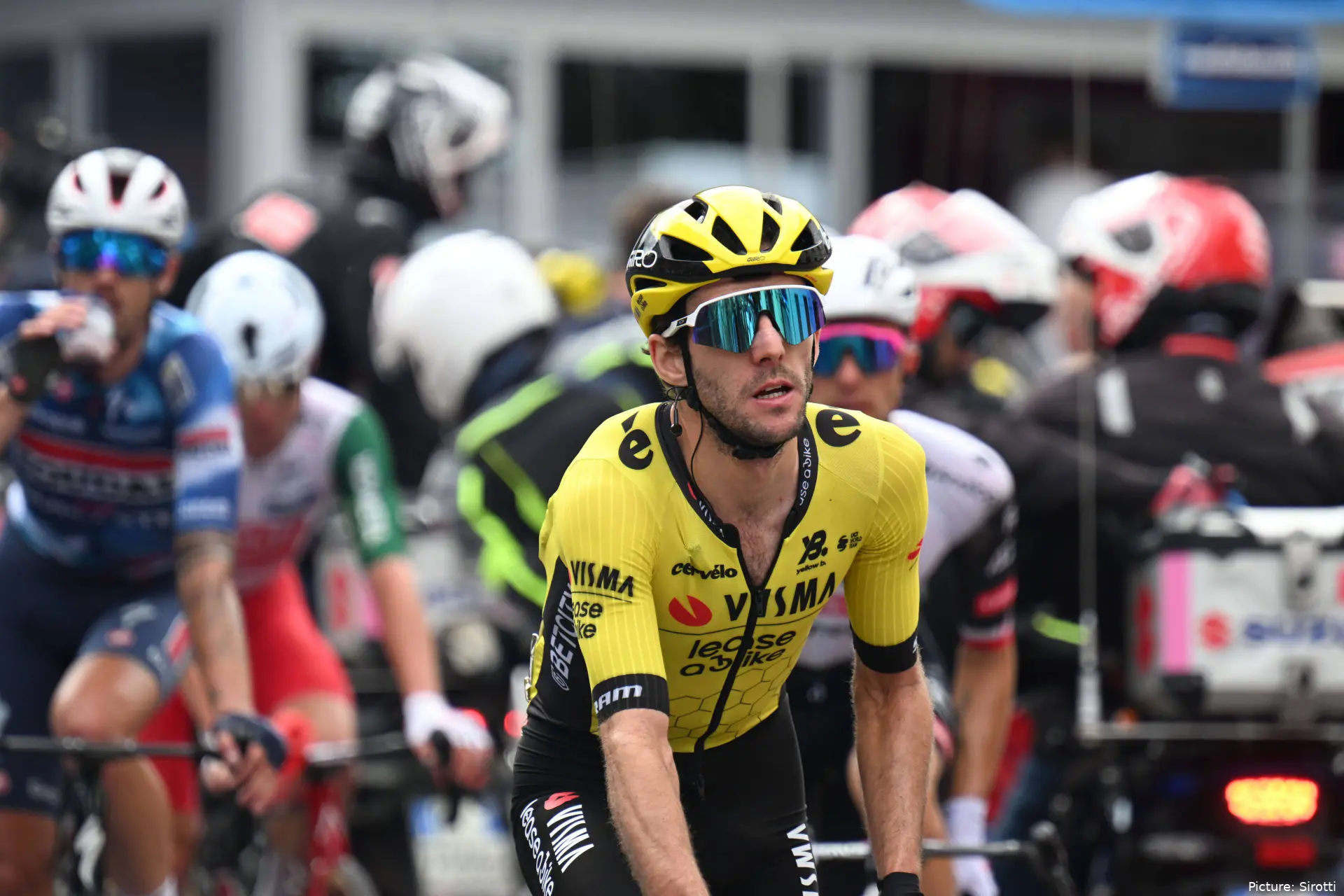
For many, the sudden retirement of Simon Yates in January felt like a bolt from the blue. For Brian Smith, it did not.
Speaking to road.cc, the former British champion, team manager and long-time television pundit delivered one of the most forceful assessments yet of what modern professional cycling is doing to its riders. And in his view, Yates walking away without warning is not an anomaly. It is a symptom.
“Was Simon Yates retiring a surprise? Probably not,” Smith said. “They go away to these training camps for weeks, Tom Pidcock’s in Chile – there’s nothing there.”
For Smith, the issue is not one rider’s motivation. It is the system around him. “It’s pressure, pressure, pressure the whole time, and some people just say that’s enough. What did Pogacar say at the Tour de France? He’s not doing the Vuelta, and there was talk of one word: burnout. Burnout. They’re racing 80 days a year – in my day we raced 120.”
“There’s no place to hide now”
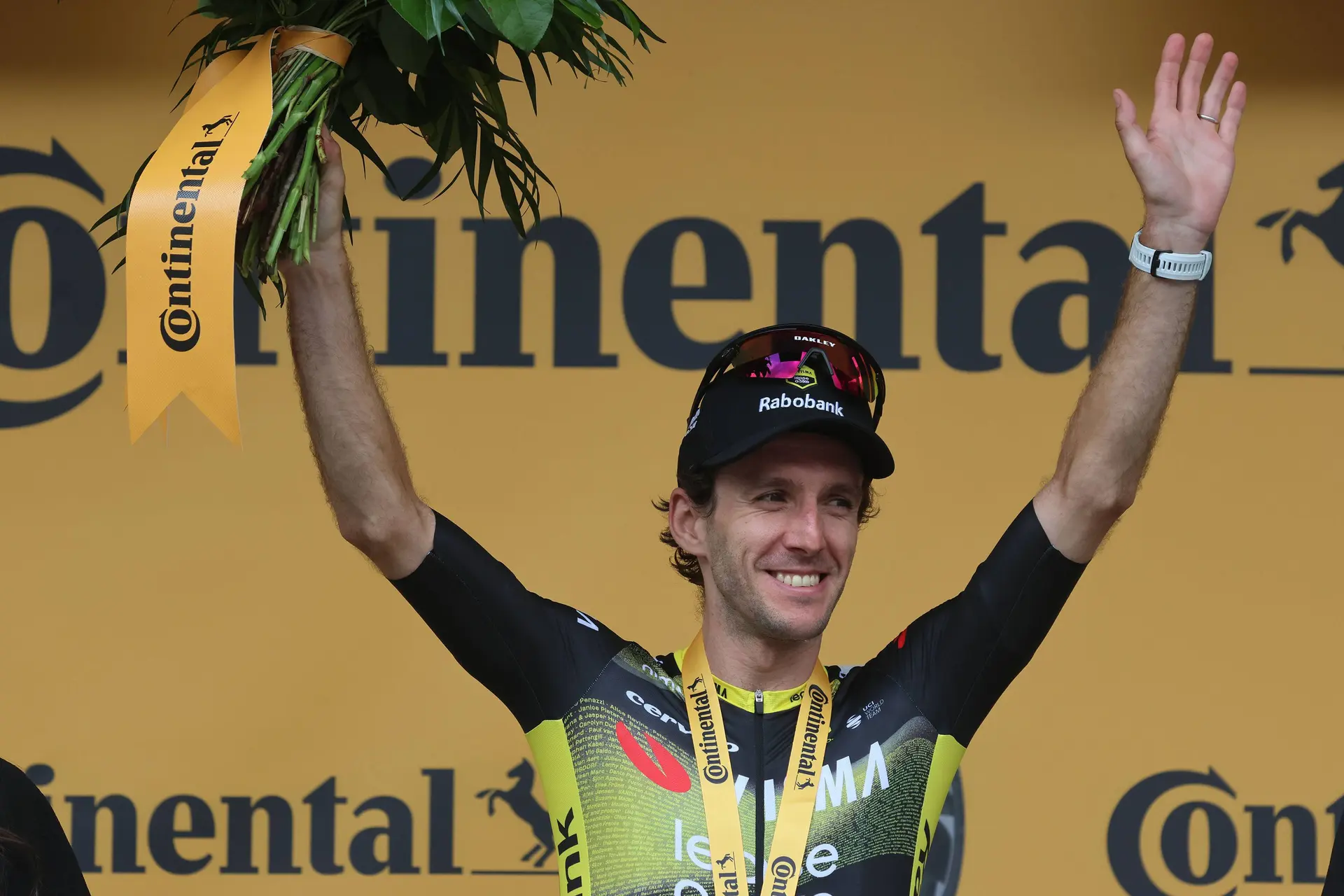
The retirement of Simon Yates has already prompted wide discussion inside the sport. The defending Giro champion stepped away with immediate effect on 7 January, citing a loss of motivation, then disappeared entirely from public view. Reports emerged that he had blocked cycling accounts on social media. Rumours of burnout spread quickly.
Smith sees a clear pattern. “But there’s no place to hide now. I can totally understand it. The teams are abusing these athletes; it’s abuse. They’re looking at riders as Formula One cars.”
That comparison is deliberate. Riders, in his view, are treated as machines to be optimised, marginal gain after marginal gain, with little regard for what happens when the system finally overloads.
“Any tweaks they can do to help performance, they’ll do it irreverent of whether the car crashes, is it going to save the life of the driver? They’re probably not thinking about that. They’re just thinking about performance and speeds.”
This is where Yates’ story intersects with a broader trend. In recent seasons, several high-profile riders have spoken openly about exhaustion, mental strain and the difficulty of sustaining elite performance inside increasingly data-driven, tightly controlled team environments.
Burnout is no longer a taboo word
Smith also pointed to the comments of Tadej Pogacar, who publicly ruled out riding the Vuelta last summer amid suggestions of burnout after an intense campaign. That word, once rarely used in cycling circles, is now common in interviews and press conferences.
“The bike riders don’t help themselves either,” Smith added. “I think most bike riders think like, if you do this training, have this diet, and take these supplements or don’t take these supplements, and then you’ll have health problems down the line, they don’t care, especially the youngsters. And they’re relying on their teams to look after them.”
That reliance, Smith argues, is precisely where the danger lies. “And cycling, at the top end of our sport, is not healthy.”
A context that suddenly makes sense
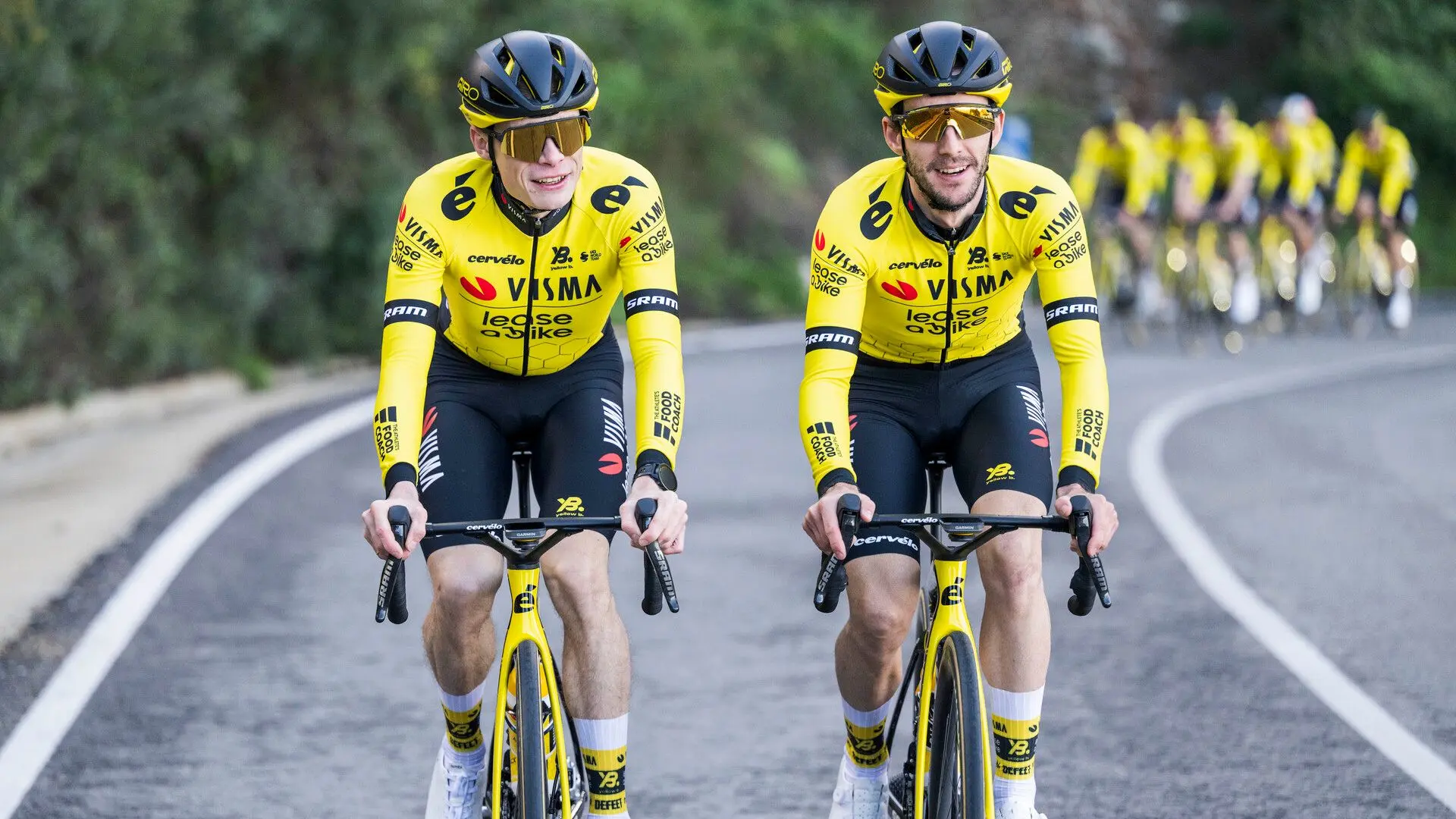
Inside Team Visma | Lease a Bike, Yates’ departure left a visible gap in plans for 2026. It also came amid growing conversation about rider workload, condensed calendars, altitude camps, long stints away from home and the psychological cost of constant performance pressure.
Seen through Smith’s lens, the timing of Yates’ decision becomes less mysterious.
Not a rider losing motivation overnight. Not an isolated case. But an example of what happens when the demands of modern cycling collide with the limits of the individual.
For Smith, the real surprise is not that Yates walked away.
It is that more riders have not done the same.

Kieran WoodDeputy Editor-in-Chief
Kieran Wood is a sports journalist based in Wales and has been active in journalism since 2022. He regularly contributes to DartsNews.com and CyclingUpToDate.com, where he covers professional cycling and darts. In cycling, his work includes liveblogs from major races, including the Tour de France, the Giro d’Italia, and La Vuelta a España, alongside race reports and analysis. He has also conducted interviews with professional riders.
His reporting spans the full racing calendar, from one-day classics to stage races, with a focus on accurate, real-time coverage and clear contextual analysis. For statistics, results, and historical context, he regularly uses resources such as ProCyclingStats. To support reporting on rider activity and training context where relevant, he also references Strava.
In his work, Kieran places strong emphasis on careful sourcing, editorial accuracy, and updating articles as new, verified information becomes available.
claps 15visitors 2
Just in
Popular news
Latest comments
- I thought this team was on the decline.mij14-09-2026
- No rider is losing "credibility" over this. It's a sprint stage, not a GC stage. Very often, a sprint stage is effectively neutralized at 5 km, sometimes 3 km. The lap was a bit more at 10 km--not a big deal. And, the lap was not chosen for the specific distance. Practically, that way, the GC would finish at the same finish line, simplifying the timekeeping and logistics. Cycling is changing/has to change. The speeds are too high on courses too rough. Assymetrically, the rewards, salaries, and demands to win so high, losses to crashes have ruined riders and their teams full seasons. Too many great riders taking one or two years to return to top form. The violence of the sport the machismo these "analysts" pretend and want to amp up is what cost the sport its credibility as sport. Cycling can't be just blood and guts.JM14-09-2026
- Loved this edition. So exciting, so interesting. Loved the scenery, the riders, the whole thing. I watched every day.wrsty14-09-2026
- no-one holding his number i noticewrsty14-09-2026
- LOVE that winners kit. the blue really pops. Plus it's just nice to see a special kit that isn't UAE, Visma, INEOS or RBBH - the only GT winners for the last 8 years or so (IIRC)wrsty14-09-2026
- Well Seixas knows he can't take del Toro to a sprint. Torito won the sprint and still had enough time to take a bow
 Rafionain-Glas14-09-2026
 - 7 looks better without UijdtebroeksRafionain-Glas14-09-2026
- And congratulations to Afonso Eulálio too! He's becoming a better rider in every race!Lobz7713-09-2026
- UAE seem to own this race. Del Toro was oddly far back in the peloton several times, a case of patience and conserving effort. Ben Healey was fabulous in animating the race but I do wish he’d do it a lap or two later in order to make it to the finish. Ayuso still doesn’t make sense to me in how he races but heading into domestique role was a nice moment (something he rarely did at UAE). And Evenepoel? He had an anger moment and that derailed him somehow: the guy is fascinating how he goes apeshit sometimes, often only after the race has gotten away from him and he doesn’t have it in the legs anymore. In sum: congratulations del Toro, and he and Seixas are going to make for a very interesting race 2 weeks from now!RidesHills13-09-2026
- Who cares if Mas or Roglič or Gall or anyone else won this boring Vuelta. I see comments on this site, after Pogi crashed, went down at least 25%. Pogi haters and other fools on this site won't admit it. While they celebrated Pogi's crash and saying the Vuelta was "exciting again," the reality is that the second and third weeks of the Vuelta attracted far fewer viewers. David Bavin-HobbsIn on PRO CYCLING: "A cycling world that has been dominated for years by Pogačar and UAE Emirates-XRG—and in a world where people talk about the sport being “boring,” “monotonous,” and “unexciting”—the Slovenian’s withdrawal provided a very enlightening insight. For although Pogacar had the Vuelta firmly in his grasp, far more people were watching when he was in the race versus after his departure. The statistics website Procyclingstats shared a rather bizarre graph showing the sharp drop in visitor numbers since Pogacar was forced to withdraw. In recent years, there had always been an increase in unique visitors during the first and second weeks of the Vuelta. However, Pogacar’s withdrawal resulted in a 15 percent drop."PogiSloFans13-09-2026
Loading
2 Comments