“The current system is not set up to protect female health” – Talks of drastic measures following Ferrand-Prevot’s Tour de France Femmes weight loss
Cycling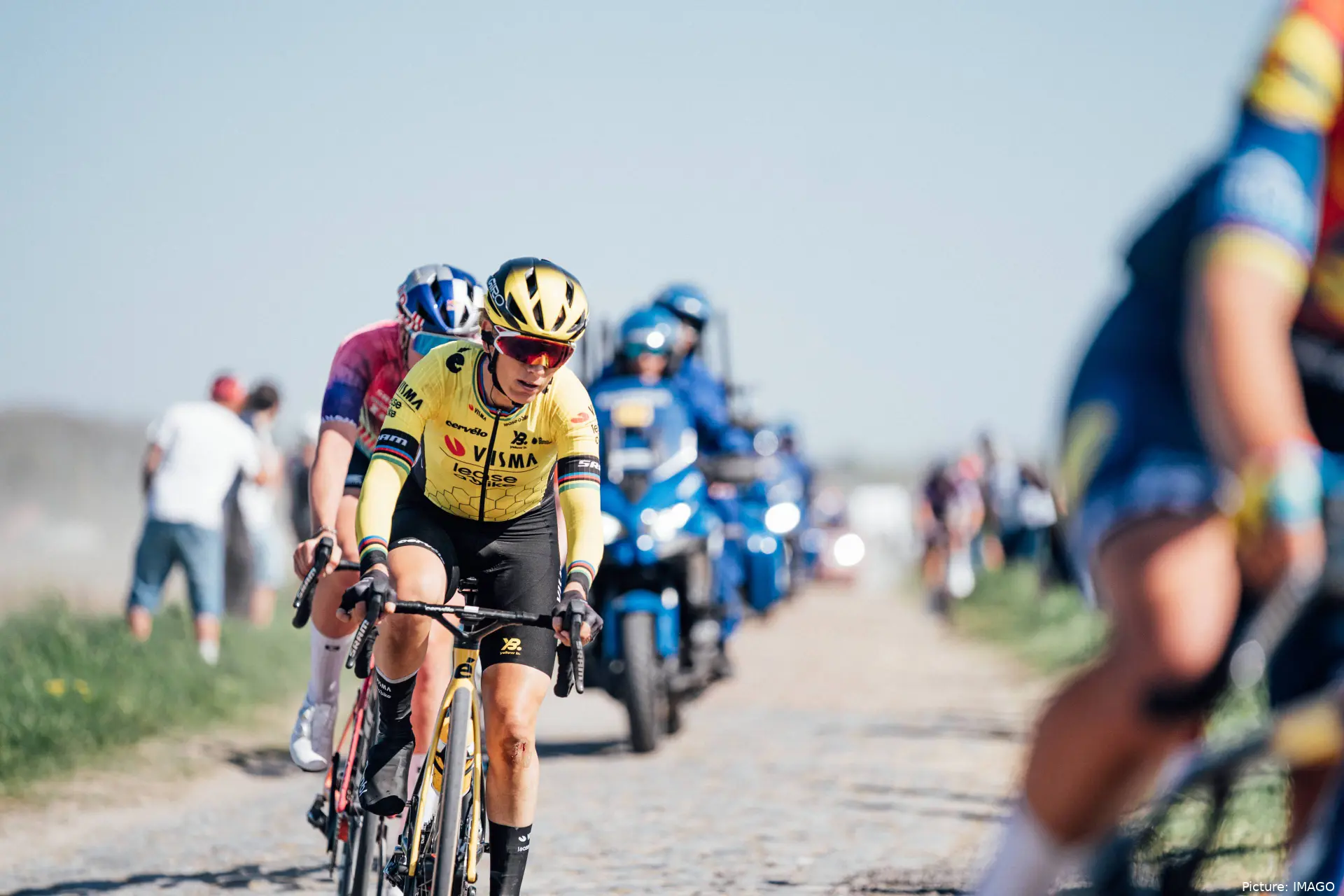
Two weeks after Pauline Ferrand-Prévot’s landmark win at the
2025 Tour de France Femmes, discussion around her apparent significant weight
loss has ignited a wider debate in professional cycling. Now, The Cyclists’
Alliance (TCA), the union representing women’s riders, has stepped in, urging
the UCI to introduce mandatory annual screening for RED-S (Relative Energy
Deficiency in Sport) and bone mineral density testing.
TCA president Grace Brown made the union’s position clear in
a statement: “We are constantly working towards making professional cycling a
sustainable and fulfilling career for women. Rider health and wellbeing are
vital for career longevity. The current system is not set up to protect female
health, so I believe it’s our duty to continue educating and advocating for
better standards that allow women to perform with well-fuelled, strong, and
happy bodies.”
The official TCA statement called on cycling’s governing
body to revisit earlier proposals: “We today invite the UCI to reconsider our
proposal, and we offer our support and expertise. While we appreciate that this
may require some work to ensure appropriate implementation, we believe that it
is more than worth the effort to introduce some form of protocol for both
female and male cyclists racing professionally under the UCI.” The organisation
also confirmed it will launch a campaign this autumn focused on education and
awareness around athlete health and wellbeing.
Ferrand-Prévot’s performance, becoming the first French
rider in decades to win the yellow jersey, was hailed as one of the greatest
moments in modern women’s cycling. But the transformation in her physique
leading up to the race sparked conversation within the peloton. It’s safe to
say that some of Ferrand-Prevot’s competitors don’t agree with the weight loss.
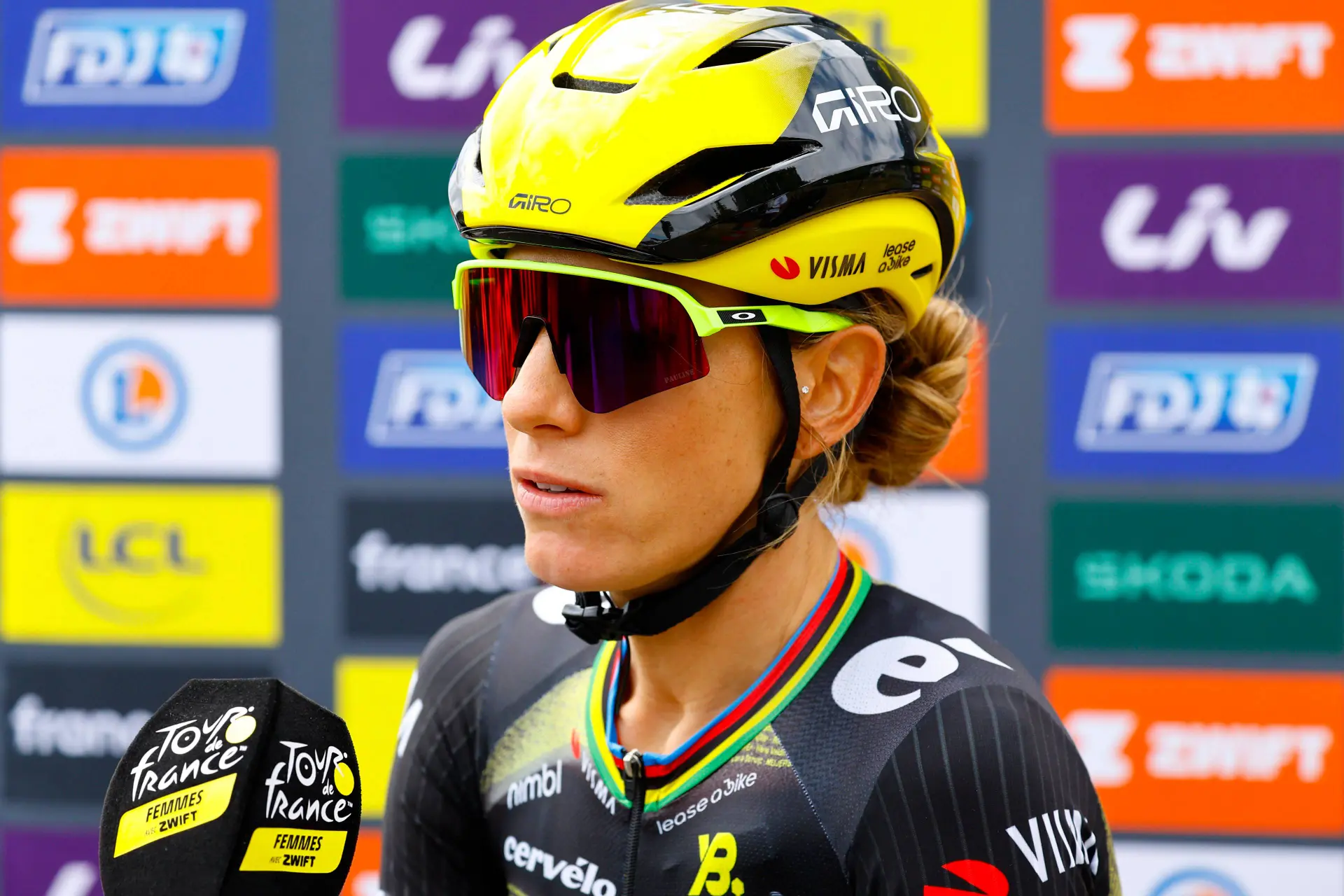
Marlen Reusser, one of her competitors, spoke openly about
the situation: “We secretly hoped that she wouldn’t be successful,” she
admitted. “Ferrand-Prévot has set a new standard. When riders are this
successful by becoming so thin, it puts pressure on all of us.”
Second-place finisher Demi Vollering addressed the broader
implications of such trends: “I make, and will continue to make, every decision
in my career by putting my health first.” Meanwhile, eighth-placed Cérdrine
Kerbaol described the sport as being in a “dangerous moment” when it comes to
issues surrounding low body weight.
Ferrand-Prévot has been forthright in defending her
preparation strategy. “I lost weight purely for this race. I did it with a lot
of help from the team,” she told Sporza, detailing the support network she had
at her disposal. With a nutritionist, chef, and nutrition coach working
alongside her, she said “everything could be analysed.”
Read also
She rejected suggestions that her approach was reckless: “My
weight loss was somewhat controlled and intelligent. It wasn't an illness.
There was a lot of fuss about it, but I don't take that personally. We're
professional athletes. I simply prepared as best I could for the biggest race
in the world. The last days of the Tour were very tough, so watts per kilogram
were very important. It's just a process.”
RED-S is a recognised condition caused by insufficient
energy intake to support the demands of training and daily life, leading to
hormonal disruption, decreased bone density, and increased risk of injury.
While it has long been acknowledged as an issue in endurance sports, cycling has
struggled with consistent protocols for prevention and monitoring.
By linking RED-S screening with bone mineral density
testing, the TCA hopes to make such checks a standard part of a rider’s medical
calendar, much like regular blood tests or heart screenings. Their argument is
that without systemic safeguards, the competitive pressure to achieve
performance gains through extreme weight reduction will continue unchecked, potentially
shortening careers and damaging long-term health.
Ferrand-Prévot’s case has brought that tension into focus.
For her, targeted weight reduction was part of a controlled plan. But for
others, the visual and competitive precedent it sets can create dangerous
expectations, particularly for younger riders or those without access to the
same level of professional support. So is this a type of marginal gains, or has
it gone too far?
The question is where do we draw the line.

Fin MajorCycling Journalist
Fin Major is a UK-based writer at CyclingUpToDate and has been part of the team since 2024. He is the site’s main writer for FAQs and evergreen explainers and has written around 2,000 pieces for the platform. Alongside this work, he focuses on in-depth analysis and covers the biggest races on the calendar, including the Tour de France, the Giro d’Italia, and La Vuelta a España, providing clear context around performance trends, tactics, and key storylines.
In his reporting, Fin uses reputable data sources such as ProCyclingStats for results, statistics, and historical context. He places strong emphasis on careful sourcing, editorial accuracy, and updating articles promptly when new, verified information becomes available. Outside of writing, Fin is an active cyclist, which supports his practical understanding of the sport and its demands.
claps 0visitors 0
Just in

Popular news
Latest comments
- Nothing. Against Pogi nothingabstractengineer18-10-2026
- He didn't even try to sprint all outvappaxbipmv18-10-2026
- Campenaerts looked like a rolling pumpkin with that all orange leaders skinsuit !frieders318-10-2026
- He can take his dumb a$$ politics somehwere else !frieders318-10-2026
- good to have her back. fingers crossed she‘ll be able to stay!Ketterechts17-10-2026
- A tenner and he wins the Tour next year, too 😂anonymouscyclist17-10-2026
- the answer is either stick to classics or GTs but not bothabstractengineer17-10-2026
- the exodus already stared with Ciccone. Already they were struggling with two sprinters, now there are three. Also Ganna will demand leadership. Gall is the most proven GC, Ayuso has the most potential. GC leadership for everybody will be impossible. Literally a UAE style mess without pogi.abstractengineer17-10-2026
- I raced as an amateur for 12 years, including six years on my country’s national road cycling team. I secured two national titles and competed in three World Championships plus more than 15 international stage races. At 23, we travelled to Italy for a training camp—or so I assumed. On a rest day, we watched a presentation about adopting a more “professional” training approach. It was crystal clear what “professional” meant. That moment first exposed me to this dilemma. After returning from Italy, I left cycling—at least at the competitive level I had known. Over the following two years, the whole team was caught doping. I hold that everyone is innocent until proven guilty. In my view, current stakeholders operate on a different scale, and the sums involved are vast. I am unsure whether any doping would ever be revealed. I try to stay positive and enjoy the show. My 2c.
 vannpelt17-10-2026
 - Fiver he wins 🤣
 leedorney17-10-2026
Loading
10 Comments