“Selfishly, I’m happy that Van Aert beat Pogacar” - Brian Holm calls Paris-Roubaix 2026 ‘one of the best ever’
CyclingMonday, 13 April 2026 at 21:30
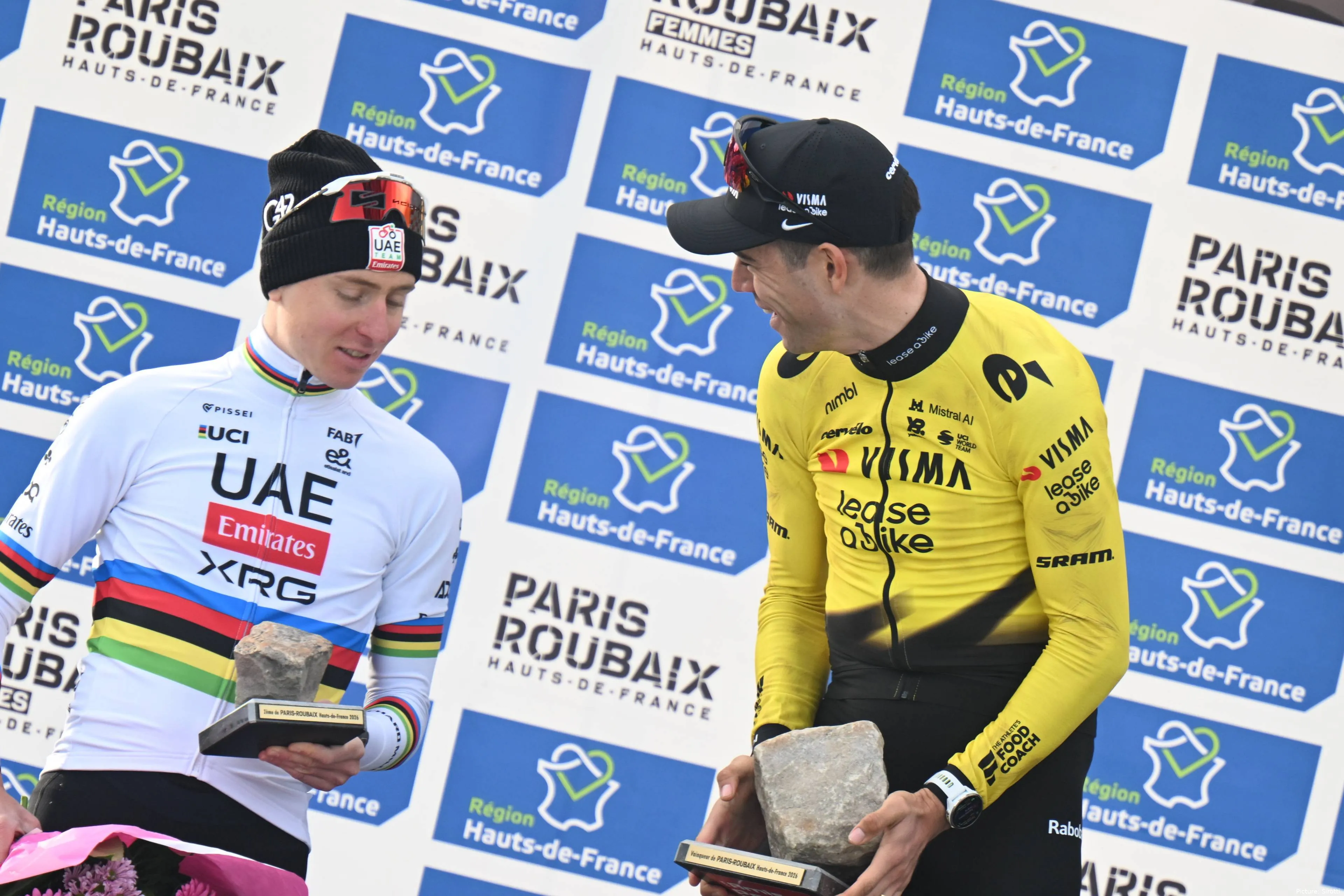
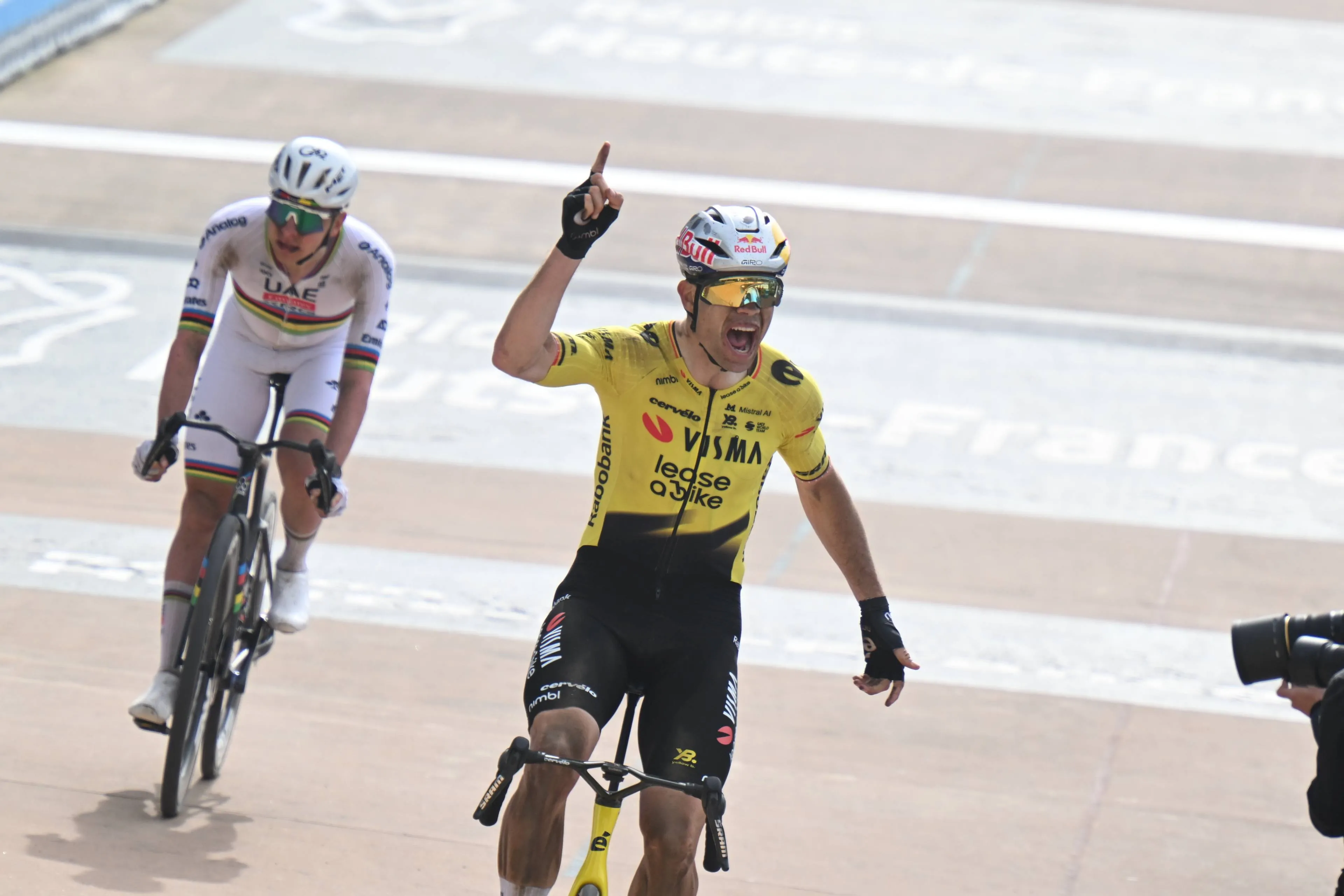
Wout van Aert’s long-awaited Paris-Roubaix triumph has been hailed as the crowning moment of one of the wildest editions in recent memory, with Danish pundit Brian Holm arguing the 2026 race belonged in the conversation with the very best the Monument has produced.
Speaking on Eurosport.dk after Sunday’s race, Holm said: “When you sit and watch the race, you start to wonder if this might be one of the best editions ever.”
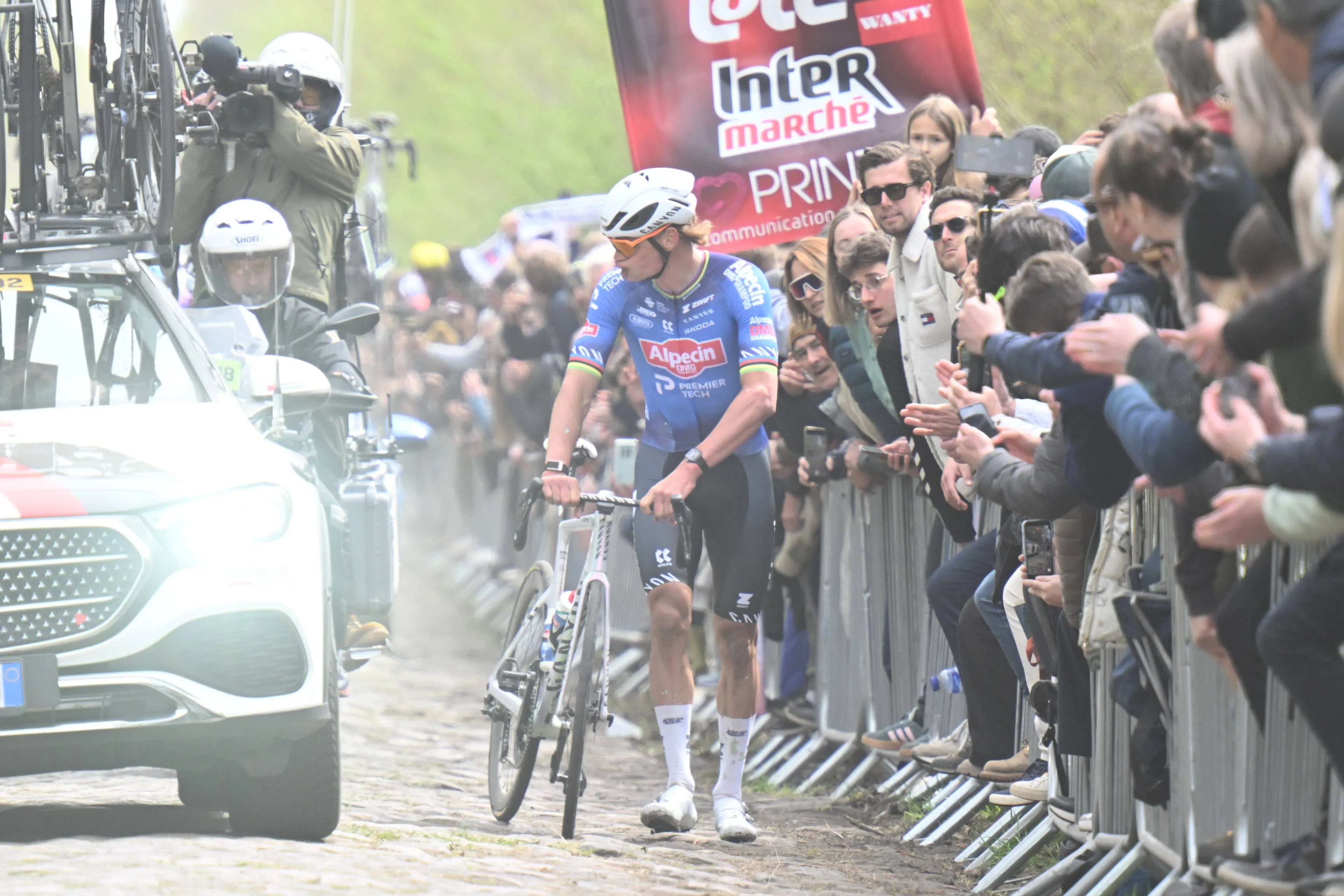
It was not just the result that drove that verdict, but the sheer volume of drama packed into the day, from repeated punctures among the favourites to the remarkable recovery rides of Tadej Pogacar and Mathieu van der Poel.
Why this Roubaix stood out
Paris-Roubaix rarely needs help producing spectacle, but this edition seemed to lurch from one turning point to the next. Van der Poel was knocked off course by mechanical problems and still clawed his way back into the race. Pogacar also lost ground, then somehow returned to the front and finished second. All the while, Van Aert kept himself in the winning conversation and then delivered the finish that finally brought him the cobblestone trophy that had long felt missing from his palmares.
For Holm, that combination made the race exceptional. He was particularly struck by the scale of the comeback efforts from Pogacar and Van der Poel, saying: “It was incredible how much Pogacar and Van der Poel chased. It’s unbelievable that they were even able to come back at all.”
That was what made the race feel so different. Even after major setbacks, the biggest names kept reappearing, refusing to let the race settle into a simple script.
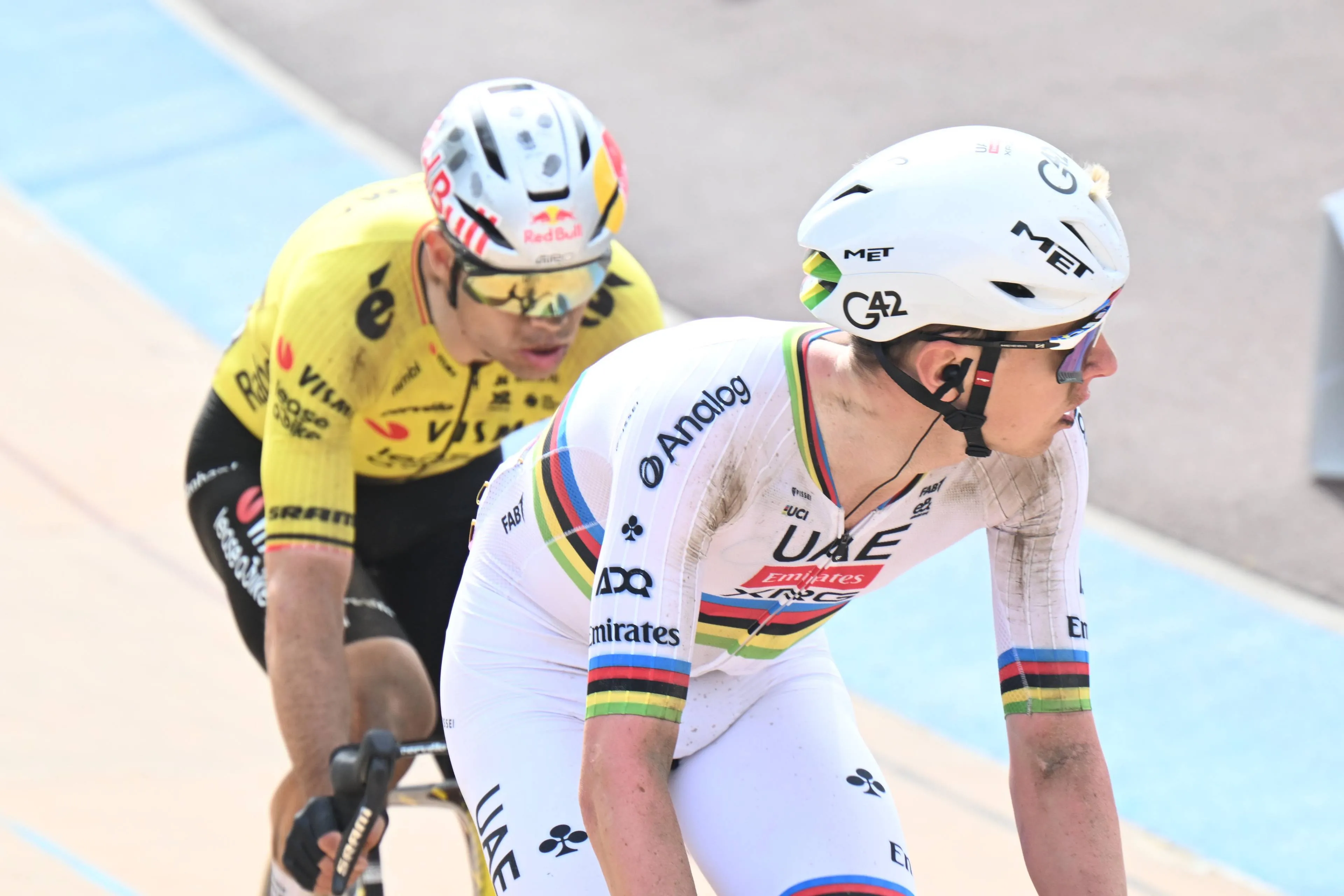
Pogacar and Van der Poel turned the race inside out
Holm’s reading of the race was shaped heavily by what the two pre-race headliners still managed to do after things had gone wrong. “These are the best riders in the world who are up there riding. So it should have been impossible,” he said, before adding that he had genuinely believed Pogacar’s race was over when the Slovenian ran into trouble. “For Pogacar, I also thought it was over. It was crazy to watch.”
That detail matters because it says a lot about the edition Van Aert ended up winning. This was not a quiet day where rivals faded one by one, and the strongest rider simply rode away. It was a race where the favourites kept crashing back into the story, forcing new calculations almost every time the race seemed settled.
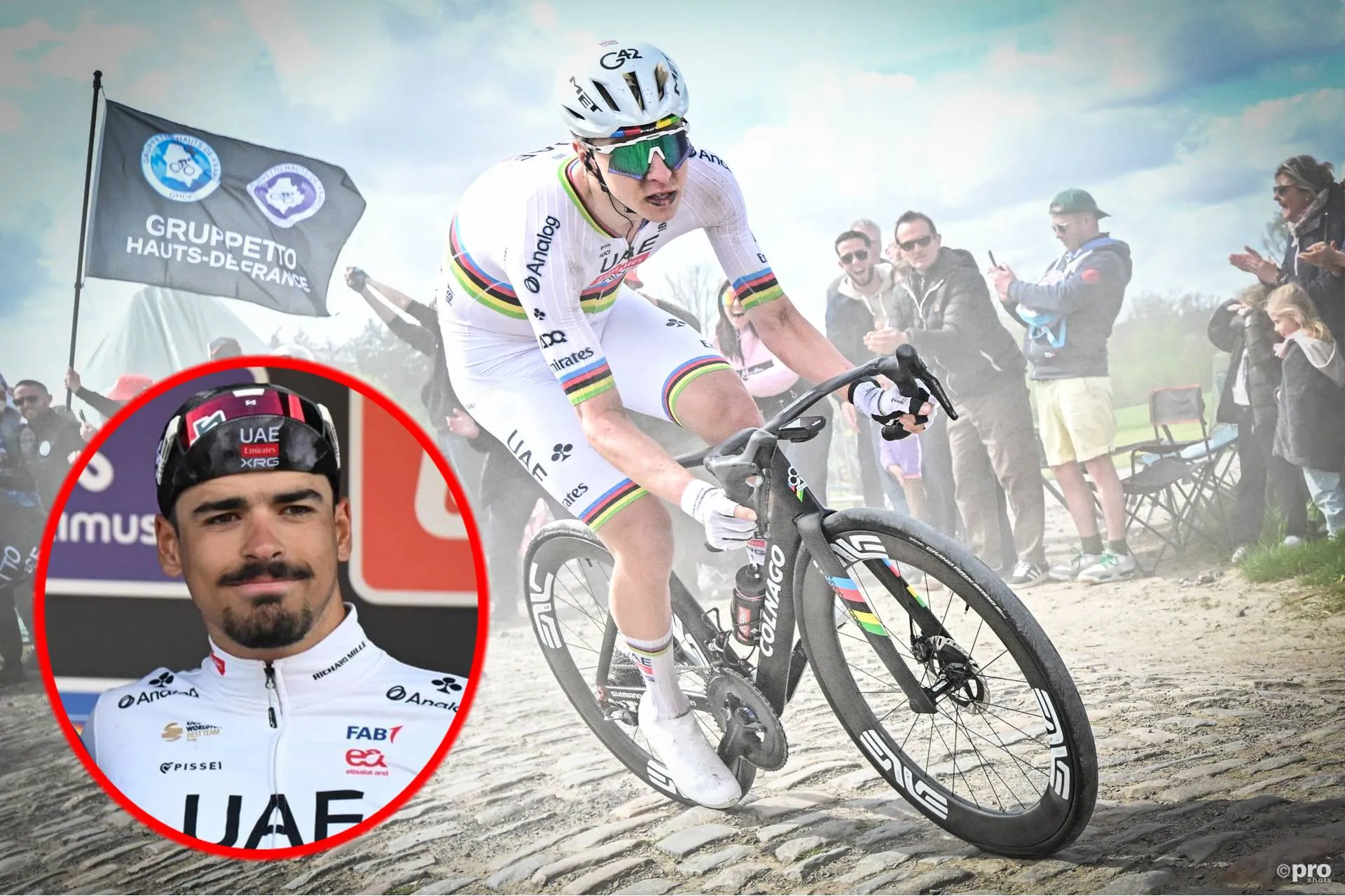
Van der Poel’s ride to fourth, in particular, became one of the defining subplots of the day. Pogacar, meanwhile, still came away with second place, again proving that Paris-Roubaix is no longer some exotic side mission in his Monument collection but a race he can genuinely win.

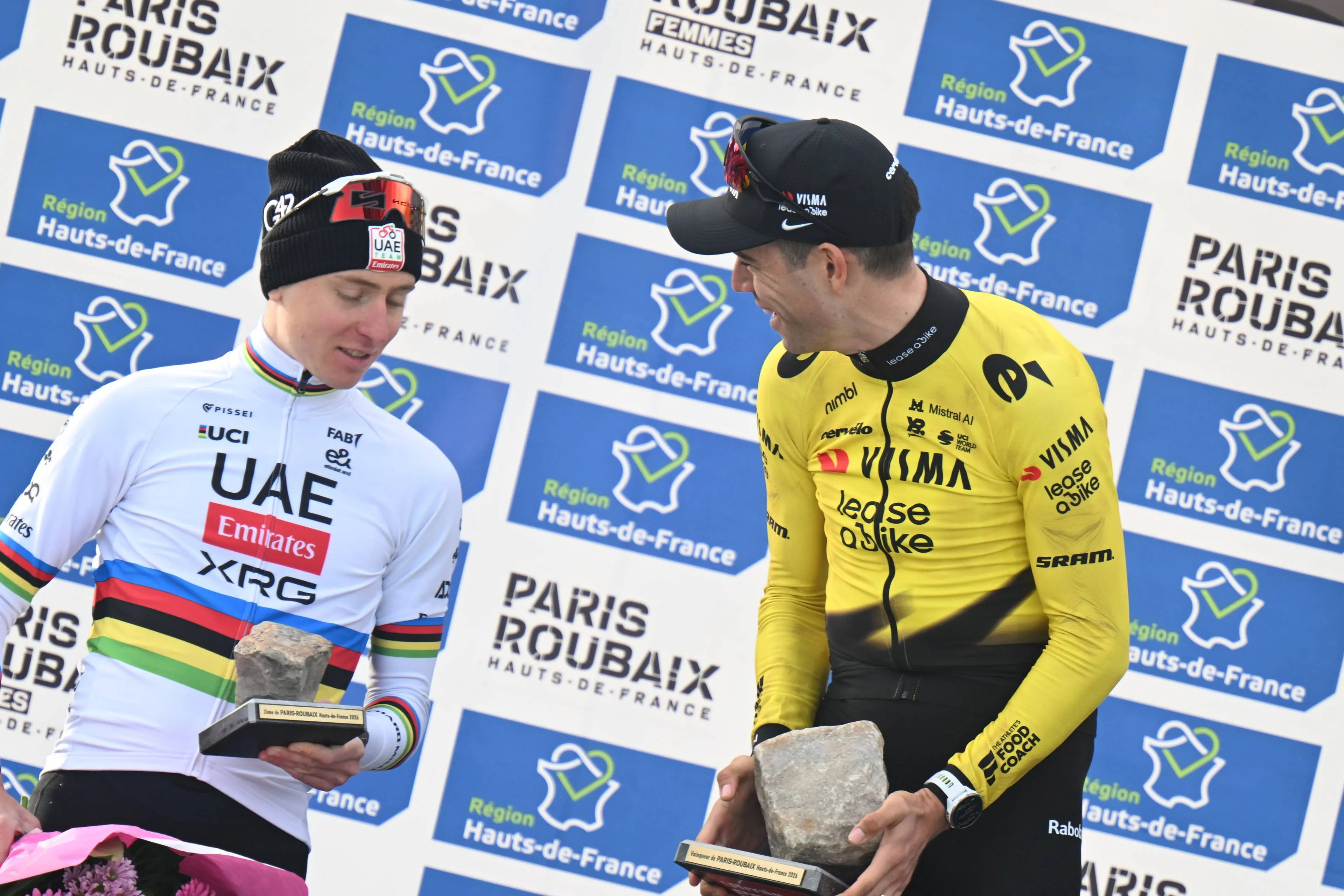
Tadej Pogacar had to settle for 2nd at Paris-Roubaix 2026
Why Holm was pleased Van Aert beat Pogacar
Holm’s most eye-catching line came when he admitted, “Selfishly, I’m happy that Van Aert beat Pogacar.”
That was not just a throwaway preference. He explained it as a question of racing logic, arguing that Paris-Roubaix should still reward a certain type of rider. “It fits the logic that a big, powerful rider, especially with a tailwind, should be able to beat a climber in a race like this,” Holm said. “And that’s exactly what happened.”
That view will not be universal, especially after Pogacar again showed he belongs right at the front of the race, but it cuts into one of the biggest themes of modern cycling. Pogacar has already broken so many old assumptions about which riders can win which races that every near miss in Roubaix now feels like a challenge to the race’s old rules. On this occasion, though, Van Aert held that line.
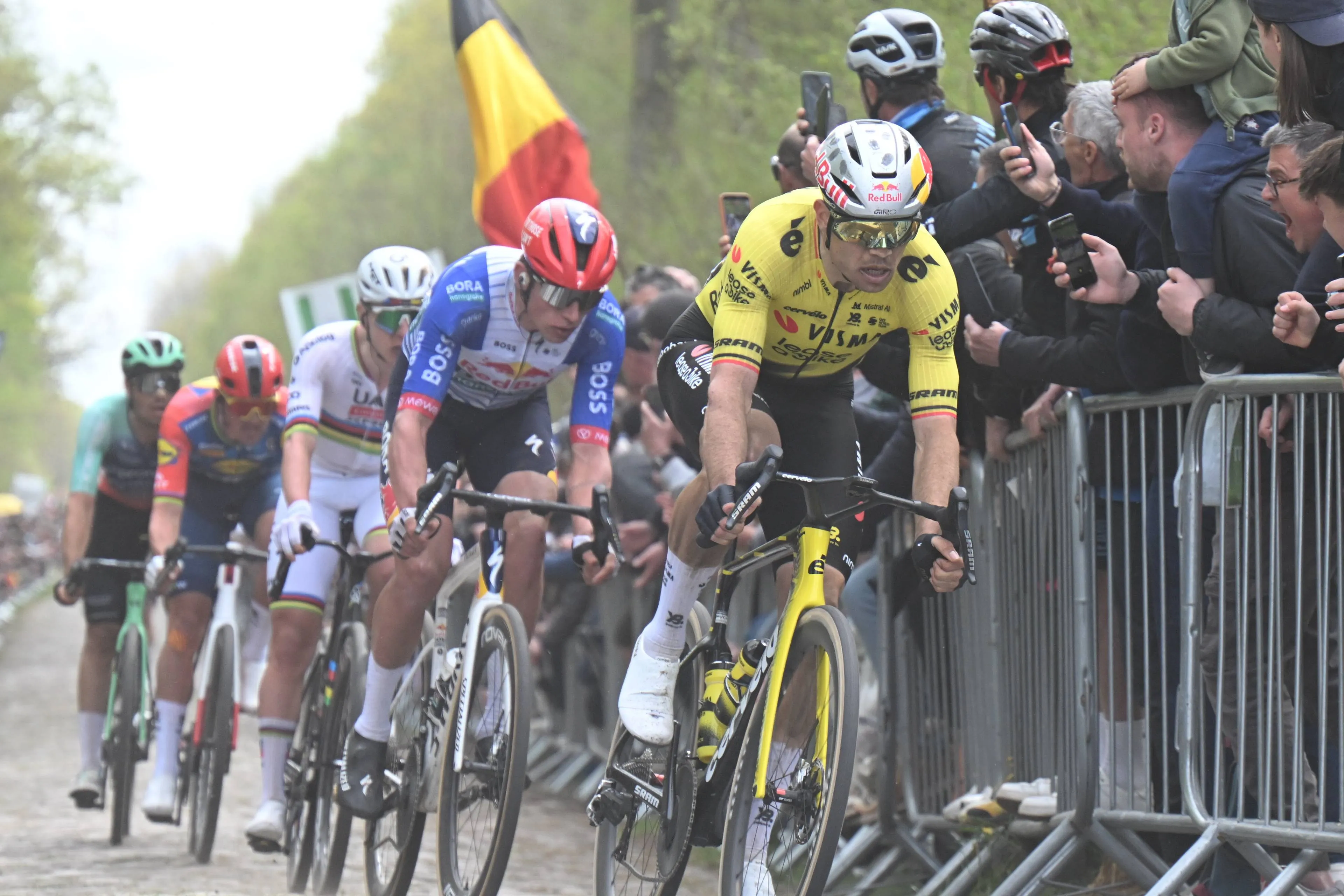
The result that changes Van Aert’s story
Holm also placed the victory in the context of Van Aert’s recent years, which had been shaped by injury setbacks, bad luck and repeated questions over whether he would ever get this one. “Van Aert has been plagued by bad luck for quite a few years now,” Holm said. “When he broke his ankle in the winter, nobody believed he could win Paris-Roubaix.”
That is what gave the result its emotional weight. Van Aert was not simply adding another big win to an already decorated career. He was finally landing the Monument that had become an obsession, both for himself and for Belgian cycling more broadly. Holm’s verdict on that point was clear. “A true Classics king won today.”
That line lands because it speaks to a long-running tension around Van Aert’s career. He has won a great deal, but he has often been discussed through what slipped away rather than what he secured. Paris-Roubaix changes that balance immediately.
A race people will keep talking about
Holm ended his verdict in similarly emphatic fashion, calling it “an edition for the history books” and adding: “It’s the best bike race in the world.”
That is the broader significance of Paris-Roubaix 2026. It was not memorable because one rider dominated. It was memorable because the race never stopped moving. Van der Poel looked out of it and came back. Pogacar looked delayed and came back. Van Aert still had to beat the world champion at the velodrome to finish the job.
That is why this result will sit differently from many other Monument wins. Van Aert did not win a controlled race. He won the version of Roubaix that every rider fears and every fan remembers.
claps 5visitors 5
Just in


Popular news
Latest comments
- I imagine doing the same thing every year gets boring. He's already said as much from doing the same stage race/TDF buidl up, hence the Monuments/classics the last few years - He doesn't need to worry about any of his GC rivals turning up for Roubaix, and it's not a race for specifically young guns - so I'd say he's got more time to win this one than almost any other. experience seems to benefit more than anything.antipodeanpedalfan14-04-2026
- pretty stupid idea. these guys are bike racers, not fearful frail GT riders.mij14-04-2026
- he does need to win it to be the GOAT. the GOAT wins everything at least once, especially a monument. how can he be the GOAT if he doesn't match Merckx in winning each monument at least 1x, and each GT at least one time?mij14-04-2026
- he hasn't hinted at early retirement. he openly said he will play out this contact at a minimum. I don't think he fears Seixas or Jonas or anybody - not out of cockiness, but I think he appreciates the challenge, the good race. These guys like the competition to get better, they don't fear from it. he probably needs a moment to reflect, but he will be back with a vengeance. not sure where you come up with your crap.mij14-04-2026
- I thought Vos's positioning was a bit off in the sprint. she seemed to be coming wide at the worst possible time and didn't really take advantage of Koch's slip stream. what a great finish though.mij14-04-2026
- hoping MVDP would bring you back? what is he, your chauffeur? Bora is supposed to be a "super team". use your own #'s, and so some work on your own legs. loser comment.mij14-04-2026
- Tadej himself said his legs were spaghetti. he offered no excuses, didn't talk about flats, or mechanicals. another reason to love Tadej, WVA, Mads, MVDP - all of these guys are classy in wins and defeats.mij14-04-2026
- kinda disagree with most of what is written here. Tadej has 2 monuments this year alone, and is the ultimate outsider for Roubaix. the pressure is on WVA. he had one career monument, and none on the cobbles. stone cold assassin? WVA won on Champs-Elysees. on paper and by profile, he had that sprint locked up before entering. if his spring stayed true to his profile, which it did, then he didn't exactly need to be an assassin LOL. the real pressure was on WVA. one more lost sprint, especially to a GC/climber type would have sealed his legacy to many - can't win the big one, even though he has won big ones. Tadej had nothing to lose. Wout had everything to lose.mij14-04-2026
- It's on HBO in the USA, not FloBikes.frieders314-04-2026
- Everybody had 2+ mechanicals in the fastest PR of all time. so any of them winning would have been a legendary. What would not have been good is if these three kept looking at each other and Mads or Styuven slipped past and won it like in some past PR races.abstractengineer14-04-2026
Loading
5 Comments