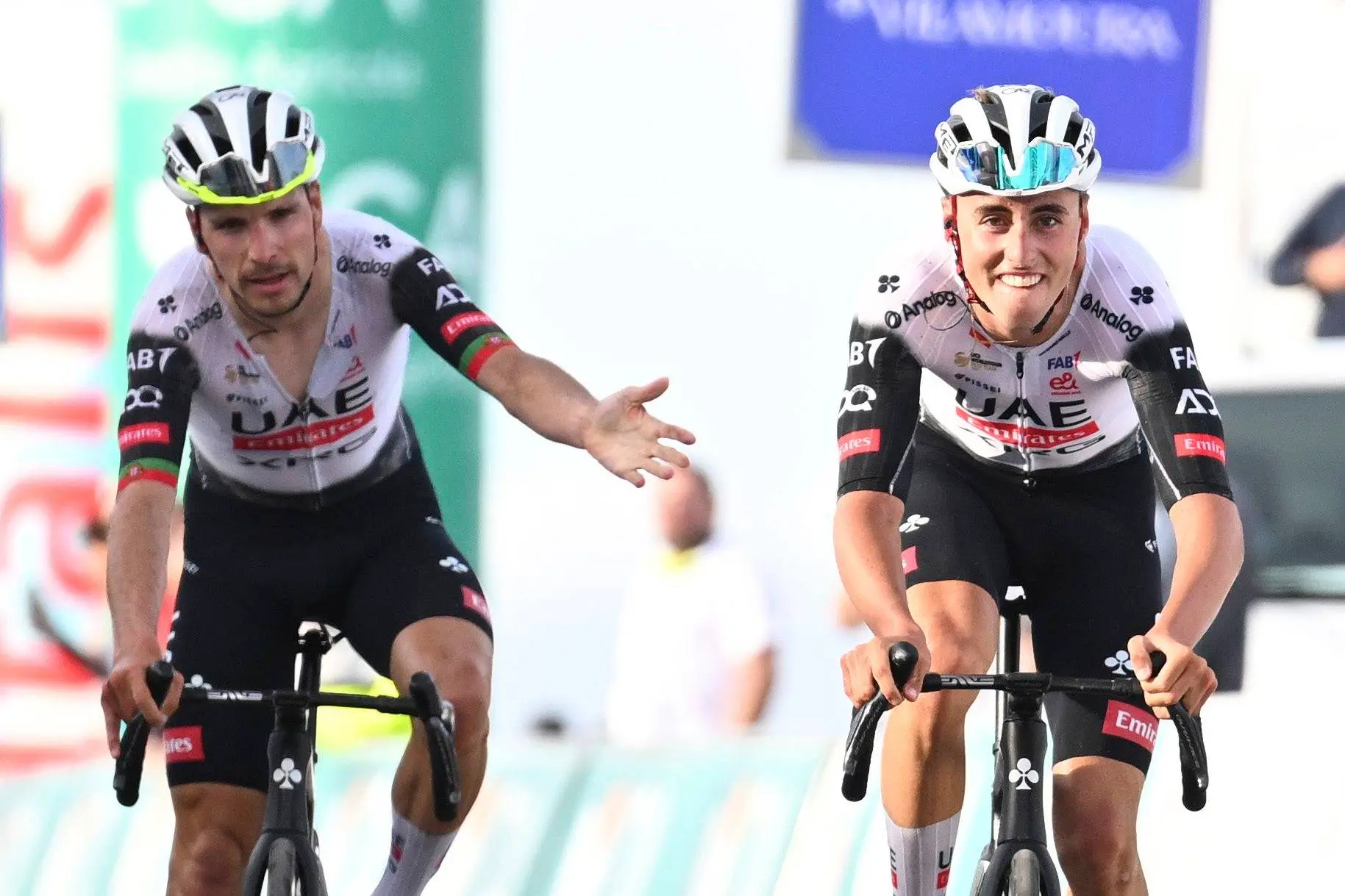
From the 4th to 10th of August the World Tour calendar continues with it's first post-Tour de France stage-race: the Tour de Pologne. This week-long race in Poland is always packed with opportunities for the sprinters, classics riders and time-trialists. We preview the race ahead.
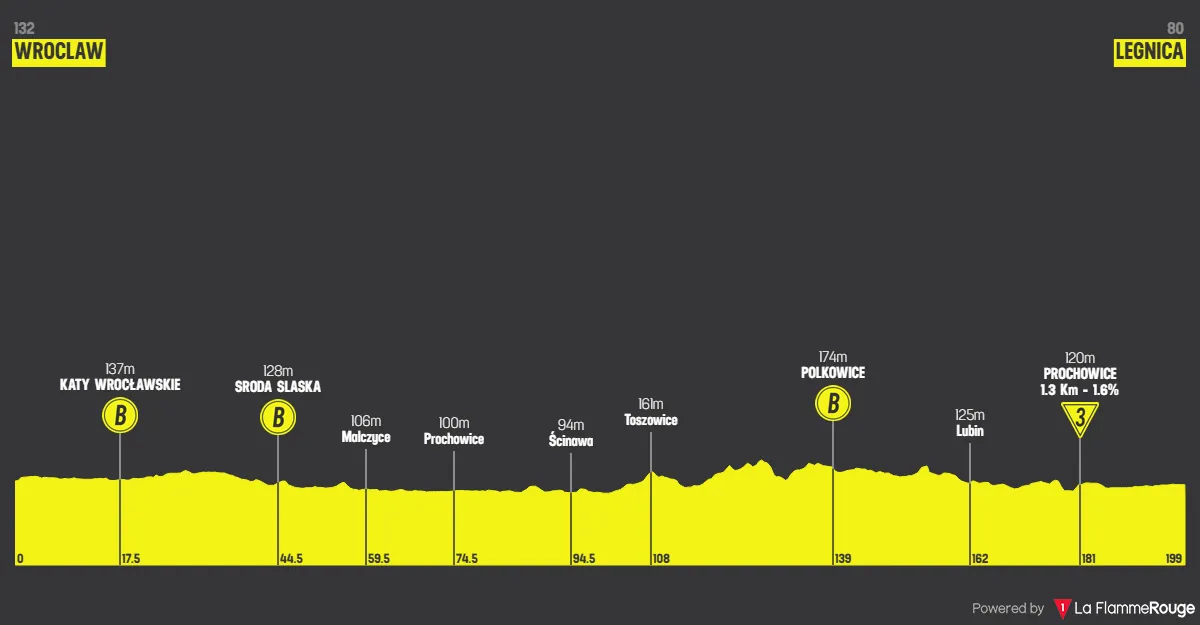
Stage 1: Wroclaw - Legnica, 199 kilometers
The race starts off in the city of Wroclaw and the opening stage will be fit for the sprinters. It will be one of the longest stages of the race with 199 kilometers in distance and there will be no obstacles in the way of the riders on the way to Legnica.
The final 2 kilometers will be somewhat technical however, not having any sharp corners present, but some slight turning all throughout these two minutes of effort that could be very treacherous and where entering well positioned will be crucial.
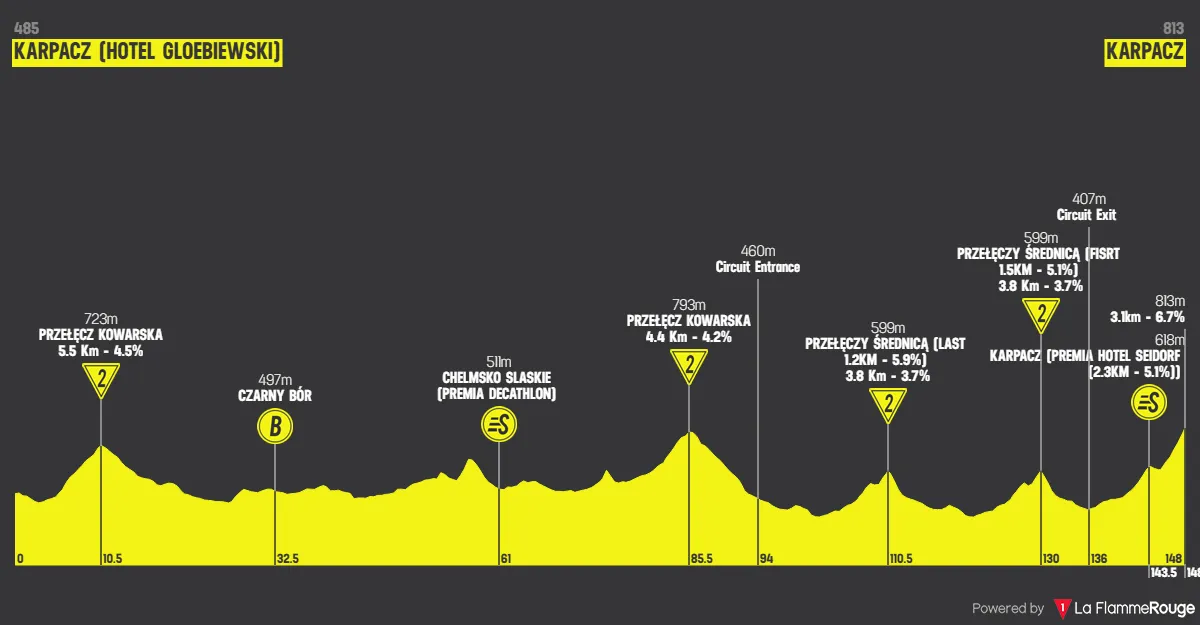
Stage 2: Karpacz - Karpacz, 148.3 kilometers
The second stage of the race will already be an important one for the overall classification as the riders go into the hills, starting and finishing off the day in Karpacz. A regular finale, however a shorter summit finish this time around, less well suited to the climbers.
Right at the start of the day there is some climbing, and then all over the stage there will be a few ascents scattered around. However all of the attention will be in the arrival which is a climb consisting of two sections. The first leads up to an intermediate sprint where the peloton finds a few kilometers at around 5%.
There is a small downhill section and then the final 3 kilometers average at 6.7%. It's not an ascent that is difficult enough to create serious differences and a sprint finish is likely, but there will be gaps and bonifications at play and of course, a first GC leader out of those who are fighting for the overall classification.
Stage 3: Walbrzych - Walbrzych, 158.7 kilometers
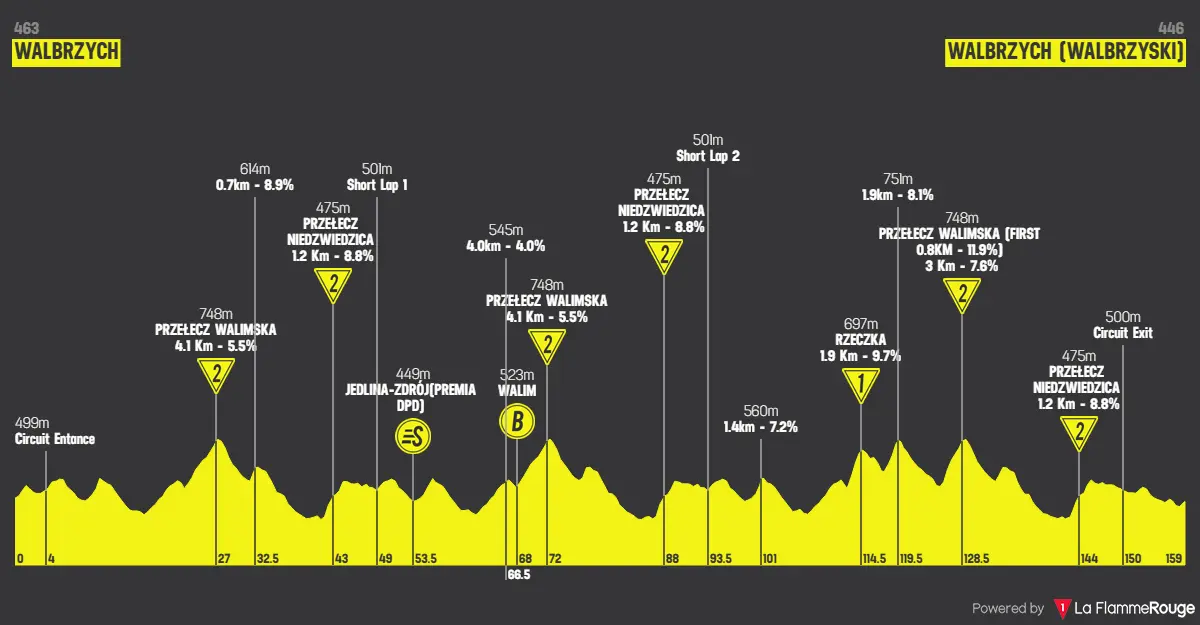
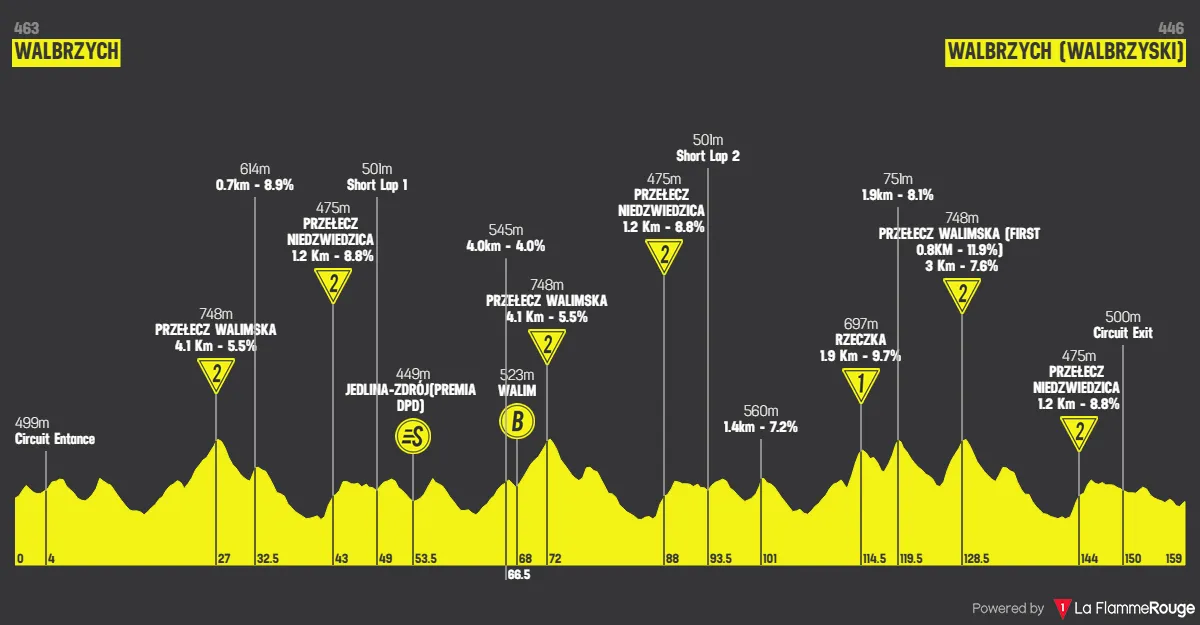
The third day of racing starts and finishes in the town of Walbrzych and for many it's a nightmarish day. Out of the 158 kilometers there is a barely a flat kilometer throughout the entire route and the total amount of climbing is of 3500 meters.
But these spread across dozens of climbs that the riders will face. There is no one moment of the stage where the race may explode, as there is climbing from start to finish. There are three steep ascents that could be more important due to their proximity to the finish and high gradient.
1.9Km at 9.7% (44.5Km to go); 3Km at 7.6% (30.5Km to go) and 1.2Km at 8.8% (15Km to go) certainly mark important points on the day before a slight downhill finish.
Stage 4: Rybnik - Ciezyn, 199.9 kilometers
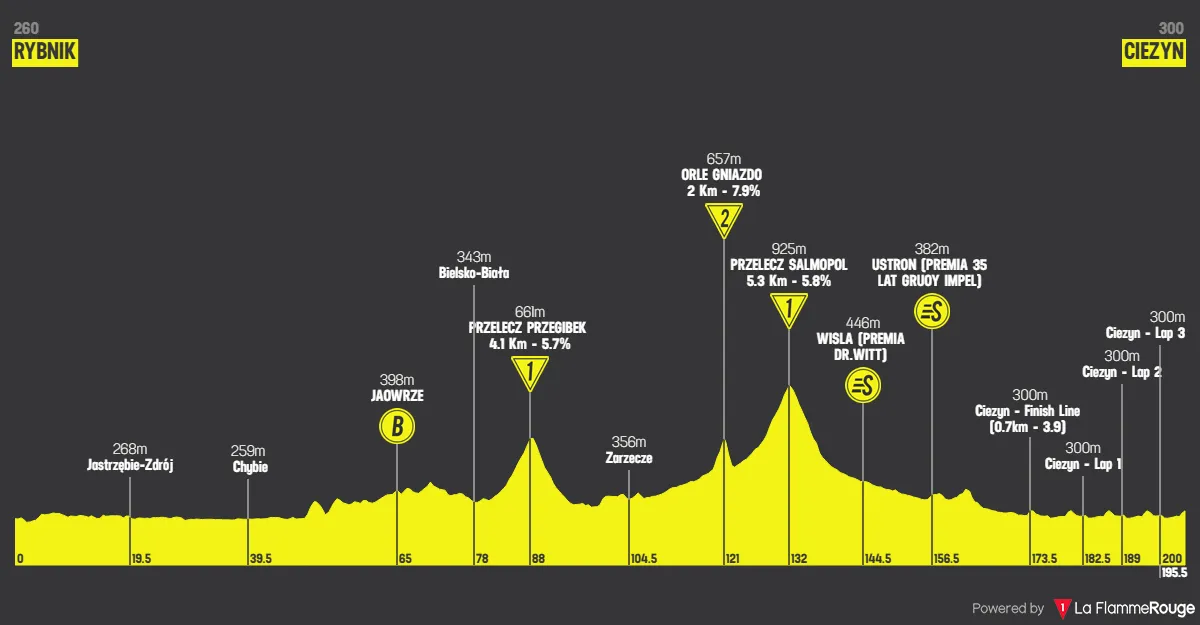
Stage 4 sees a return of the sprinters to the front. It is a day with 200 kilometers on the menu starting in Rybnik and finishing in Ciezyn, however it's not all flat and the first two thirds of the day do feature some ascents where a high pace can put some in difficulty.
However it is not dramatic and the peloton will then travel to a final circuit where they will take on four urban laps finishing with a 700-meter ascents that averages at 4%. Not a pure sprint, it can be argued.
Stage 5: Katowice - Zakopane, 207.1 kilometers
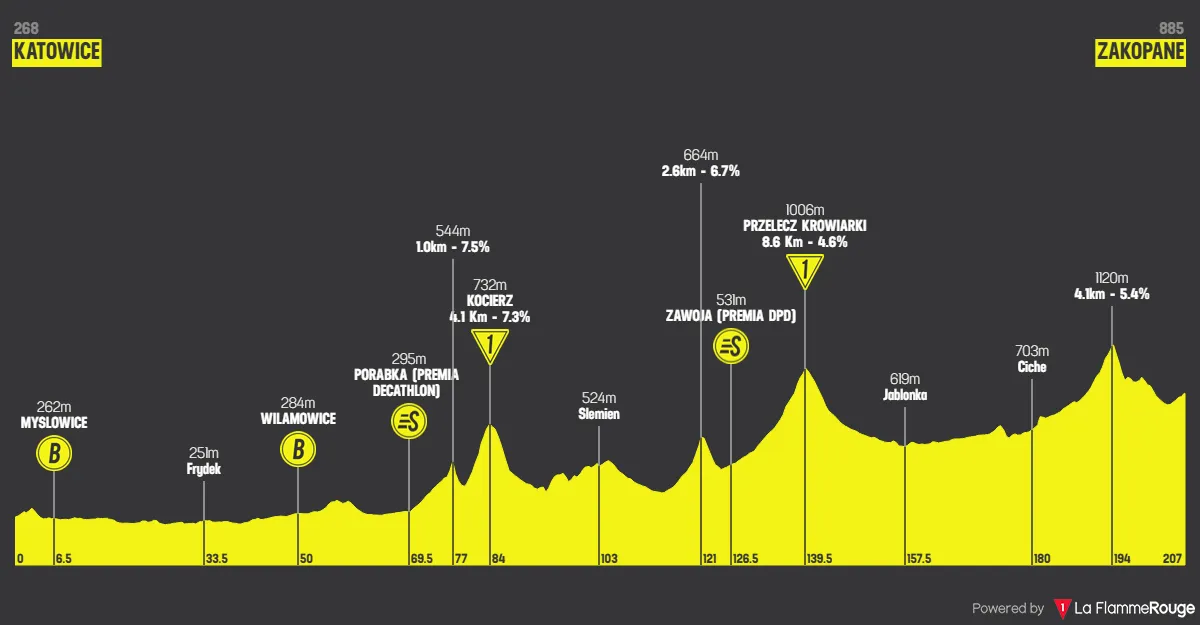
The longest day of the race will come on stage 5, starting in Katowice and finishing in Zakopane, two locations used to receiving the race. This is a day for the puncheurs but it can also end in a reduced bunch sprint or breakaway.
The stage features some climbing but the most difficult ascents of the day come far from the finish and shouldn't be attacked. In the finale of the 207-kilometer stage we'll have a 4-kilometer long ascent at 5.4% that ends with 13 kilometers to go.
Then a downhill and a slight uphill drag to the line in Zakopane where even those who survive the climbing beforehand, will need good legs to reach the final meters with the ability to sprint.
Stage 6: Bukowina Resort - Bukowina Tatrzanska, 147.1 kilometers
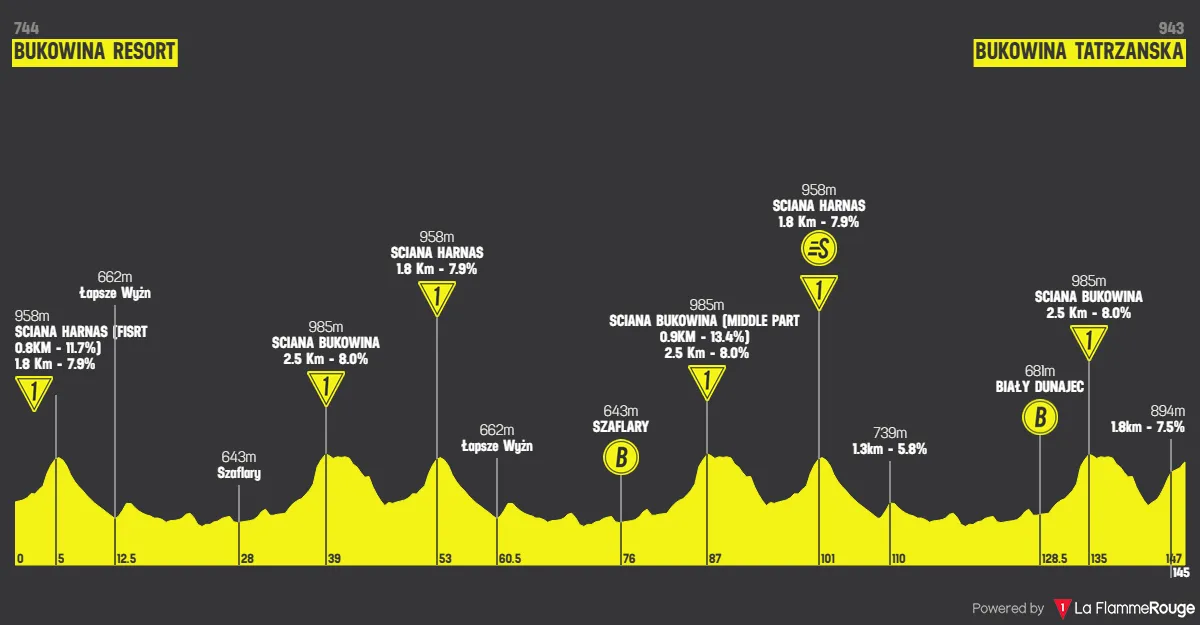
The queen stage? Most would say so, even if it is quite a short stage it is the one that presents the toughest climbs in the race and comes in the penultimate day which means fatigue will also play a role at this point of the week. The stage also does start off with a steep ascents where we may see some big attacks to form a breakaway.
The riders go on a little circuit that features two climbs during the middle part of the day and then late in the stage they tackle the first of the climbs again but then with a different summit finish. With 10 kilometers to go ends a climb of 2.5 kilometers at 8%, but the maximum is quite higher and the climb has serious ramps where big differences can be made.
But after this ascent and the small plateau that follows, there is still a final climb to Bukowina Tatranska to be tackled which is around 4.5 kilometers long at just over 5%. The hardest part of the climb is it's first half which averages around 7%.
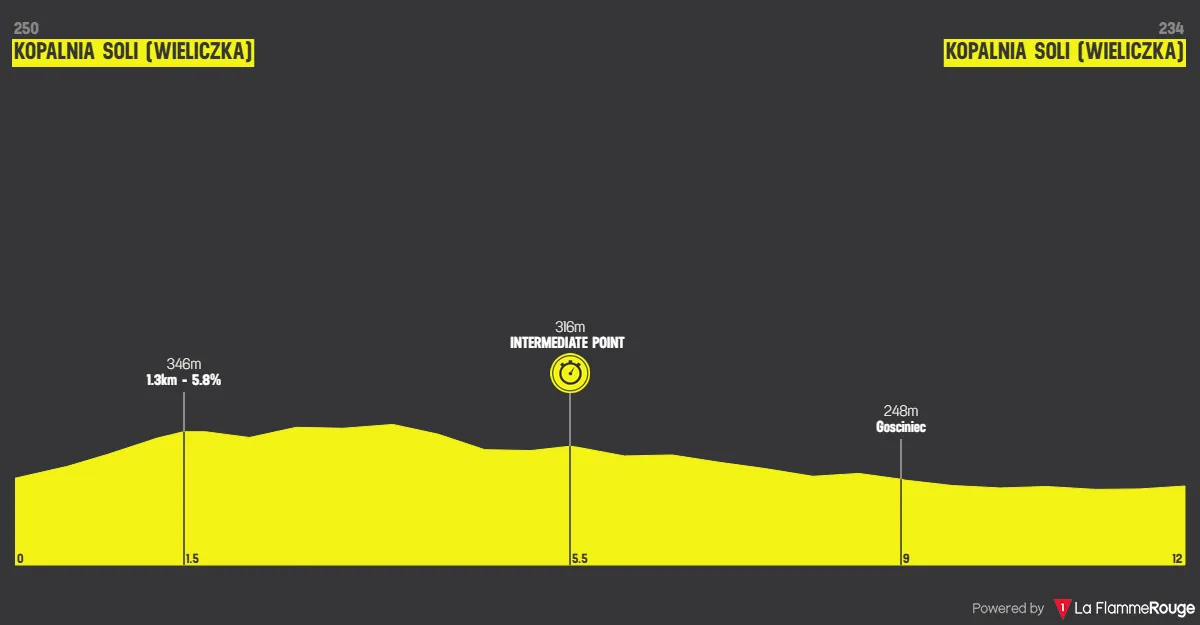
Stage 7 (ITT): Kopalnia Soli - Kopalnia Soli, 12.5 kilometers
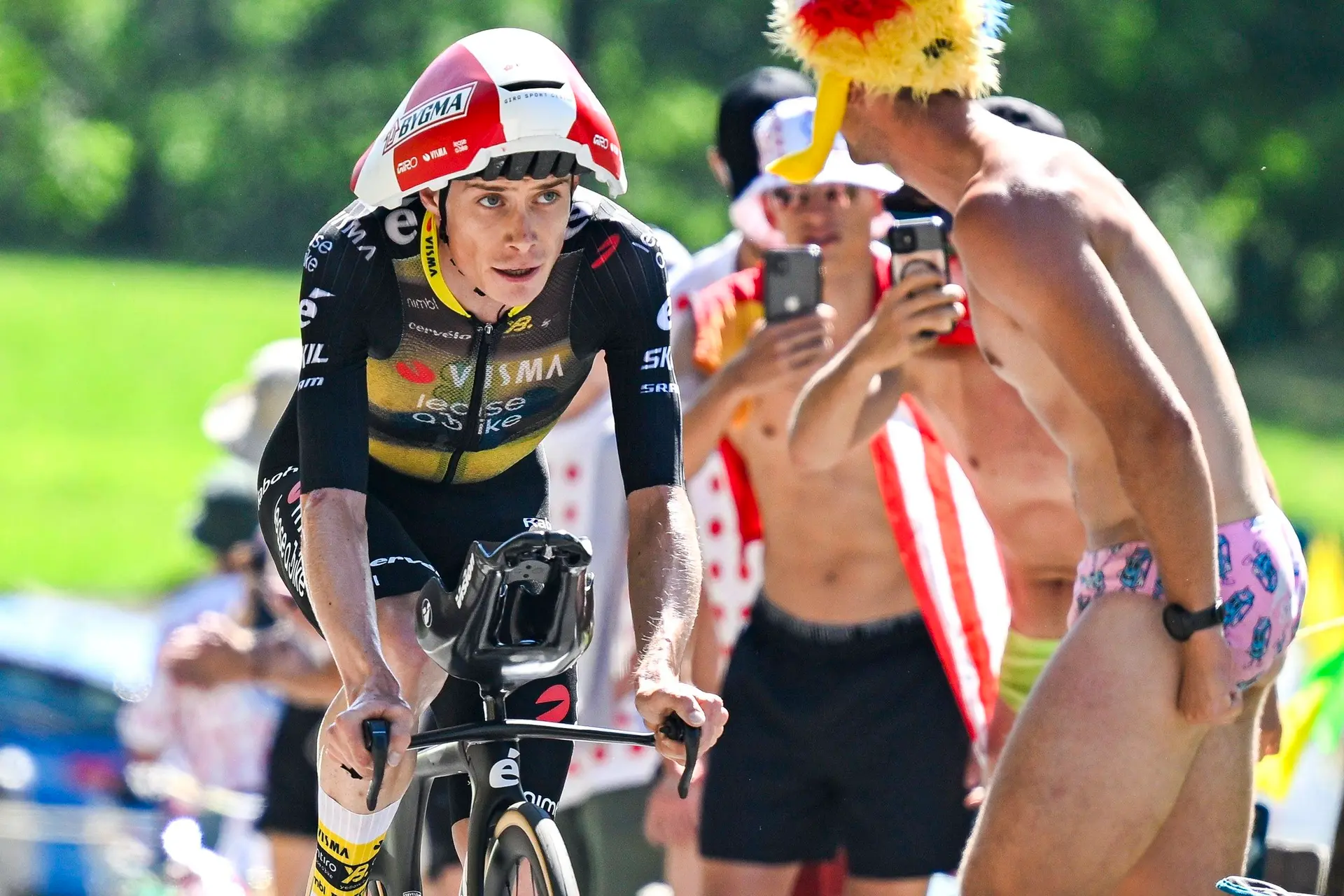
The face finished with a time-trial in Kopalnia Soli. This will only be 12.5 kilometers in length, hence less decisive perhaps than usual in this race, and it will also be one that is not easy to manage.
Right of the starting ramp the riders find a climb where meaningful differences can be made with 1.3 kilometers at 5.8%. This is where the biggest amount of time can be gained but it must be a managed effort as the remainder is slightly downhill and quite a fast effort.
The Favourites
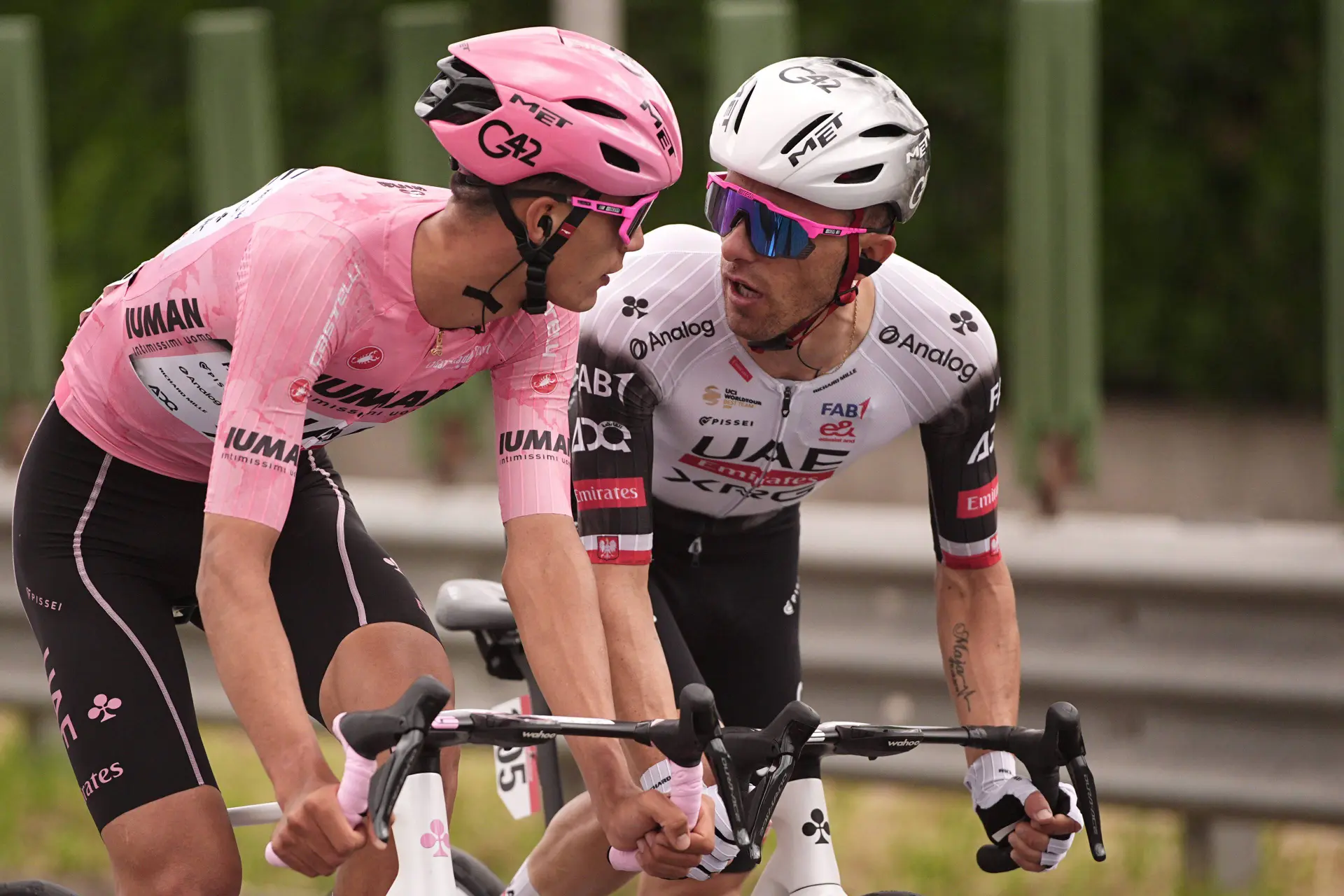
UAE - UAE is in my opinion the strongest team in the race, overall very well rounded but having several cards to play for the overall win. They have Rafal Majka who's racing Pologne as national champion for the first time and will be a star; the time-trial will see him lose time but this should see UAE use him for long-range attacks and to explode the race. Whilst on the helm, Jan Christen and Brandon McNulty both love this type of explosive stage and can both ride strong time-trials that can gather them the GC win.
BORA - BORA is a mixed bag, but no-one can deny they have the cards. On paper, four victory contenders in their lineup, although we can be sure that at least one of them won't have their best legs. Matteo Sobrero is a strong time-trialist who can defend himself on the climbs; Daniel Martínez is a strong climber who can defend himself on the time-trials; Finn Fisher-Black is a very strong puncheur who can time-trial very well and on top of all that the team has Maxim van Gils who has struggled to show his best form this year but has done so in San Sebastian and could be very strong here.
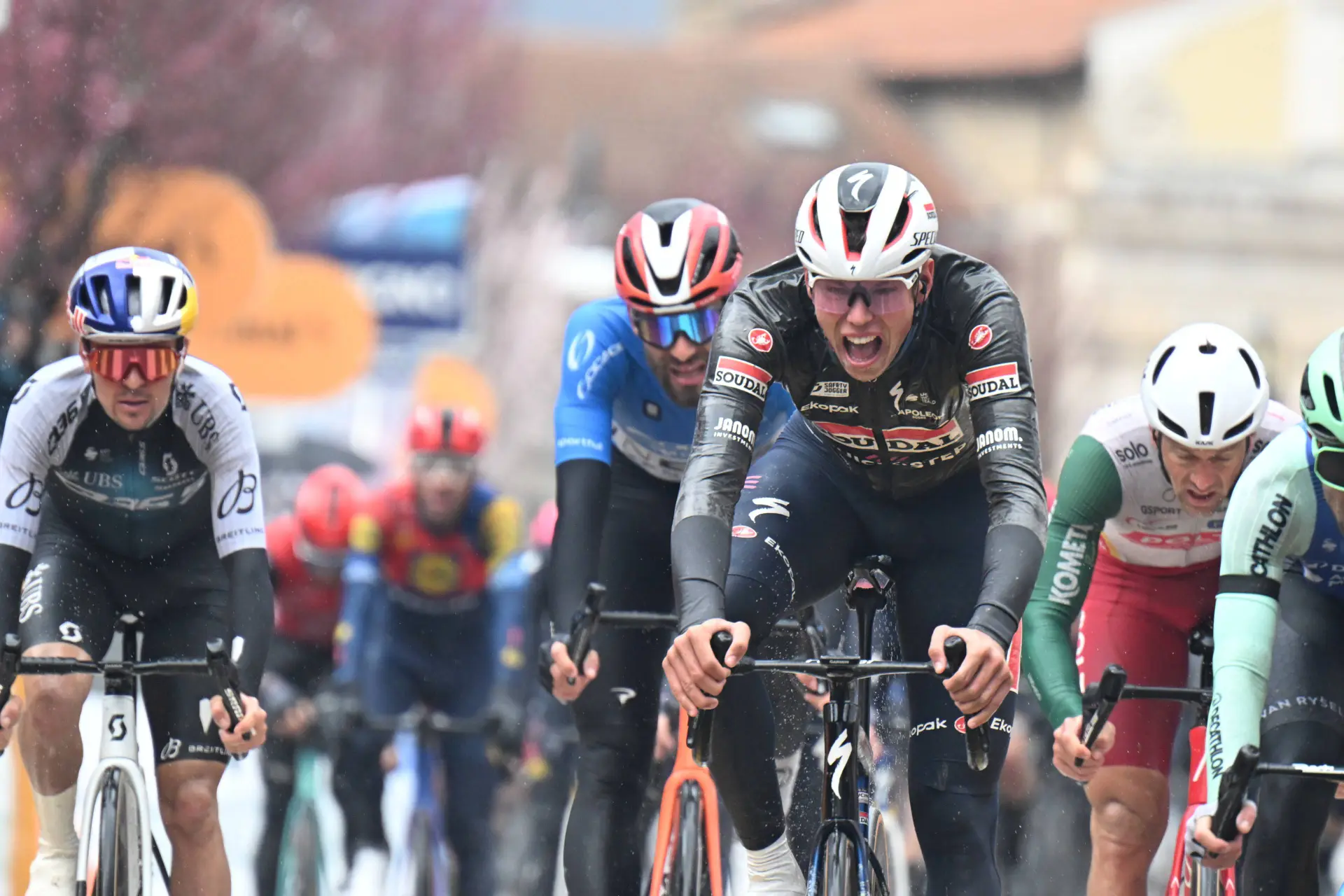
Mathias Vacek - The Czech rider is, like last year, riding a smaller calendar during the summer and with this he has shown terrific form with a double win at the national championships and a stage win (plus second overall) at the recent Tour de Wallonie. Lidl-Trek do not have as much of a team as the two above but it might not be a decisive factor. Vacek is a terrific time-trialist, great climber in this sort of terrain and can sprint to bonifications very well.
We will have riders like Antonio Tiberi, Magnus Sheffield and Ethan Hayter who can be extremely dangerous in the final time-trial and hence be serious contenders to win the race if they are not distanced early in the race; on the opposite side of the spectrum riders like Matthew Riccitello and Max Poole who have a lot of talent on the climbs and may use that terrain to be within a shot of overall success.
Inbetween many other quality riders such as Pello Bilbao, Filippo Zana, Michal Kwiatkowski and Astana duo Alberto Bettiol and Diego Ulissi - who finished second to Jonas Vingegaard here one year ago on this very race.
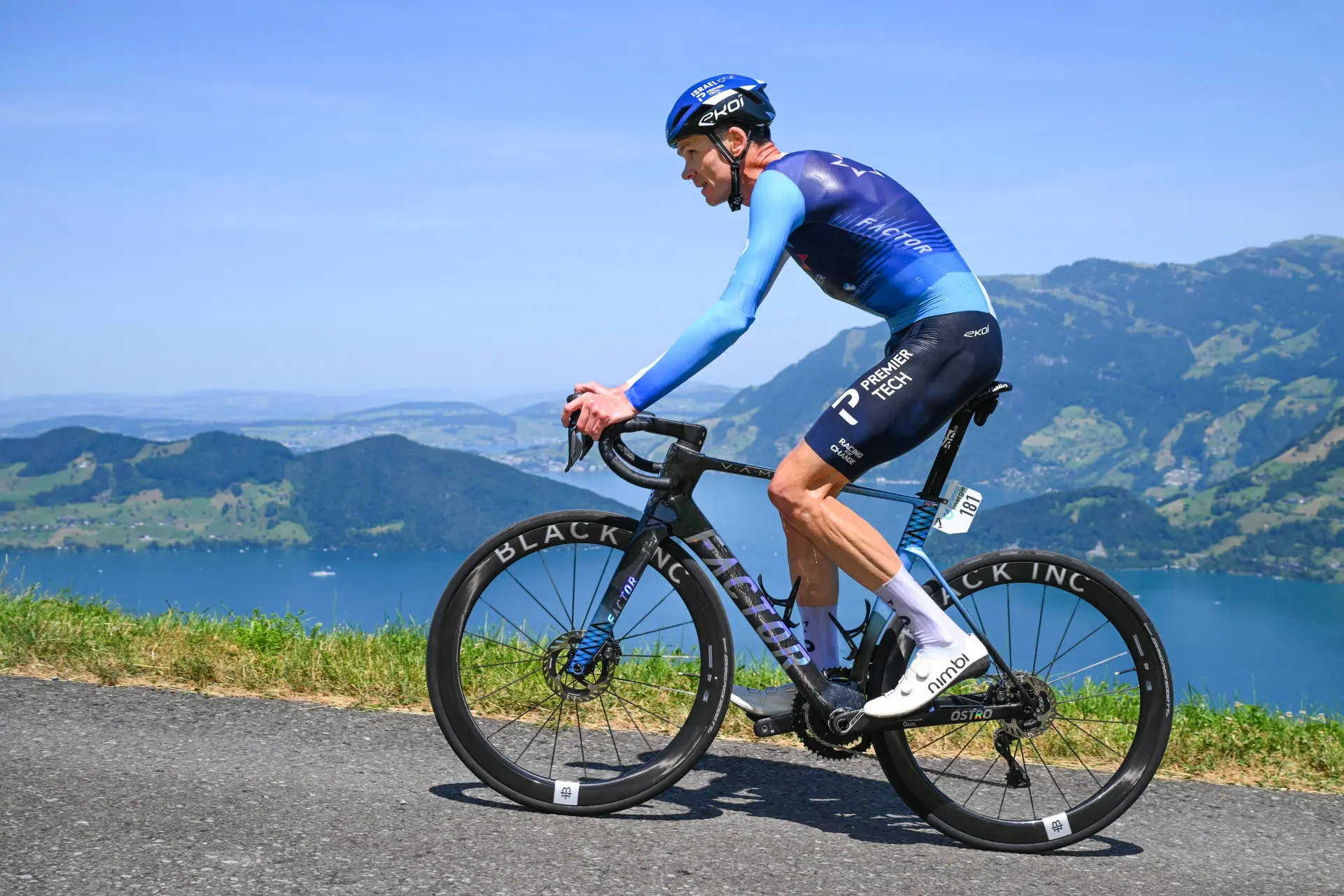
The race will also be able to count on sprinters such as Olav Kooij, Matthew Brennan, Ethan Vernon, Casper van Uden, Elia Viviani, Madis Mihkels, Sam Bennett, Paul Magnier, Fernando Gaviria and Arvid de Kleijn. Stefan Küng will be an interesting stage hunter and favourites for the time-trial whilst Chris Froome will certainly be a big name at the start of the race.
Read also
Prediction Tour de Pologne 2025 overall classification:
*** Mathias Vacek, Jan Christen, Magnus Sheffield
** Brandon McNulty, Antonio Tiberi, Ethan Hayter, Maxim van Gils
* Rafal Majka, Finn Fisher-Black, Daniel Martínez, Max Poole, Michal Kwiatkowski, Alberto Bettiol, Pello Bilbao, Filippo Zana, Diego Ulissi
** Brandon McNulty, Antonio Tiberi, Ethan Hayter, Maxim van Gils
* Rafal Majka, Finn Fisher-Black, Daniel Martínez, Max Poole, Michal Kwiatkowski, Alberto Bettiol, Pello Bilbao, Filippo Zana, Diego Ulissi
Pick: Mathias Vacek
Original: Rúben Silva
Rúben SilvaEditor-in-Chief
A founding contributor to CyclingUpToDate since its launch in January 2022, Ruben Silva has played a central role in shaping the site’s editorial direction and long-term growth. Before joining the project, he built his experience through independent blogging at Echelons Hub and by producing race previews for Ciclismo Internacional, developing a strong analytical voice rooted in daily engagement with professional cycling.
Beyond editorial work, he has been closely involved in the expansion and coordination of CyclingUpToDate’s wider network, helping establish and support sister platforms across multiple languages. This includes ongoing collaboration with CiclismoAlDia (Spanish), CiclismoAtual (Portuguese), WielrennenUpToDate (Dutch), and RadsportAktuell (German), contributing to a shared editorial vision and consistent international coverage.
He also helps oversee editorial governance across the network, setting standards for accuracy and consistency and coordinating updates or corrections when needed.
Originally from the Porto metropolitan area in Portugal, he holds a bachelor’s degree in Geography. His path into cycling journalism was shaped not through formal media training, but through independent reporting, community engagement, and sustained on-the-ground involvement in the sport.
Over the course of his career, he has conducted approximately 100 interviews across road cycling and cyclocross, ranging from one-to-one conversations and online formats to press conferences and on-site pre- and post-race coverage. His interviews include leading riders, team managers, and prominent figures within cycling media: Tadej Pogacar, Jonas Vingegaard, Mathieu van der Poel, Primoz Roglic, Wout van Aert, Joao Almeida and Tom Pidcock; managers like Patrick Lefevere and Joxean Matxin; and YouTube personality Bryan Kennedy (BKXC)...
Within 18 months of launch, he helped grow CyclingUpToDate’s English-language platform into one of the most-read cycling news websites, built entirely from the ground up. As both a professional journalist and lifelong cycling enthusiast, his focus remains on delivering accurate, timely, and well-contextualized coverage.
claps 4visitors 4
Just in
Popular news
Latest comments
- While media outlets point to the loss of Richard Carapaz, Kasper Asgreen, and rising talents like Steinhauser as a sign of trouble, this is actually classic EF Pro Cycling tactical pivot at play. Operating on less than half the budget of state-backed super-teams, Jonathan Vaughters smartly maximized Carapaz’s return on investment by turning high salary and health setbacks into Tour stage wins, Yellow, and the Polka Dot jersey, before freeing up vital capital when his valuation peaked. Let us be completely honest here: Carapaz’s departure to NSN is strictly about securing one final massive payday before calling time on his career, rather than building a lasting sporting legacy. EF built a squad around him and gave him tactical freedom that few teams would offer, but given his ongoing health concerns and age, keeping him at that price point represented an unsustainable risk. It is very unlikely he will match the freedom or success he enjoyed at EF with his new team, making this move a pure business decision for a veteran rider cashing in on his remaining value. In contrast, while signing Tao Geoghegan Hart carries its own physical risk, it comes at a vastly different financial scale that protects EF's bottom line while offering immense upside. Replacing that climbing depth won't happen overnight, but bringing in Tao fits EF’s proven reclamation playbook perfectly by providing a low-pressure, culture-first environment for a proven Grand Tour winner to find his magic legs again. Backed by a secured core in Ben Healy, Neilson Powless, and Sean Quinn through 2029, EF isn't crumbling; they are simply resetting their wage structure, staying nimble, and betting on high-ceiling upside where richer teams only see risk.wambo19-10-2026
- This is classic EF Pro Cycling: where other WorldTour squads see risk and injury recovery as a liability, Jonathan Vaughters sees high-ceiling potential and an opportunity to build a custom runway for a rider's resurgence. While Richard Carapaz's high salary and health setbacks made a traditional Grand Tour victory unlikely against today's dominant talents, EF smartly maximized every ounce of his ability by pivoting toward high-visibility targets like a Tour de France stage win, the Yellow Jersey, and the King of the Mountains title. Now, with Carapaz moving on, Tao Geoghegan Hart’s ceiling when healthy is undeniable, and after a tough couple of years recovering from his Giro crash, EF's patient, culture-first approach might be the exact environment he needs to find his magic legs again. EF has consistently proved that they do not need the largest budget in the peloton to extract elite value and deliver memorable performances. By giving Tao the time and tactical freedom to rebuild without overwhelming pressure, this move could easily pay huge dividends and shock a lot of people in the coming seasons.wambo19-10-2026
- The article makes it sound like a great thing and something to be applauded. The reality is is gives the Americans another 6 years to fleece European cycling fans or force them to hunt around Europe with VPN’s for free feeds. Not something to be celebrated in my book. Before someone points out that coverage of this depth costs money, yes, I agree but not £30+ per month a fee I will wager will gradually increase now this deal has been cemented.Paul53119-10-2026
- Great. Thrilled. (Satire) Oh, how I miss the days of GCN. Still wear my GCN hoodie with pride.anonymouscyclist19-10-2026
- You could also look at it another way. How many riders have had better or more consistent results since the Tour?Jumpyjohn19-10-2026
- Whilst I love Tadej (and Remco, who deserves to be mentioned here, too), @JumpyJohn makes a valid point, and he isn’t wrong @MajorPayne. It is a fact that today’s official broadcasters of cycling struggle to keep our attention once the likes of Tadej (or Remco) attacks at ~80km or so. In the 142nd issue of Rouleur, Ned Boulting reflects on the often stressful paradox of commentating on a race that is effectively over before the broadcast window even hits its stride. In this edition, he centres on Remco’s 1hr solo at the Challenge Mallorca this year, and captures the panic and dread shared by the commentators when a dominant rider kills off the racing tension early. I recommend you read it, it’s a fascinating insight into the world of commentary, and the true viewing figures of today’s cycling. I must add here, I love Tadej and Remco, but I would be lying if my heart rate wasn’t higher when watching the World Championships this year. And I’m sure Rob Hatch would say something akin regarding his commentary!anonymouscyclist19-10-2026
- The shattered women’s marathon record was clean and highly surprising and then a few months later the athlete was very positive in another test for something not taken by mistake when recording far less impressive results. Sounds to me like the problem is still the age old one, detection is often way behind. Just like with crime, it’s not because you can’t catch the criminals that you aren’t aware of the crime.Jumpyjohn19-10-2026
- Listen, you have a point but on the other hand in cycling, once some of the riders go solo and build a minute’s gap, there’s hardly any action left to watch. Cycling is definitely not for today’s generations of accelerated viewing. Other people find skydiving or chess exciting but you can’t force everyone to feel the same.Jumpyjohn19-10-2026
- That’s a funny one. Yeah obviously he’s more aero than some but most of the aero effect at elite level is the bike. Now you have me starting to feel sorry for the guy behind him when he pulls a groupetto.Jumpyjohn19-10-2026
- Knew a World Tour promotion was coming for Ben this season. Thrilled for him, and can't wait to see what he can do at this level. Another one to watch at the TTs.anonymouscyclist19-10-2026
Loading
Write a comment