“Jonas Vingegaard doesn’t give a damn what people think of him and how he rides” - Visma leader staunchly defended by compatriot amid Giro tactics criticism
Cycling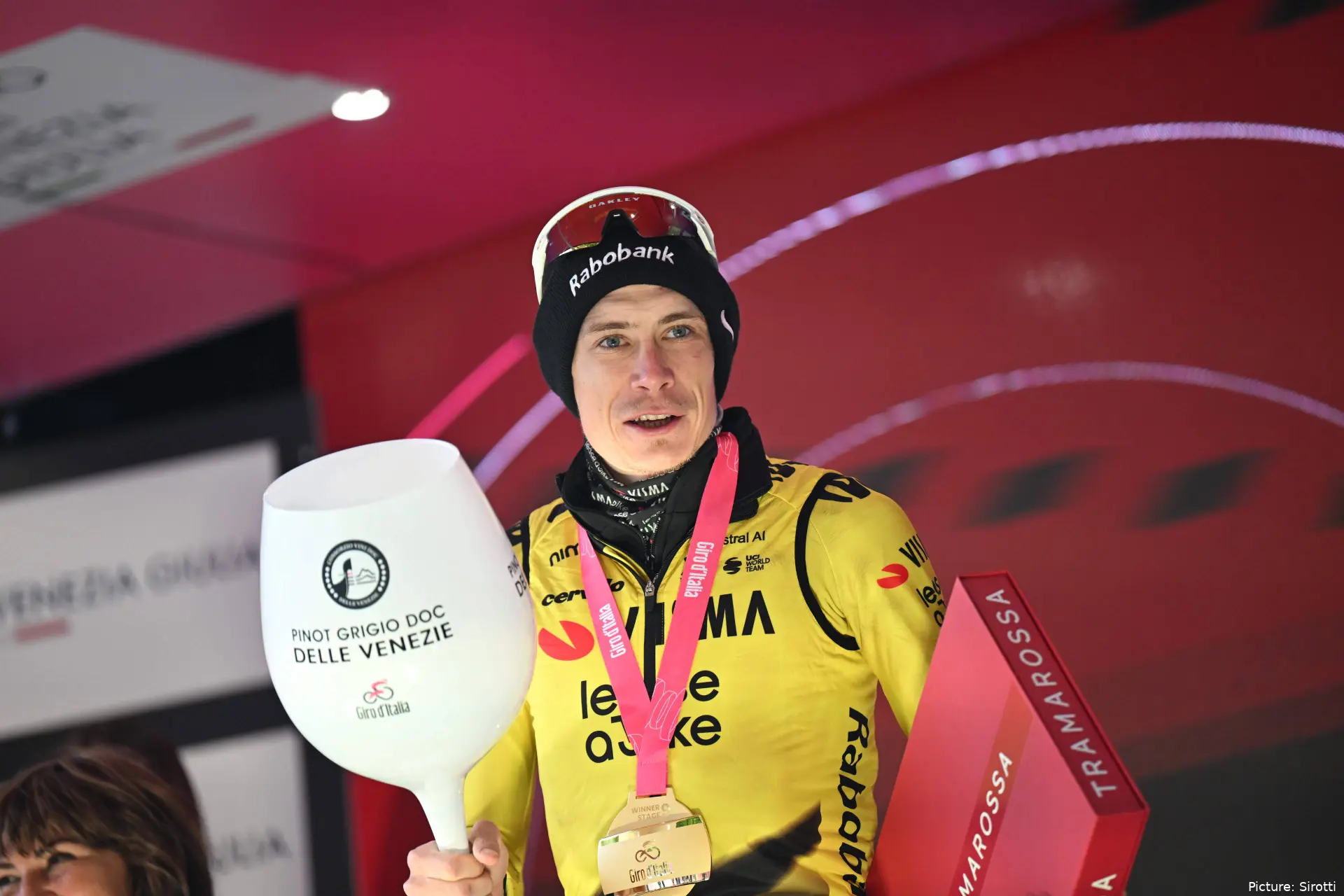
Jonas Vingegaard has won both summit finishes so far at the 2026 Giro d’Italia, but the way the Dane has done it has become almost as much of a talking point as the victories themselves.
The Team Visma | Lease a Bike leader has looked in control through the first major climbing tests of the race, taking wins on Blockhaus and Corno alle Scale without needing to launch long-range attacks or completely dismantle his rivals. Instead, Vingegaard has waited, followed the decisive moves and finished with the sharpest acceleration when it mattered most.
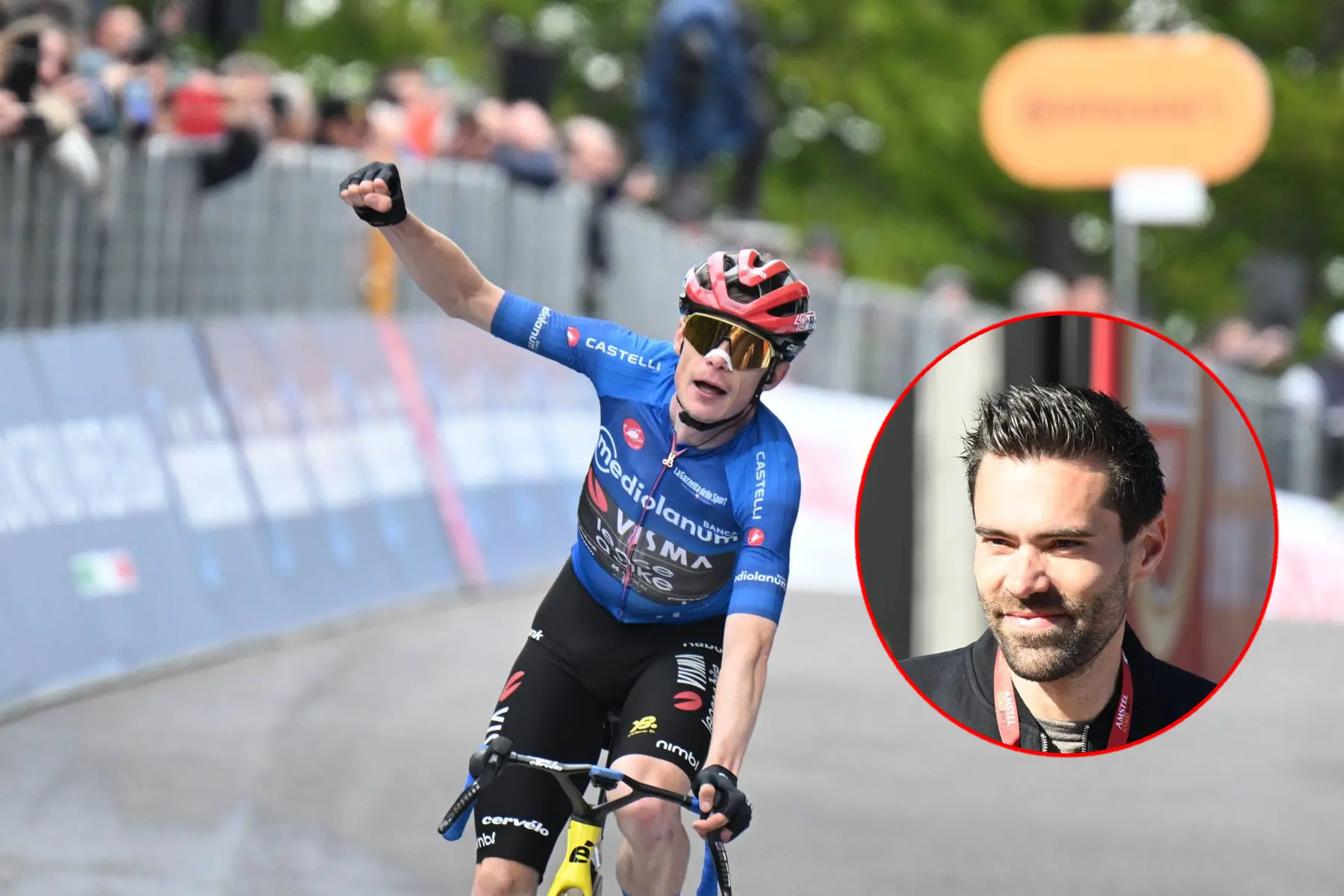
That approach has drawn criticism. After Stage 9, former Giro d’Italia winner Tom Dumoulin was scathing about the Dane’s tactics, arguing that Vingegaard should have contributed more after following Felix Gall on the final climb. Dumoulin suggested the ride lacked style and reinforced the image of Vingegaard as a rider prepared to sit tight before delivering the final blow.
Michael Valgren sees it very differently. Speaking to TV 2 Sport, the EF Education - EasyPost rider defended his compatriot and argued that Vingegaard is simply handling the pressure of being the Giro favourite in the most effective way. “Jonas goes into this race as a huge favourite, and the way he handles the mental game is actually a real pleasure to follow from the sidelines,” Valgren said.
Vingegaard criticised for controlled approach
The debate sharpened after the finish at Corno alle Scale. Gall had been one of the few riders willing to test the race, while Vingegaard stayed measured before attacking late and taking another stage victory.
For Dumoulin, that was the issue. The Dutchman’s criticism was not that Vingegaard lacked strength, but that he did not use it in a way that carried the same attacking appeal as riders such as Tadej Pogacar or Mathieu van der Poel. It was a critique of style, not results.
That distinction matters. Vingegaard is not being questioned because his tactics are failing. He is being questioned because they are working in a way some viewers find too conservative. Valgren’s response was blunt. “He does not give a damn what people think of him and how he rides,” he said. “They have a clear plan for how they want to do it, and it works. And then people can shout and scream at him, and he does not care one bit.”
That is the central tension of Vingegaard’s Giro. He has come to Italy as the overwhelming favourite, with the expectation that he should not only win but impose himself on the race. So far, he has done enough to take command of the narrative without riding as though every mountain stage needs to become a statement of domination.

Jonas Vingegaard wins stage 9 of the 2026 Giro d'Italia
Winning the Giro without wasting energy
There is also a wider logic behind Visma’s approach. Vingegaard is trying to win the Giro while keeping the Tour de France in view, and that makes economy almost as important as spectacle.
A more explosive rider might look to bury the race at the earliest opportunity. Vingegaard’s Giro has been different. He has taken the victories available, gained time where possible and avoided spending more than necessary before the race reaches its decisive second half.
That may frustrate those who want a more romantic version of racing, but Valgren argued that the only judgement that will matter is the one delivered at the end of the race. “I also think he will care even less when he is standing on the podium in Rome, probably in the pink leader’s jersey,” Valgren said. “Then he might as well just give a certain finger and say: ‘What did I tell you?’ It works. Huge respect.”
If Vingegaard does go on to win the Giro, he will complete the set of Grand Tour victories after previous success at the Tour de France and Vuelta a Espana. That would give his ride in Italy a historical weight that will matter far more than arguments over whether he won with enough flair.
For now, the criticism is unlikely to change Visma’s plan. Vingegaard is not racing to satisfy aesthetic demands. He is racing to win the Giro, and so far, his controlled approach has left his rivals searching for answers.

Kieran WoodDeputy Editor-in-Chief
Kieran Wood is a sports journalist based in Wales and has been active in journalism since 2022. He regularly contributes to DartsNews.com and CyclingUpToDate.com, where he covers professional cycling and darts. In cycling, his work includes liveblogs from major races, including the Tour de France, the Giro d’Italia, and La Vuelta a España, alongside race reports and analysis. He has also conducted interviews with professional riders.
His reporting spans the full racing calendar, from one-day classics to stage races, with a focus on accurate, real-time coverage and clear contextual analysis. For statistics, results, and historical context, he regularly uses resources such as ProCyclingStats. To support reporting on rider activity and training context where relevant, he also references Strava.
In his work, Kieran places strong emphasis on careful sourcing, editorial accuracy, and updating articles as new, verified information becomes available.
claps 10visitors 8
Just in
Popular news
Latest comments
- I thought Seixas had hit the end of the road from a fatigue standpoint, after the WC meltdown - and he still finished ok. This was impressive and an amazing return.mij11-10-2026
- totally, eating crow for breakfast this morning. after the world championships I thought we were looking at a late season fade from fatigue. way to go Paul!mij11-10-2026
- Well if UAE the best team in history comes knocking their the only team in the world who can get Seixas. Seixas will become unbeatable and incredible there. Lets see if he stays at decathlon or goes to UAE.miguel11-10-2026
- Pogi would have won the Vuelta at around 10 min. But it would have been boring for fools like you. Capish?PogiSloFans11-10-2026
- Rather than me describing the technology at length on here, If you google. Line-scan cameras. They are also sometimes called Slit-Scan cameras. Either search will fill you in. You can read all about how they. work. Enjoy! Just to be clear the cyclist is saying he wants to see exactly where the digital finish line is in relation to the actual physical finish. At this point we only have the word of the authority that the digital line corresponds to the exact starting edge of the physical finish line. That seems like a reasonable request to me.Prorodsandstuff11-10-2026
- 100% @Jumpyjohn, good point well raised.anonymouscyclist11-10-2026
- The media keep stirring the soup.. or spitting in it
 leedorney11-10-2026
 - Yes, he has won many races... second class races. He isn't the real deal... Seixas is the real deal. Capish?PogiSloFans11-10-2026
- What are you guys talking about? I'm not the one you guys think I am. I'm a Slovenian Pogi fan, that's all... the guy you're talking about is a Croation Ustasha. Capish?PogiSloFans11-10-2026
- It would be epic if Seixas came to UAE. 3/4 of the commentators on this site would stop watching cycling... ha ha ha ha ha ha...PogiSloFans11-10-2026
Loading
2 Comments