DISCUSSION - Tour Auvergne-Rhône-Alpes stage 2 - Are there voiceless voices within UAE? Is this the race of the breakaways?
CyclingMonday, 08 June 2026 at 21:30
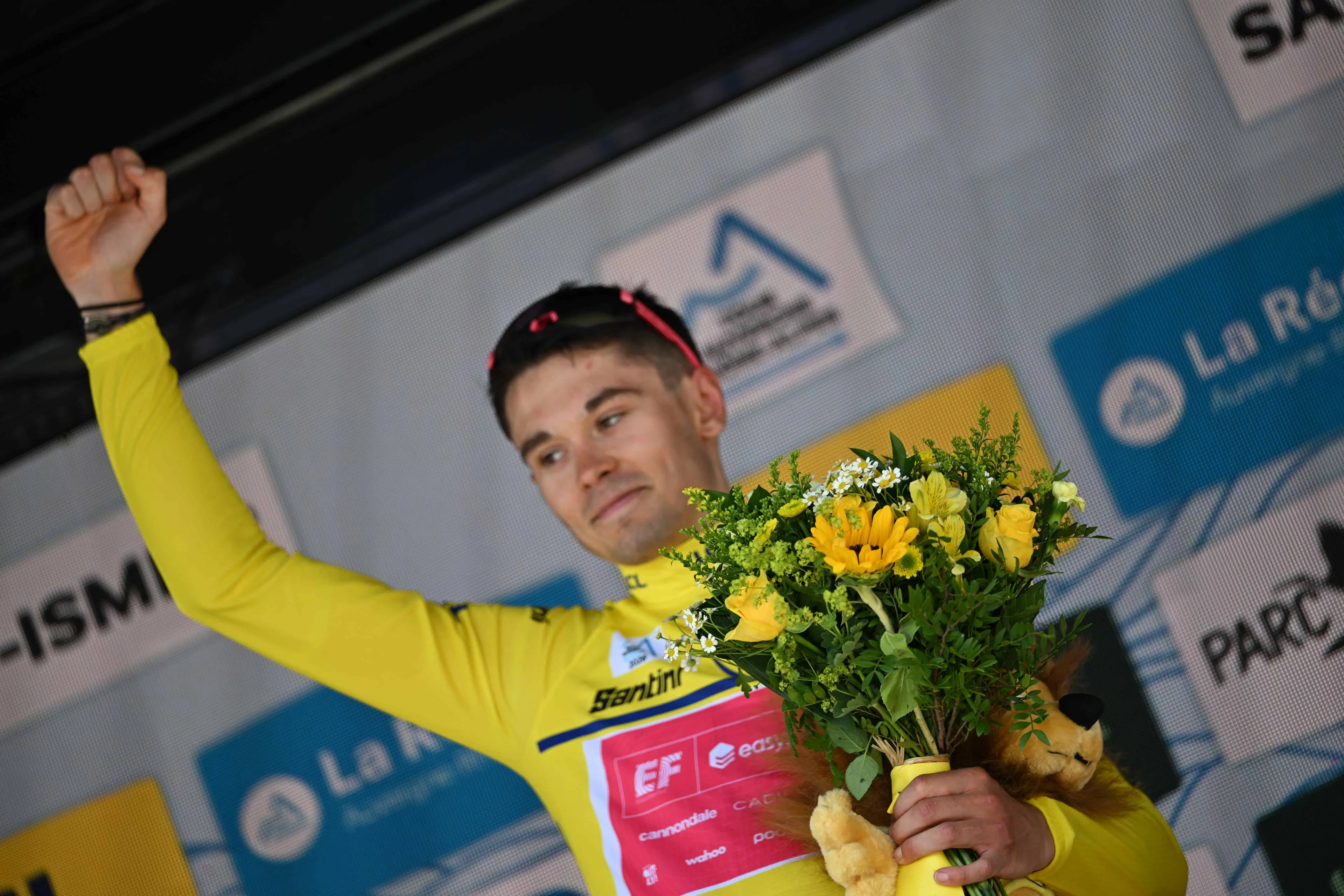
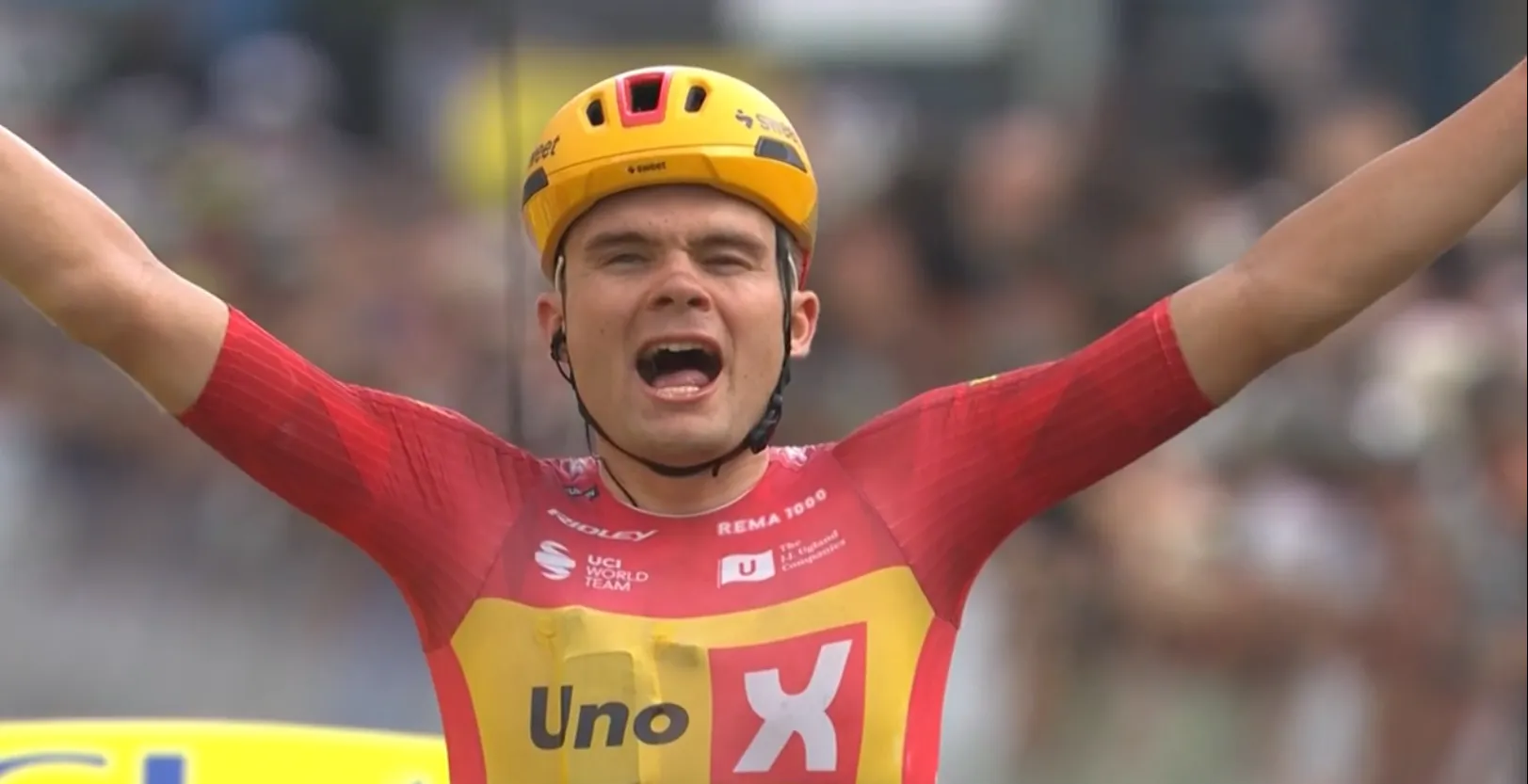
The 2026 Tour Auvergne-Rhône-Alpes is quickly turning into the race of the breakaway specialists. One day after Alex Baudin powered to victory in the opening stage, the attackers once again fought for the stage win on day two, this time with Anthon Charmig emerging victorious after a decisive move on the final climb into Le Puy-en-Velay.
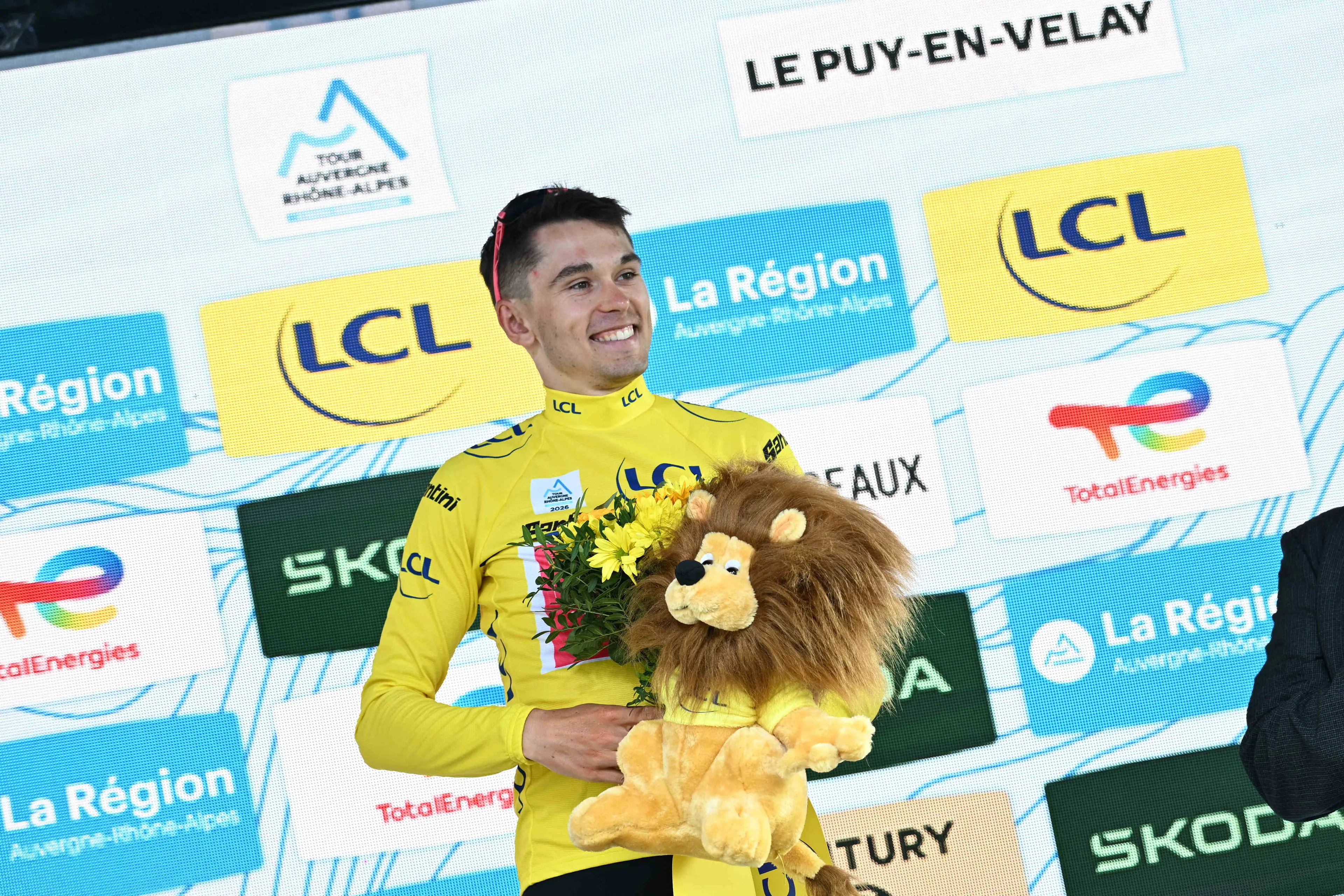
Baudin, despite spending the entire day safely inside the peloton, managed to retain the overall lead and continues to hold the yellow jersey heading deeper into the race.
Another demanding day in the mountains
Following a brutal opening stage, the riders faced another difficult assignment on Monday. Although the parcours featured fewer climbing metres than the previous day and lacked the longer summit finishes, the constant rolling terrain and two late climbs ensured the stage would never be straightforward.
The 237 km route from Saint-Martin-le-Vinoux to Le Puy-en-Velay offered opportunities for several types of riders. Puncheurs, opportunists and strong breakaway specialists all had realistic hopes of success, especially with the final thirty kilometres packed with difficult terrain.
Breakaway forms after early attacks
The day’s decisive move began to take shape on the roads approaching the Col de Chatain, a climb of 7,9 kilometres at 5,1%. Six riders managed to establish an early advantage: Anthon Charmig, Baptiste Veistroffer, Alex Diaz, Nadav Raisberg, Benjamin Thomas and Henri-François Renard-Haquin.
Their move looked promising almost immediately, but the front group became even stronger when four additional riders bridged across after a series of counterattacks. Raúl García Pierna, Vlad Van Mechelen, Jordan Jegat and Clément Braz Afonso completed the ten-man move that would eventually decide the stage.
The peloton showed little urgency behind. EF Education-EasyPost, protecting race leader Alex Baudin, controlled the gap without panicking, allowing the advantage to stretch towards six minutes at one point.
Rain changes the atmosphere but not the race situation
The bright sunshine from the opening kilometres eventually disappeared as dark clouds and rain showers rolled over the course. The worsening weather conditions failed to slow the breakaway riders, however, as the cooperation at the front remained strong deep into the stage.
With seventy kilometres remaining, the gap still hovered around six minutes and belief inside the leading group continued to grow. The atmosphere in the peloton suggested the attackers would likely stay clear all the way to Le Puy-en-Velay.
EF Education-EasyPost received almost no meaningful assistance from rival teams, yet the American squad still managed to slowly reduce the deficit. Sensing the moment to increase the pressure, Veistroffer and Braz Afonso launched an acceleration before the Côte de Baraques.

Clément Braz Afonso and Batiste Veistroffer attacked on the Côte de Baraques and the move completely shattered the day’s breakaway group on the climb.
Braz Afonso lights up the race
As the road tilted upwards on the Côte de Baraques, Veistroffer eventually cracked under the pace while Braz Afonso continued alone. The Frenchman suddenly found himself in the virtual yellow jersey, with his advantage over the peloton almost identical to the time he had lost to Baudin in the general classification.
The young climber rode with conviction and quickly opened a dangerous gap, but the race behind him remained very much alive. García Pierna and Van Mechelen began organising the chase and eventually bridged across with just over twenty-five kilometres remaining.
The race situation changed again moments later when Charmig, Thomas, Jegat and Renard-Haquin also managed to reconnect, bringing seven riders together at the front ahead of the decisive finale.
Charmig proves strongest on Côte de Saint-Vidal
With the peloton now sitting nearly five minutes behind, the stage victory would certainly come from the breakaway. All attention shifted towards the final obstacle of the day, the Côte de Saint-Vidal, two kilometres at an average gradient of 7,4%. That final climb completely reshaped the race.
Charmig launched the first serious acceleration on the steepest section, initially drawing reactions from Braz Afonso and García Pierna. But the Danish rider was clearly the strongest man in the group and soon produced a second, devastating attack. This time nobody could respond.
Charmig crested the climb with a meaningful advantage and immediately increased the gap on the flatter roads that followed. His power on the pedals was obvious, and by the time the race entered the final five kilometres, the difference had already grown towards thirty seconds. Behind him, the chasing group simply ran out of road.

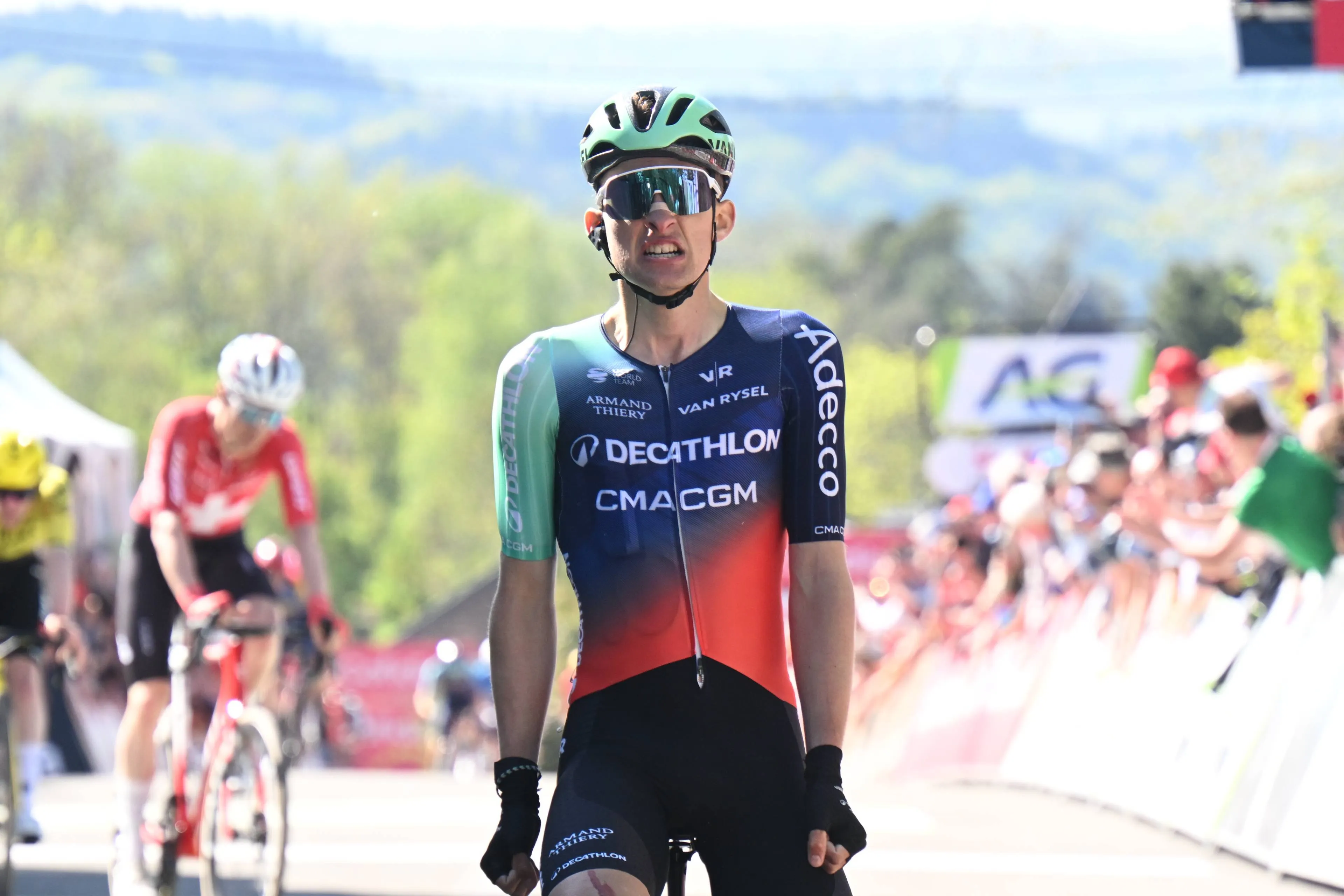
Anthon Charmig attacked on the final climb and then used his powerful engine over the last 10 kilometres to win the second stage of the Tour Auvergne-Rhône-Alpes
Biggest victory of Charmig’s career
The Uno-X Mobility rider never looked in danger during the closing kilometres and celebrated in Le Puy-en-Velay after one of the finest rides of his professional career. It marked his second professional victory and, more importantly, his first triumph at WorldTour level.
Henri-François Renard-Haquin won the sprint for second place ahead of Vlad Van Mechelen, while García Pierna narrowly missed out on the podium after another aggressive performance from the Spanish rider.
Meanwhile, the general classification contenders once again stayed quiet. The peloton rolled across the line several minutes later, seemingly content to save energy for the much harder battles still to come later in the week.
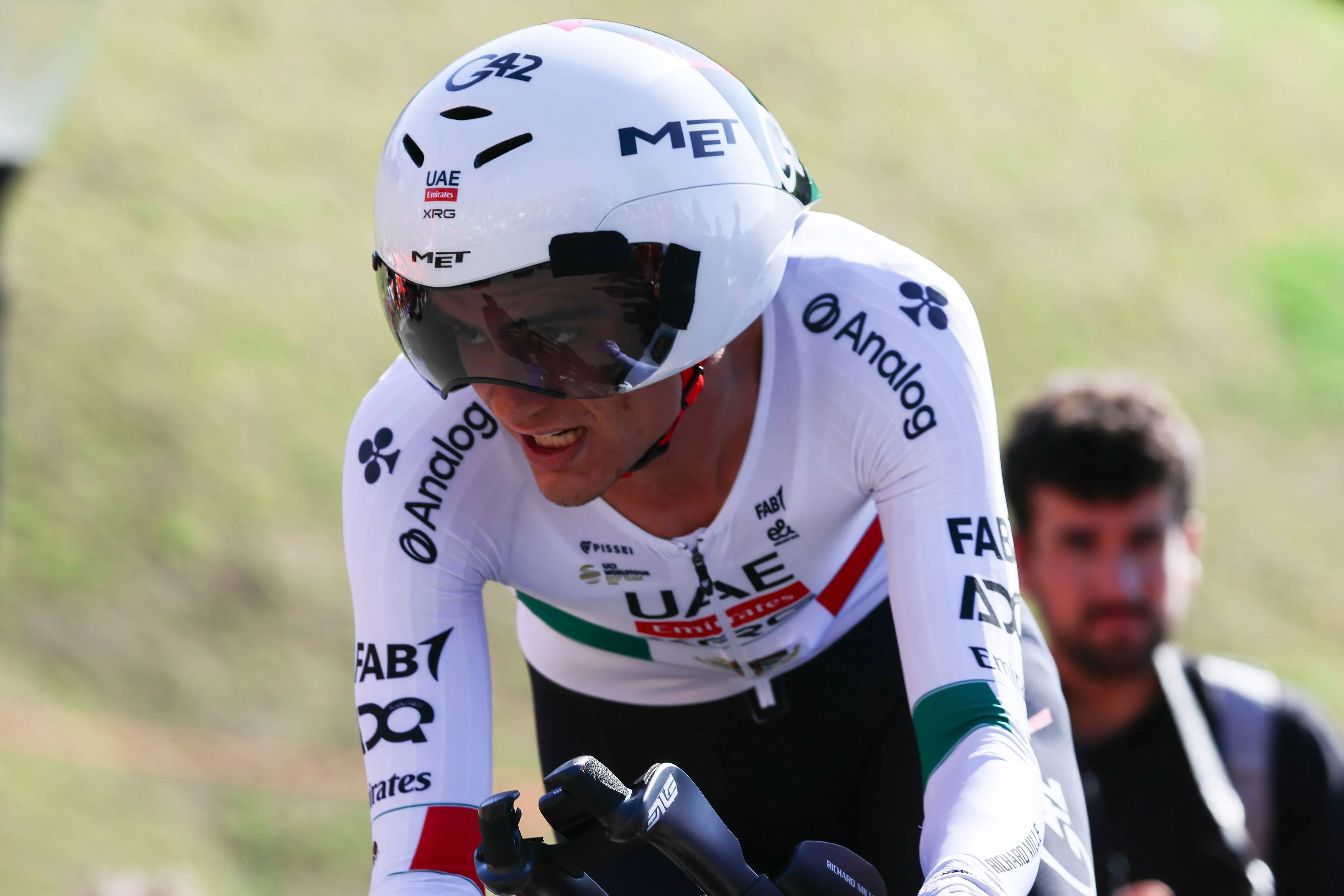
João Almeida’s struggles raise uncomfortable questions inside UAE Team Emirates
Carlos Silva from CyclingUpToDate returned to the João Almeida topic once again after the UAE Team Emirates - XRG rider struggled during today’s stage.
Yesterday I raised questions about João Almeida, and today I’m returning to the subject. After I shared my thoughts, Almeida said he wasn’t worried about the general classification and that his focus was on the Vuelta a España. But let’s look at things properly.
Did João come to the Tour Auvergne-Rhône-Alpes just to see how his condition was? He says yes, I don’t believe that. Did he come to France to train and build race rhythm? No, he didn’t. Because if yesterday he was dropped as soon as the pace increased slightly on the climb, then what’s the difference between doing a training block at home and racing here in France? If the objective was to gain competitive rhythm, then this has simply been a waste of time.
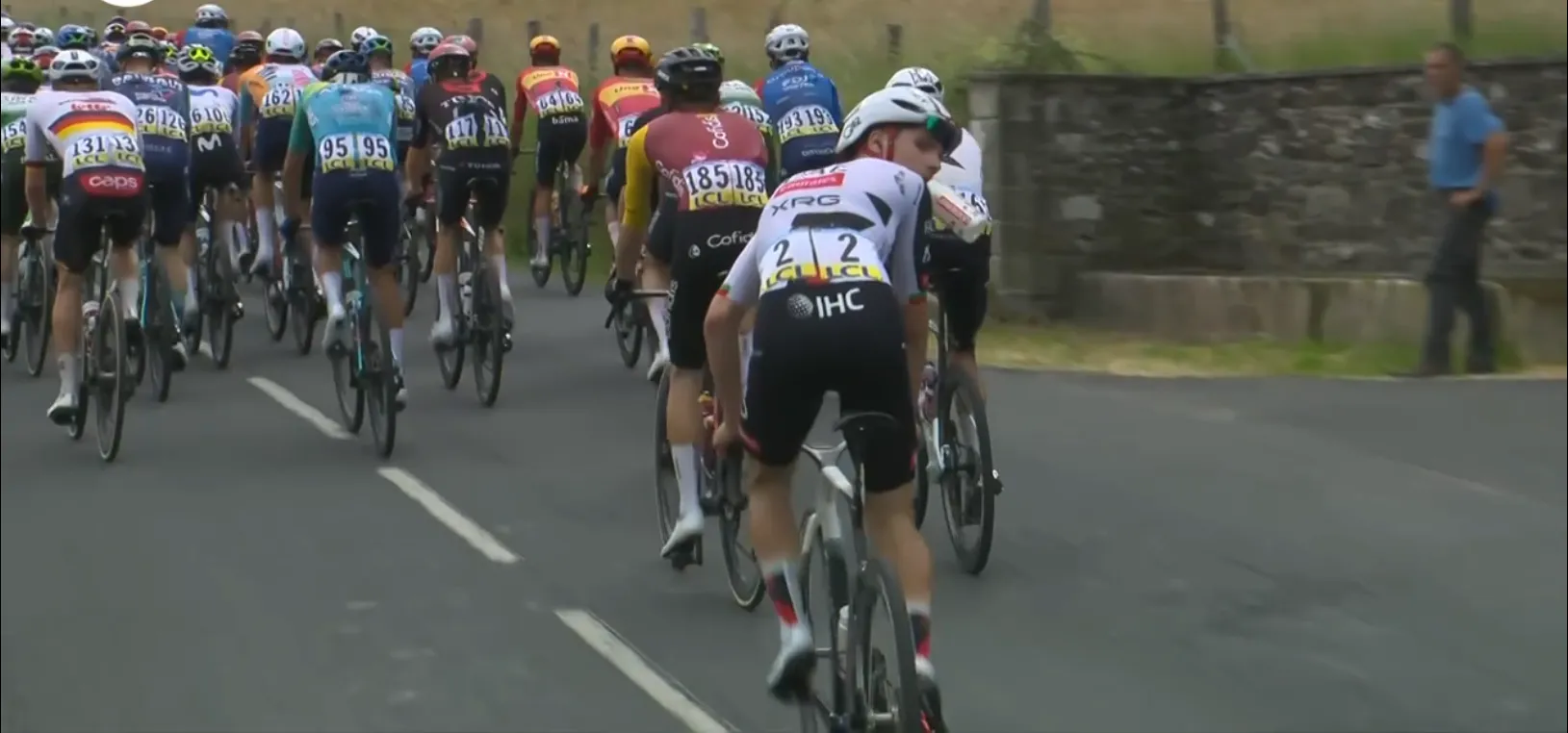
Today, for example, on the first categorized climb of the day, the Col de Chatain, he was dropped again. The peloton had covered little more than 25 kilometres and he was already struggling. Of course, we can argue that he has some kind of issue. Nobody really knows what happened, we only heard that some of his values were outside the normal range. The body and the mind sometimes need a reset, they need to find balance again.
But this is where UAE Team Emirates comes into the discussion. With the physical condition the Portuguese rider is showing, how is it possible that they selected him for this race? This is a hard and mountainous race, perhaps one of the biggest tests ahead of the Tour de France in July.
There are only two possibilities: either UAE has incompetent sports directors, or the medical and performance staff, doctors, psychologists, nutritionists and everyone involved, simply have no voice inside the team. Because if I were part of the medical staff, I would never have allowed João to return to competition in these conditions.
Right now he looks like a sprinter trying to survive in the mountains, the moment the road goes uphill, he gets dropped. And honestly, it’s sad to watch him like this. I’m not even sure he himself feels comfortable on the bike at the moment.

João Almeida worked as a domestique for the team until he was dropped on the climb to the summit of the Côte de Baraques
Charmig dominates as peloton settles for survival in strangely passive breakaway day
Rúben Silva from CyclingUpToDate absolutely loved the stage and, by the end of it, he was a man wearing a huge smile of satisfaction.
Rather lackluster day of action I should say. I am a fan of this stage design, with almost 6 hours of racing in hilly terrain - a day where endurance and tactics matter as much as the riders' actual pure ability on the bike.
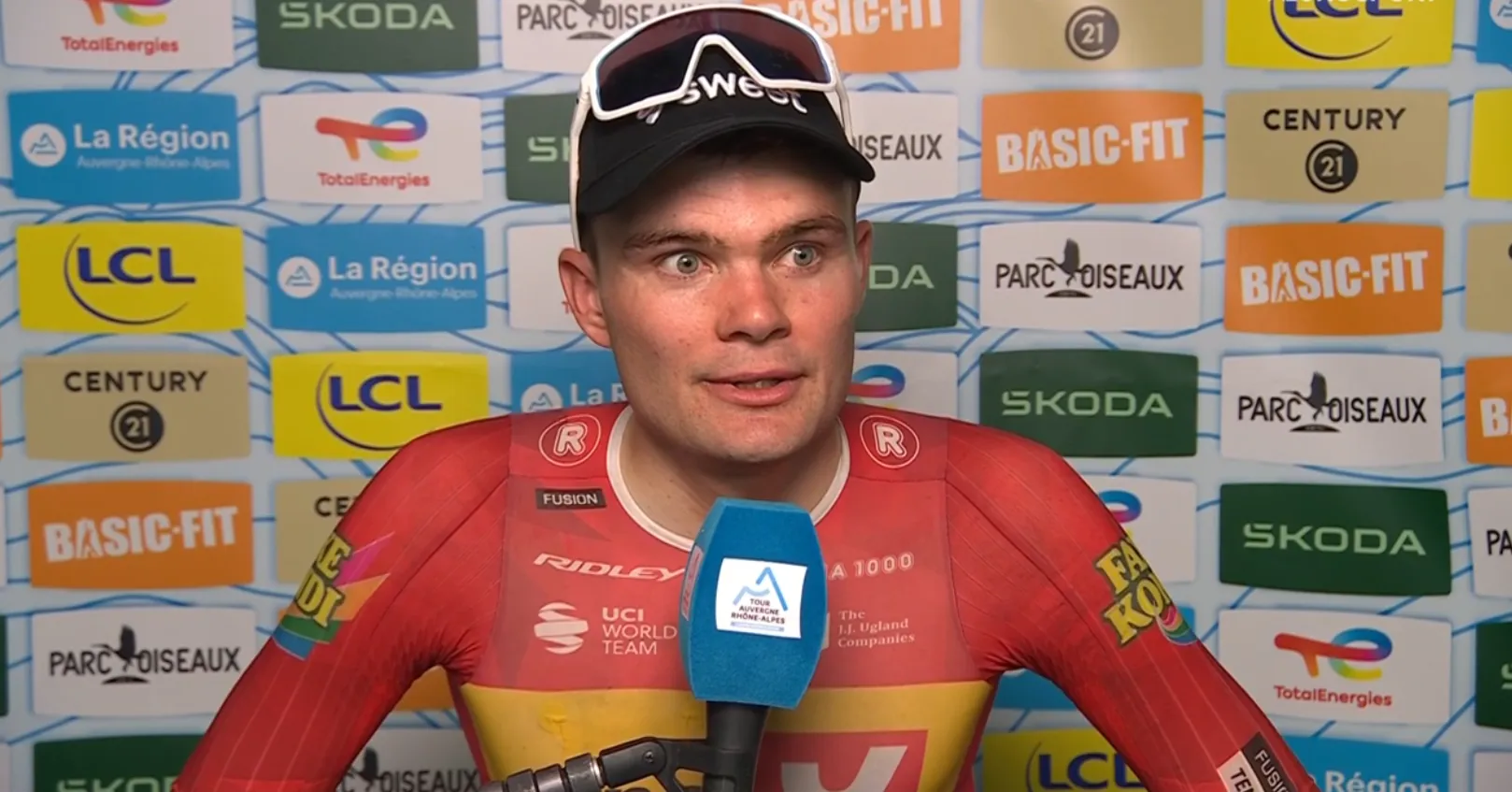
We did end up having an interesting fight for the stage win, where we had a rider who was clearly the strongest.Uno-X is a team that's well below the top teams and in these top races, they have a nice set of puncheurs who can hunt stages. They have done this successfully at the Giro, they've done it now at Auvergne, it's safe to say they're going through a good moment.
It was a win based on strength, the way he extended the gap over his rivals after he finished climbing showed there would be little chance his rivals would come close.Still a day with very little ambition in the peloton. The image from the motorbike at the back of the peloton inside the final 400 meters of a stage is certainly something we don't see often, and a good analogy of how the peloton tackled this day.
EF put on a minor chase merely to not lose the yellow jersey, which was an easy task with the group that was in front, and... That's it really.This was a breakaway stage, everyone knew it, and at the start most said it openly so it's not like there was a cognitive gap between the teams. So we wonder how so many teams didn't try getting their best men in front, in a group that was particularly modest I should say.
Or to a certain degree why did Red Bull - BORA, a team made up of stage hunters, no GC contenders, and the team who had first and second in the peloton, did not make any serious push to try and win the stage when they clearly had chances of doing it.

Anthon Charmig was smiling at the TV cameras, the victory in the 2nd stage was already in the bag
García Pierna shines despite Charmig’s superiority on decisive climb
Our colleague Jorge Borreguero from CiclismoAlDía analysed what happened on the French roads, saying:
Raúl García Pierna did not take the victory, but he was still one of the standout riders of the day and continues to give Spanish fans plenty of reasons for optimism. He read the race intelligently, followed the right moves when the breakaway started to split apart and reached the decisive moment with genuine hopes of winning the stage.
That said, it is also important to keep things in perspective. Anthon Charmig’s superiority on the final uphill drag was undeniable. He won because he was simply the strongest rider when the race demanded pure legs. In that sense, the result was entirely fair and perfectly reflected what unfolded on the road.
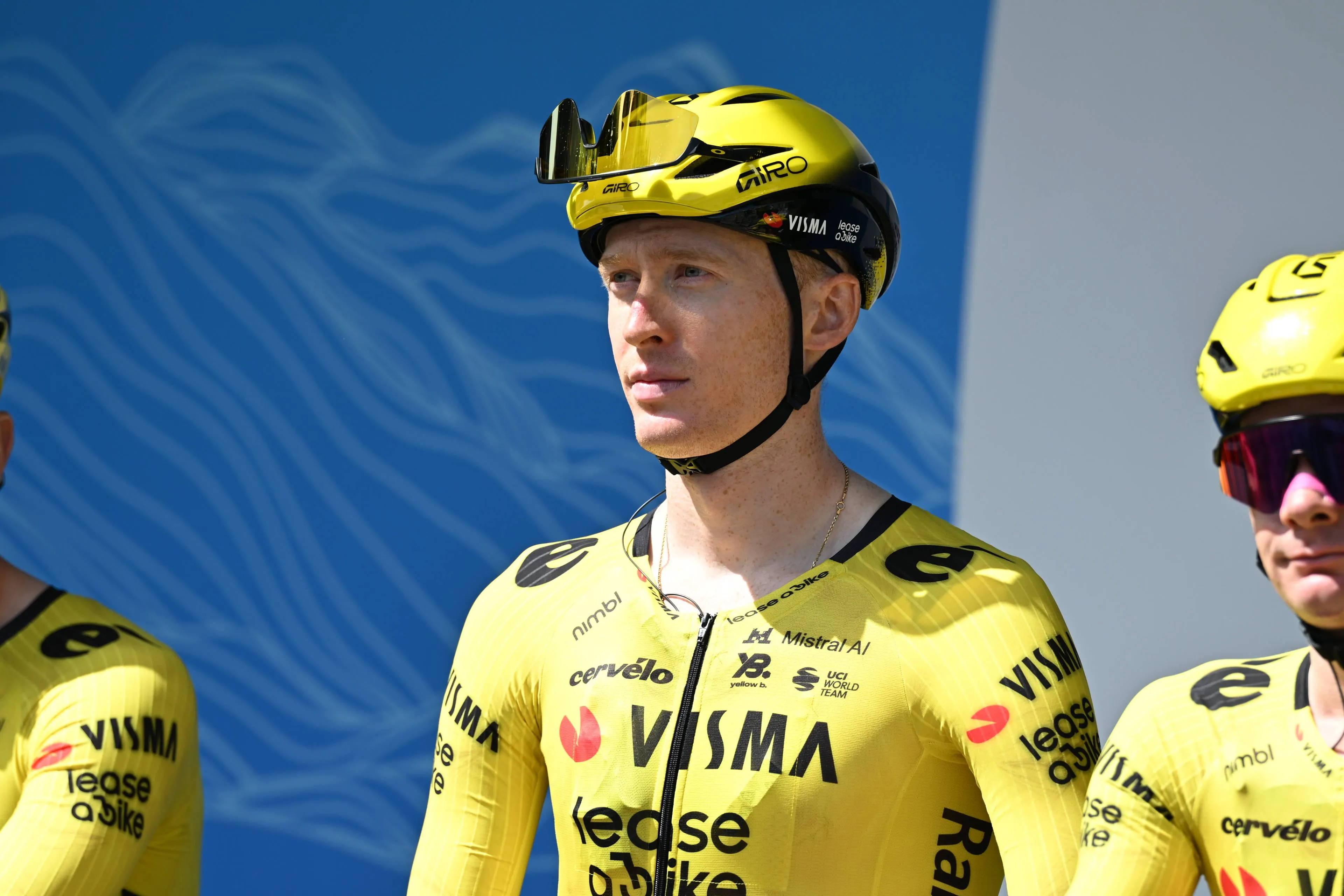
On the other hand, the lack of attacks among the general classification favourites should not necessarily be viewed as a disappointment. With such a long stage and a route that, despite its accumulated difficulty, did not offer truly decisive terrain between the contenders for the title, caution was a logical approach. Seixas, Del Toro, Ayuso and the rest of the GC hopefuls understood that the real battle is still to come.
The conclusion is therefore twofold: Charmig takes a prestigious victory that further strengthens his reputation as an aggressive and opportunistic rider, while Movistar leave the stage morally reinforced despite missing out on the win.
Sometimes the final result does not tell the whole story, and the story of the Spanish team was that of a squad determined to fight for victory from a long way out. They did not succeed, but at the very least they forced everyone else to beat them on the road.
Results powered by FirstCycling.com
Charmig takes his chance as Almeida concerns deepen for UAE
The stage itself reflected a curious tactical passivity from the peloton, with teams seemingly resigned to a breakaway victory while Anthon Charmig proved decisively strongest in the finale. Riders like Raúl García Pierna and Movistar emerged with credit for their aggressive approach, but the broader talking point of the day remained Almeida’s worrying form and the difficult balance UAE now faces between recovery, preparation and protecting one of their key Grand Tour leaders ahead of the second half of the season.
And you? What did you make of the stage 2 of the Tour Auvergne-Rhône-Alpes 2026? Tell us your thoughts, share your opinion on all the key moments and incidents from the race, and join the discussion.
claps 0visitors 0
Just in
Popular news
Latest comments
- Ruben Silva agrees with me.
 Rafionain-Glas08-06-2026
 - I thought Jonathan Vaughters wanted a communist system last week for shared resources as EF would never win again.mij08-06-2026
- a non-compliant position, which can be truly dangerous, and he gets a yellow card. 0.04 lbs and Lorena Wiebes gets thrown out of the race. and now the UCI is going to spend precious resources that could be used to protect riders to go after SRAM after they were shot down. The UCI is crazy inconsistent.mij08-06-2026
- Movistar have a decent chance. Romeo, Castrillo and García Pierna (even with his breakaway ride) are good TTers. Hessmann is a decent rouleur while Cepeda isn't a bad TTer either.Rafionain-Glas08-06-2026
- Once again, what I've been saying for two years has been confirmed. When the G.O.A.T. isn't in a race, cycling is one of the most boring sports in the world. I thought Seixas would change that a bit but he was advised not to go full throttle before the Tour. Everyone is becoming boring, just like Jonas V.Ante-Ustashe08-06-2026
- Chapeau to Demi! What a ride. What a rider. And, after how SDWorx treated her at the 24 Tour… Well, her win can do the talking 🔥 a real ‘mic drop’ moment.anonymouscyclist08-06-2026
- I don't understand how they come up with the order and why it isn't GC based?jad2908-06-2026
- I agree.awp08-06-2026
- I don’t think anybody normal has expectations for him or is asking him to achieve something, we’re all just curious and excited to see what he will do and manage. Only some traumatised sad cases are hoping he will or won’t beat whoever their punching bag or hero is so they have more artillery with which to inundate us, as if they’re contributing to the achievement.Mistermaumau08-06-2026
- Red Bull-BORA-hansgrohe don't have a GC favourite, other than Luke Tuckwell. But Maxim van Gils and Finn Fisher-Black had a decent chance of winning - why didn't they try?Rafionain-Glas08-06-2026
Loading
1 Comments