"We will see how things evolve..." - UAE boss leaves door open for Adam Yates and Joao Almeida to join Tadej Pogacar at Tour de France
Cycling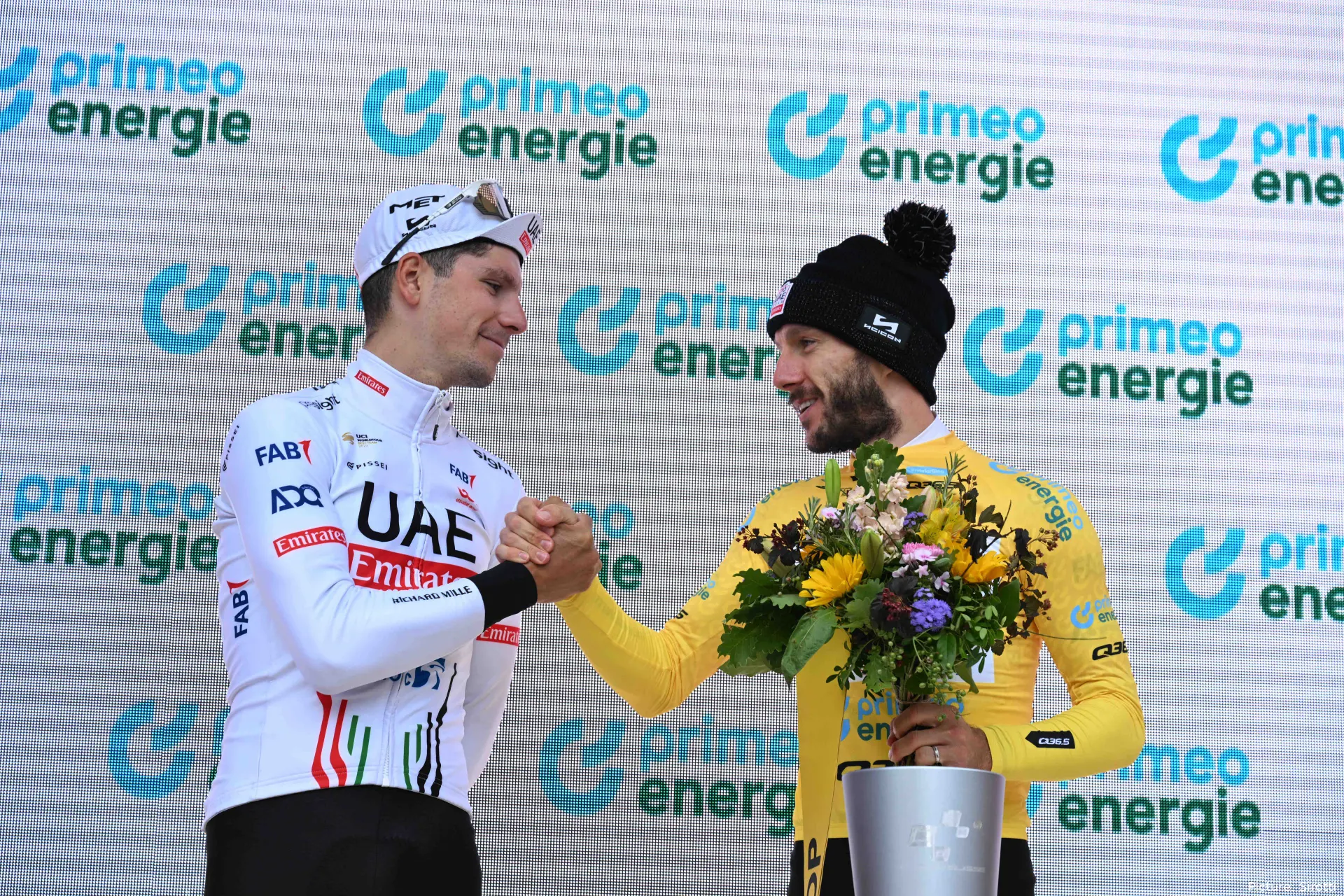
UAE Team Emirates - XRG’s Giro d’Italia could have unravelled before the race had even properly reached Italy. Adam Yates, Jay Vine and Marc Soler all abandoned after the major Stage 2 crash in Bulgaria, stripping the team of its original Grand Tour structure and ending any realistic hope of the race unfolding as planned.
With Joao Almeida not on the Giro startlist either, UAE were suddenly without several of the riders who would normally give them control in the mountains and options in the general classification. What followed, however, has been one of the strongest team responses of the race so far.
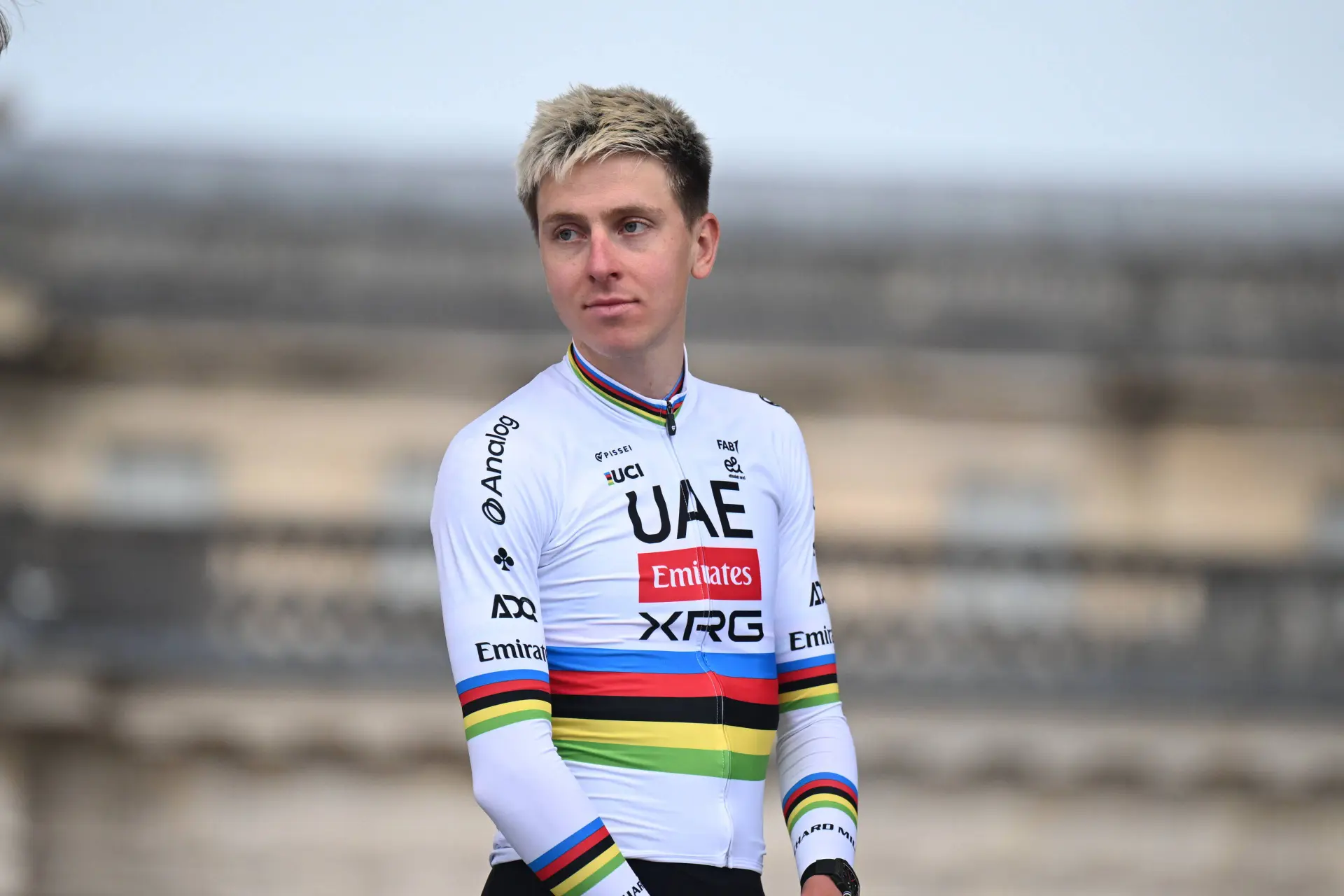
Rather than drift through the Giro after losing their GC leadership, UAE have turned the race into a stage-hunting campaign. Jhonatan Narvaez won Stage 4 in Cosenza, Igor Arrieta followed up on Stage 5 in Potenza, and Narvaez struck again on Stage 8 in Fermo. Three wins in five stages transformed the tone of their race.
Speaking to AS, UAE general manager Joxean Matxin framed that shift as a necessary reaction to a race that had changed almost immediately. “Whenever a problem appears, you have to look for solutions,” Matxin said. “Opportunities also arise in adverse situations, and the riders are taking advantage of them very well, first by fighting to get into breakaways and then by looking for victory from them.”
UAE change the shape of their Giro
The loss of Yates, Vine and Soler did not simply remove individual riders from UAE’s Giro plans. It changed what the team could sensibly chase. A podium or top-five GC bid was no longer the obvious target, and the squad’s remaining strength had to be used differently.
That has made their attacking approach one of the defining team stories of the opening half of the Giro. Narvaez has become one of the standout riders of the race with two stage victories, while Arrieta’s win gave UAE another important return from a campaign that had initially looked damaged beyond repair.
Matxin was clear about how he sees the team’s priorities once the GC picture has moved away from them. “When you are no longer fighting for the podium or the top five, the most important thing becomes winning stages,” he said. “That is how I understand cycling.”
UAE may yet have more opportunities before Rome, although their freedom will depend on how the GC teams choose to manage the next phase of the race. Matxin pointed to the difference between stages that suit breakaway ambition and days likely to be controlled by those still fighting overall. “Yes, there are better days for us and others that are more decisive for the general classification,” he said. “There are stages that can be controlled naturally by the teams interested in the general classification, especially when they are flat routes until the final climb.”
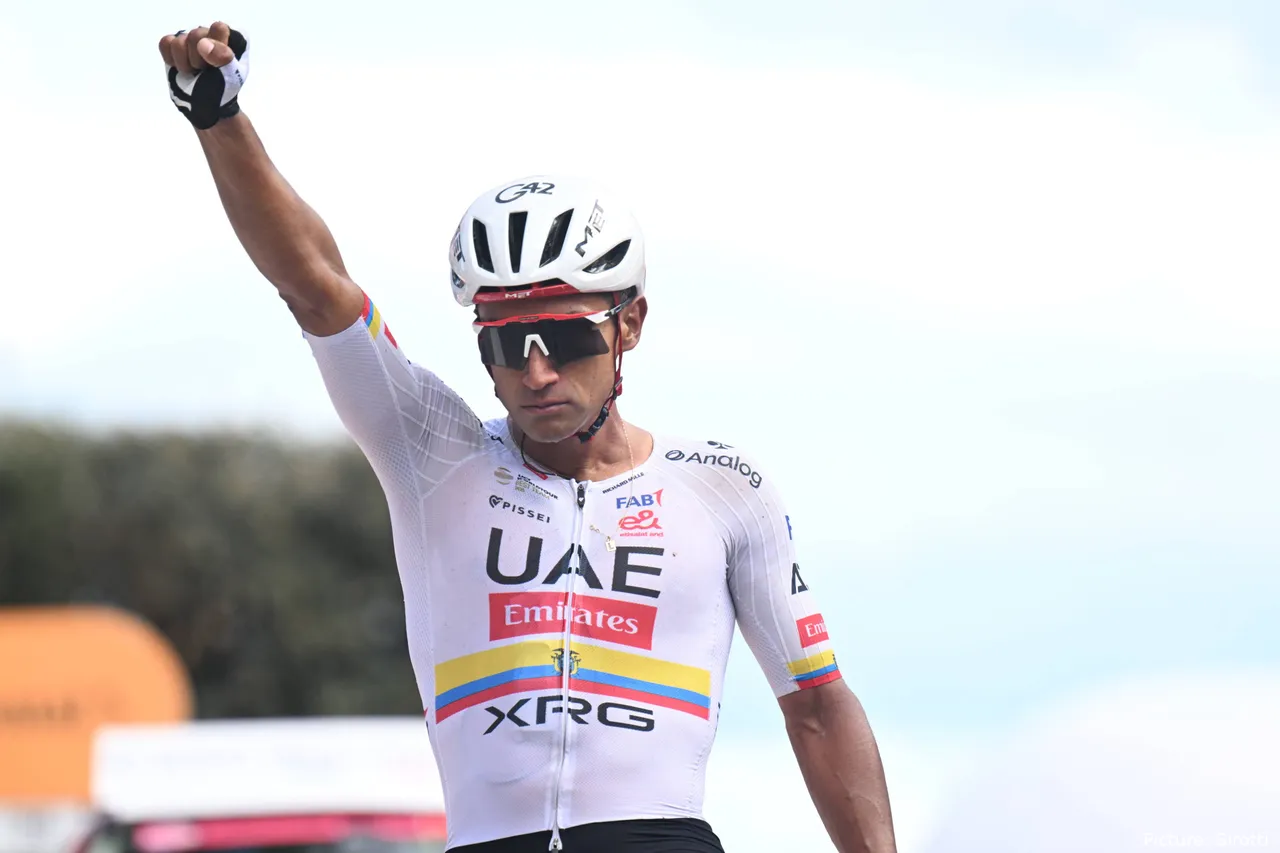
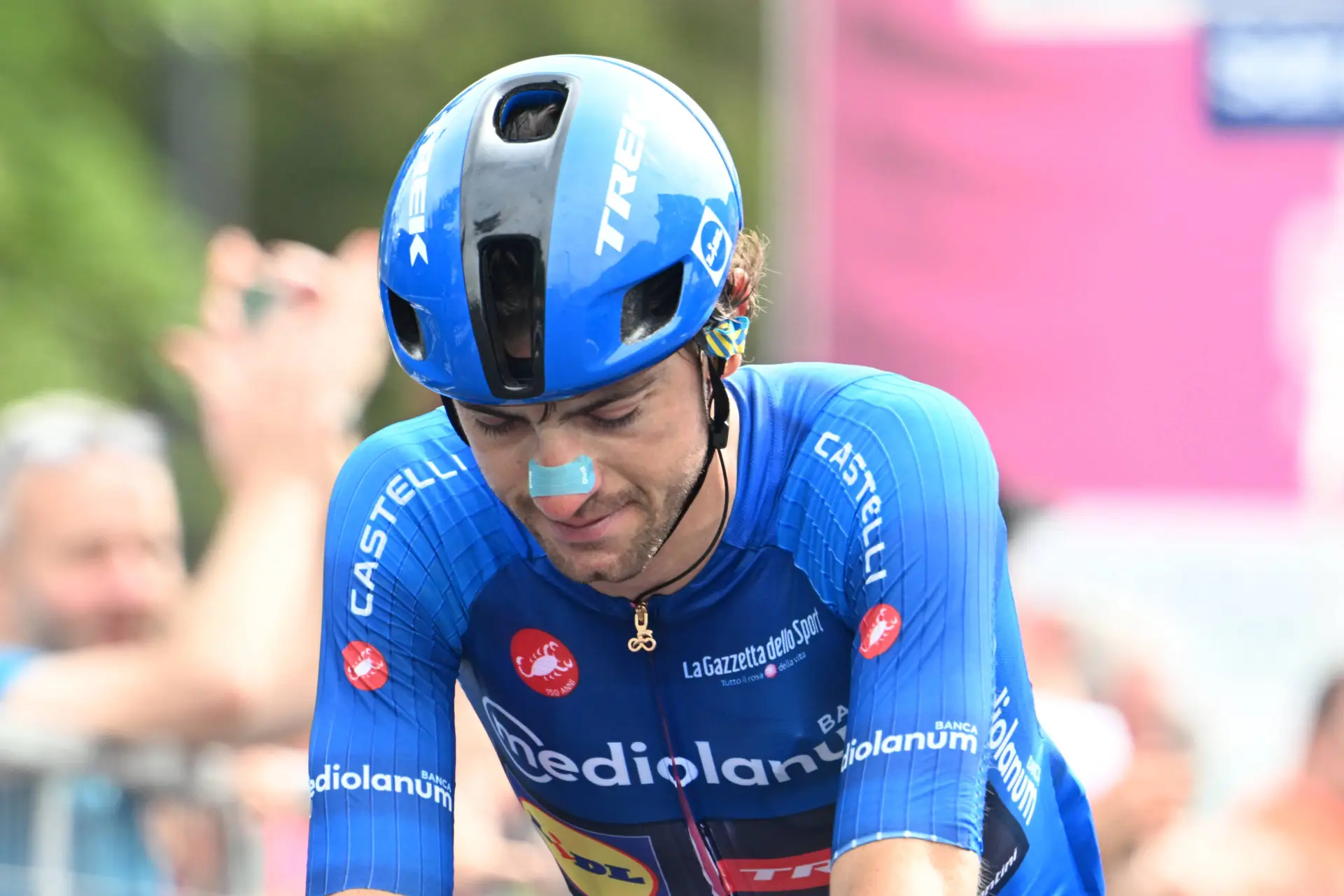
Jhonatan Narvaez has helped save UAE's 2026 Giro d'Italia with two stage wins
Tour plans still open after Giro disruption
The consequences of UAE’s Giro disruption may reach beyond this race. Yates’ abandonment and Almeida’s absence from the Italian Grand Tour mean both riders remain part of a wider planning puzzle as UAE prepare for Tadej Pogacar’s Tour de France campaign.
Matxin did not close the door on either rider being redirected towards July. Asked how the Giro situation affects the calendars of Almeida and Yates, he said: “We have had to modify the planning quite a lot because of the circumstances that have appeared. Now we will see how things evolve over the coming weeks.”
Asked directly whether the Tour door remained open for them, Matxin replied: “No, it is not closed yet.”
That gives UAE’s Giro response a second layer. In the immediate sense, the team have already rescued a race that looked badly compromised after Stage 2. In the bigger picture, the same disruption may still influence the support structure around Pogacar at the Tour.
For now, the Giro story is clear enough. UAE lost Yates, Vine and Soler, started without Almeida, and still found a way to become one of the most successful teams of the race. What began as damage limitation has become something far more productive.
Kieran WoodDeputy Editor-in-Chief
Kieran Wood is a sports journalist based in Wales and has been active in journalism since 2022. He regularly contributes to DartsNews.com and CyclingUpToDate.com, where he covers professional cycling and darts. In cycling, his work includes liveblogs from major races, including the Tour de France, the Giro d’Italia, and La Vuelta a España, alongside race reports and analysis. He has also conducted interviews with professional riders.
His reporting spans the full racing calendar, from one-day classics to stage races, with a focus on accurate, real-time coverage and clear contextual analysis. For statistics, results, and historical context, he regularly uses resources such as ProCyclingStats. To support reporting on rider activity and training context where relevant, he also references Strava.
In his work, Kieran places strong emphasis on careful sourcing, editorial accuracy, and updating articles as new, verified information becomes available.
claps 6visitors 5
Just in
Popular news
Latest comments
- Yes, question is, why is Ineos so easy to convince ?Mistermaumau09-10-2026
- Or maybe they’ll just abandon the sport and focus on RE, unless they can revive MU. Maybe it’s all just about budget adjustments in preparation for takeover by the new sponsor who might have no use for some people in their idea of a projectMistermaumau09-10-2026
- Sounds like management did their job pretty well then ;-)Mistermaumau09-10-2026
- Tour down under awaits... and nothing beyond that
 Rafionain-Glas09-10-2026
 - God, what a crowd gathers in these comments. You post a quote from a true champion—a quote that has nothing to do with his tragic accident (on the contrary, with his very passion)—and people interpret it however suits them.MajorPayne09-10-2026
- What needs to be understood? That you're linking a single statement to his death? Could it get any more stupid?MajorPayne09-10-2026
- Are you saying that statement led him somewhere related to religion? Could it get any more stupid?MajorPayne09-10-2026
- A broken contract by mutual agreement is perfectly fine. The problem is if one side does it without the other agreeing which isn't the case in this situationvappaxbipmv09-10-2026
- Maybe Ineos are planning to concentrate on GC after recent statements about getting back to winning the Tour?Lozza09-10-2026
- lol maybe a better questionmij09-10-2026
Loading
Write a comment