“In the past it was doping. Now it is financial doping” – Tour de France stage winner warns cycling has reached major crossroads for competitiveness
Cycling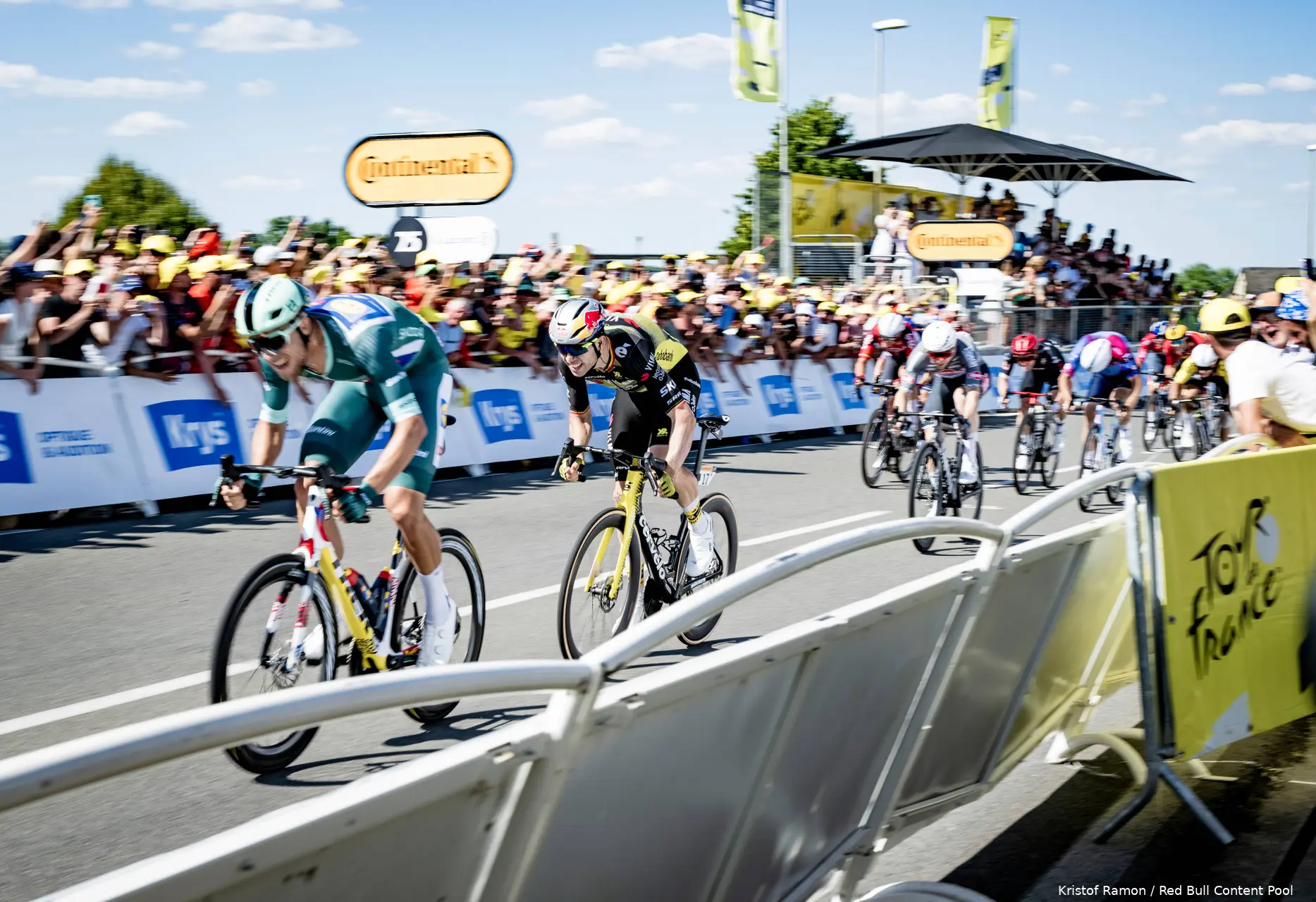
Professional cycling’s next existential challenge may not be physiological, technological or tactical. According to Jan Bakelants, it is financial, and the consequences could quietly reshape the sport’s competitive balance for a generation.
Speaking in conversation with Het Laatste Nieuws, the former Tour de France stage winner drew a stark comparison between cycling’s past and present, arguing that the peloton is drifting back towards a familiar divide. “We are once again heading towards a two-speed peloton,” Bakelants said. “In the past it was caused by doping. Now it is caused by financial doping.”
Transfer power replacing sporting balance
Bakelants’ concern is not centred on individual riders changing teams, but on how easily wealthier squads can now dismantle smaller projects. The modern transfer system, he argues, increasingly mirrors football rather than cycling’s traditional ecosystem, with buy-outs and financial muscle overriding long-term development.
Teams operating with tighter budgets are particularly vulnerable. Once a rider performs beyond expectations, retaining them becomes less a sporting challenge and more a financial impossibility. In Bakelants’ view, that dynamic threatens the very purpose of WorldTour parity, allowing the strongest organisations to accumulate talent with minimal resistance.
Why budget gaps matter more than ever
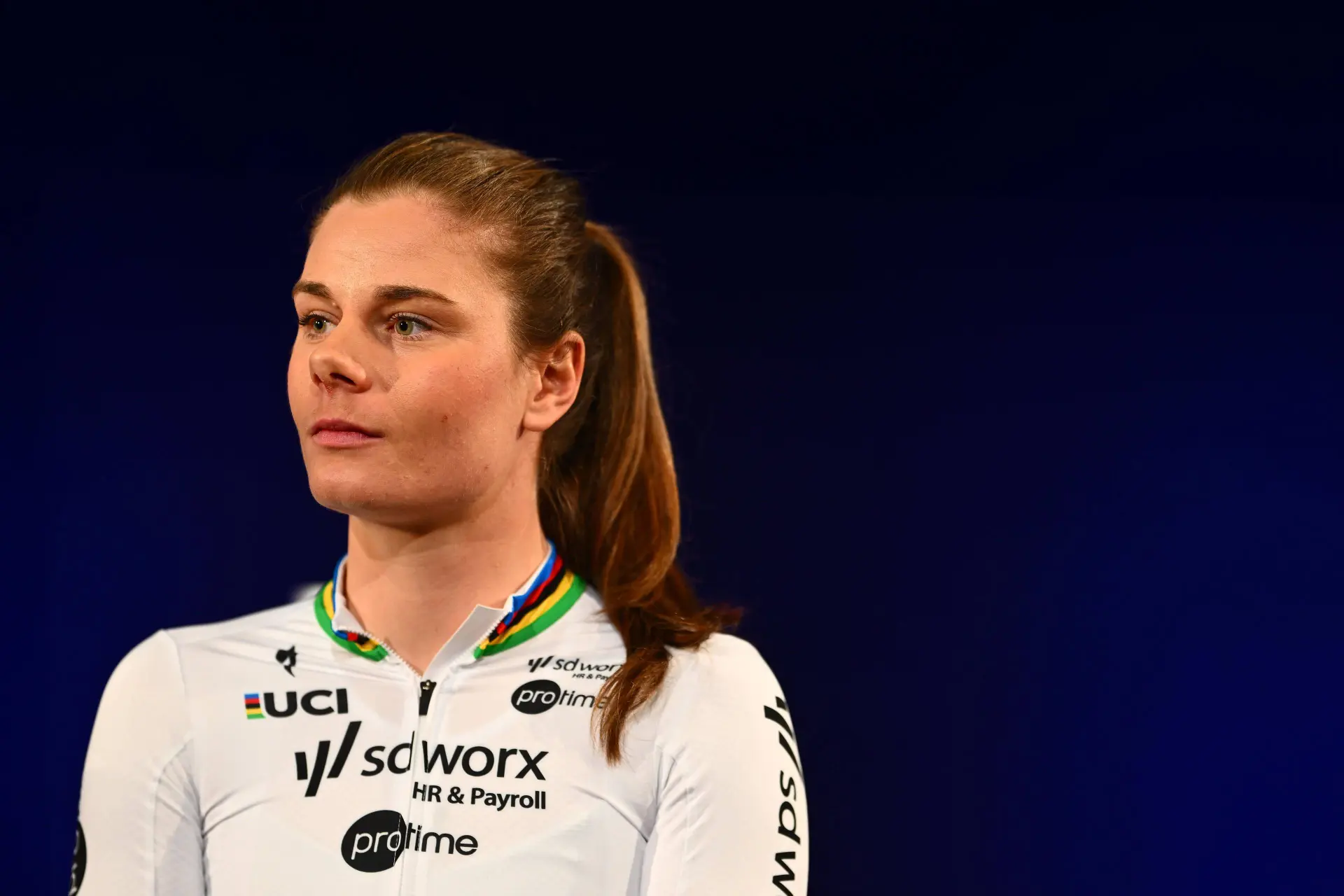
The danger, Bakelants suggests, is structural rather than short-term. Sponsorship-driven teams depend on visibility to survive, yet visibility becomes harder to secure when talent is routinely siphoned upwards. Sponsors, he notes, expect a return, and diminishing exposure weakens the entire model.
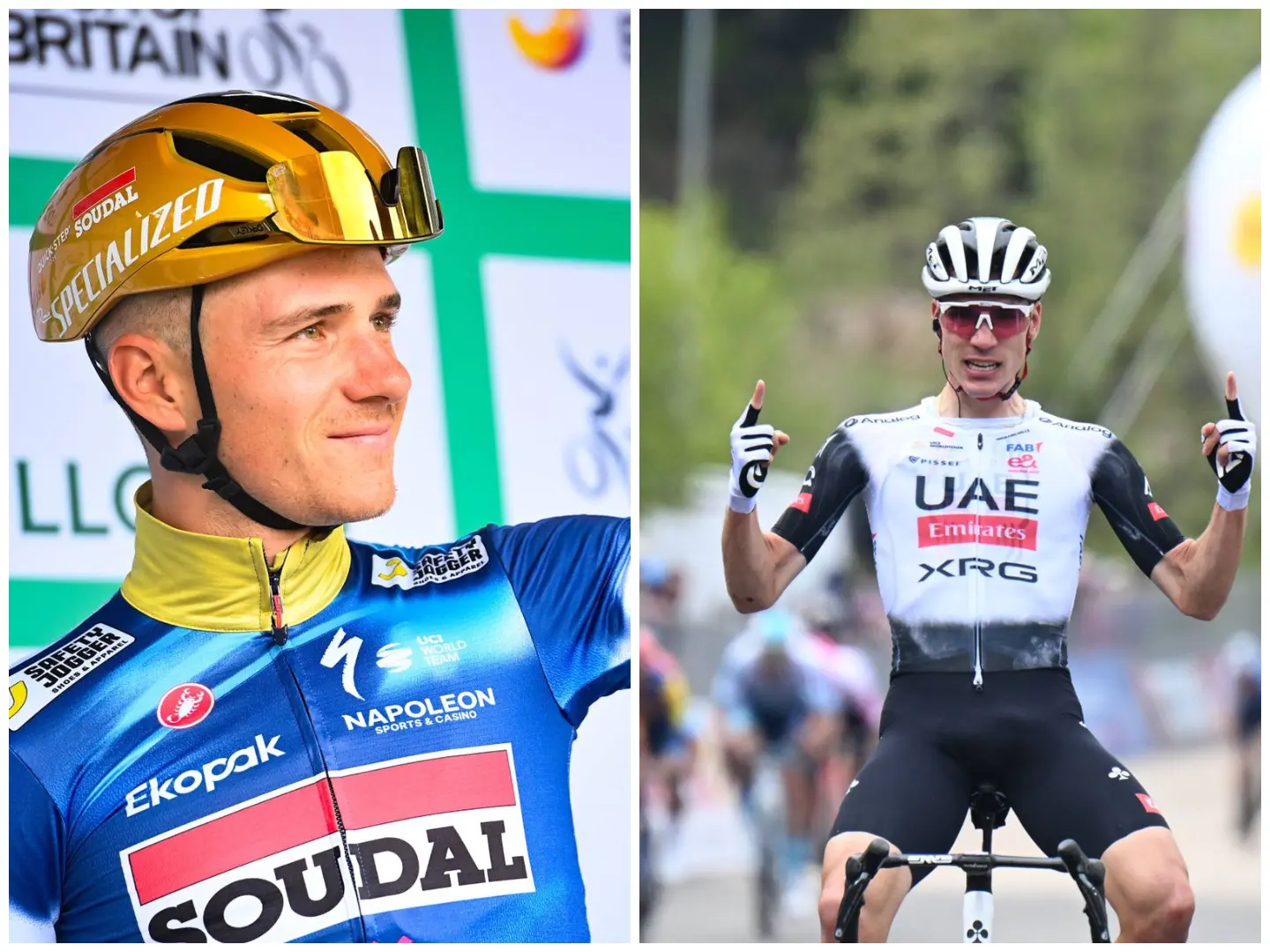
That imbalance feeds itself. Riders increasingly prefer shared leadership roles at dominant teams over full responsibility elsewhere, even when both outfits sit at the same WorldTour level. “If you can ride for Team Visma | Lease a Bike, UAE Team Emirates - XRG, Lidl-Trek, Red Bull - BORA - hansgrohe, INEOS Grenadiers and now also Decathlon CMA CGM Team, your life looks very different compared to riding for Lotto-Intermarche,” Bakelants explained. “And that is also a WorldTour team.”
The numbers underline the issue. A multi-million-euro transfer may represent a manageable percentage of a super-team’s budget, while consuming a quarter of a smaller squad’s annual resources. “That is exactly my point,” Bakelants said. “A huge imbalance in budgets is emerging within the peloton.”

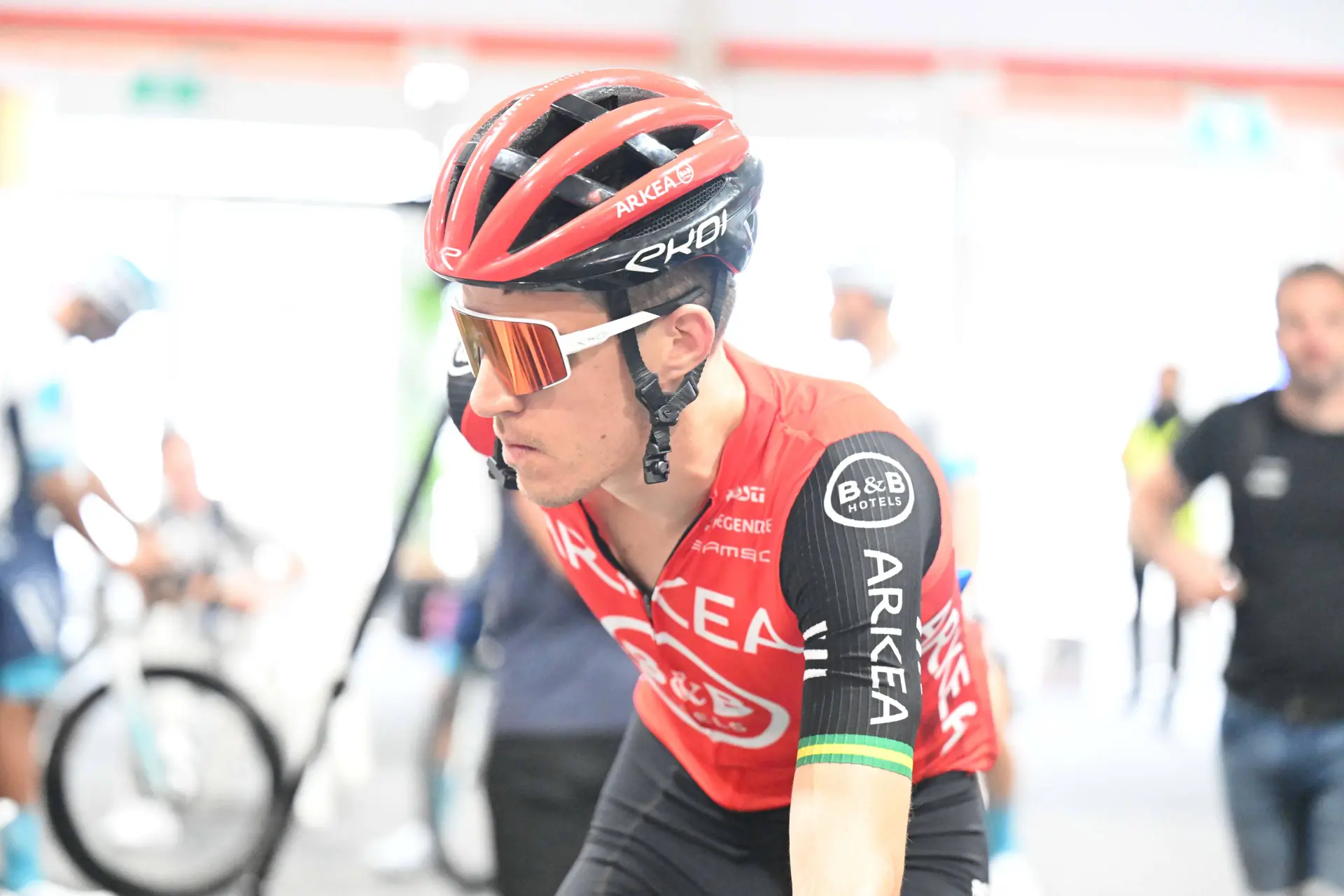
Bakelants himself retired at the end of the 2022 season
Lessons from Van der Poel and Alpecin
Bakelants points to Alpecin-Premier Tech as proof that alternative models can succeed, but only under circumstances that no longer exist. Their early commitment to Mathieu van der Poel allowed the team to grow organically before today’s hyper-aggressive transfer market fully took hold.
That timing, he argues, was decisive. “When he fully broke through on the road, the practice that is now becoming common was not yet really established,” Bakelants said. In today’s climate, such patience would likely be punished. “If Mathieu van der Poel had won his first big Classic now, an opportunistic team like INEOS or Lidl-Trek would certainly have jumped in with an astronomical offer.”
The difference, Bakelants believes, is that cycling has lost its natural protection mechanisms. Where once development, loyalty and gradual progression mattered, raw purchasing power increasingly dictates outcomes.
A warning rather than a prediction
Bakelants is not arguing that dominance by strong teams is new, but that the mechanisms behind it have changed in worrying ways. Without safeguards, he fears cycling risks entrenching inequality so deeply that upward mobility becomes the exception rather than the norm.
The crossroads he describes is therefore not merely financial, but philosophical. Whether the sport chooses to address that imbalance, or accept it, may determine how competitive professional cycling remains in the decade ahead.

Kieran WoodDeputy Editor-in-Chief
Kieran Wood is a sports journalist based in Wales and has been active in journalism since 2022. He regularly contributes to DartsNews.com and CyclingUpToDate.com, where he covers professional cycling and darts. In cycling, his work includes liveblogs from major races, including the Tour de France, the Giro d’Italia, and La Vuelta a España, alongside race reports and analysis. He has also conducted interviews with professional riders.
His reporting spans the full racing calendar, from one-day classics to stage races, with a focus on accurate, real-time coverage and clear contextual analysis. For statistics, results, and historical context, he regularly uses resources such as ProCyclingStats. To support reporting on rider activity and training context where relevant, he also references Strava.
In his work, Kieran places strong emphasis on careful sourcing, editorial accuracy, and updating articles as new, verified information becomes available.
claps 5visitors 5
Just in
Popular news
Latest comments
- Nothing. Against Pogi nothingabstractengineer18-10-2026
- He didn't even try to sprint all outvappaxbipmv18-10-2026
- Campenaerts looked like a rolling pumpkin with that all orange leaders skinsuit !frieders318-10-2026
- He can take his dumb a$$ politics somehwere else !frieders318-10-2026
- good to have her back. fingers crossed she‘ll be able to stay!Ketterechts17-10-2026
- A tenner and he wins the Tour next year, too 😂anonymouscyclist17-10-2026
- the answer is either stick to classics or GTs but not bothabstractengineer17-10-2026
- the exodus already stared with Ciccone. Already they were struggling with two sprinters, now there are three. Also Ganna will demand leadership. Gall is the most proven GC, Ayuso has the most potential. GC leadership for everybody will be impossible. Literally a UAE style mess without pogi.abstractengineer17-10-2026
- I raced as an amateur for 12 years, including six years on my country’s national road cycling team. I secured two national titles and competed in three World Championships plus more than 15 international stage races. At 23, we travelled to Italy for a training camp—or so I assumed. On a rest day, we watched a presentation about adopting a more “professional” training approach. It was crystal clear what “professional” meant. That moment first exposed me to this dilemma. After returning from Italy, I left cycling—at least at the competitive level I had known. Over the following two years, the whole team was caught doping. I hold that everyone is innocent until proven guilty. In my view, current stakeholders operate on a different scale, and the sums involved are vast. I am unsure whether any doping would ever be revealed. I try to stay positive and enjoy the show. My 2c.
 vannpelt17-10-2026
 - Fiver he wins 🤣
 leedorney17-10-2026
Loading
1 Comments