“I think this might be me done… I might just stop here” – Simon Yates’ Visma teammate recalls early signs of surprise retirement at the Giro d'Italia
Cycling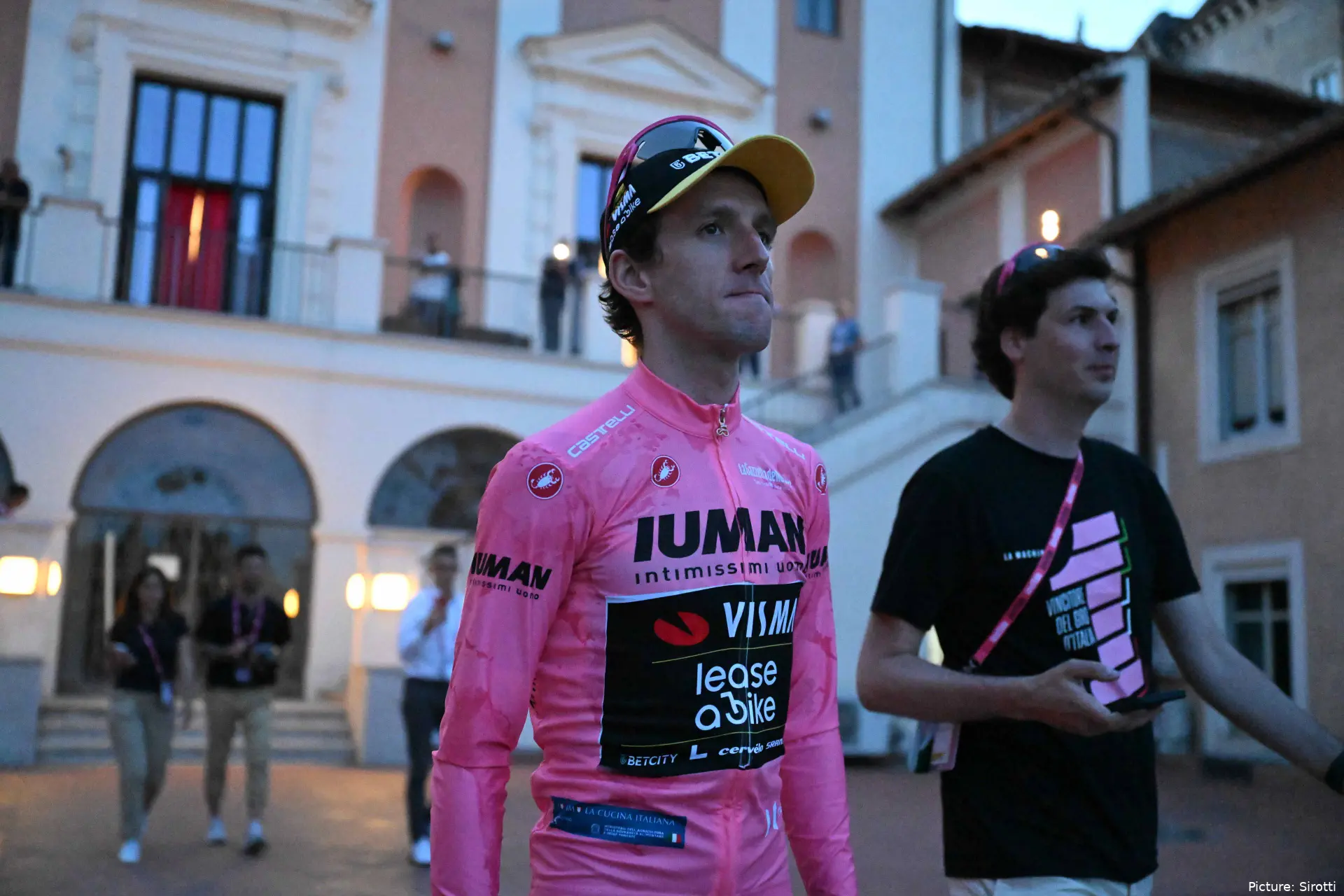
Simon Yates left the sport at the very top, stepping away weeks after a season that delivered the Giro d'Italia and a Tour de France stage. To the public, the timing looked sudden. Inside his circle, the idea had been forming much earlier.
One of the clearest windows into that private process comes from Owain Doull, now part of Visma’s setup and a longtime friend of Yates. Speaking to Cycling Weekly, Doull described a conversation in Rome that now reads as the first crack in what looked like an unbreakable career.
The moment in Rome
After the final stage of the Giro, Doull congratulated Yates on finally winning the race that had defined so many seasons of frustration. “And he kind of said to me back then, ‘To be honest, I think this might be me done’. I asked what he meant and he said, ‘I think I might just stop here. It’s not going to get any better than this’,” Doull said.
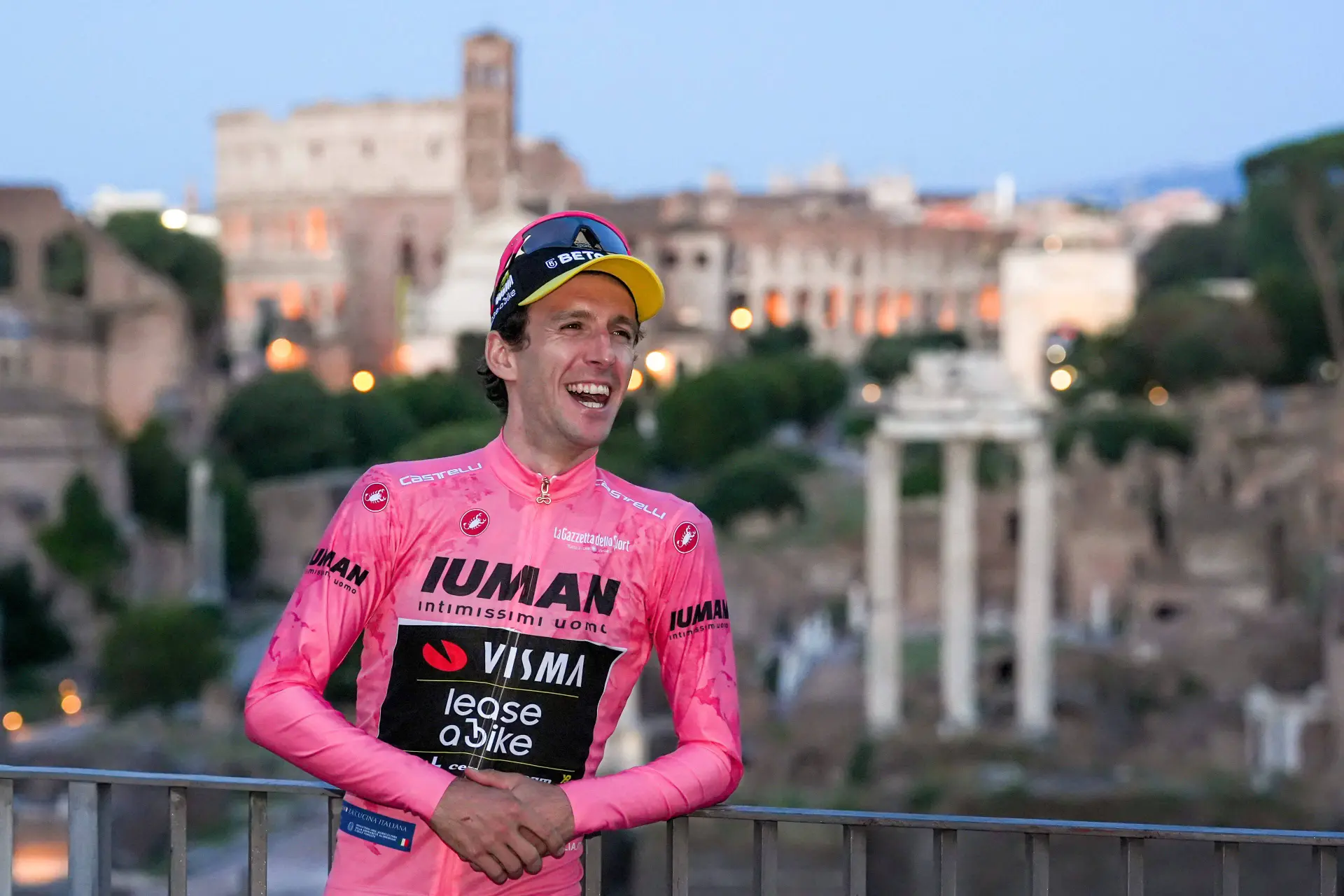
The setting mattered. Yates had just completed three brutal weeks, was standing in pink in Rome and had achieved something that had long felt unfinished. “Obviously this was the last day when you’re in Rome, you’ve just done three weeks, and I don’t think he was expecting to be standing in Rome in the pink jersey, so it was a lot to take in for him,” Doull added.
It was not a formal decision. It was a thought, spoken aloud at the highest emotional point of his career.
Winning again without forgetting
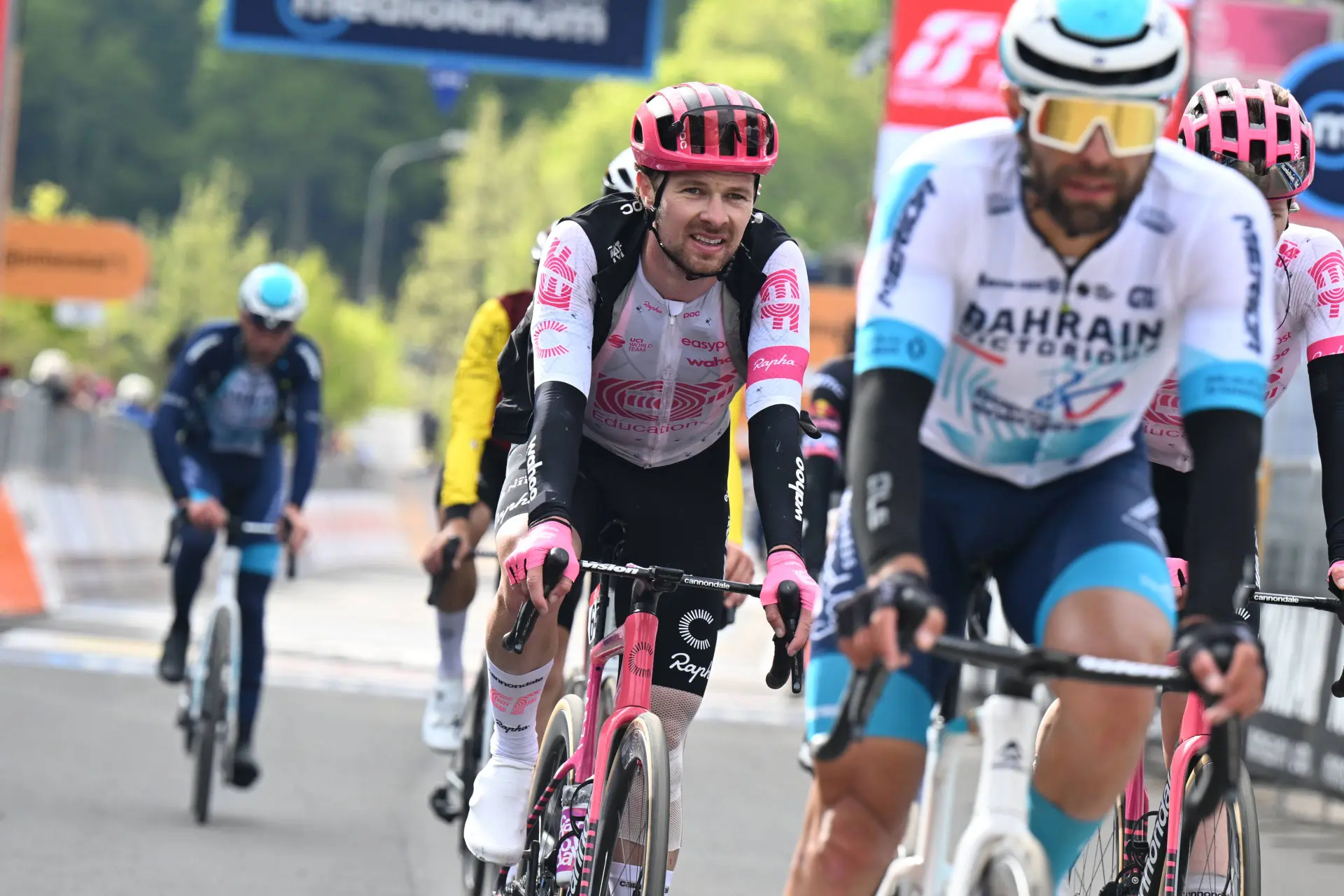
What makes that conversation so striking is what followed. Yates did not fade out. He went to the Tour de France and won a stage. He trained, raced and delivered like a rider still fully invested. “He then went to the Tour and other races but I think it was always in the back of his mind,” Doull said.
From the outside, nothing suggested someone ready to stop. Inside, Doull believes the idea never really left.
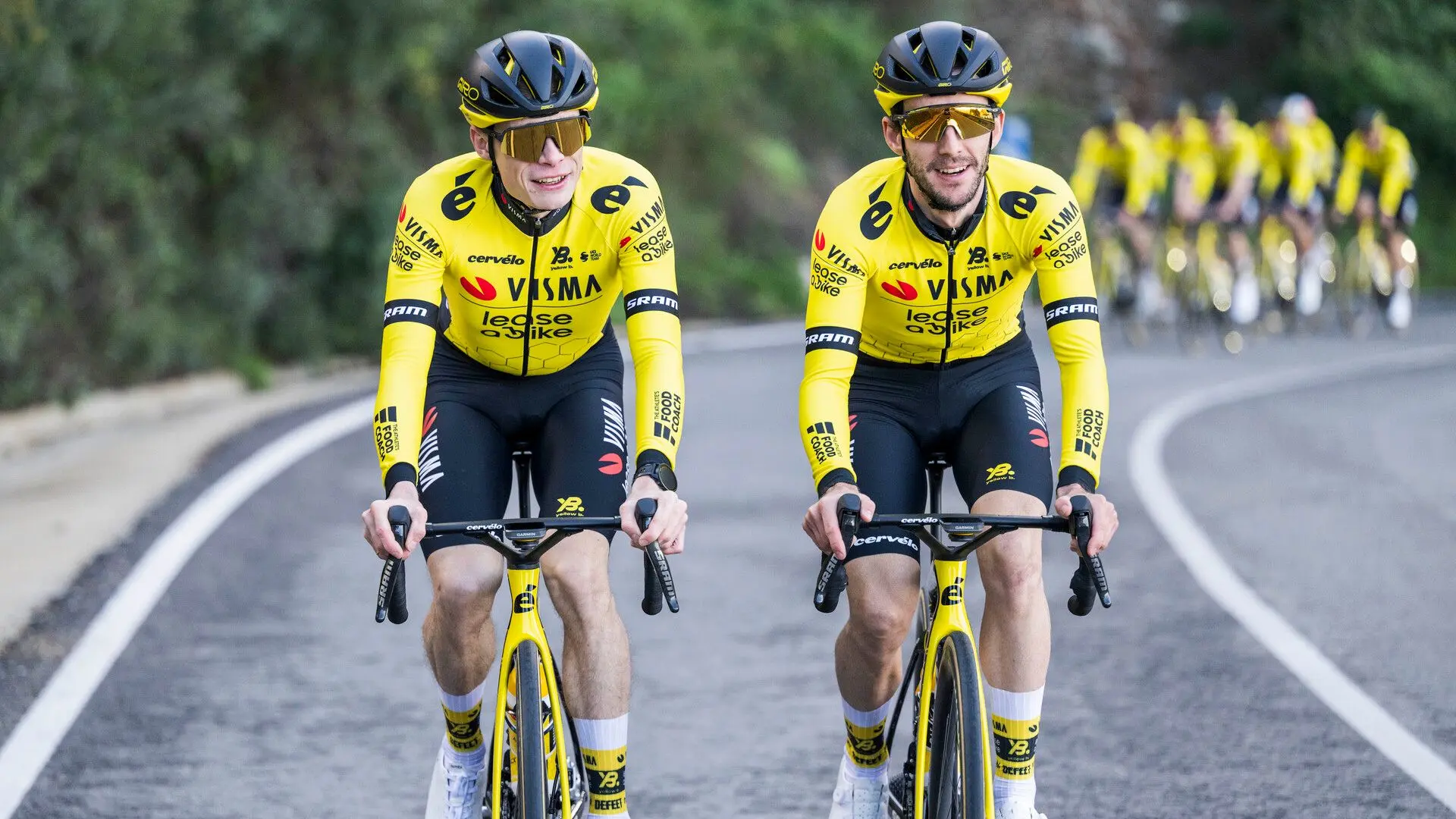
That fits with what came later. Yates attended Visma’s December training camp, appeared in team material and was part of early planning for the new season. To most, he looked settled.
“Obviously I saw him at the December camp as well, and he was getting ready for the season and he seemed happy and motivated, but I think that overriding feeling of wanting to stop was a big thing and I have to say chapeau,” Doull said.
Walking away from everything
Yates did not leave because he had nothing left to give. He left while still winning, still valued, and still well-paid. “He’s also getting paid a lot of money to race his bike and he’s saying, ‘Actually, no, I’ll pass on that. I want to finish at the highest level,’” Doull said.
That choice is what impresses him most. Not the titles, but the timing. “It’s a lot of sacrifice, a lot of risk, a lot of time away, especially when you’ve been doing it at Simon’s level for so, so long,” he said.
Doull contrasted that with his own place in the peloton. “I work just as hard as the other guys but the level of expectation and demand is a lot less for me, so that’s probably why I would be happy to do this for another four, five years or whenever that time comes for me.”
For riders at the very top, he sees it differently. “But for those top guys, the level of commitment, scrutiny, and dedication they’re under is a lot. I just think chapeau for not just taking the cheque and doing nothing and instead finishing when he was ready to finish. I think that’s admirable.”
A shock that was not born overnight
Yates’ own statement said he had been thinking about stopping “for a long time”. Doull’s story gives that line a starting point. Not in December, not in January, but in Rome, on the day he finally closed the Giro chapter.
He went on to race, to train and to win again. But the idea, first spoken quietly on the final day of the Giro d'Italia, never fully disappeared.
So when Yates eventually said he was done, the sport saw a shock. Doull saw the end of a thought that had begun months earlier, at the highest moment of a career that chose to finish exactly where it peaked.
Kieran WoodDeputy Editor-in-Chief
Kieran Wood is a sports journalist based in Wales and has been active in journalism since 2022. He regularly contributes to DartsNews.com and CyclingUpToDate.com, where he covers professional cycling and darts. In cycling, his work includes liveblogs from major races, including the Tour de France, the Giro d’Italia, and La Vuelta a España, alongside race reports and analysis. He has also conducted interviews with professional riders.
His reporting spans the full racing calendar, from one-day classics to stage races, with a focus on accurate, real-time coverage and clear contextual analysis. For statistics, results, and historical context, he regularly uses resources such as ProCyclingStats. To support reporting on rider activity and training context where relevant, he also references Strava.
In his work, Kieran places strong emphasis on careful sourcing, editorial accuracy, and updating articles as new, verified information becomes available.
claps 6visitors 4
Top comment
leedorney16-01-20264
A valiant rider 👍
Just in
Popular news
Latest comments
- Easy on the Yanks comment NO need. Hinault pulled some BS on Lemond!! So yeah shhhh. Hinault has 2 TDF Thanks to The Yank Lemond!! Factsalex2908-10-2026
- Hinault is dreaming? Seixas is to young and doesn't have the legs or power that Del Toro has. HELL Lemond was held back from beating Hinault! Facts!alex2908-10-2026
- Bernal won the Tour because his attack stuck after Thomas’s was reeled in, and then they ended the stage due to the landslide - a deserved win, but contingent on many things. He won the Giro with quality and skill. And then, like so often happens for the cruelest of reasons, his injuries left him an incomplete version of his former self. He’s had a great career, what a great GC rider (8 of his 23 wins are GC, including 2 grand tours and 2 of the 7 major GC races), but already was struggling after COVID. I wish him the best, and if he retires, he should retire with pride for a career well done!RidesHills07-10-2026
- Roglič? In an interview he’ll continue to be hilariously dry about his goals, emphasize that he’s still having fun, and keep churning along until he doesn’t want to do this anymore. “Ah, you know, 100 wins would be nice, but eh - it’s just a number. I have fun, you know?” I can almost hear him saying those words. He’s not heading for low rank races to get the wins, he continues to race the major races (and I suspect would have won the Vuelta again were it not for that awful accident and that disgusting purple leg right before racing began).RidesHills07-10-2026
- BTW the list of classics you gave from PCS is participation, not winning
 Rafionain-Glas07-10-2026
 - Yes, though we saw that last week already.Jumpyjohn07-10-2026
- Or that riders get out in time.Jumpyjohn07-10-2026
- Hope he doesn’t stick with it just for that, would hate to see him exhibiting any has been footballer behaviour.Jumpyjohn07-10-2026
- Yep, that’s about it, couldn’t imagine someone wouldn’t get that.Jumpyjohn07-10-2026
- Time for your meds I thinkJumpyjohn07-10-2026
Loading
2 Comments