“I hear from a lot of Visma riders that there is a shift” – UAE rider suggests rivals are rethinking their formula
Cycling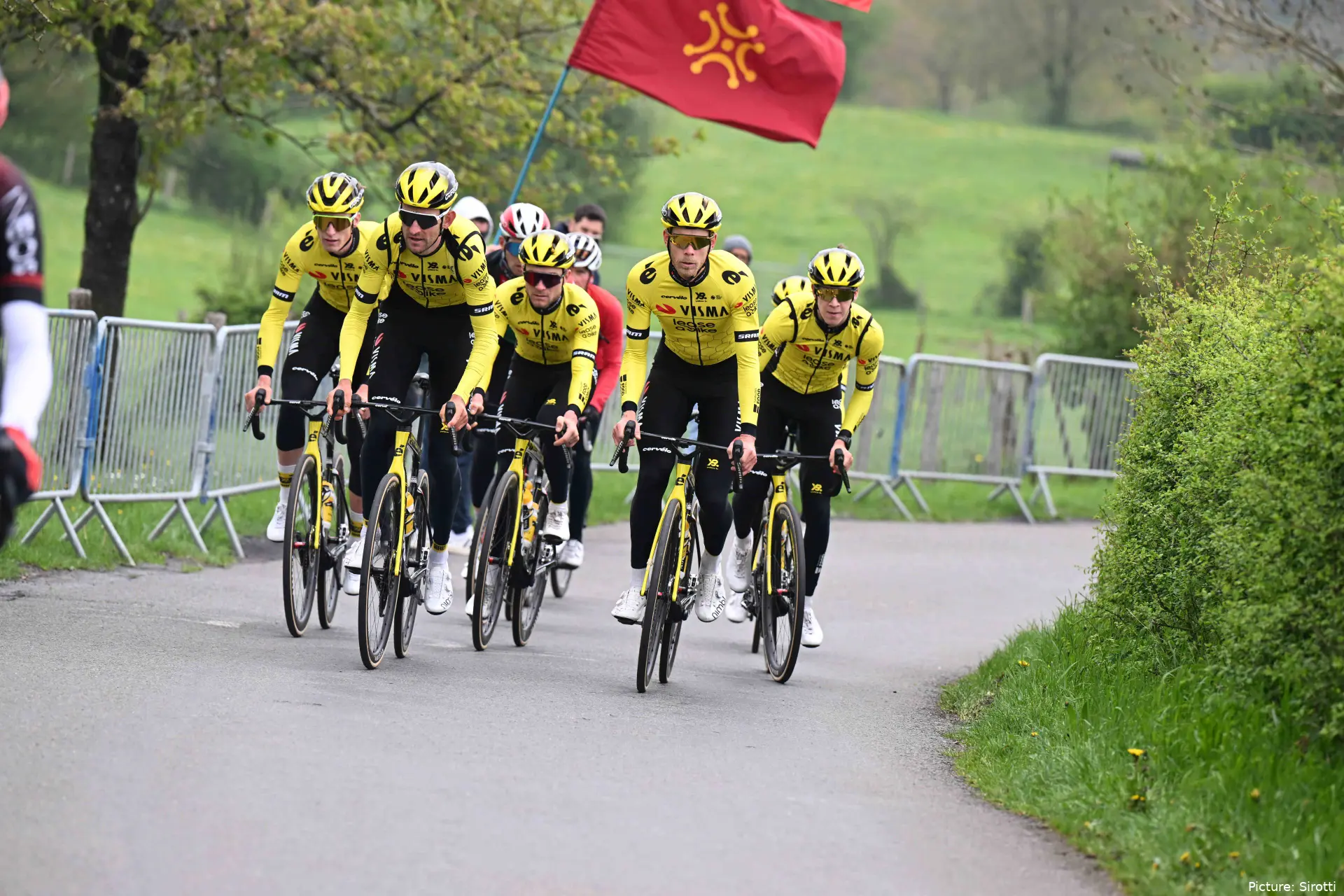
For much of the past decade, Team Visma | Lease a Bike built their performance identity around a polarised training model. Long, easy volume paired with short, extreme intensity became a defining feature of the Dutch squad’s rise to the top of men’s stage racing. But from inside the peloton, that picture may no longer be quite so fixed.
Speaking from the perspective of a direct rival, UAE Team Emirates - XRG's Florian Vermeersch has suggested that Visma’s long-standing approach is beginning to blur, with more riders leaning towards sustained zone 2 work rather than a strictly polarised split.
A shift shaped by modern racing
“I hear from a lot of Visma riders that there is a shift,” Vermeersch says in quotes collected by Wieler Revue, pointing to what he has picked up through conversations rather than official team messaging.
His comments sit within a broader reflection on how elite racing has changed. The defining efforts in today’s biggest races increasingly come after hours of sustained pressure, rather than from short, isolated bursts of peak power. According to Vermeersch, that reality is influencing how riders prepare.
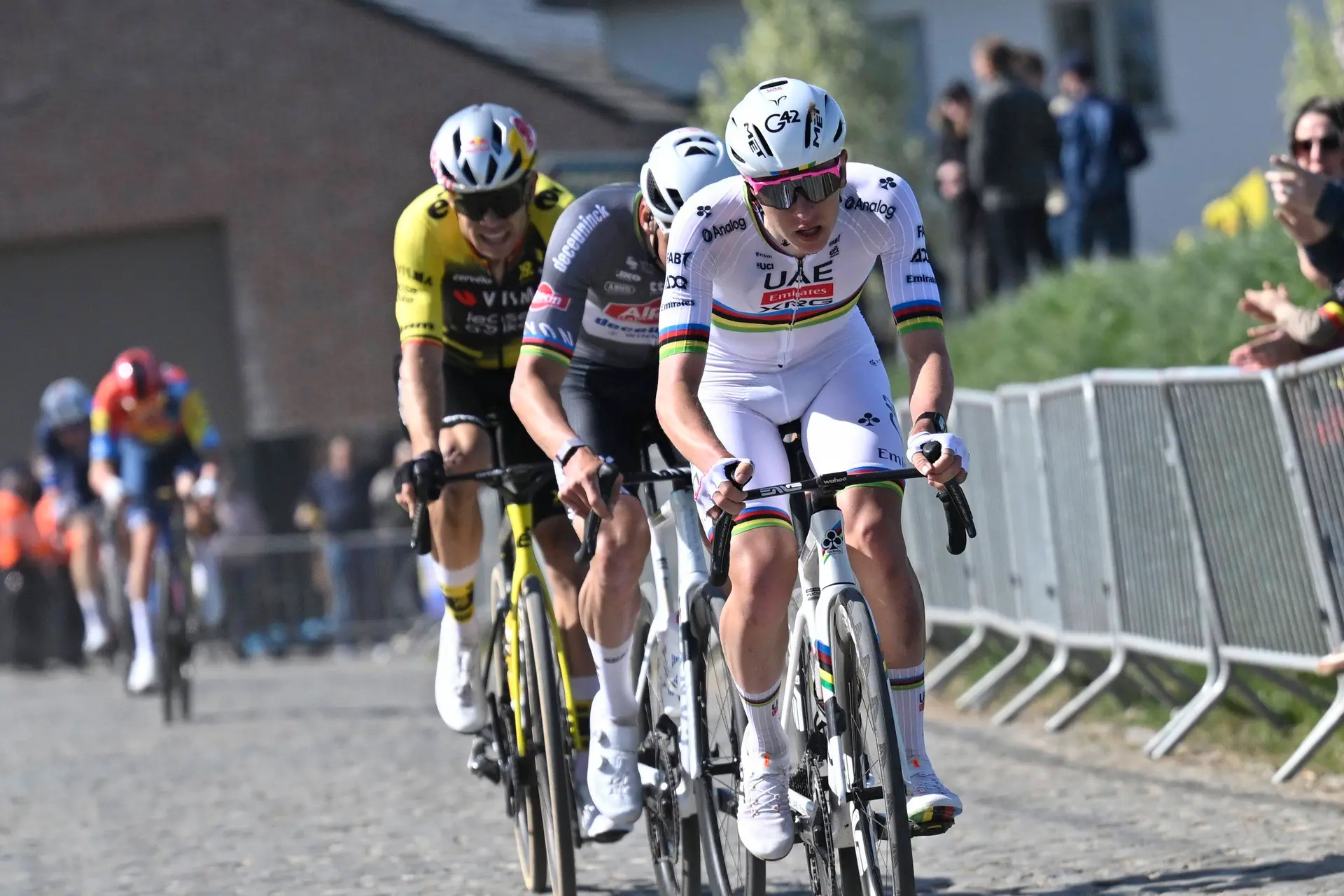
“I worked a lot this winter on durability, to be able to increase my power even after heavy fatigue. What you can still do after four hours of hard racing is the most important thing in racing nowadays.”
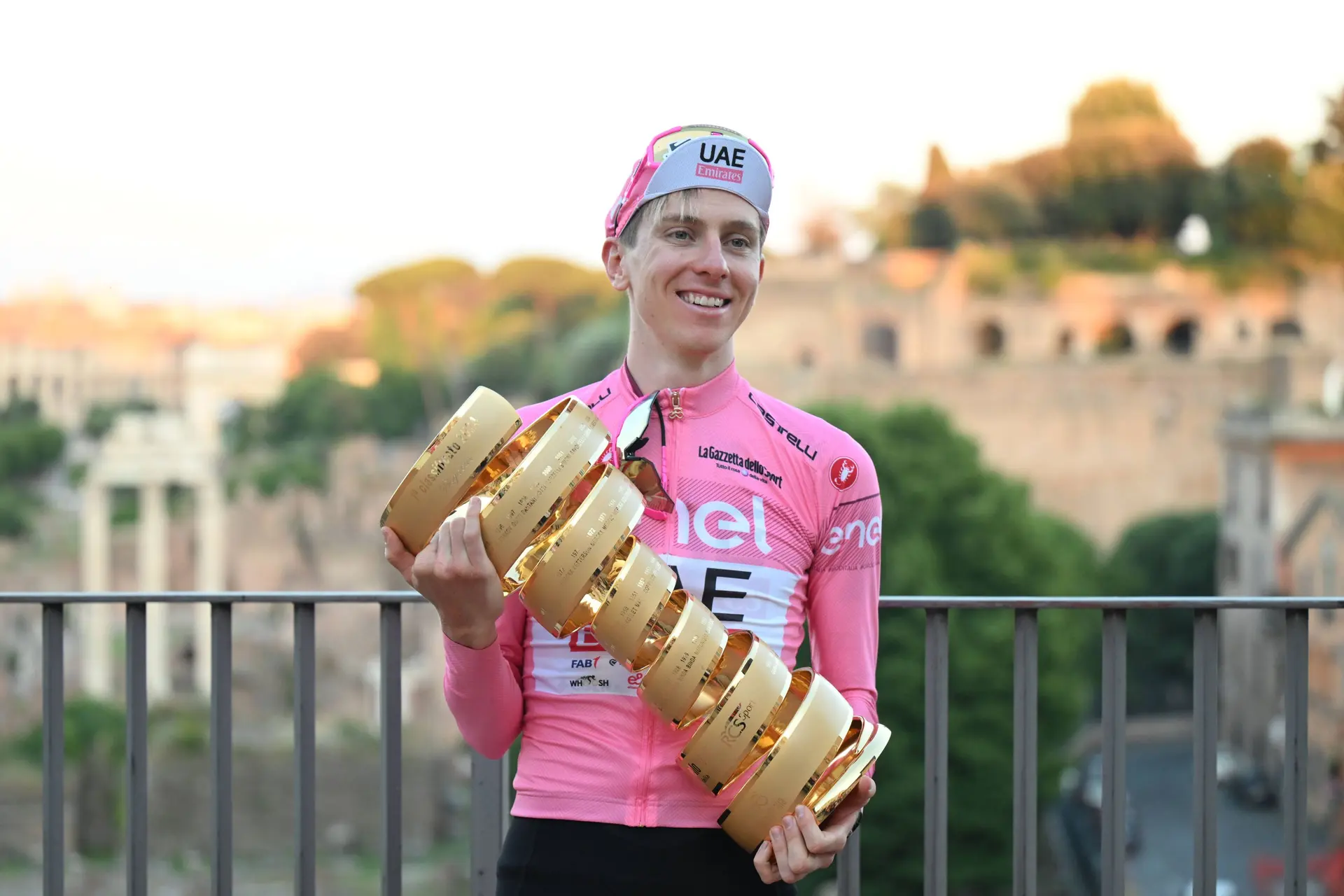
That focus on durability aligns more closely with the philosophy long associated with UAE Team Emirates - XRG, where extended zone 2 riding has been a central feature of training for several seasons.
Not a rejection of the old model
Vermeersch is careful not to frame the discussion as one approach replacing another. He stresses that different riders respond to different stimuli, and that Visma’s historic reliance on VO2max work has delivered results at the very highest level.
“I’m a rider who can handle a high load and a lot of fatigue, so for me, training in zone 2 also works well. But I wouldn’t dare to say that Visma’s VO2max approach is the wrong one.”
In that sense, the reported shift is less about abandoning polarisation and more about adapting emphasis. The demands of modern racing, where the pace is relentlessly high from the opening kilometres, leave little room for riders who can only deliver their best numbers in isolation.
“These days, the big races are ridden so hard from the start that it’s important to have as much reserve left as possible at the end of the day,” Vermeersch explained, adding that fatigue resistance has become a shared focus across the WorldTour rather than a single team’s trademark.
No miracle solution
Despite the intrigue surrounding Visma’s internal evolution, Vermeersch also played down the idea that training methods alone explain performance gaps between teams. “No team trains in zone 1 during a winter training camp in Calpe. You see all of them pushing on in zone 2 or even zone 3.”
For him, the margins between rival philosophies are narrower than they often appear from the outside. What ultimately separates teams, he argued, is not a single zone or model, but the depth of talent executing it. “I’m not saying that zone 2 training is a miracle cure. Our biggest advantage is that we have the best riders in the world.”
Whether Visma’s reported shift represents a meaningful philosophical change or a natural convergence shaped by modern racing demands, Vermeersch’s words underline a broader truth. At the sharp end of the WorldTour, even the most successful formulas are rarely static.

Kieran WoodDeputy Editor-in-Chief
Kieran Wood is a sports journalist based in Wales and has been active in journalism since 2022. He regularly contributes to DartsNews.com and CyclingUpToDate.com, where he covers professional cycling and darts. In cycling, his work includes liveblogs from major races, including the Tour de France, the Giro d’Italia, and La Vuelta a España, alongside race reports and analysis. He has also conducted interviews with professional riders.
His reporting spans the full racing calendar, from one-day classics to stage races, with a focus on accurate, real-time coverage and clear contextual analysis. For statistics, results, and historical context, he regularly uses resources such as ProCyclingStats. To support reporting on rider activity and training context where relevant, he also references Strava.
In his work, Kieran places strong emphasis on careful sourcing, editorial accuracy, and updating articles as new, verified information becomes available.
claps 8visitors 7
Just in


Popular news
Latest comments
- I thought Seixas had hit the end of the road from a fatigue standpoint, after the WC meltdown - and he still finished ok. This was impressive and an amazing return.mij11-10-2026
- totally, eating crow for breakfast this morning. after the world championships I thought we were looking at a late season fade from fatigue. way to go Paul!mij11-10-2026
- Well if UAE the best team in history comes knocking their the only team in the world who can get Seixas. Seixas will become unbeatable and incredible there. Lets see if he stays at decathlon or goes to UAE.miguel11-10-2026
- Pogi would have won the Vuelta at around 10 min. But it would have been boring for fools like you. Capish?PogiSloFans11-10-2026
- Rather than me describing the technology at length on here, If you google. Line-scan cameras. They are also sometimes called Slit-Scan cameras. Either search will fill you in. You can read all about how they. work. Enjoy! Just to be clear the cyclist is saying he wants to see exactly where the digital finish line is in relation to the actual physical finish. At this point we only have the word of the authority that the digital line corresponds to the exact starting edge of the physical finish line. That seems like a reasonable request to me.Prorodsandstuff11-10-2026
- 100% @Jumpyjohn, good point well raised.anonymouscyclist11-10-2026
- The media keep stirring the soup.. or spitting in it
 leedorney11-10-2026
 - Yes, he has won many races... second class races. He isn't the real deal... Seixas is the real deal. Capish?PogiSloFans11-10-2026
- What are you guys talking about? I'm not the one you guys think I am. I'm a Slovenian Pogi fan, that's all... the guy you're talking about is a Croation Ustasha. Capish?PogiSloFans11-10-2026
- It would be epic if Seixas came to UAE. 3/4 of the commentators on this site would stop watching cycling... ha ha ha ha ha ha...PogiSloFans11-10-2026
Loading
2 Comments