“I am surprised by the attitude of Red Bull - BORA": Spanish expert questions why Oier Lazkano has been denied presumption of innocence
Cycling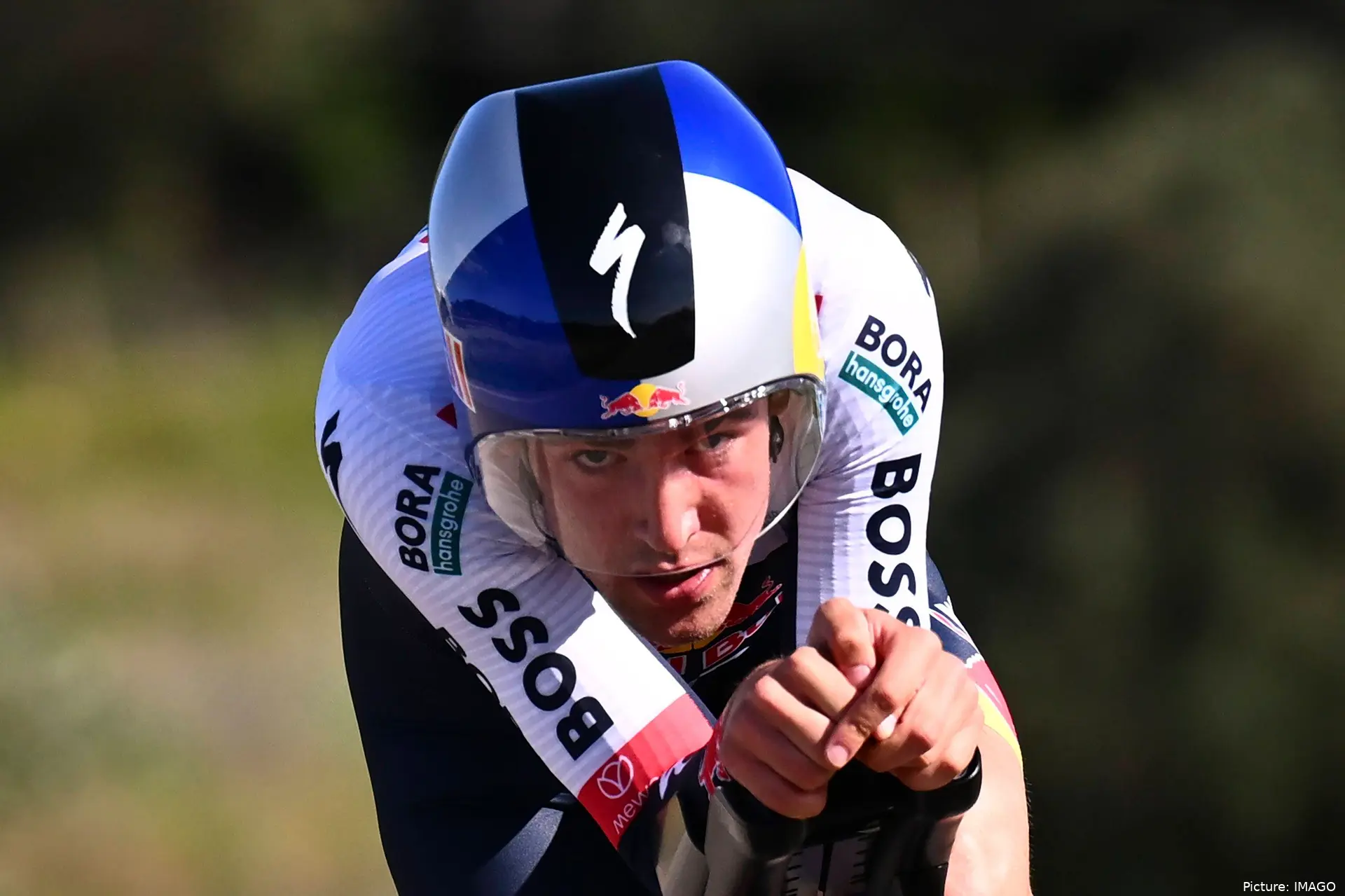
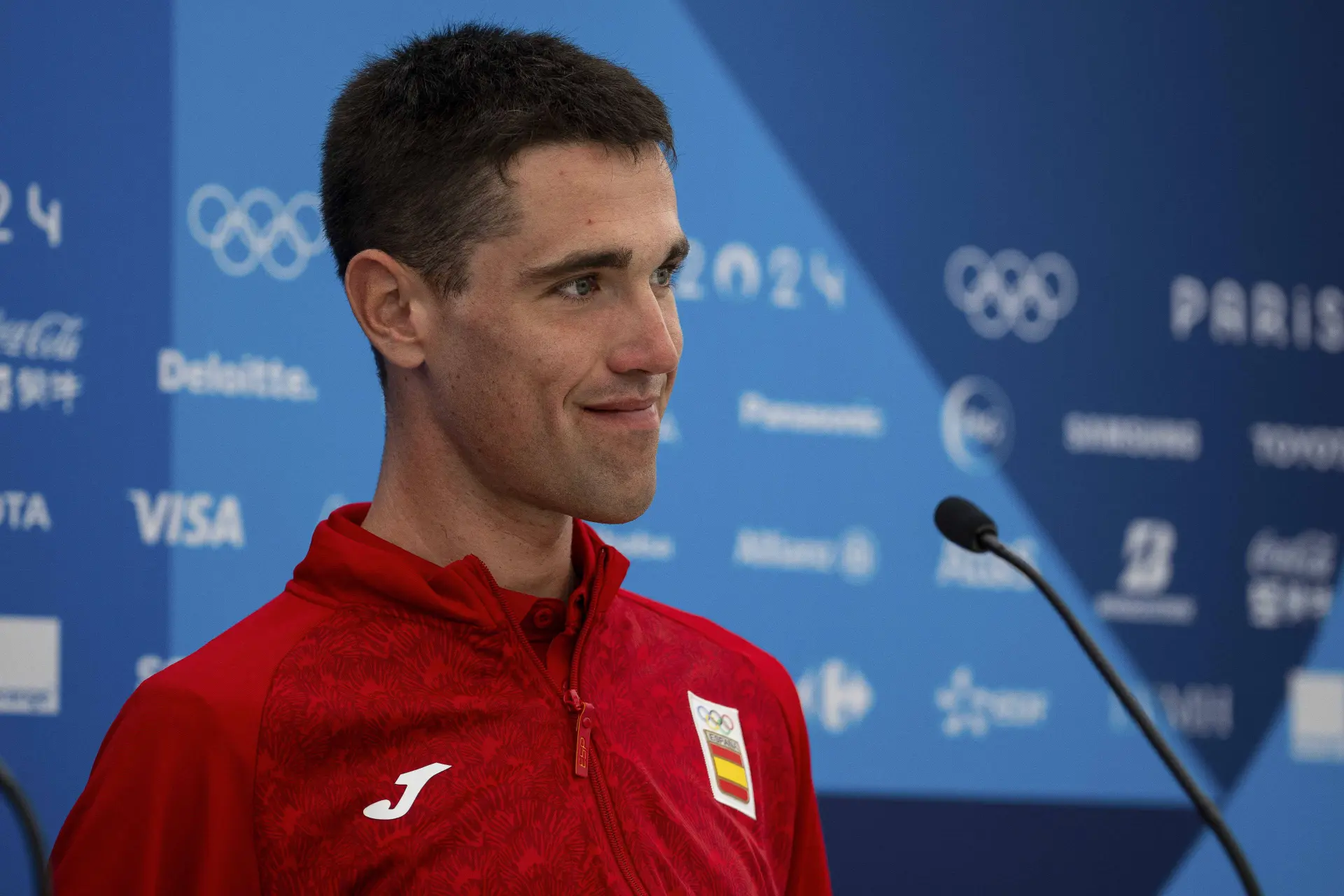
Veteran Eurosport commentator Javier Ares has reacted to the provisional suspension of Oier Lazkano, calling for calm and due process while expressing surprise at Red Bull - BORA - hansgrohe’s decision to immediately cut ties with the Spaniard following biological passport irregularities.
Speaking on his YouTube channel, Ares urged cycling to uphold the principle of presumption of innocence, stressing that the case must be handled with balance rather than summary judgement. “I am somewhat surprised by the attitude of the team Red Bull BORA of excluding him fulminantly from the team.”
Ares emphasised that while the UCI’s decision to provisionally suspend Lazkano is serious, it does not yet constitute a final verdict.
Presumption of innocence and a warning against “rush to judgement”
Ares repeatedly returned to the legal and moral principle that riders deserve fair treatment until a decision is final: “We always start from that indisputable principle that is the presumption of innocence… we deserve, at the very least, the defence that corresponds.”
The respected broadcaster also renewed his long-held belief that doping cases are not uniform and should not automatically be treated as identical scandals: “Not all doping is the same… there are systematic, truly serious cases, and others where a small lapse should not be judged with the same severity.”
He admitted his discomfort with the trend of “summary trials” in cycling discourse, urging patience as Lazkano’s defence is heard.
Red Bull - BORA vs Movistar response under the microscope
Ares contrasted the differing reactions from Lazkano’s teams:
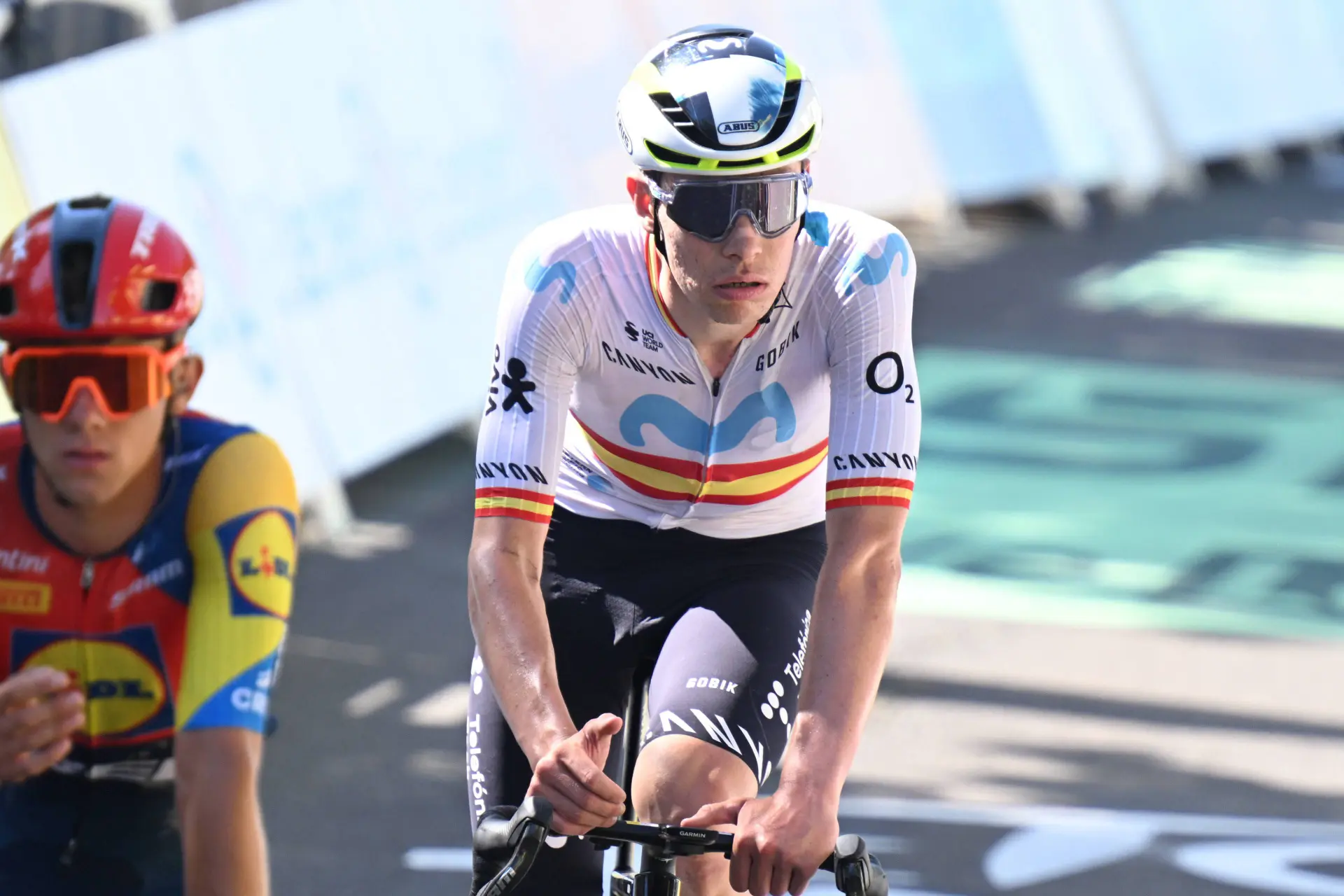
- Movistar: “assured not having detected anything”
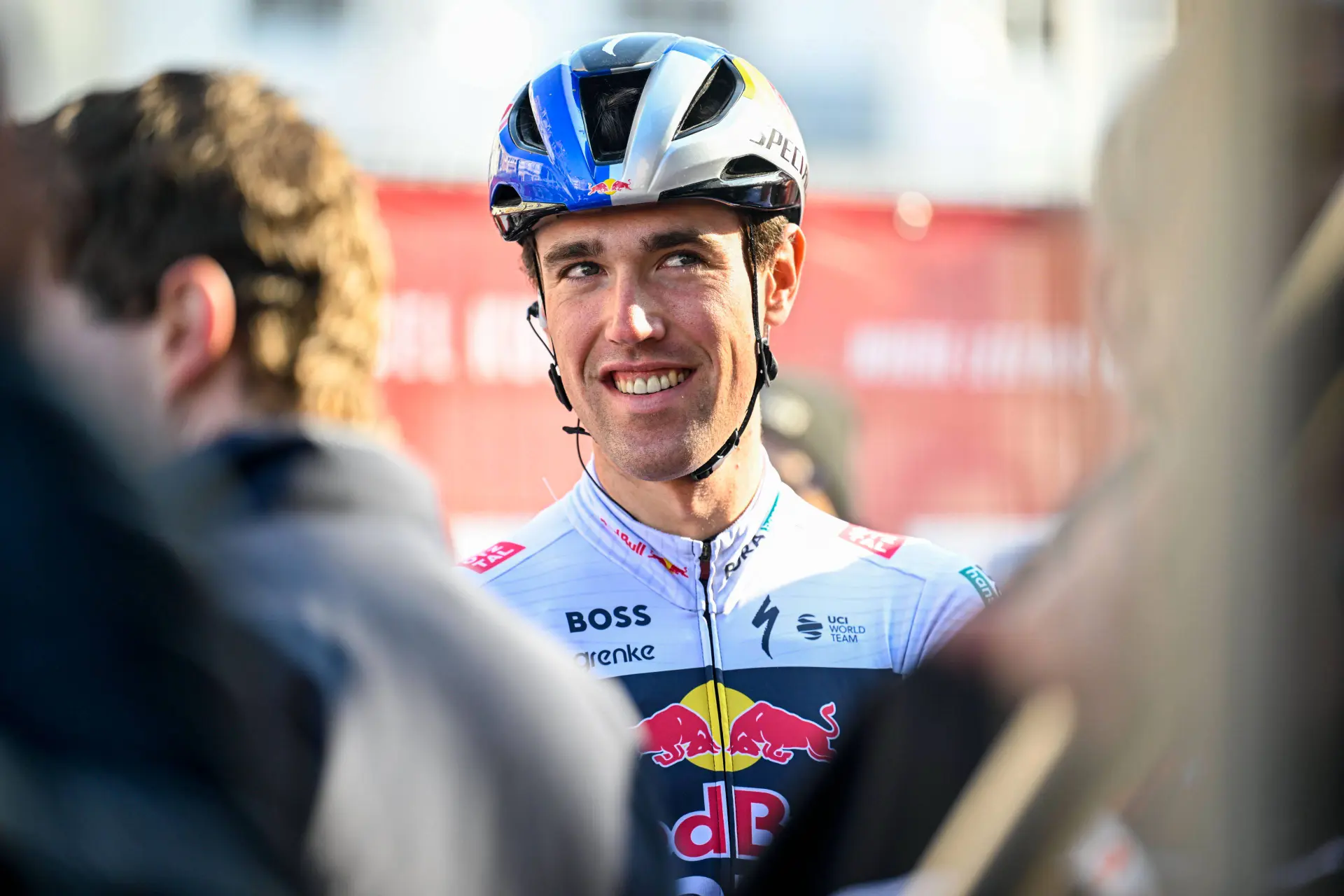
- Red Bull - BORA: acted in April after learning of abnormal values and have now terminated the rider
Ares questioned why the German team chose immediate dismissal rather than a conditional suspension pending final ruling, noting the financial implications surrounding Lazkano’s reported €1.5m-per-year deal.
Defence of Pogacar amid renewed suspicion
Ares also took aim at those who weaponise older scandals to cast suspicion on current champions, specifically referencing Tadej Pogacar: “I choose to believe in people… we should not question success based on past precedents.”
He argued cycling is “infinitely cleaner than before” and cases emerging today underline the effectiveness of controls rather than the persistence of systematic cheating.
Ares noted that Lazkano had not raced since April due to injury and was already experiencing “a particularly delicate” personal and emotional period. The UCI’s provisional suspension, he said, came after months of monitoring biological passport values.
He concluded by acknowledging that if wrongdoing is proven, consequences must follow — but stressed the episode should be seen as proof of an anti-doping system functioning as intended. “If someone is guilty, they must pay. But cases like this show that controls work.”

Kieran WoodDeputy Editor-in-Chief
Kieran Wood is a sports journalist based in Wales and has been active in journalism since 2022. He regularly contributes to DartsNews.com and CyclingUpToDate.com, where he covers professional cycling and darts. In cycling, his work includes liveblogs from major races, including the Tour de France, the Giro d’Italia, and La Vuelta a España, alongside race reports and analysis. He has also conducted interviews with professional riders.
His reporting spans the full racing calendar, from one-day classics to stage races, with a focus on accurate, real-time coverage and clear contextual analysis. For statistics, results, and historical context, he regularly uses resources such as ProCyclingStats. To support reporting on rider activity and training context where relevant, he also references Strava.
In his work, Kieran places strong emphasis on careful sourcing, editorial accuracy, and updating articles as new, verified information becomes available.
claps 0visitors 0
Just in

Popular news
Latest comments
- Yes, he won't ride away yet, but he will and that day will be notable
 leedorney13-10-2026
 - Expect the young French rider to slowly asphyxiate the Slovenian into retirement.
 Front24213-10-2026
 - My thinking is that Pog's experience and strength would have outweighed any fatigue in Il Lombardia. But the sad thing is, we'll never see peak Pog (call it Pog 2) go head to head with Seixas. However well he recovers from his crash, he'll return as Pog 3, with the shadow of severe concussion always there.Hills3313-10-2026
- Some speculation and opinion. Had Tadej not crashed out of the Vuelta he would have been less fresh and I'm not sure he would have beaten Seixas in this race. Maybe he would have been able to contest the race in a sprint and maybe not. Believe me when I say I keep up with many of Tadej's climbing feats and records and I understand how great he is but the Paul we just saw at Il Lombardia was not that far behind Tadej.awp13-10-2026
- Firstly, someone who says parenting is babysitting is delusional and shouldn't be taken seriously. Secondly, with pro athletes it is not the same as a normal worker. They are being rewarded for doing something for which they have a talent which doesn't actually help people (besides inspiration). It's quite a different dynamic
 Rafionain-Glas12-10-2026
 - only way for him to effectively learn to microdose is to go to uae. other than that there is no reason for him to go to uae.whkman12-10-2026
- that was a great win, and quite a surprise at the time. That was a loaded field, and he held of Valverde for the win. Still shocking that Valverde never won Lombardia. He seemed perfect for it. Mollema just went to work every day.mij12-10-2026
- I hope he races Volta a Majorca. We'll really be able to see if he can do one-day-races (but do they count?)Rafionain-Glas12-10-2026
- See, you can write a sensible comment without just slagging off everyone else! Well done!👏😆 🫣Lozza12-10-2026
- Seixas best chance is obviously UAE. They are the best team in history of the sport and they developed pogacar into the goat. They also developed Del Toro to be nr 2 in world. Seixas would become unstoppable at UAE. Lets see if Seixas stays at decathlon but if UAE comes knocking its impossible to say no. Barcelone and real madrid combined into one team, thats UAE in cycling it feels like..miguel12-10-2026
Loading
3 Comments