"Fame is hard to handle; I'd rather be rich and not famous": Peter Sagan shares his personal view
Cycling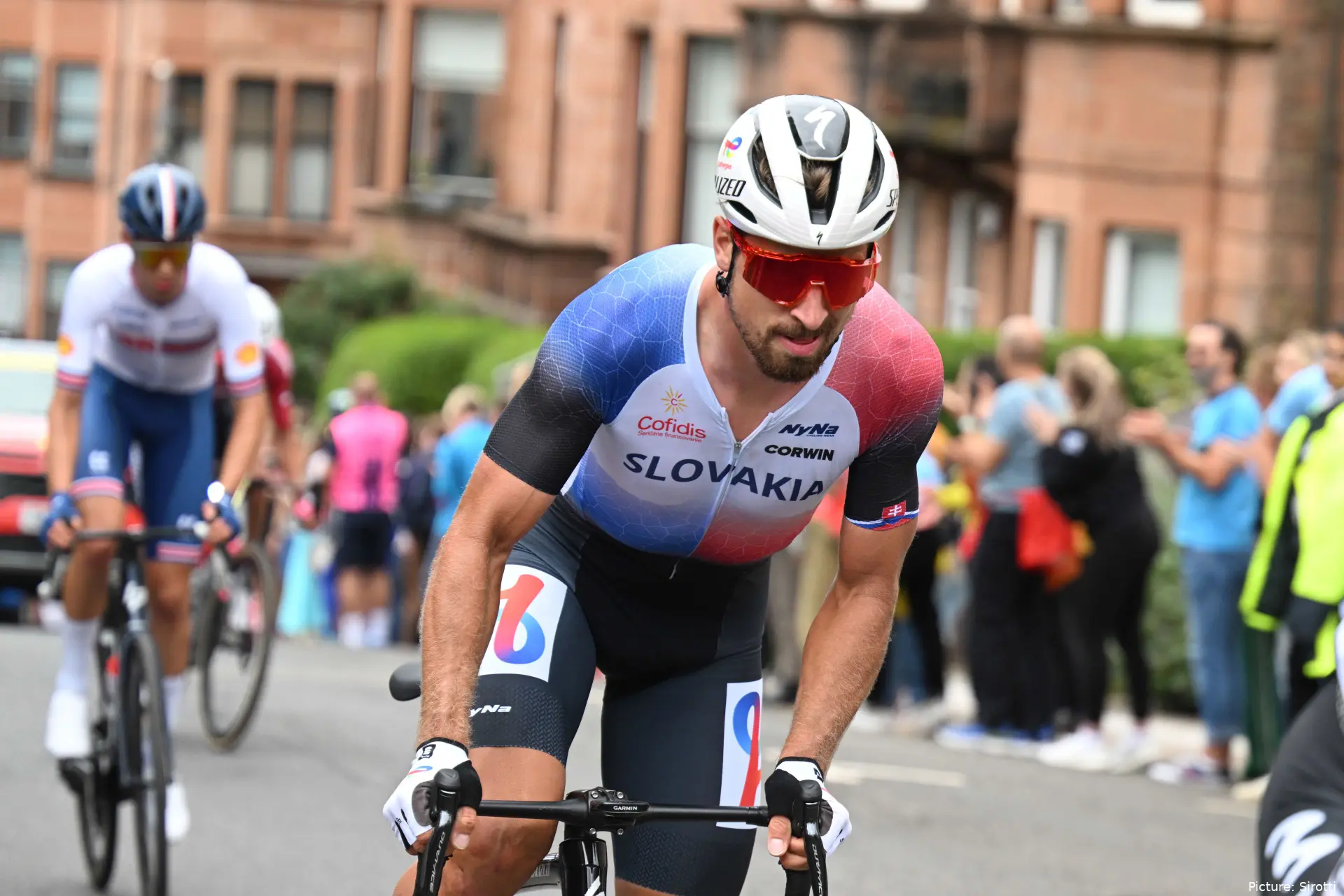
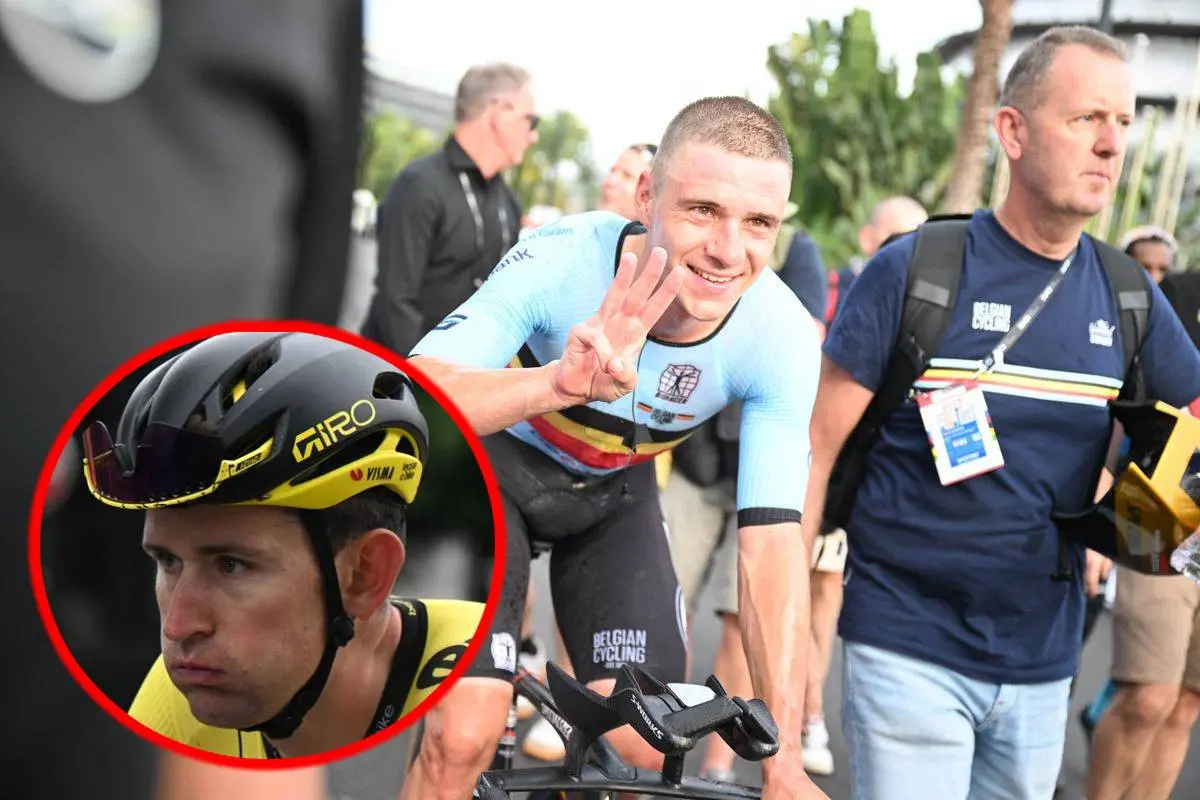
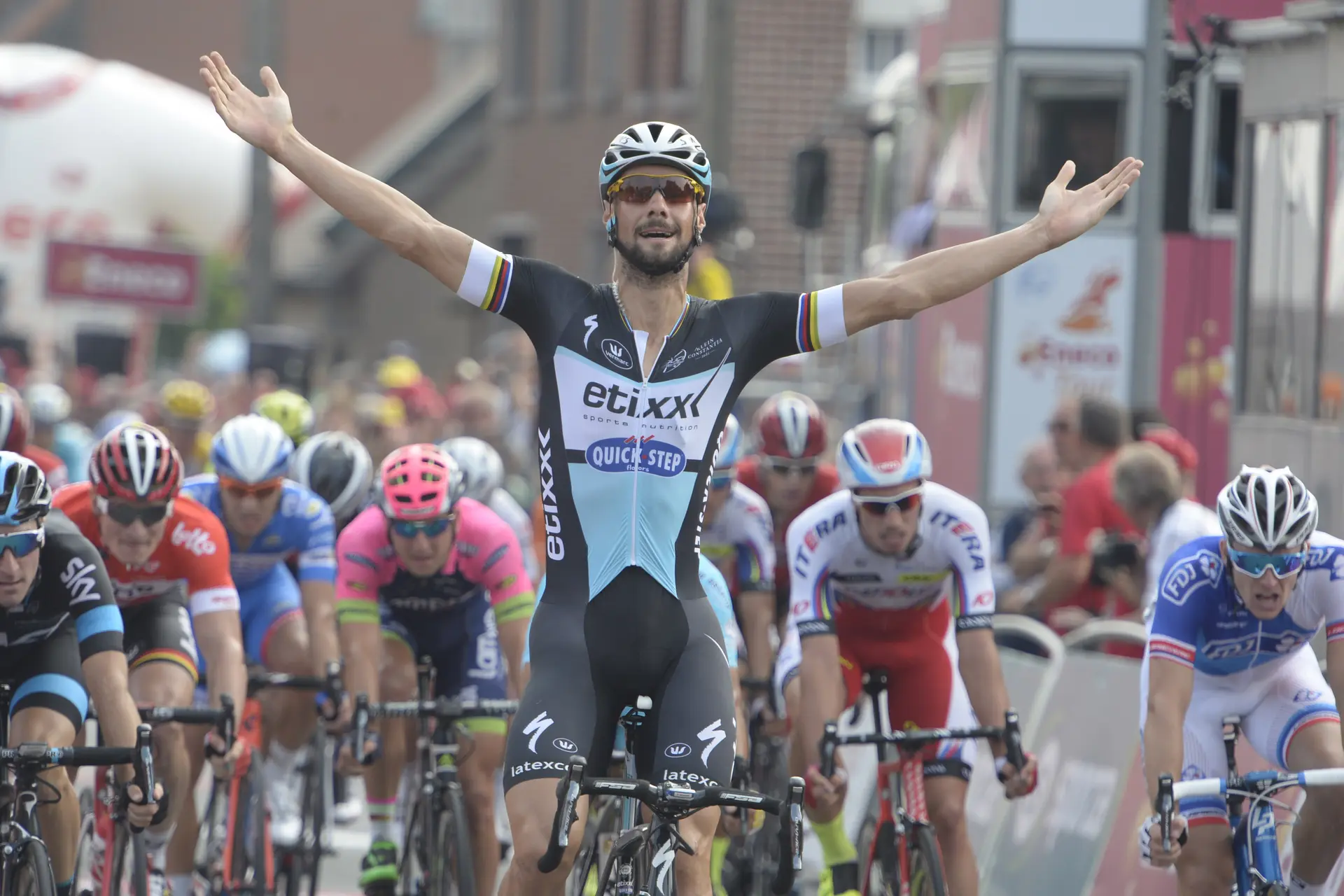
At the height of the 2025 World Championships and after witnessing Remco Evenepoel's third title in the time trial, it is pertinent to remember another great champion who, with his style and charisma, marked an era in cycling: Peter Sagan.
Three world titles, seven green jerseys in the Tour de France and victories in monuments such as the Tour of Flanders and Paris-Roubaix, not only consolidated his legendary status, but also made him a media icon of a dimension that transcends sport.
Slovakia's Peter Sagan is known not only for his prowess on the bike, but also for his ability to generate headlines off the track. In a recent conversation with Topcycling, he shared details of his life after retirement from professional cycling, making it clear that his retirement is not the end of his media presence.
"Today I work with my sponsors and am involved in various events, granfondos and presentations that keep me close to cycling. If I'm invited to a special race, I'm always available," said Sagan, who has managed to maintain a balance between sport and personal life.
The impact of fame
Although his post-retirement life is far from monotonous, Peter Sagan makes no secret that the hardest part of his career was fame. In an industry where media exposure is constant, the Slovakian realized that stardom comes at a price.
"Fame is hard to handle. Everyone wants to be famous nowadays, but being famous is not always an advantage. If I had to choose, I'd rather be rich and not famous," he confesses with a laugh. However, Sagan also recognizes that fame opened doors and allowed him to live unique experiences, such as participating in a dance TV show, which shows his flexibility to adapt to new challenges.

Peter Sagan is one of the best cyclists of his generation.
Sagan, like many of his generation, witnessed the transition to what we know today as "modern cycling". This era of specialization, in which training and nutrition have become almost scientific, was not easy to assimilate for a cyclist accustomed to training by his own criteria.
"In 2014, when the UCI forced teams to have at least three coaches, the dynamic changed. They told me I had to be a better climber without losing my power in the sprints, but it didn't work. 2014 was my worst season," he recalled.
His relationship with his coaches was not always easy. His confrontation with Bobby Julich in 2015 was one of the most notorious tensions in his career. "After four months at Tinkoff, when I wasn't winning, he told me I was finished. I replied that I would go my way. Since then, I don't want to see him in my life," Sagan recounted bluntly.
However, the arrival of coach Patxi Vila changed the dynamic. With him, Sagan found a balance between the training plan and his own instincts, which led him to reconquer form and win back the three world titles between 2015 and 2017.
Peter Sagan also reflected on the regulations imposed by the UCI, which have changed the way the peloton is raced. Limitations on aerodynamic positions such as the "super tuck" and regulations on narrow guiders are some of the changes the UCI has implemented in recent years to protect riders.
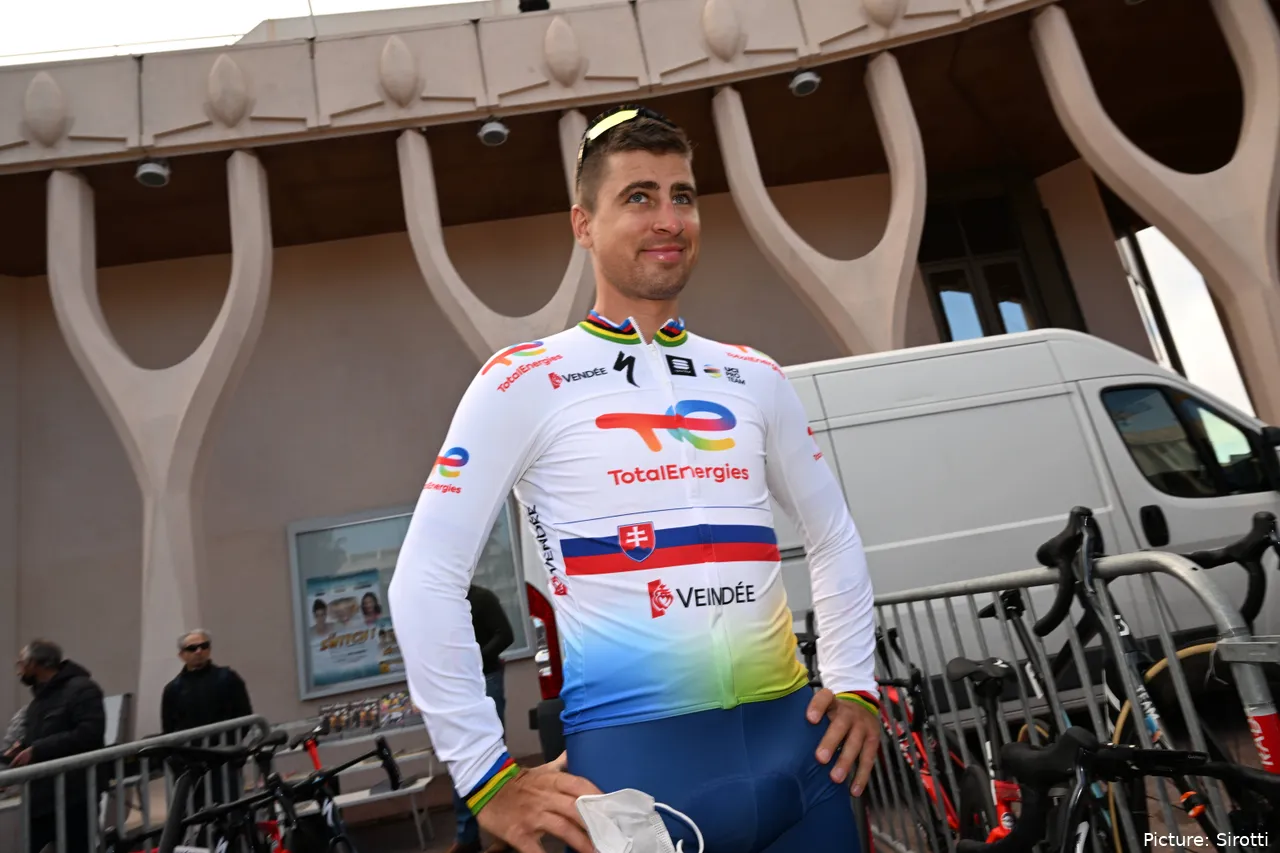
Peter Sagan, cycling legend
While many in the peloton have questioned these rules, Sagan understands them from a broader perspective. "It's like in Formula 1. You can watch the races, but you don't ride in an F1 car on the street. Not all people have the same notion of what professional cycling is," he said.
Although technological advances have been a constant in his career, Sagan emphasized that the tools that helped him the most were simple but effective. "The heart rate meter was key when I was young. Later, power meters and disc brakes marked a before and after, but what really allowed me to perform at my best was the confidence I had in my Specialized bike," he said. For Sagan, high-quality equipment was always a differentiating factor that helped him stay at the top of world cycling for so long.
Ondrej ZhasilCycling Journalist
Ondřej Zhasil is a cycling journalist at CyclingUpToDate and has been part of the team since 2023. He is based in Ostrava, the third-largest city in the Czech Republic, and covers professional cycling across the main UCI competitions, including the Tour de France, the Giro d’Italia, and La Vuelta a España. A key focus of his work is startlist analysis and pre-race coverage, where he examines team selections, rider line-ups, and tactical scenarios ahead of major events.
Alongside WorldTour coverage, Ondřej has developed specific expertise in junior cycling and in racing across East Asia, including competitions in China and Japan. He also maintains a broad working knowledge of other disciplines and levels, including cyclocross, while continuing to expand his understanding of mountain bike racing.
Ondřej holds a bachelor’s degree in Mathematics and Physics, which supports his analytical, data-driven approach to performance and race analysis. In his reporting, he regularly uses ProCyclingStats for results, statistics, and historical context. He places strong emphasis on careful sourcing, editorial accuracy, and updating articles promptly when new, verified information becomes available.
claps 7visitors 3
Just in
Popular news
Latest comments
- Idiotic fella
 Rafionain-Glas18-10-2026
 - Nothing. Against Pogi nothingabstractengineer18-10-2026
- He didn't even try to sprint all outvappaxbipmv18-10-2026
- Campenaerts looked like a rolling pumpkin with that all orange leaders skinsuit !frieders318-10-2026
- He can take his dumb a$$ politics somehwere else !frieders318-10-2026
- good to have her back. fingers crossed she‘ll be able to stay!Ketterechts17-10-2026
- A tenner and he wins the Tour next year, too 😂anonymouscyclist17-10-2026
- the answer is either stick to classics or GTs but not bothabstractengineer17-10-2026
- the exodus already stared with Ciccone. Already they were struggling with two sprinters, now there are three. Also Ganna will demand leadership. Gall is the most proven GC, Ayuso has the most potential. GC leadership for everybody will be impossible. Literally a UAE style mess without pogi.abstractengineer17-10-2026
- I raced as an amateur for 12 years, including six years on my country’s national road cycling team. I secured two national titles and competed in three World Championships plus more than 15 international stage races. At 23, we travelled to Italy for a training camp—or so I assumed. On a rest day, we watched a presentation about adopting a more “professional” training approach. It was crystal clear what “professional” meant. That moment first exposed me to this dilemma. After returning from Italy, I left cycling—at least at the competitive level I had known. Over the following two years, the whole team was caught doping. I hold that everyone is innocent until proven guilty. In my view, current stakeholders operate on a different scale, and the sums involved are vast. I am unsure whether any doping would ever be revealed. I try to stay positive and enjoy the show. My 2c.
 vannpelt17-10-2026
Loading
2 Comments