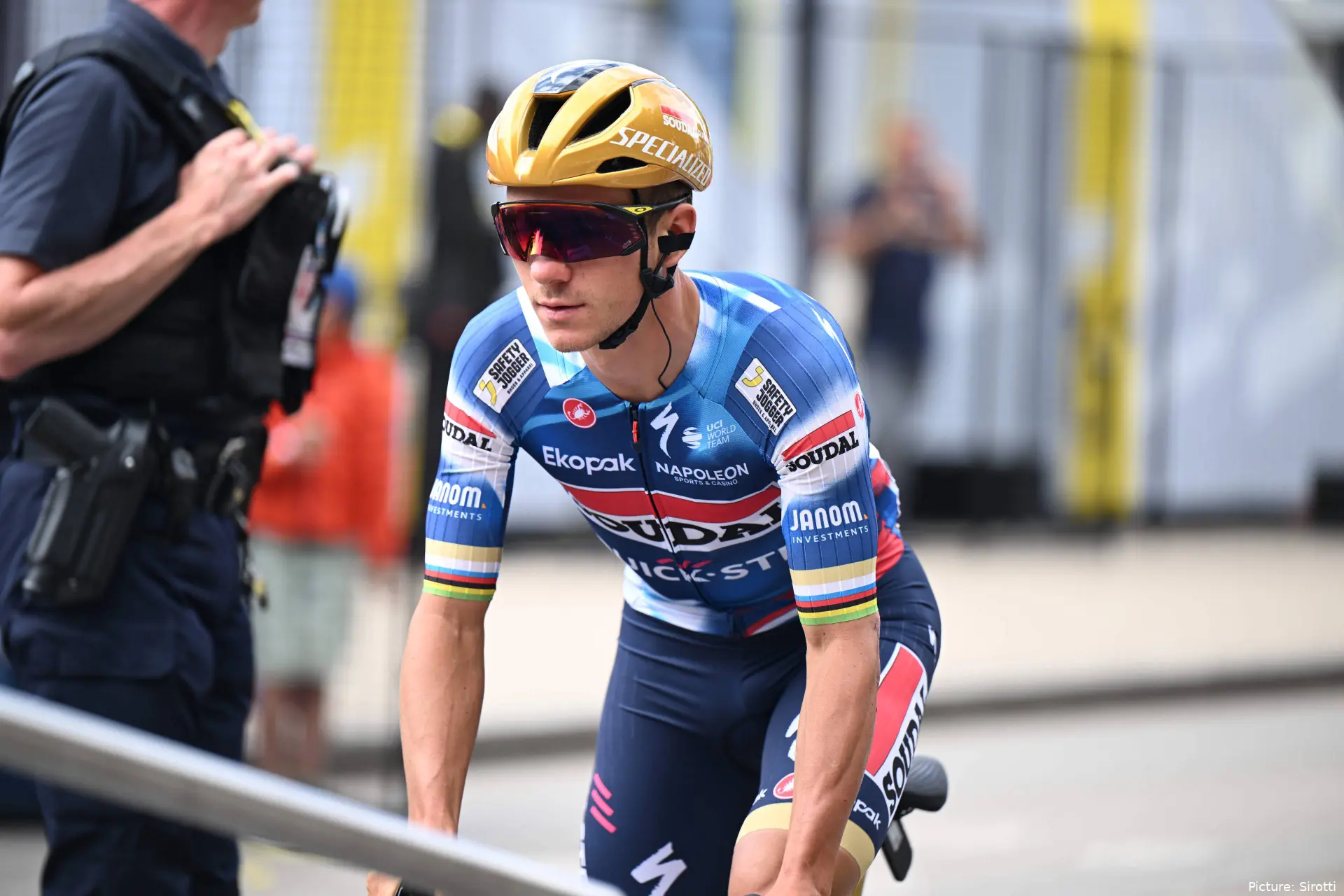
As Remco Evenepoel’s future continues to ignite conversations
in the media, one destination keeps resurfacing with increasing plausibility:
Red Bull – BORA – hansgrohe. After years of rumors linking the Belgian to
various teams, it now looks as though a move away from Soudal – Quick-Step is
not only possible, but imminent. And while the deal isn’t done yet, it’s worth
asking: is Red Bull – BORA - hasngrohe the right move?
On paper, the answer leans toward yes. This is a team that’s
undergone a major transformation since Red Bull formally partnered with BORA
ahead of the 2024 Tour de France. The new entity reportedly operates with a
budget in the region of €50 million, compared to Quick-Step’s €30 million, and
that gap translates into meaningful advantages. More financial muscle means
better resources, higher quality equipment, and, most importantly, the ability
to build a deeper team around a true Grand Tour leader.
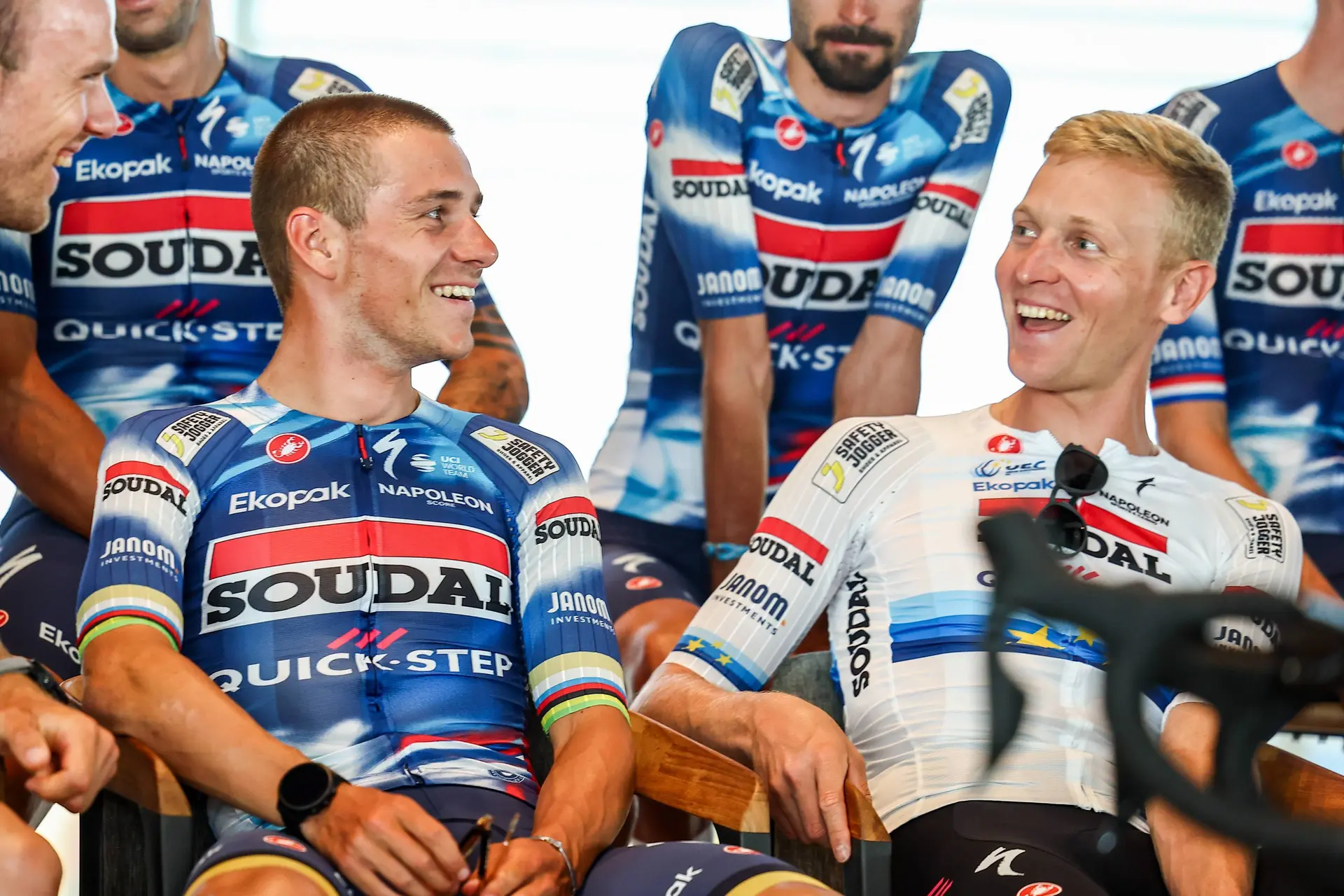
That last point is central to Evenepoel’s next move. While
his individual talent is unquestionable, the reality is that Grand Tours are no
longer won by individual brilliance alone. The current standard is set by Tadej
Pogacar and Jonas Vingegaard, both of whom are backed by squads stacked with
elite climbers and genuine GC contenders in their own right. UAE Team Emirates –
XRG and Team Visma | Lease a Bike can call on multiple top 10 GC riders as
domestiques, riders who, on lesser teams, would be outright leaders.
Evenepoel has rarely had that luxury. At Quick-Step, he has
often found himself isolated when it matters most, particularly on summit
finishes and in the final week of stage races. The team has long excelled in
one-day racing, although not at all in 2025, but its transition to a Grand Tour
squad has never fully materialised.
As a result, Evenepoel has spent more time defending alone
than dictating from a position of strength. To realistically challenge the best
stage racers of this generation, and maybe even all time, that simply has to
change.
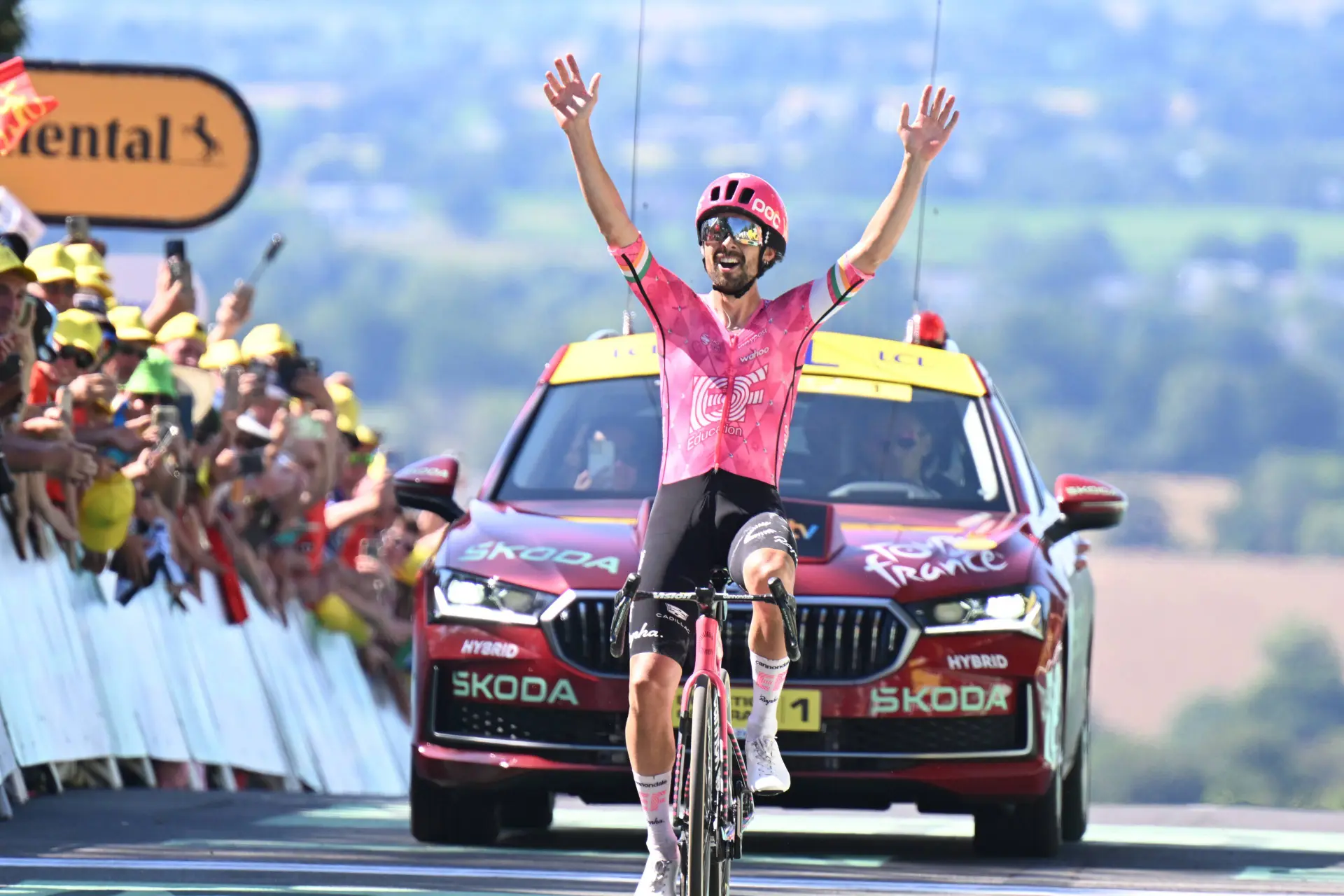
Red Bull – BORA – hansgrohe could offer exactly that. With a
deep budget and a renewed ambition to win three-week races, they are clearly
looking to reset for the post-Roglic era. That’s not to say Roglic is done, his
contract runs through at least 2026, but at 36, and after a brutal run of
crashes (including withdrawals from both the 2024 Tour and 2025 Giro), the team
is right to start planning for what comes next.
It’s also telling that BORA’s recent history in Grand Tours
has been erratic. There have been triumphs, like the Vuelta win with Roglic in
2024, but also baffling tactical decisions, such as allowing Ben O’Connor to
gain five minutes early in that same race. In May this year, both Roglic and
Jai Hindley crashed out of the Giro, leaving the team with nothing to show for
a heavy investment.
Bringing in Evenepoel would signal a structural shift: not
just backing a new leader, but potentially building a modern GC program around
him for the future too.
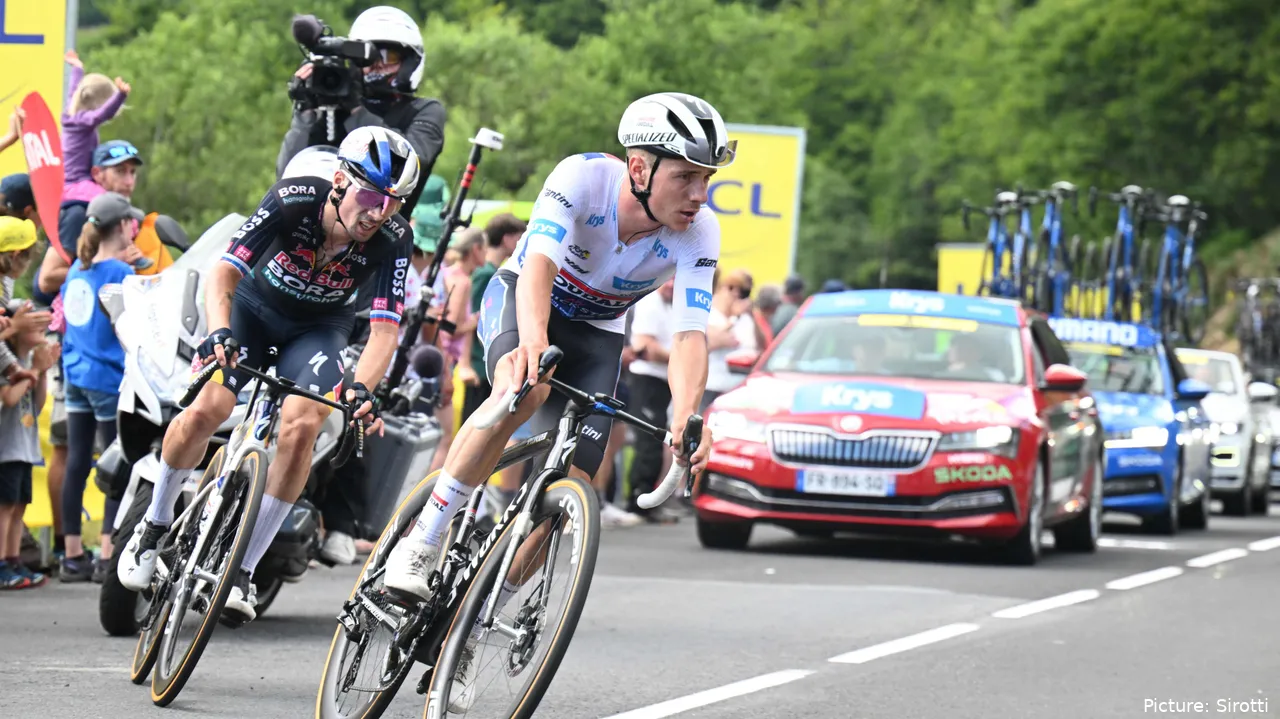
And there's a financial incentive too, which can’t be
understated. In 2024, reports pegged Roglic’s salary at €4.5 million.
Evenepoel, by comparison, was earning just under €3 million at Quick-Step. By
no means is Evenepoel struggling for money then, but a transfer would likely
come with a significant pay increase, another indicator of how highly Red Bull
values his potential.
Of course, questions remain. Would Red Bull – BORA –
hansgrohe give Evenepoel full leadership, or would he have to share it with
Roglic in 2026? Can the team truly match the organisation and sharpness of UAE
or Visma? These are open concerns, but they don’t outweigh the underlying
truth: for Evenepoel to beat the best, he needs more than just his own legs. He
needs a team built to win a Grand Tour, and right now, Quick-Step simply
doesn’t look equipped to provide it.
A move to Red Bull – BORA – hansgrohe may not guarantee
victory. But staying put might guarantee frustration. For Evenepoel, it’s a
calculated risk, but he is entering the stage of his career where he needs to
take those risks.

Fin MajorCycling Journalist
Fin Major is a UK-based writer at CyclingUpToDate and has been part of the team since 2024. He is the site’s main writer for FAQs and evergreen explainers and has written around 2,000 pieces for the platform. Alongside this work, he focuses on in-depth analysis and covers the biggest races on the calendar, including the Tour de France, the Giro d’Italia, and La Vuelta a España, providing clear context around performance trends, tactics, and key storylines.
In his reporting, Fin uses reputable data sources such as ProCyclingStats for results, statistics, and historical context. He places strong emphasis on careful sourcing, editorial accuracy, and updating articles promptly when new, verified information becomes available. Outside of writing, Fin is an active cyclist, which supports his practical understanding of the sport and its demands.
claps 1visitors 1
Just in
Popular news
Latest comments
- You could also look at it another way. How many riders have had better or more consistent results since the Tour?Jumpyjohn19-10-2026
- Whilst I love Tadej (and Remco, who deserves to be mentioned here, too), @JumpyJohn makes a valid point, and he isn’t wrong @MajorPayne. It is a fact that today’s official broadcasters of cycling struggle to keep our attention once the likes of Tadej (or Remco) attacks at ~80km or so. In the 142nd issue of Rouleur, Ned Boulting reflects on the often stressful paradox of commentating on a race that is effectively over before the broadcast window even hits its stride. In this edition, he centres on Remco’s 1hr solo at the Challenge Mallorca this year, and captures the panic and dread shared by the commentators when a dominant rider kills off the racing tension early. I recommend you read it, it’s a fascinating insight into the world of commentary, and the true viewing figures of today’s cycling. I must add here, I love Tadej and Remco, but I would be lying if my heart rate wasn’t higher when watching the World Championships this year. And I’m sure Rob Hatch would say something akin regarding his commentary!anonymouscyclist19-10-2026
- The shattered women’s marathon record was clean and highly surprising and then a few months later the athlete was very positive in another test for something not taken by mistake when recording far less impressive results. Sounds to me like the problem is still the age old one, detection is often way behind. Just like with crime, it’s not because you can’t catch the criminals that you aren’t aware of the crime.Jumpyjohn19-10-2026
- Listen, you have a point but on the other hand in cycling, once some of the riders go solo and build a minute’s gap, there’s hardly any action left to watch. Cycling is definitely not for today’s generations of accelerated viewing. Other people find skydiving or chess exciting but you can’t force everyone to feel the same.Jumpyjohn19-10-2026
- That’s a funny one. Yeah obviously he’s more aero than some but most of the aero effect at elite level is the bike. Now you have me starting to feel sorry for the guy behind him when he pulls a groupetto.Jumpyjohn19-10-2026
- Knew a World Tour promotion was coming for Ben this season. Thrilled for him, and can't wait to see what he can do at this level. Another one to watch at the TTs.anonymouscyclist19-10-2026
- It honestly breaks my heart to see this. I had a feeling this might happen over the last few years, but I kept praying it wouldn't, and that Joey would find his niche, especially back racing alongside his brother. After growing up racing alongside PH-MAS, the Pidcock brothers have always felt like one of our own, as we’ve watched them grow from Club level all the way up to PC and WT. I wish Joey nothing but the best of luck in whatever he does next, but selfishly… I do wish for him to move into the role of Q36.5 team staff.anonymouscyclist19-10-2026
- Predictable, sure! But boring??? OMG! Was Mike Tyson predictable and boring in his prime? Air Jordan? Schumacher or Senna? OMG!!!MajorPayne19-10-2026
- how it is "We’ve taken another big step forward for next year" he just lost in lombardia to a 20 year old, and two 30+ year olds. and not even top 10 for WCRR.abstractengineer19-10-2026
- This is similar to Lebron. first he said i need to consult my family , my daughter, need respectable money blah blah blah and then dont care about family , dont care about money, only onion rings, am off to Philly, very very far from family. Off season should be with family more, no?abstractengineer19-10-2026
Loading
1 Comments