ANALYSIS | Is Juan Ayuso leaving the shadow of Pogacar and jumping into the shadow of Pedersen and Milan?
Cycling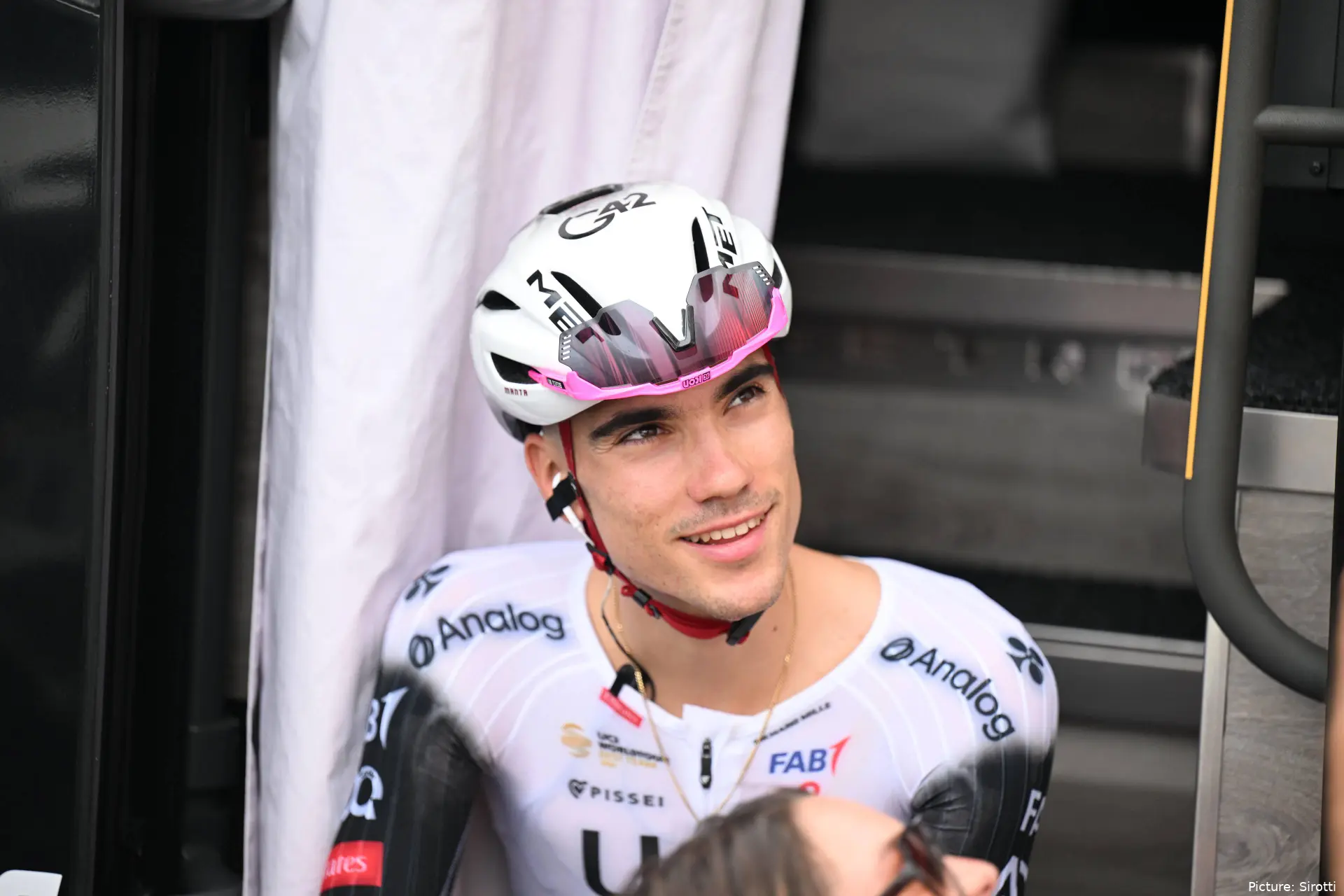
Juan Ayuso’s switch to Lidl-Trek from 2026 isn’t just a
headline transfer; it’s a strategic reshaping, for the rider and for a team
that wants to win on every front. The move follows a messy early exit from UAE
Team Emirates - XRG, where a long contract through 2028 was torn up amid what
both sides called philosophical differences. In truth, this move has been
coming ever since Ayuso’s argument with Joao Almeida on the Galibier at the
2024 Tour de France. It also drops a bona fide Grand Tour leader into a squad
that already orbits two powerful suns: Mads Pedersen for the cobbles, hilly
classics and stage races, and Jonathan Milan for the mass sprints.
The question now is whether Lidl-Trek can thread all three
ambitions into a single Tour de France machine without blunting any of them.
On September 1, midway through a Vuelta in which Ayuso won 2
races, UAE confirmed a mutual termination “following differences in the vision
of development plans and in the alignment with the team’s sporting philosophy,”
adding polite thank-yous and best wishes.
CEO Mauro Gianetti said the decision fit “continuity, group
harmony, and building a winning team,” while Ayuso responded: “I now feel it is
time for me to take a different path.” Those are the on-the-record courtesies;
the reality felt more combustible once the news landed during the Vuelta a
España. Reuters reported Ayuso accused UAE of trying to “damage my image” by
choosing that moment to go public, a sign the relationship had moved from
misaligned to untenable.
Read also
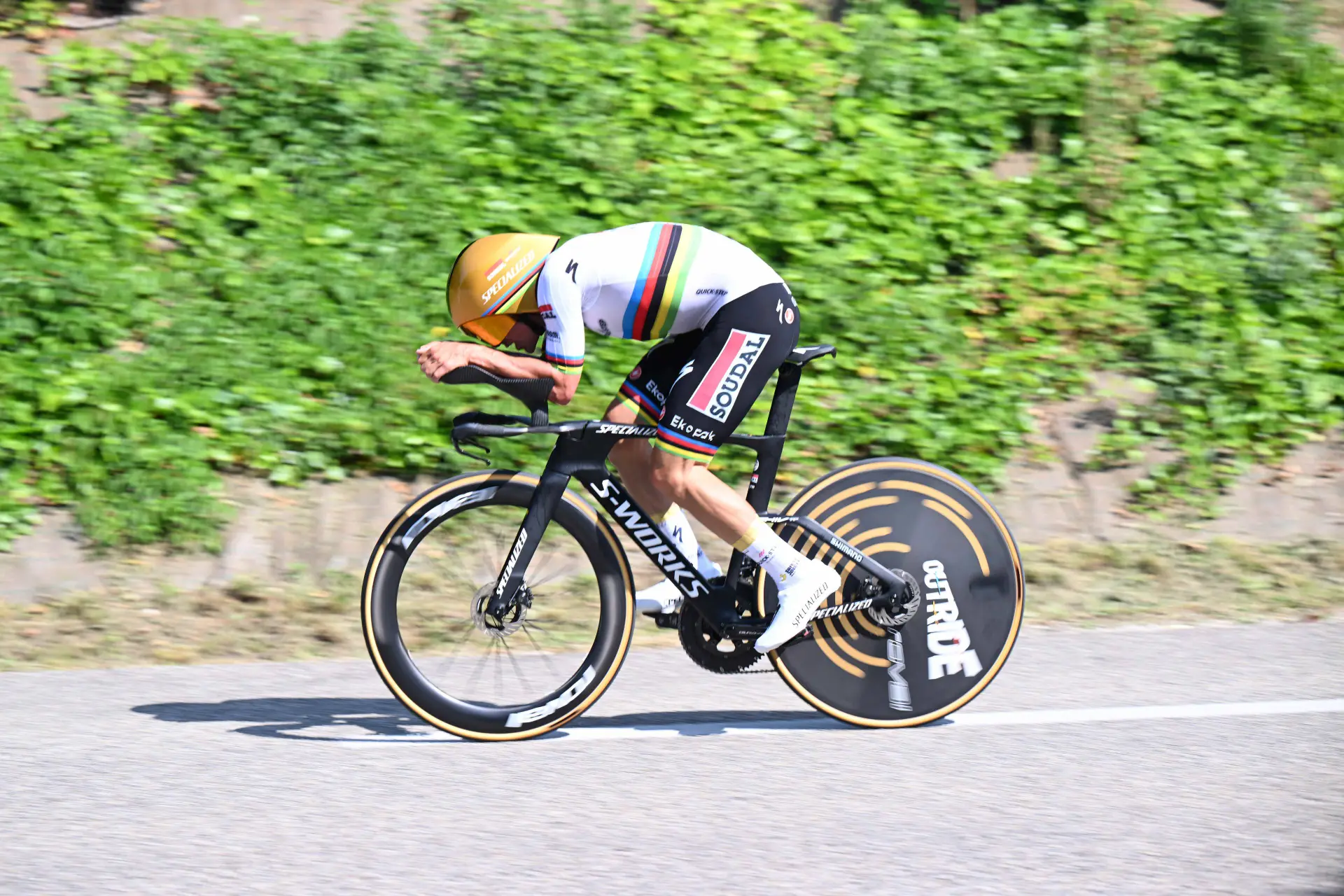
Look beyond the press lines and the sporting logic is clear.
At UAE, Ayuso lived under the world’s brightest racing light, Tadej Pogacar, whose
calendar, objectives and aura naturally set the tone. Even with multiple
leaders, there are only so many protected slots in a three-week race. When
you’re 23, with a Vuelta podium already on your CV and a package that blends
top-tier climbing with an upward-trending time trial, the ceiling you see for
yourself can start to look higher than the one your environment allows.
Ayuso no longer wanted to support Pogacar. He no longer
wanted to compete with Almeida, and now Isaac del Toro, for the second leadership
spot at UAE. So why then, has he joined a team with two other cycling
superstars. In short, the one thing Lidl-Trek is missing from their arsenal is
a GC star. Yes Skjelmose is a talent, but he has not quite shown the highest
level that we have time see from Ayuso.
Lidl-Trek’s public framing is unambiguous. “Juan is one of
the brightest young talents in cycling,” said general manager Luca Guercilena.
“He is already one of the best climbers and time trialists in the world… we are
committed to giving him all the support he needs.” Ayuso echoed the pitch from his
side, “Joining Lidl-Trek is the start of an important new chapter in my career…
Change always brings new energy and ambitions.”
That timeframe matters because of the roster he’s joining.
Lidl-Trek already succeeded in becoming a “two-front” operation: classics and
semi-classics (and plenty of hilly terrain) with Pedersen, and flat finishes
with Milan. The third front, GC for three weeks, was the one that kept eluding
them. UAE has Pogacar for both the classics and GC, as well as Almeida and Del
Toro. Visma has Van Aert for the classics and stages, and Vingegaard, Yates,
Jorgenson and Kuss for the GC. Now, Lidl-Trek is trying to become the third
super team.
An uphill battle?
Ayuso lands inside a team that, in July 2025, made the hard
call to leave Pedersen at home to centre the Tour around Milan’s sprint
project. They left a man coming off 4 stage wins and the points classification
at home, in favour of their other superstar.
That decision was polarising, critics noted how the team
missed a key split on stage 1 and wondered aloud if Pedersen’s instinct for
chaos control would have changed it, but in pure selection terms it made one
point: Lidl-Trek is willing to make binary choices if the course and the plan
demand it. Pedersen himself played it diplomatically, and productively. “I am
completely fine with Johnny being in the Tour, and I am happy for him,” he said
in spring. Later, he underlined the lesson: “It made me realise that the Tour
de France is not everything.”
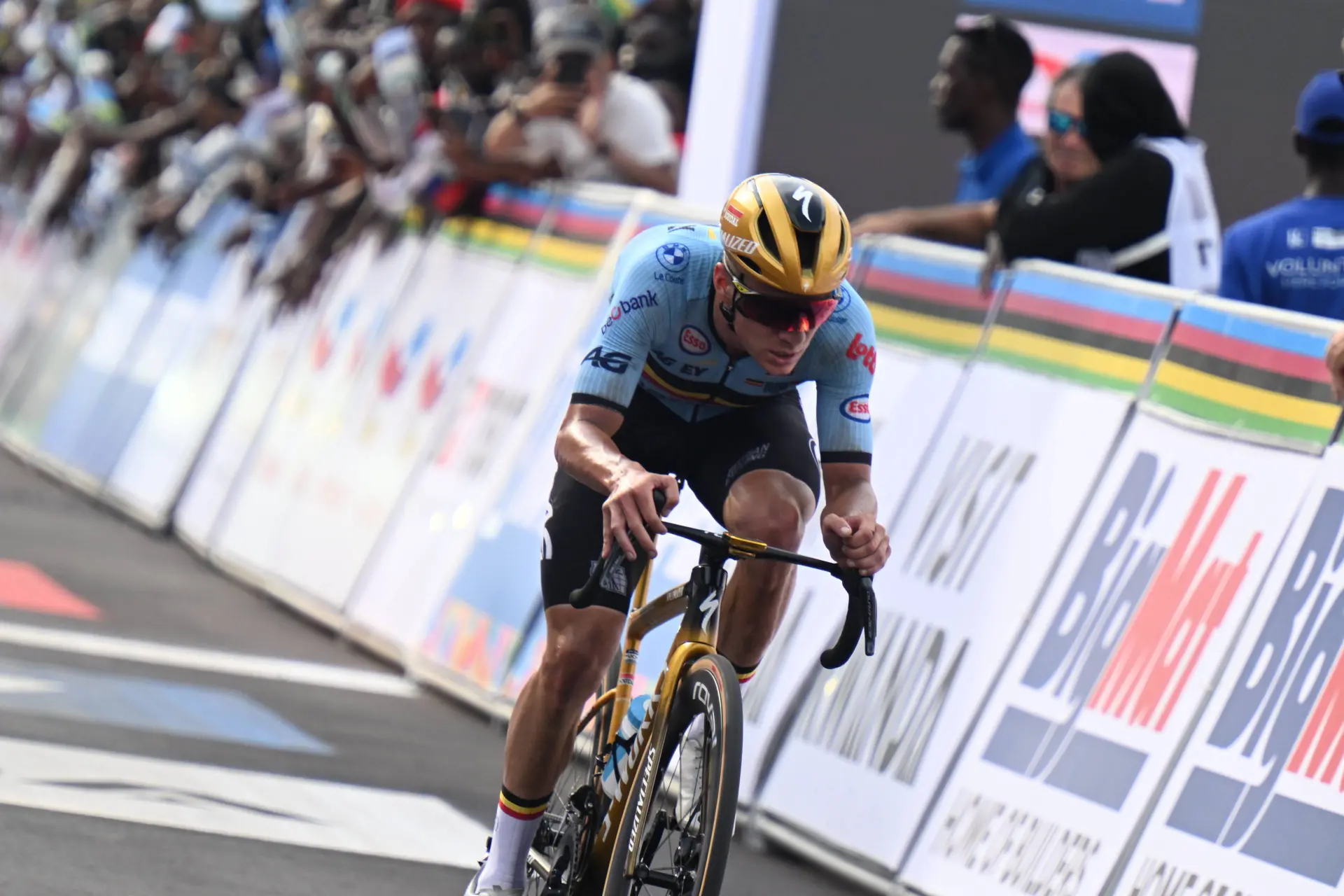
So how does Ayuso fit with that? Start with a simple
principle: you can try to win everything at once, but you rarely win anything
that way. The Tour team that supports a pure sprinter with a full lead-out
(think long flat stages, aero pilots, bodyguards) is not the same apparatus
that nurses a GC leader through crosswinds, high mountains and summit finishes
(think climber-domestiques, diesel tempo men, and a mountain TT bike perfectly
dialed). Of course, many strong squads bring both, and try to ride two parallel
projects, but most end up prioritizing one on a given route. The 2026 Tour,
route pending, will dictate how far Lidl-Trek can stretch.
What makes the “three-front” idea plausible is the specific
temperament of the players. Pedersen has already shown he can bend without
breaking when the program points away from July. “Some years the team have
other plans,” he said at the Vuelta. “This year it was not me, I wasn't
selected for the Tour, but hopefully it could be next year.” He didn’t stew; he
went and won elsewhere.
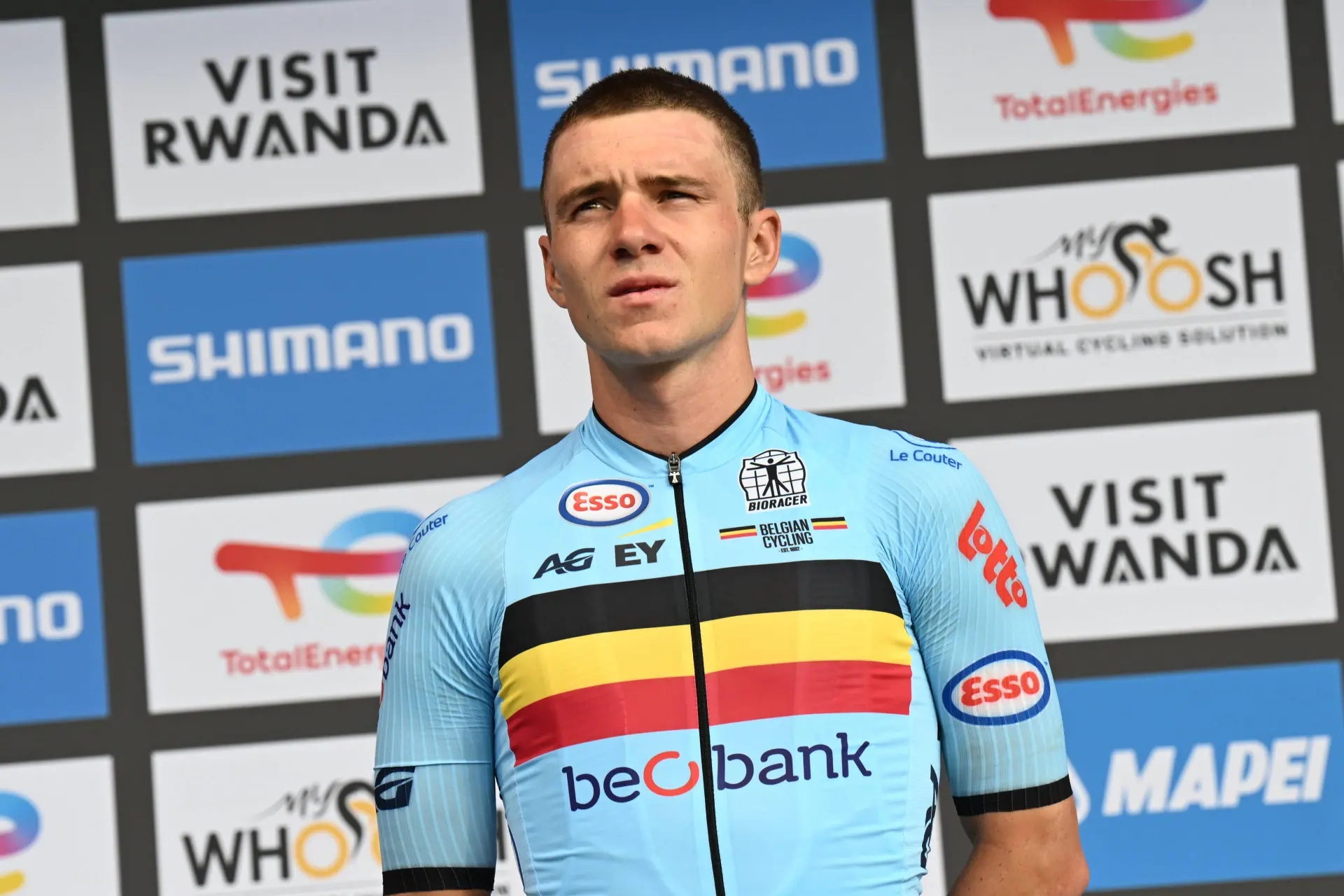
Milan, for his part, doesn’t need eight riders to win
sprints, he needs a dependable last kilometer and a fresh pair of legs. That’s
still a serious allocation, but it’s not a bottomless pit. But what about Ayuso?
Is he really going to be willing to play second, if not third, fiddle?
The upside for Lidl-Trek is obvious. With Ayuso, they have a
rider who can put them in Tour podium conversations for the next half-decade.
On top of Milan’s power and Pedersen’s range, from Roubaix cobbles to uphill
drags in grand tours, that’s a portfolio built to collect wins across the
calendar. The sponsor story writes itself: multiple touchpoints, multiple
markets, all year.
The sporting story is clear too: when your GC rider is a
real threat, the rest of the race rearranges around you. Breakaways get fewer
free passes. Rivals burn matches earlier. Your sprinter gets cleaner runs
because your train is feared in the approach; your classics captain finds more
allies because everyone wants to be on your good side on transition days.
The cultural question
There are, of course, risks. The first is cultural. UAE’s
farewell statement emphasized “group harmony.” That was not accidental.
High-ambition projects fail when they become two, or three, separate teams
sharing a bus. Lidl-Trek has to preserve the locker-room truth that made this
summer work: Pedersen’s willingness to back a teammate’s program, Milan’s
openness to share the calendar, and a staff that doesn’t treat GC as a new
aristocracy.
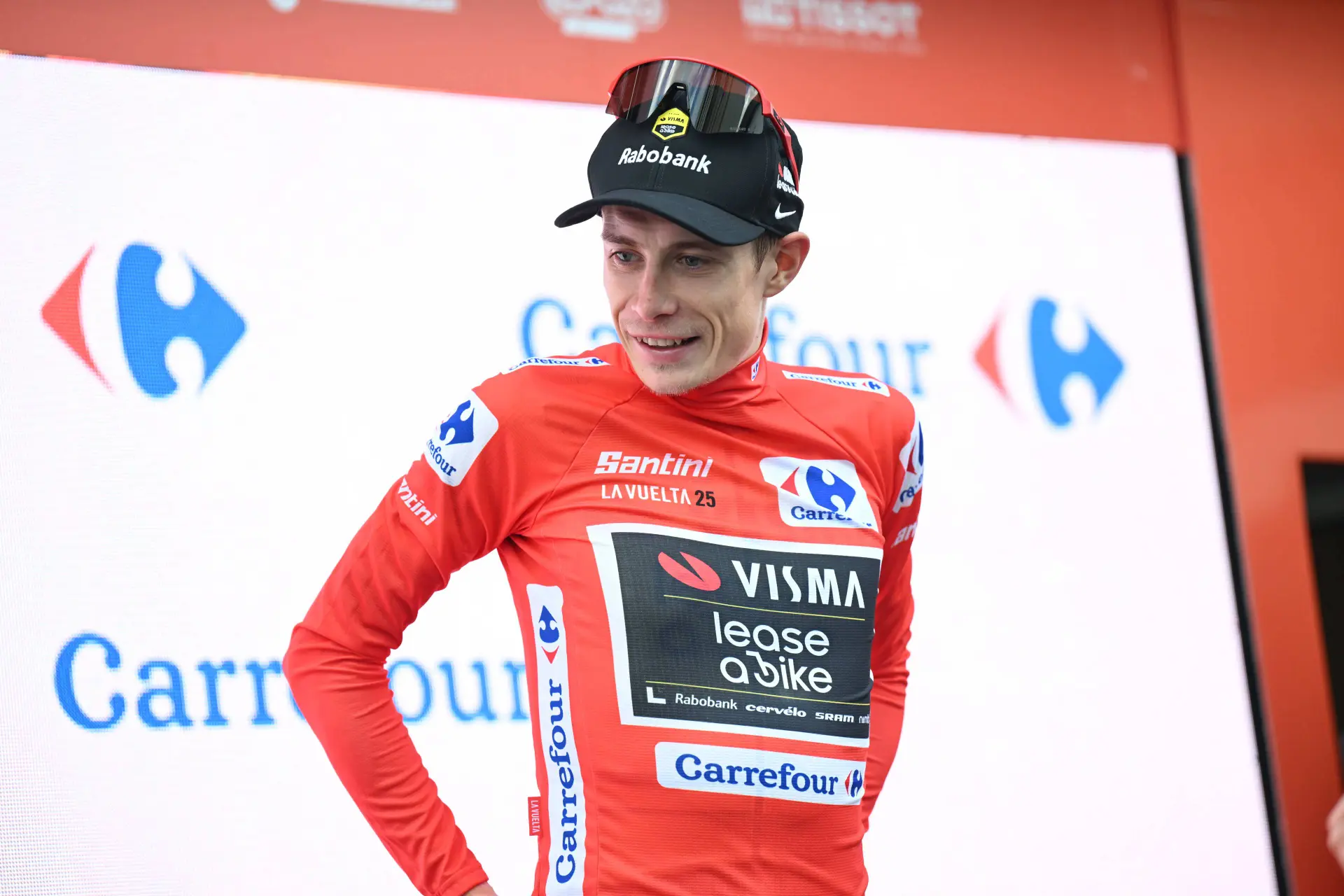
Ayuso’s arrival turns the volume up in that room, especially
with how he left things with UAE. There are definitely clear doubts about his
ability to be a team player, just ask Joao Almeida who often saw Ayuso
disappear at the important moments during the Vuelta.
The second risk is purely tactical. A Tour route with
relentless flatland early and giant mountains late invites internal tension: do
you burn riders to keep Milan perfectly placed for multiple wins, or do you
cocoon Ayuso and risk missing a sprint opportunity? Good pre-race scenario
planning helps, but only if the plan survives the first crosswind.
What about the calendar outside July? Here the “compete on
all fronts” idea becomes a genuine force multiplier. Pedersen can keep leading
the cobbled spring as he looks to finally in either Flanders and Roubaix, while
Ayuso targets Tirreno, Itzulia and the Ardennes week. With Ayuso aiming at the
Tour, Milan can own May and September. The point is not to cram all three into
July every year; it’s to stack 10-12 premium wins across the season and hit the
Tour with a real GC chance in the odd years when the route and form align.
For Ayuso himself, this is also about control. The team
announcement carried a line that reads like a thesis statement: “From the
outside you can see the Team has built a strong identity, with a lot of unity
and ambition… It feels like a place where I can take the next step in my
development, surrounded by riders and staff who share the same goals.”
That is both
compliment and challenge. Lidl-Trek will give him space; he has to give them
the version of himself that can cash it, the version we saw in the early 2020s.
The Vuelta stages and the week-long stage race wins suggest the engine is
there. And, perhaps more importantly to begin with, he absolutely must gel with
the team.
If you want a single sentence that captures why this
transfer happened, take Ayuso’s own: “Change always brings new energy and
ambitions.” The energy is the reset, new colours, new car, new voices in the
radio. And no Tadej Pogacar.
The ambition is the Tour. Lidl-Trek did not sign him to
place seventh; they signed him to make the last Sunday of July interesting in a
way it hasn’t been for them in many years. That doesn’t mean Pedersen vanishes
or Milan is sidelined; it means the team will make fewer compromises when GC
opportunity knocks.
The sport is going in the direction of super-teams, and this
is what a top WorldTour team looks like in 2026: not a one-rider fiefdom, and
not a spread-yourself-thin variety show. It’s three pillars with clear
priorities, rotated intelligently. But is it the environment where we will see
the best of Ayuso? Let us know in the comments below!
Project Juan 🤘🔧
— Lidl-Trek (@LidlTrek) September 25, 2025
We're excited to announce that Juan Ayuso has signed a five-year contract with Lidl-Trek! Welcome to the Team, Juan 🤝
Full story 📰 here: https://t.co/6SwUWRyOgk pic.twitter.com/D0lLYt7H6n

Fin MajorCycling Journalist
Fin Major is a UK-based writer at CyclingUpToDate and has been part of the team since 2024. He is the site’s main writer for FAQs and evergreen explainers and has written around 2,000 pieces for the platform. Alongside this work, he focuses on in-depth analysis and covers the biggest races on the calendar, including the Tour de France, the Giro d’Italia, and La Vuelta a España, providing clear context around performance trends, tactics, and key storylines.
In his reporting, Fin uses reputable data sources such as ProCyclingStats for results, statistics, and historical context. He places strong emphasis on careful sourcing, editorial accuracy, and updating articles promptly when new, verified information becomes available. Outside of writing, Fin is an active cyclist, which supports his practical understanding of the sport and its demands.
claps 6visitors 3
Just in
Popular news
Latest comments
- Nothing. Against Pogi nothingabstractengineer18-10-2026
- He didn't even try to sprint all outvappaxbipmv18-10-2026
- Campenaerts looked like a rolling pumpkin with that all orange leaders skinsuit !frieders318-10-2026
- He can take his dumb a$$ politics somehwere else !frieders318-10-2026
- good to have her back. fingers crossed she‘ll be able to stay!Ketterechts17-10-2026
- A tenner and he wins the Tour next year, too 😂anonymouscyclist17-10-2026
- the answer is either stick to classics or GTs but not bothabstractengineer17-10-2026
- the exodus already stared with Ciccone. Already they were struggling with two sprinters, now there are three. Also Ganna will demand leadership. Gall is the most proven GC, Ayuso has the most potential. GC leadership for everybody will be impossible. Literally a UAE style mess without pogi.abstractengineer17-10-2026
- I raced as an amateur for 12 years, including six years on my country’s national road cycling team. I secured two national titles and competed in three World Championships plus more than 15 international stage races. At 23, we travelled to Italy for a training camp—or so I assumed. On a rest day, we watched a presentation about adopting a more “professional” training approach. It was crystal clear what “professional” meant. That moment first exposed me to this dilemma. After returning from Italy, I left cycling—at least at the competitive level I had known. Over the following two years, the whole team was caught doping. I hold that everyone is innocent until proven guilty. In my view, current stakeholders operate on a different scale, and the sums involved are vast. I am unsure whether any doping would ever be revealed. I try to stay positive and enjoy the show. My 2c.
 vannpelt17-10-2026
 - Fiver he wins 🤣
 leedorney17-10-2026
Loading
Write a comment