Professional road cyclists are among the most highly trained
endurance athletes in the world, and their training load is far higher than
most people imagine. And given the brutal races the professionals compete in, it’s
no surprise their training is severe. The men and women racing at WorldTour
level ride year-round, adjusting volume, intensity and structure depending on
the season, their race calendar and their role within the team. While cycling’s
training culture has evolved with sports science, the basic fact remains the
same: pros ride huge hours, often on consecutive days, and balance that work
with careful fueling and meticulous recovery.
Their training is shaped by the demands of stage racing, the
intensity of one-day classics, the need for explosive power in sprints and the
capacity to hold threshold efforts on long climbs or in time trials.
Understanding how much pros train requires looking at the entire season, from
winter base miles to pre-race sharpening sessions, and considering how
nutrition, recovery, altitude camps and gym work fit into the full picture.
FAQ:
1. How much do pro cyclists train a week?
2. Training during the season
3. Pro cyclist conditioning and nutrition
4. Altitude training
1. How much do pro cyclists train a week?
2. Training during the season
3. Pro cyclist conditioning and nutrition
4. Altitude training
1. How much do pro cyclists train a week?
Professional cyclists routinely exceed 20-30 hours of riding
per week, depending on the time of year. In deep winter base-building periods,
many riders push their biggest volumes of the season, sometimes logging 30 or
more hours across long aerobic rides.
Strava’s own analysis of elite riders shows that top
professionals can sustain weeks of more than 30 hours early in the year, when
the focus is overwhelmingly on low-intensity riding designed to build aerobic
capacity. Similarily, ProCyclingCoaching report that most pros sit somewhere
between 20 and 30 hours per week, translating into roughly 500-1000 kilometres
depending on terrain and pace. This heavy workload forms the foundation on
which the rest of the season is built, and missing any time in this period
could have a huge impact on the following year (just ask Remco Evenepoel).
The early-season base period is dominated by low-intensity
rides. These sessions are deliberately long and steady, allowing riders to
develop the enormous aerobic engines needed for stage racing. This work
increases mitochondrial density, improves fat oxidation, and prepares the body
for the stress of intervals later in the training cycle.
As race season approaches, the distribution of training
shifts but the volume often remains high. Riders begin adding structured
intensity while maintaining enough endurance work to preserve aerobic strength.
Grand Tour contenders build-up blocks with average volumes of 15–20 hours per
week leading up to big events, but peak weeks reaching as high as 28–34 hours.
Within those weeks, riders mix in tempo sessions, threshold
intervals, VO2 max repetitions and replication of race energy expenditure. These
sessions simulate the demands of racing, which require both sustained power on
climbs and the ability to respond to attacks and accelerations. The long
low-intensity work remains crucial, but it becomes part of a more varied week.
2. Training during the season
In-season training is shaped by racing itself. Riders
competing in multiple stage races may spend fewer hours training between
events, but their overall workload remains extremely high once race hours are
included. A Cycling Weekly analysis of Tour de France riders from 2022 showed
that some had already accumulated 400-600 hours of riding in the first six
months of the year, with certain weeks surpassing 30 hours when training and
racing were combined.

The very best manage to stay in top shape all year round
Stage-races contribute huge hours: a Grand Tour adds
approximately 85-95 hours of racing in three weeks, and some riders will still
train lightly on rest days. Because racing is so demanding, many riders shift
to lower training volume during these periods but maintain intensity through
the race itself.
The yearly training cycle begins with the off-season break.
After the final races of the year, professionals typically take a short period,
often two to four weeks, away from structured training - although other responsibilities are often necessary. Once December or
January arrives, winter preparation begins. Coaches quoted by FastTalkLabs
describe this restart period as deliberately gentle, sometimes involving “two
hours a day” of easy riding as the body eases back toward higher volume.
Research into professional training behaviour shows a clear
pattern of intensity distribution, and the vast majority of training time is
spent at low intensity. One study of Giro d’Italia riders highlighted by
wattkg.com found that between 84-91 percent of training time occurred at easy
aerobic pace, with only a small proportion dedicated to higher intensities.
The high-intensity work is used sparingly but deliberately.
Riders typically complete one to three intense sessions per week, surrounded by
a high volume of easier endurance rides. This pyramidal structure, with a large
base of low-intensity time and progressively less time in higher zones, is now
well supported by sports science.
Read also
Endurance rides dominate a traditional pro training week, as
these long, steady rides often stretch from three to six hours, with some
base-season days going longer. At training camps or ahead of Grand Tours, teams
frequently schedule multiple 4–6 hour rides several days in a row. AG2R’s
training documentation shows riders logging repeated long sessions during
camps, sometimes with added climbing or low-intensity intervals baked into the
ride.
Threshold and tempo intervals target sustainable race power.
These efforts often come in the form of 10–20 minute sustained blocks or longer
tempo sessions designed to increase lactate threshold. They prepare riders for
long climbs or sustained race efforts in breakaways and are essential for time
triallists and GC contenders. High-intensity efforts include shorter bursts of
maximal work, such as 3–5 minute VO2 max repeats or 30–60 second
attacks simulating the accelerations in racing.
Sprinters require specific work. They practise short,
maximal sprints, often 10–20 seconds at full power, and lead-out drills with
teammates as technique, trust and positioning form a much bigger part of the success for these riders. WeLoveCycling has described how warm-weather training locations with
varied terrain allow sprinters to rehearse everything from sprint trains to
team time (TT) drills. These sessions require fresh legs and high neuromuscular
coordination, so they are typically performed when the rider is well recovered.
Time-trial specialists, like Filippo Ganna and Joshua
Tarling, train differently. They perform sustained efforts on their time-trial
bikes, practicing pacing while maintaining aerodynamic positioning for extended
periods, with a great deal of focus being put in the ability to put out their maximum power output in such an extreme position. Sessions may include 20–60 minute efforts or broken intervals that
replicate race conditions. Riders also conduct aerodynamic testing, including
wind-tunnel or field trials, but these are separate from day-to-day training
volume and more to gain the extra percentages from their equipment.
Example of a basic training program for a professional cyclist:
| Day | Duration | Session focus | Description |
| Monday | 3–4 hours | Endurance + short efforts | Steady aerobic riding with a small number of short, high-power accelerations to maintain sharpness |
| Tuesday | 4.5–5.5 hours | High-intensity intervals | VO2 max or above-threshold intervals combined with endurance riding |
| Wednesday | 1–2 hours | Active recovery | Very easy riding focused on recovery and cadence |
| Thursday | 4.5–5.5 hours | High-intensity / race simulation | Threshold or above-threshold intervals, often finishing hard under fatigue |
| Friday | 4–5 hours | Tempo endurance | Sustained tempo or sub-threshold riding to build fatigue resistance |
| Saturday | 5–7 hours | Long endurance | Long aerobic ride, often including climbing |
| Sunday | 1–2 hours | Recovery or easy endurance | Easy spin or short endurance ride depending on fatigue |
3. Pro cyclist conditioning and nutrition
Strength and gym work have become common in professional
programmes, both for performance and injury prevention. The main focus is on
building leg strength through deadlifts, squats, and lunges, whilst core exercises
are also important. However, during heavy race periods or high-volume
workloads, gym sessions are reduced or paused so recovery can prioritise
on-bike training.
Nutrition underpins all professional training, and carbohydrate
consumption is especially high because riders burn enormous amounts of energy. In
an interview with Cycling Weekly, several team nutritionists emphasised that
“carbohydrates are king for endurance,” and riders must consistently eat large
amounts to fuel performance.
In that light, pro cyclists may consume 8–12 grams of
carbohydrate per kilogram of bodyweight during major races like Grand Tours. In
fact, an EF Education nutritionist reported riders consuming between 843 and
1100 grams of carbohydrate on the hardest stages. Velon recently published data on Tadej Pogacar during a mountain stage at the Tour de France, which showed similar numbers. In training, the intake is
slightly lower but still substantial, particularly ahead of long rides or
interval sessions.

Carbohydrates are incredibly important to cyclists. @Sirotti
Recovery begins immediately after finishing a ride, often
with a recovery drink containing both protein and quick-release carbohydrates. Professional
riders consume around 1.5-2.0 grams of protein per kilogram of body weight to
repair muscle damage from long hours of training. During stage races, riders
maintain high protein intake daily, even as carbohydrate requirements shift
according to stage profile.
A lot has been said about the 'magical' 120 number, which is the amount of carbs that pro riders can now go up to whilst racing. Training the 'gut' is also an essential aspect of performance in modern cycling as riders are taking in more energy than ever before during racing, and it is key for the body to be able to be able to absorb it.
Hydration and micronutrients form an important part of the
nutritional approach, and riders use electrolyte supplements during long rides
to replace sodium and minerals lost through sweat. Many take multivitamins,
omega-3 supplements, probiotics and whey protein as part of their daily
routines. Some also use cherry juice to help manage inflammation directly after the end of stages.
Recovery is treated just as seriously as training itself,
and when riders return from morning rides they will eat immediately and receive
massages or physiotherapy. These sessions loosen muscles and accelerate
recovery, and then compression garments and ice baths are commonly used too.
Active recovery rides are integrated into the schedule,
particularly after intense blocks, and sleep is considered to be absolutely vital.
Escape Collective reports that Tour de France riders average about 7.2 hours of
sleep per night, while riders in the women’s peloton average approximately
7.5–7.7 hours.
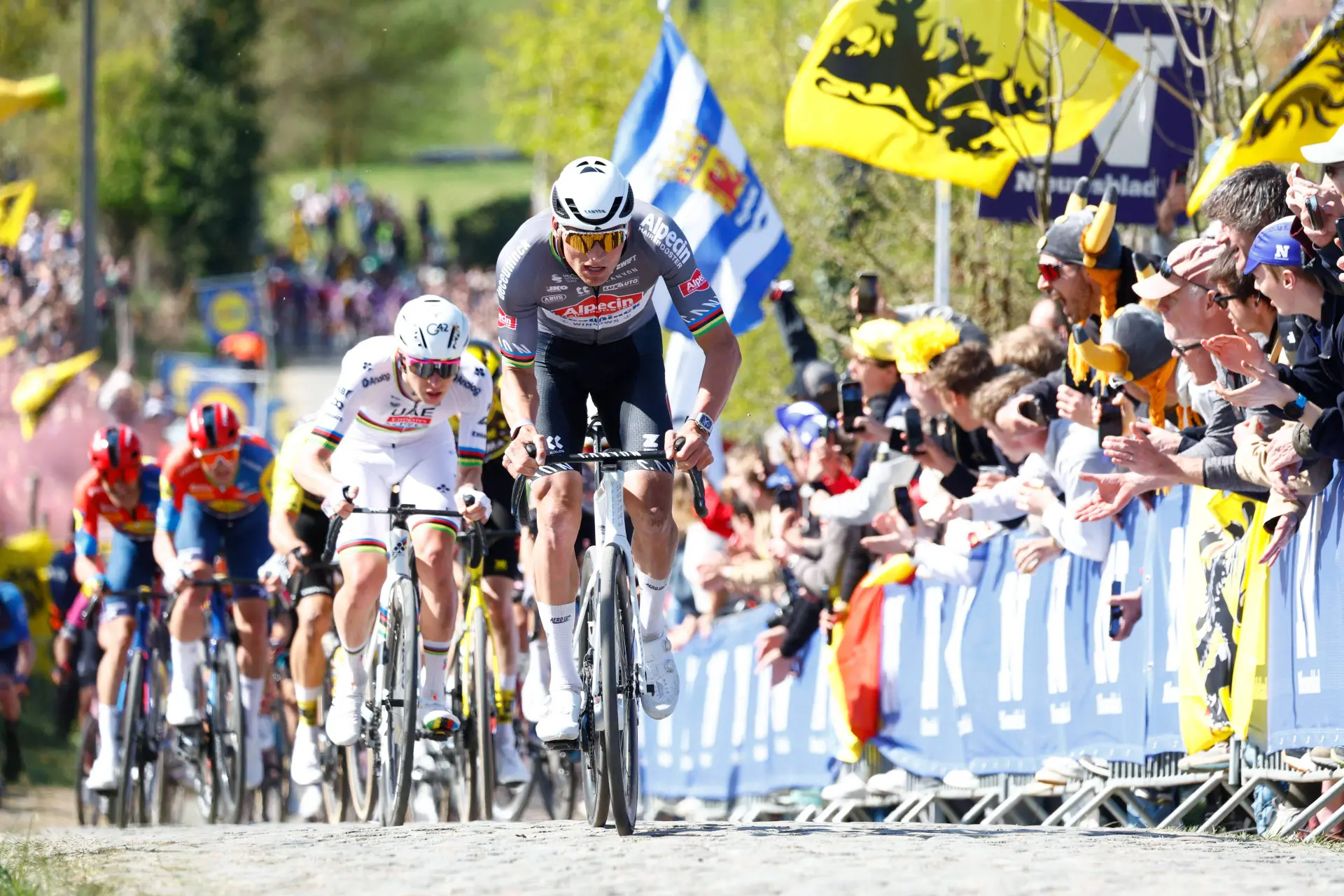
4. Altitude training
Altitude training has become a staple of preparation for
climbers and general classification riders. Many teams hold high-altitude camps
in places like Sierra Nevada in Spain, training at elevations around 2300
metres. The reason for this is that living at altitude forces the body to work
harder to transport oxygen, producing beneficial physiological adaptations. When
riders then return below altitude, they enjoy the benefits of these
adaptations.
Riders at altitude typically train four to six hours daily,
sometimes seven, before returning to accommodation for recovery routines. Camps
last at least two weeks to achieve meaningful acclimatisation.
Warm-weather training camps are equally important in winter.
Locations such as Mallorca, Alicante or the Canary Islands offer predictable
weather and varied terrain, allowing uninterrupted rides. Riders can focus
fully on training, nutrition and rest without having to worry too much about
the weather, which accelerates early-season progress.
Training methods have evolved significantly from earlier
eras. In previous decades, many riders treated early-season racing as training,
blending long rides with mixed-intensity sessions without structured
periodisation. Jeff Winkler, discussing older training methods, noted that
riders combined sprints, steady rides and intervals from January onwards rather
than performing prolonged base-only periods.
Today’s approach is far more structured, especially with
tools such as GPS, power meters and software that allow precise monitoring of
training load and intensity distribution. However, the core idea remains
similar: build endurance early, sharpen intensity later, and maintain high
aerobic conditioning year-round.
Whether preparing for a one-day classic or a three-week
Grand Tour, riders must withstand long days in the saddle, frequent
accelerations, ridiculous speed, and sustained climbs. Their training is a
blend of science, experience and disciplined daily routine, all aimed at having
them in the ultimate physical condition for the target races.
Frequently Asked Questions:
How many hours do pros train?
Most professionals ride 20–30 hours per week, with winter base phases sometimes exceeding 30 hours. Grand Tour contenders often log peak weeks of 28–34 hours, and race periods push total load even higher once competition hours are included.
What does winter training involve?
After a short off-season break, riders begin with steady low-intensity rides, often around two hours a day, before building toward long endurance sessions of four to six hours as their aerobic base develops.
How does training change before race season?
Volume stays high but intensity rises. Riders add tempo, threshold and VO2 max intervals while still keeping the majority of training time at easy aerobic pace. Studies of Giro riders show 84–91 percent of total time remains low-intensity.
What types of training do professionals rely on?
Endurance rides form the backbone, supported by threshold intervals, short high-intensity efforts, sprint drills and time-trial pacing. Training camps often include repeated long rides similar in duration to race stages.
Do riders lift weights?
Yes, many include strength and core work in winter (and not only) to improve efficiency and durability. Gym sessions taper off once race workloads increase to priorities recovery.
How do pros fuel their training?
Carbohydrate intake is very high, especially during heavy blocks or stage races. Riders consume large daily amounts and 60–90 grams per hour on the bike, which can go as high as 120 grams in some cases; With protein kept around 1.5–2.0 g/kg for muscle repair.
How do they recover?
Recovery starts immediately after rides with food and hydration. Massage, physiotherapy and consistent sleep routines are central, particularly at camps where riders train in the morning and recover through the afternoon.
Why use altitude or warm-weather camps?
Warm climates allow uninterrupted long rides in winter, while altitude camps induce adaptations that improve endurance. Riders often spend two to three weeks at elevation to gain meaningful benefits.
How has training evolved?
Past generations trained with less structure and relied heavily on racing. Today’s pros use data-driven plans built around controlled intensity and carefully managed load, though the foundation of large aerobic volume remains unchanged.

Fin MajorCycling Journalist
Fin Major is a UK-based writer at CyclingUpToDate and has been part of the team since 2024. He is the site’s main writer for FAQs and evergreen explainers and has written around 2,000 pieces for the platform. Alongside this work, he focuses on in-depth analysis and covers the biggest races on the calendar, including the Tour de France, the Giro d’Italia, and La Vuelta a España, providing clear context around performance trends, tactics, and key storylines.
In his reporting, Fin uses reputable data sources such as ProCyclingStats for results, statistics, and historical context. He places strong emphasis on careful sourcing, editorial accuracy, and updating articles promptly when new, verified information becomes available. Outside of writing, Fin is an active cyclist, which supports his practical understanding of the sport and its demands.
claps 3visitors 3
Just in
Popular news
Latest comments
- oh boy, you're gargling with french balls now?? pogi going to be jealous.whkman11-10-2026
- Well if UAE the best team in history comes knocking their the only team in the world who can get Seixas. Seixas will become incredible there. Lets see if he stays at decathlon or goes to UAE.miguel11-10-2026
- Ahem, stage 16 of the 2025 Giro
 Rafionain-Glas11-10-2026
 - Can we get a comment from the UCI on this. The silence from Aigle is deafening! Come on cycling journalists , start annoying them to get a comment please.Paul53111-10-2026
- A shame to see him retire, I really liked him as a rider. His dignified tribute along with Matej Mohorovic to Gino Mader after his death was class and will always live in my memory. Enjoy your retirement.GregT11-10-2026
- A shame to see him retire, I really liked him as a rider. His dignified tribute along with Matej Mohorovic to Gino Mader after his death was class and will always live in my memory. Enjoy your retirement.GregT11-10-2026
- I thought Seixas had hit the end of the road from a fatigue standpoint, after the WC meltdown - and he still finished ok. This was impressive and an amazing return.mij11-10-2026
- totally, eating crow for breakfast this morning. after the world championships I thought we were looking at a late season fade from fatigue. way to go Paul!mij11-10-2026
- Pogi would have won the Vuelta at around 10 min. But it would have been boring for fools like you. Capish?PogiSloFans11-10-2026
- Rather than me describing the technology at length on here, If you google. Line-scan cameras. They are also sometimes called Slit-Scan cameras. Either search will fill you in. You can read all about how they. work. Enjoy! Just to be clear the cyclist is saying he wants to see exactly where the digital finish line is in relation to the actual physical finish. At this point we only have the word of the authority that the digital line corresponds to the exact starting edge of the physical finish line. That seems like a reasonable request to me.Prorodsandstuff11-10-2026
Loading
1 Comments