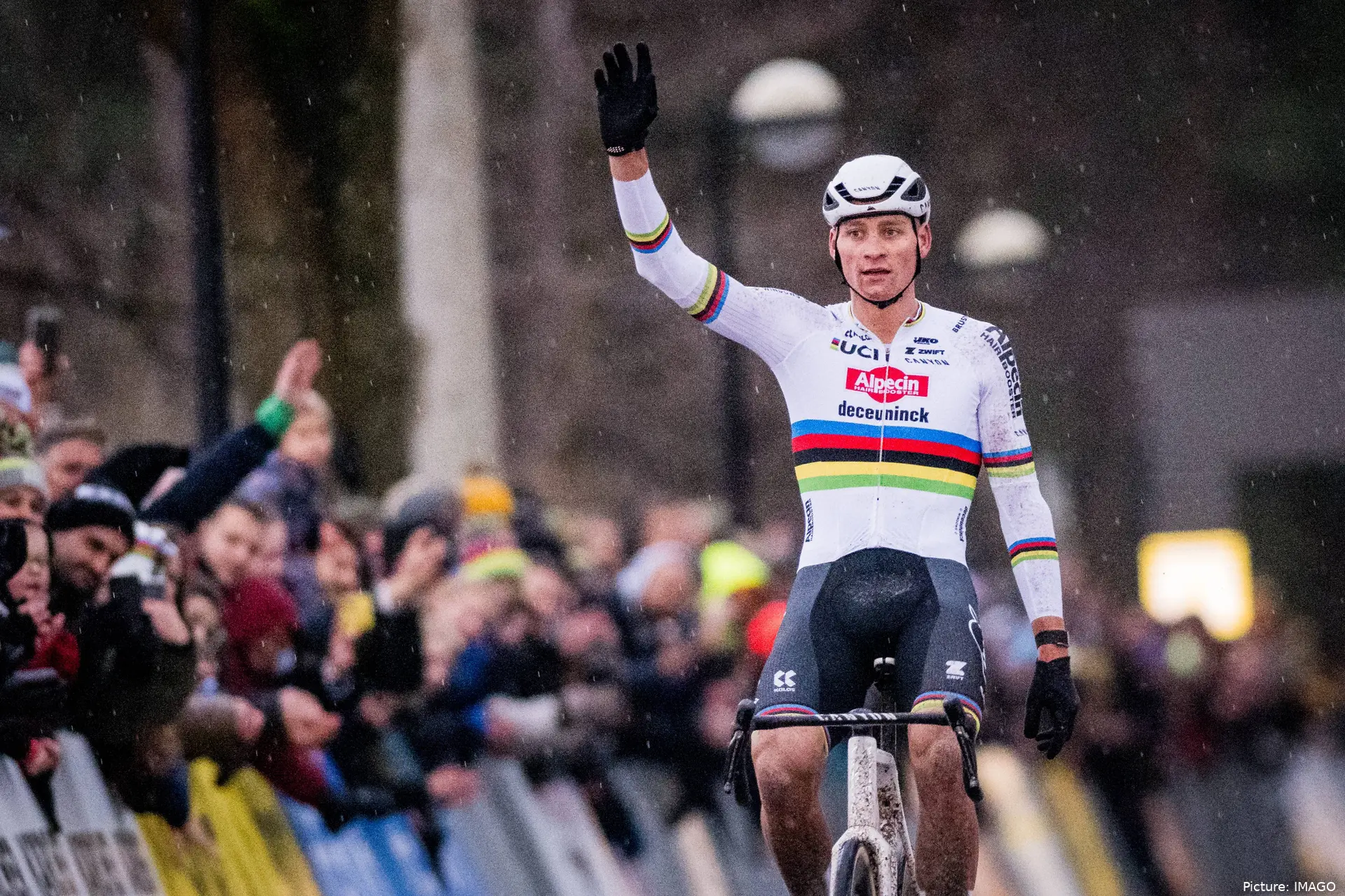
The question of when, not whether, Mathieu van der Poel will
eventually walk away from cyclocross is no longer abstract. It is being openly
discussed by the rider himself, in public and behind closed doors, at a moment
when he is still winning and still central to the sport. With another winter of
dominance underway and a record eighth world title within reach on home soil,
the timing feels deliberate rather than forced. What makes the debate
compelling is that stepping away now would not be an act of decline, but of
control.
Van der Poel’s words to Het Laatste Nieuws were unusually
direct for an athlete who often keeps his future deliberately vague. “It is
something I think about, yes. I have always said it would be very nice to stop
in my own country with the record. For the rest, there would not be much more
left for me to achieve in cyclocross,” he said.
The logic is hard to dispute. With seven world titles
already secured, he is one victory away from standing alone at the top of the
discipline’s all-time list. Achieving that in the Netherlands, in front of
crowds that have followed him since childhood, would be a closing chapter few
champions ever get to write on their own terms.
And let’s be honest, right now, it does not look like anyone
can stop him.
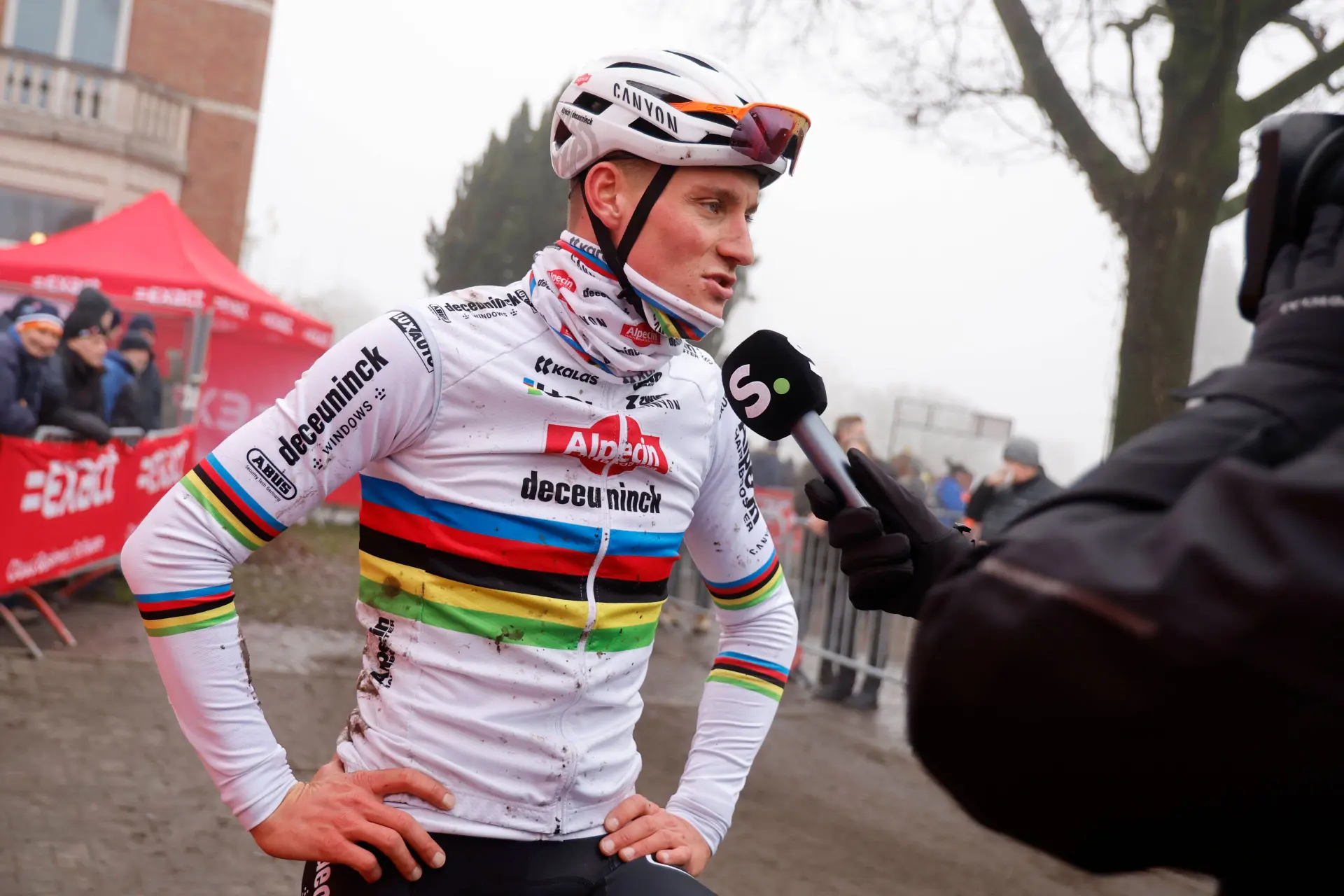
A decade at the top
Context matters here. Van der Poel has been racing elite
cyclocross for more than a decade, and the sport has been the foundation of his
identity long before his road palmarès exploded. He has already surpassed every
modern benchmark for consistency, peak performance, and longevity in the
discipline. The question he now raises is not whether he can continue, but
whether there is a meaningful reason to do so once the ultimate milestone is
reached. As he put it himself, “For the rest, there would not be much more left
for me to achieve in cyclocross.”
That idea of choosing the exit rather than having it chosen
for him comes up repeatedly in his comments. “I always wanted to stop on a high
point. If you then finish fifth in Hoogerheide, there will be an aftertaste,”
he explained.

Mathieu van der Poel is nearing GOAT status in cyclocross. @Sirotti
The reference is telling. Van der Poel is not interested in
symbolic participation or ceremonial returns. He is acutely aware of how
quickly dominance can erode, and how legacy can subtly shift if the ending
feels drawn out. “I am not saying I assume I will become world champion in
Hulst, but then I do have the choice to do it there.”
There is also a practical dimension. Cyclocross, even for
someone as gifted as van der Poel, demands a specific type of intensity,
travel, and mental focus through the winter months. “We have talked about it
internally a few times. It is something I think about, yes. I am not getting
any younger,” he said.
At 30, he remains physically supreme, but he is clear-eyed
about the risks of assuming that will always be the case. “Right now I am still
at a very high level, but who says that will still be the case in two, three
years? I do not know, because I do not have a crystal ball.”
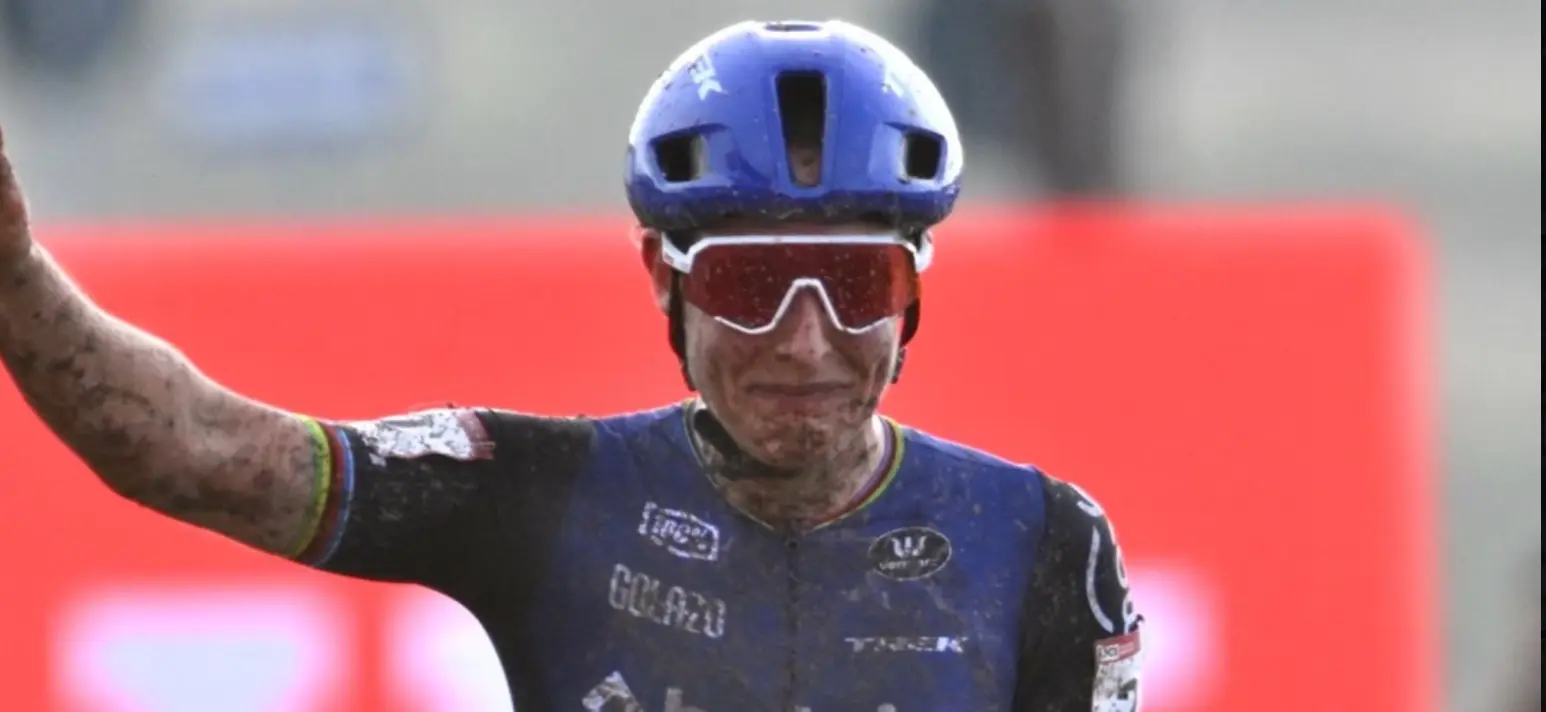
Could he be better elsewhere?
The strongest argument for stepping back from cyclocross
after 2026, or even sooner, lies in what it might unlock elsewhere. Van der
Poel has built one of the most complete road careers of his generation, and his
ambitions there are far from exhausted. He structures his seasons around the
spring classics, and in 2025 he achieved what very few have done before winning
both Milano–Sanremo and Paris–Roubaix in the same spring. Those victories were
both after an intense battle with the world’s best rider, Tadej Pogacar.
Cyclocross has always been part of that preparation, but van
der Poel openly questions whether it remains essential. “I do not think I
absolutely need cyclocross to reach my best level. Certainly not. Maybe without
cross it could even be better? If you do not try it, you do not know,” he said.
That uncertainty is important. For the first time, he is
seriously considering a winter built entirely around road preparation: more
rest, fewer races, longer training blocks in stable conditions.
Read also
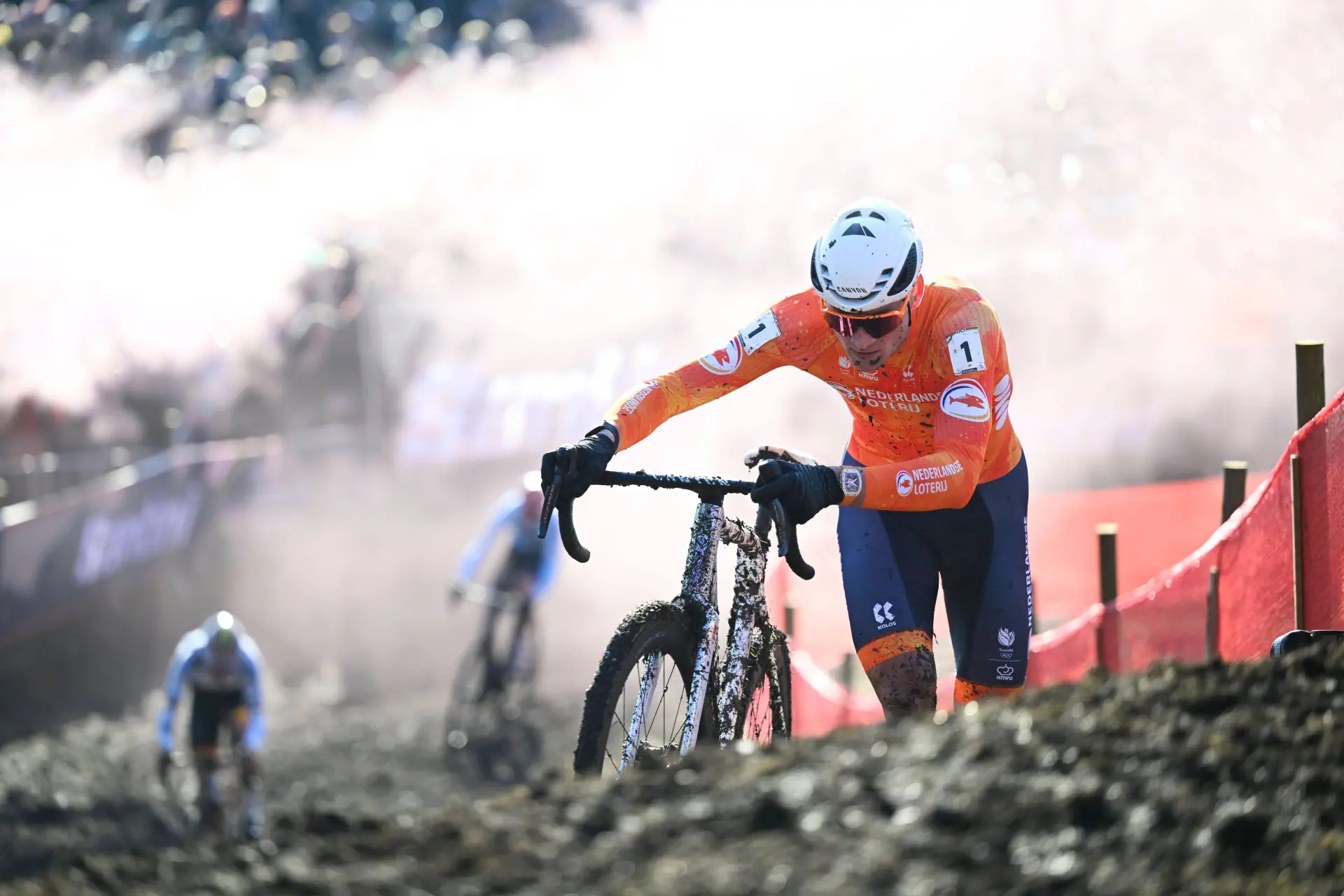
His comments about Spain underline that thinking. “I would
mainly do it with a view to the road season, yes. To be able to take a bit more
rest during the winter. By being able to stay in Spain all winter, for example,
and train there,” he explained. The trade-off is clear. Less racing in front of
packed Belgian and Dutch crowds, but potentially more consistency across a long
road season that now also includes a serious Tour de France programme.
The Tour itself complicates the picture. Van der Poel has
never hidden that July matters to him, even if general classification ambitions
are not the goal. In 2025, he finally came alive again at the Tour for the
first time in four years, and lit up the race like we have not seen before. So
perhaps he has fallen in love with cycling’s blue ribboned race?
Maintaining freshness through to the summer is increasingly
difficult when the calendar begins in December at full intensity. Removing
cyclocross entirely could extend his peak deeper into the year, something that
matters as his road responsibilities expand.
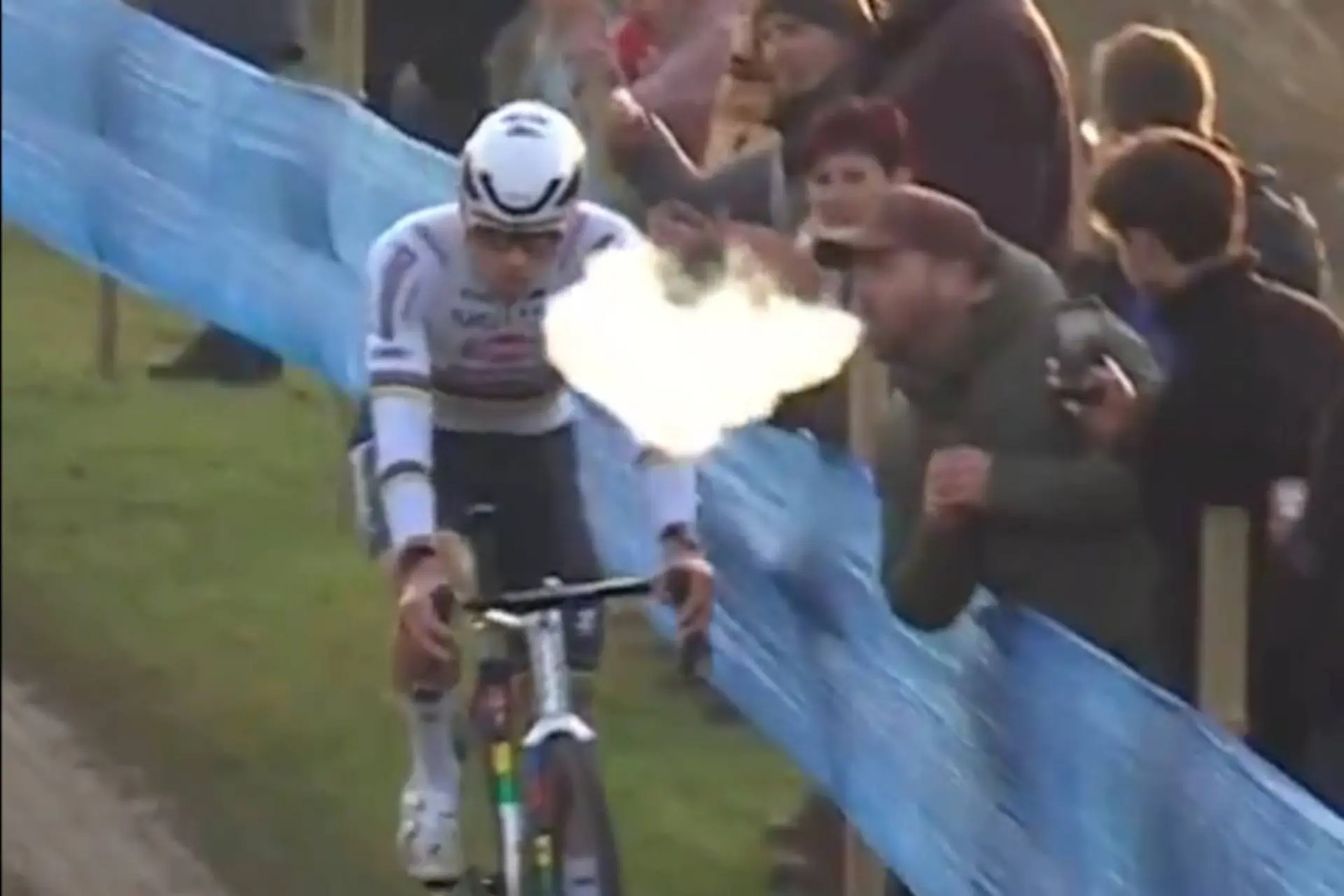
There is also the unresolved ambition on the mountain bike.
Van der Poel has repeatedly said that the Olympic-format MTB world title is the
one rainbow jersey missing from his collection. That goal requires a different
preparation again, one that may be incompatible with a full cyclocross winter.
And that showed earlier this year, where Van der Poel could not unlock his best
form at the mountain bike worlds. From that perspective, reducing or ending his
cross programme could be less about closing a door and more about opening
another.
The case to keep up cross
Yet the case for continuing cyclocross beyond 2026 is just
as strong, and far more emotional. Van der Poel does not speak about the
discipline as a contractual obligation or a training tool. “The cyclocross
itself, of course. That is still what I love most. And the crowd. I grew up
with that atmosphere,” he admitted.
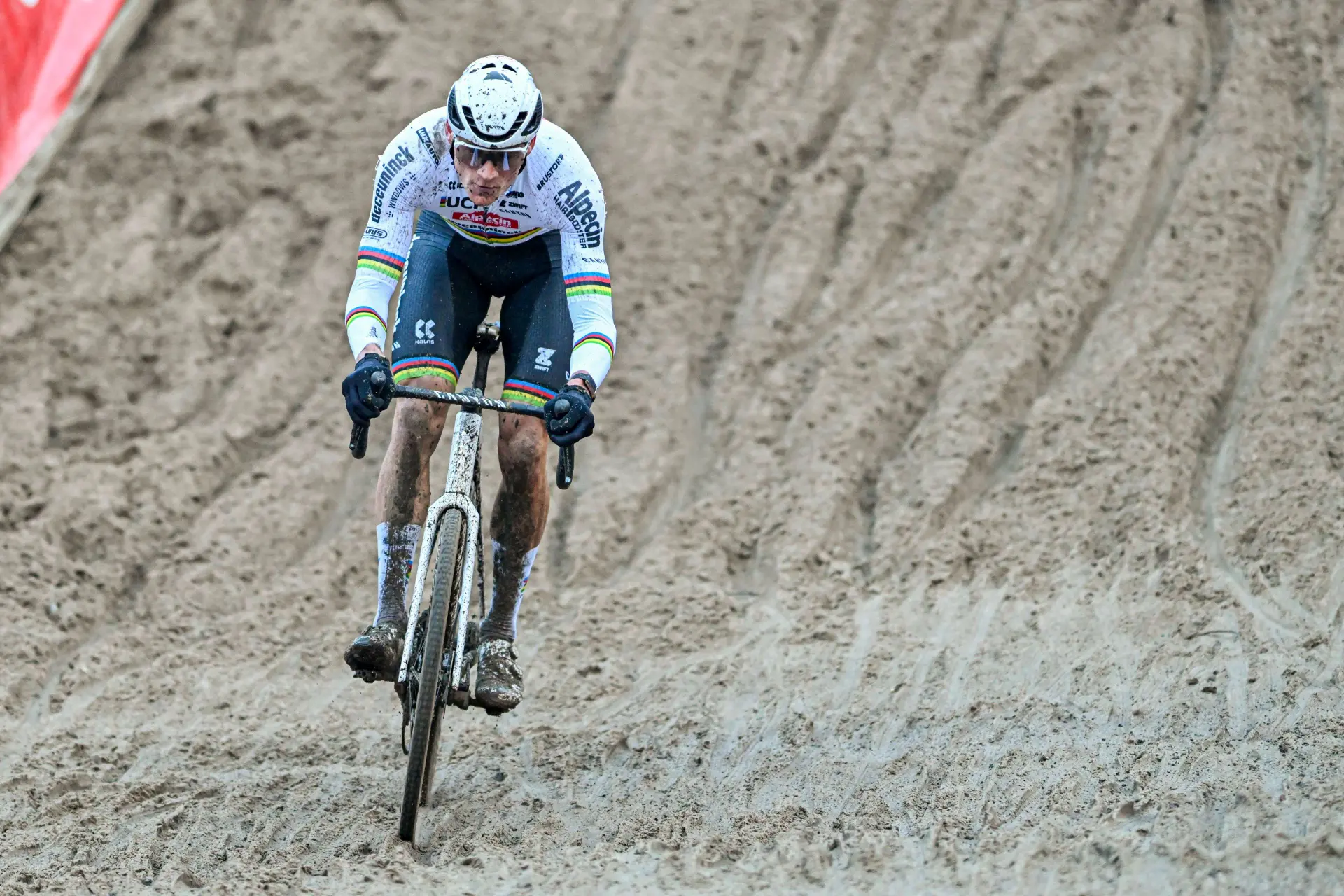
Cyclocross is not simply something he does, it is where his
relationship with racing was formed, where his family name carries unique
meaning, and where his connection with fans is most visceral.
There is also the possibility that circumstances change. The
potential inclusion of cyclocross in the 2030 Winter Olympics could radically
alter priorities. An Olympic title would instantly become a new peak, reframing
the idea that “there would not be much more left” to achieve. Van der Poel has
not committed either way, but he acknowledges that such a development could
influence his thinking.
Perhaps most telling is how carefully he avoids finality.
“We will see. It is certainly not a final decision,” he said. Even as he lays
out the arguments for stepping away, he leaves space for instinct, enjoyment,
and opportunity to intervene. That ambiguity feels genuine rather than
strategic.
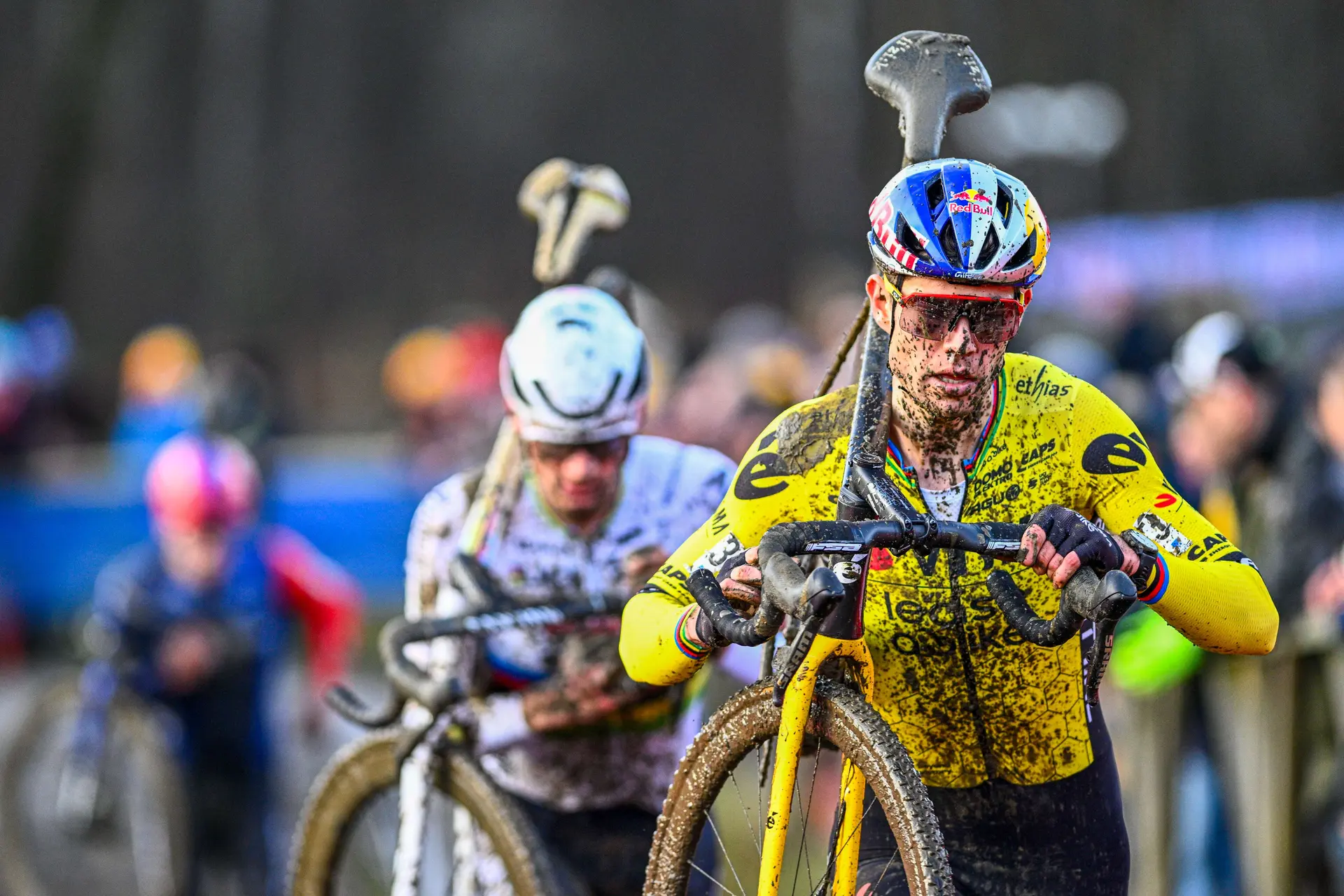
So will Mathieu van der Poel continue cyclocross beyond
2026? Based on his own words, the answer depends less on form than on timing.
If he secures the eighth world title in Hulst, on home soil, the logic of
stopping there is compelling. It would be a rare ending shaped entirely by
choice. But cyclocross is also the discipline he admits he would miss most, the
one tied to his earliest memories and strongest emotions.
What seems clear is that this will not be a slow fade.
Whether he stops soon or carries on a little longer, van der Poel is intent on
deciding the moment himself. In a sport that rarely grants that luxury, that
alone would be a fitting final statement.

Fin MajorCycling Journalist
Fin Major is a UK-based writer at CyclingUpToDate and has been part of the team since 2024. He is the site’s main writer for FAQs and evergreen explainers and has written around 2,000 pieces for the platform. Alongside this work, he focuses on in-depth analysis and covers the biggest races on the calendar, including the Tour de France, the Giro d’Italia, and La Vuelta a España, providing clear context around performance trends, tactics, and key storylines.
In his reporting, Fin uses reputable data sources such as ProCyclingStats for results, statistics, and historical context. He places strong emphasis on careful sourcing, editorial accuracy, and updating articles promptly when new, verified information becomes available. Outside of writing, Fin is an active cyclist, which supports his practical understanding of the sport and its demands.
claps 1visitors 1
Just in
Popular news
Latest comments
- Yes, question is, why is Ineos so easy to convince ?Mistermaumau09-10-2026
- Or maybe they’ll just abandon the sport and focus on RE, unless they can revive MU. Maybe it’s all just about budget adjustments in preparation for takeover by the new sponsor who might have no use for some people in their idea of a projectMistermaumau09-10-2026
- Sounds like management did their job pretty well then ;-)Mistermaumau09-10-2026
- Tour down under awaits... and nothing beyond that
 Rafionain-Glas09-10-2026
 - God, what a crowd gathers in these comments. You post a quote from a true champion—a quote that has nothing to do with his tragic accident (on the contrary, with his very passion)—and people interpret it however suits them.MajorPayne09-10-2026
- What needs to be understood? That you're linking a single statement to his death? Could it get any more stupid?MajorPayne09-10-2026
- Are you saying that statement led him somewhere related to religion? Could it get any more stupid?MajorPayne09-10-2026
- A broken contract by mutual agreement is perfectly fine. The problem is if one side does it without the other agreeing which isn't the case in this situationvappaxbipmv09-10-2026
- Maybe Ineos are planning to concentrate on GC after recent statements about getting back to winning the Tour?Lozza09-10-2026
- lol maybe a better questionmij09-10-2026
Loading
Write a comment