“You’d think they’d be a little more conservative” - Geraint Thomas questions Jonas Vingegaard’s early Giro aggression with Tour de France looming
Cycling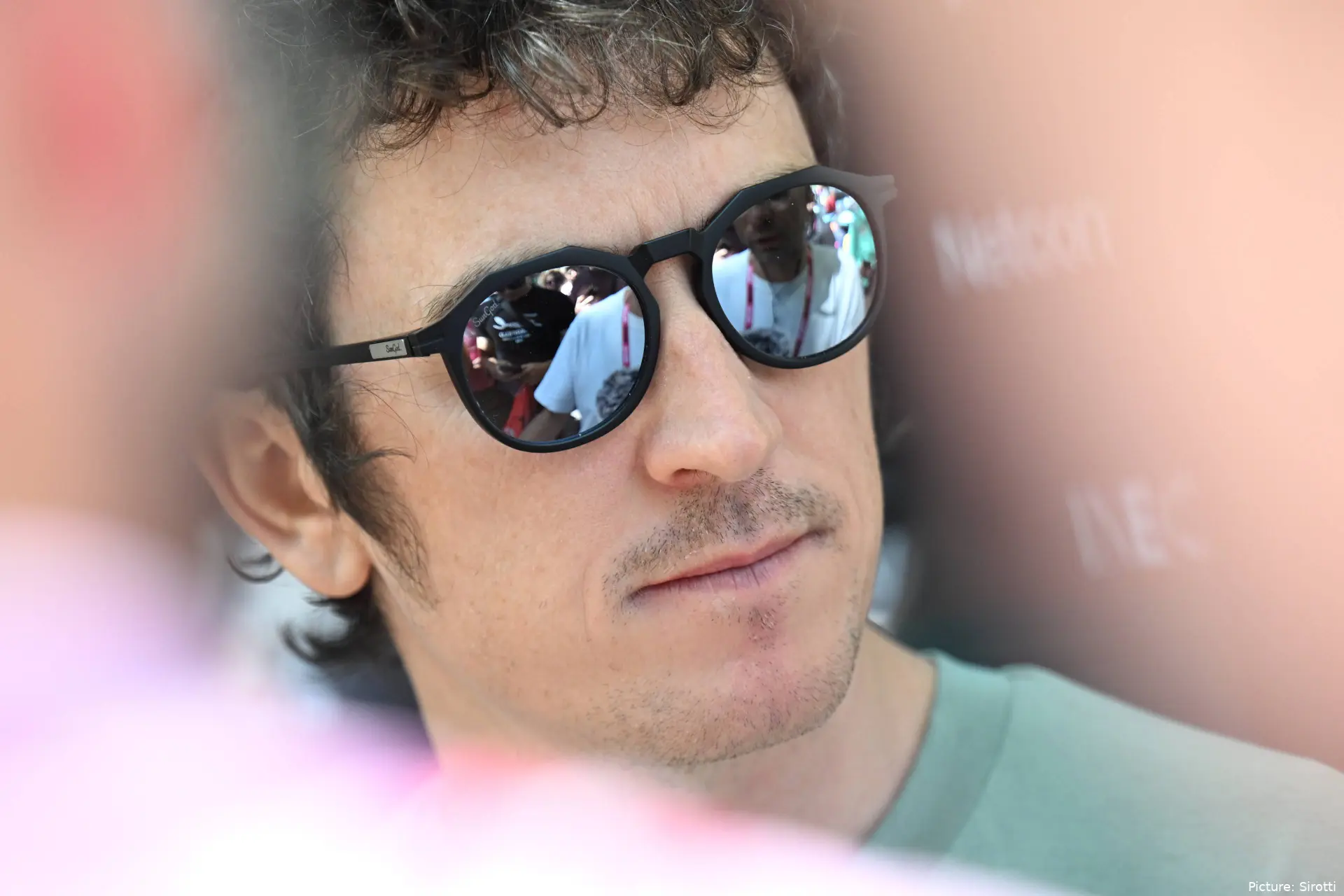
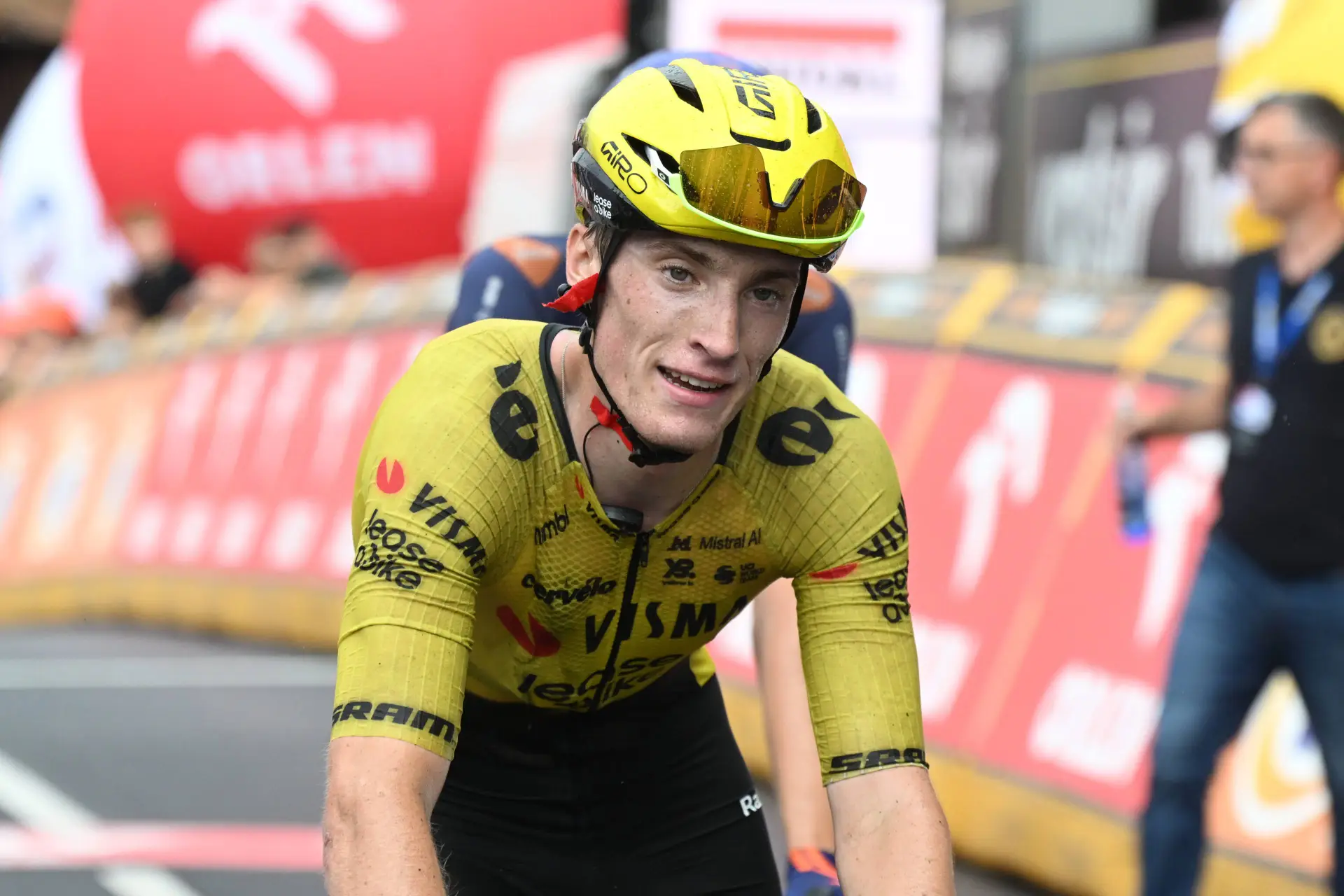
Jonas Vingegaard has already shown his hand at the 2026 Giro d’Italia, but Geraint Thomas is not entirely convinced Visma | Lease a Bike needed to be quite so forceful this early in the race.
Vingegaard attacked on Stage 2 in Bulgaria, splitting the race on the Lyaskovets Monastery Pass after a crash-marred day that had already left several riders out of the race. The move did not deliver the stage win or the maglia rosa, with Guillermo Thomas Silva taking both after the favourites were brought back, but it did underline Vingegaard’s condition and Visma’s willingness to race aggressively from the opening weekend.
Speaking on the latest episode of the Watts Occurring podcast with Luke Rowe, Thomas questioned whether that approach was the best use of energy for a rider attempting the Giro-Tour de France double.
“I was surprised he went like that to be honest,” said Thomas. “That climb was obviously hard, but he couldn’t get rid of everyone, so it wasn’t necessarily massively suited to him.”
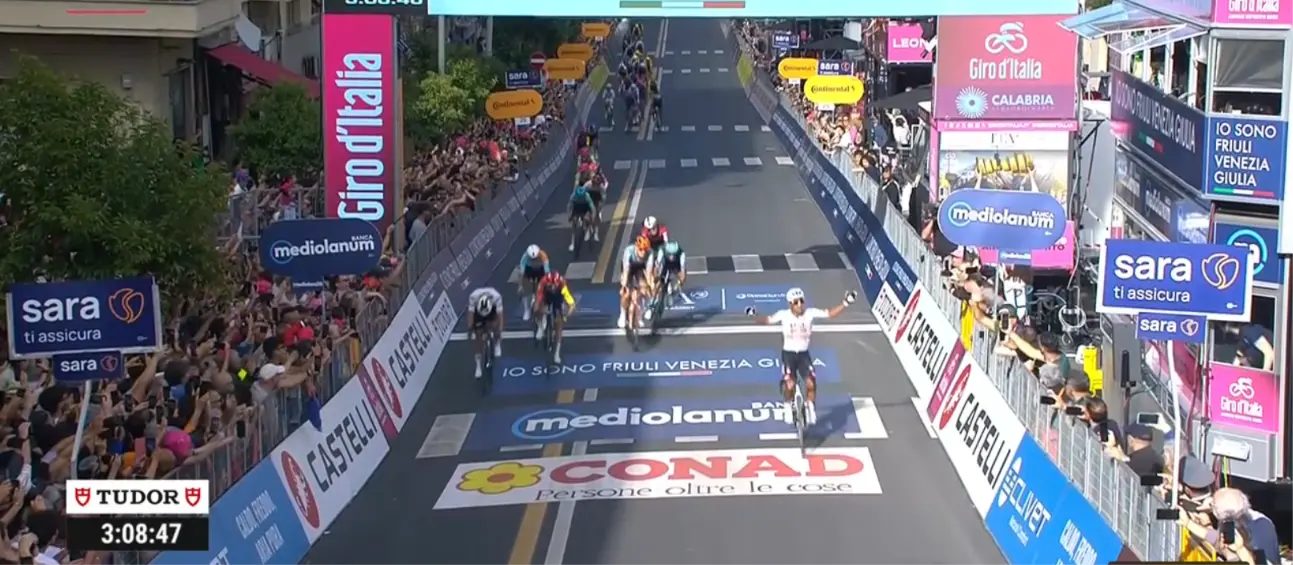
Thomas questions Vingegaard’s early Giro move
Vingegaard’s acceleration came on a short, punchy climb late in the stage, before a wet and technical run towards the finish. Rowe saw the logic clearly, arguing that attacking was also a way to reduce risk after a chaotic day in the peloton.
“If you’ve got the legs, the best form of defence is attack,” said Rowe. “You’re going up a punchy climb, back down the other side on a twisty, wet descent. You’d much rather take that on in a small group than hold it back a bit and go over with 30, 40 guys.”
Thomas accepted that point, but felt the wider context could not be ignored. Vingegaard is trying to win the Giro before heading towards another Tour de France campaign, and the Welshman suggested that even small early efforts can become relevant across a long double attempt. “The only counterargument for me would be thinking big picture, going to the Tour,” said Thomas. “You do the Giro and the Tour, everyone knows that’s hard.”
For Thomas, the issue was not that Vingegaard had looked strong. It was that the moment came so early in a race where the decisive damage is usually expected much later. “So part of me is like, well this is Stage 2, it’s not necessarily that suited to you because two guys were still able to follow you,” he said. “Super hard, it was hard, don’t get me wrong, but the group is about 15 anyway. Fifteen going down is plenty small enough. It’s not going to be too sketchy. Hold a good position, you’ll be fine.”
That concern grew because Vingegaard was not simply covering a move. Thomas noted that the Dane continued to work after forcing the selection. “He went over the top and he still drove it,” Thomas said. “He was driving that break. It wasn’t like he was taking it steady necessarily.”
‘The Giro, as we all know, is won in the last week’
Thomas then brought the discussion back to the bigger objective. Vingegaard’s Giro bid already carries a different weight because of what is expected to follow in July, and Thomas felt that should at least shape how Visma approach the opening days. “I think big picture with the Tour, the Giro, as we all know, is won in the last week,” he said. “You would think they’d be a little more conservative and like maybe just get through that.”
Thomas made clear he was not criticising the spectacle of seeing Vingegaard race on the front foot. The attack gave the race an early jolt and showed the favourite was already in excellent condition. His question was whether there was enough reward to justify the effort.
“For me, it’s more that energy management,” he continued. “And I know it sounds a bit defensive and a bit but I just think on Stage 2 I was a bit like, what’s the point? You know, and I get it, you got the legs just go in it, like this race, try and win, but it got brought back as well and it’s a bit like, oh well that’s a bit of a waste of energy for that. I’m not saying it’s not great to see him attacking and being aggressive but, you know, I don’t know, with the Tour coming.”
The former Tour de France winner later summed up his view even more directly. “I just think if you want to win the Giro the best way possible, I wouldn’t bother attacking on Stage 2,” Thomas said.
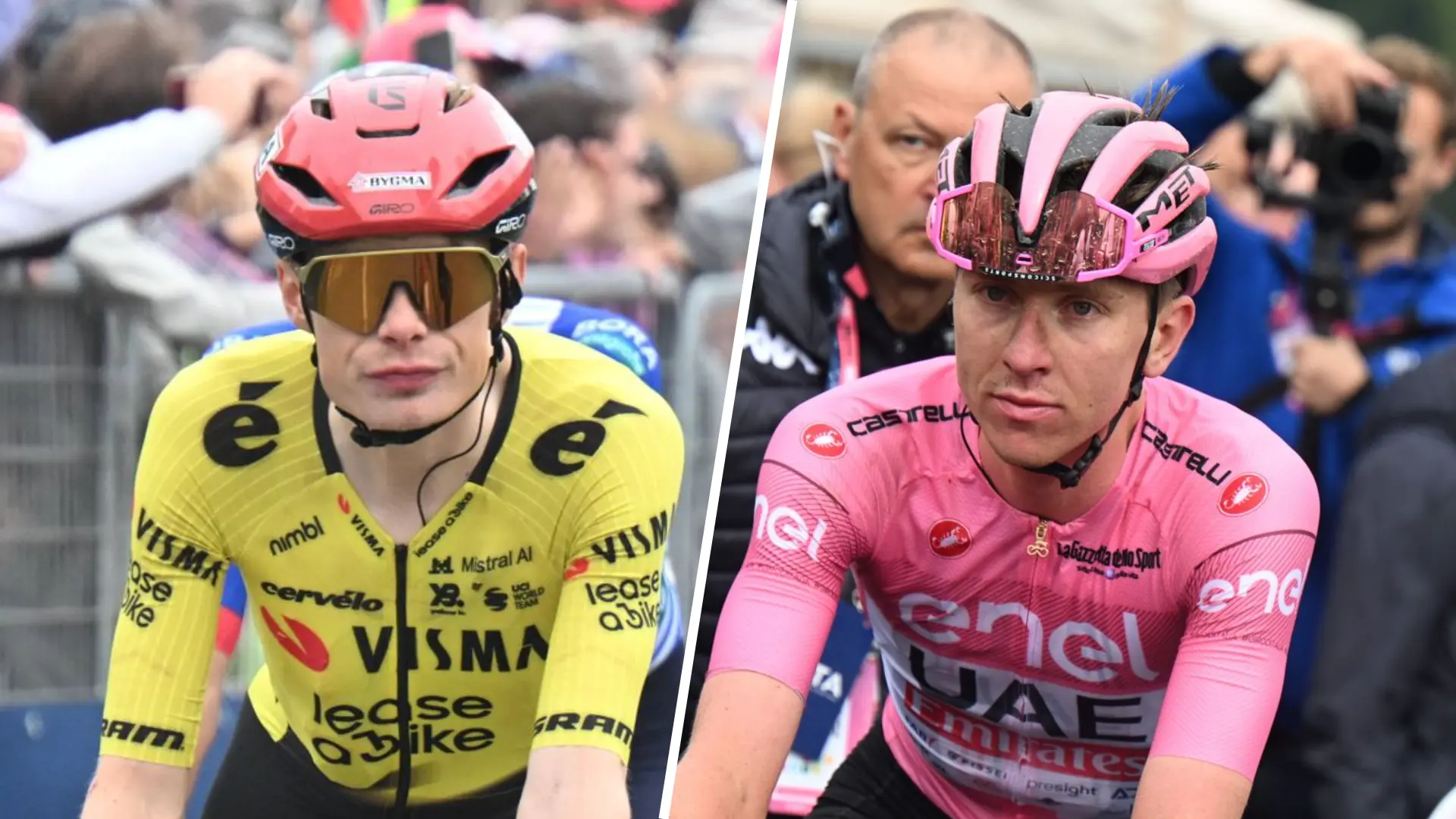
Rowe defends Visma’s aggressive approach
Rowe pushed back on the idea that Vingegaard should already be racing with July in mind. For him, the Giro has to be treated as a race to win in its own right, not simply managed as part of a larger calendar project.
“I think we’re talking about 3.3k, 7.7%, top of the climb 11k to go,” said Rowe. “I also think, you know, if I was there managing Jonas I would say during the Giro you can’t think of the Tour. If you think about the future you’re going to get fucked right here, right now because you have to be fully focused on trying to win the Giro.”
Thomas replied that “there’s more than one way to win the Giro”, but Rowe maintained that Vingegaard’s attack made tactical sense given the climb and finish. “If he doesn’t attack there, someone else is going to attack and then you can get caught on the back foot,” Rowe said. “I just think I don’t think that took much out of him at all.”
There was also disagreement over whether taking the pink jersey would have increased the burden on Visma. Thomas felt it could have forced them into earlier responsibility, especially with breakaway days coming. Rowe argued that, with Vingegaard as the clear overall favourite, the race would fall on Visma regardless of who wore pink. “Whether another team’s got the jersey or whether Jonas has got the jersey, the weight of the Giro and keeping GC available will always rely on Visma,” said Rowe.
Thomas was not fully persuaded. Visma’s strength remains clear, but he pointed out that this is not the team’s strongest possible Grand Tour selection. “Visma don’t have their best team here either,” he said. “There’s no need to do it.”

Thomas twice finished on the podium of the Giro in his own career
Visma’s safety-first tactic sparks wider debate
The discussion also moved beyond Vingegaard’s attack and into Visma’s broader early-race positioning. On the flatter sprint stages in Bulgaria, the team were seen sitting at the back of the peloton with Vingegaard rather than joining the usual GC fight near the front.
Rowe called that a major tactical talking point, particularly because he felt Team Sky had helped create the modern habit of entire GC squads riding like sprint trains in nervous finales. “Traditionally, I think we were the first team to kind of put a GC guy with a whole team at the front and really act as a lead-out team without a sprinter,” Rowe said. “Before that, it was maybe one guy, stay with a lead-out guy, you know, try and stay with him, keep him in the first part of the peloton. And then Team Sky, we kind of fucked it up really. We started doing full-on lead-outs for our GC guys, let’s be honest. And then every team copied.”
In Bulgaria, Visma chose the opposite route on the sprint days, backing Vingegaard and his team-mates to avoid trouble by staying behind the fight rather than inside it. “They’ve gone right, we’re just going to go at the back,” Rowe said. “We’re going to sit at the back. It’s big wide roads. If there’s a crash, we’re caught behind, but we’re there with numbers and we can close the gap. So they’ve actually turned the whole kind of the way of racing and it’s quite a big talking point because it is quite revolutionary.”
Thomas agreed that the tactic can make sense, particularly on wide roads where crashes are unlikely to block the entire carriageway. He also suggested it reflected confidence from Vingegaard and Visma that even a small split would not be disastrous.
“It also comes with confidence because I think Jonas and Visma are confident that if they lose 15 seconds in a split, you know, even in Paris-Nice, I think they’re probably thinking, well, Jonas has got this,” Thomas said. “As long as he doesn’t crash and he’s got his legs, then 10 seconds is insignificant.”
Rowe believes the approach could influence other GC teams, with Red Bull - BORA - hansgrohe already appearing to follow a similar pattern at moments in the Giro. The logic is clear: avoid the chaos, save energy, and trust that a team can close small gaps if a crash happens ahead.
But Thomas also warned that the tactic will not suit every finish. Technical finales, especially those with late corners, could still force GC teams back towards the front if the risk of splits becomes too great.
For now, Vingegaard has avoided the crashes that hit several rivals in Bulgaria and has already tested the race with an early attack. Whether that aggression proves a warning sign for his opponents or a needless early expenditure may only become clear in the final week of the Giro.

Kieran WoodDeputy Editor-in-Chief
Kieran Wood is a sports journalist based in Wales and has been active in journalism since 2022. He regularly contributes to DartsNews.com and CyclingUpToDate.com, where he covers professional cycling and darts. In cycling, his work includes liveblogs from major races, including the Tour de France, the Giro d’Italia, and La Vuelta a España, alongside race reports and analysis. He has also conducted interviews with professional riders.
His reporting spans the full racing calendar, from one-day classics to stage races, with a focus on accurate, real-time coverage and clear contextual analysis. For statistics, results, and historical context, he regularly uses resources such as ProCyclingStats. To support reporting on rider activity and training context where relevant, he also references Strava.
In his work, Kieran places strong emphasis on careful sourcing, editorial accuracy, and updating articles as new, verified information becomes available.
claps 0visitors 0
Just in

Popular news
Latest comments
- He's 20, in two years or so he will be the guy winning everything.awp24-10-2026
- You're talking about being lucky if someone crashes out... I'm talking about quality.PogiSloFans24-10-2026
- He finished 2nd this year at the Tour. Pogacar crashed out of the Vuelta. If he had crashed out of the Tour, Remco would have won.acem8224-10-2026
- Lance never won a TdF, so not sure why he and Hincapie are listed here. I thought this was best domestiques for TdF winners.mij24-10-2026
- Pelizzaari is not Remco's domestiqueabstractengineer24-10-2026
- YetJumpyjohn24-10-2026
- Nibali got into the lead because he wanted the team car further forward in the caravan (I love this as a sign of tactical thinking). He solidified the lead on the rainy cobbles day when he was just brilliant, while other contenders crashed out on the wet roads. Strategic and skillful, yes, but the English roads weren’t as decisive as they might seem.RidesHills24-10-2026
- The Domedancy is the one designed for Seixas - anaerobic short climbs. Seixas isn't as good with the long climbs
 Rafionain-Glas24-10-2026
 - no i just type inivitable facts, nothing else. I wish UAE wasnt so damn good but hey the reality is they are. Visma on opposite direction crashing with no money and riders, coaches leaving mid contract ffs..i wish that wasnt the case but im not pretednig its not real when it is reality... RbH and Lidl i UAE cloesst opponents now thats clear. But if were real how can you stop that team with del toor and pogacar (greatest ever rider they made him) and you have mcnulty as a dom with (who would be captain in other teams and wins world and 10 more behind him..) history also says their the best team by far so what you want me to say? fake and be delusional and tell myself things? Its not a matter for praising anyone its a matter of beeing real nothing else, i wish visma for instance was better and like before but they cant buy any proper climbing guys cause their broke...heck they cant even keep their riders and coaches who flee mid contract what you want me to do lol.miguel24-10-2026
- Far as I recall, Nibali used the 2012 tdf UK stages to win it, most wanting to get them over with, cept he built his lead in them.. Armstrong's wrong, IF and it's an IF, the summers good in '27 like 26 then it'll be attritional.. if it's 'normal, then it'll be 50/50 on the weather, also the roads are VERY VERY narrow, very windng + on the 2nd steep short little climbs I know cause it goes thru my arse 👍
 leedorney24-10-2026
Loading
Write a comment