“Poor, very poor” - British cycling icon condemns Giro d’Italia restart after horror crash left riders still awaiting medical help
Cycling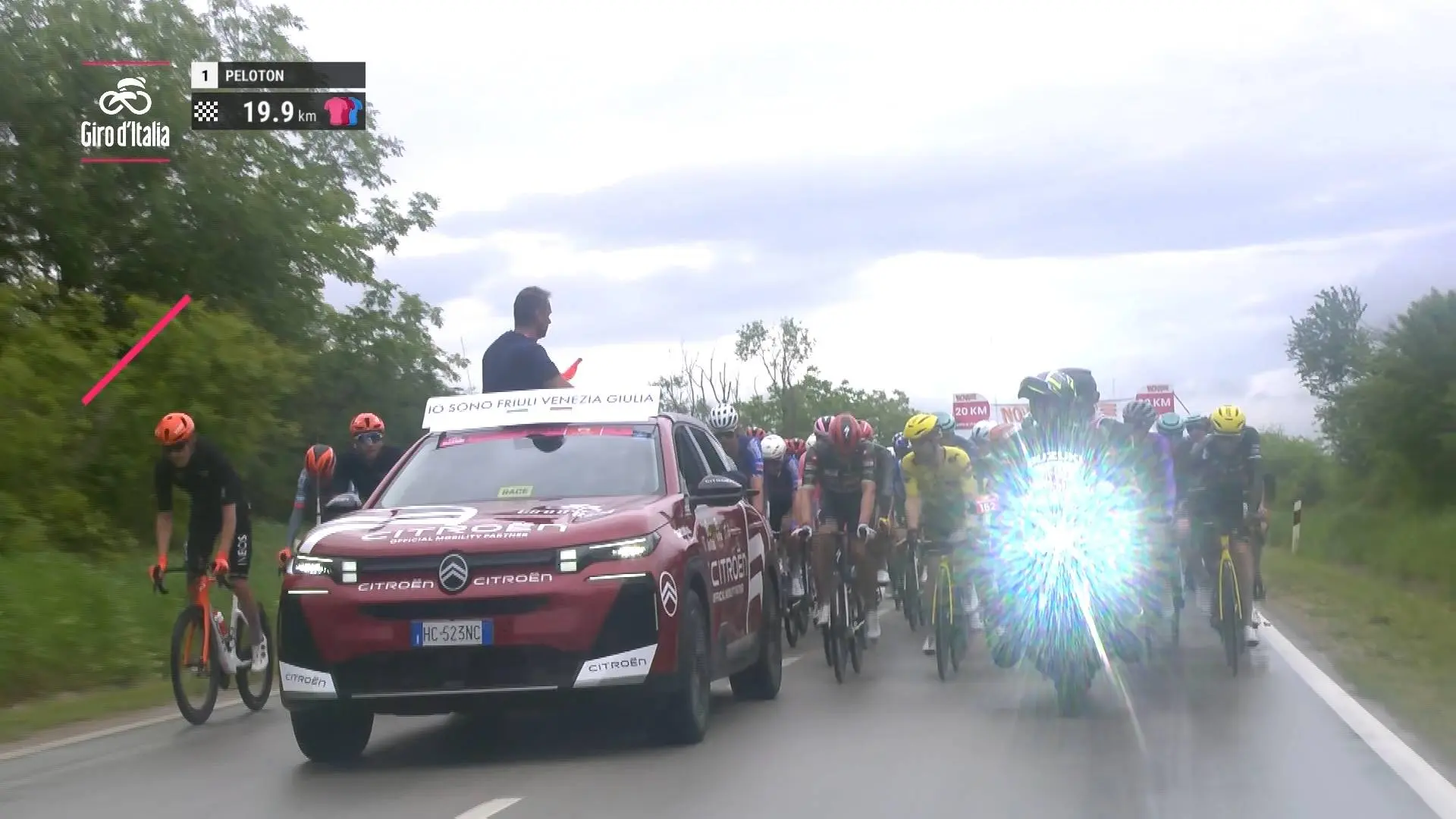
Philippa York has delivered a damning verdict on the handling of the Giro d’Italia’s Stage 2 neutralisation, arguing that the race was restarted while riders were still recovering from a major crash and medical resources were still stretched.
The British cycling icon, writing in her latest column for Cycling News, focused not only on the crash itself but on what happened afterwards.
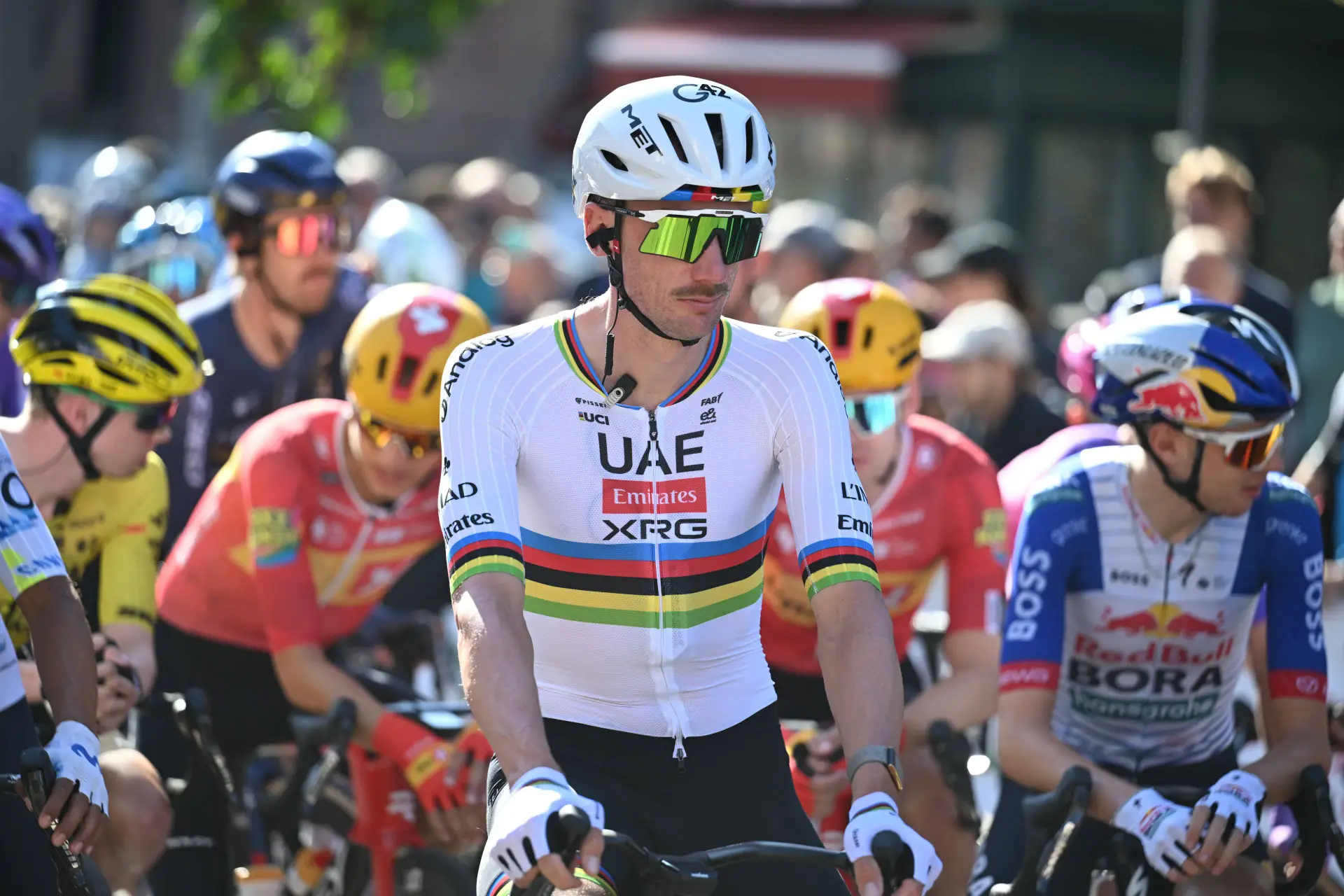
A mass fall with just over 23 kilometres remaining in the stage to Veliko Tarnovo left several riders injured, with UAE Team Emirates - XRG among the worst-hit teams as Adam Yates, Jay Vine and Marc Soler were all later forced out of the race.
For York, the most troubling issue was the decision to let the race resume before the situation had fully stabilised. “Restarting the race when there were people still on the ground or being medically evacuated, their status unknown, was poor, very poor,” she wrote.
York questions official handling after Stage 2 chaos
The crash triggered a temporary neutralisation, but York challenged the way that sequence was later presented and managed. “In the official communiqué, the claim was that the race was neutralised for 4km and then restarted when a sufficient number of ambulances had made contact with the peloton. The reality was otherwise,” she wrote.
York pointed to the timing of events, noting that the crash happened with 23.2 kilometres to go, the neutralisation was announced at 20 kilometres to go, and the race director then restarted racing as the 18 kilometres to go marker appeared on screen.
“There were no ambulances in sight, half the team cars were missing and riders were still trying to come back, many of them with blood still spilling from wounds suffered in the crash,” York wrote.

The mass crash that took down dozens of riders on stage 2 of the 2026 Giro d'Italia
“Basic human respect” after a brutal pile-up
The decision has already become one of the central controversies of the Giro’s opening weekend. Jasper Stuyven was highly critical after the stage, while several riders were seen speaking with race officials during the neutralised section, including Jonas Vingegaard, Filippo Ganna and Jonathan Milan.
York argued that the circumstances were exactly the kind in which neutralisation exists. “Safety, primarily, as there is not an adequate emergency response; fairness, because it’s an unexpected incident; and basic human respect for those directly impacted,” she wrote.
Vingegaard attack framed as a warning to rivals
York also connected the neutralisation debate to the racing that followed. Once the race resumed, Egan Bernal and Thymen Arensman collected bonus seconds at the Red Bull Kilometre before Vingegaard attacked on the Lyaskovets Monastery Pass.
York viewed that move partly through the lens of safety, after Vingegaard later said his attack was intended to reduce the size of the group before the descent. “Egan Bernal taking the bonus seconds won’t be a thing in the last week and Jonas Vingegaard saying that his attacking on the climb was to keep himself safe for the windy descent signalled his reaction to being placed in danger again,” she wrote.
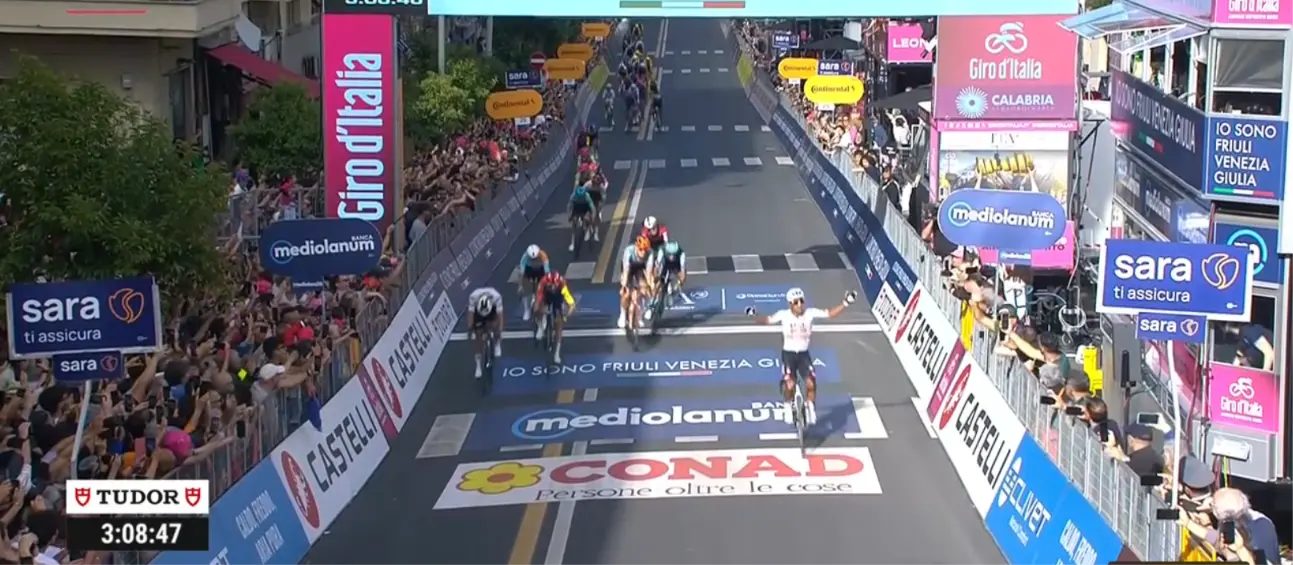
The Dane was eventually joined by Giulio Pellizzari and Lennert Van Eetvelt before the trio were brought back in the final kilometre, with Guillermo Thomas Silva taking a historic stage win and the Maglia Rosa for XDS Astana.
Even so, York saw Vingegaard’s move as an early sign of what may be coming. She described the Visma leader as being “in really good shape and, as expected, ever attentive”, adding that if he had held off Pellizzari and Van Eetvelt, she suspected he “would have soloed to the finish with a 20- or 30-second lead.”
“As it is, a warning was given to the other contenders of what is to come,” York wrote.
For UAE, the same weekend delivered the opposite message. With Yates, Vine and Soler all out, York summed up the team’s situation bluntly: “Disaster.” That leaves Jan Christen carrying their GC hopes in his first Grand Tour, a task York described as “a big ask” against Vingegaard.
The Giro now resumes in Italy after a bruising Bulgarian opening, but York’s column underlines how the consequences of Stage 2 are unlikely to fade quickly. The injuries changed the race. The restart has ensured the debate around safety and race direction will follow it too.
Kieran WoodDeputy Editor-in-Chief
Kieran Wood is a sports journalist based in Wales and has been active in journalism since 2022. He regularly contributes to DartsNews.com and CyclingUpToDate.com, where he covers professional cycling and darts. In cycling, his work includes liveblogs from major races, including the Tour de France, the Giro d’Italia, and La Vuelta a España, alongside race reports and analysis. He has also conducted interviews with professional riders.
His reporting spans the full racing calendar, from one-day classics to stage races, with a focus on accurate, real-time coverage and clear contextual analysis. For statistics, results, and historical context, he regularly uses resources such as ProCyclingStats. To support reporting on rider activity and training context where relevant, he also references Strava.
In his work, Kieran places strong emphasis on careful sourcing, editorial accuracy, and updating articles as new, verified information becomes available.
claps 2visitors 2
Just in

Popular news
Latest comments
- Roglič brought in as many points as some of the lower standing teams, so you would think that more than one team would be trying to get one of the top 25 points machines onto their team. He brought in only 500 points less than the entire Picnic Post NL team. Take those points and Unibet is still not in the top 18, but put him on one of the teams fighting for 18th and they get some security. NSN at 18th with Roglič’s 2100 points would be in 11th place.RidesHills24-10-2026
- He's 20, in two years or so he will be the guy winning everything.awp24-10-2026
- You're talking about being lucky if someone crashes out... I'm talking about quality.PogiSloFans24-10-2026
- He finished 2nd this year at the Tour. Pogacar crashed out of the Vuelta. If he had crashed out of the Tour, Remco would have won.acem8224-10-2026
- Lance never won a TdF, so not sure why he and Hincapie are listed here. I thought this was best domestiques for TdF winners.mij24-10-2026
- Pelizzaari is not Remco's domestiqueabstractengineer24-10-2026
- YetJumpyjohn24-10-2026
- Nibali got into the lead because he wanted the team car further forward in the caravan (I love this as a sign of tactical thinking). He solidified the lead on the rainy cobbles day when he was just brilliant, while other contenders crashed out on the wet roads. Strategic and skillful, yes, but the English roads weren’t as decisive as they might seem.RidesHills24-10-2026
- The Domedancy is the one designed for Seixas - anaerobic short climbs. Seixas isn't as good with the long climbs
 Rafionain-Glas24-10-2026
 - no i just type inivitable facts, nothing else. I wish UAE wasnt so damn good but hey the reality is they are. Visma on opposite direction crashing with no money and riders, coaches leaving mid contract ffs..i wish that wasnt the case but im not pretednig its not real when it is reality... RbH and Lidl i UAE cloesst opponents now thats clear. But if were real how can you stop that team with del toor and pogacar (greatest ever rider they made him) and you have mcnulty as a dom with (who would be captain in other teams and wins world and 10 more behind him..) history also says their the best team by far so what you want me to say? fake and be delusional and tell myself things? Its not a matter for praising anyone its a matter of beeing real nothing else, i wish visma for instance was better and like before but they cant buy any proper climbing guys cause their broke...heck they cant even keep their riders and coaches who flee mid contract what you want me to do lol.miguel24-10-2026
Loading
Write a comment