"We're paying the bill for it" – Angry Mads Pedersen on the doping scandal still hanging over cycling
Cycling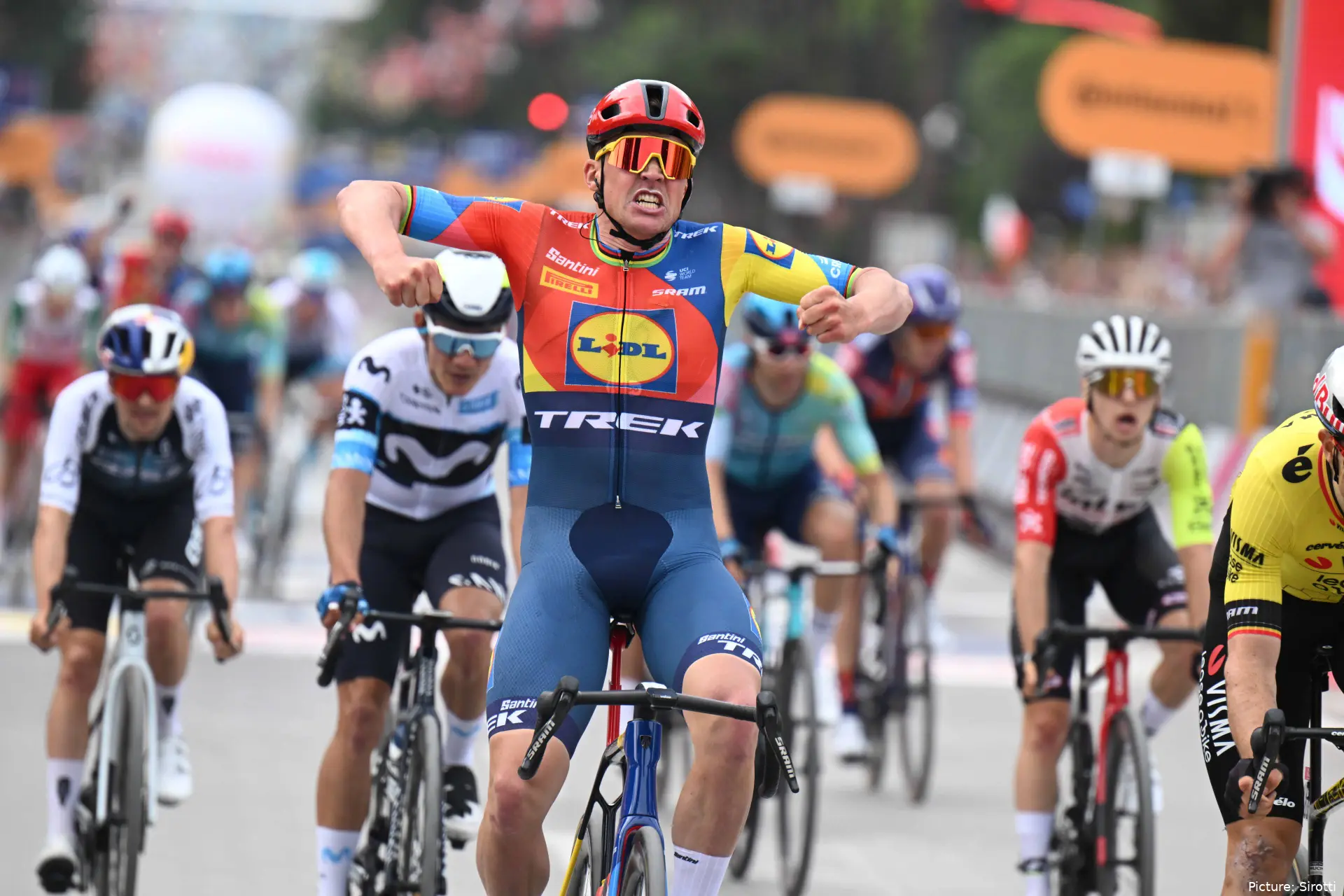
Mads Pedersen may be absent from this year’s Tour de France,
but the Dane isn’t staying quiet. While his Lidl–Trek team has built their Tour
campaign around Jonathan Milan’s sprint ambitions, the man who dominated May’s
Giro with four stage wins is featured prominently in a new documentary, Shadows
of the Past, where he opens up about the still ongoing fallout from cycling’s
doping era.
“My opinion on what happened then is that it was absolutely
wrong. But what irritates me the most is that we are paying the bill for it,”
Pedersen says, referring to the legacy of the Lance Armstrong years. “That is
why I have an opinion on what happened. Otherwise, I could basically be
completely indifferent to what these crazy people had been up to.”
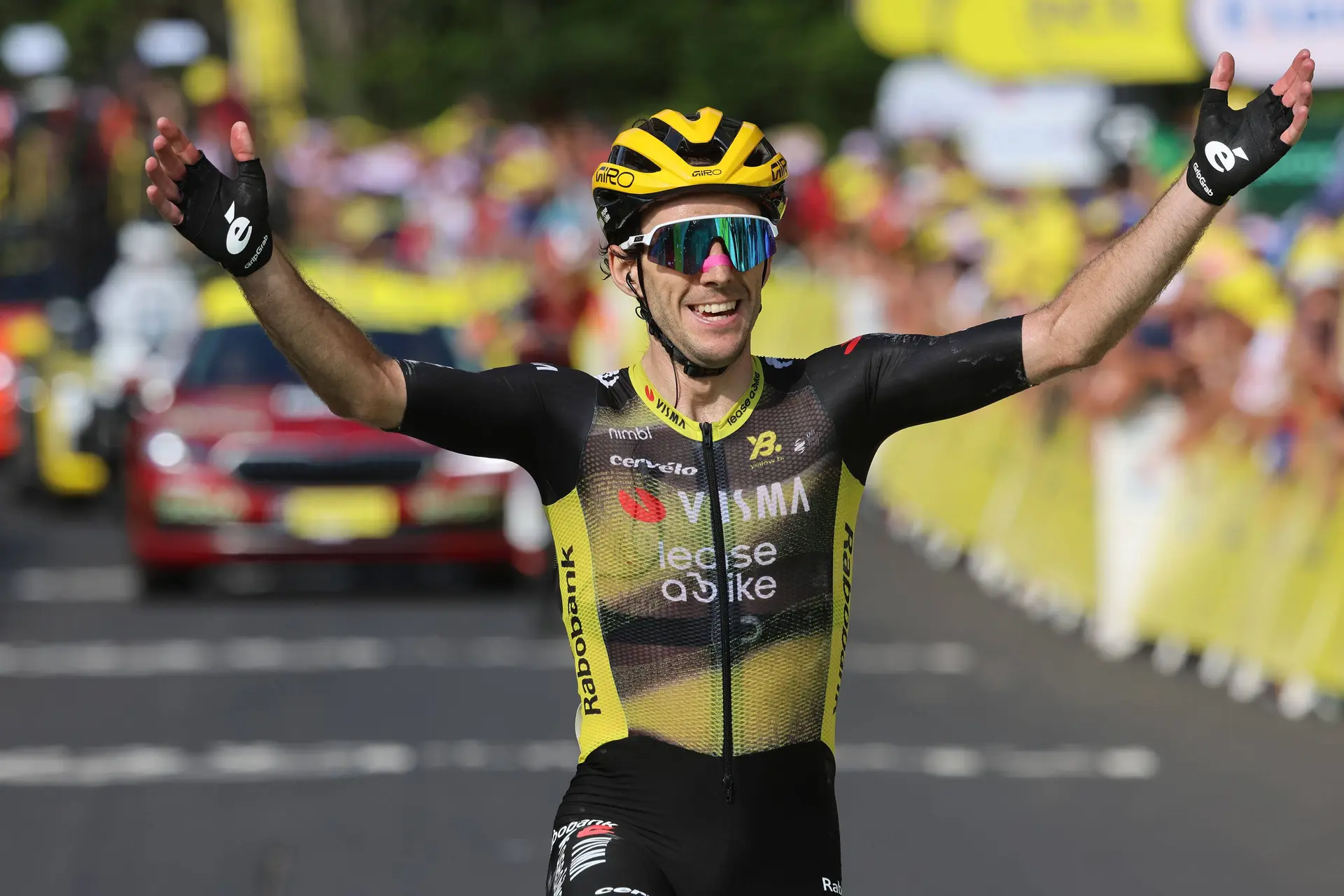
Pedersen doesn’t mince words when describing the intensity
of his preparation. After Paris-Roubaix, he began tracking his food intake to
the gram, everything but water, for 136 consecutive days. “I put a lot of
fucking hours into this. I spend a lot of time on it,” he says. “Without
putting myself at the top, I'm one of the ten in the world who trains the most
and hardest.”
The frustration, he says, comes from being constantly
questioned about how such performances are possible in a post-Armstrong world.
“I've gotten here because of really hard work, and it hurts me and my pride
when someone questions that,” he says.
“It’s very sensitive for those of us who are active to be
compared to that time. A lot has happened in cycling since then,” Pedersen
says. “I don't want to defend myself. I just want to give a better picture of
what we do, and then the old boys can give a picture of what they did.”
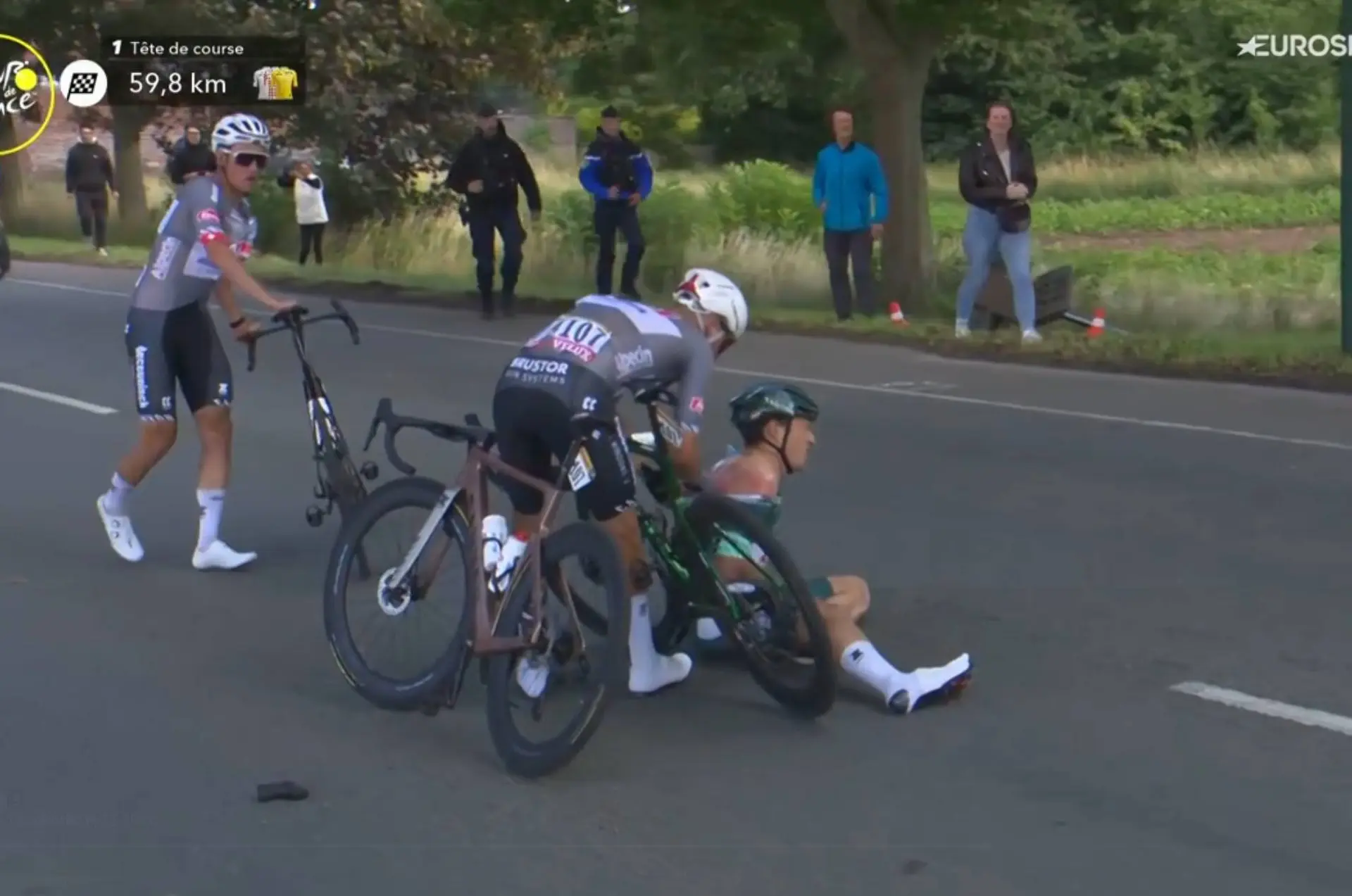
While Jonas Vingegaard has also faced suspicions in his
rise, Pedersen says the two time Tour champion handles it with composure.
“Jonas does it in a super professional way, while I go much more with my
emotions. When he says it's okay, you ask, my reaction is, why are you asking?
I think it's ridiculous.”
He doesn’t claim to have the solution for changing public
perception, but he’s honest about how it feels.
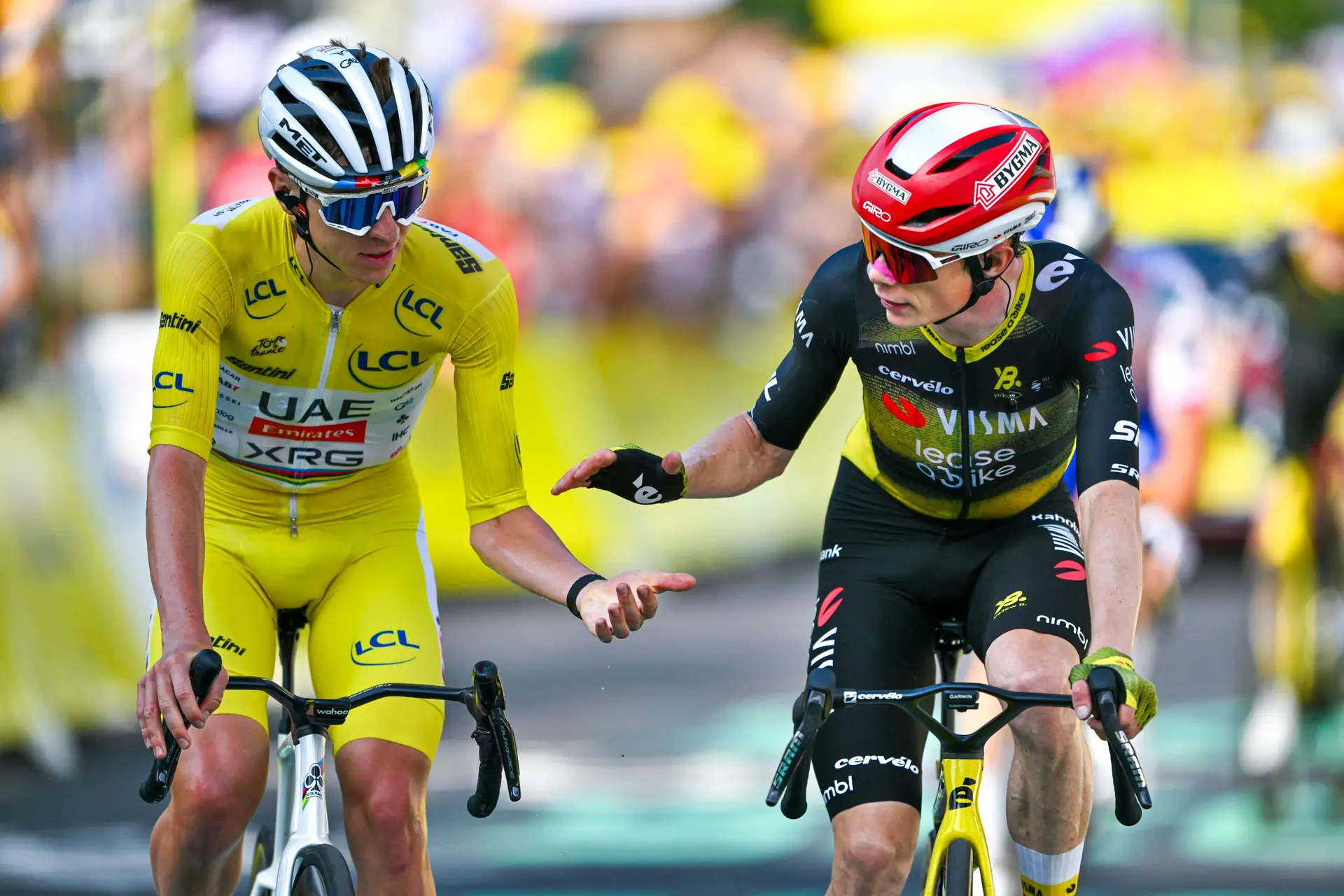
“I really don't know what tool I should take from my toolbox
to do this in the best possible way and come up with the best possible answer,”
he says. “For me, it's just a natural reaction when I'm challenged on something
where I feel unfairly treated. I really do in a situation like that because my
hard work is being neglected.”
“The damage is done,” he adds. “And so we're all just trying
to repair it from here.”

Fin MajorCycling Journalist
Fin Major is a UK-based writer at CyclingUpToDate and has been part of the team since 2024. He is the site’s main writer for FAQs and evergreen explainers and has written around 2,000 pieces for the platform. Alongside this work, he focuses on in-depth analysis and covers the biggest races on the calendar, including the Tour de France, the Giro d’Italia, and La Vuelta a España, providing clear context around performance trends, tactics, and key storylines.
In his reporting, Fin uses reputable data sources such as ProCyclingStats for results, statistics, and historical context. He places strong emphasis on careful sourcing, editorial accuracy, and updating articles promptly when new, verified information becomes available. Outside of writing, Fin is an active cyclist, which supports his practical understanding of the sport and its demands.
claps 6visitors 6
Just in

Popular news
Latest comments
- disrespectful thats a joke ...
 Davide20-10-2026
 - EF’s “island of misfit toys” squad is probably one of my favorites in the peloton. They are fun to watch, always trying stuff - they ride with heart and panache, and their kits are excellent.wrsty20-10-2026
- 'Children these days'... Wout, since the caveman learned to say "Ug", older generations have always said this about younger generations. Not every young rider is a cowboy. So what's to say that the fact that Poels was respectful meant that his peers were equally so?
 Rafionain-Glas19-10-2026
 - "...In a weakened field" Most definitely ! YAWN !frieders319-10-2026
- Noted. But I had to appease his fans.MajorPayne19-10-2026
- I wonder if he'll race Challenge MallorcaRafionain-Glas19-10-2026
- Head to head time-splits: Jay Vine vs Remco Evenepoel: 10.5 km - Vine lost 45 seconds to Evenepoel 34.2 km - Vine lost a further 1:10, and was caught in the vicinity of that checkpoint. Note: I remember Vine getting caught before the second checkpoint, and ProCyclingStats log supports that, however, the gap at the second checkpoint was less than 2 minutes. 45.4 km - Vine lost only 16 seconds Of course, Vine lost less time in the middle section than the early section, but at the final segment rate, he'd have lost 15 seconds in the opening section and and 34 seconds in the middle. It is possible that Vine paced himself very well but that seems unlikely. In comparison with Stefan Küng: Kung lost: 26 seconds at T1. A further 1:11 by T2. A further 40 seconds by the finish. Relative to Evenepoel, Küng did slow down by the end. Maxime Decomble: Lost 47 seconds at T1. A further 1:20 by T2. A further 26 seconds by the finish. Mikkel Bjerg: Lost 37 seconds at T1. A further 1:34 by T2. A further 46 seconds by the finish. It is not concrete evidence that Vine cheated though it certainly doesn't absolve him. However, watching the race, I am 100% sure that Vine did not pull over and follow a different line when Remco passed him. Remco pulled away quite quickly, but the gap did not balloon and Vine definitely got aero assistance.Rafionain-Glas19-10-2026
- That ship has sailed years agovappaxbipmv19-10-2026
- He doesn't have to. I'd be perfectly happy if he loses SB if he then wins everything elsevappaxbipmv19-10-2026
- Please don't put Remco in the same sentence as Tadej. It's disrespectful to Tadej. Please make a note of this.KissinKate19-10-2026
Loading
Write a comment