“This is not what we are used to” – Soudal - Quick-Step make unwanted history with longest ever wait for a first win
CyclingThursday, 12 February 2026 at 11:45
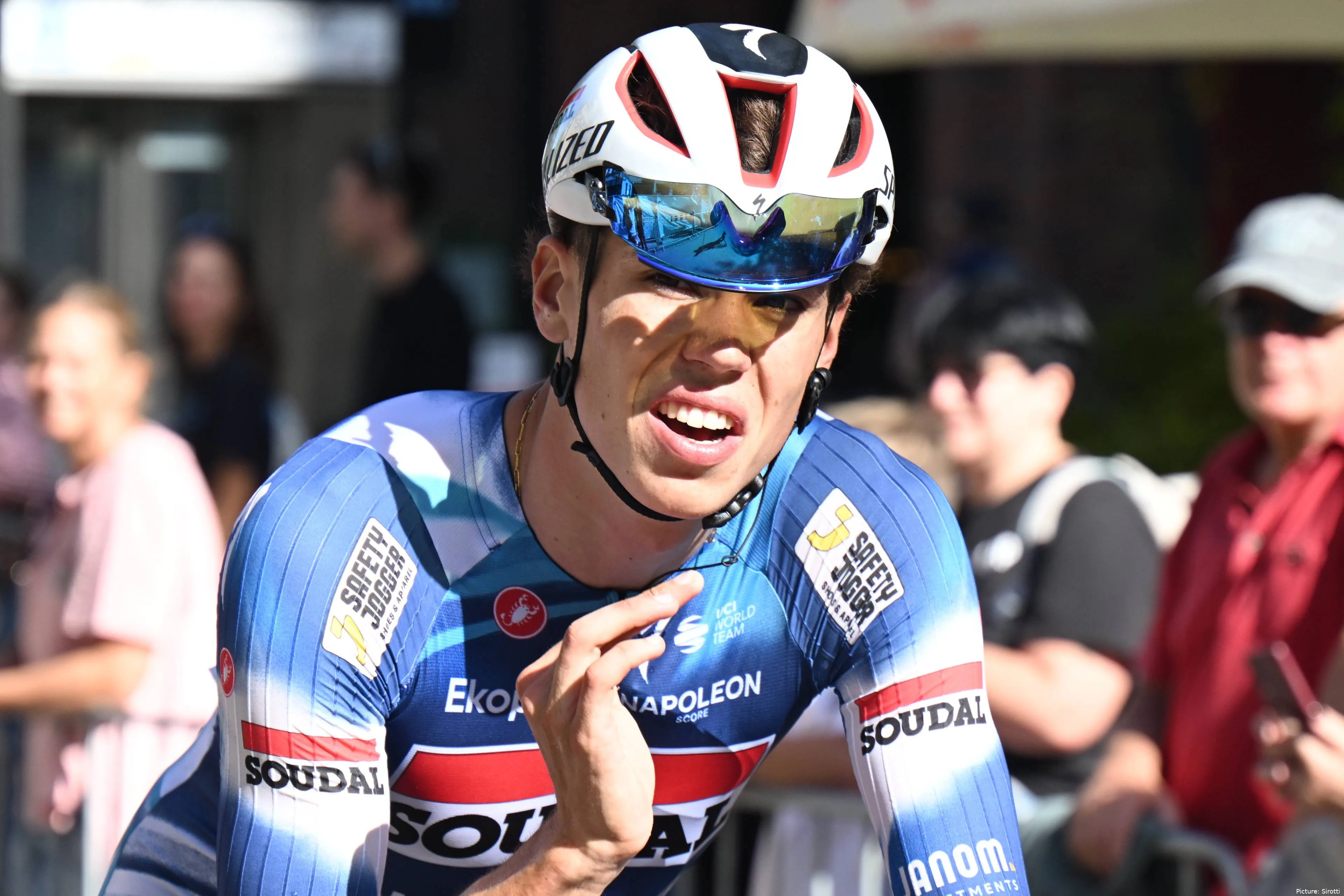
After 37 race days, the numbers alone are stark. Soudal - Quick-Step remain without a win in 2026, the longest such wait at the start of a season since the team’s modern era began in 2003. For an organisation built on early momentum, it is unfamiliar territory.
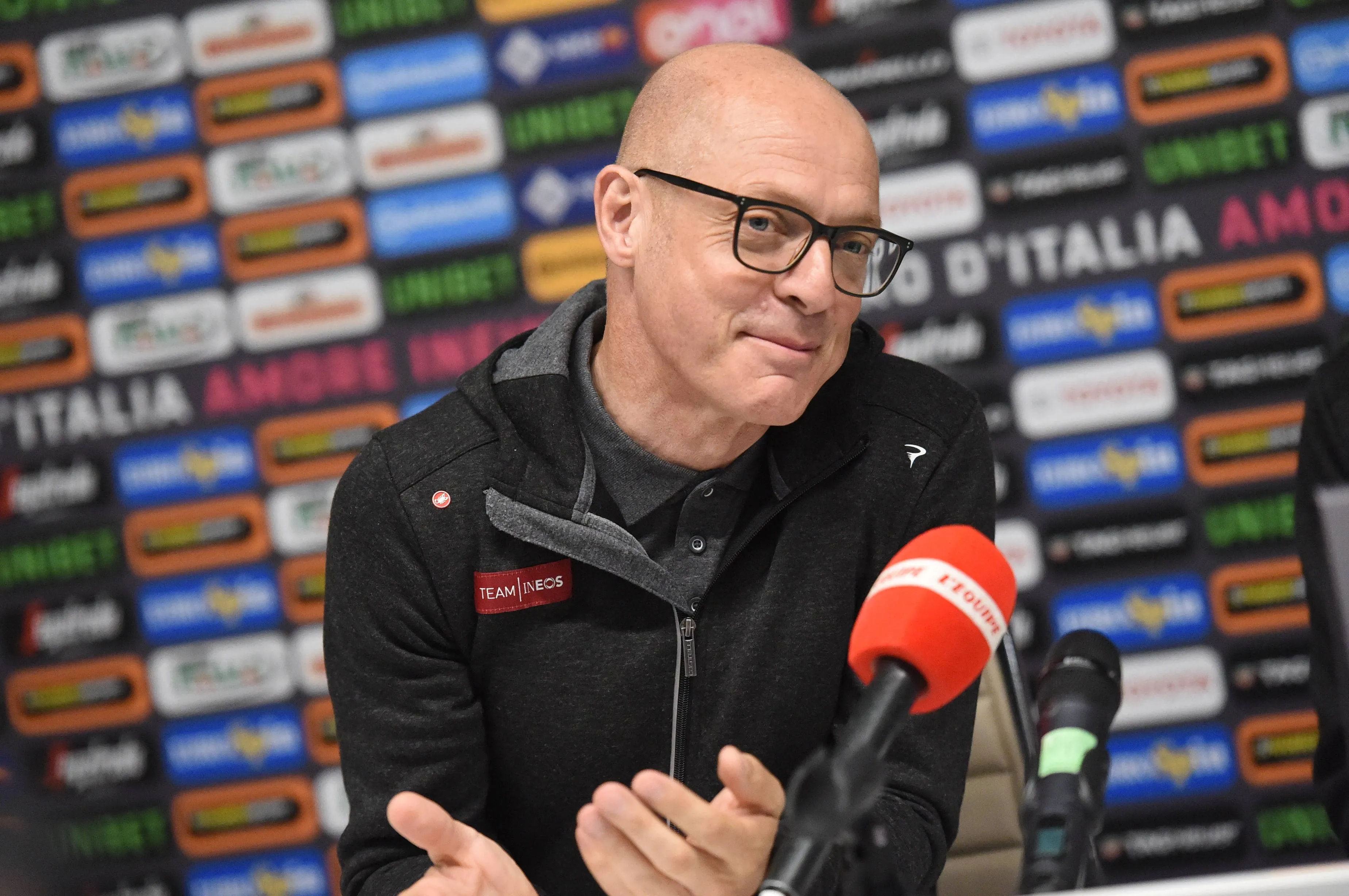
“This is not what we are used to,” CEO Jurgen Fore admitted in conversation with HLN, acknowledging the discomfort without dressing it up. “We are a team that likes to win. And if we don’t, we have to dare to name it.”
The honesty matters. This is not a collapse narrative, but it is an admission that something has not clicked yet.
Near misses, not no shows
Context is important. Quick-Step have not been invisible. Paul Magnier finished second at the Clasica Comunitat Valenciana, the team’s best result so far. Young riders have been active and present in races, while placings in early WorldTour events show a team competing rather than hiding.
That distinction underpins Fore’s calm. “Winning makes everything a bit more comfortable,” he said, before adding with a laugh that this is not a habit he wants to form. The internal standard remains unchanged, even if the results column has yet to catch up.
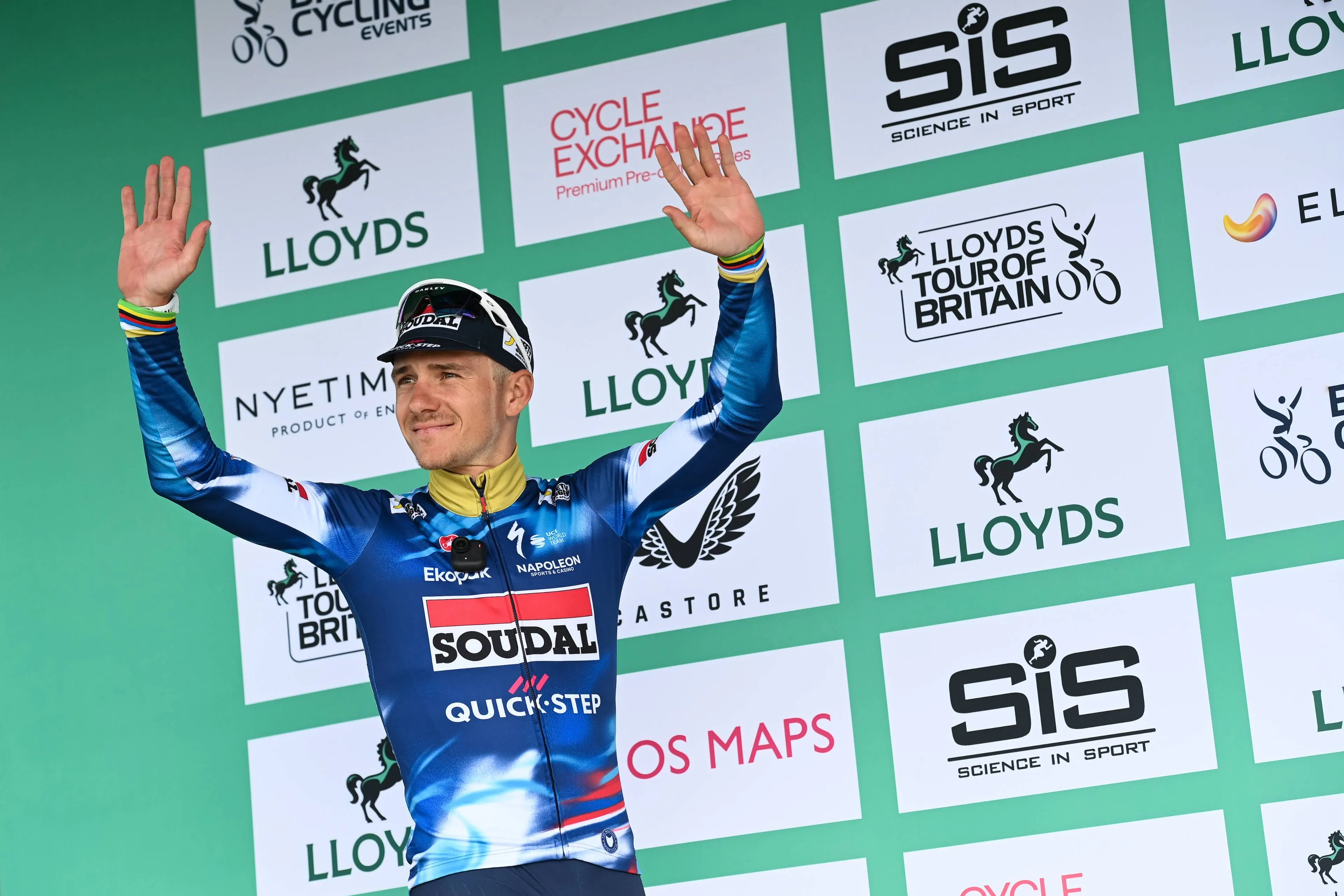
Where it has gone wrong so far
If there is a common thread to the slow start, it lies in availability rather than ambition. Two of the team’s most reliable sources of early-season victories have barely featured.
Magnier raced once before illness intervened. “He didn’t feel at his best and didn’t have his normal sprint speed,” Fore explained, adding that the Frenchman is now training fully again and is set to return in Algarve.
More significant has been the absence of Tim Merlier, who has yet to race in 2026 due to knee problems. “We miss him enormously,” Fore said. “With his current deficit, six to eight weeks will quickly need to be factored in before he is truly competitive.”
That alone removes one of the most reliable early-season win guarantees in the peloton.
Add in illness for Alberto Dainese, a heavy crash for Laurenz Rex, and a string of smaller knocks and stomach issues across the squad, and the picture becomes less mysterious. “It certainly hasn’t been flawless,” Fore conceded.

Magnier is expected to be a big source of success for Quick-Step in 2026
Why panic is still premature
Despite the unwanted record, Quick-Step’s leadership remain adamant that this is not a structural problem. “They are not major dramas,” Fore said. “Apart from Merlier and Rex, nobody is out long term.”
The broader context supports that stance. Several established leaders are only now approaching their season debuts. Jasper Stuyven and Dylan van Baarle are due to return after altitude preparation, while others, such as Mikel Landa, Ethan Hayter and Ilan Van Wilder, are only just entering competition.
“We hope to gradually get everyone back, so that we can turn the tide from next week,” Fore said. “The team from last year, with which we eventually won 56 times, has only been strengthened. I wouldn’t know why it shouldn’t work now.”
A difficult start, not a defining one
For a team accustomed to striking early, the wait has been uncomfortable and historically unusual. But the underlying indicators do not yet point to decline. Young riders are stepping up, key leaders are still to appear, and the injury list is already easing rather than growing.
Quick-Step’s first win of 2026 will arrive sooner or later. When it does, this opening chapter is likely to be remembered less as a crisis, and more as an awkward adjustment period in a season that simply started against the grain.
For now, Fore’s words capture the mood best. It grates. It is unfamiliar. But it is not yet a verdict.
claps 1visitors 1
Just in
Popular news
Latest comments
- Quinn Simmons win this? You must be joking !frieders304-04-2026
- Calm down Pogi PR boy !frieders304-04-2026
- Tadej better watch his back if he drops them one by one coz if they regroup behind him they’ll be back in no time and in a sprint, well, just about on Pidcock’s level. Remember, you only need a Remco and Skjelmose to reel in a Tadej.Mistermaumau03-04-2026
- Love Domenico - hope he has a good time without more injuries.Katla03-04-2026
- If we take into consideration all the excuses Remco has made: loose bike saddles, air conditioners, punctures that didn't occur, pot holes that don't exist (two journalists confirmed there was no pot hole in Catalunya), kicking water bottles, telling cyclists they have no balls, throwing tantrums... Remco is probably lying.Mou-Cro-HR03-04-2026
- Good for you Domenico, leave it all out there on the road my friend.Jezla03-04-2026
- It will be like the "And Then There Were None" from Agatha Christie. Pogi will drop them one by one. Redbull secret or not will not matter at all. Regarding the article both are lyingabstractengineer03-04-2026
- RE riding sets for an extra exciting race...
 leedorney03-04-2026
 - This is great!mij03-04-2026
- as a Belgian, to win Flanders, especially on one’s debut against this field, would be history.mij03-04-2026
Loading
3 Comments