"There's no course that can stop you" - Armstrong and Bruyneel reflect on 2026 Tour de France route and Tadej Pogacar
Cycling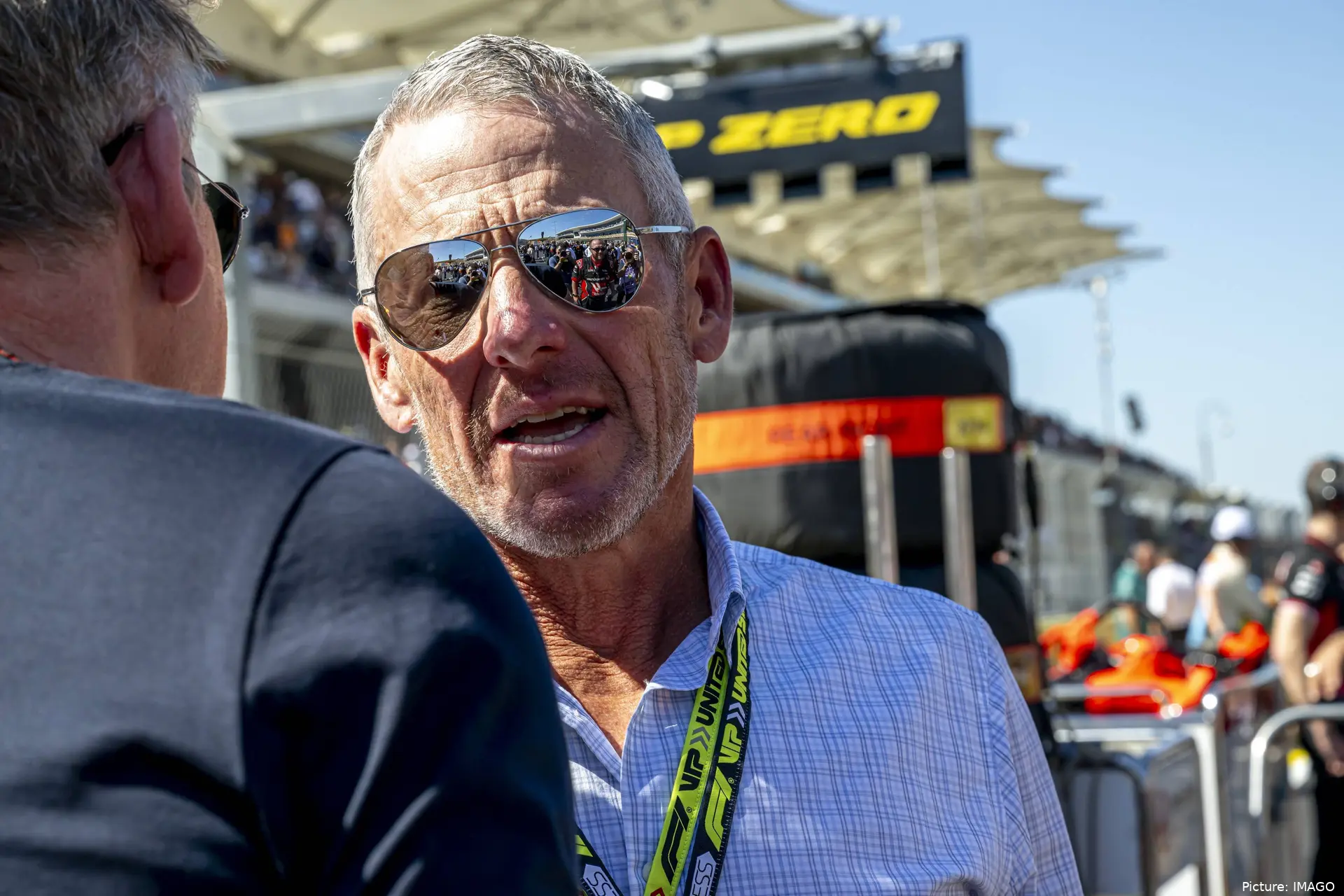
The 2026 Tour de France now has an official route, Lance Armstrong and Johan Bruyneel shared their analysis in his podcast The Move on what the race, the mountains and the favorites will be like. They especially focused on Tadej Pogacar and his mental challenge to take on the victory in his fifth TDF that would make him equal Anquetil, Merckx, Hinault and Induráin as the record holder.
The route
Armstrong stresses that the design of the 2026 Tour maintains the excitement until the end: "Although we all know that there is a big favorite, the uncertainty will remain until stages 18, 19 and 20, because they are extremely hard". The race starts in Barcelona with a 19-kilometer team time trial, with two short climbs, a format that, according to Armstrong, "gives Pogacar an advantage, because he's going to have someone from his team who can climb those climbs with him, whether it's Del Toro or another teammate."
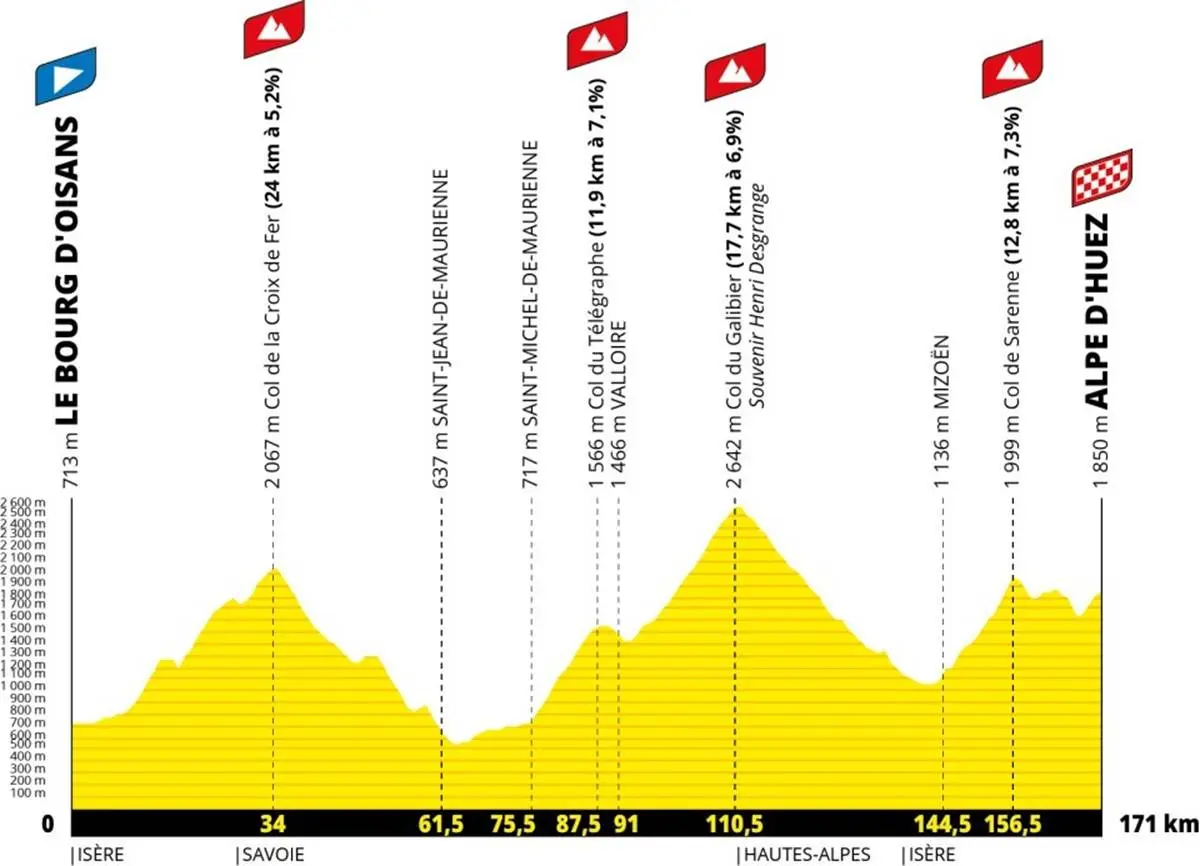
The total route includes 21 stages, eight mountain stages (five summit finishes), seven flat and four undulating, totaling 54,000 meters of elevation gain, up from 48,000 meters in the previous edition. Armstrong says the key stages will be in the Pyrenees, with stage 6 including Aspin and Tourmalet; in the Alps, at the end of the Tour; in the Massif Central, with a hard stage (stage 10); and in the Vosges, where Pogacar already won (stage 14).
On the finish in Paris, he notes, "There will be three times Montmartre, and the last climb is 15 kilometers from the finish. That gives a chance to some of the stronger riders, not so much to the sprinters."
Favorites and general
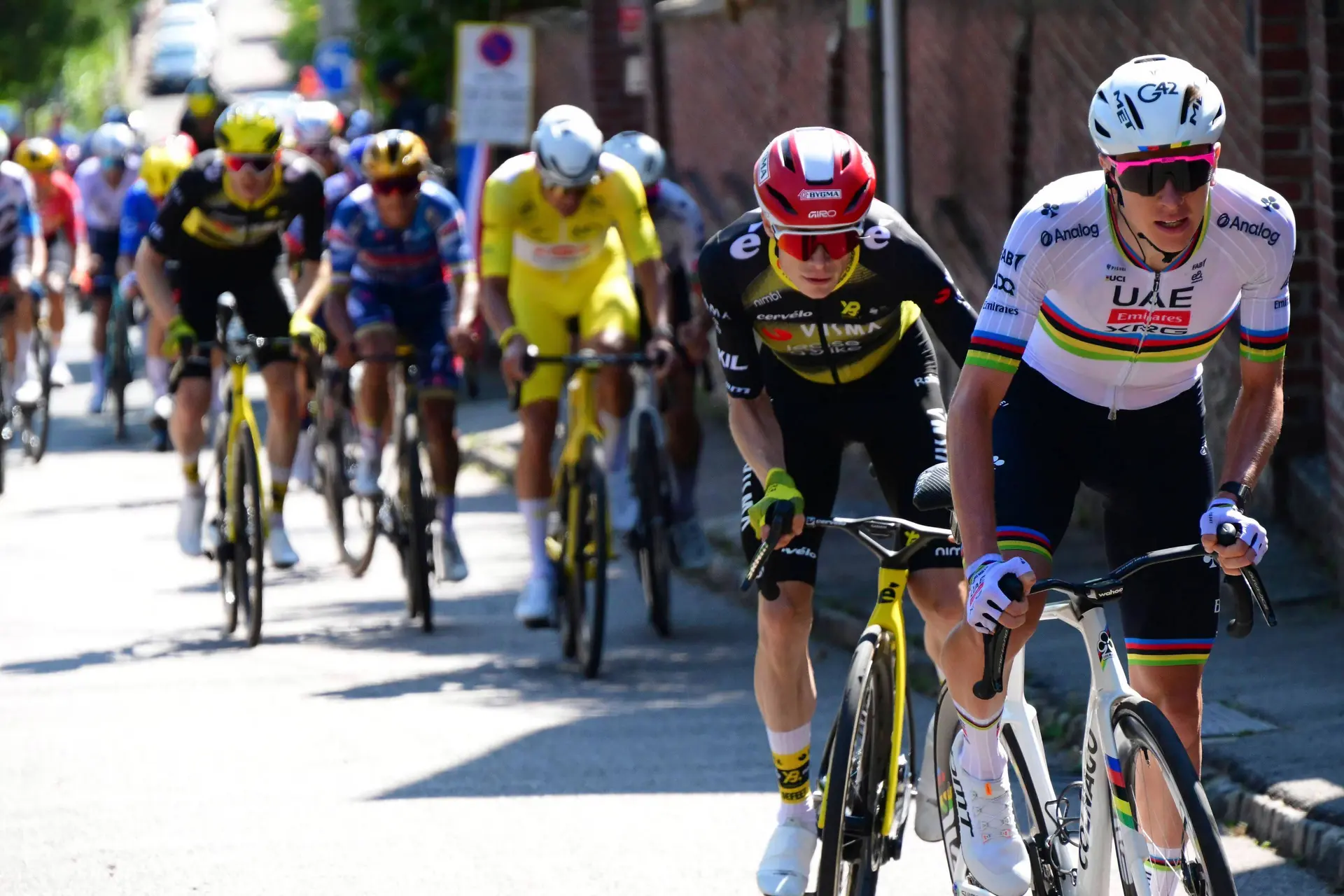
For Armstrong, in the end "the strongest wins" and the big favorite is still Tadej Pogacar. Jonas Vingegaard remains his main competitor, while other riders like Remco Evenepoel, Florian Lipowitz, Oscar Onley or Felix Gall appear one level below. About Pogacar, Armstrong assures: "It doesn't matter the route. Once you're at the level of winning the Tour, there's no course that can stop you."
Regarding the stage 16 time trial, short and with the first 10 kilometers uphill, Armstrong warns that "it's not favorable for Evenepoel against the mountain specialists". He also highlights Pogacar's advantage in having a solid team: "If we say Pogacar is number one, Jonas second, the third and fourth places are probably in Pogacar's team. That gives him tremendous reinforcement."
The route clearly favors strong climbers. Armstrong stresses that the mountain stages of the last week are decisive: "These three consecutive stages will make the difference in the end, and although everyone has to be strategic, after one or two mountain stages we will start to see differences in the overall".
He also recalls the importance of concentration from the start: "Already on stage 3, even if it's not a high mountain, it's a mountain day. If you're not 100%, you're in trouble".

Tadej Pogacar will fight for his fifth Tour de France. @Imago
Read also
Pogacar and his mental challenge
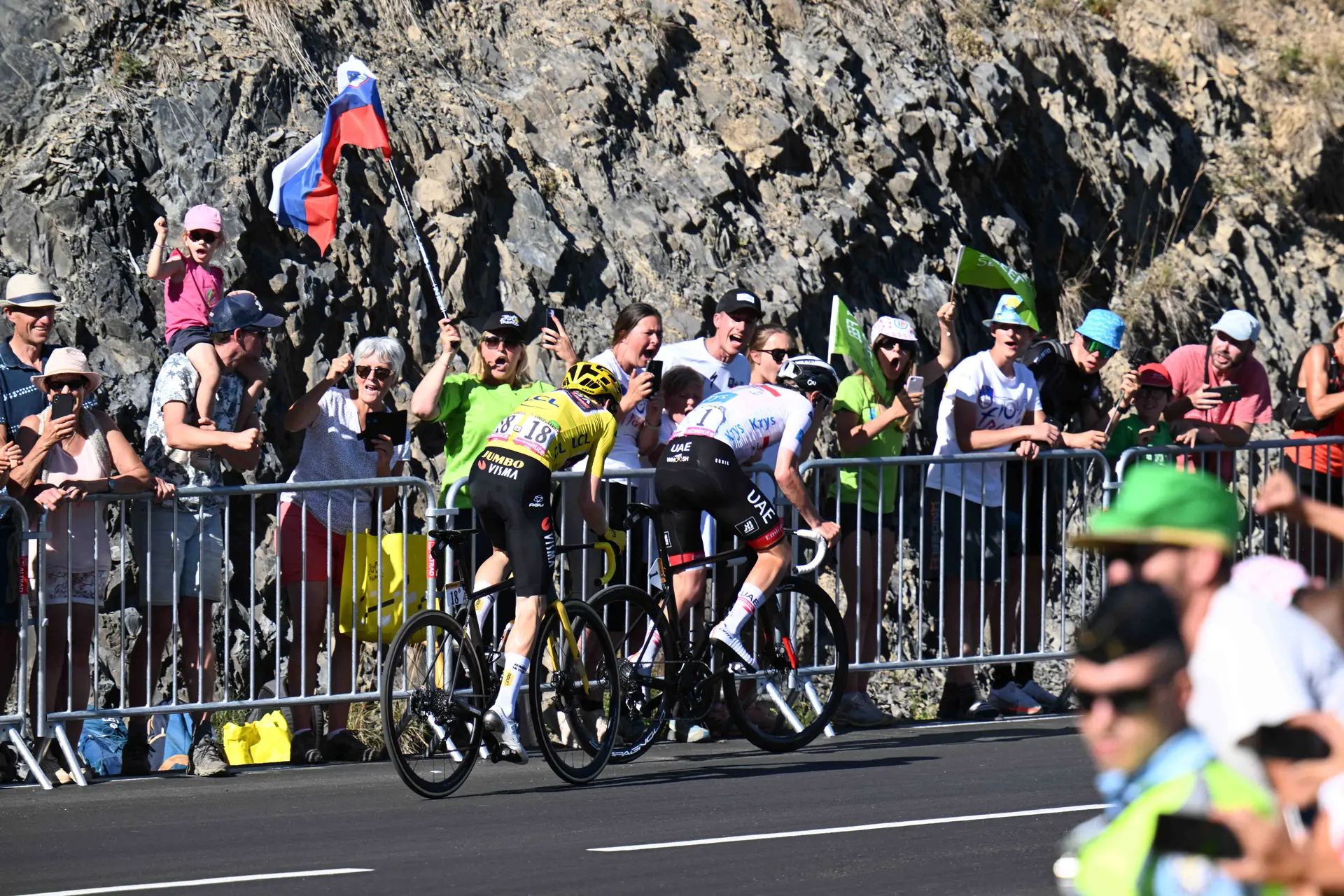
Armstrong also compares Pogacar's pressure to his own experience: "There is no rider who can ignore everything going on around him. It takes its toll mentally, but if you need to, you're a killer in the last week. It's just about managing the pressure and expectations." This year the Slovenian struggled in the final week with the fatigue, but ultimately brought home a fourth Tour triumph.
Finally, he highlights the hierarchy in the peloton: "The favorite is Pogacar. Second, Jonas. After that, those who occupy the other podium places will probably be in Pogacar's team, like Del Toro or Almeida. For the other riders, it's difficult to compete at the same level."
Johan Bruyneel's opinion
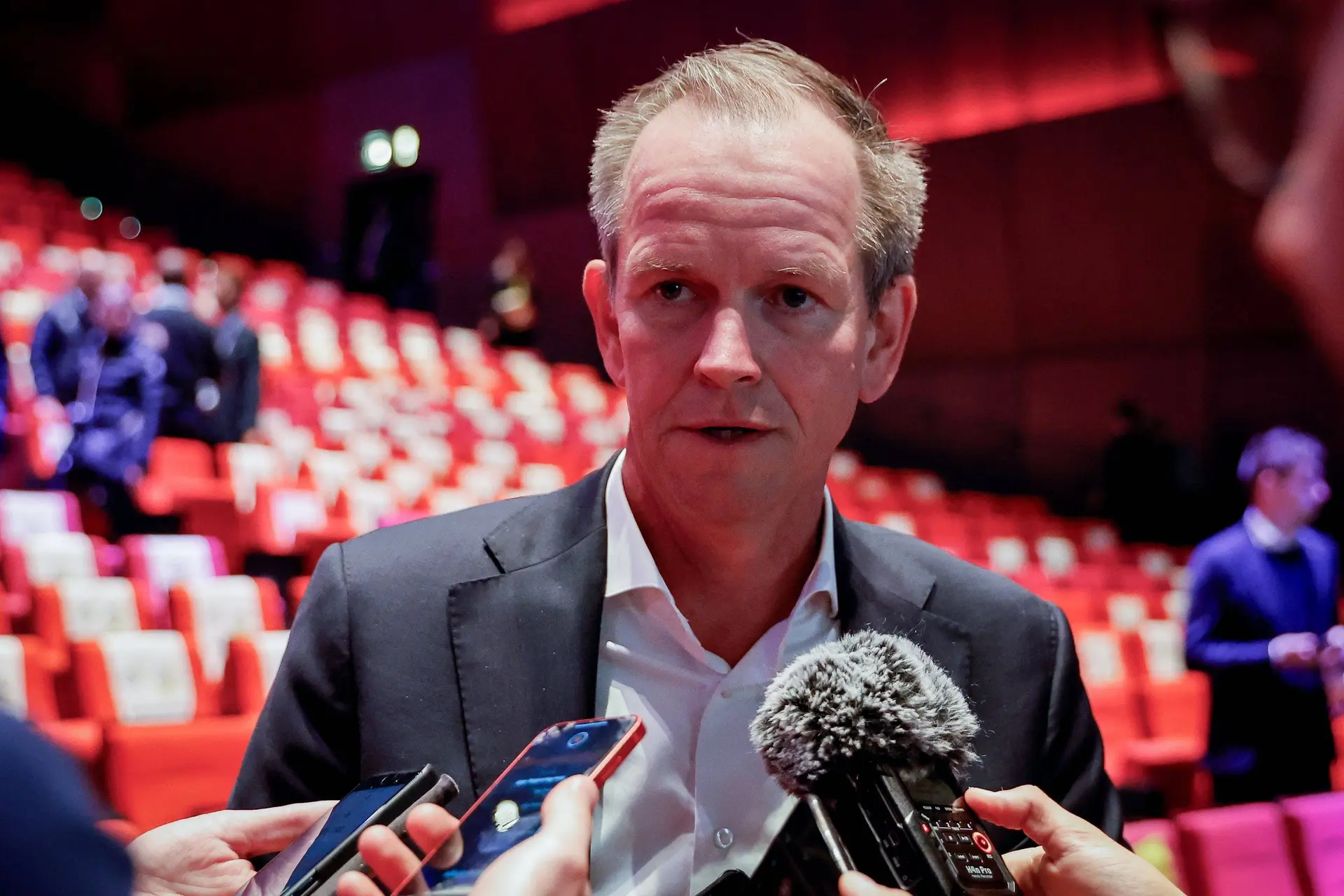
Bruyneel highlights the strategy of the Tour's design: "The route is very well balanced. The hardest stages are at the end, which keeps the excitement going until the end of the race." He points out that the Tour starts with a 19-kilometer team time trial in Barcelona, with two short climbs: "This allows you to see how the leaders are supported by their team, something that can make tactical differences from the start."
For Bruyneel, the big favorite remains Tadej Pogacar, with Jonas Vingegaard as his main rival: "We have seen in recent years that Pogacar and Jonas are a step above the rest. No one else has the ability to challenge them on a consistent basis."
He stresses that Pogacar has a very strong team, capable of placing his teammates in key positions in the overall: "If we say that Pogacar is number one and Jonas second, positions three and four will probably be in Pogacar's team, like Del Toro or Almeida. That gives him a lot of control over the race."
About riders like Remco Evenepoel, Bruyneel considers that certain stages do not favor him: "The time trial on stage 16, 27 kilometers long with the first 10 kilometers uphill, is a disadvantage for Evenepoel against the GC specialists".
Rúben SilvaEditor-in-Chief
A founding contributor to CyclingUpToDate since its launch in January 2022, Ruben Silva has played a central role in shaping the site’s editorial direction and long-term growth. Before joining the project, he built his experience through independent blogging at Echelons Hub and by producing race previews for Ciclismo Internacional, developing a strong analytical voice rooted in daily engagement with professional cycling.
Beyond editorial work, he has been closely involved in the expansion and coordination of CyclingUpToDate’s wider network, helping establish and support sister platforms across multiple languages. This includes ongoing collaboration with CiclismoAlDia (Spanish), CiclismoAtual (Portuguese), WielrennenUpToDate (Dutch), and RadsportAktuell (German), contributing to a shared editorial vision and consistent international coverage.
He also helps oversee editorial governance across the network, setting standards for accuracy and consistency and coordinating updates or corrections when needed.
Originally from the Porto metropolitan area in Portugal, he holds a bachelor’s degree in Geography. His path into cycling journalism was shaped not through formal media training, but through independent reporting, community engagement, and sustained on-the-ground involvement in the sport.
Over the course of his career, he has conducted approximately 100 interviews across road cycling and cyclocross, ranging from one-to-one conversations and online formats to press conferences and on-site pre- and post-race coverage. His interviews include leading riders, team managers, and prominent figures within cycling media: Tadej Pogacar, Jonas Vingegaard, Mathieu van der Poel, Primoz Roglic, Wout van Aert, Joao Almeida and Tom Pidcock; managers like Patrick Lefevere and Joxean Matxin; and YouTube personality Bryan Kennedy (BKXC)...
Within 18 months of launch, he helped grow CyclingUpToDate’s English-language platform into one of the most-read cycling news websites, built entirely from the ground up. As both a professional journalist and lifelong cycling enthusiast, his focus remains on delivering accurate, timely, and well-contextualized coverage.
claps 9visitors 5
Just in
Popular news
Latest comments
- The words... “Remco, on certain days, will just destroy everyone”... don't hold water. Not EVERYONE, most of them, it all depends on the quality of the riders.PogiSloFans16-10-2026
- "The Tour remains at the centre of Simmons' plans". as long as this is the plan, it is unlikely he will succeed. First his team is stacked with leaders for all terrains so opportunity is less. 2nd the TDF is stacked with other top leaders who have more freedom. 3rd the battle between UAE, Visma, Red Bull is so intense that their leaders will win most of the stages with heir team pulling back most breaks.abstractengineer16-10-2026
- Quinn Simmons: “Maybe I’ll never reach the top level.” I also hope he doesn't. I don't care what he looks like, his religion or sexual preference... but when he's a rascist against black people, a Maga Trump voter, that's where I pull the line. The whole world hates Trump, we all know why, but he keeps voting for him. A person that thinks like Trump is ...????. Make your own decision. PS: Trek-Segafredo (today Lidl Trek) suspended him following the controversy over his pro-Trump comments and his use of a dark-skinned waving-hand emoji. The team said the suspension concerned his racist conduct online, not his political views themselves.PogiSloFans16-10-2026
- Denmarks coach reveals 2027 Rainbow Jersey has been targeted by Jonas for years !?!?!? PS: What??? No one believes this meaningless babbling. It's like saying: "The 2027 Monument - Il Lombardia has been targeted by Jonas for years."PogiSloFans16-10-2026
- I made a mistake and already fixed it. Hey twat, thanks.PogiSloFans16-10-2026
- Davide Piganzoli said: "Pogacar looked less brilliant at TDF than usual." We all see how stupid this comment is. What is happening to his brain cells? ... Hey Piganzoli, Tadej Pogačar’s record breaking ascent of Alpe d’Huez was one of the standout performances in the history of the Tour de France. Pantani's 1995 ascent stood for 31 years. Pogi went more than a minute faster. He accelerated near the foot of the climb, despite the leading breakaway being around three and a half minutes ahead. But in your delusional brain Pogi looked less brilliant???? .... Why don't you go find a corner and bang your head against a wall for about 10 minutes. Everyone is making fun of you.PogiSloFans16-10-2026
- MTB WC ? If he doesnt compete maybe allows MvDP to have a crack
 Davide16-10-2026
 - Jonas is declining now. A podium next year would be a good result for him.Renz16-10-2026
- unpredictability is not an issue. Most riders not named Pogi have that. The excuses are and the blaming teammates and other riders for insufficient support and blocking are. if weight is an issue get a nutritionist. If aircon is not working switch rooms. Position yourself or get your teammates and DS to keep reminding you of basic stuff if it is difficult to remember in a long race. Dont whine about other riders not working with you, use tactics yourself or get your DS to develop the tactics. Dont talk about noballs when you yourself have no ballsabstractengineer16-10-2026
- It’s worth remembering that cycling journalism has entered it’s “Shit-Stirring Hot Takes Winter” now in order to keep the clicks and views trickling in.wrsty16-10-2026
Loading
9 Comments