“The story of this Vuelta” – Jasper Philipsen reveals sadness as his family misses out on watching Madrid finale
Cycling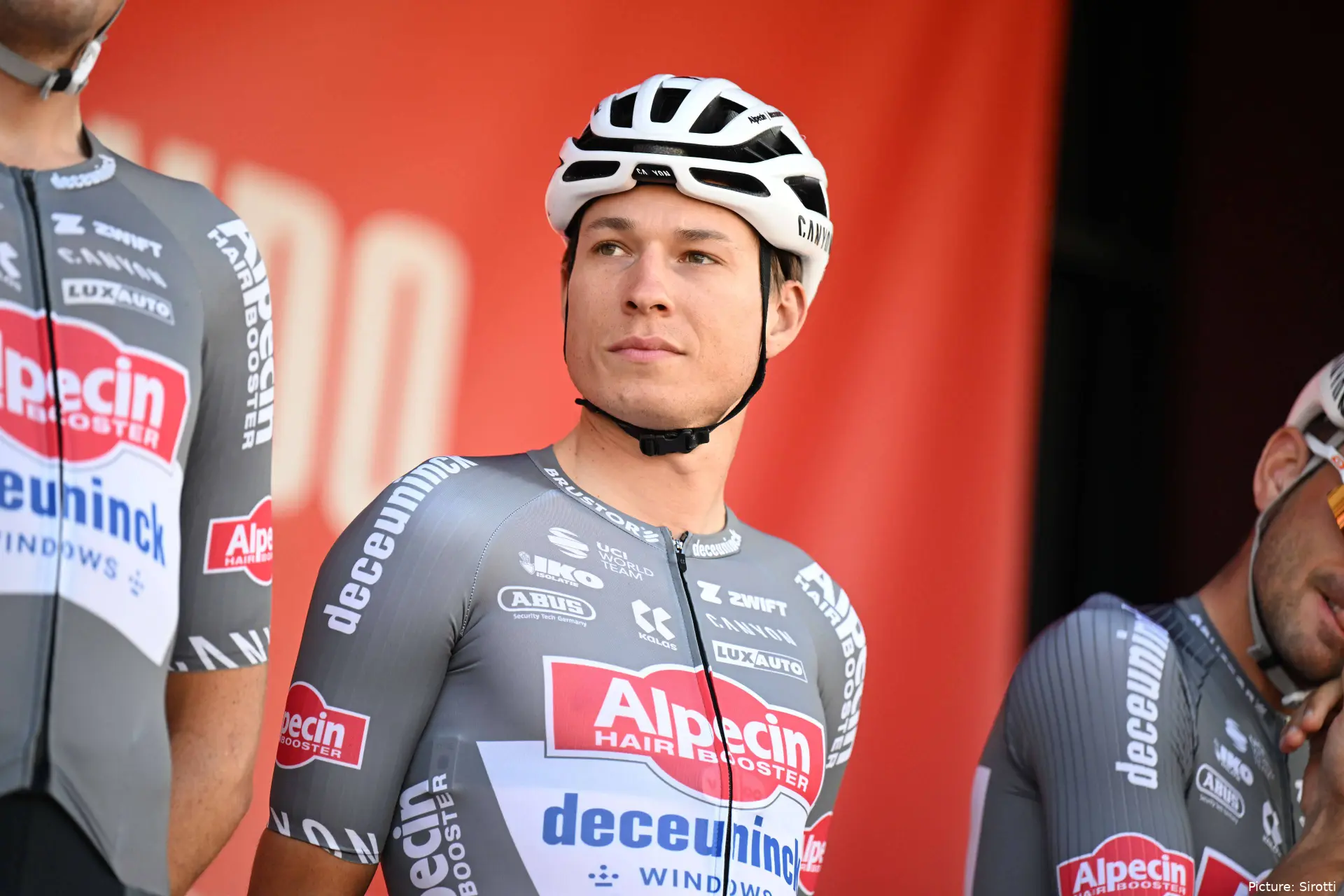
For Jasper Philipsen, the Vuelta a España ended not with the
chance to sprint for a fourth stage win, but with a wave from the team bus
after Stage 21 in Madrid was cancelled. The Belgian sprinter, who had already
collected three victories during the 2025 edition, poured out his
disappointment in his column for Het Belang van Limburg, admitting that the
final day’s collapse hit him on a personal level.
He explained that family and friends had made the journey
only to see nothing. “They had decided last minute to schedule a weekend trip
to Madrid to cheer me on. They didn’t see a single meter of racing,” he wrote.
For Philipsen, who thrives on the buzz of a big-city finale as we have seen in
Paris before, the absence of a race felt hollow. “Well, it’s the story of this
Vuelta, isn’t it? I just washed, but we didn’t sweat much today. Such a shame
for us as riders and for the organizers that we couldn’t just do our jobs.”
A cancelled finale
Stage 21 was meant to bring the peloton through central
Madrid for several laps before a sprint, where Philipsen was the overwhelming
favourite. Instead, pro-Palestinian protests blocked the route and forced
organisers to abandon the race before it even began. Riders were diverted, and
within minutes the official message came through: there would be no more
racing.
Read also
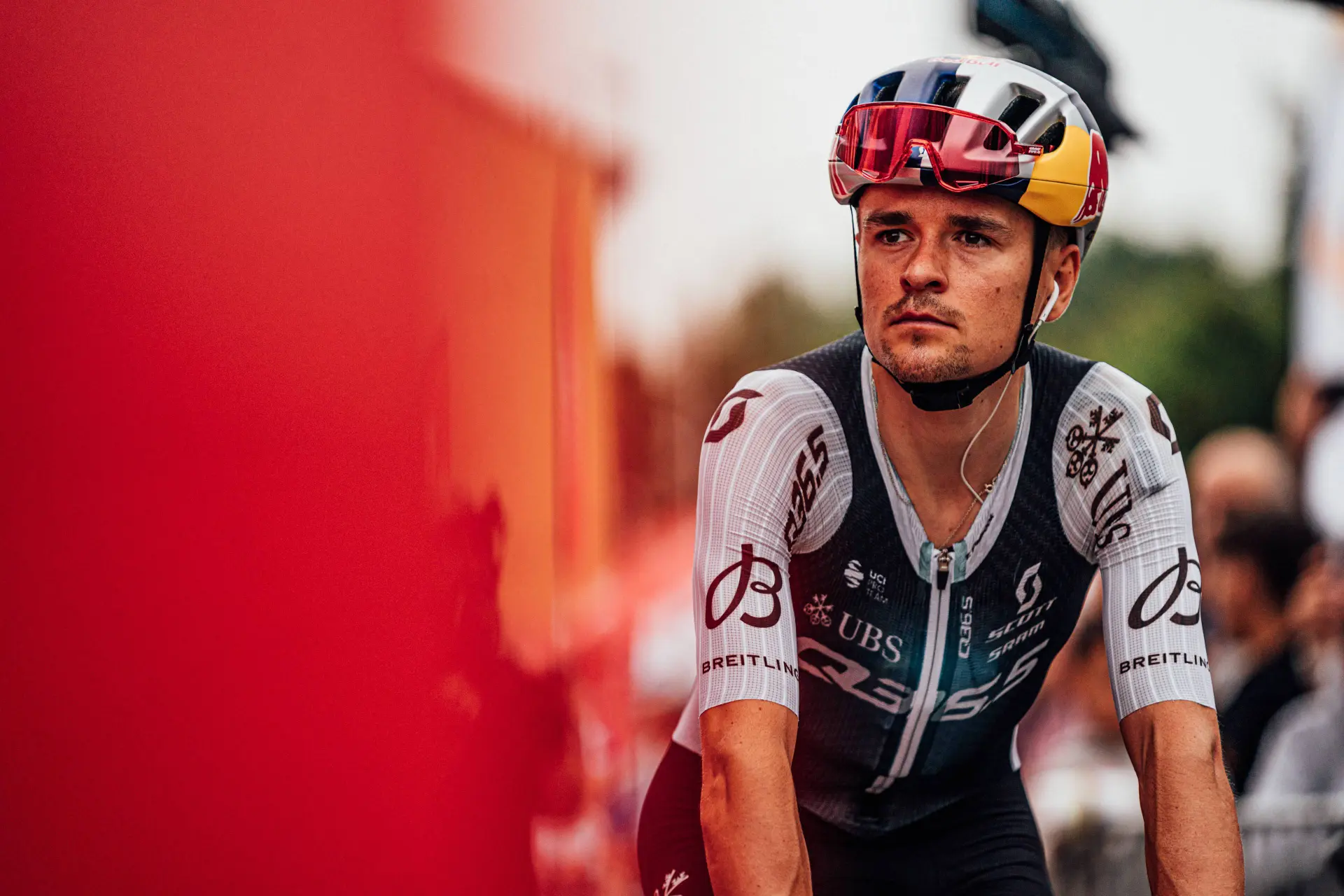
Philipsen captured the surreal nature of it. “We didn’t see
many protesters ourselves. There was an initial blockade upon entering Madrid,
and then they immediately let us onto the ground. Barely a few minutes later,
it was a done deal, and we received the decision in our earpiece: there would
be no more racing.”
The cancellation capped three weeks marked by disruption.
Earlier in the Vuelta, Stage 5’s team time trial was delayed, Stage 11 was
neutralised, Stage 16 had its decisive climb removed, and the Valladolid time
trial was cut in half. Madrid was supposed to restore normality with a
celebratory finish, but instead became the defining image of a grand tour
overshadowed by politics. Ultimately, after the three weeks, the finale ending
in such a manner was inevitable.
Personal disappointment
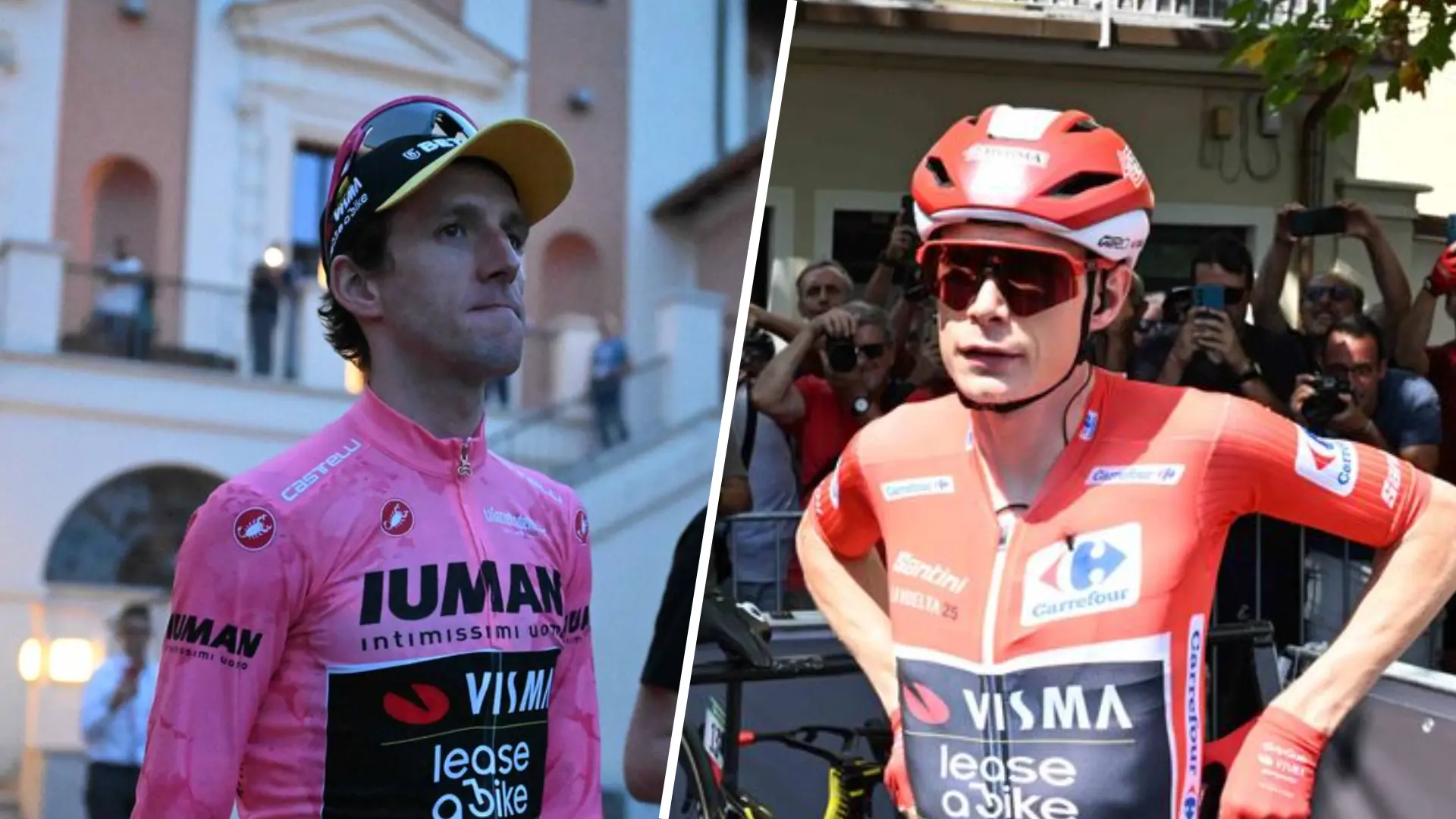
For Philipsen, the missed opportunity was as much about
family as results. He had already secured three stage wins, even while
admitting he was not in peak condition. “Not bad for a rider who actually
didn’t feel all that great in this stage race,” he wrote. A fourth would have
been the perfect finale. Instead, he was left consoling his relatives.
“They made a
last-minute decision to schedule a weekend trip to Madrid to come and support
me. They haven’t seen a meter of racing. Stupid, but I assume they’ll have a
good time without seeing the raging peloton fly by.”
Madrid stage is one of the few certain sprint opportunities
in the Vuelta, given most stages had at least one climb. For Philipsen, it was
a stage designed to suit him perfectly, and the kind of arena where he is
usually at his best.
Read also
Official responses
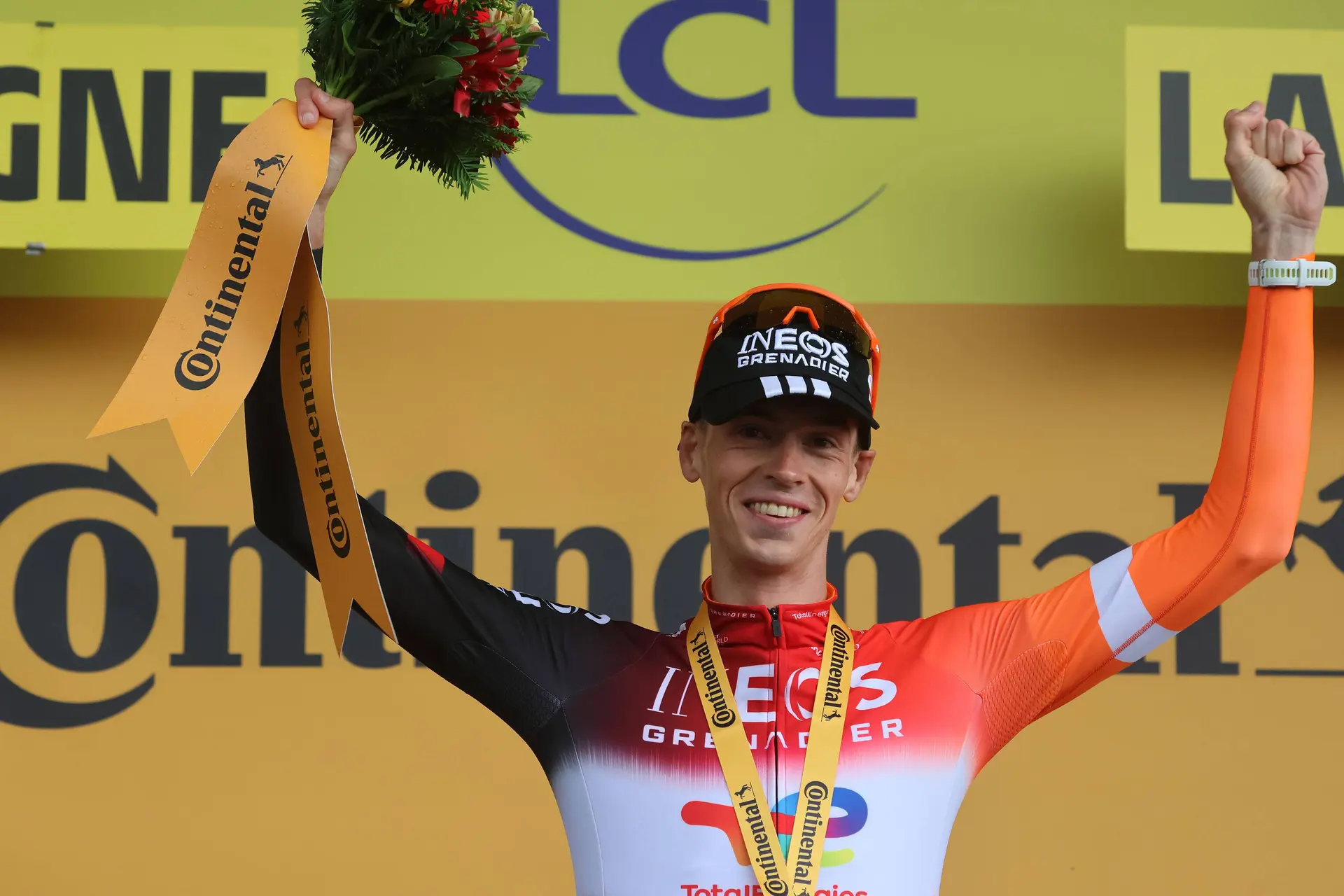
Despite what Philipsen says, for the organisers, the
decision was unavoidable. Local authorities in Madrid, backed by Spain’s
Ministry of Sport, insisted rider safety could not be guaranteed. Spanish
Sports Minister Pilar Alegría explained during the race that while the protests
were understandable given the war in Gaza, the Vuelta had to be allowed to
function as a major sporting event. “It would be bad news if a competition of
this magnitude had to be suspended. Spanish society cannot and should not
remain neutral in the face of what is happening in Gaza. Nor can sport turn its
back on the reality that surrounds it.”

Fin MajorCycling Journalist
Fin Major is a UK-based writer at CyclingUpToDate and has been part of the team since 2024. He is the site’s main writer for FAQs and evergreen explainers and has written around 2,000 pieces for the platform. Alongside this work, he focuses on in-depth analysis and covers the biggest races on the calendar, including the Tour de France, the Giro d’Italia, and La Vuelta a España, providing clear context around performance trends, tactics, and key storylines.
In his reporting, Fin uses reputable data sources such as ProCyclingStats for results, statistics, and historical context. He places strong emphasis on careful sourcing, editorial accuracy, and updating articles promptly when new, verified information becomes available. Outside of writing, Fin is an active cyclist, which supports his practical understanding of the sport and its demands.
claps 13visitors 2
Just in
Popular news

Latest comments
- Bernal won the Tour because his attack stuck after Thomas’s was reeled in, and then they ended the stage due to the landslide - a deserved win, but contingent on many things. He won the Giro with quality and skill. And then, like so often happens for the cruelest of reasons, his injuries left him an incomplete version of his former self. He’s had a great career, what a great GC rider (8 of his 23 wins are GC, including 2 grand tours and 2 of the 7 major GC races), but already was struggling after COVID. I wish him the best, and if he retires, he should retire with pride for a career well done!RidesHills07-10-2026
- Roglič? In an interview he’ll continue to be hilariously dry about his goals, emphasize that he’s still having fun, and keep churning along until he doesn’t want to do this anymore. “Ah, you know, 100 wins would be nice, but eh - it’s just a number. I have fun, you know?” I can almost hear him saying those words. He’s not heading for low rank races to get the wins, he continues to race the major races (and I suspect would have won the Vuelta again were it not for that awful accident and that disgusting purple leg right before racing began).RidesHills07-10-2026
- BTW the list of classics you gave from PCS is participation, not winning
 Rafionain-Glas07-10-2026
 - Yes, though we saw that last week already.Jumpyjohn07-10-2026
- Or that riders get out in time.Jumpyjohn07-10-2026
- Hope he doesn’t stick with it just for that, would hate to see him exhibiting any has been footballer behaviour.Jumpyjohn07-10-2026
- Yep, that’s about it, couldn’t imagine someone wouldn’t get that.Jumpyjohn07-10-2026
- Time for your meds I thinkJumpyjohn07-10-2026
- No surprise here. Nice the oldies are having success, not the first discipline where you expect age to be an advantageJumpyjohn07-10-2026
- Any idea why Remco wasn’t there, Lombardia?Jumpyjohn07-10-2026
Loading
Write a comment