“He is a contender now” – Thomas and Rowe sing Tom Pidcock’s praises after Vuelta a Espana podium
Cycling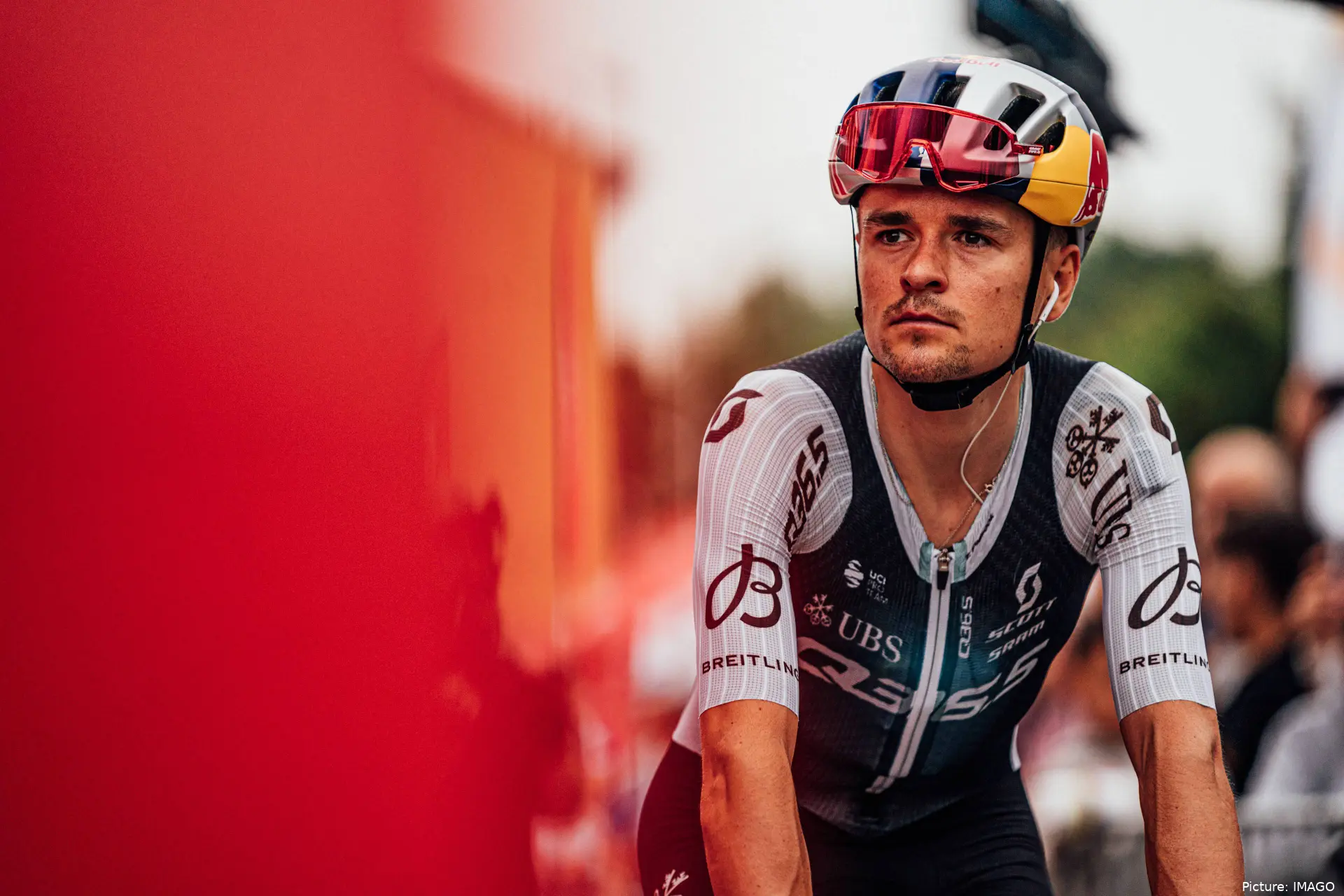
Tom Pidcock announced himself as a Grand Tour rider at the
2025 Vuelta a España, stepping onto the podium behind Jonas Vingegaard and João
Almeida. For the Q36.5 Pro Cycling Team, and for Pidcock who has long thrived
off-road but never lived up to expectations on the tarmac, the result was a
landmark achievement for him. For Pidcock himself, it was proof that he could
not only survive three weeks but also compete with the best climbers and time
triallists in the world.
On the Watts Occurring podcast, Luke Rowe and newly retired
Geraint Thomas reflected on the performance, what it meant for British cycling,
and what might come next.
Thomas didn’t see it coming
“One of the biggest talking points of this Vuelta is the
performance from Pidcock,” began Rowe. The two INEOS legends, Thomas with a
Tour de France title to his name, Rowe with years as a road captain. admitted
they didn’t see it coming. “No. If we rewind back to January and you say
Pidcock will finish on the podium in the Grand Tour, no, I didn’t, to be
honest.”
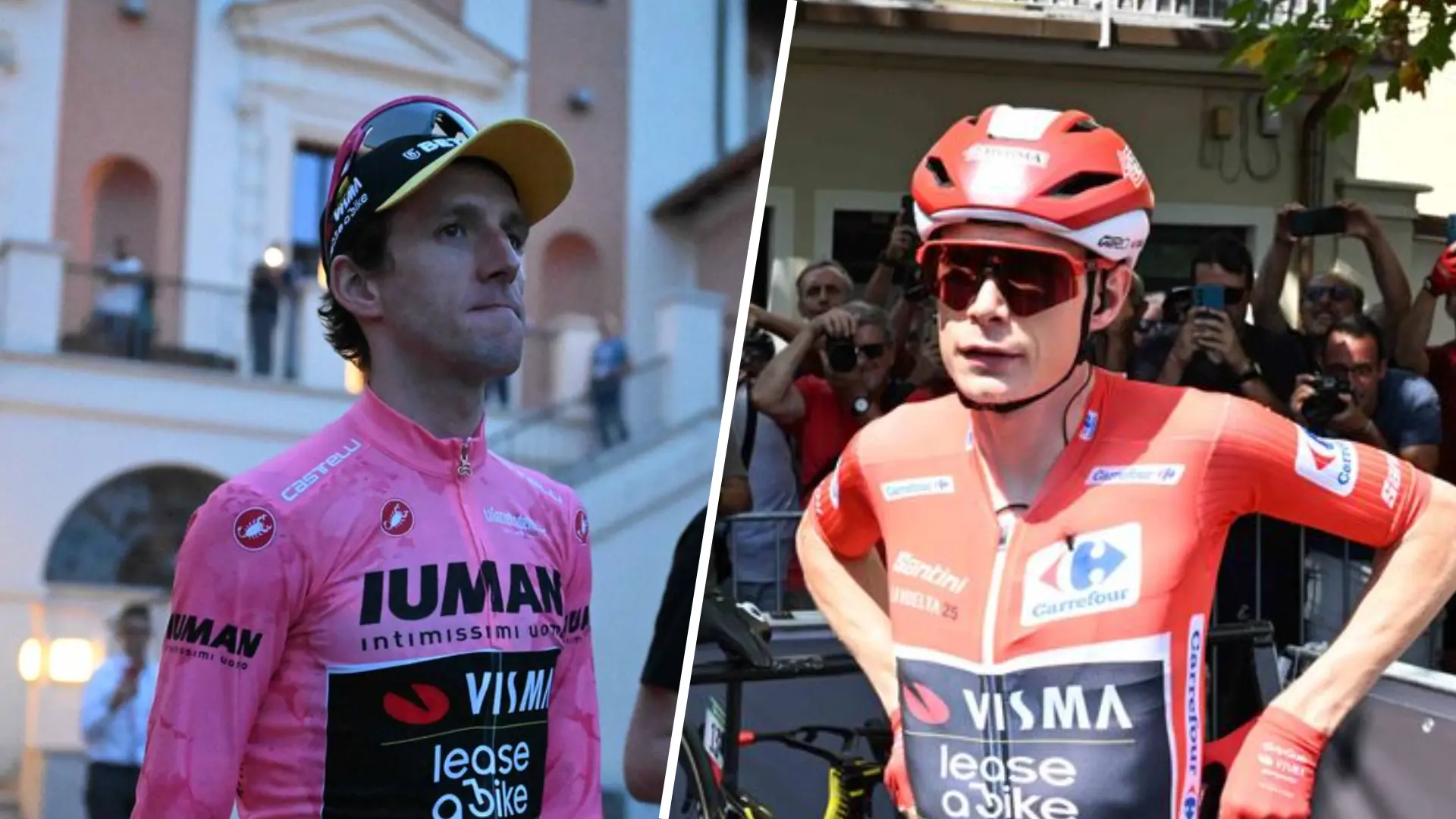
Thomas, who has lived the grind of three-week racing,
contrasted Pidcock’s podium with his struggles earlier in the year at the Giro.
“He did focus on GC… he finished 16th in GC, 44 minutes down… and then just as
a team to then step into the Giro, finish on the podium at three minutes from
Vingegaard.” The shift in just a few months was dramatic, and the gap to the
Dane was close enough to matter. “Three minutes from Vingegaard, you know,
right there in the mix.”
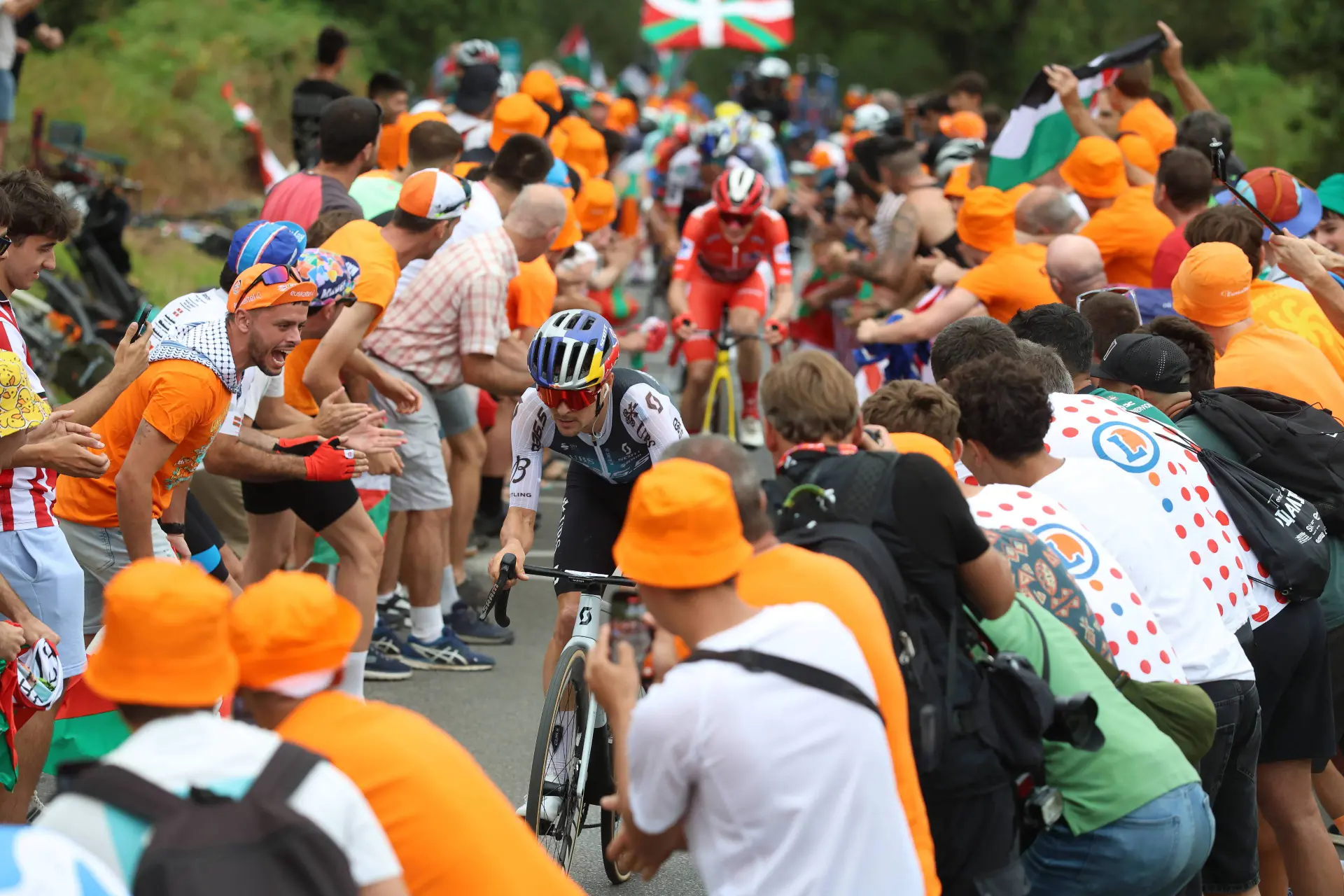
Rowe described the decisive climb of Stage 20 with a racer’s
eye: “He just kept coming back onto the wheel and you’re thinking, oh maybe he
might, and then he lost the wheel again… then he comes back.” It was resilience
in action, measured efforts rather than implosions. The steadiness was new, and
it earned Pidcock the podium.
“He basically did it himself, I think he was on his own a
lot of the time.” Without a stacked mountain train from his team, he held
position, survived attacks, and managed his energy. For Rowe and Thomas, that
was as telling as the result itself. “Even if they didn’t get the stage win
they wanted, they still had the balls to take it on.”
The reward wasn’t just for the rider, but for the team’s
wider project. “They really needed that Vuelta.” And for Pidcock himself, the
significance was clear. “There’s no beating about the bush anymore. Like it’s
just like, this is it. Go for it, isn’t it? Like don’t forget about everything
else now.”
“He is a contender now.”
Britain finds its next GC riders
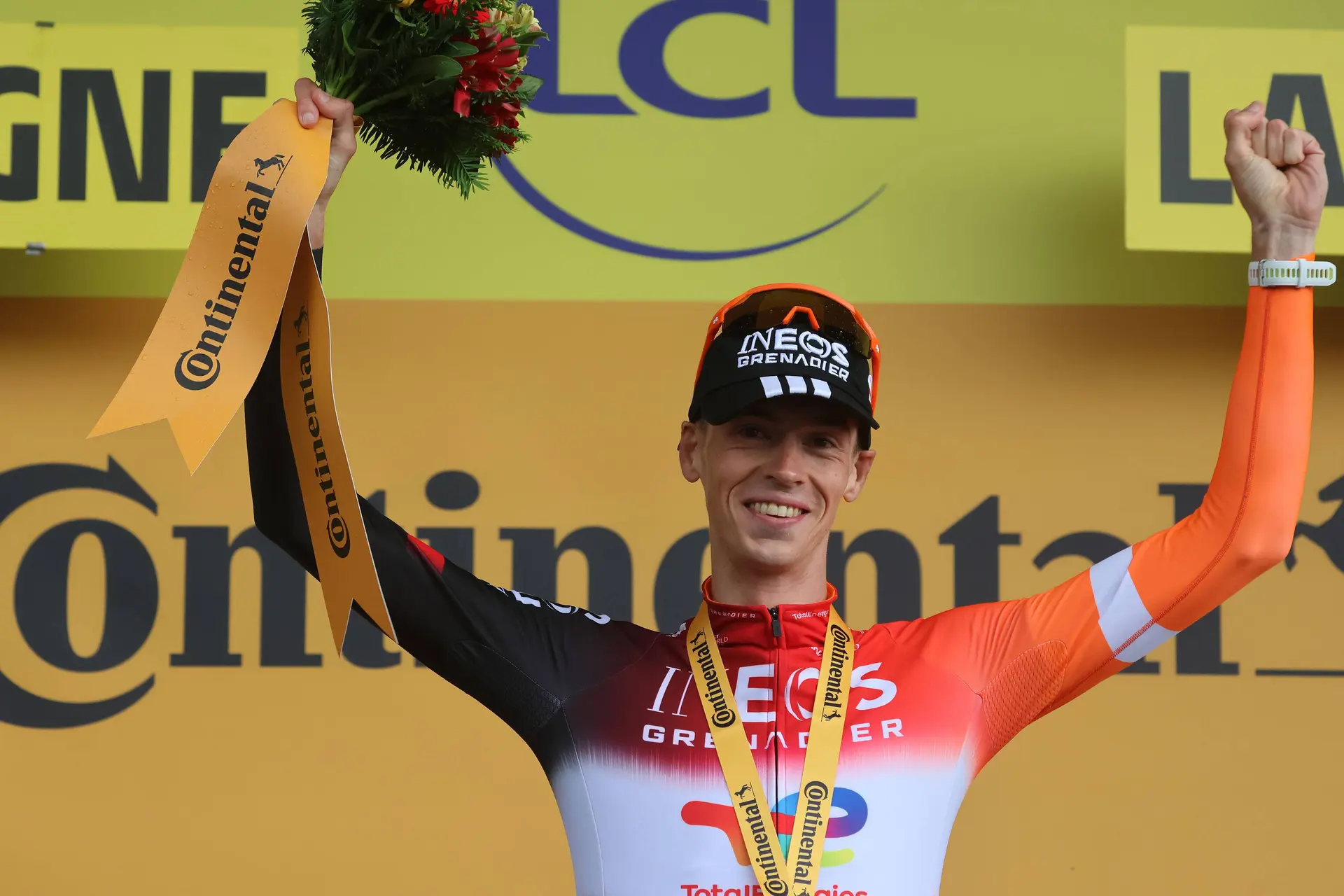
Pidcock’s podium came just months after Oscar Onley finished
fourth in the Tour de France. For a nation that has been defined for more than
a decade by Bradley Wiggins, Chris Froome, and Thomas, this sudden emergence of
new contenders changes the picture.
Onley’s fourth in July and Pidcock’s third in September mean
Britain once again has riders capable of contesting podiums in three-week
races. Given the 2020s have been quiet for British GC riders compared to the 2010s,
the last three months have been a sign that things will change again.

Onley nearly finished on the podium of the Tour de France in July
Tour de France ambition
The natural question was whether Pidcock could repeat the
feat in July. “Do you see him as a Tour de France podium contender?” Thomas
asked. “No, I mean I’d love to say yes,” Rowe began “I would love nothing more
than him to succeed, but I think to go to the Tour, I mean next year, no. In
the future, why not?”
Thomas, too, gave a verdict of measured optimism. “Heart
says yes. Head says no.” Rowe added: “I would say no, but I don’t think he’d be
far off.”
Both agreed that the direction of travel is right. “It is a
strengthened team. It is a process. You know, it is an evolving team.” Pidcock,
at 26, is no longer a prospect but a rider entering his prime. “He’s not a
spring chicken anymore, is he? Like you said, now it’s game time.”
The practical hurdle is even getting to the Tour. “It’s not
often you see a wildcard team podium by the end of it, is it,” Rowe said. “When
it comes to the Tour next year, they obviously have to rely on a wildcard… it
will be one of three wildcard teams. Tough to get in.” But he acknowledged that
Pidcock’s podium might change things. “After that podium in the Vuelta, and you
know, having the name Tom Pidcock there, it’s good for the race. Wouldn’t be
surprised if they did get the Tour wildcard.”
Read also
The Pogacar and Vingegaard age
The podcast spent as much time talking about the broader
hierarchy as it did Pidcock. “Vingegaard showed him (Almeida0 who was boss.”
Rowe’s memory of the Stage 20 finale was clear: “Jonas kind of, yeah, put his
foot down in the final, shot off and won the stage.”
Thomas, who has faced them both, was categorical. “He’s just
currently the second-best Grand Tour rider, the second-best Grand Tour rider of
the generation.” And then came the boldest line: “If Pogi was never born, he’d
be the absolute GOAT, win everything, all those second places would be first
places.”
Read also
The dominance of Pogacar and Vingegaard defines the era.
“Any race that Pogi’s there, it’s going to be hard to beat him at the moment.”
For Vingegaard, Rowe and Thomas argued, there is little to gain. “He can only,
in that situation, really lose, because you’re expected to win.” Which is why
his margins don’t matter. “At the end of the day, who cares, isn’t it? He’s got
his thing. He doesn’t need to win by 10 as long as he wins.”
For Pidcock and Onley, this is the mountain they must climb,
not just Alps or Pyrenees, but an era of dominance by two generational riders.
The Vuelta protests
Then the podcast moved on to the darker, and most dominant
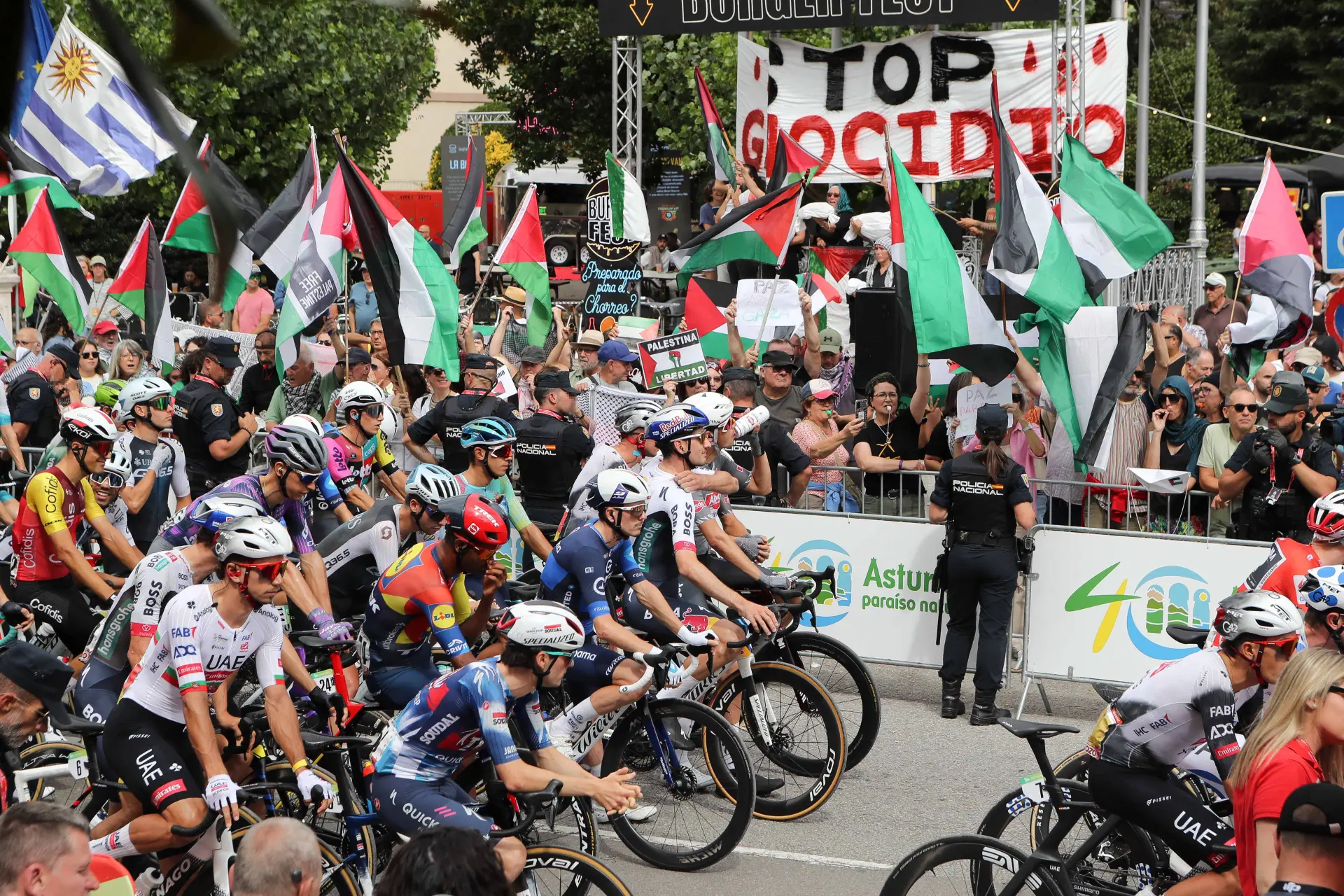
theme of the three weeks in Spain: the protests. Stage 21 in Madrid never
happened. Protests halted the race, and the peloton ended its three weeks in a
car park, with podium boxes improvised out of coolers. Thomas and Rowe captured
the strangeness. “Stage 21 of the Vuelta. What a mess.”
“Unique though, I guess… it’ll always be remembered for
having a podium in the car park on boxes or something, won’t it?” Rowe added.
What looked comic was in fact an improvised solution. “Talk about making the
best of a bad situation.”
Read also
For riders, there was relief in at least marking the
achievement. “Little silver lining. They cracked on and had a great ceremony in
the car park.” And for Vingegaard, who won, Thomas underlined the principle:
“He deserves at least a podium ceremony at the end of a race to celebrate.”
The context was darker. Protests had already shortened or
neutralised multiple stages, and Madrid became the final straw. The Vuelta
podium didn’t cheapen Pidcock’s ride; it reinforced the fragility of a sport
raced on open roads, vulnerable to forces larger than itself. This will
certainly continue to be a problem heading into 2026, particularly with the
Tour set to start in Barcelona.
Almeida’s second place
Rowe and Thomas used the Vuelta to dissect UAE’s approach, particularly
their stage hunting and lack of commitment to Joao Almeida’s GC. “Could UAE
have ridden that better, like could they have pushed Jonas more?” Thomas
doubted the cohesion. “I’m not sure. It’s one big cohesive unit there.”
He wondered if the team had missed a chance in the second
week. “From what I understand, the second week Jonas didn’t look great… and you
kind of think, God, if all those boys just really went all in behind Almeida…
it just seemed like they almost accepted that Jonas, they couldn’t really do a
lot.”
The frustration came from Almeida’s body of work. “Every
Grand Tour he’s finished… fourth, sixth, fourth, third, ninth, fourth, second.”
For Thomas, the numbers demand backing. “There’s more than one way to skin a
cat, isn’t there. But I just feel like Al is someone that deserves the full
backing.”
Amid the analysis, Rowe and Thomas also spoke about who
Pidcock is behind the result. “He’s a guy who likes to work in quite a small
group of people he really likes, trusts, and loves.” For a rider stepping into
GC leadership having moved from the huge set up of INEOS, that personality
trait matters. It shapes how teams are built around him, how support riders buy
into the plan, and how pressure is managed. So far, it seems Pidcock has made
the right move in joining Q36.5.
Pidcock’s podium at the Vuelta was not an accident or a
one-off. It was the result of consistency, measured racing, and an evolution in
both his engine and his mindset. Rowe and Thomas did not baptise him as a Tour
favourite, but they did place him among the riders who matter when the road
tilts up. For now, Pidcock has at the very least proven his GC credentials.
In British cycling, the timing is crucial. With Thomas
retired, Onley and Pidcock provide two new avenues into GC relevance. The road
ahead is brutal: Pogacar and Vingegaard are not fading, and Almeida, Remco, and
others remain in the mix. But the podium in Spain changes the question. It is
no longer whether Pidcock can survive three weeks, it is how far he can go.
As Thomas put it best: “He is a contender now.”

Fin MajorCycling Journalist
Fin Major is a UK-based writer at CyclingUpToDate and has been part of the team since 2024. He is the site’s main writer for FAQs and evergreen explainers and has written around 2,000 pieces for the platform. Alongside this work, he focuses on in-depth analysis and covers the biggest races on the calendar, including the Tour de France, the Giro d’Italia, and La Vuelta a España, providing clear context around performance trends, tactics, and key storylines.
In his reporting, Fin uses reputable data sources such as ProCyclingStats for results, statistics, and historical context. He places strong emphasis on careful sourcing, editorial accuracy, and updating articles promptly when new, verified information becomes available. Outside of writing, Fin is an active cyclist, which supports his practical understanding of the sport and its demands.
claps 0visitors 0
Just in
Popular news

Latest comments
- Bernal won the Tour because his attack stuck after Thomas’s was reeled in, and then they ended the stage due to the landslide - a deserved win, but contingent on many things. He won the Giro with quality and skill. And then, like so often happens for the cruelest of reasons, his injuries left him an incomplete version of his former self. He’s had a great career, what a great GC rider (8 of his 23 wins are GC, including 2 grand tours and 2 of the 7 major GC races), but already was struggling after COVID. I wish him the best, and if he retires, he should retire with pride for a career well done!RidesHills07-10-2026
- Roglič? In an interview he’ll continue to be hilariously dry about his goals, emphasize that he’s still having fun, and keep churning along until he doesn’t want to do this anymore. “Ah, you know, 100 wins would be nice, but eh - it’s just a number. I have fun, you know?” I can almost hear him saying those words. He’s not heading for low rank races to get the wins, he continues to race the major races (and I suspect would have won the Vuelta again were it not for that awful accident and that disgusting purple leg right before racing began).RidesHills07-10-2026
- BTW the list of classics you gave from PCS is participation, not winning
 Rafionain-Glas07-10-2026
 - Yes, though we saw that last week already.Jumpyjohn07-10-2026
- Or that riders get out in time.Jumpyjohn07-10-2026
- Hope he doesn’t stick with it just for that, would hate to see him exhibiting any has been footballer behaviour.Jumpyjohn07-10-2026
- Yep, that’s about it, couldn’t imagine someone wouldn’t get that.Jumpyjohn07-10-2026
- Time for your meds I thinkJumpyjohn07-10-2026
- No surprise here. Nice the oldies are having success, not the first discipline where you expect age to be an advantageJumpyjohn07-10-2026
- Any idea why Remco wasn’t there, Lombardia?Jumpyjohn07-10-2026
Loading
Write a comment