“Road cycling is different to cyclocross – it would have a negative effect”: Tour of the Alps boss disagrees with Wout van Aert’s ticketing idea for cycling's biggest races
Cycling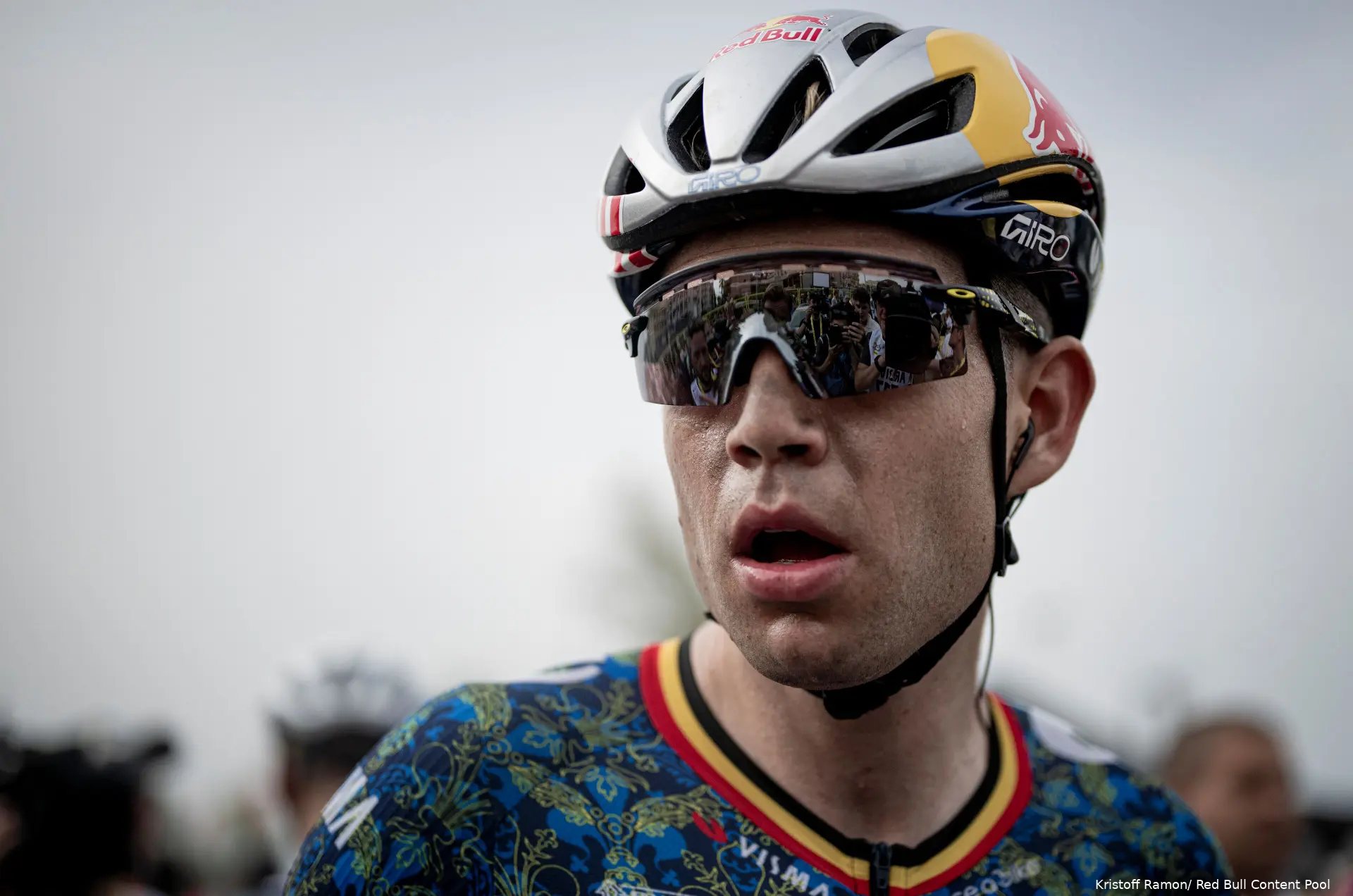
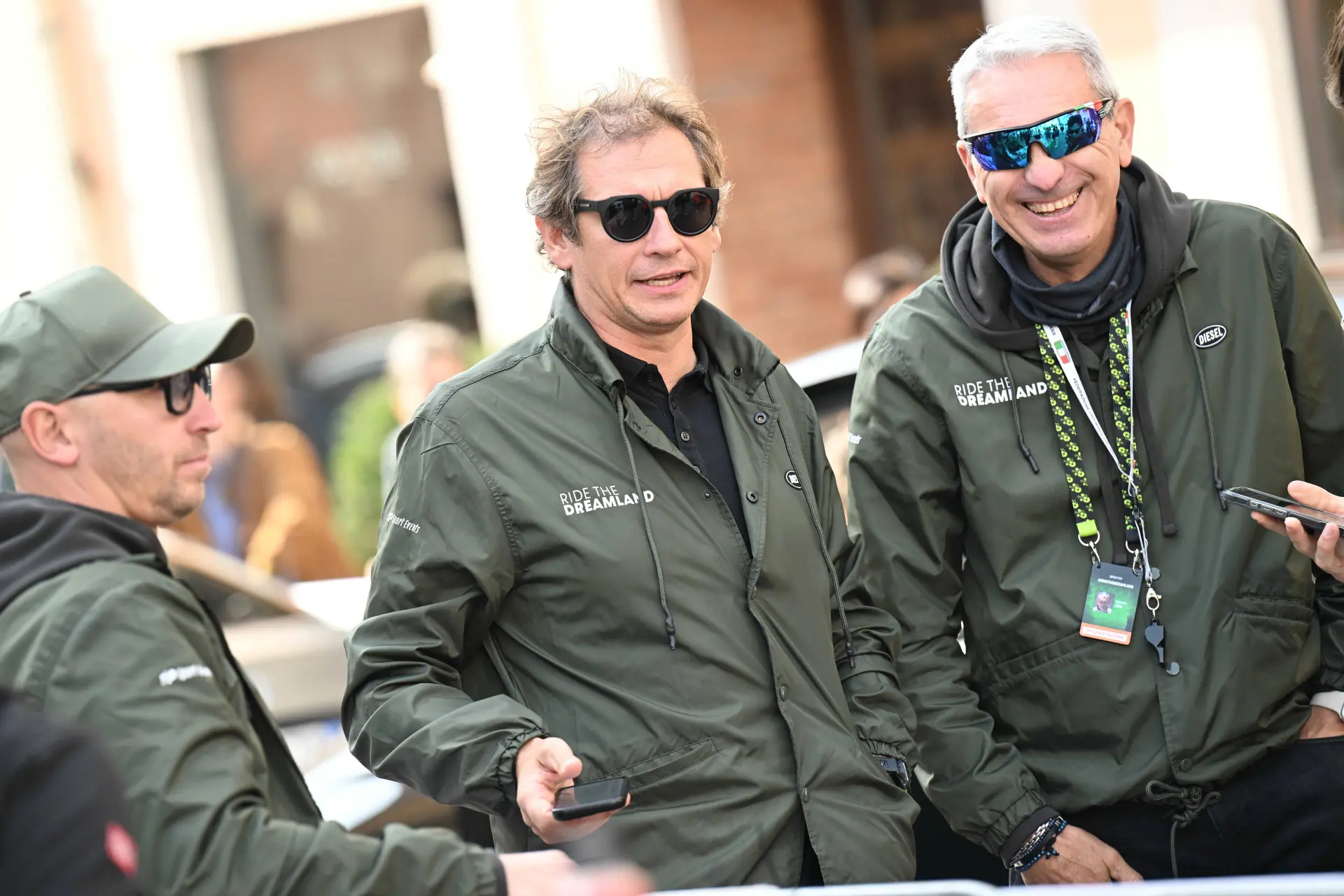
Tour of the Alps general manager Maurizio Evangelista has pushed back against growing calls to introduce ticketing at major road races, insisting that paid access, while viable in cyclocross, would “impact negatively” on the sport when applied to roadside viewing.
Speaking to SpazioCiclismo, Evangelista questioned both the sudden intensity of the debate and the way it has been framed. “For us it is not a priority,” he said. “With respect for all opinions, the sudden attention on the subject leaves me perplexed. It is a wrongly framed issue… road cycling is different. It would have a negatively impactful effect.”
His intervention arrives just days after Wout van Aert became the most high-profile active rider yet to argue that modest ticketing should not be considered taboo. Van Aert told De Tijd that “if you charge €5 entry fee, that doesn’t mean it’s no longer for the people,” adding that cyclocross demonstrates how paid access can coexist with an inclusive atmosphere.
Evangelista, however, believes the comparison between the two disciplines is limited.
“Road cycling is different”: Evangelista warns against blanket solutions
While acknowledging that entry fees already exist in countries with a cyclocross tradition, Evangelista underlined that large-scale road races operate under completely different logistical and cultural conditions.
He cited the 2019 European Cyclocross Championships, where his organisation sold 6,000 tickets, as an example of how controlled attendance works in enclosed or semi-enclosed venues. But when the conversation shifts to open-road events, he argued the dynamic changes entirely.
“Road cycling is different. It would have a negatively impactful effect,” he reiterated. “The first problem to consider is the context, the organisational conditions that the context offers, and above all the uniqueness of the event being proposed.”
Evangelista stressed that only races with exceptional circumstances — such as a Grand Tour queen stage or a World Championships circuit — could even entertain the idea of limited paid zones. Applying it broadly, he warned, would be “punitive for cycling”.
Contrasting with Van Aert: two visions for the same financial problem
The Italian’s comments contrast sharply with Van Aert’s recent stance, which formed part of a wider argument about cycling’s financial fragility. Van Aert made clear that relying solely on sponsors leaves teams vulnerable and that new revenue streams must be explored.
He said “the fragility would be much less… if, alongside sponsorship income, there were also revenues coming from the sport itself,” pointing specifically to TV rights and alternative sources.
His suggestion that carefully implemented €5 ticketed zones would not damage cycling’s identity stands at odds with Evangelista’s view that the sport risks losing part of its essence if the roadside becomes restricted without exceptional justification.
“The time is not right”: Evangelista urges realism before reforms
Evangelista also questioned whether Italian cycling — and the wider sport — is ready for such a shift.
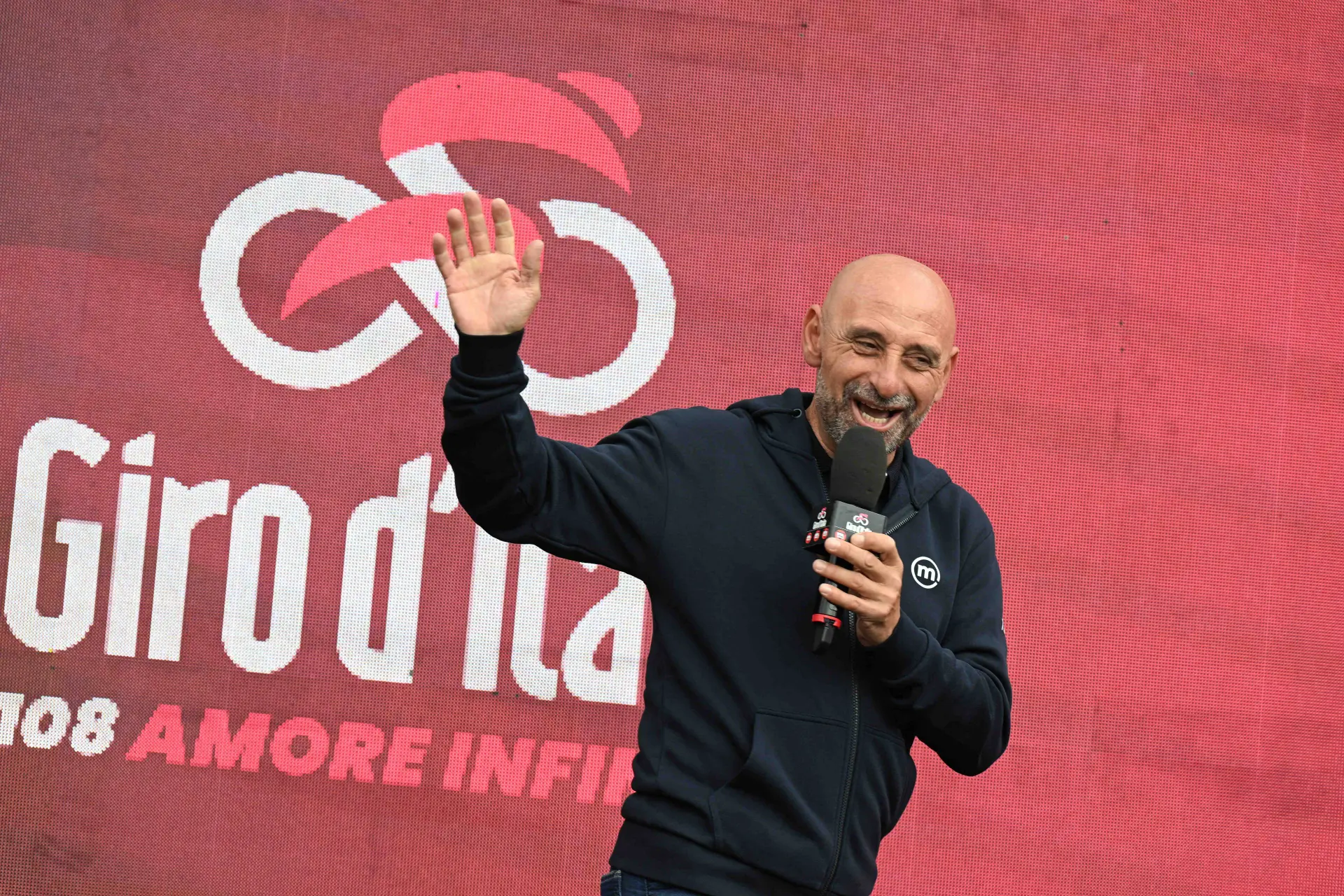
He noted that even without major, home nation stars in Italy, roadside crowds remain strong, and forcing payment for non-exceptional events could be counterproductive. “I think it would be discouraging to propose something like this for an event that does not have an exceptional character. The time is not right,” he said.
Using Milano-Sanremo’s Poggio climb as an example, Evangelista pointed to practical impossibilities: no parking, no infrastructure, and a race passage lasting seconds. Even hospitality structures, he argued, would not meaningfully influence the fortunes of Italian cycling.
“I realise that cycling, compared with other sports, does not have many other sources of income,” he conceded, but insisted that altering the free-to-watch foundation of the roadside experience is not the solution for the majority of races.
A sport seeking answers from different directions
Evangelista concluded by emphasising that events need individuality and long-term planning before adopting revenue changes. “An event, to be complete, must have its own shape. Thinking that a cycling event today is just the race and nothing more is wrong.”
As the sport continues wrestling with its financial model, Van Aert and Evangelista now represent two of the clearest, opposing viewpoints within the same conversation: one pushing for pragmatic evolution, the other warning that road cycling’s cultural and logistical reality demands caution.
What both agree upon — and what the wider debate continues to highlight — is that the sport can no longer avoid the question altogether.


Kieran WoodDeputy Editor-in-Chief
Kieran Wood is a sports journalist based in Wales and has been active in journalism since 2022. He regularly contributes to DartsNews.com and CyclingUpToDate.com, where he covers professional cycling and darts. In cycling, his work includes liveblogs from major races, including the Tour de France, the Giro d’Italia, and La Vuelta a España, alongside race reports and analysis. He has also conducted interviews with professional riders.
His reporting spans the full racing calendar, from one-day classics to stage races, with a focus on accurate, real-time coverage and clear contextual analysis. For statistics, results, and historical context, he regularly uses resources such as ProCyclingStats. To support reporting on rider activity and training context where relevant, he also references Strava.
In his work, Kieran places strong emphasis on careful sourcing, editorial accuracy, and updating articles as new, verified information becomes available.
claps 0visitors 0
Just in
Popular news
Latest comments
- A shame to see him retire, I really liked him as a rider. His dignified tribute along with Matej Mohorovic to Gino Mader after his death was class and will always live in my memory. Enjoy your retirement.GregT11-10-2026
- A shame to see him retire, I really liked him as a rider. His dignified tribute along with Matej Mohorovic to Gino Mader after his death was class and will always live in my memory. Enjoy your retirement.GregT11-10-2026
- I thought Seixas had hit the end of the road from a fatigue standpoint, after the WC meltdown - and he still finished ok. This was impressive and an amazing return.mij11-10-2026
- totally, eating crow for breakfast this morning. after the world championships I thought we were looking at a late season fade from fatigue. way to go Paul!mij11-10-2026
- Well if UAE the best team in history comes knocking their the only team in the world who can get Seixas. Seixas will become unbeatable and incredible there. Lets see if he stays at decathlon or goes to UAE.miguel11-10-2026
- Pogi would have won the Vuelta at around 10 min. But it would have been boring for fools like you. Capish?PogiSloFans11-10-2026
- Rather than me describing the technology at length on here, If you google. Line-scan cameras. They are also sometimes called Slit-Scan cameras. Either search will fill you in. You can read all about how they. work. Enjoy! Just to be clear the cyclist is saying he wants to see exactly where the digital finish line is in relation to the actual physical finish. At this point we only have the word of the authority that the digital line corresponds to the exact starting edge of the physical finish line. That seems like a reasonable request to me.Prorodsandstuff11-10-2026
- 100% @Jumpyjohn, good point well raised.anonymouscyclist11-10-2026
- The media keep stirring the soup.. or spitting in it
 leedorney11-10-2026
 - Yes, he has won many races... second class races. He isn't the real deal... Seixas is the real deal. Capish?PogiSloFans11-10-2026
Loading
Write a comment